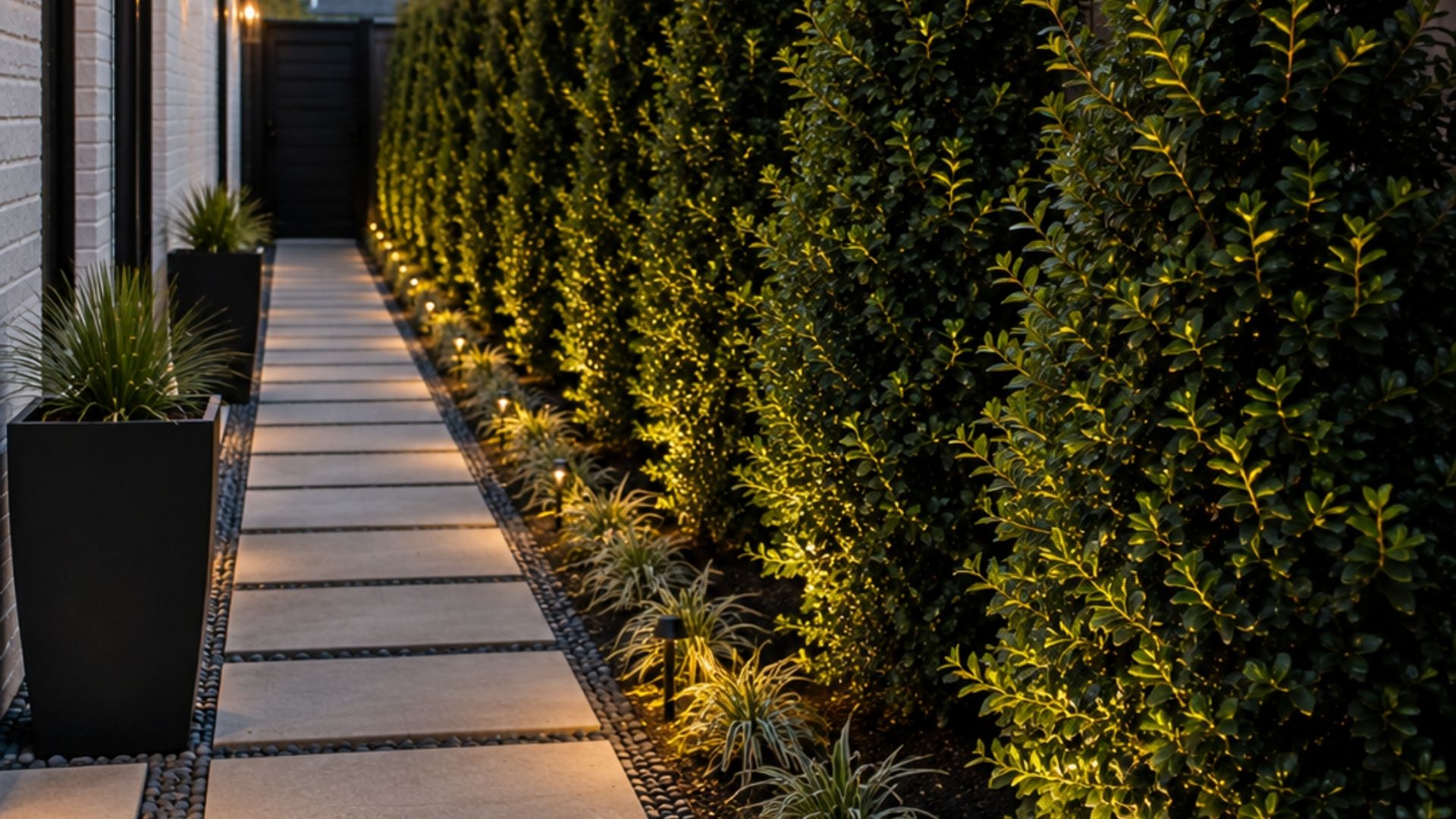
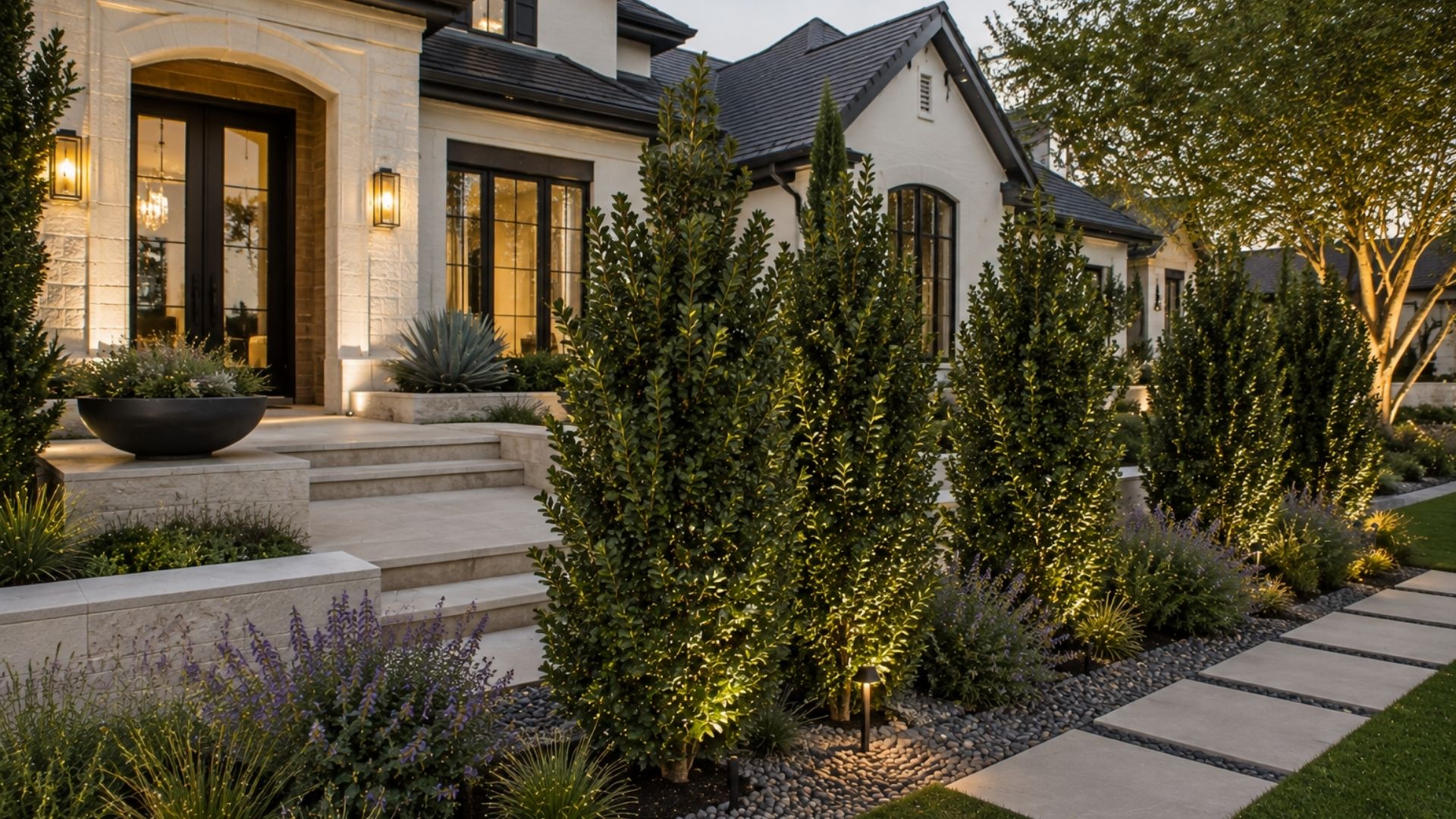


Wax Myrtle
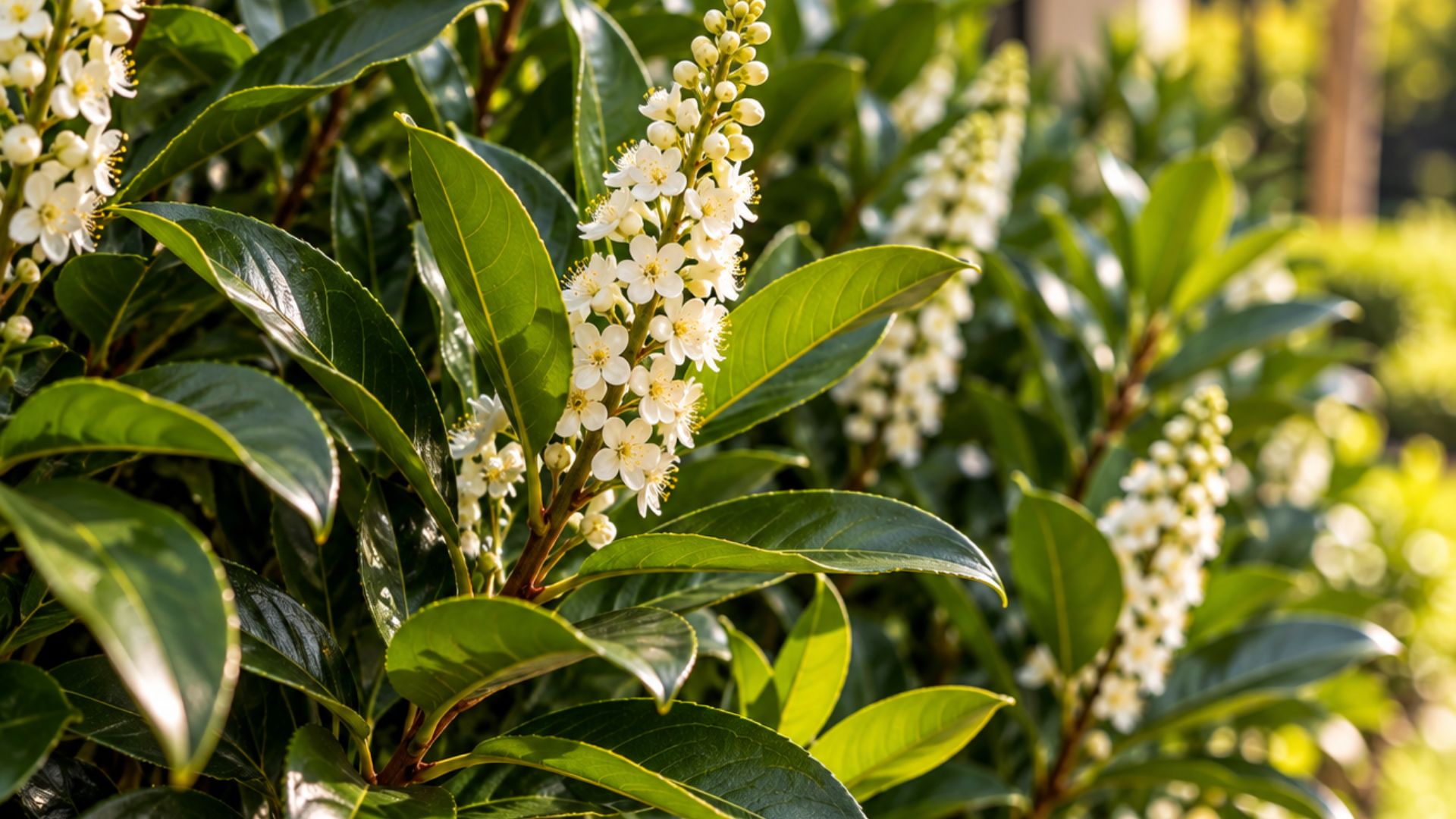
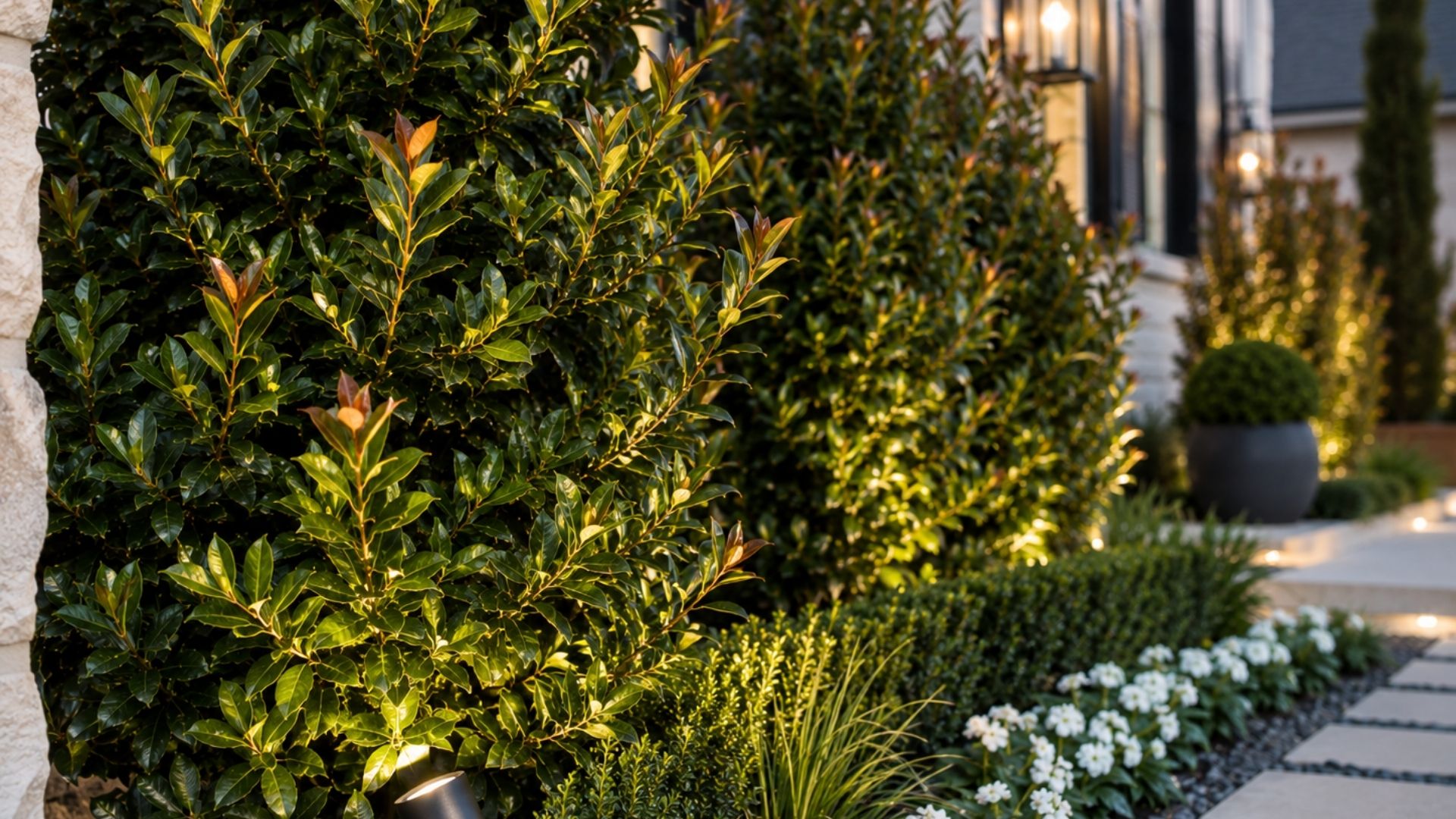
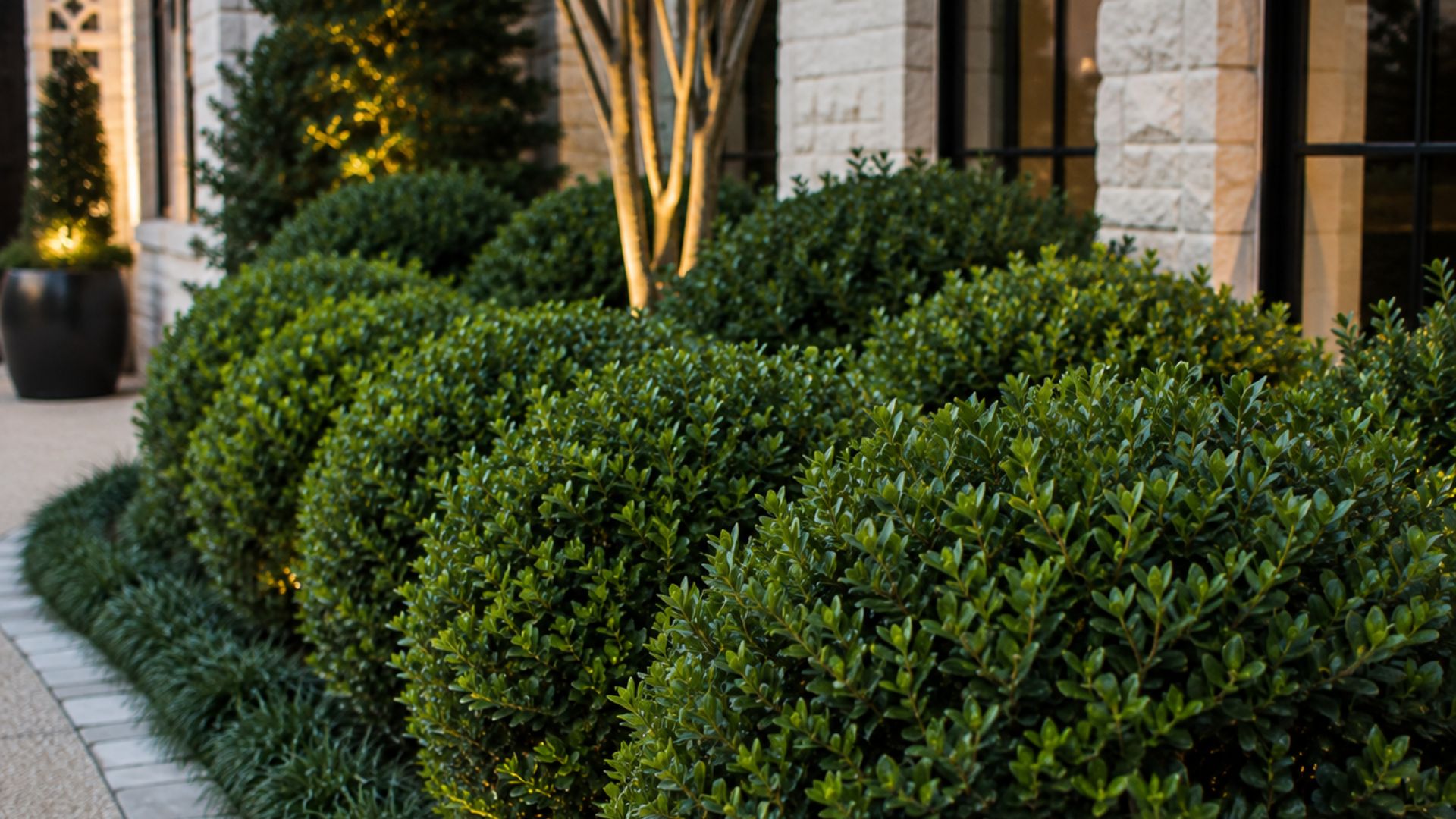
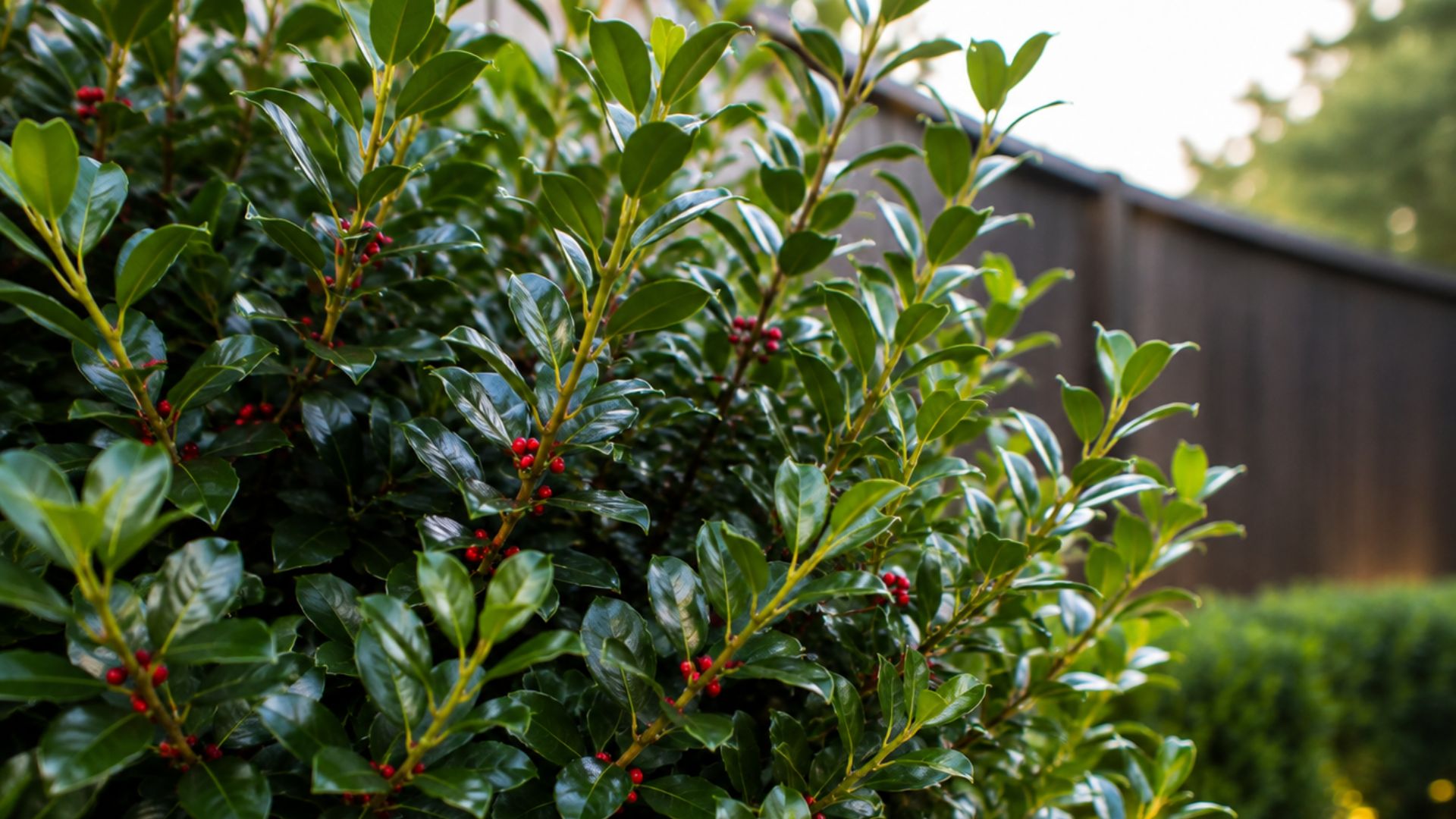
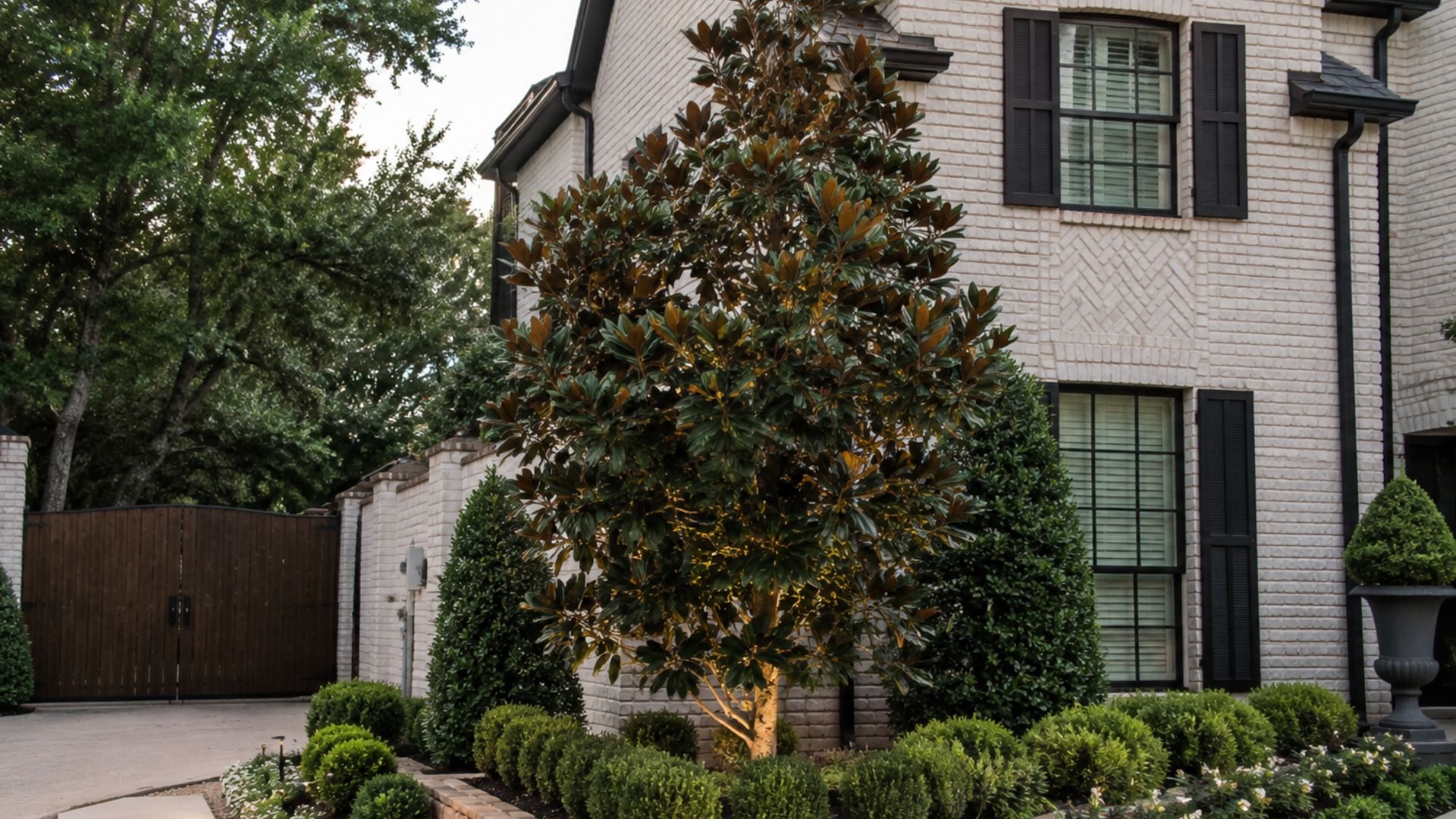
A fast-growing evergreen shrub or small tree with dense, aromatic green foliage and a naturally full, informal shape. Typically grows 10–20 feet tall and 8–15 feet wide, depending on the variety and pruning style. Hardy in USDA Zones 7–10, Wax Myrtle handles heat, humidity, and a range of soil conditions, making it an excellent choice for privacy screens and lush resort-style landscapes throughout North Texas.
Wax Myrtle
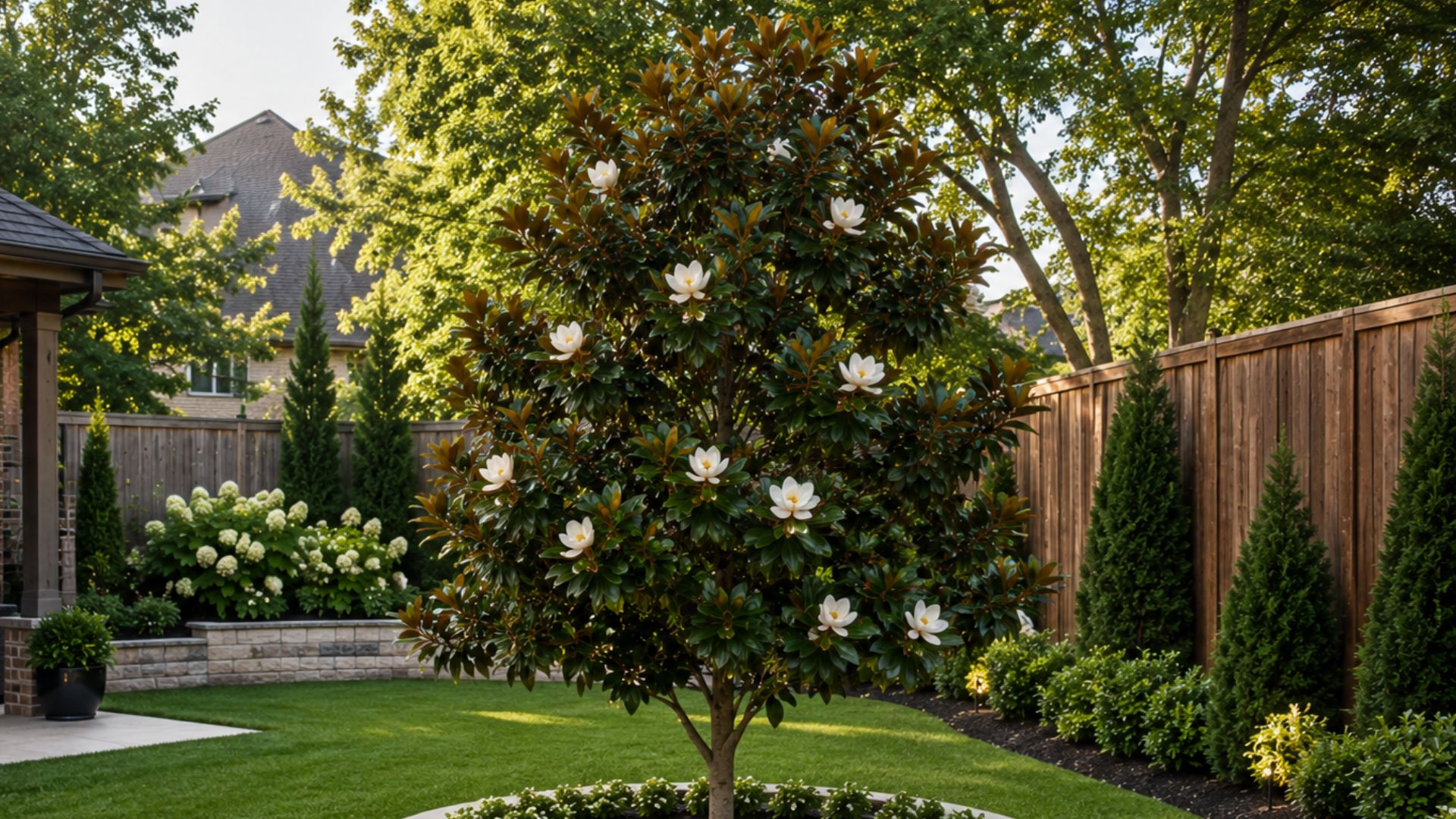
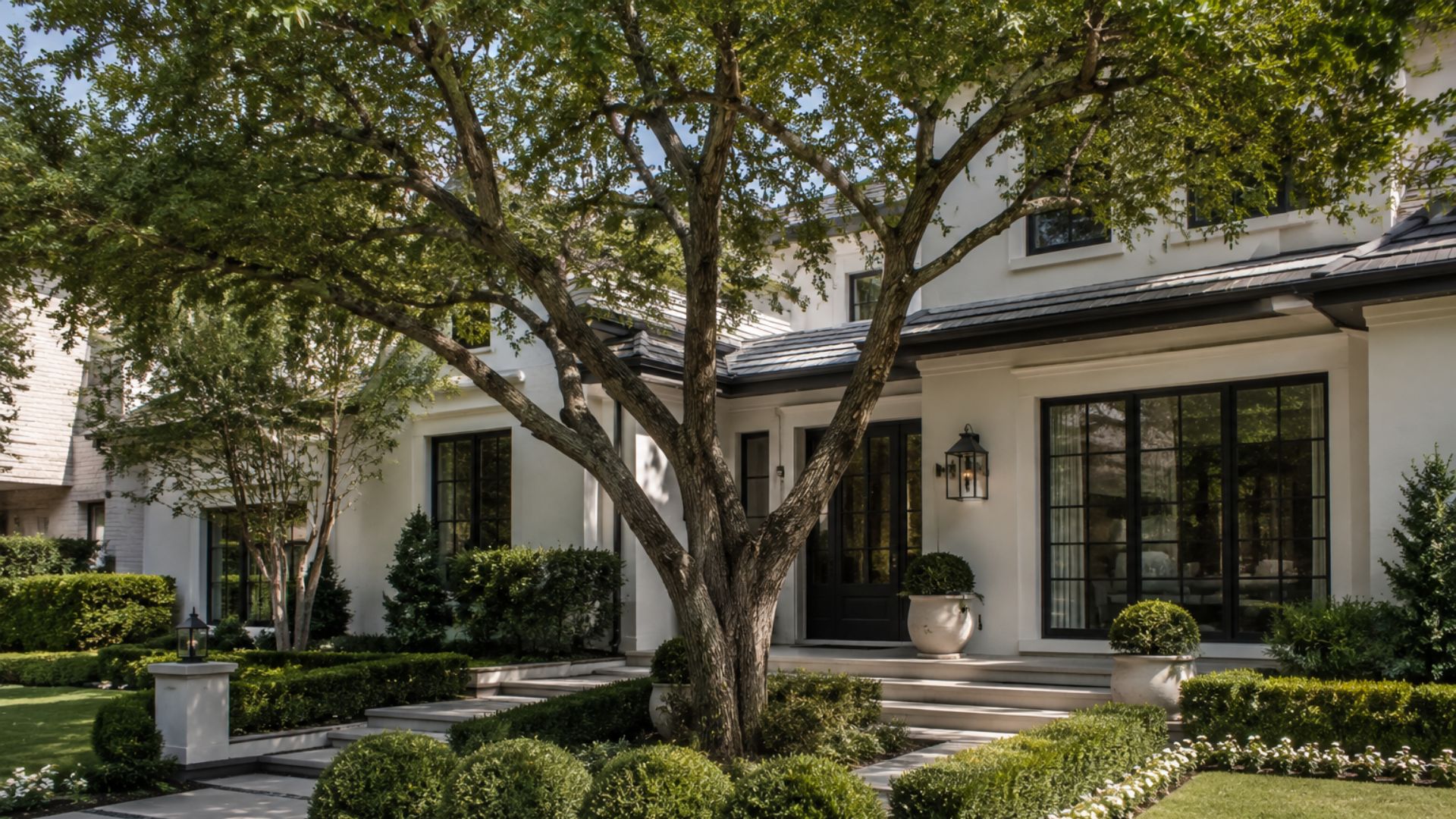
Wax Myrtle (Morella cerifera) is a versatile evergreen that brings softness, privacy, and year-round greenery to resort-style landscapes. Its slender leaves and dense branching create a lush appearance without the rigid, formal look of a traditional hedge. Depending on how it is maintained, Wax Myrtle can develop as a large natural shrub or be trained into a multi-trunk small tree.
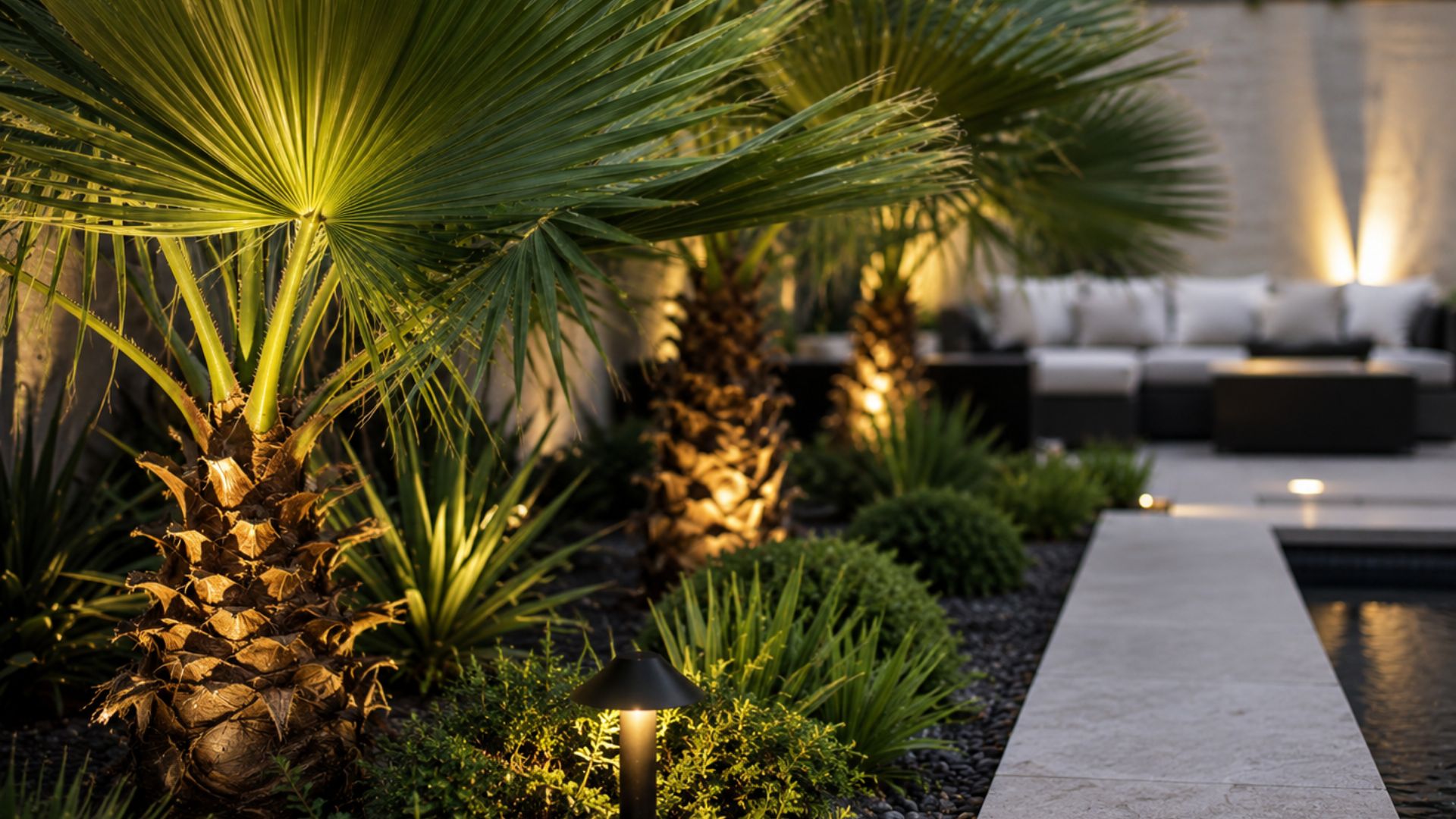
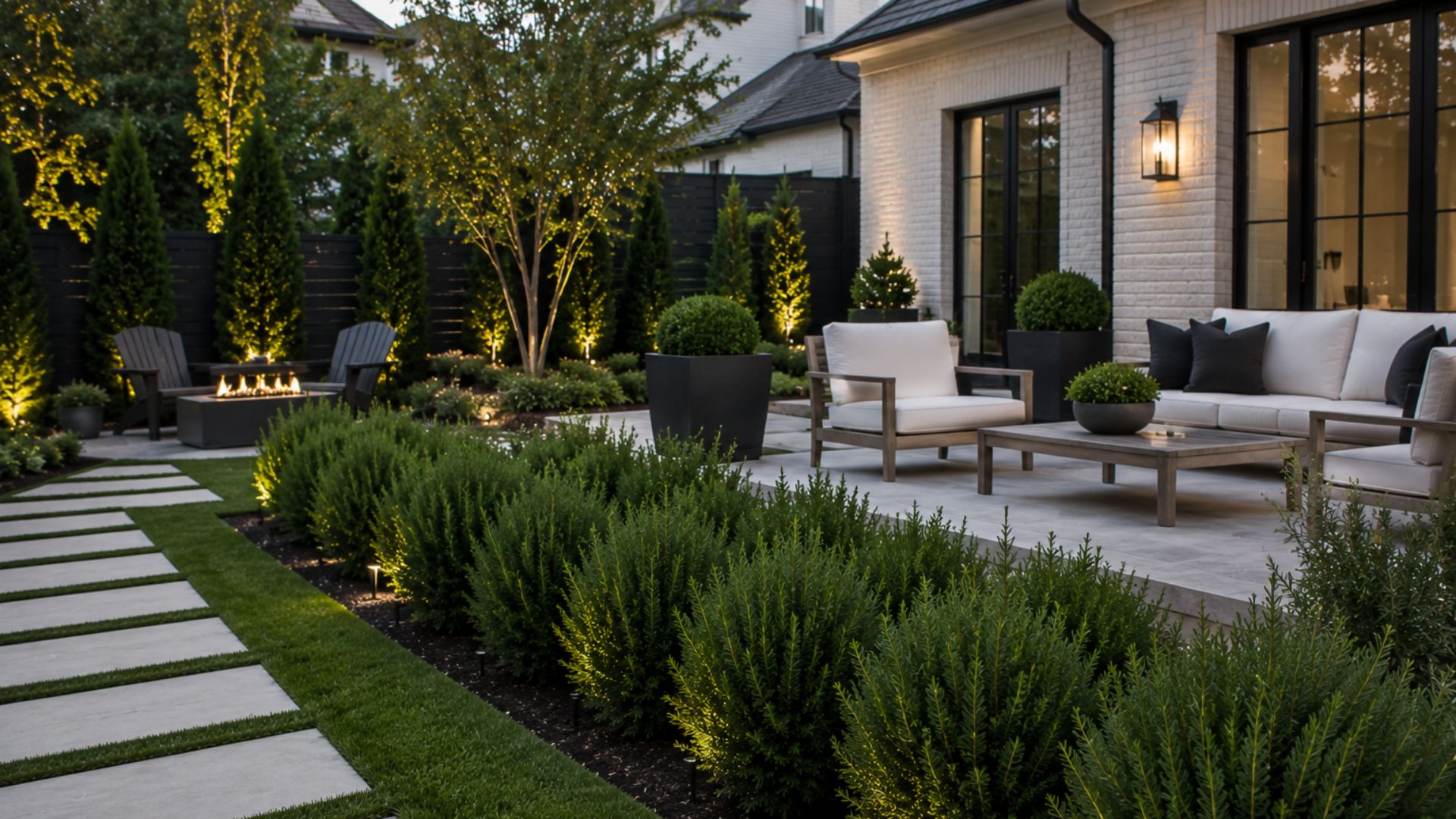
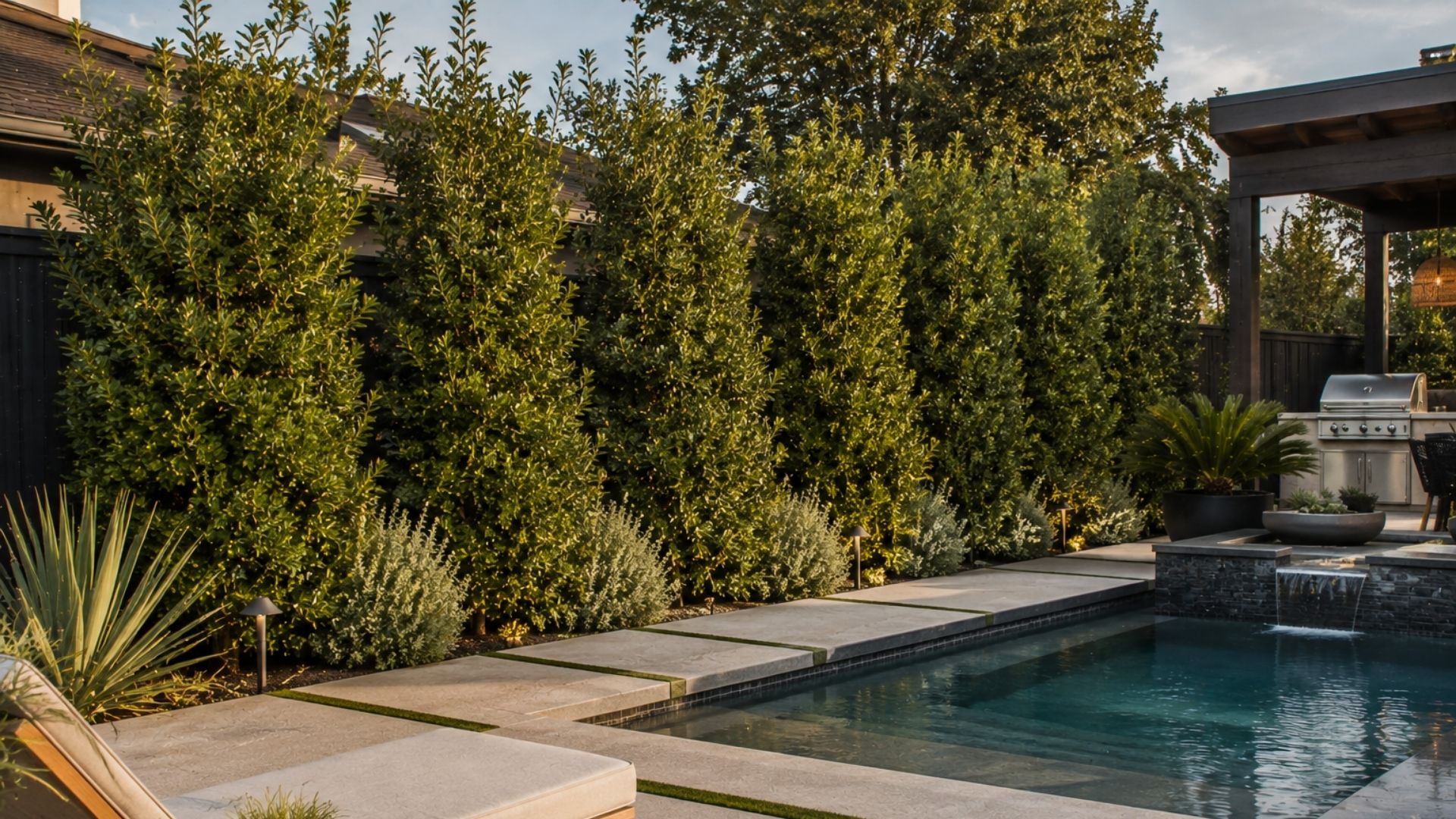
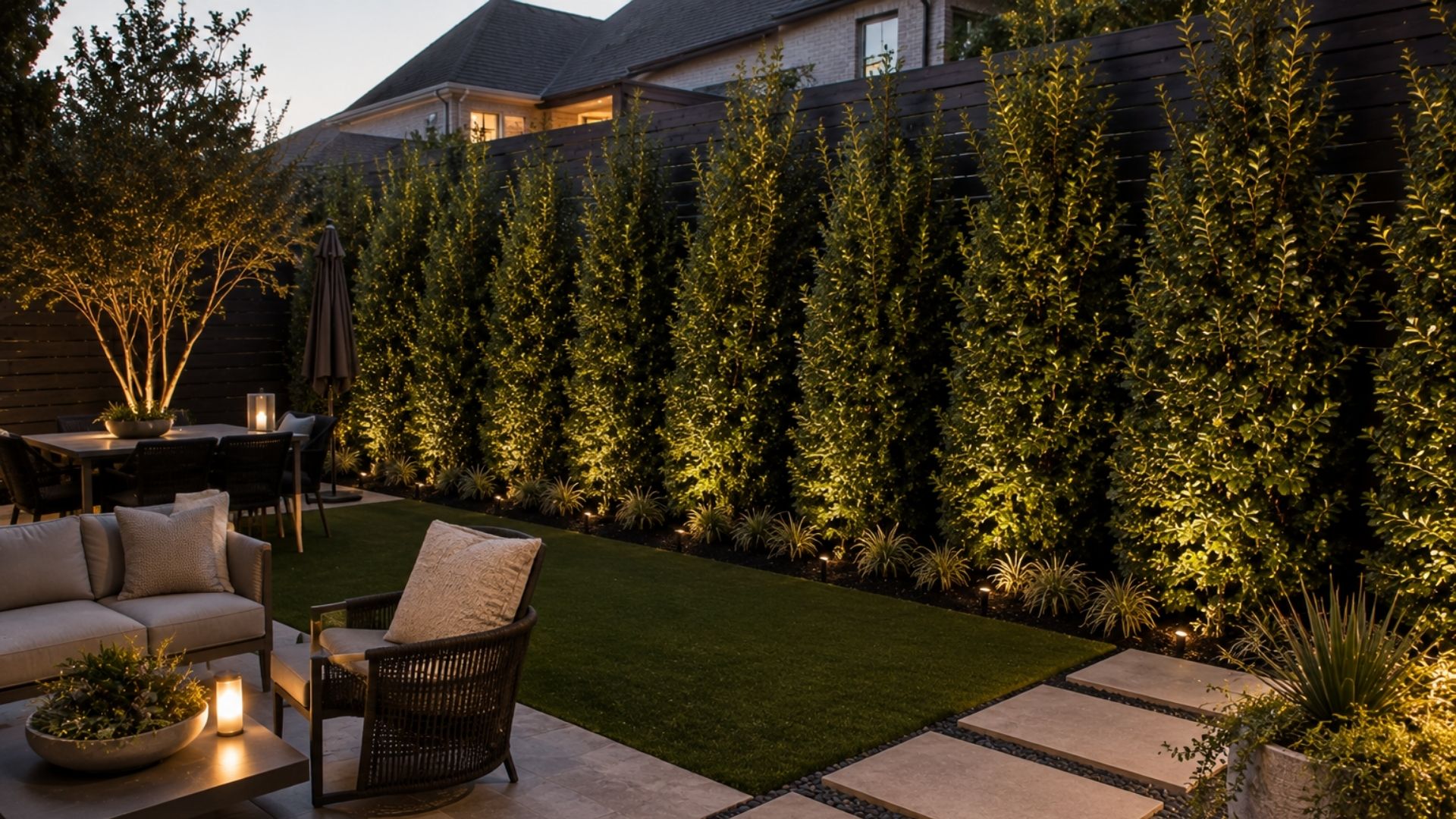
In resort-style landscape design, Wax Myrtle is especially valuable for creating the green backdrop that makes palms, pools, patios, and ornamental plantings feel more secluded. A row of Wax Myrtles can soften a fence or property line while creating the feeling of a private outdoor retreat. This makes it particularly useful around Southlake backyards, where larger outdoor living spaces often benefit from additional greenery and natural screening.
Wax Myrtle performs best in full sun to partial shade and adapts to a surprisingly wide range of soil conditions. Regular watering is important during establishment, but mature plants become relatively drought tolerant and can handle periods of North Texas heat with occasional deep irrigation.
One of the advantages of Wax Myrtle is its flexibility. It can be lightly pruned to maintain a dense privacy screen or selectively trimmed into a more open, tree-like form. For a relaxed resort-style appearance, allowing some of its natural growth habit to remain usually creates a softer and more attractive result than tightly shearing the plant.
Its relatively fast growth makes Wax Myrtle a practical choice for Plano homeowners who want to establish privacy and mature-looking greenery without waiting many years for a screen to develop.
Wax Myrtle is generally tough and adaptable, but proper spacing is important. Because it grows quickly and develops a broad form, planting shrubs too close together can eventually create overcrowding and reduce airflow.
Scale insects, whiteflies, or fungal issues may occasionally appear, particularly on stressed or overly dense plants. Appropriate watering, good airflow, and periodic thinning can help prevent many of these problems.
Winter weather can also cause temporary foliage or branch damage during unusually severe North Texas freezes. Healthy, established plants are generally resilient and can recover as warmer weather returns.
Yes. Privacy screening is one of the best uses for Wax Myrtle. Its dense evergreen foliage and relatively fast growth can create a natural green barrier around fences, property lines, pools, and outdoor living spaces without the rigid appearance of a formal hedge.
Wax Myrtle is considered a fast-growing shrub, often adding around 2–3 feet per year under favorable conditions. This makes it especially useful when establishing a new Plano landscape where privacy and mature greenery are desired relatively quickly.
Resort-style landscapes rely heavily on layers of lush greenery to make outdoor spaces feel private and immersive. Wax Myrtle creates an excellent evergreen backdrop behind palms, ornamental grasses, flowering plants, and pool areas. In a Southlake resort-style backyard, it can help screen neighboring properties while making the entire outdoor living area feel more secluded and established.
You might also like