

Needlepoint
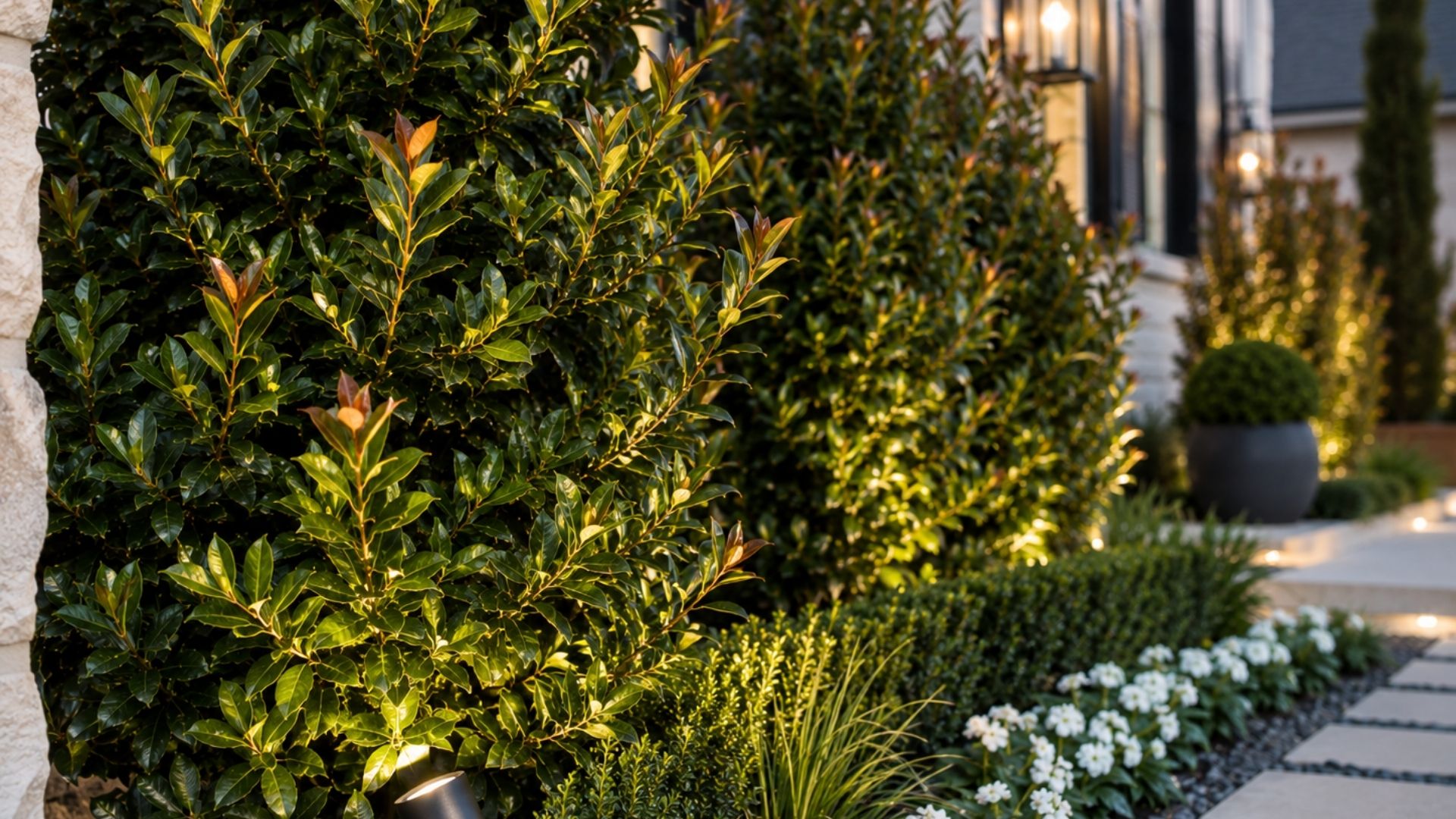
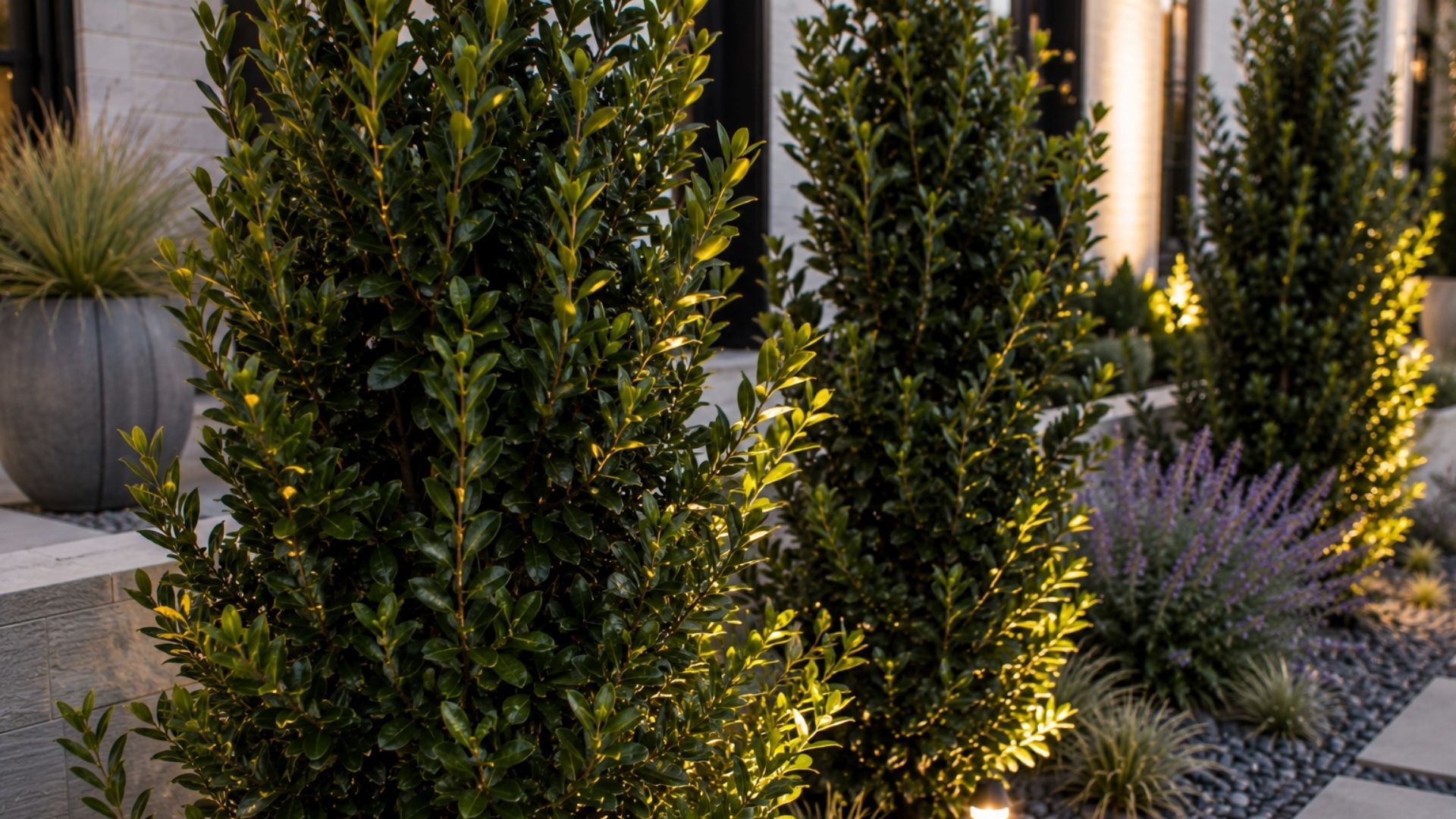
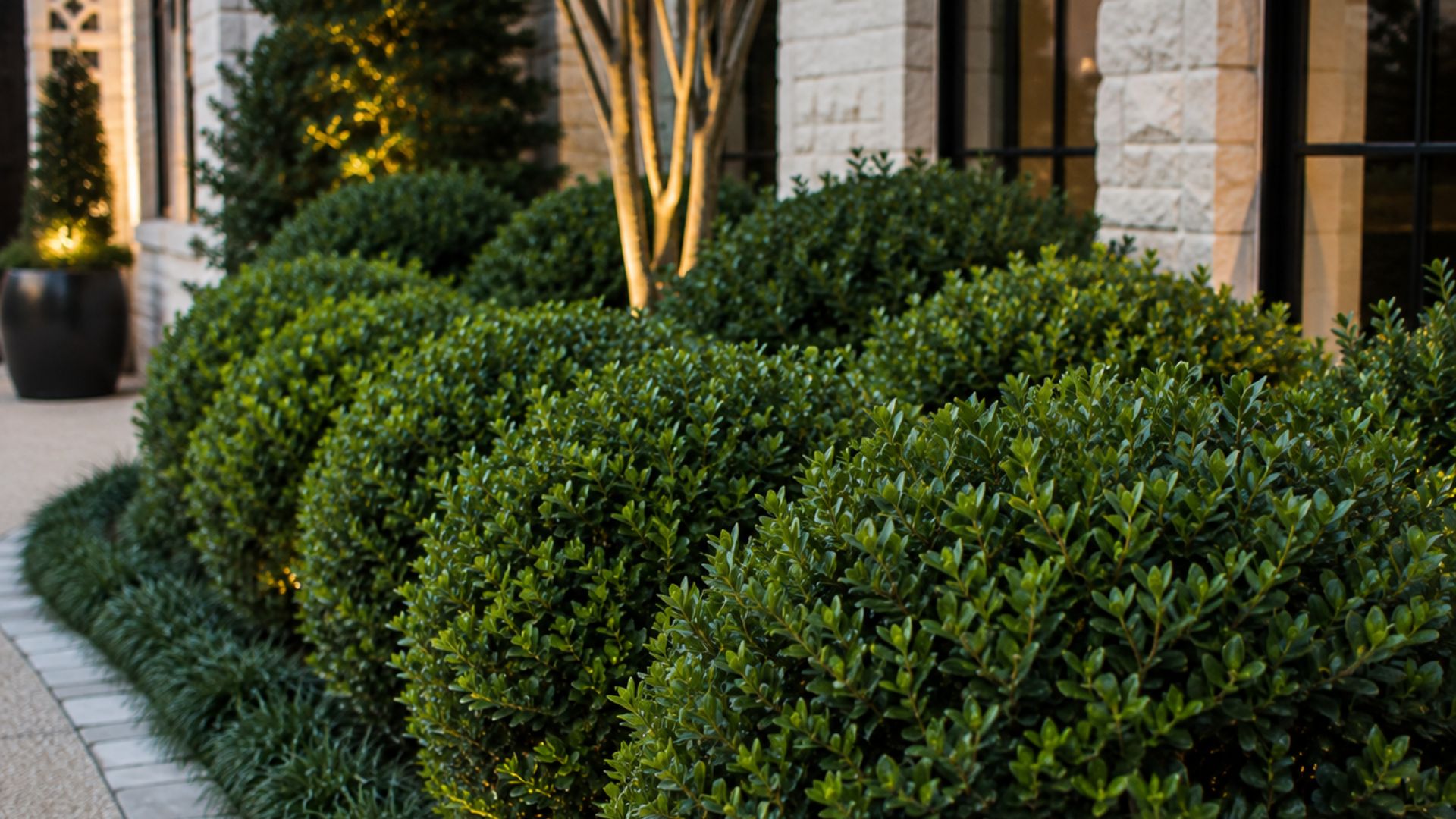
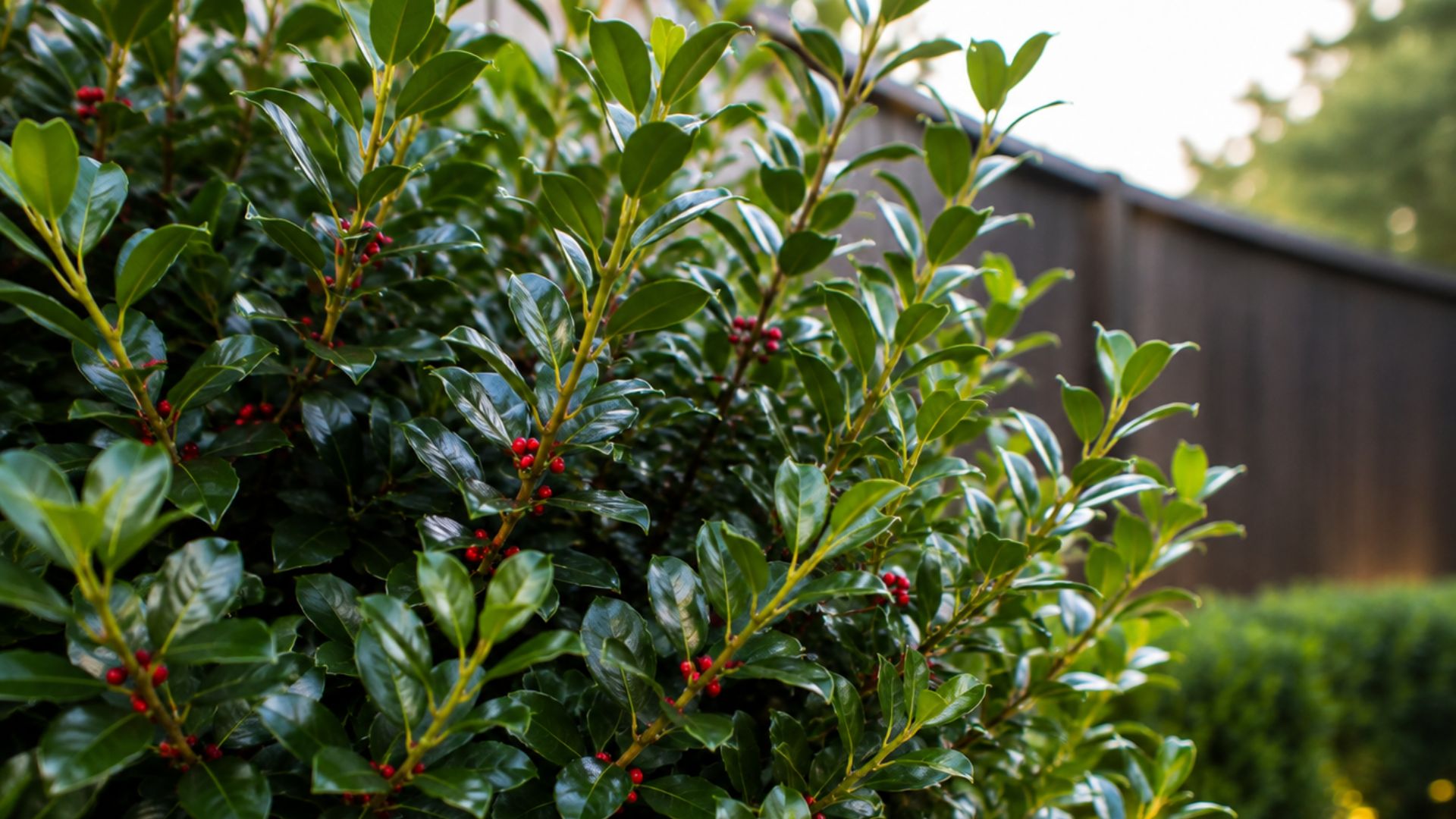
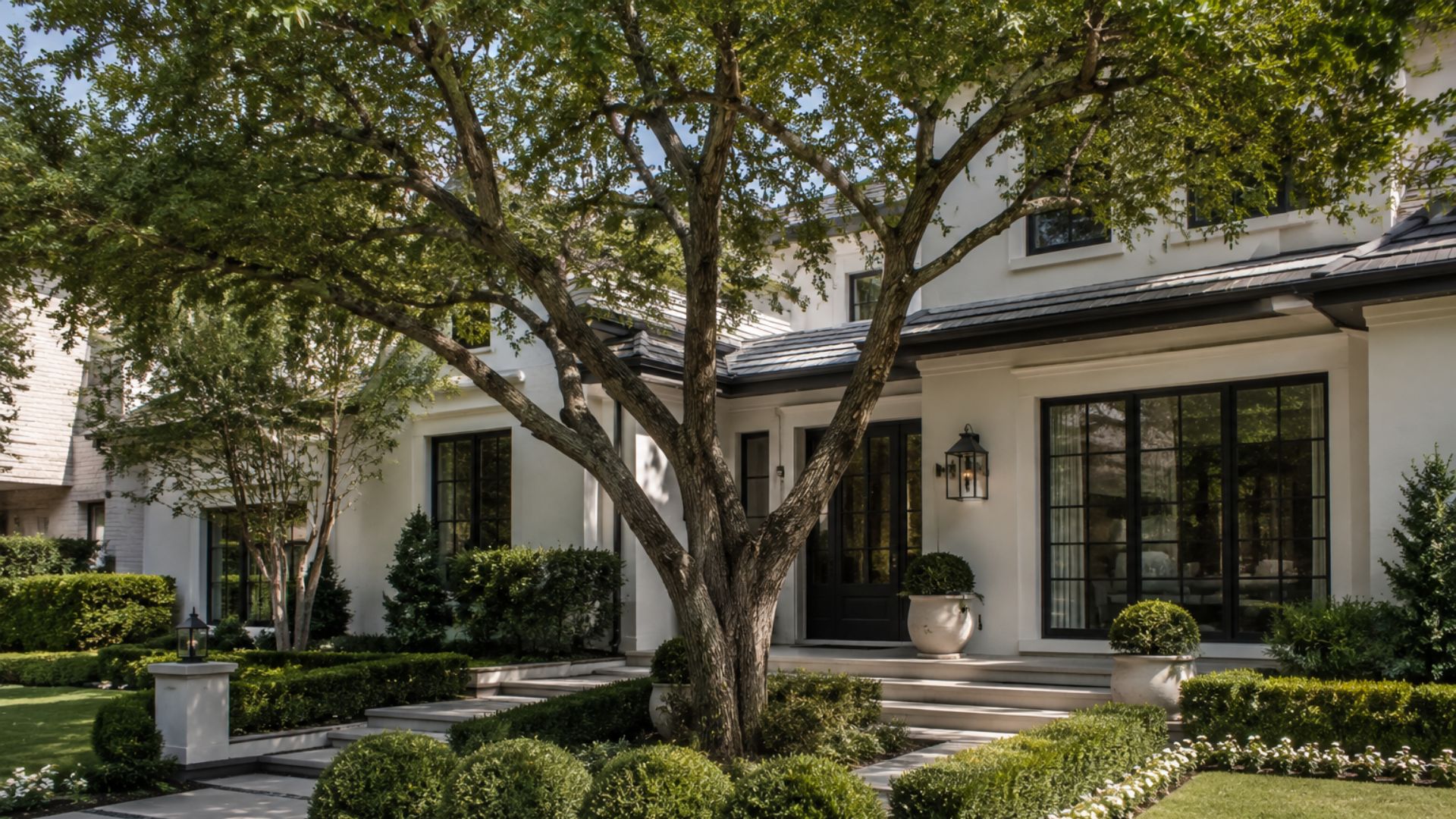
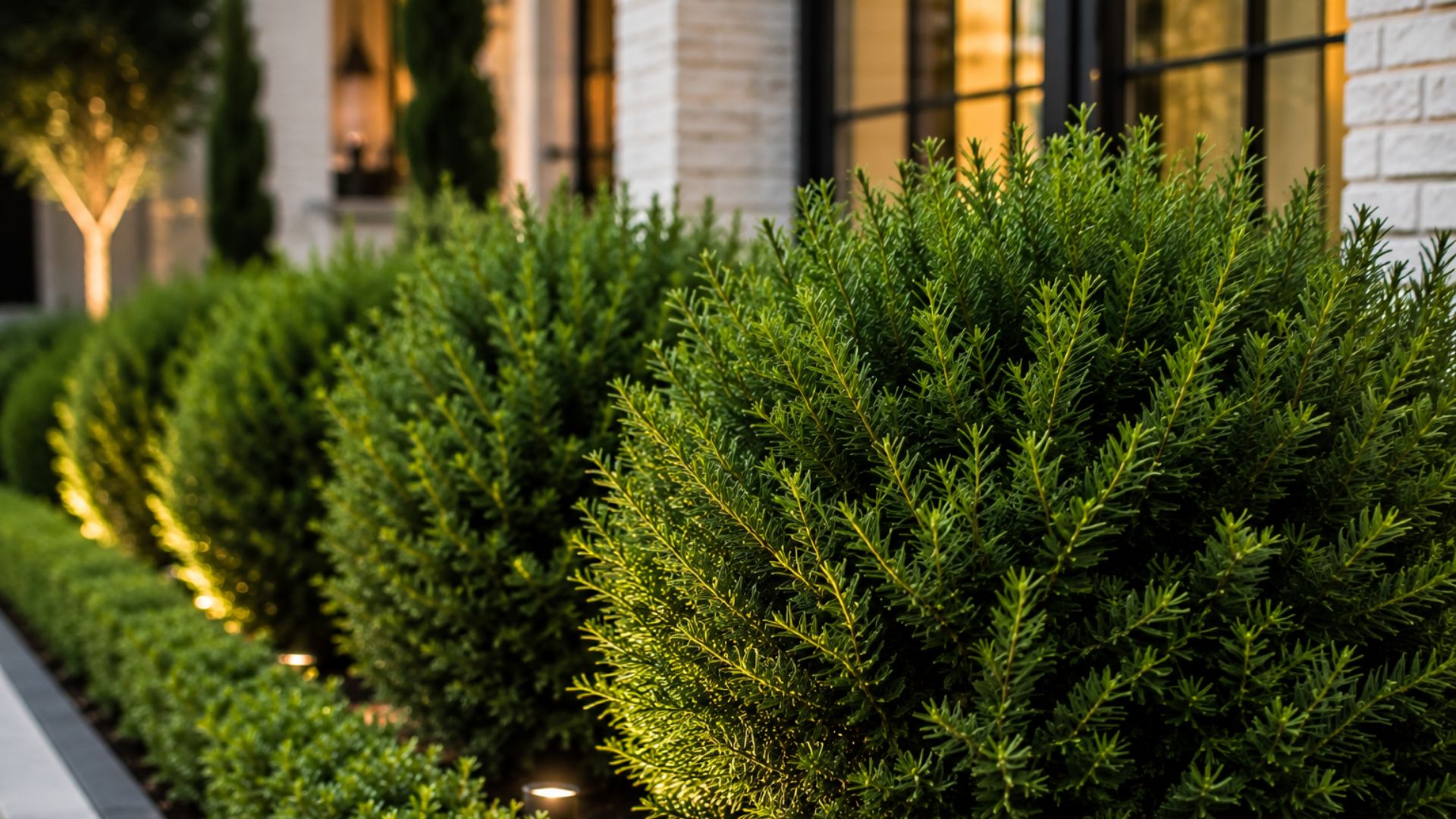
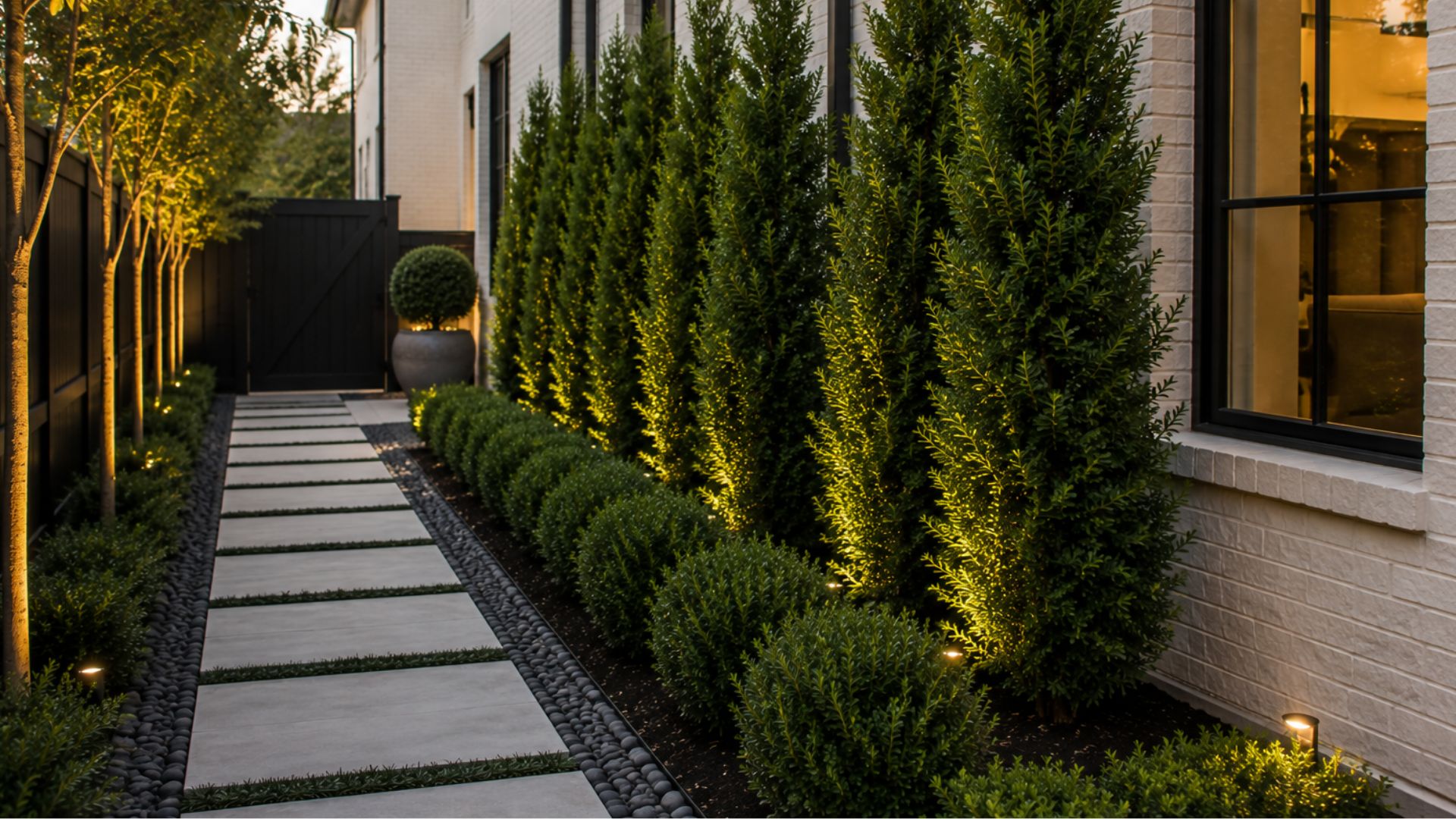
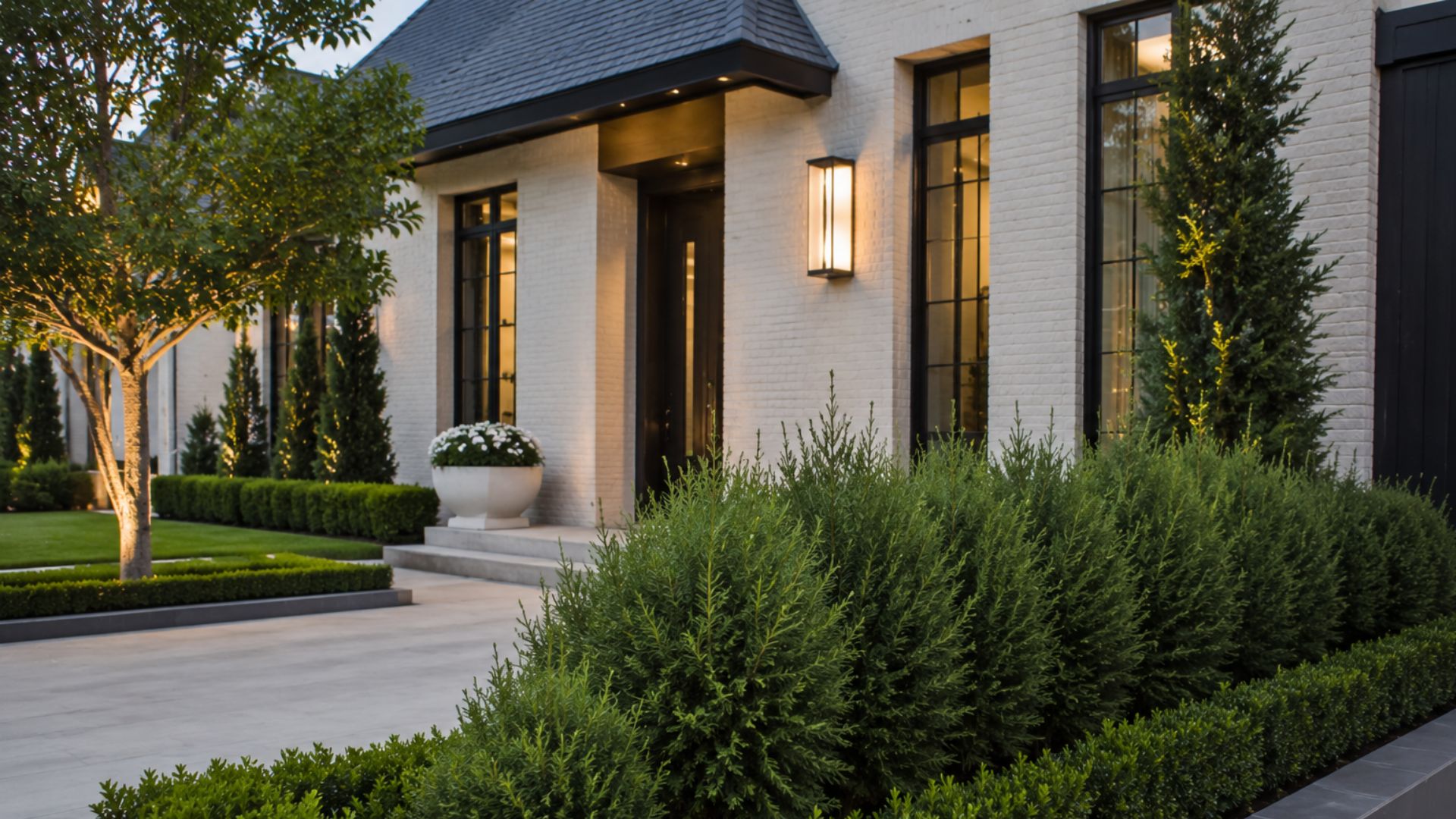
A dense evergreen shrub with glossy dark-green leaves, naturally arching branches, and bright red berries that provide seasonal interest in fall and winter. Typically grows 8–12 feet tall and 8–10 feet wide, although it can be maintained smaller with pruning. Hardy in USDA Zones 7–9, Needlepoint Holly performs exceptionally well in North Texas and is an excellent choice for evergreen screens, foundation plantings, and structured residential landscapes.
Needlepoint
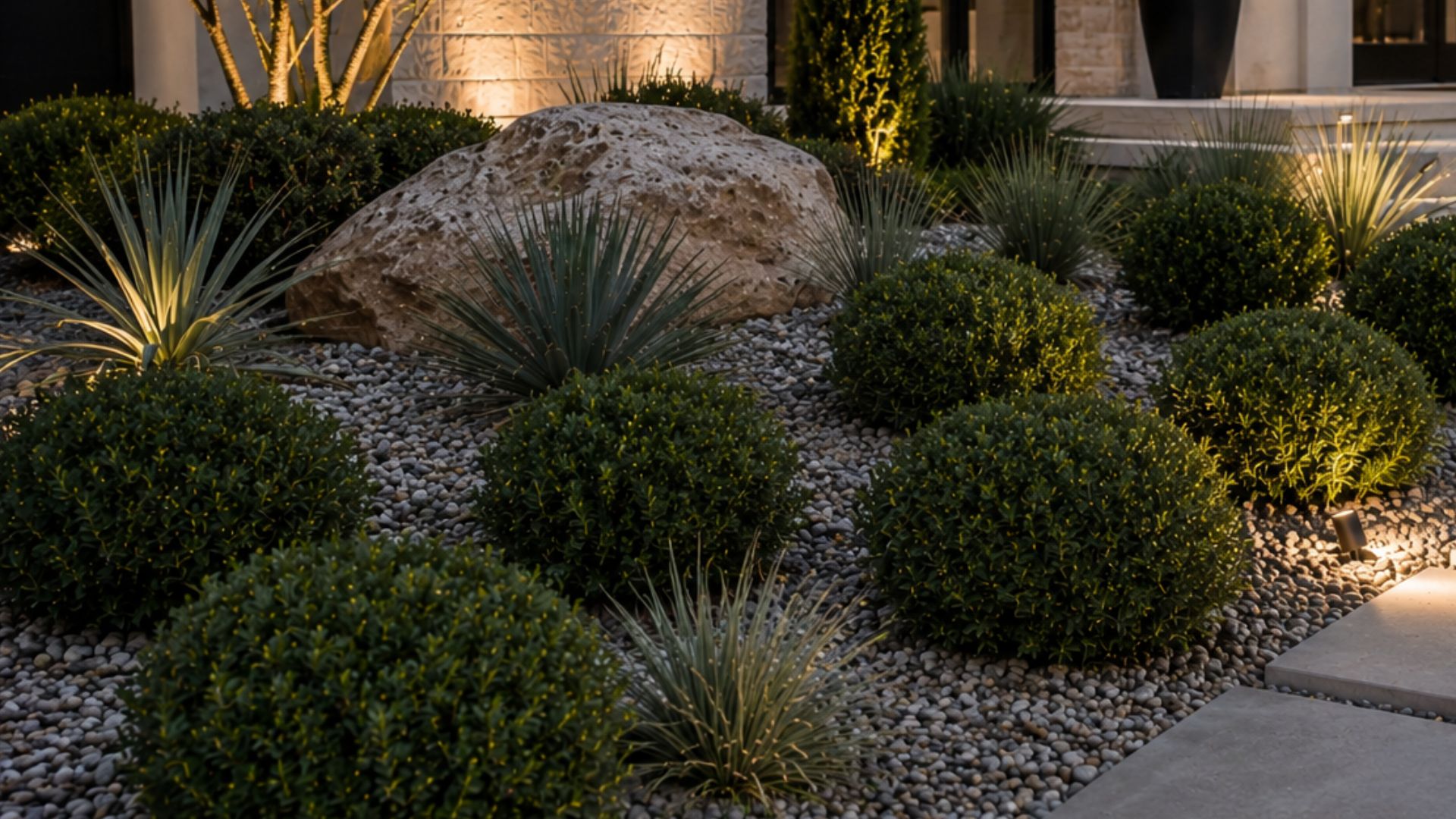
Needlepoint Holly (Ilex cornuta ‘Needlepoint’) is a versatile evergreen shrub known for its dense foliage, dependable growth, and year-round color. Its glossy green leaves create a rich backdrop for other plants, while clusters of bright red berries add an attractive seasonal detail during the cooler months. Unlike some heavily spined hollies, Needlepoint has a cleaner, softer appearance that works well in refined residential landscapes.
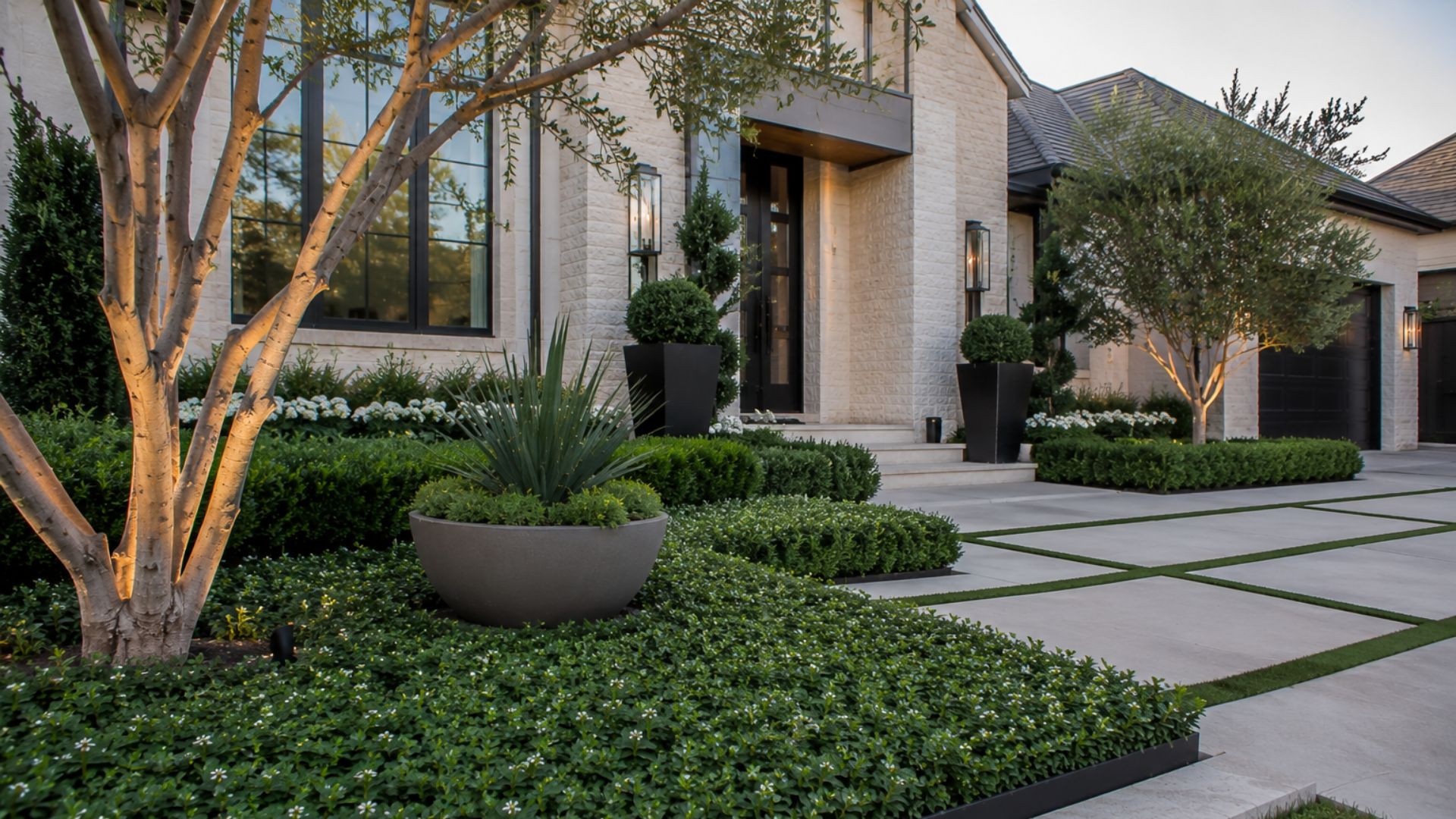
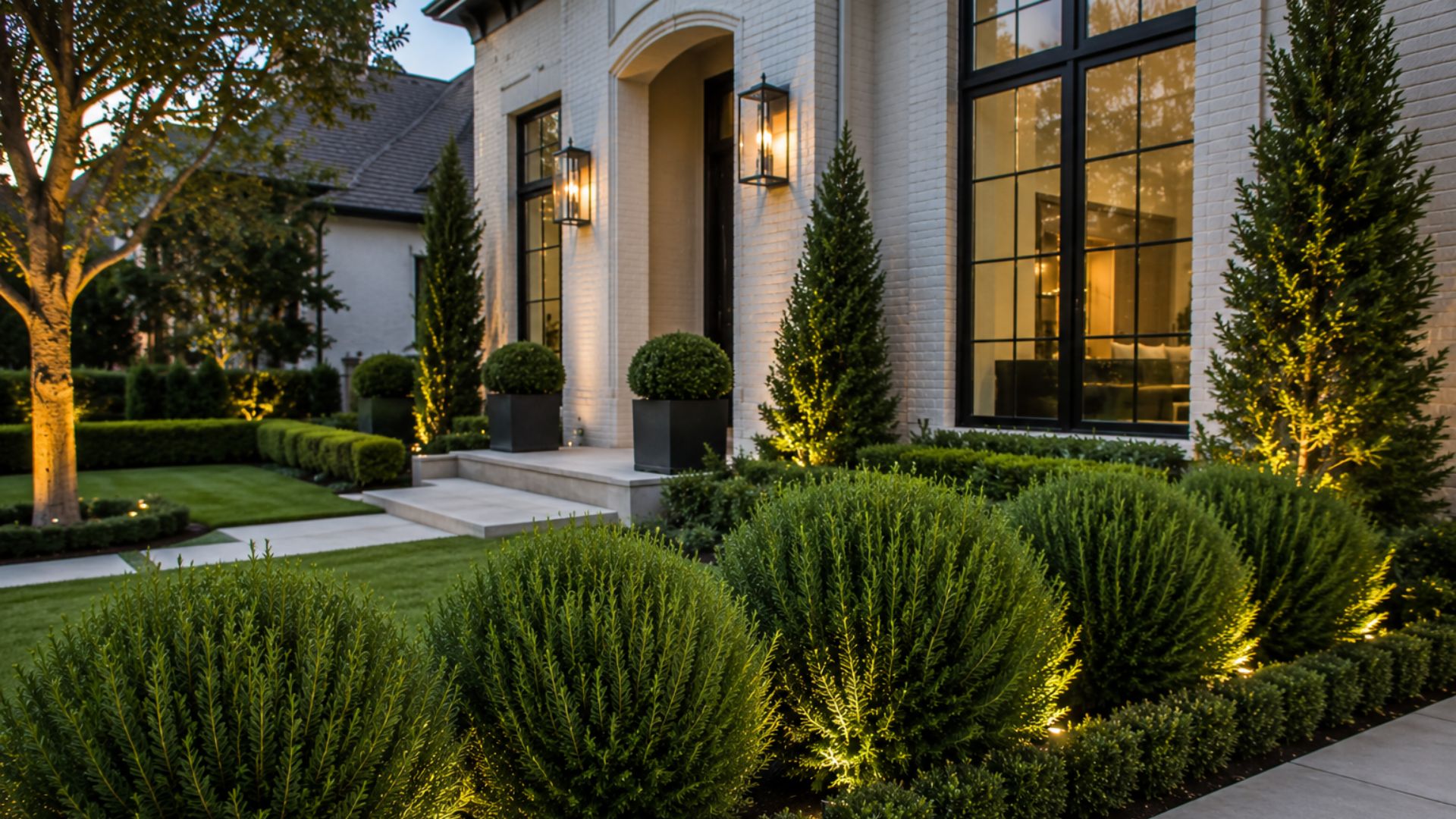
Its naturally full growth habit makes it especially useful when the goal is to create privacy or add visual weight to a planting bed. Needlepoint Holly can be shaped into a formal hedge, allowed to develop as a large natural shrub, or used to screen fences and neighboring properties. In Plano evergreen landscapes, it provides the dense greenery needed to keep outdoor spaces looking established and polished throughout the year.
Needlepoint Holly performs well in full sun to partial shade and adapts to a variety of soil conditions. It prefers well-draining soil and benefits from consistent watering during its first growing seasons. Once established, it becomes relatively drought tolerant, although occasional deep watering during prolonged North Texas heat will keep the foliage looking its best.
Pruning requirements depend largely on the desired appearance. For a natural landscape, only occasional trimming is necessary to remove unwanted growth. When used as a hedge or formal screen, it responds well to regular shaping. A layer of mulch around the root zone can also help conserve moisture during hot Southlake Landscape summers.
Needlepoint Holly is generally tough and dependable, but excessive moisture can cause root stress, particularly when planted in poorly draining clay soils. Proper planting depth and drainage are important for maintaining healthy growth.
Scale insects, spider mites, or leaf spot can occasionally affect stressed plants, although serious problems are uncommon. Good airflow, proper irrigation, and routine observation usually keep these issues under control.
Because Needlepoint Holly can become a substantial shrub at maturity, adequate spacing is important. Planting too close to walkways, windows, or other shrubs can result in unnecessary pruning later. Giving it enough room allows the plant to develop a fuller and more natural evergreen form.
Yes. Needlepoint Holly maintains its glossy green foliage throughout the year, making it an excellent option for landscapes that need dependable color and structure during every season.
Yes. Its dense branching and mature size make Needlepoint Holly an excellent natural privacy screen. It can be planted along fences, property lines, or around outdoor living spaces to create a lush evergreen barrier, making it particularly useful for Southlake properties where year-round privacy is important.
Needlepoint Holly has a moderate to relatively fast growth rate, often adding around 1–2 feet per year under favorable conditions. With proper watering and sunlight, it can develop into a substantial screen relatively quickly, making it a practical choice for Plano homeowners looking to establish evergreen coverage without waiting decades.
You might also like