

Sotol
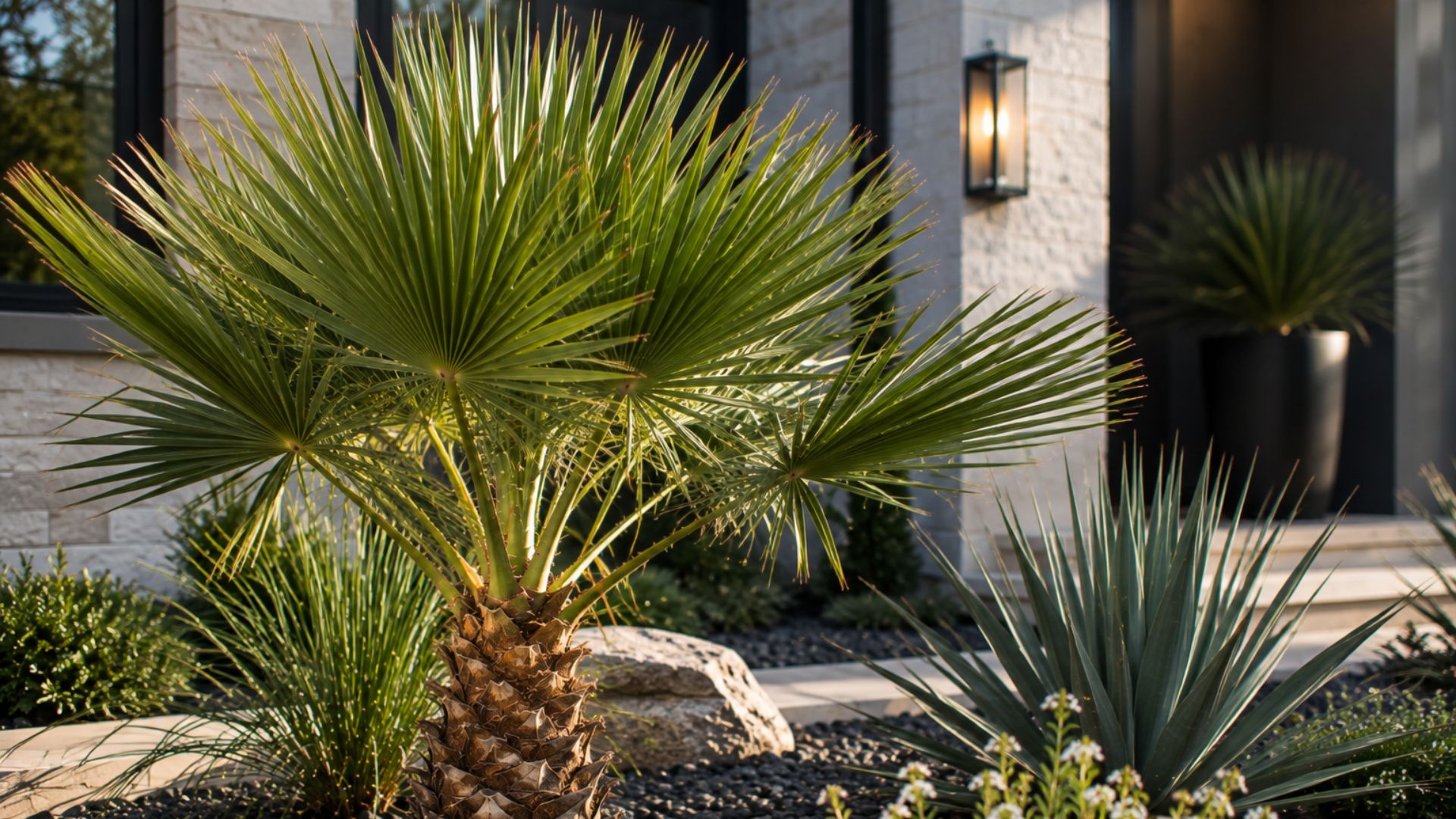
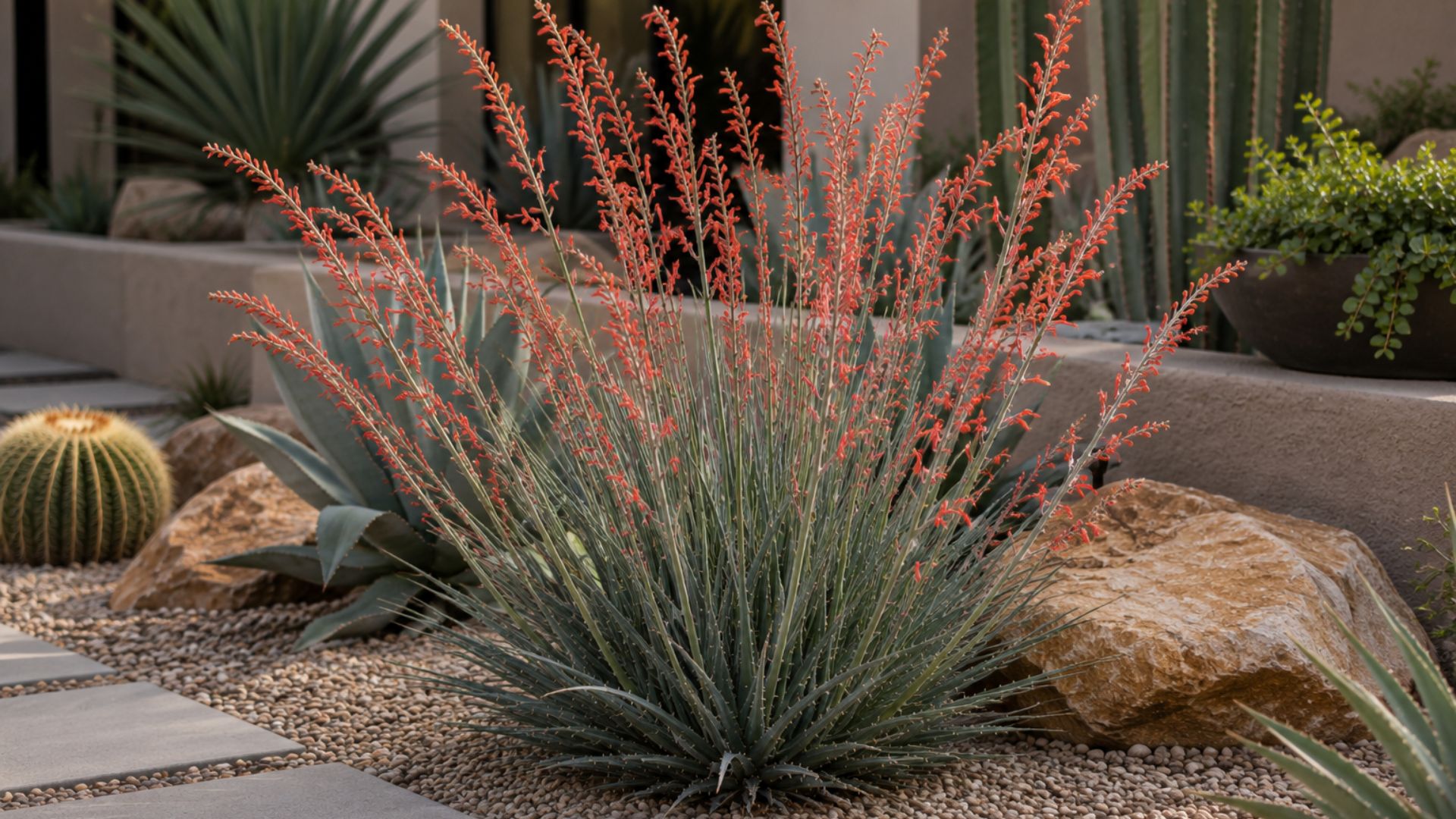
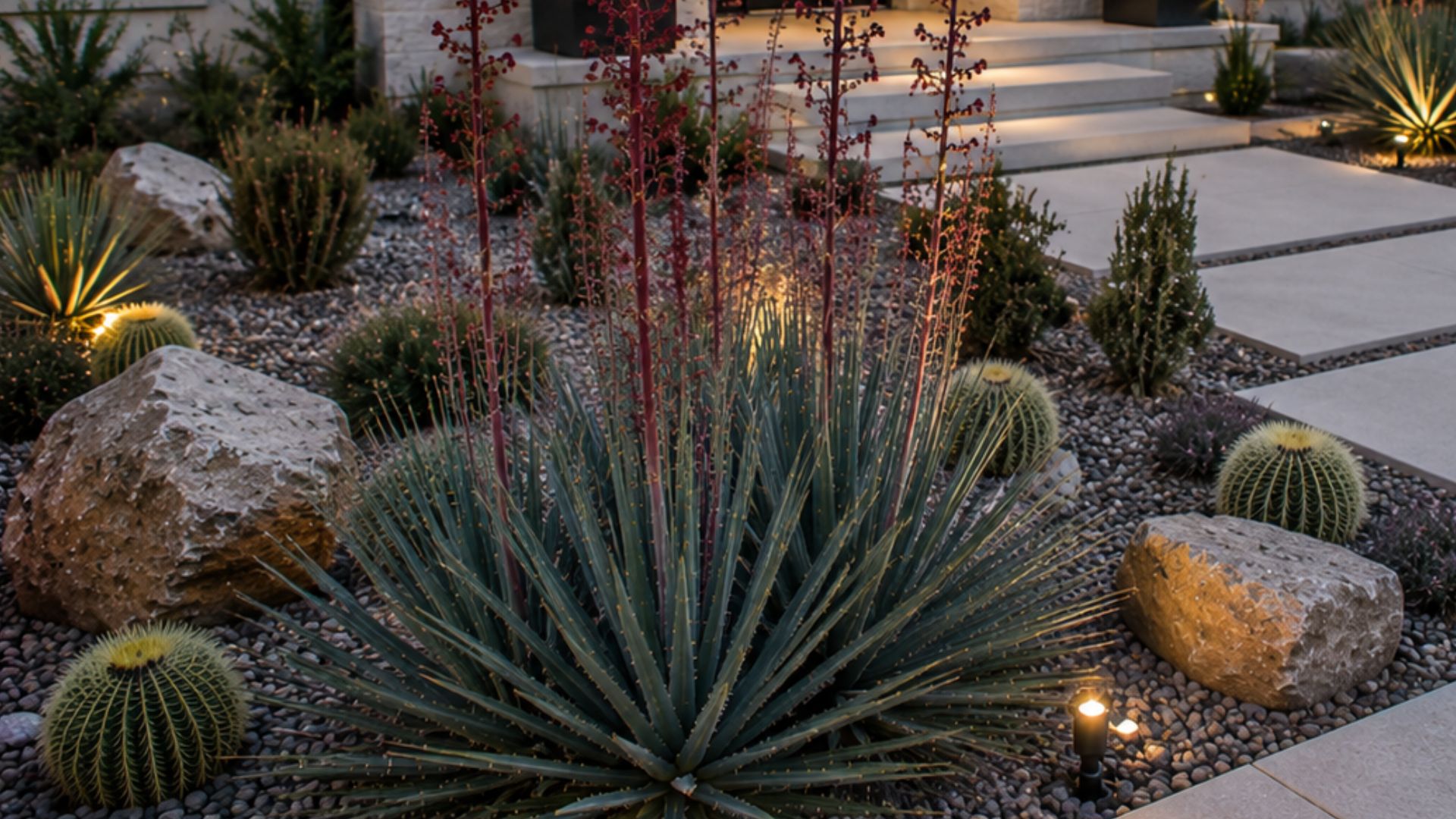
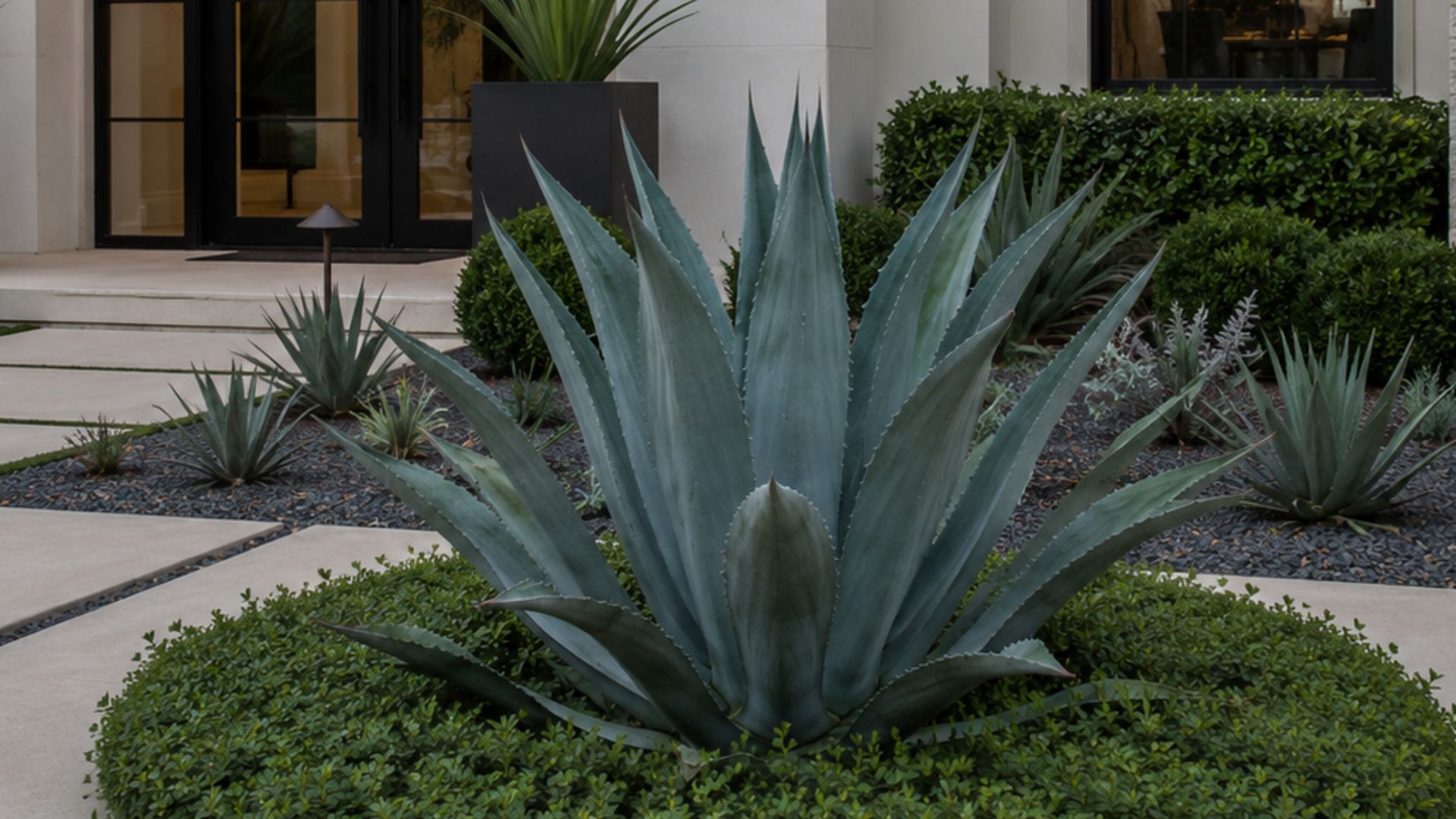
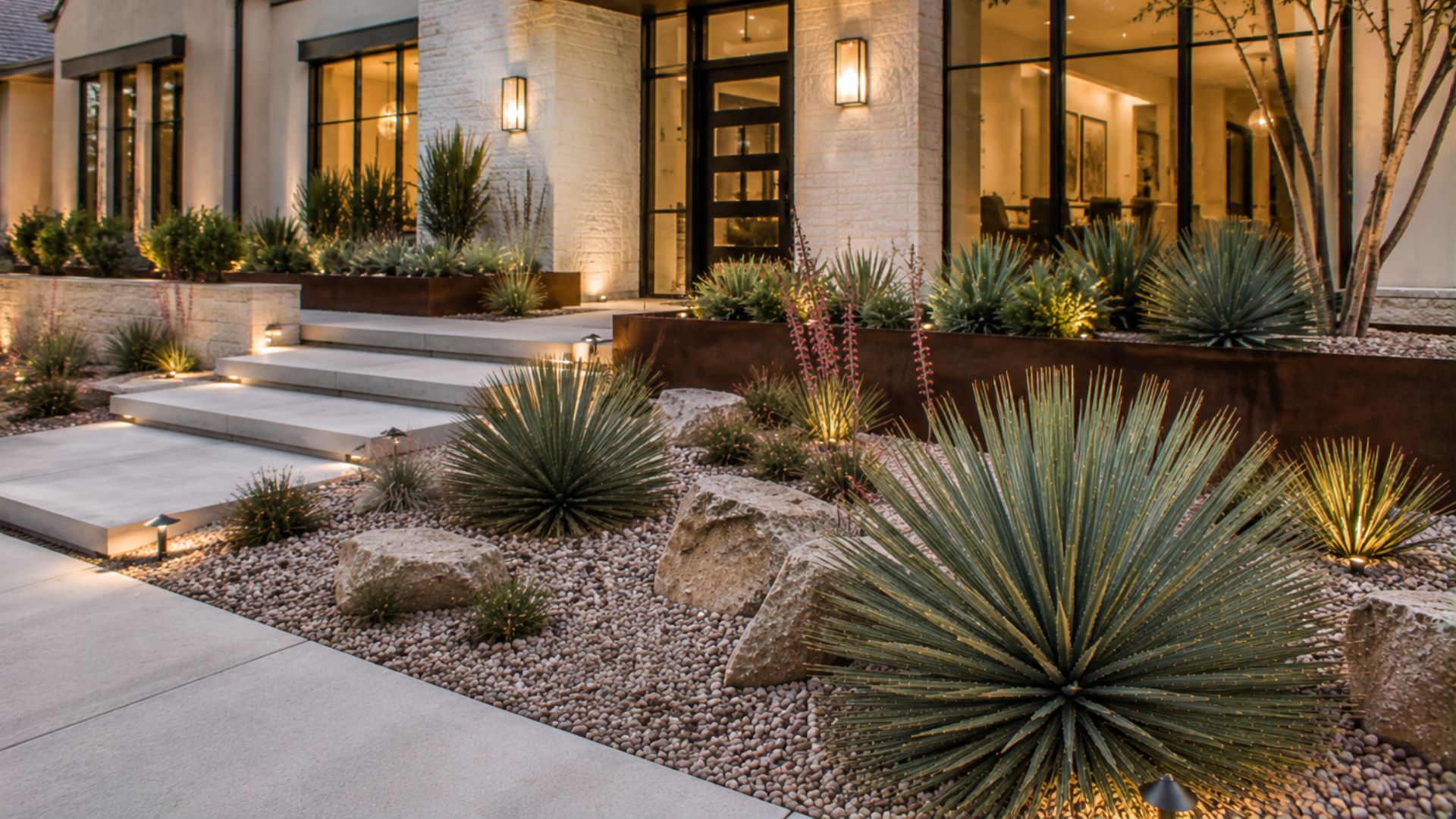
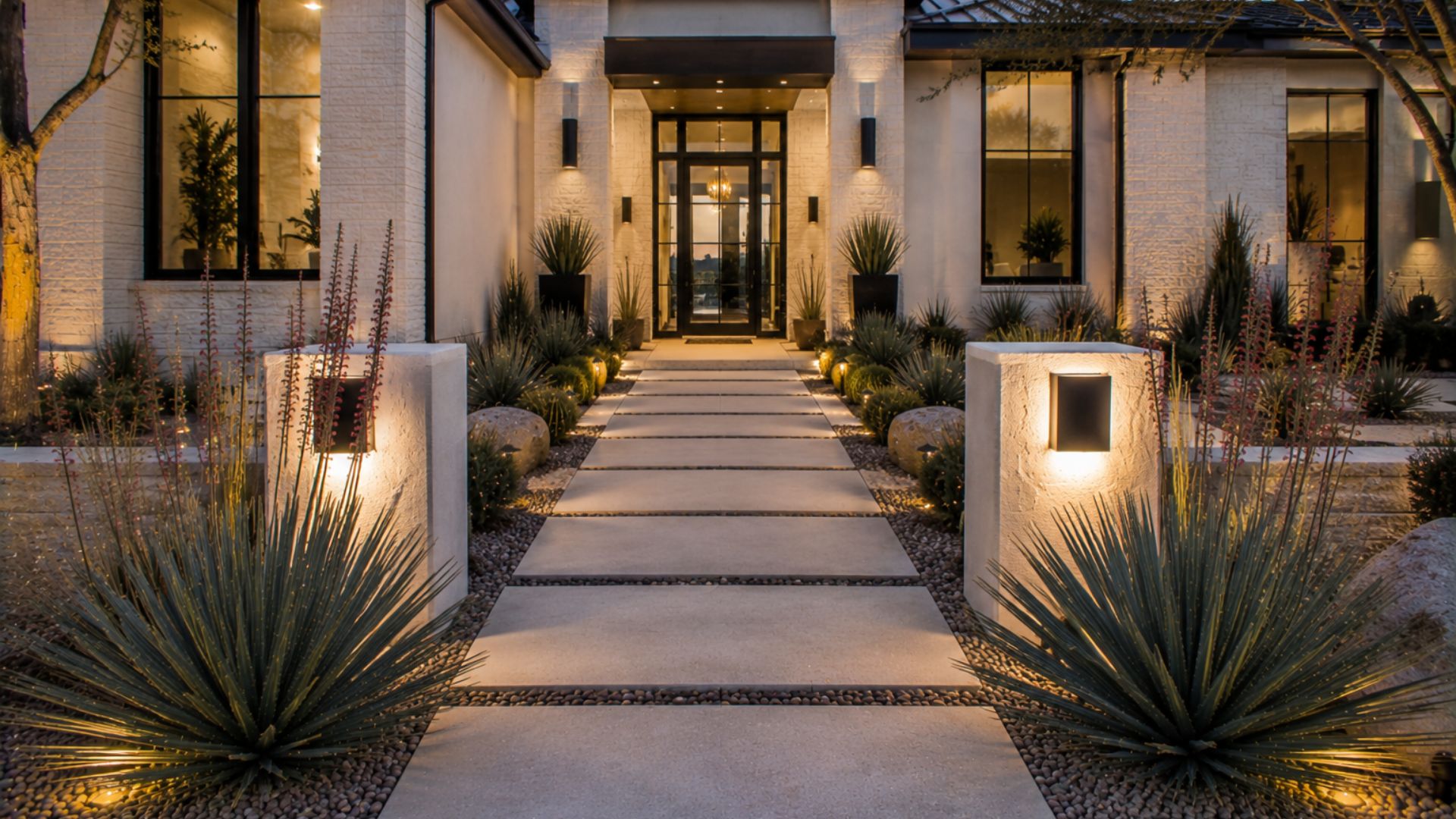
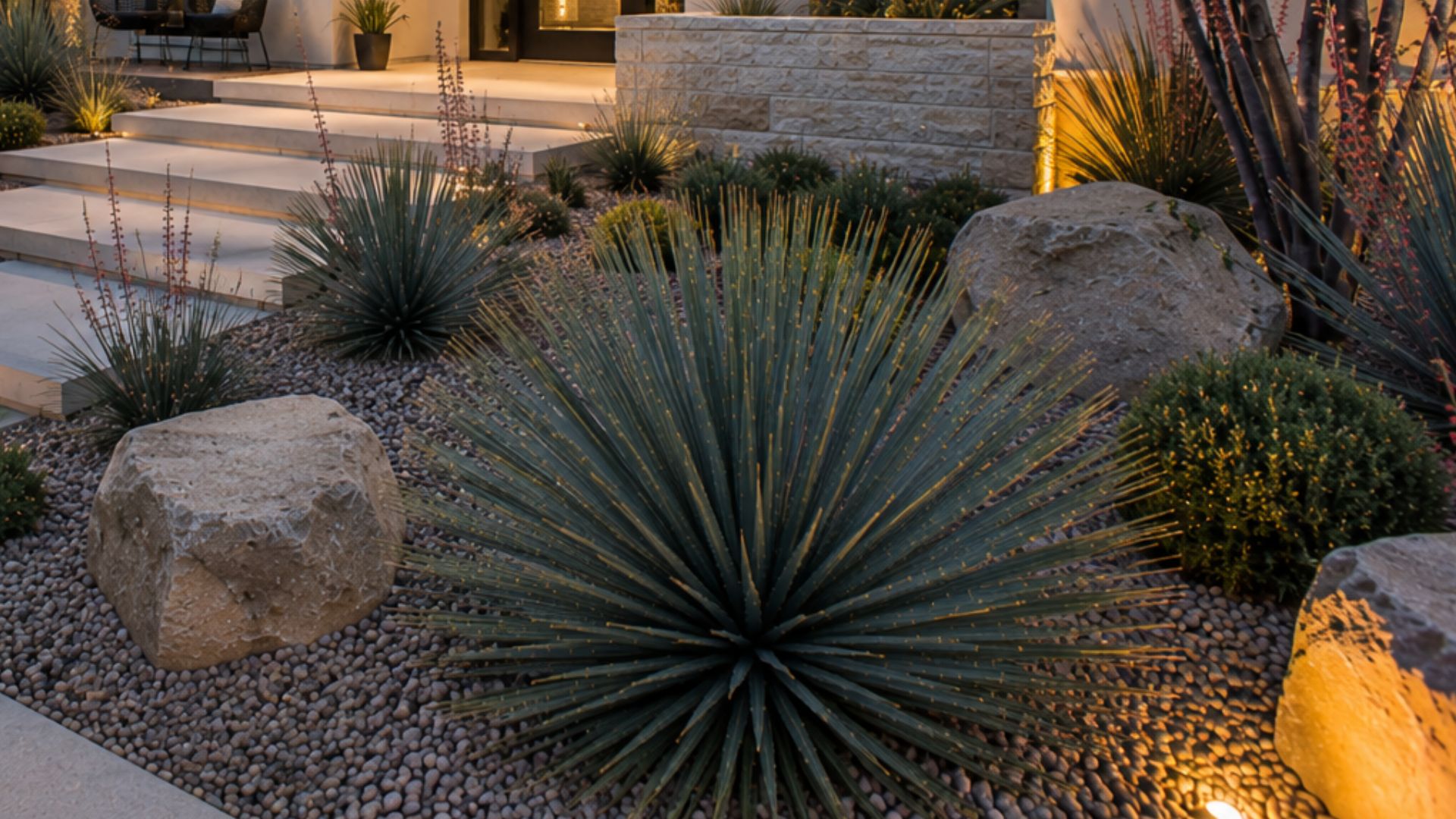
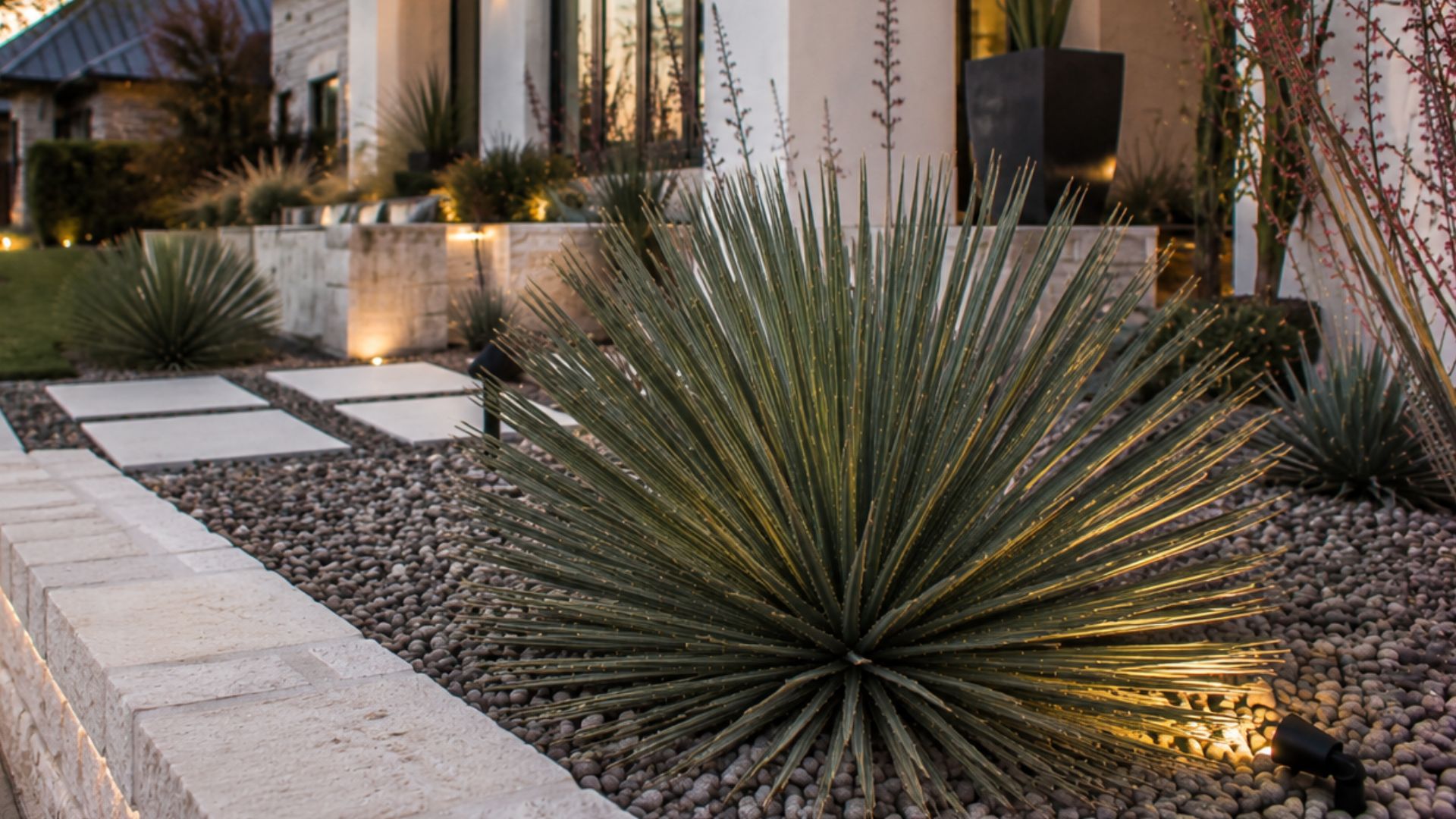
A bold, evergreen architectural plant with narrow, blue-gray leaves that radiate outward in a dramatic spherical form. Typically grows 3–5 feet tall and 4–6 feet wide, creating a striking focal point in the landscape. Mature plants may produce impressive flower stalks reaching 10–15 feet tall. Hardy in USDA Zones 7–11, Sotol thrives in the hot, dry conditions of North Texas, making it an exceptional choice for desert-style, xeriscape, and modern landscapes throughout the DFW area.
Sotol
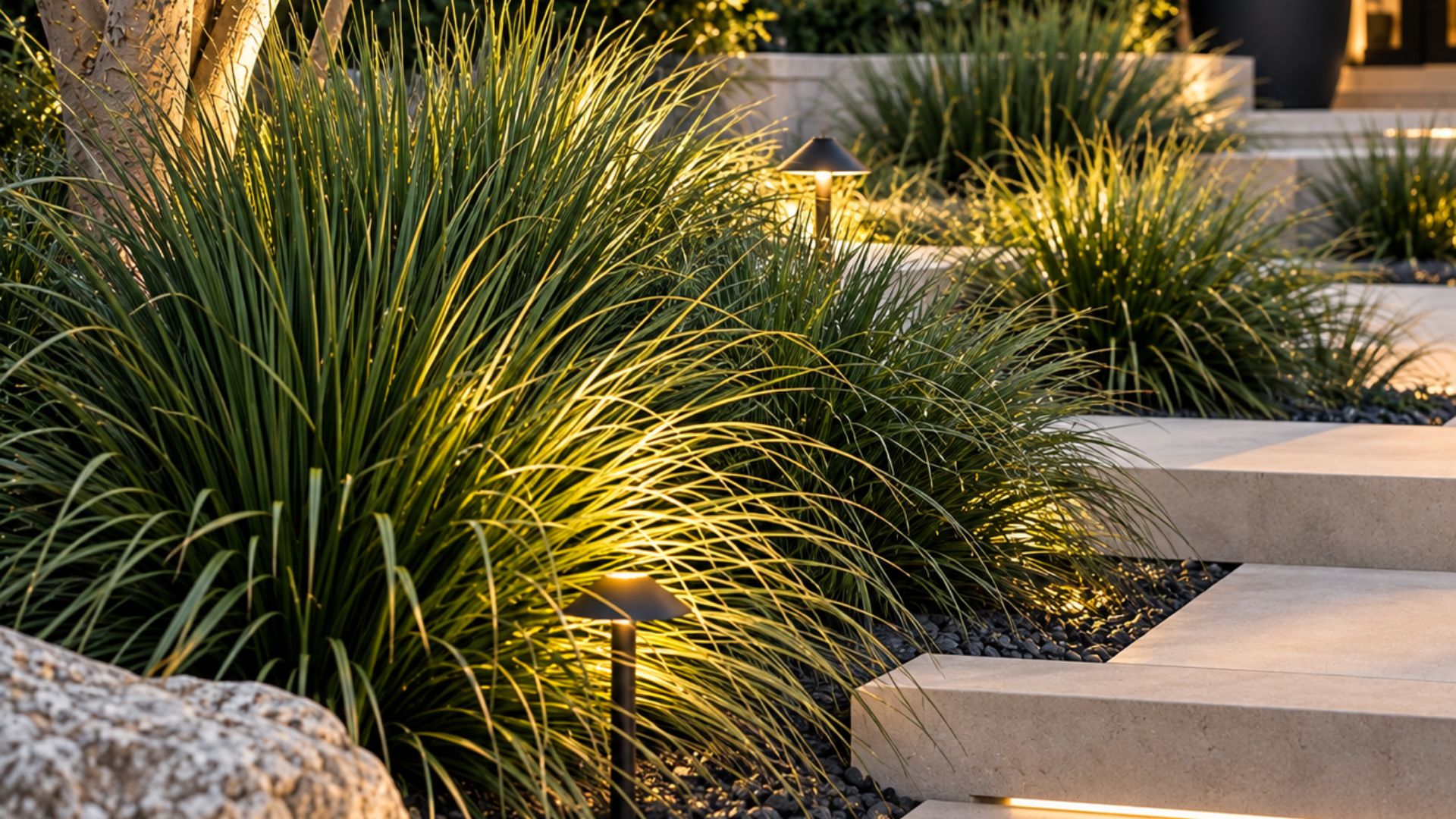
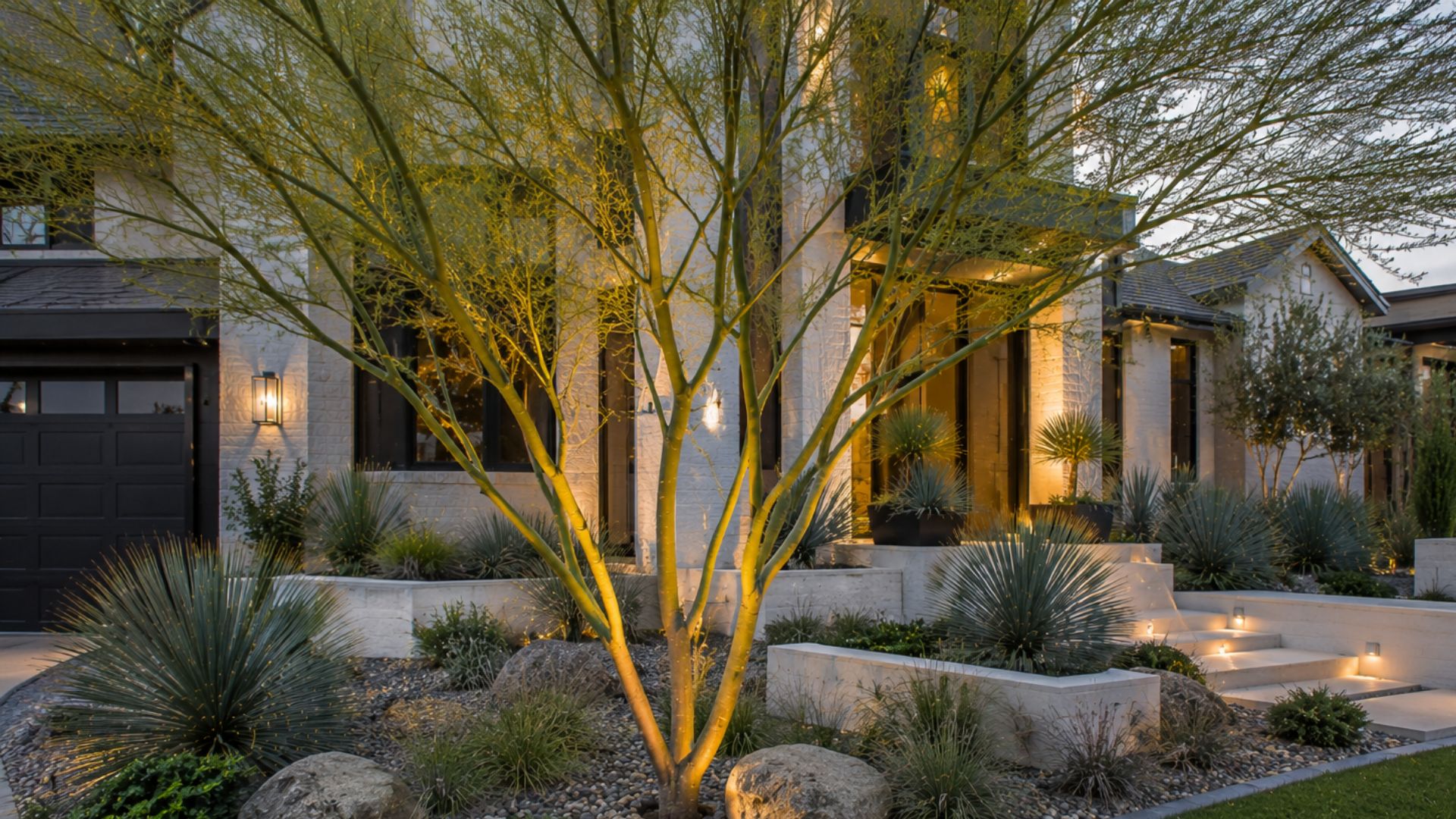
Sotol (Dasylirion wheeleri) is one of the most recognizable plants used in desert-inspired landscapes, valued for its dramatic symmetry, blue-gray foliage, and exceptional resilience. Its long, narrow leaves form a dense, rounded rosette that provides year-round structure and creates an eye-catching focal point in both residential and commercial landscapes. As the plant matures, it may produce an impressive flower stalk that rises high above the foliage, adding vertical interest and seasonal character.
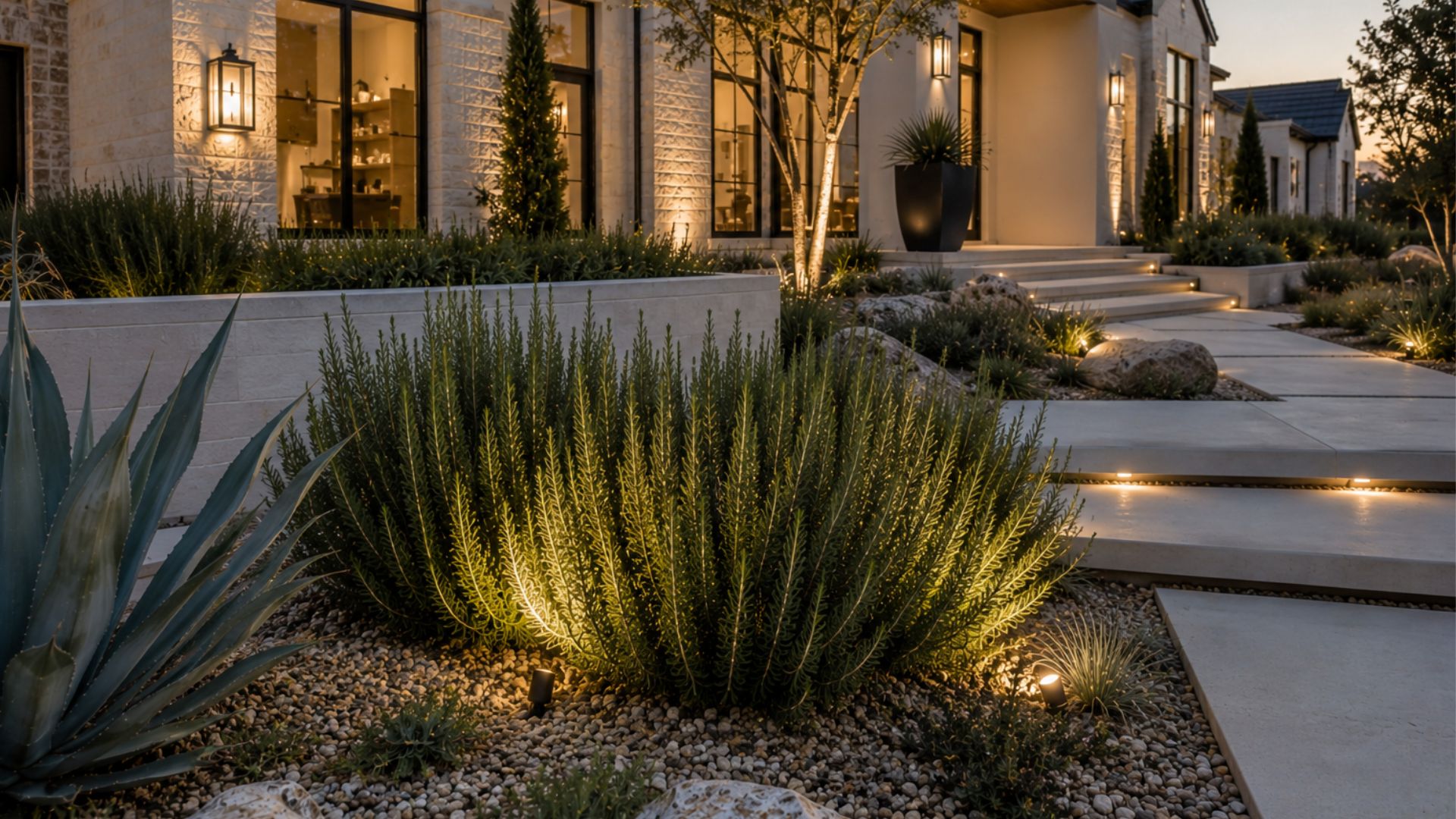
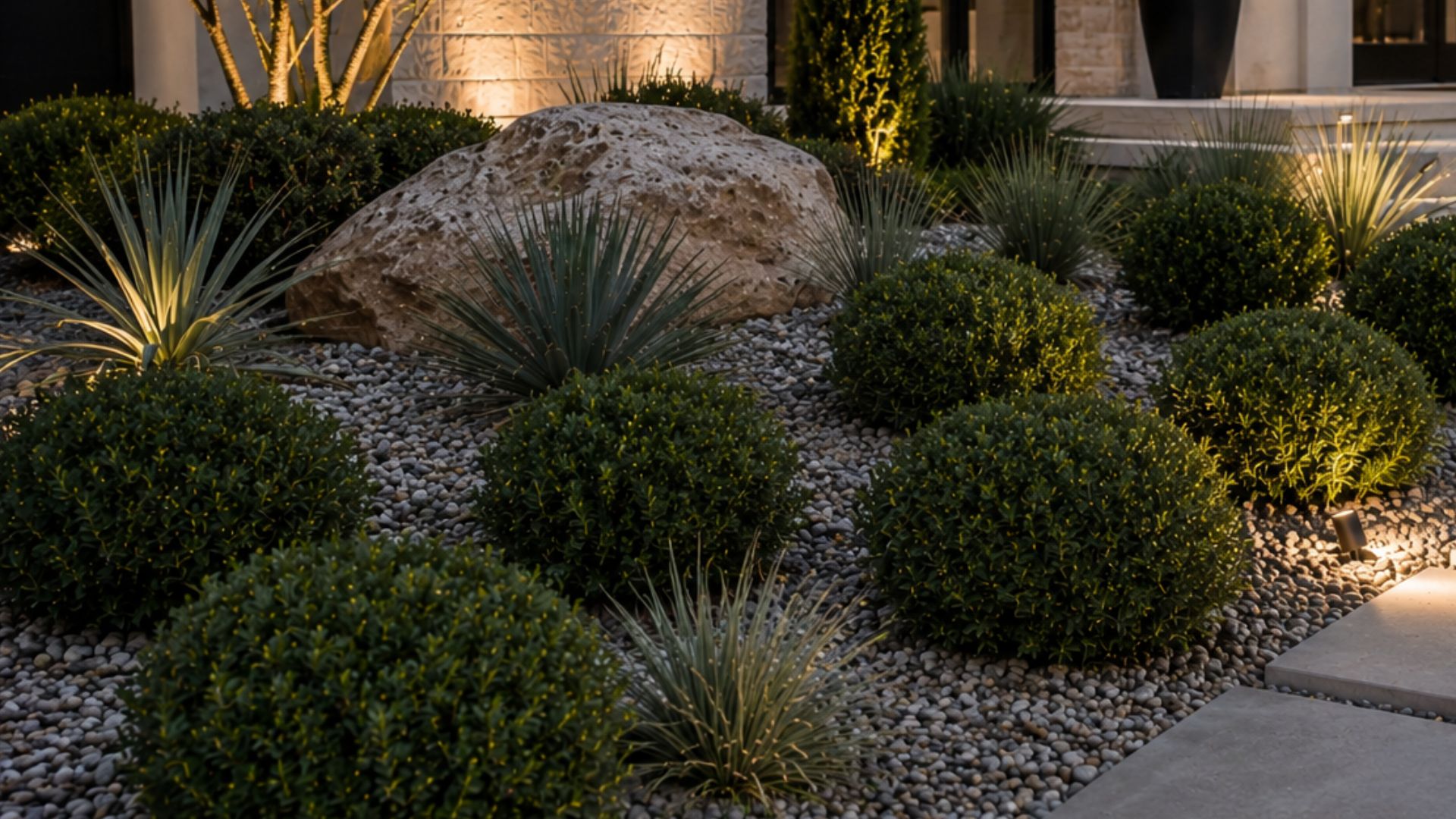
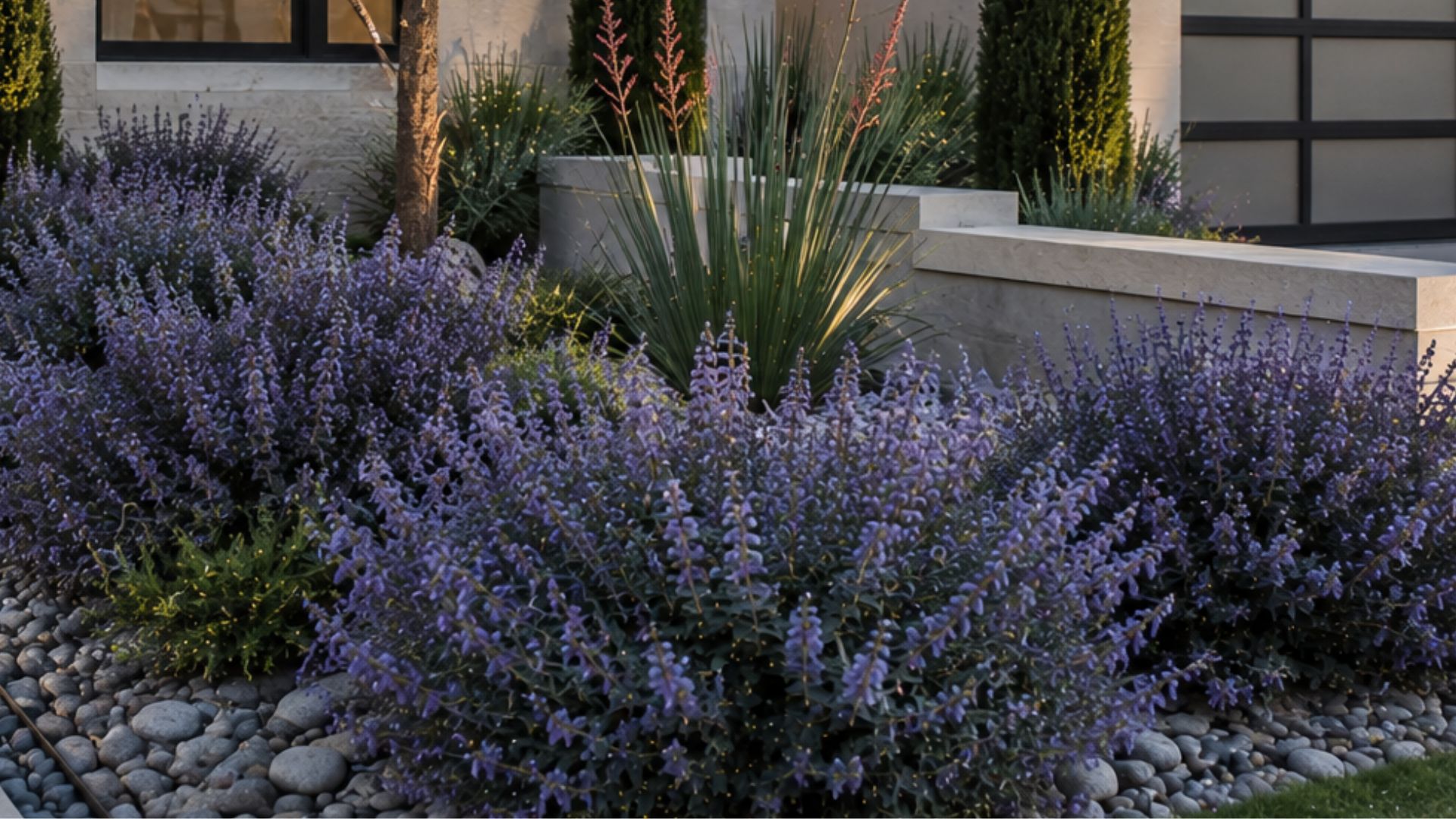
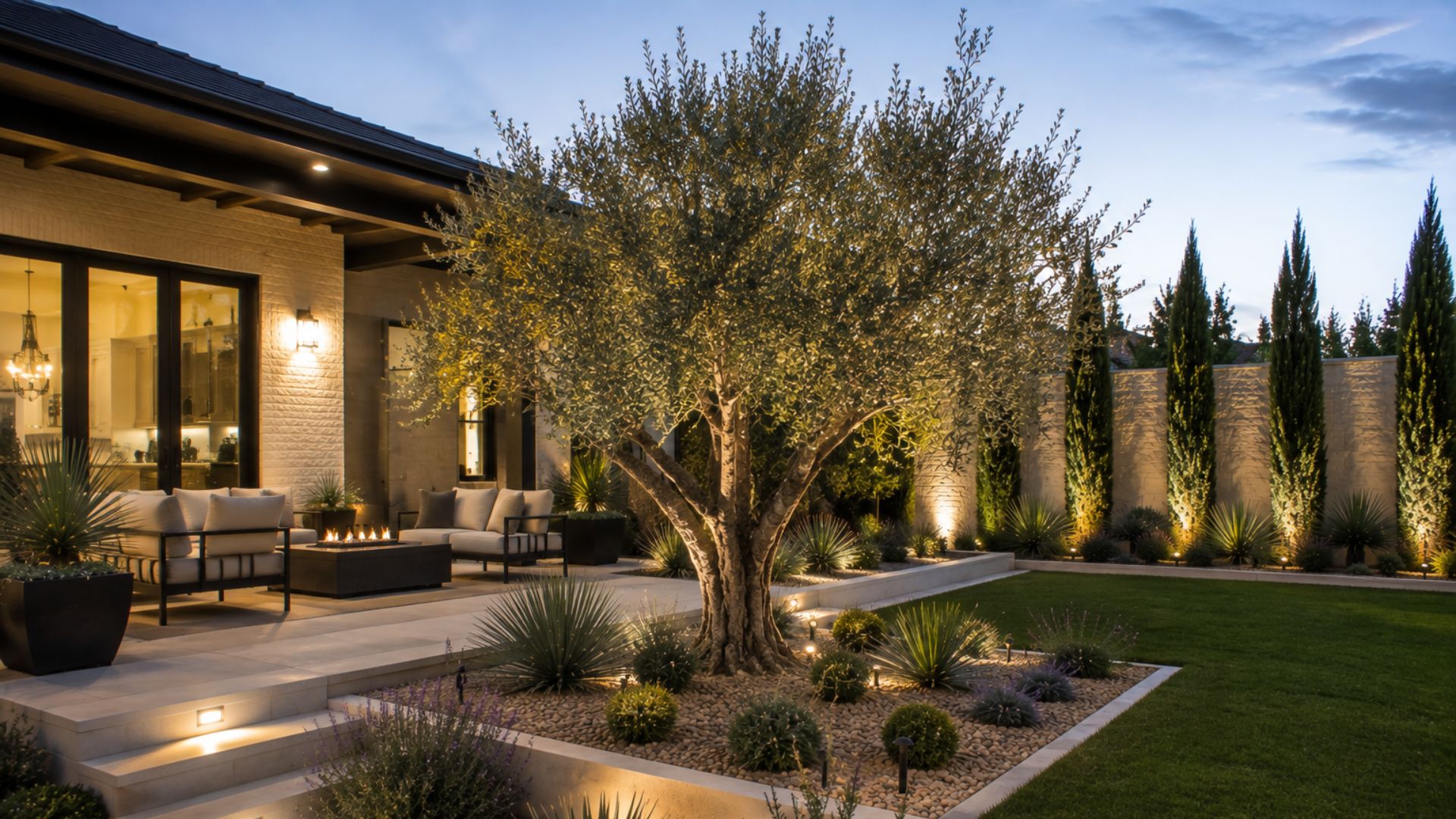
Rather than relying on colorful blooms, Sotol makes its impact through bold texture and architectural form. It works exceptionally well as a standalone specimen, at entryways, or within layered planting beds where its clean silhouette contrasts beautifully with softer ornamental grasses and flowering perennials. Because it tolerates drought, poor soils, and intense summer heat, it's become a favorite for homeowners creating elegant, low-maintenance desert-style landscapes in Southlake and throughout North Texas.
Sotol thrives in full sun and requires well-draining soil to remain healthy. Once established, it needs very little supplemental irrigation and performs exceptionally well with deep, infrequent watering. It tolerates rocky, sandy, and gravelly soils, making it an excellent choice for xeriscapes and water-wise landscapes across the DFW region.
Maintenance is minimal. Remove older leaves near the base as needed to maintain a clean appearance, and trim spent flower stalks after blooming if desired. Fertilizer is rarely necessary since Sotol naturally performs best in lean soils. When planted in a sunny location with proper drainage, it remains attractive with very little upkeep, making it an ideal plant for Plano homeowners looking for long-lasting curb appeal.
Sotol is an extremely durable plant and rarely experiences significant problems when planted correctly. The most common issue is excessive moisture. Poor drainage or frequent irrigation can lead to crown rot and root decline, particularly in heavy clay soils. Raised planting areas or well-amended soil greatly improve long-term success.
Young plants may require occasional watering while becoming established, but mature specimens are highly drought tolerant. Sotol is naturally resistant to most insects, diseases, deer, and rabbits, making it one of the most dependable choices for low-maintenance landscapes throughout North Texas.
Absolutely. Sotol is one of the signature plants used in desert-style landscapes because of its bold architectural form, evergreen foliage, and outstanding drought tolerance. Whether used as a focal point or grouped with other drought-tolerant plants, it creates a clean, high-end look that performs exceptionally well in the Texas climate.
Very little. Once established, Sotol requires only occasional deep watering during extended dry periods. It performs best in well-draining soil and should never remain in consistently wet conditions. This makes it an excellent option for water-wise landscapes in Plano and throughout the DFW area.
No. Sotol is one of the lowest-maintenance architectural plants available. Aside from occasionally removing older leaves and trimming flower stalks after they finish blooming, it requires very little attention. Its durability, heat tolerance, and year-round structure make it a favorite for homeowners in Southlake seeking a landscape that looks polished with minimal upkeep.
You might also like