

Red Yucca
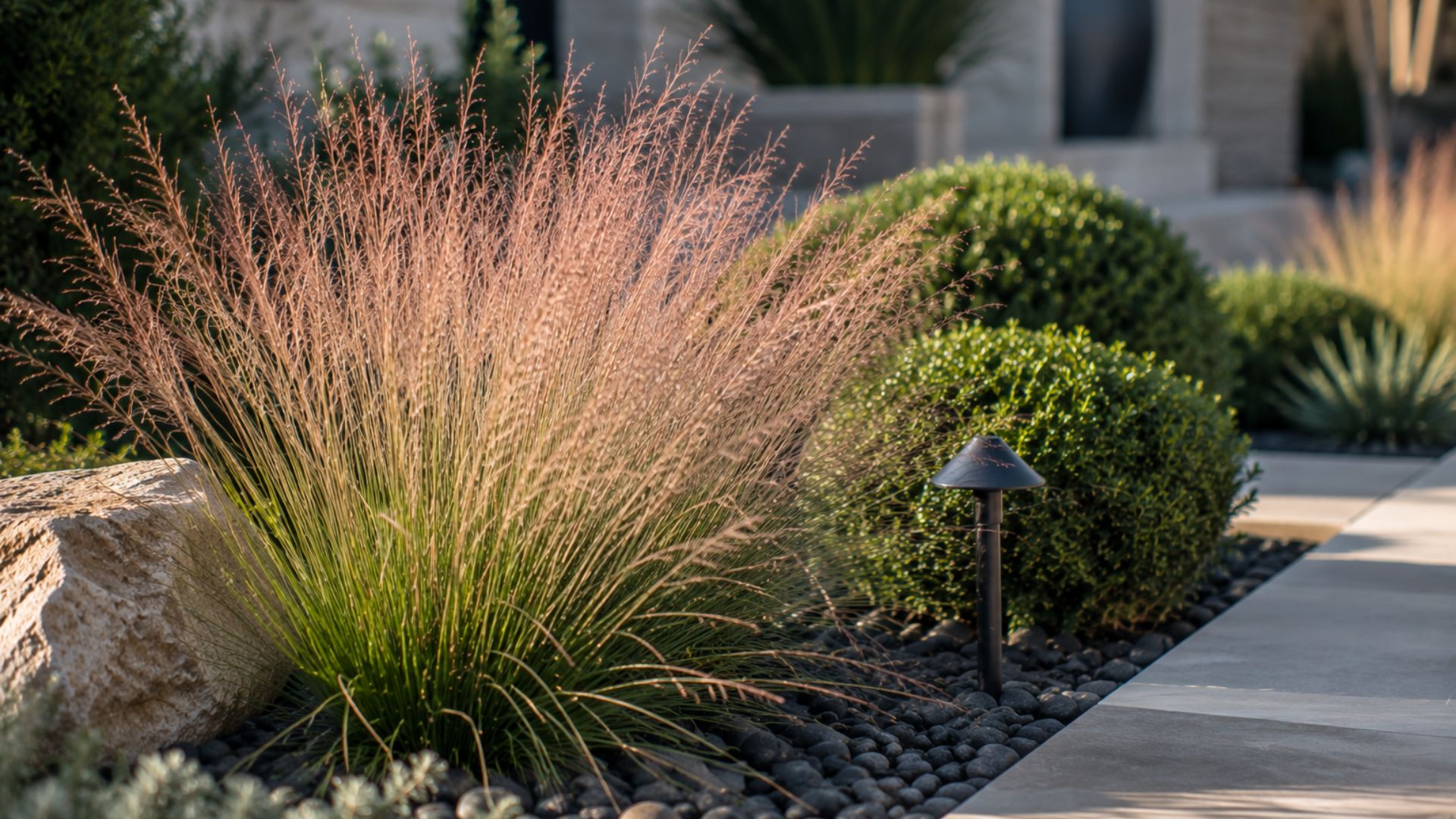
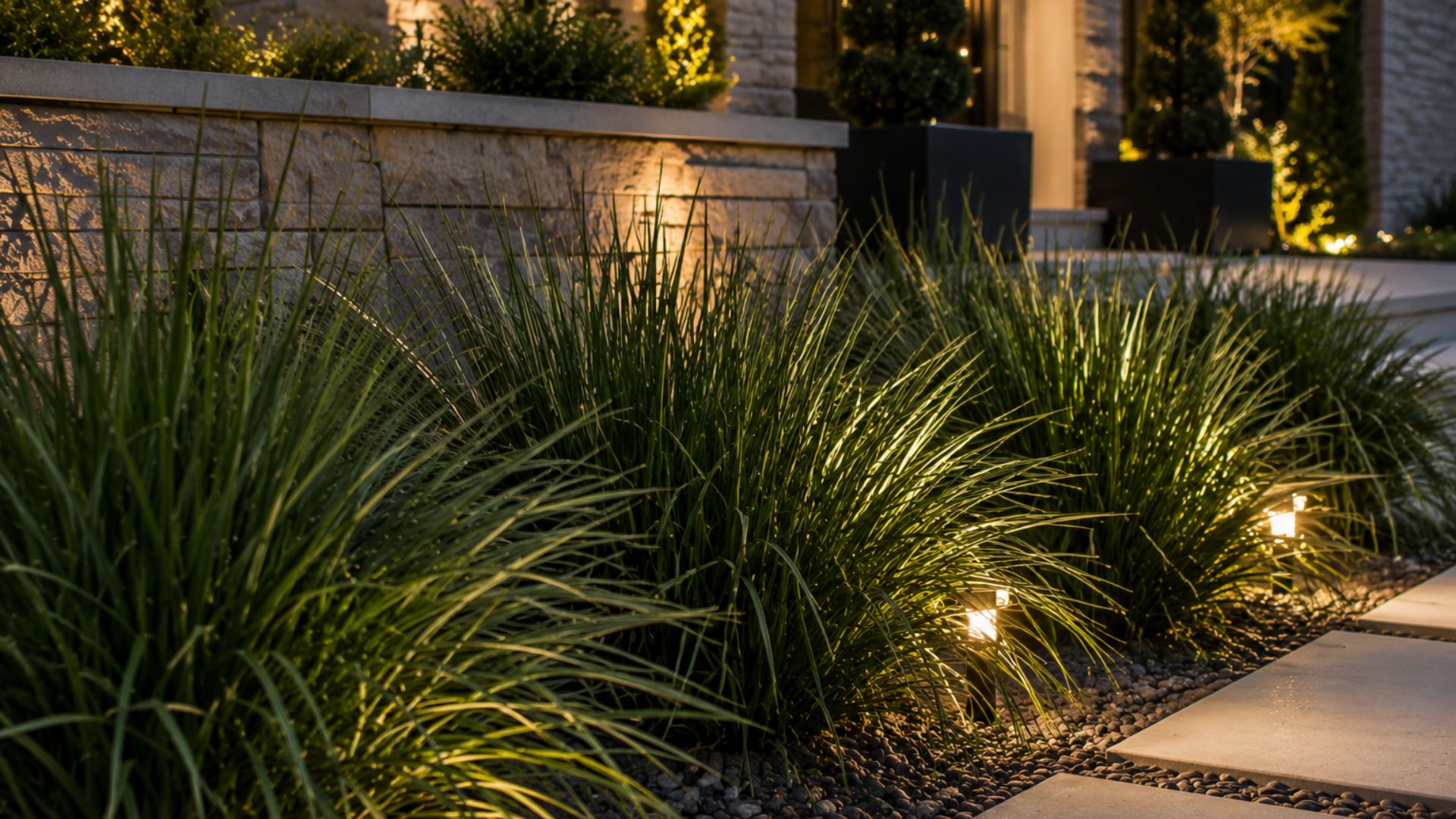
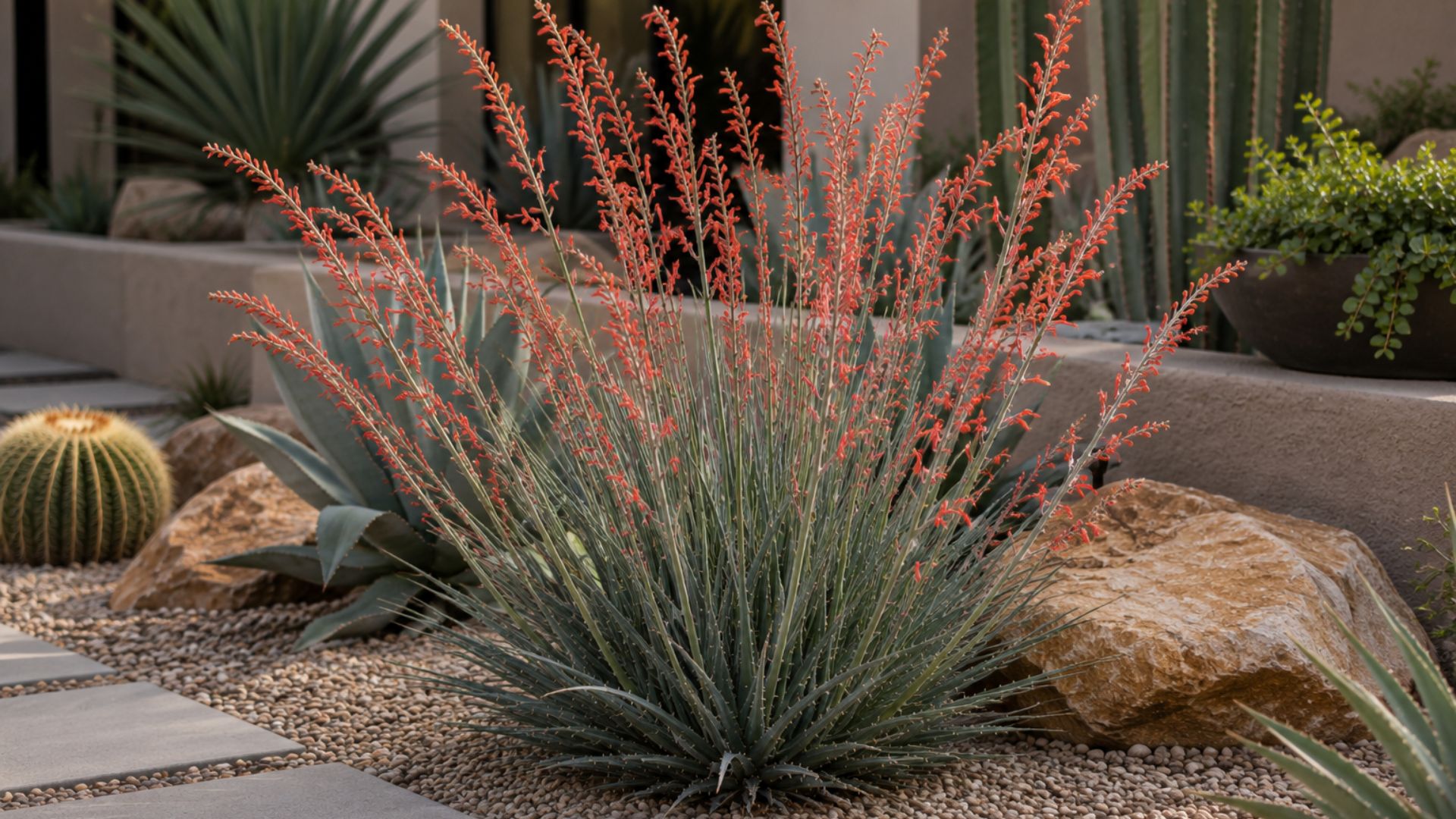
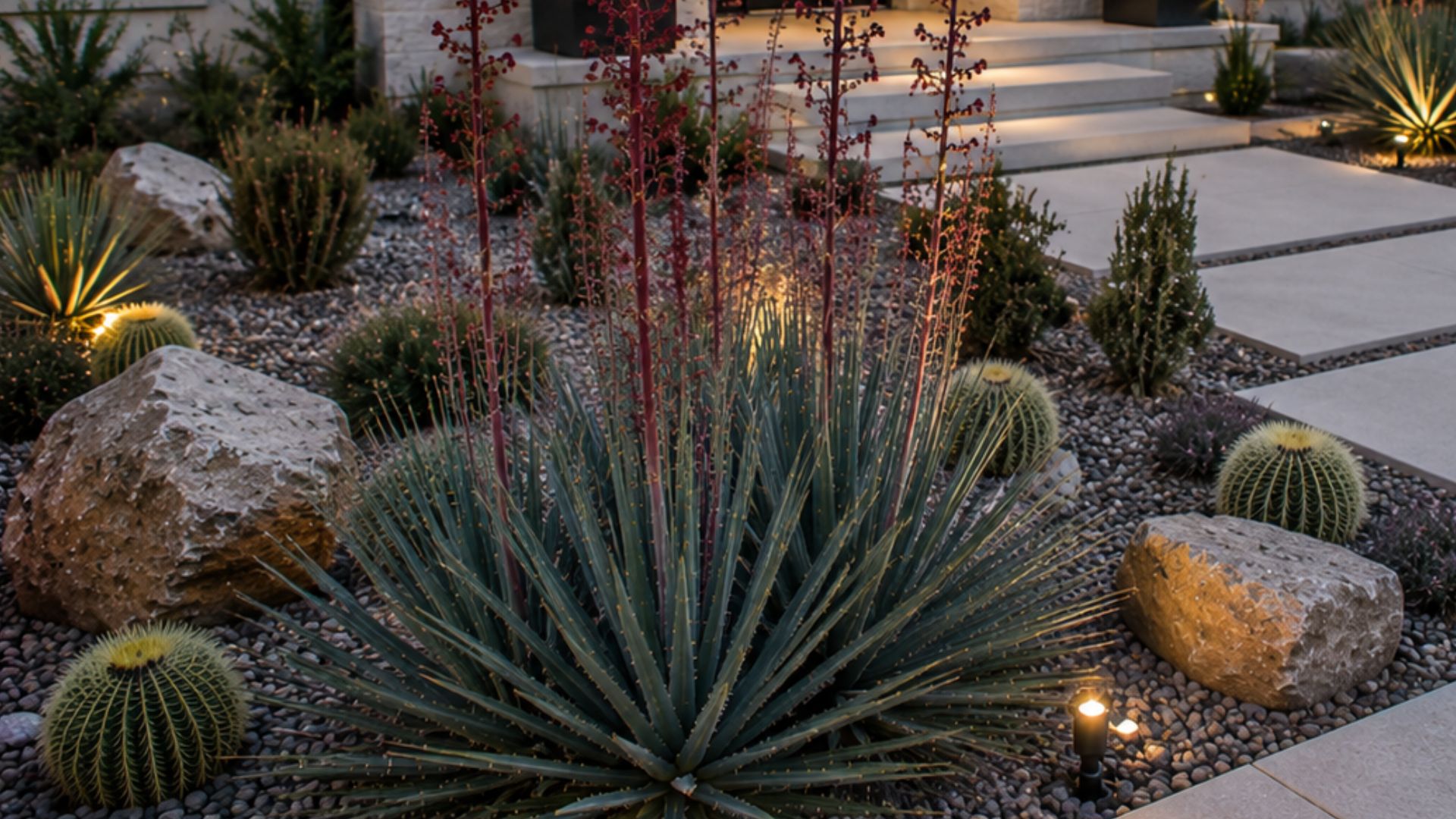
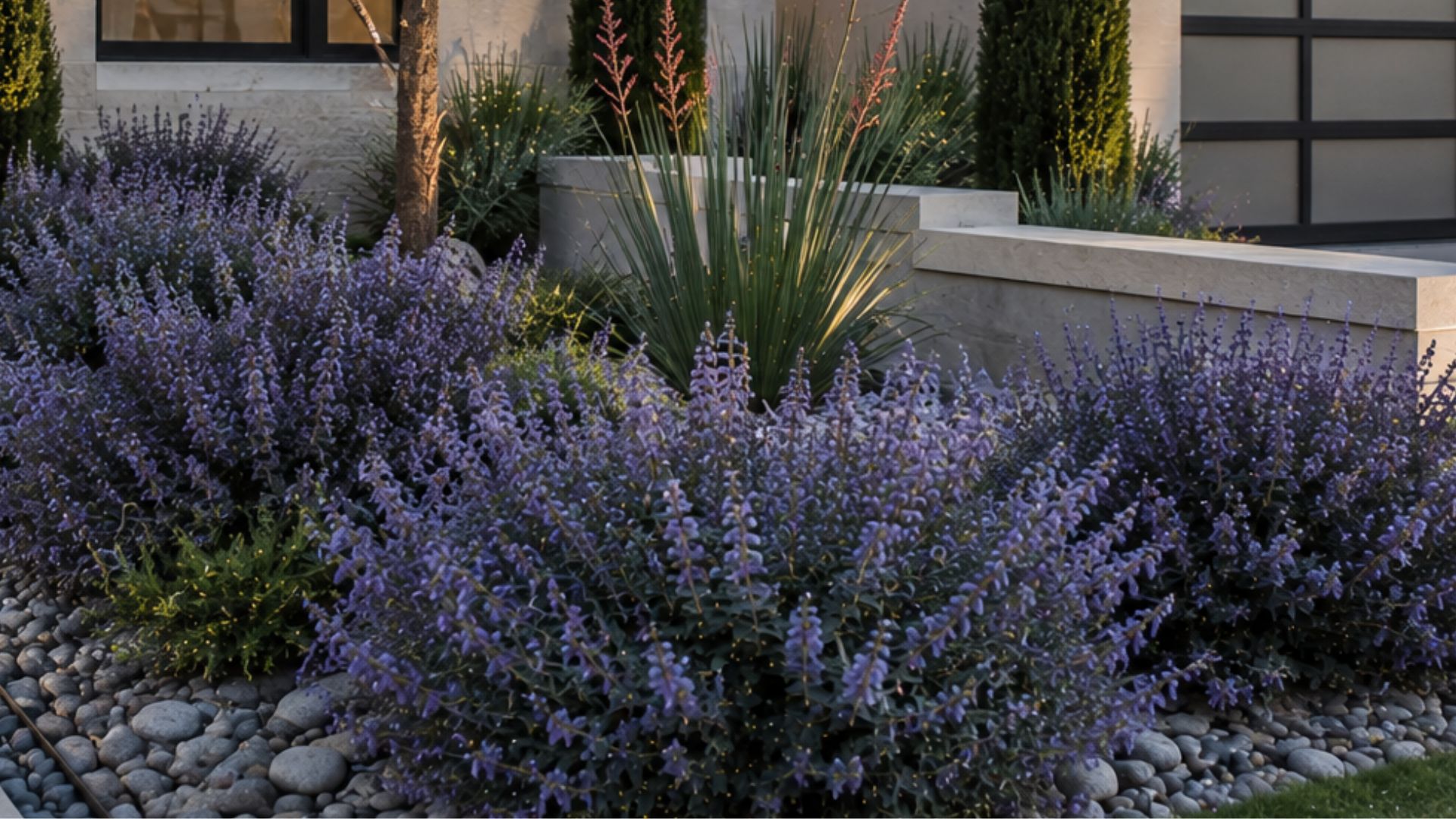
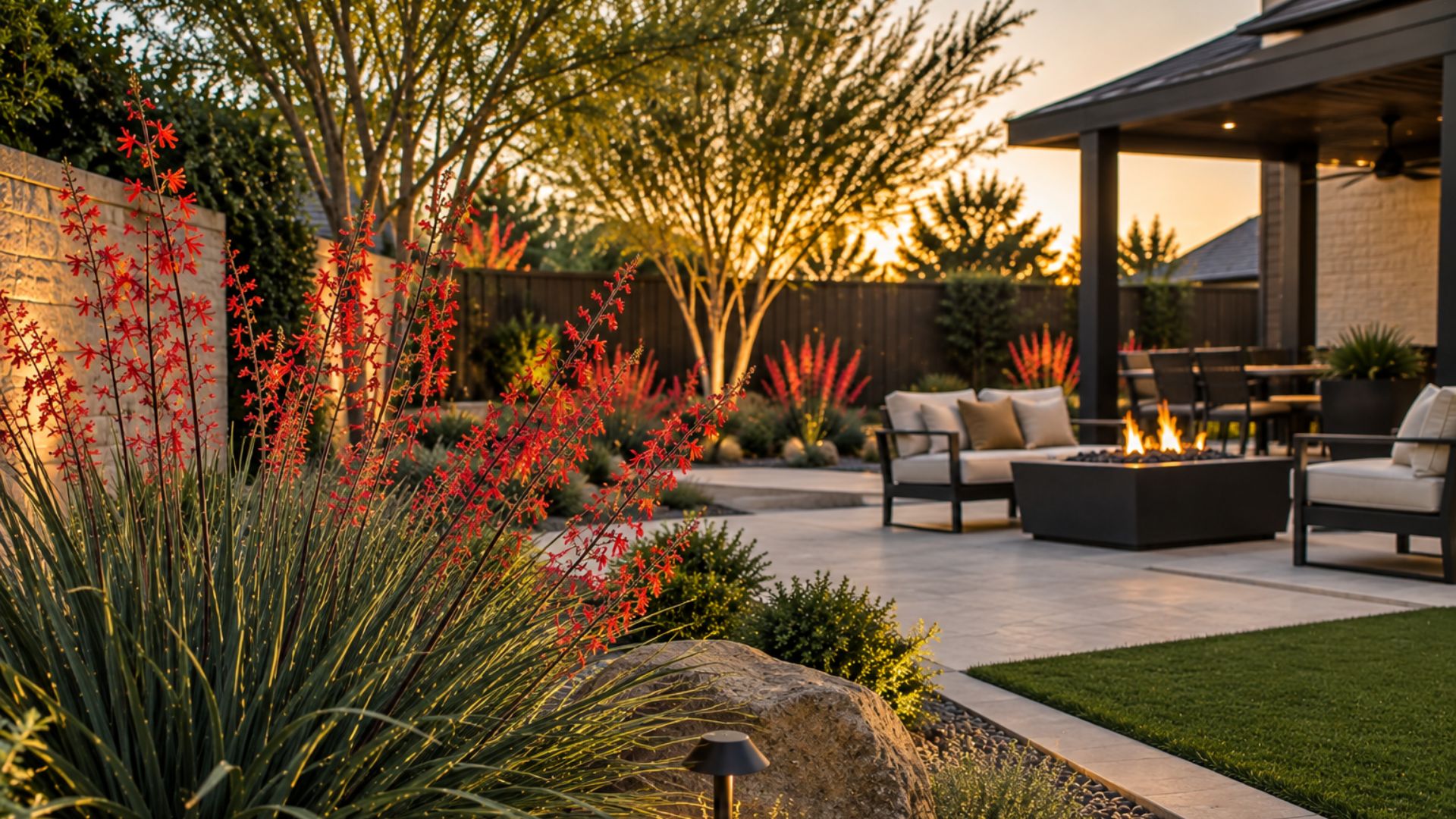
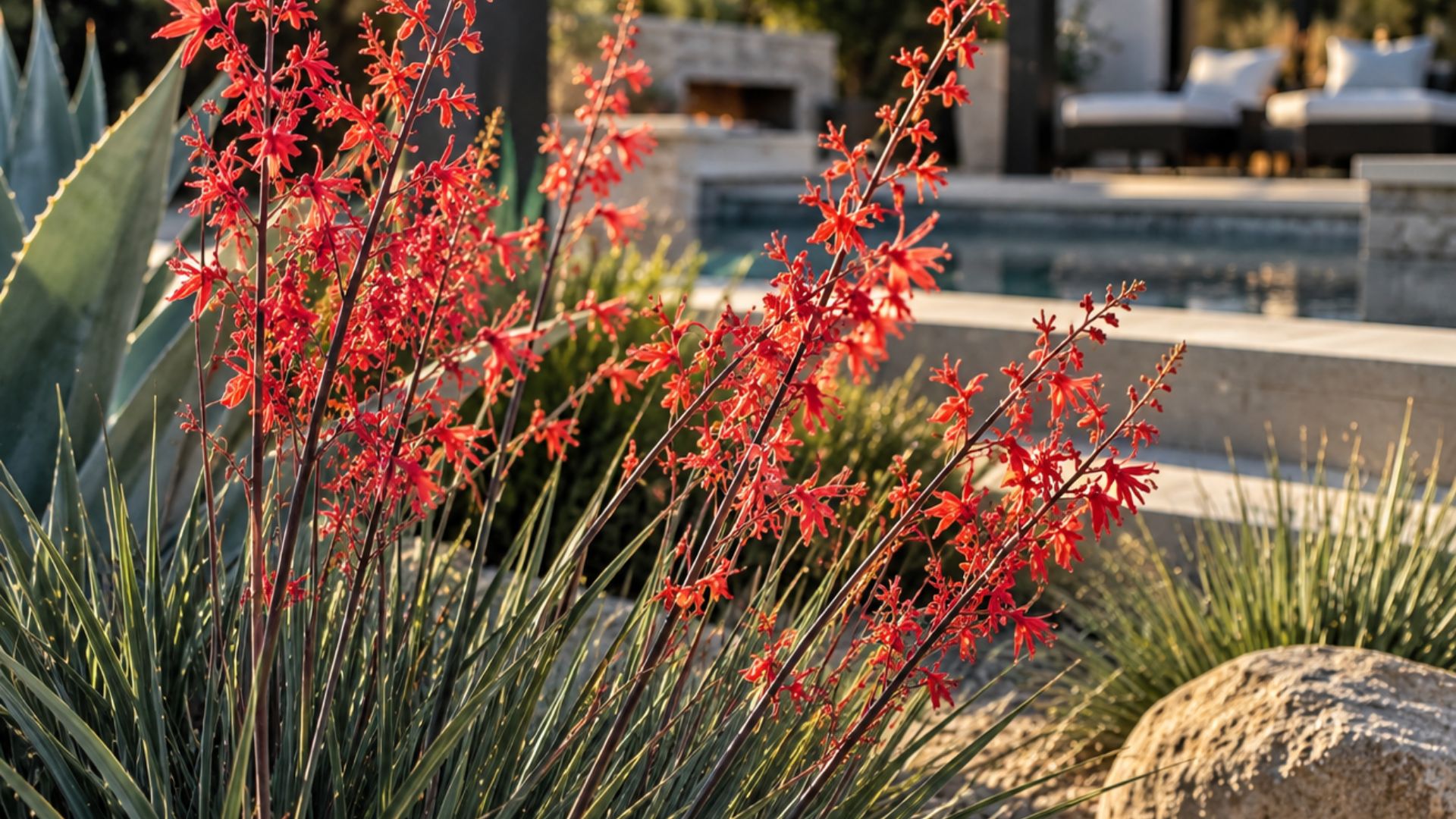
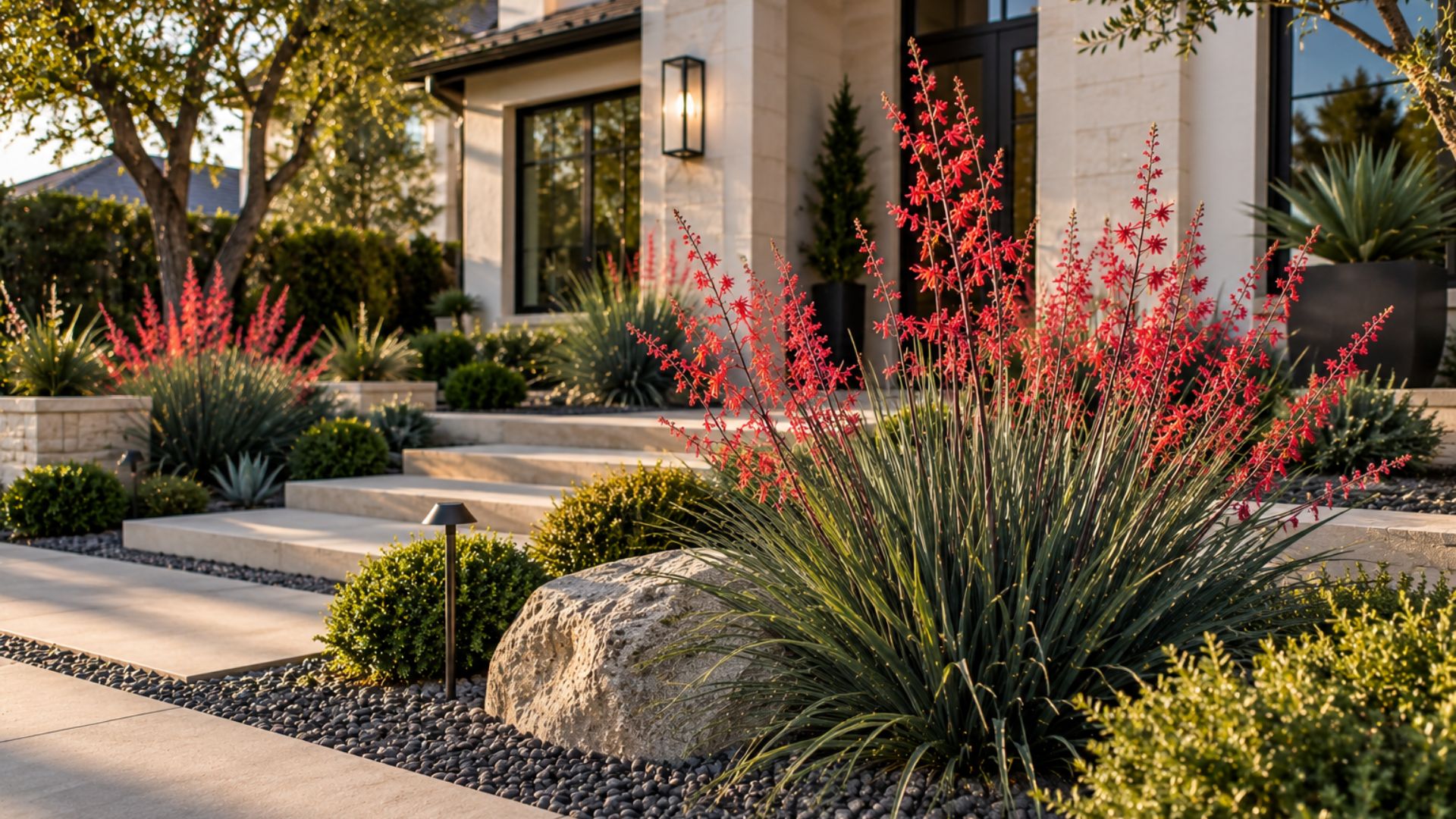
A bold accent plant with narrow, arching foliage and tall flower stalks covered in coral-red to pink blooms from spring through summer. Typically grows 2–3 feet tall and 3–4 feet wide, with flower stalks reaching 4–6 feet tall. Hardy in USDA Zones 5–10, Red Yucca is exceptionally well suited to North Texas heat and brings architectural form, movement, and seasonal color to resort-style landscapes.
Red Yucca
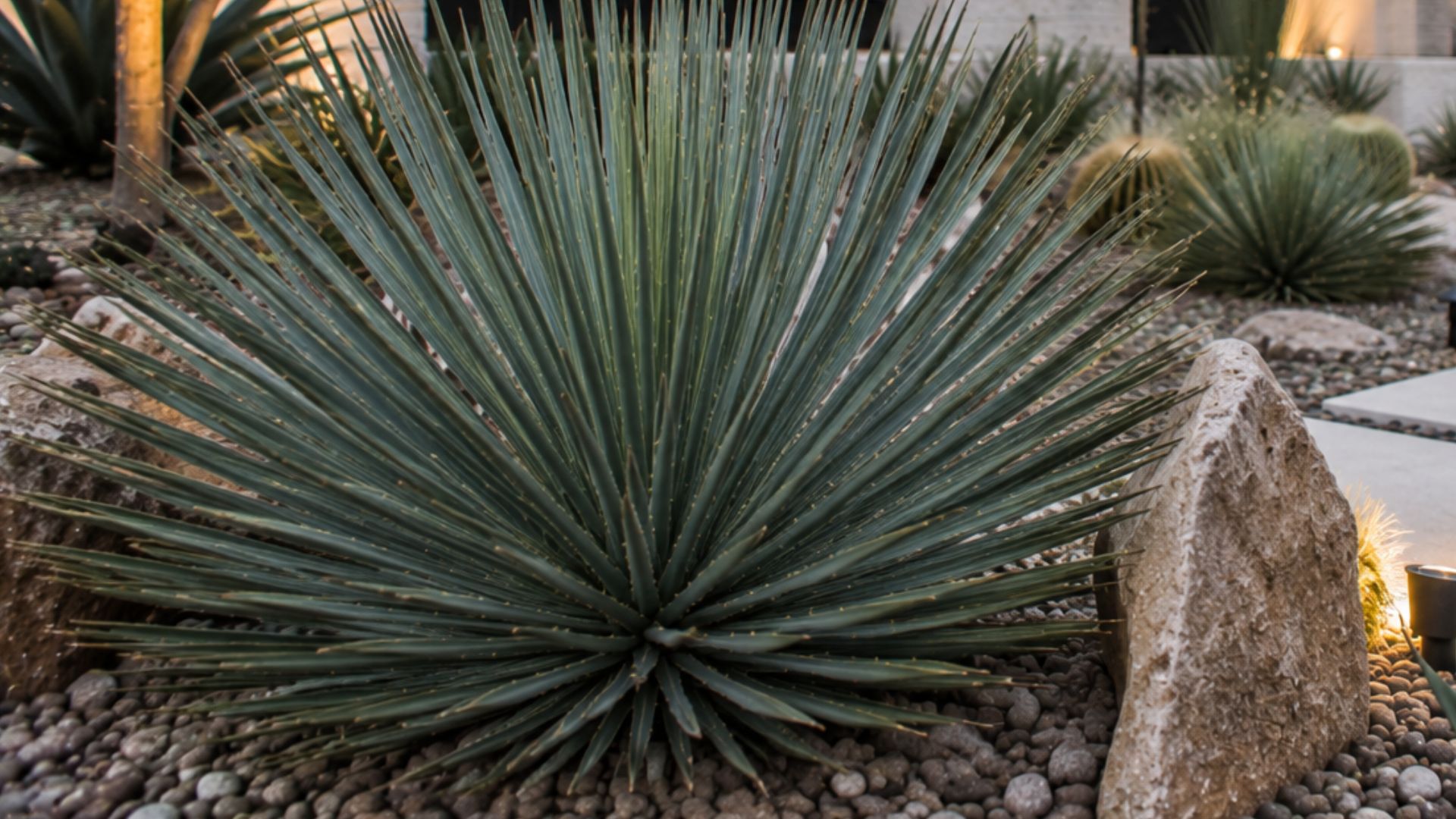
Red Yucca (Hesperaloe parviflora) is a Texas native perennial recognized for its fountain-like clusters of narrow evergreen leaves and dramatic flowering stalks. Despite its common name, it is not a true yucca. Its softer, arching foliage creates a more graceful appearance than many traditional yuccas or agaves, making it easy to incorporate into refined residential landscapes.
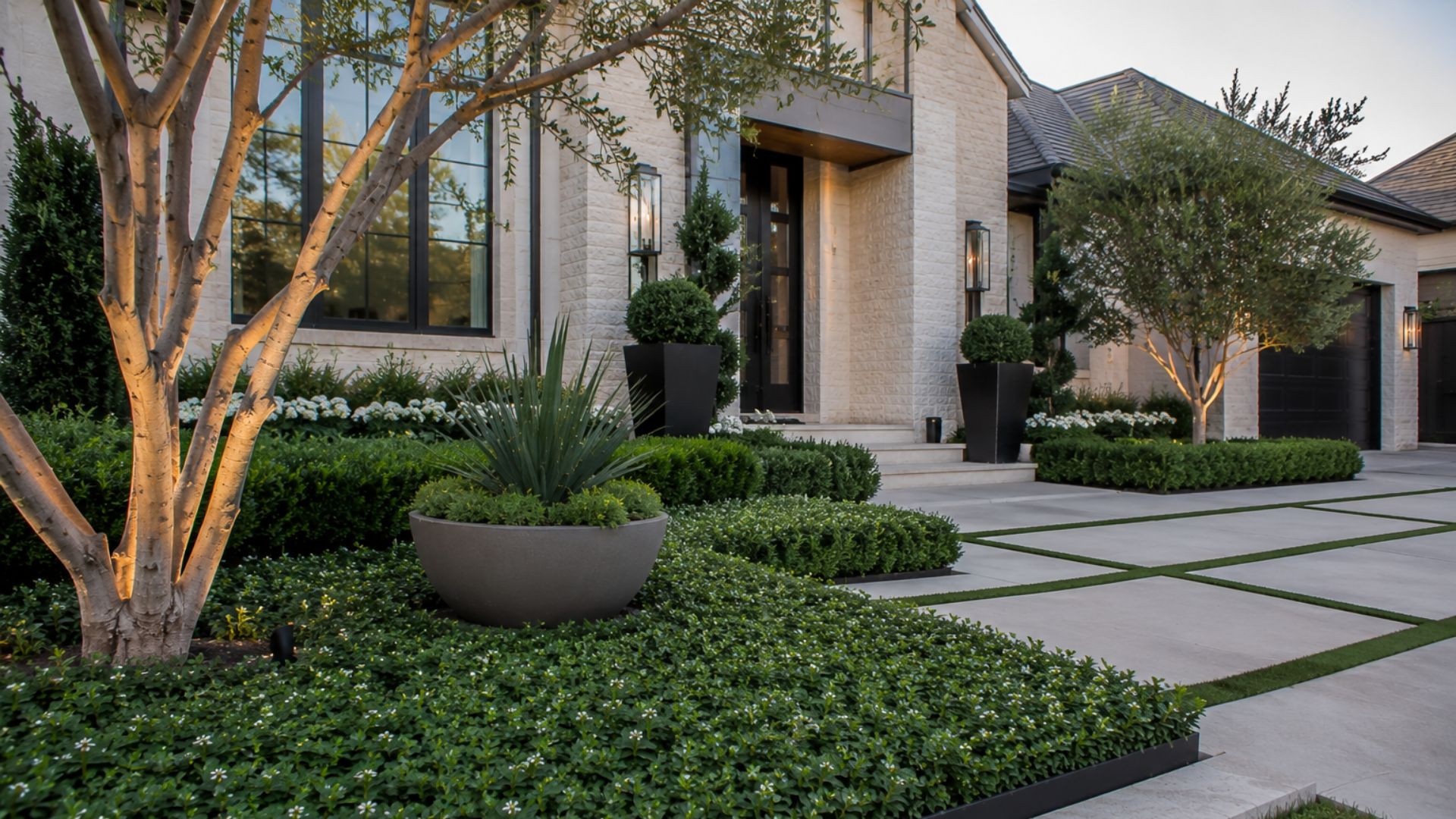
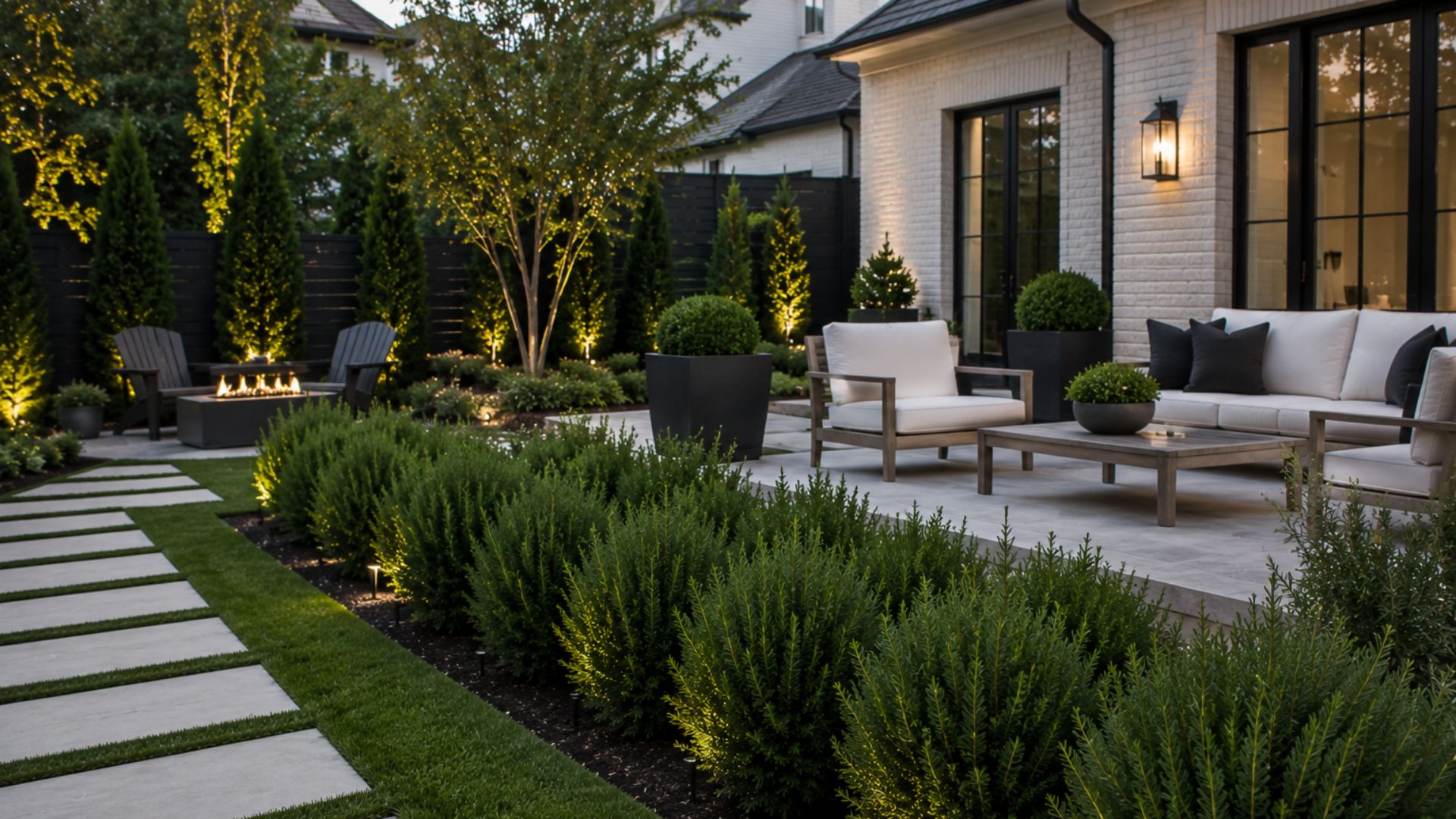
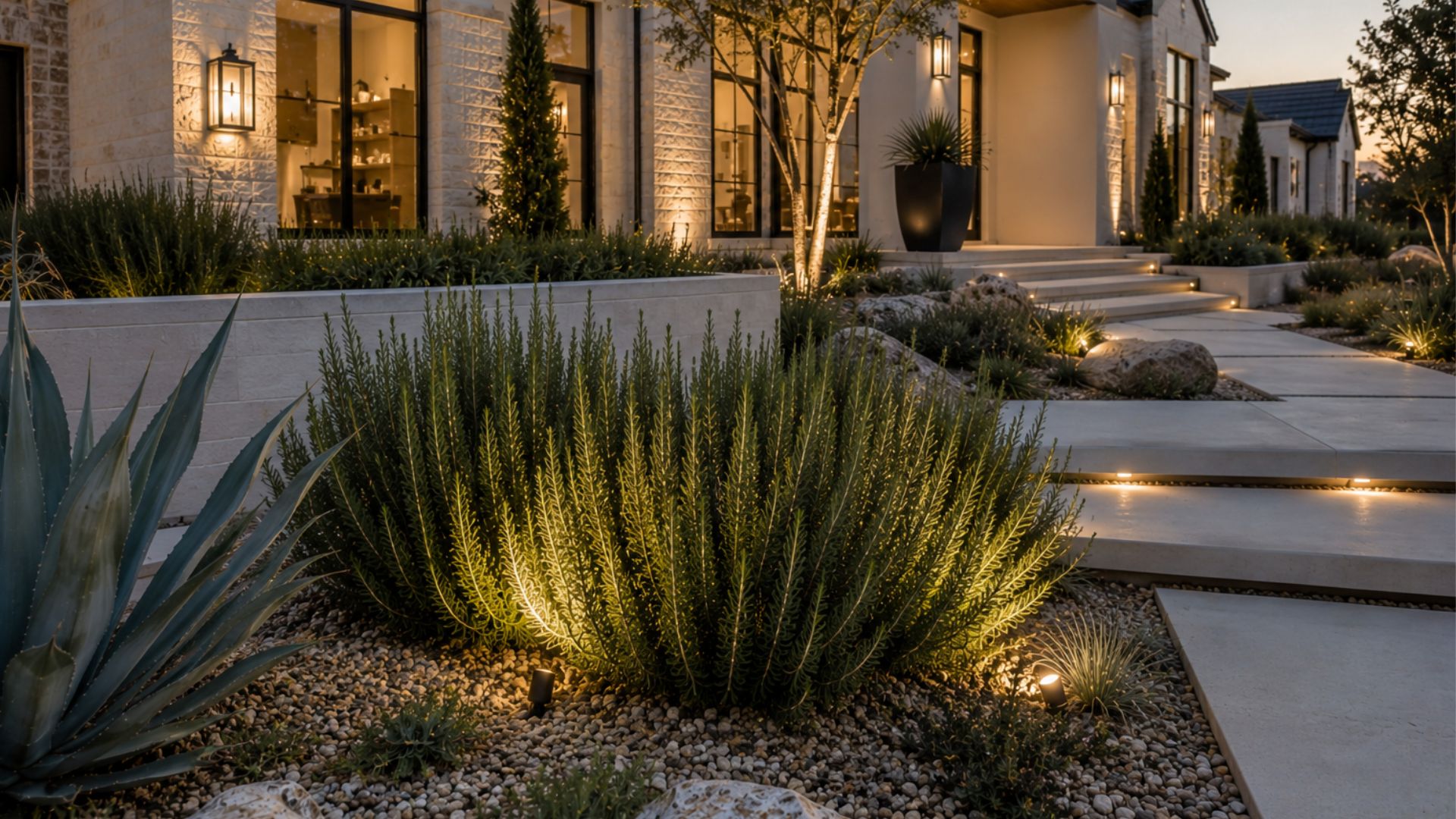
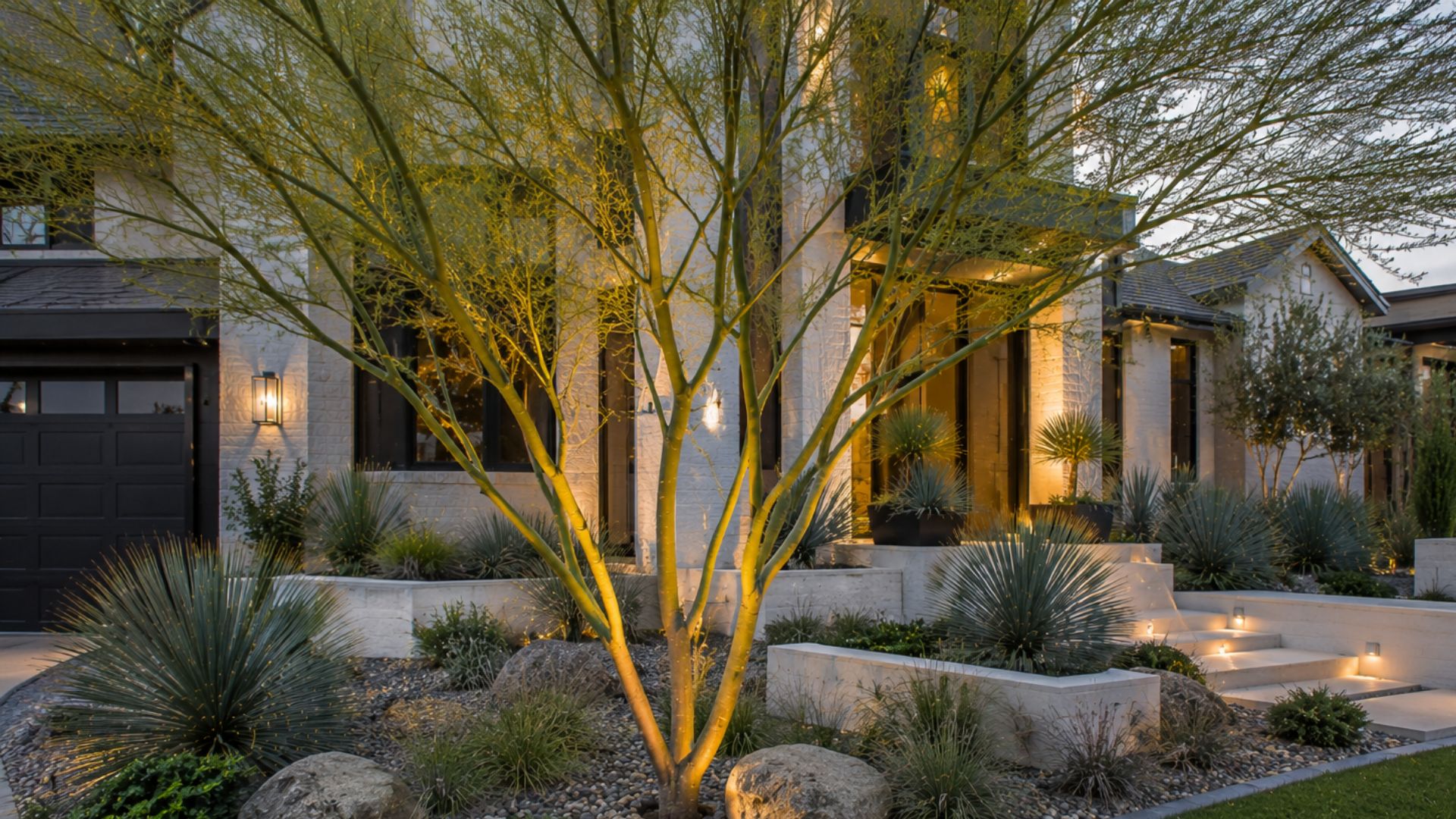
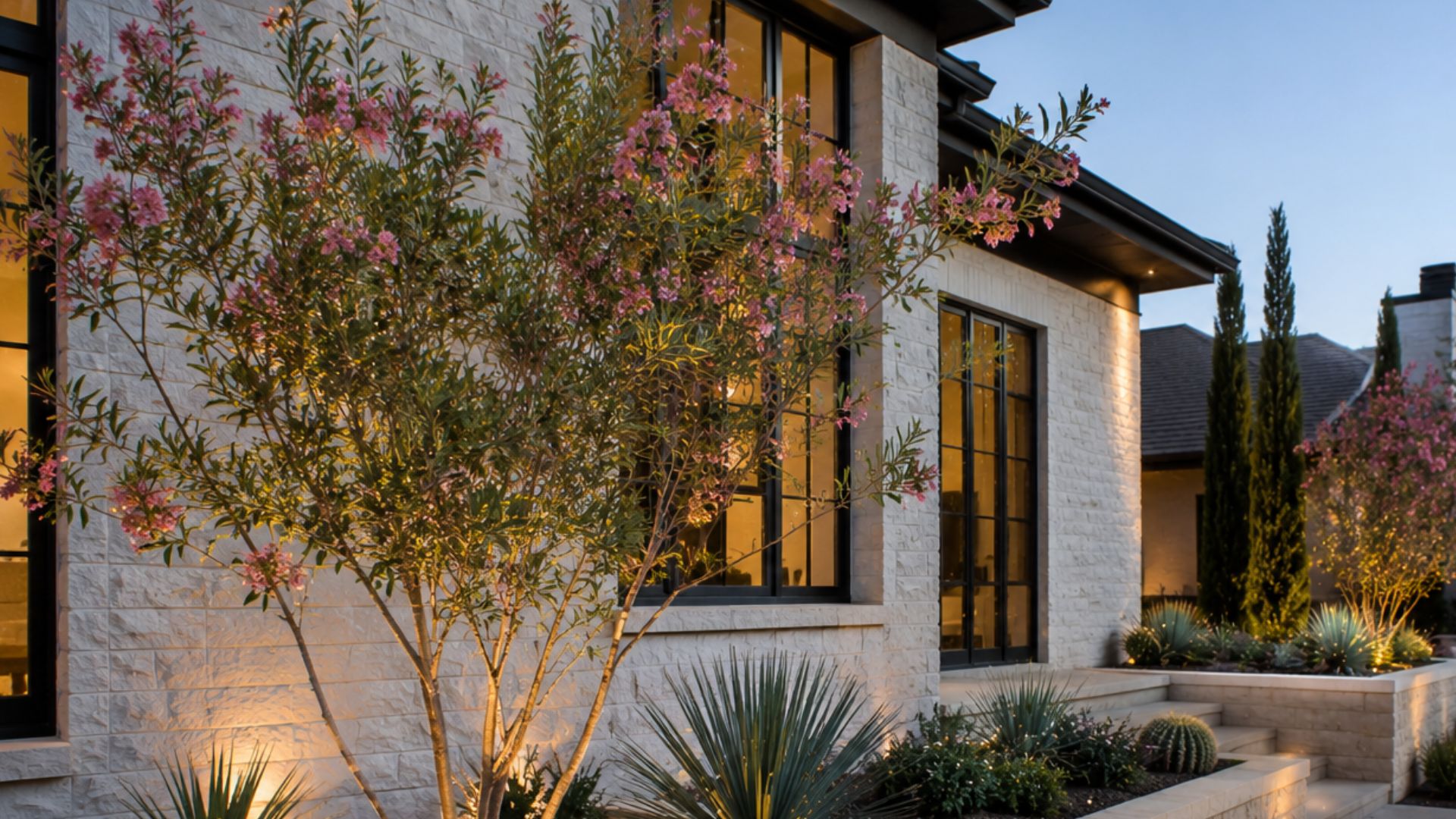
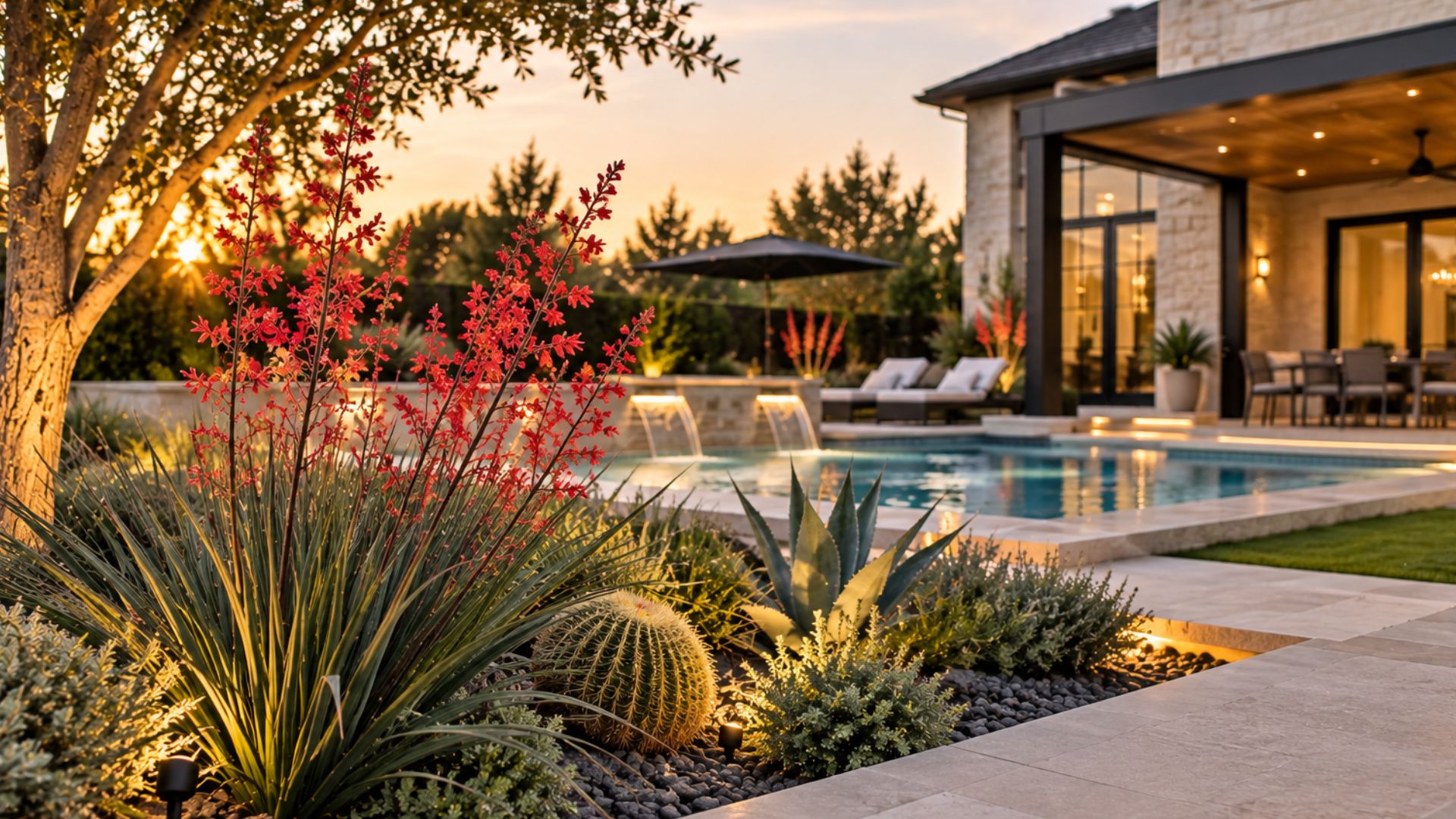
As an accent plant, Red Yucca is particularly effective around pools, stone walkways, entry beds, and outdoor living spaces. The foliage provides year-round structure while the tall flowers introduce color without creating a dense or heavy planting. In a Plano resort-style landscape, small groupings can add repetition and rhythm around hardscape while maintaining the clean, open appearance of the overall design.
Red Yucca performs best in full sun and well-draining soil. Once established, it is highly drought tolerant and handles the intense summer heat of North Texas exceptionally well. Occasional deep watering during extended dry periods is generally preferable to frequent shallow irrigation.
Maintenance is minimal. Spent flower stalks can be removed near the base once blooming has finished, and older or damaged foliage can be selectively trimmed when necessary. Avoid cutting the entire plant back like an ornamental grass, as its evergreen foliage provides year-round interest.
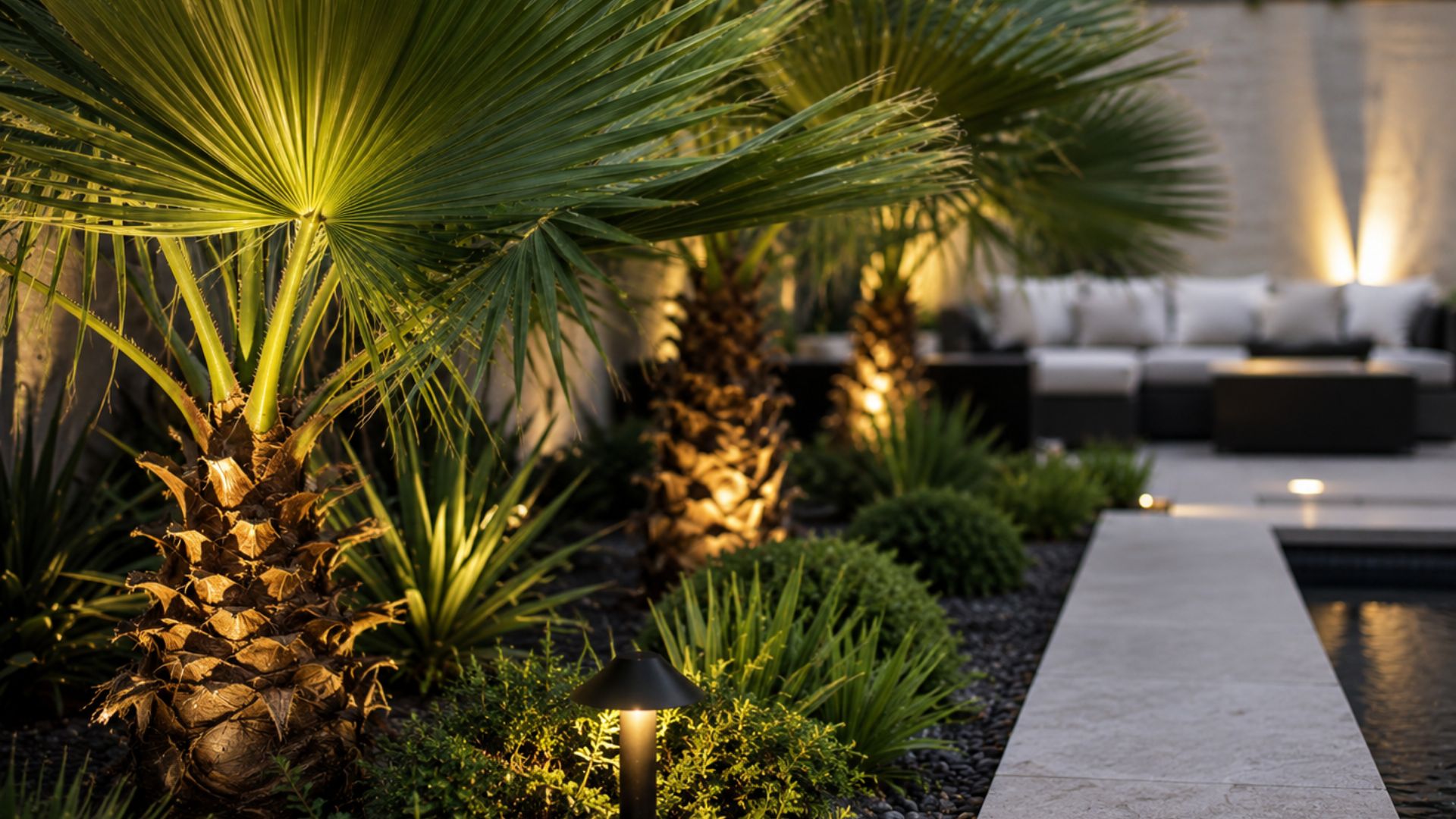
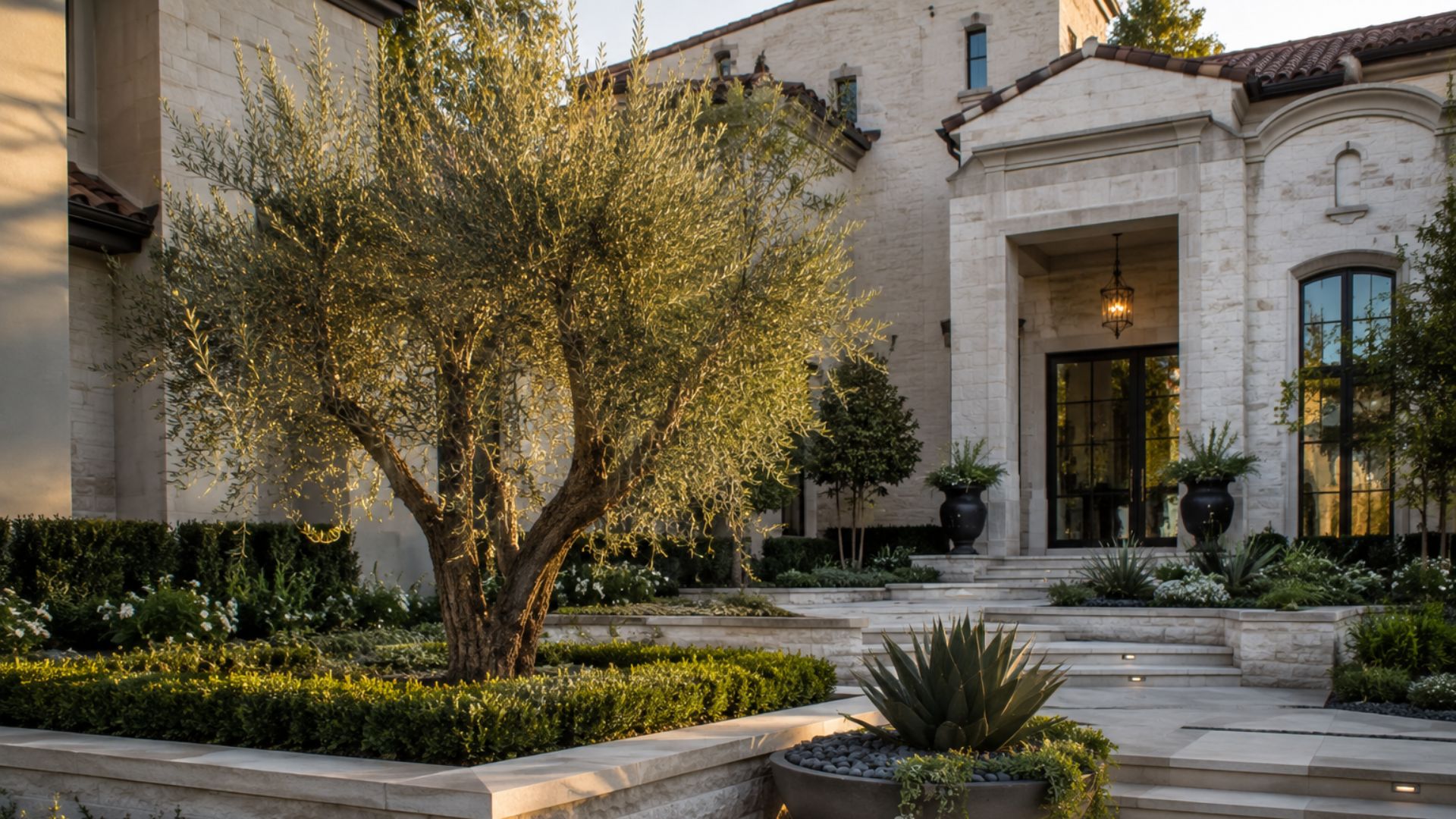
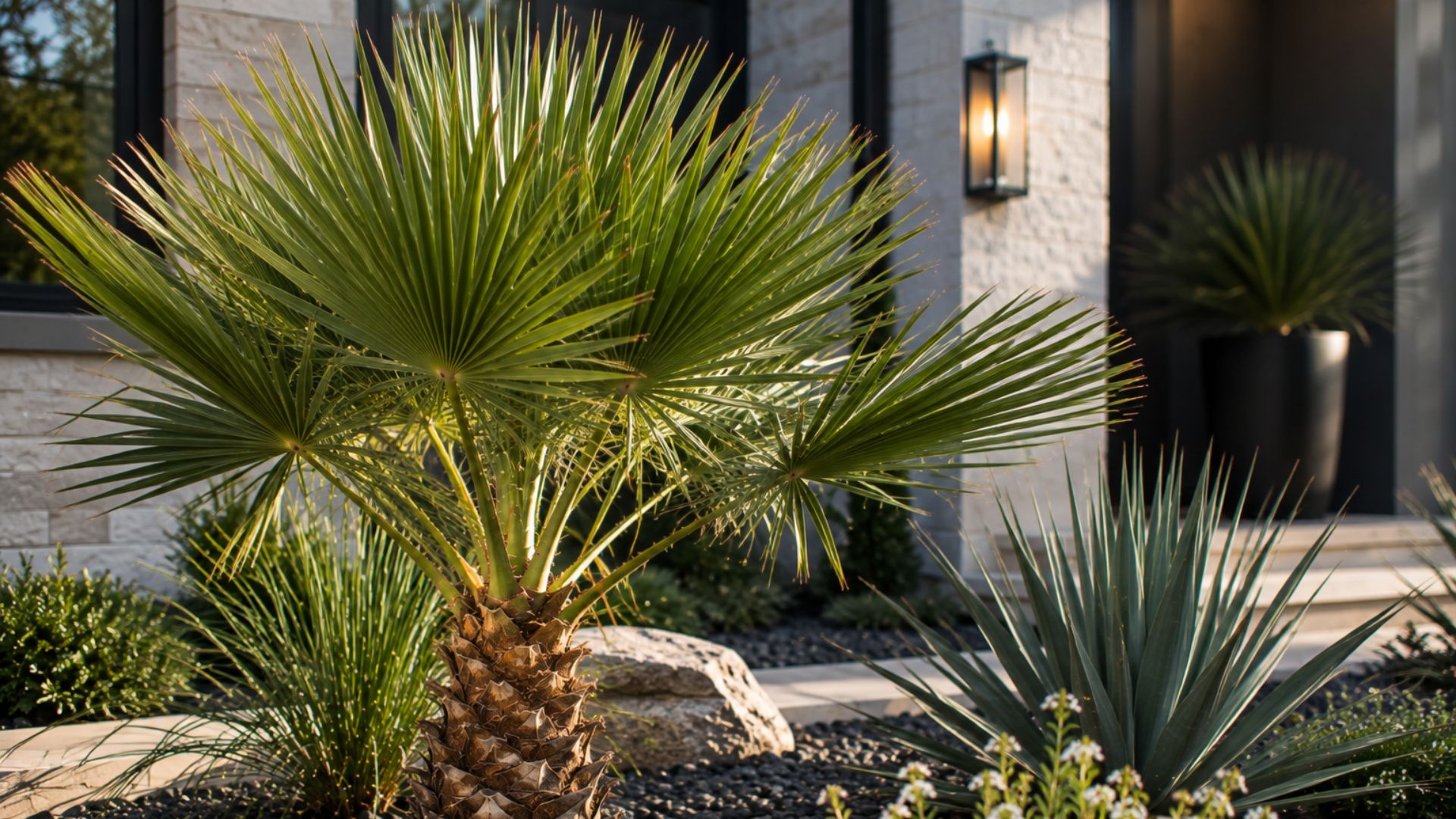
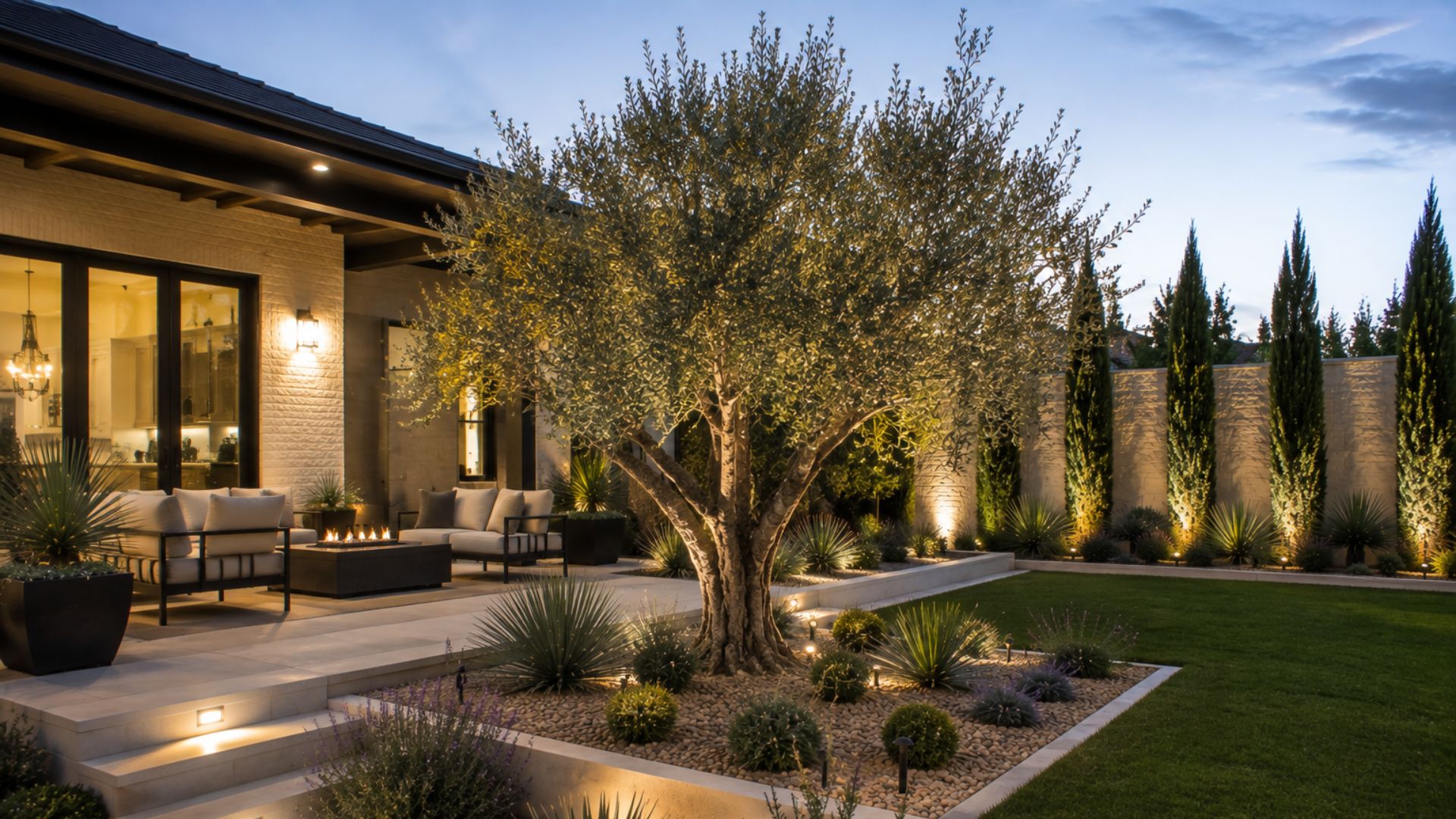
Its low water requirements make Red Yucca especially useful in Southlake landscapes where homeowners want a polished resort appearance without relying exclusively on plants that require frequent irrigation. These look beautiful with other trees like Sabal Palms or Olive Trees!
Red Yucca is generally tough and has relatively few serious pest or disease problems. The most common issue is excessive moisture. Constantly wet soil or poorly drained planting areas can lead to root and crown problems, particularly during cooler months.
Too much shade can also affect its appearance. Plants grown without adequate sunlight may become less compact and produce fewer flowers. Full sun generally results in stronger foliage and a more impressive bloom display.
Flower stalks can attract hummingbirds and other pollinators, which is typically an advantage in residential landscapes. However, their mature height should be considered when positioning Red Yucca near windows or areas where maintaining a specific sightline is important.
Yes. Red Yucca generally maintains its foliage throughout the year in North Texas, although unusually severe freezes can cause temporary leaf damage. Established plants typically recover well as temperatures warm.
Yes. Its architectural shape, drought tolerance, and relatively low maintenance make it an excellent resort-style accent plant for pool landscapes. It can add color and texture without creating the dense canopy or substantial leaf litter associated with larger plants.
Yes. The tall tubular flowers are highly attractive to hummingbirds and other pollinators. This makes Red Yucca particularly valuable when designing a resort-style landscape that combines clean architectural planting with seasonal color and wildlife activity.
You might also like