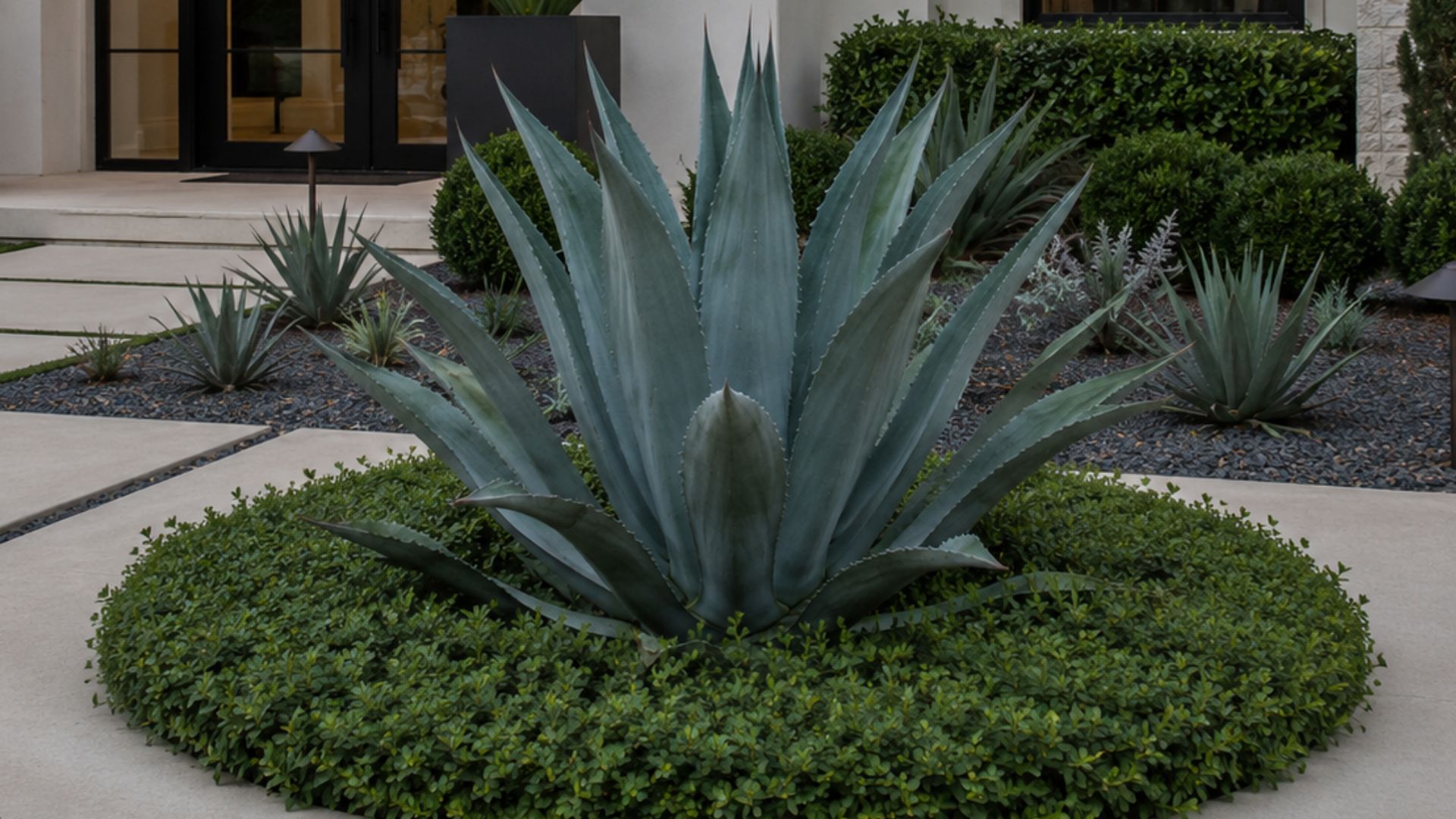


Agave
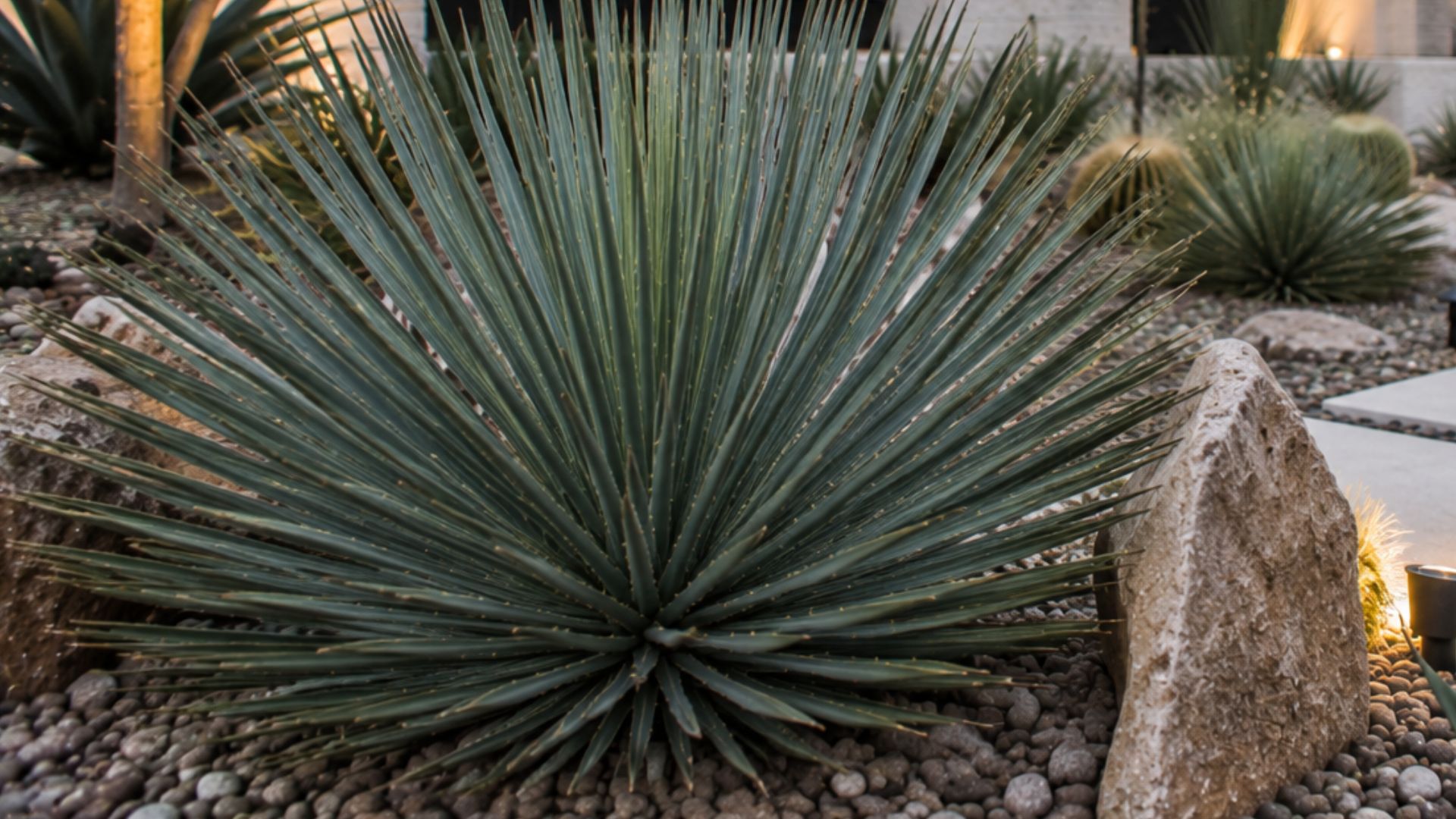
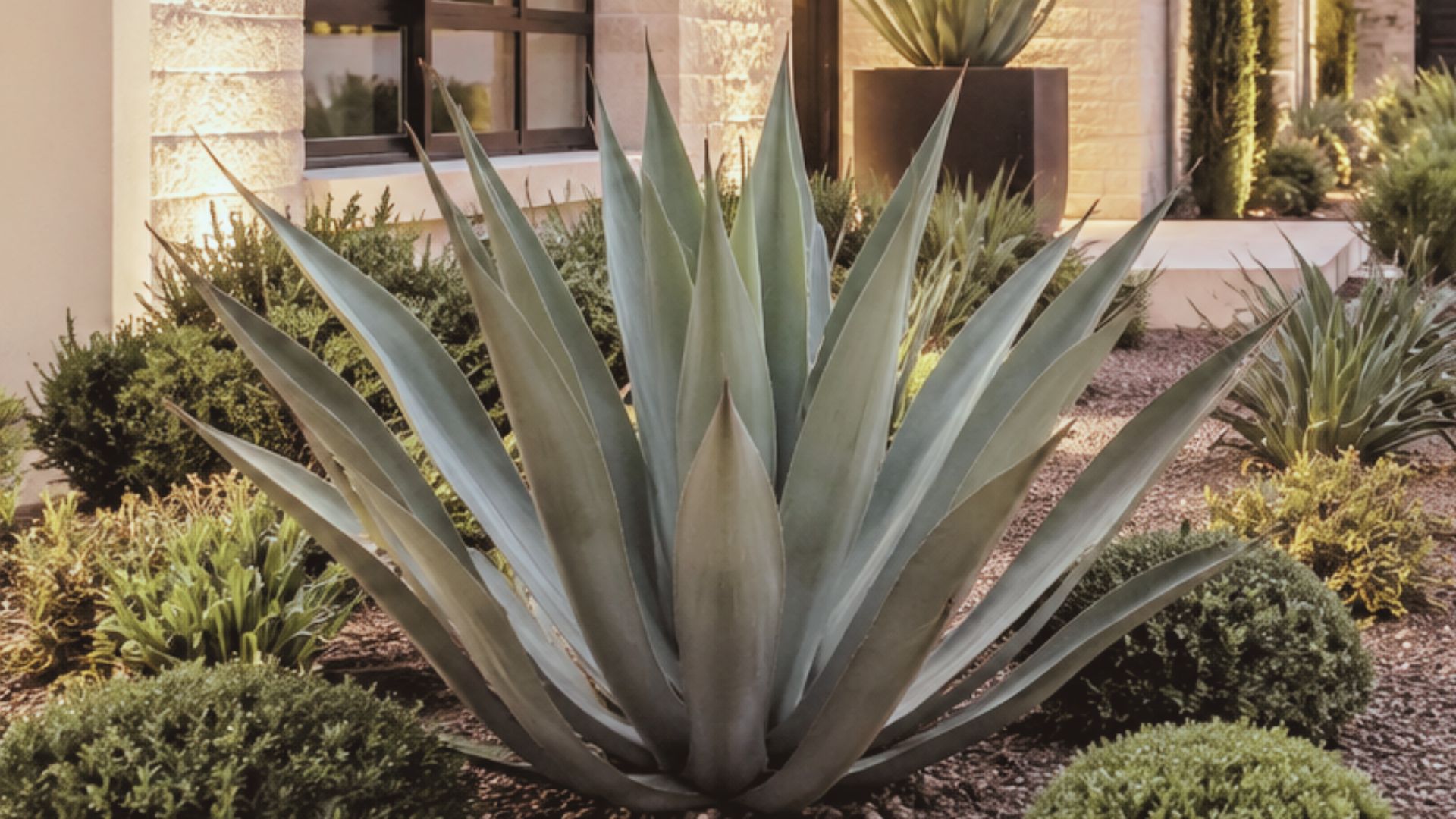
A bold, sculptural succulent known for its symmetrical rosette of thick, architectural leaves and striking blue-green to silvery foliage. Depending on the variety, Agaves can range from 1–6 feet tall and 2–8 feet wide, creating anything from a compact accent to a dramatic focal point. Most landscape varieties are hardy in approximately USDA Zones 7–11, although cold tolerance varies by species. Their exceptional heat and drought tolerance makes Agave a natural fit for desert-style landscapes throughout North Texas.
Agave
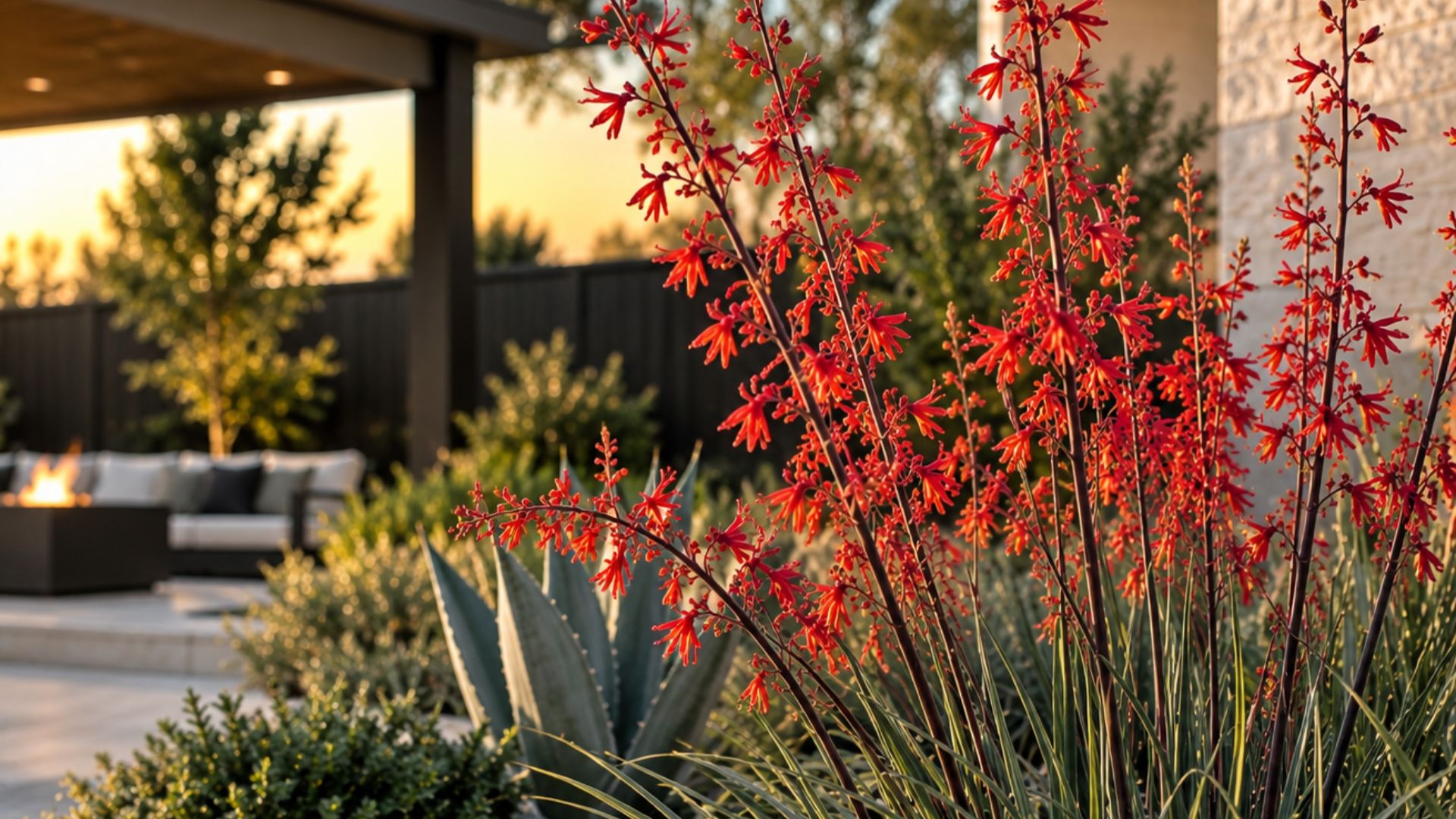
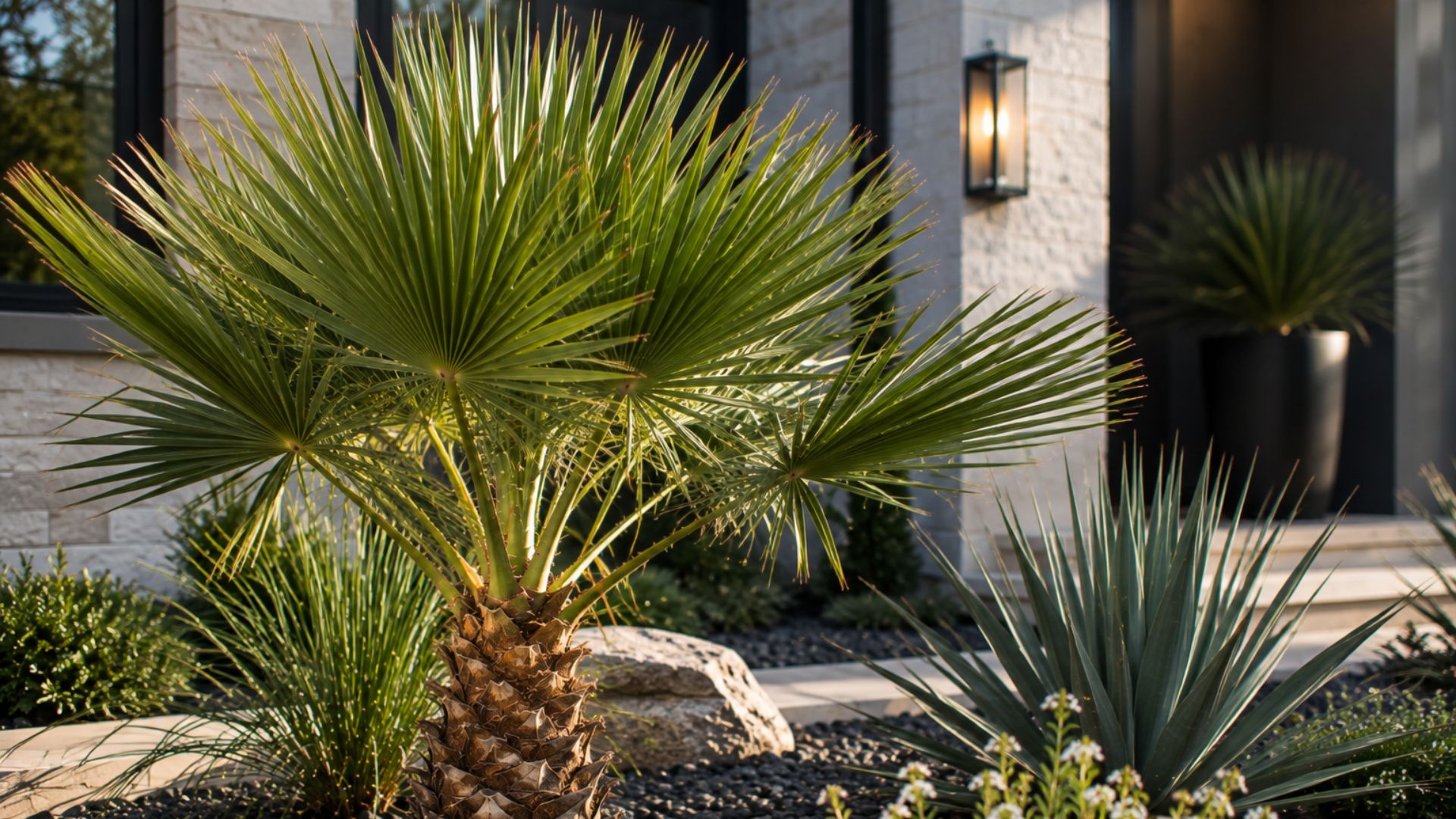
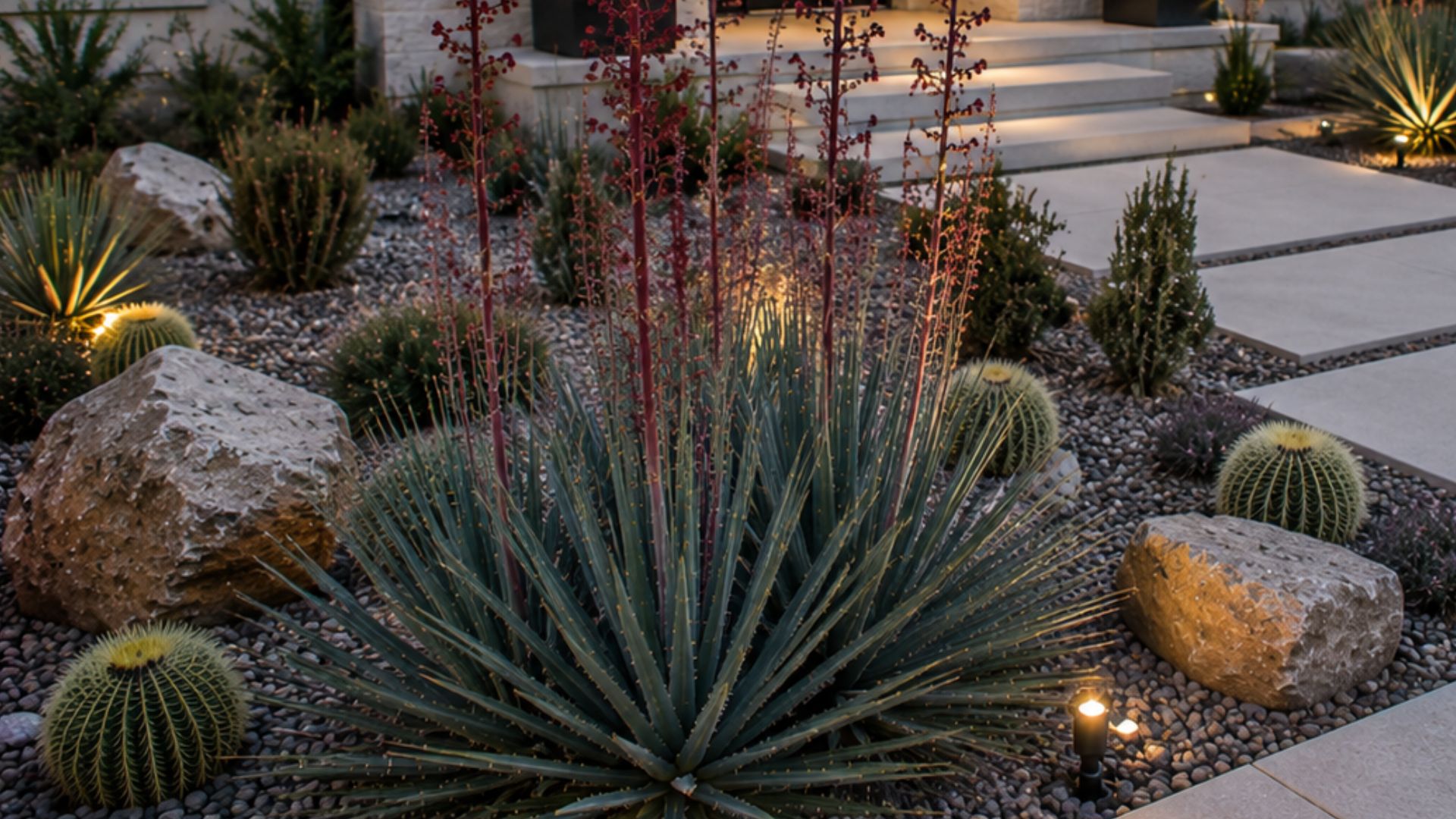
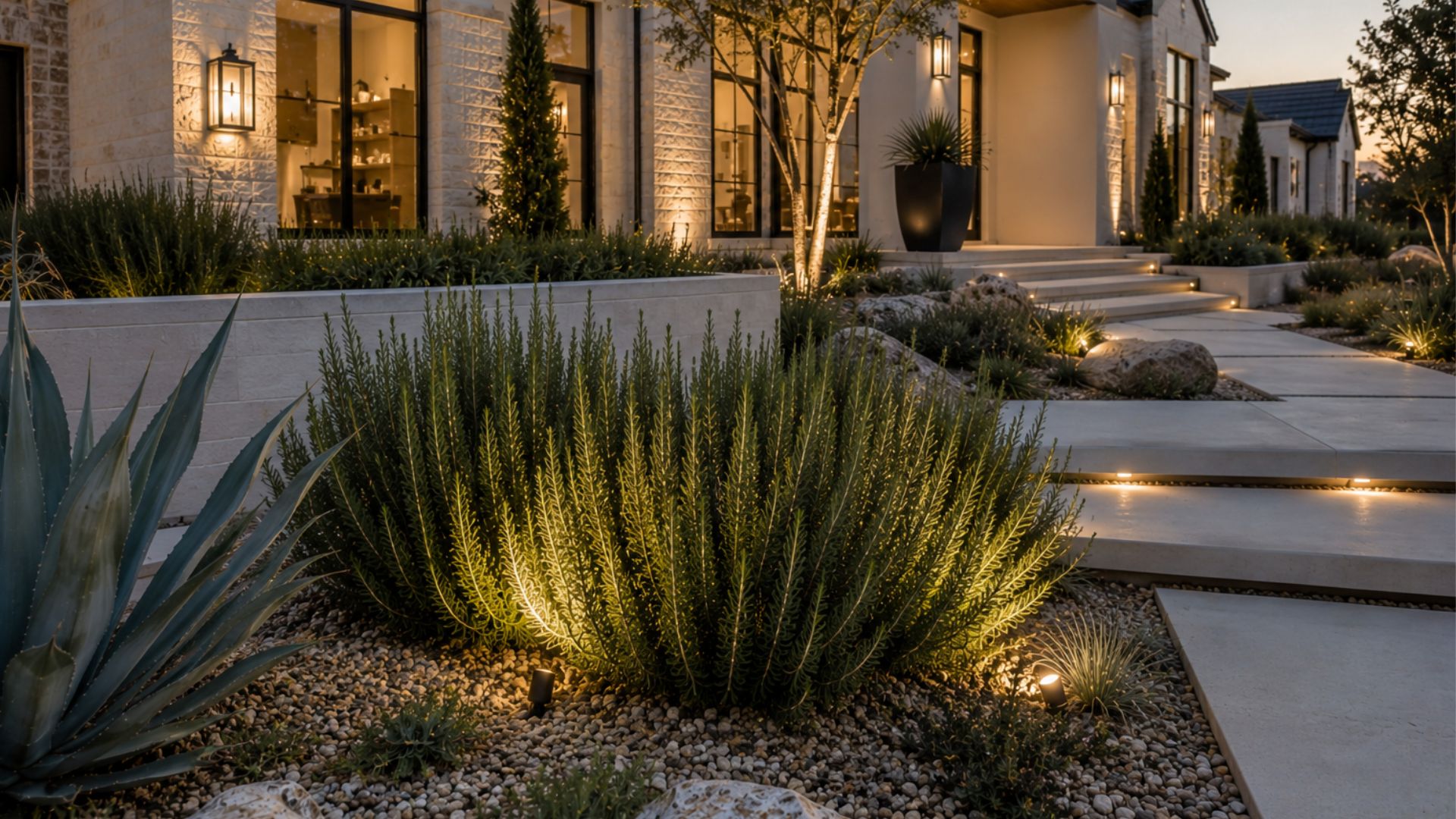
Agave is one of the defining plants of desert-style landscaping. Its strong geometric form immediately gives a planting bed structure, while thick, sculptural leaves provide visual interest throughout every season. Colors vary considerably between species and cultivars, ranging from deep green and blue-gray to nearly silver, with some varieties featuring dramatic variegated foliage.
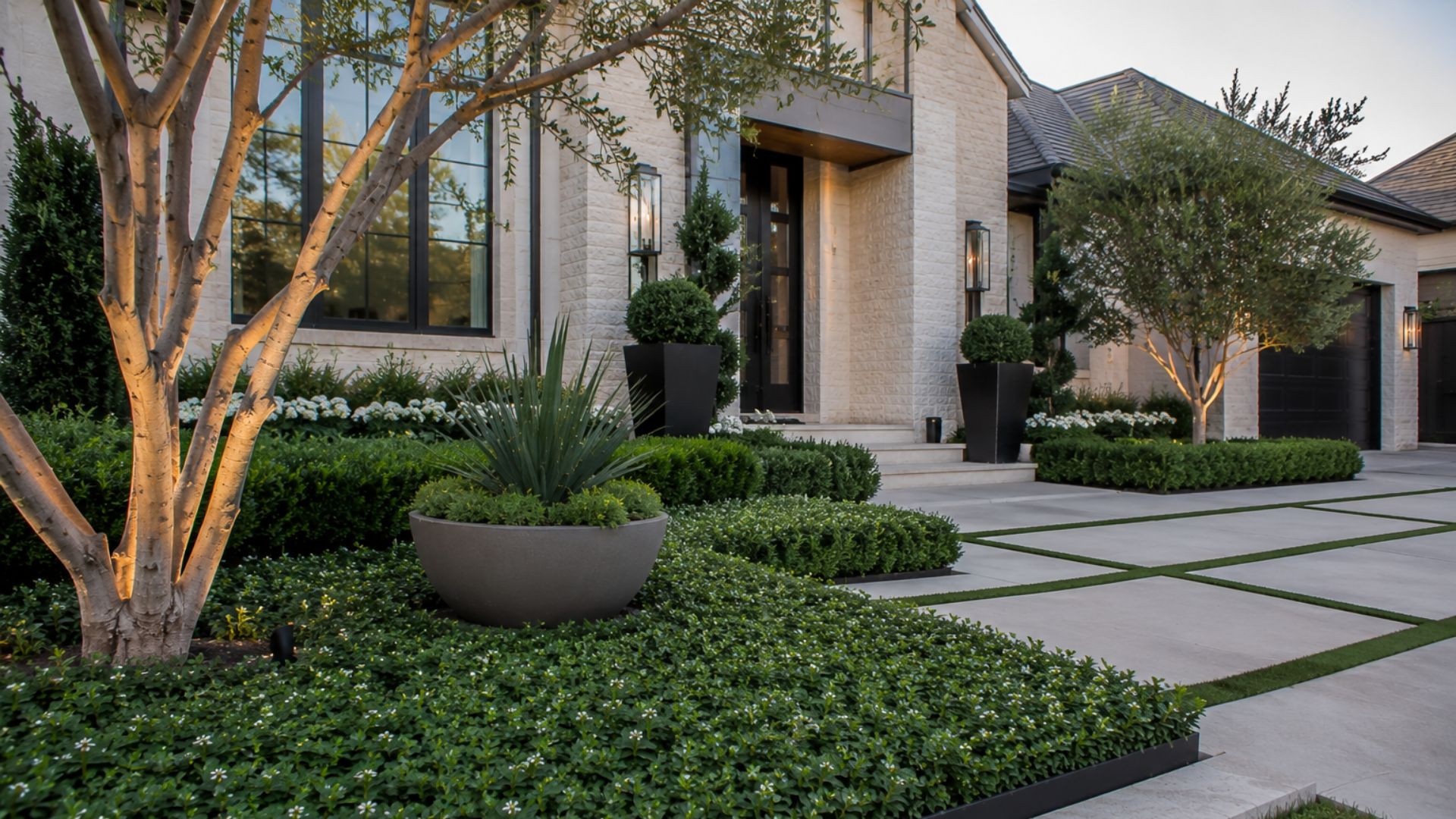
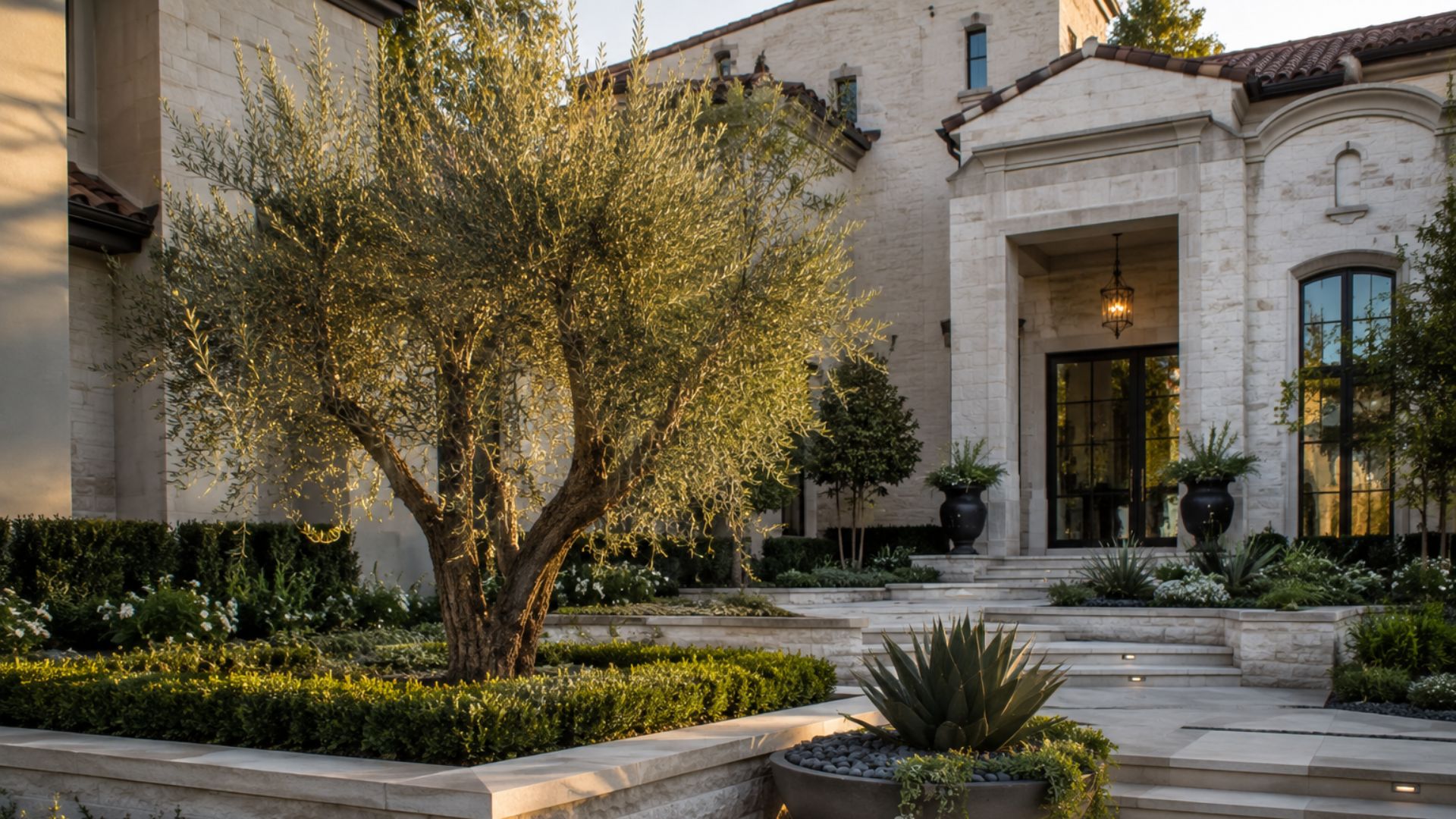
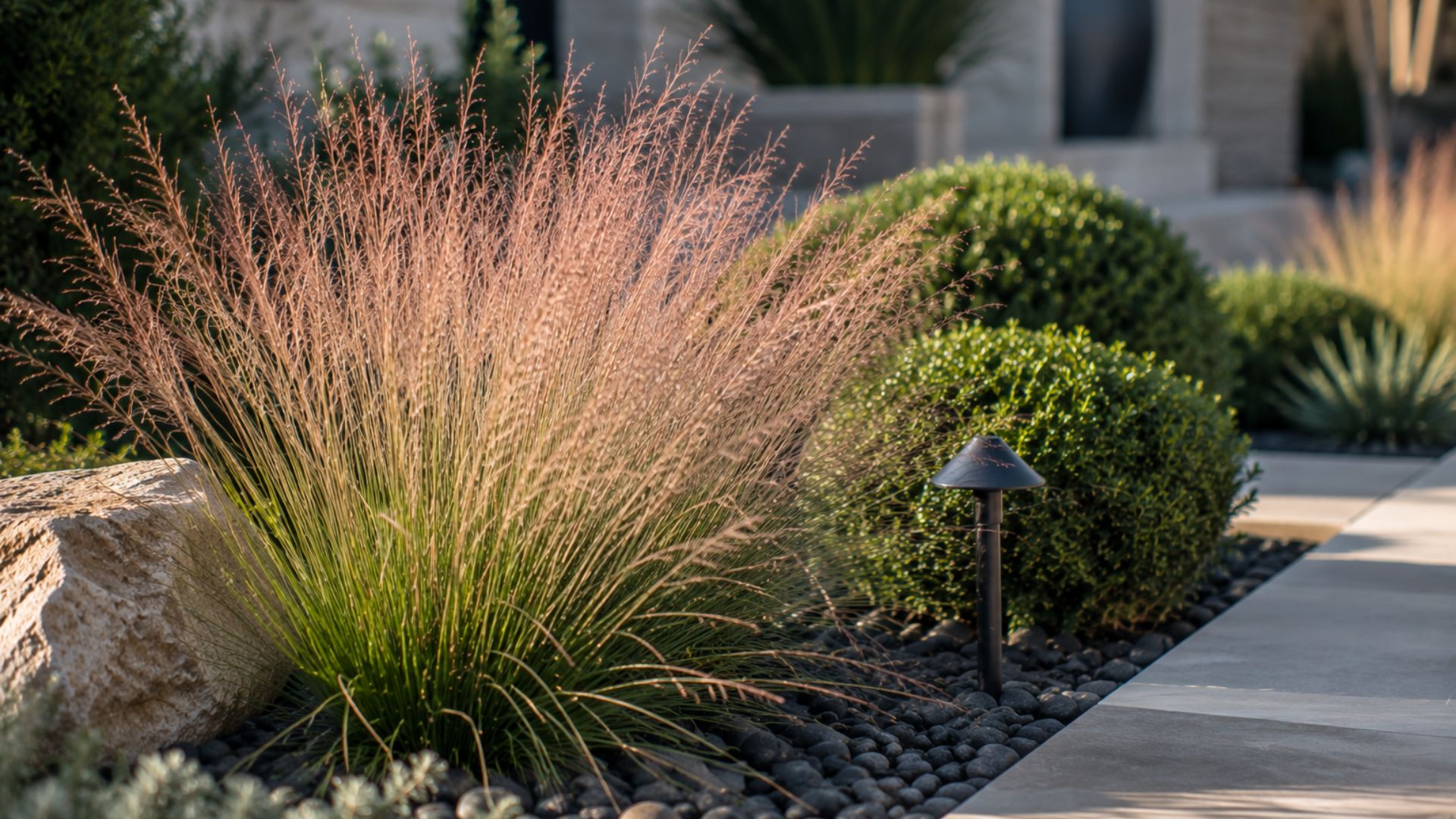
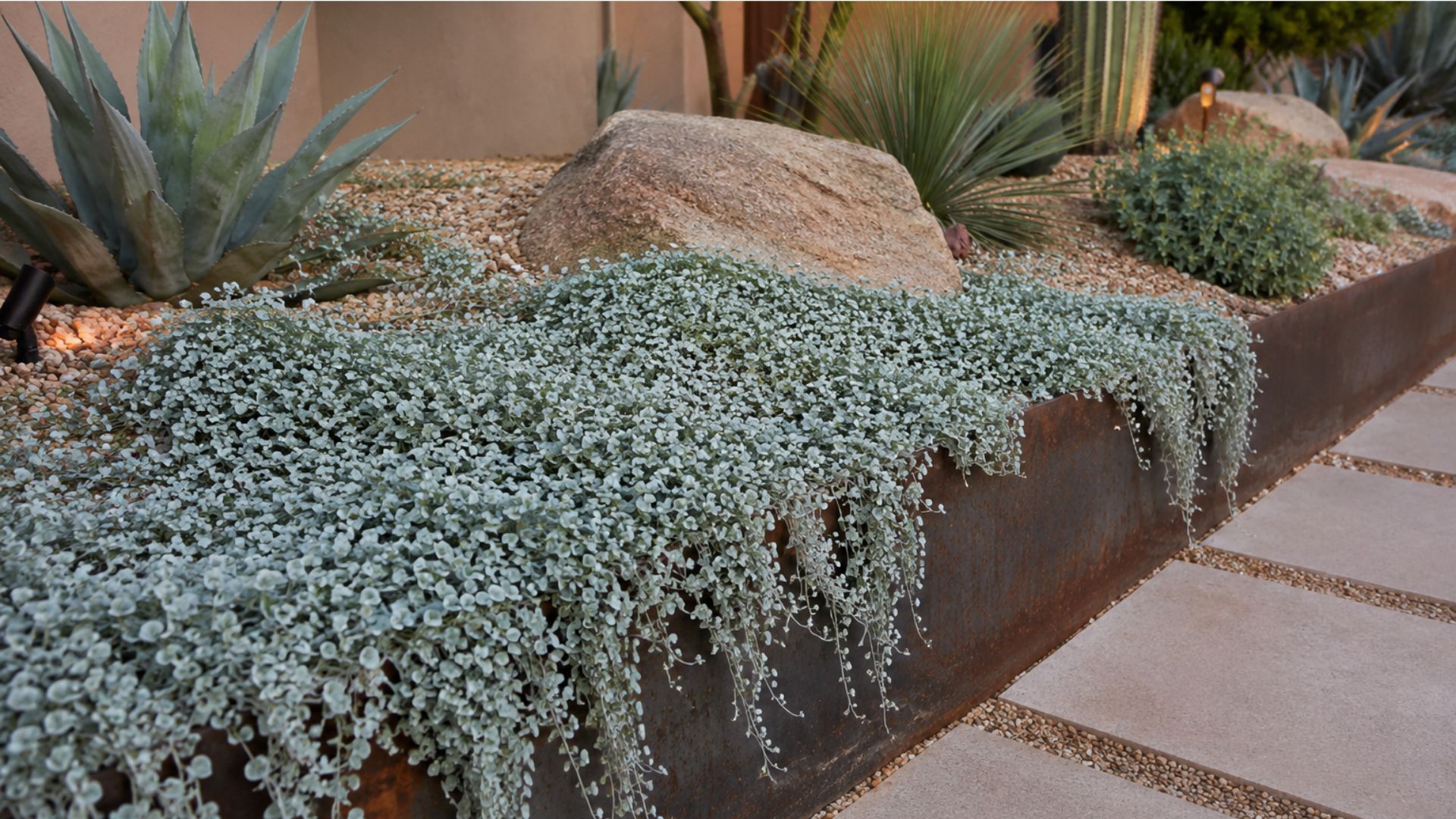
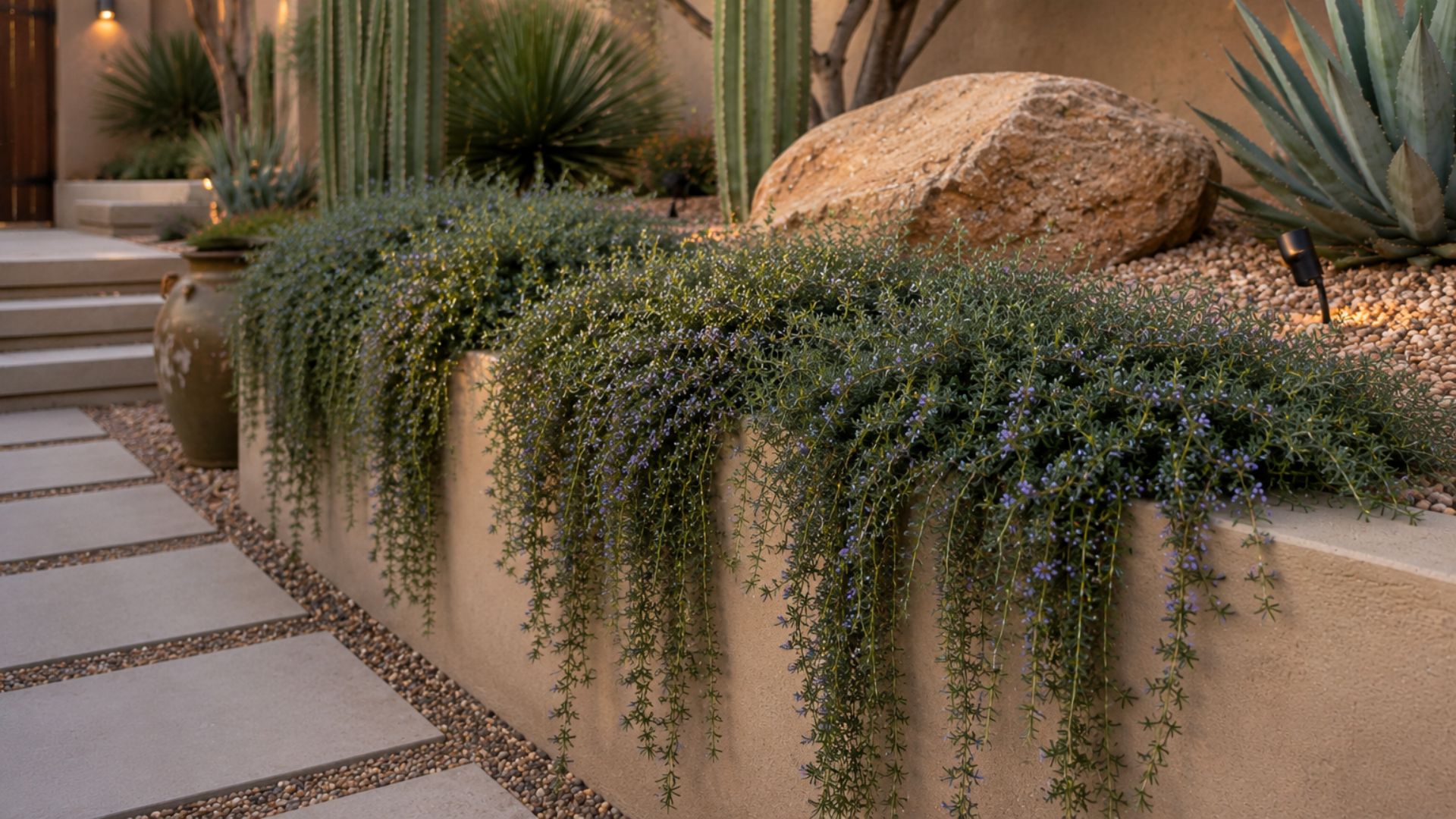
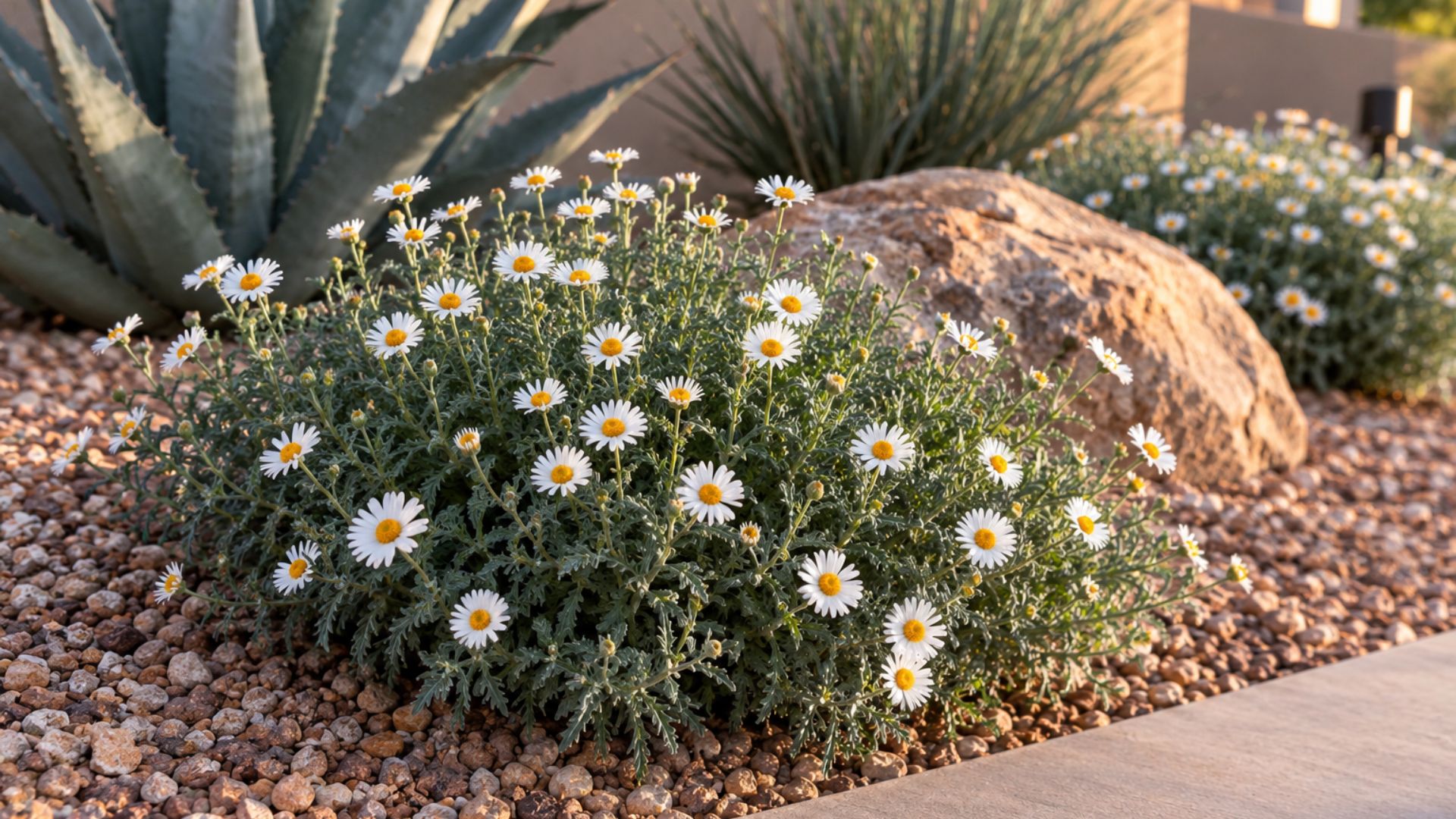
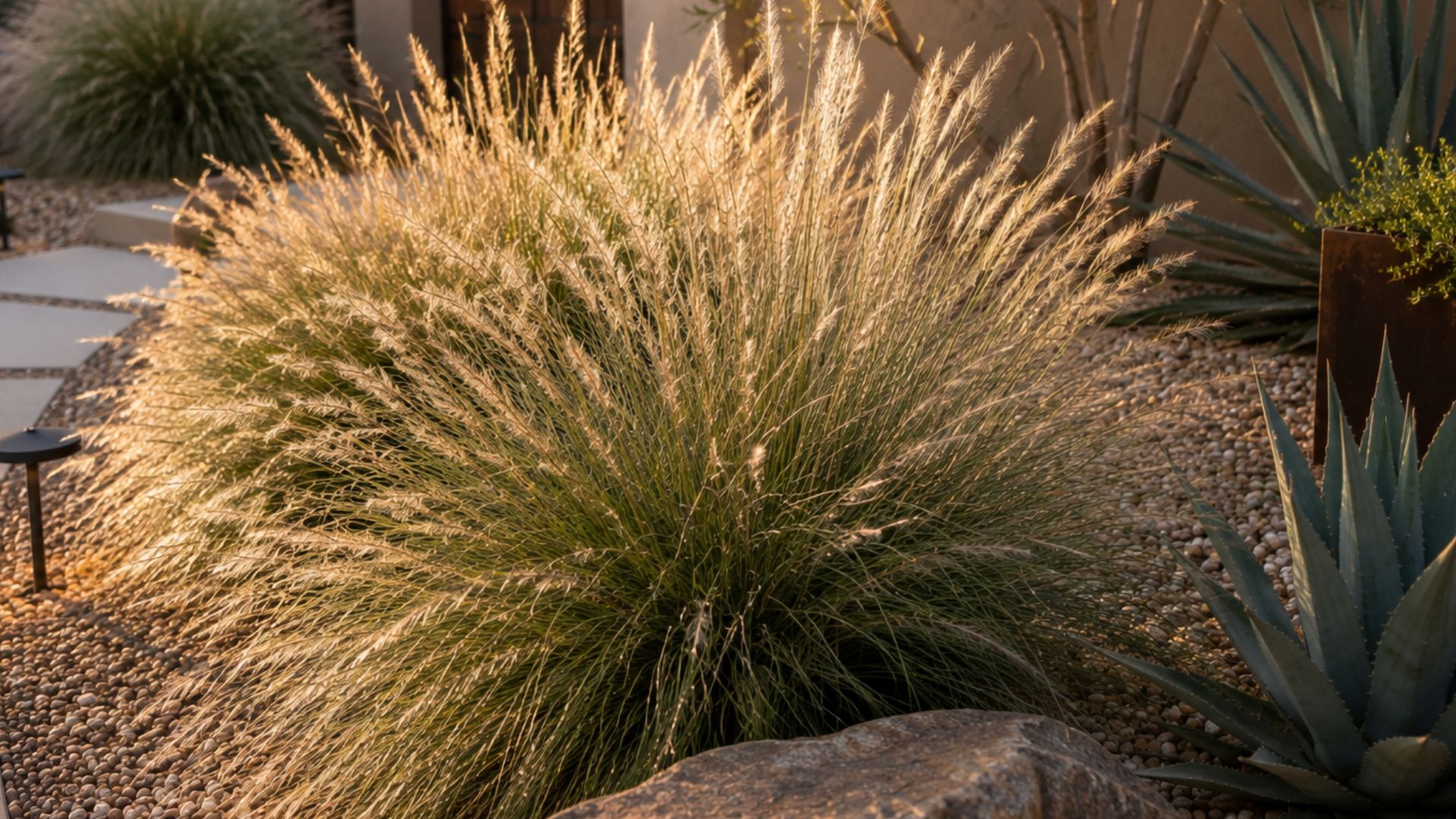
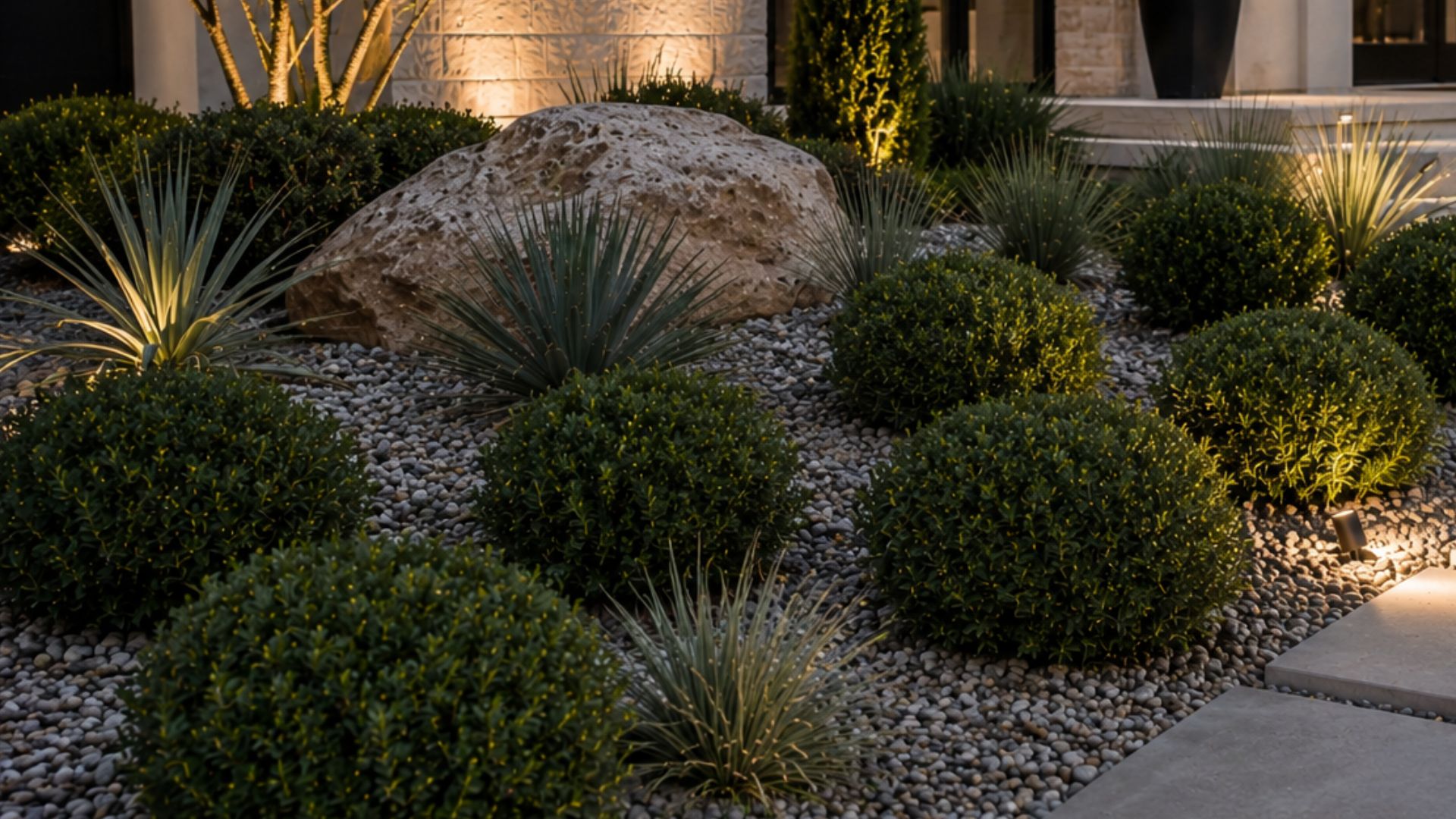
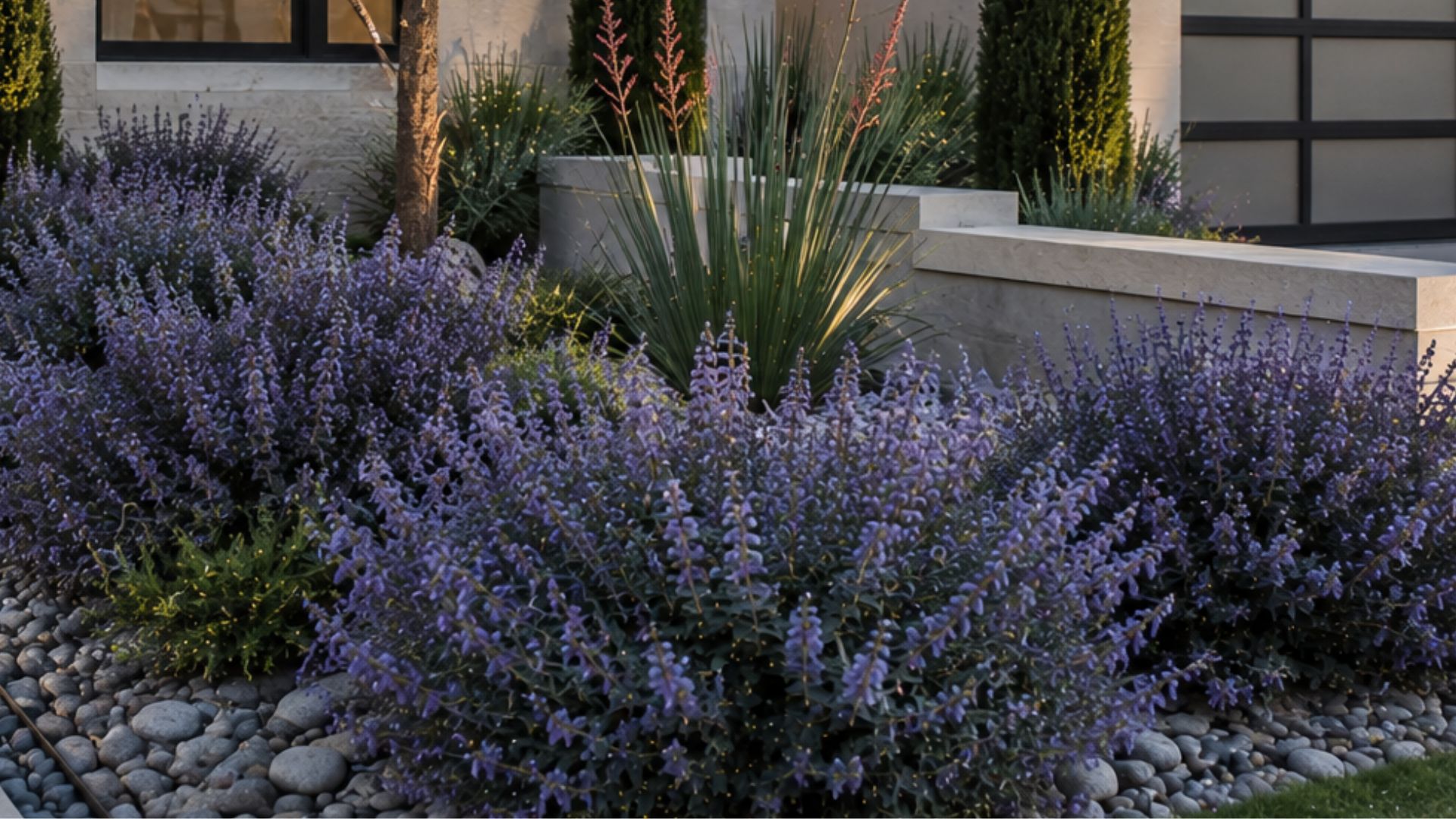
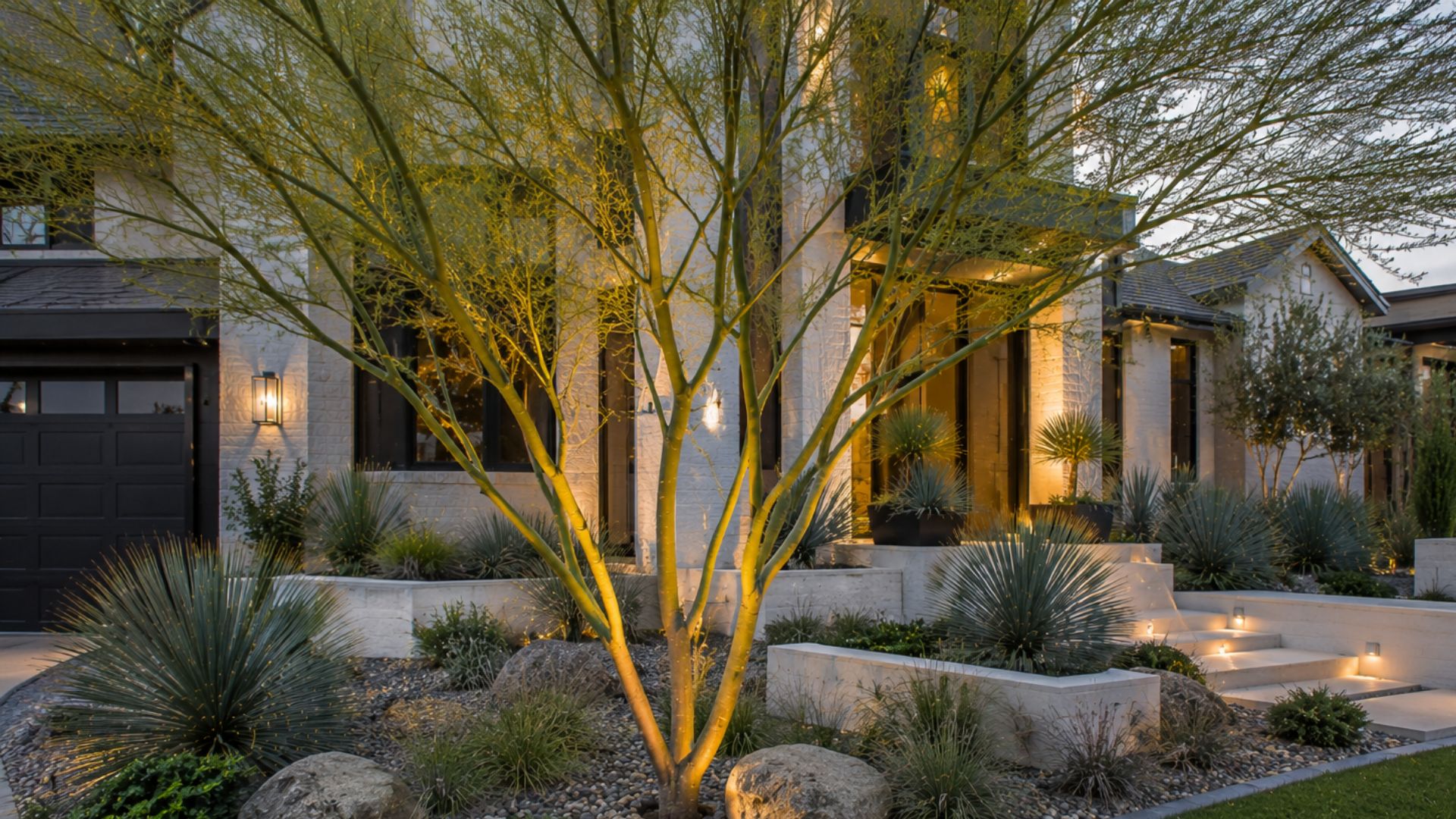
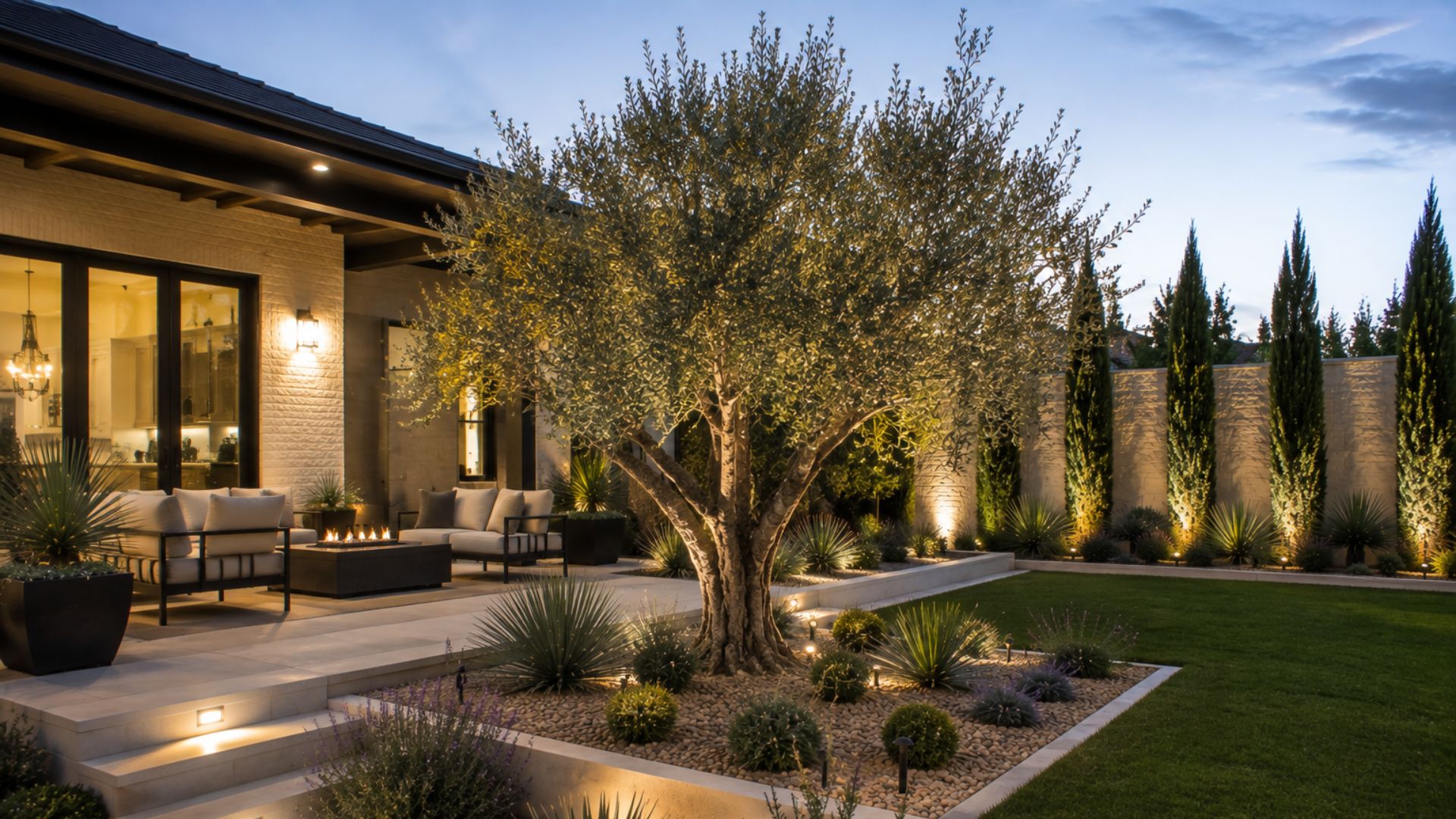
In a Plano desert landscape, Agaves can transform otherwise simple gravel or rock beds into intentional, architectural spaces. Larger specimens work beautifully as focal points near entrances and open lawn transitions, while compact varieties can be repeated throughout planting beds for rhythm and consistency. Their distinctive shape also creates an attractive contrast against the softer movement of ornamental grasses and low-growing flowering plants.
Agaves are especially valuable in North Texas landscapes where homeowners want a modern desert aesthetic without relying on plants that require constant irrigation or seasonal maintenance.
Agaves perform best in full sun and well-draining soil. Most varieties appreciate at least six hours of direct sunlight per day, which helps maintain compact growth and strong foliage color. Drainage is particularly important when planting Agaves in the heavier clay soils commonly found around DFW.
Once established, Agaves need very little supplemental irrigation. Deep, infrequent watering during extended dry periods is generally sufficient, and the soil should be allowed to dry thoroughly between waterings. Too much irrigation is considerably more problematic than allowing an established plant to experience dry conditions.
Routine maintenance is minimal. Older or damaged lower leaves can be carefully removed as needed, but regular pruning and fertilization are generally unnecessary. For homeowners creating a low-water landscape in Southlake, Agaves provide substantial visual impact without demanding extensive ongoing care.
Excessive moisture is one of the biggest concerns when growing Agaves in North Texas. Poorly drained soil can lead to root and crown rot, particularly during cool, wet periods. Raising the planting area or improving drainage may be necessary when working with dense clay soil.
Cold tolerance is another important consideration because not every Agave variety handles a DFW winter equally well. Selecting cold-hardy species is important for landscapes where the plants are expected to remain outdoors year-round. Some varieties may experience cosmetic leaf damage following a particularly severe freeze.
Agave snout weevils can also affect certain species. Healthy plants, proper drainage, and routine observation can help identify problems before significant damage occurs. Because many Agaves have sharp terminal spines, they should also be positioned away from narrow sidewalks, children's play areas, and other high-traffic spaces.
Cold-hardy varieties are generally the best choice for the DFW climate. Agave parryi, Agave neomexicana, and certain forms of Agave ovatifolia are among the options that can handle colder conditions better than tropical varieties. The right selection depends on the specific location, drainage, sun exposure, and desired mature size.
Agaves require very little water once established. Deep, occasional irrigation during prolonged drought is usually enough, while frequent watering should be avoided. This makes them especially useful for Plano xeriscapes and desert-style gardens where reducing water use is part of the overall landscape design.
Absolutely. Their symmetrical shape and clean architectural lines make Agaves particularly effective in contemporary landscape design. A single specimen can become a focal point, while repeated plantings can create a dramatic minimalist look. Against gravel, steel edging, concrete, or natural stone, Agaves can give a Southlake landscape a sophisticated desert-inspired character.
You might also like