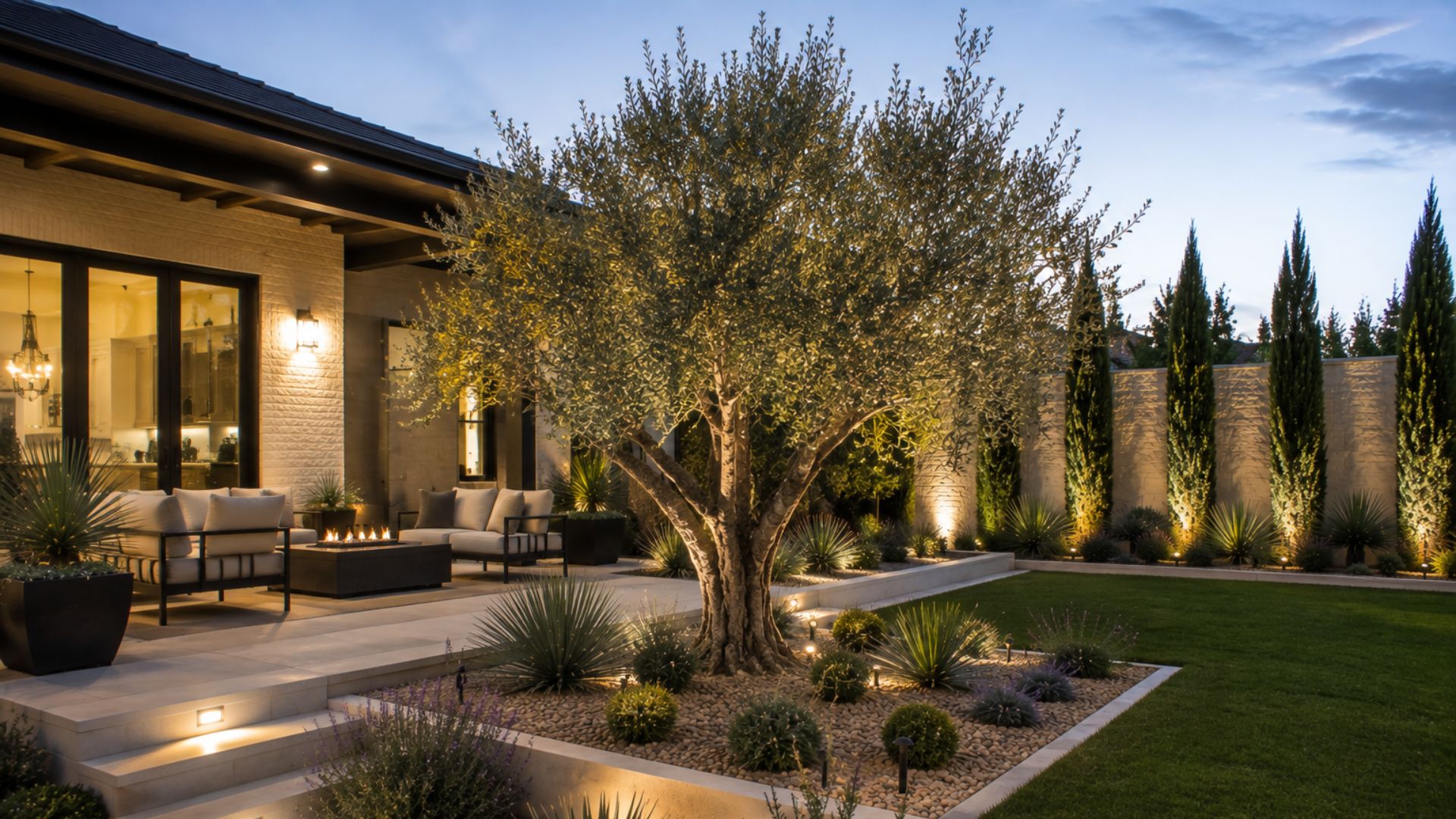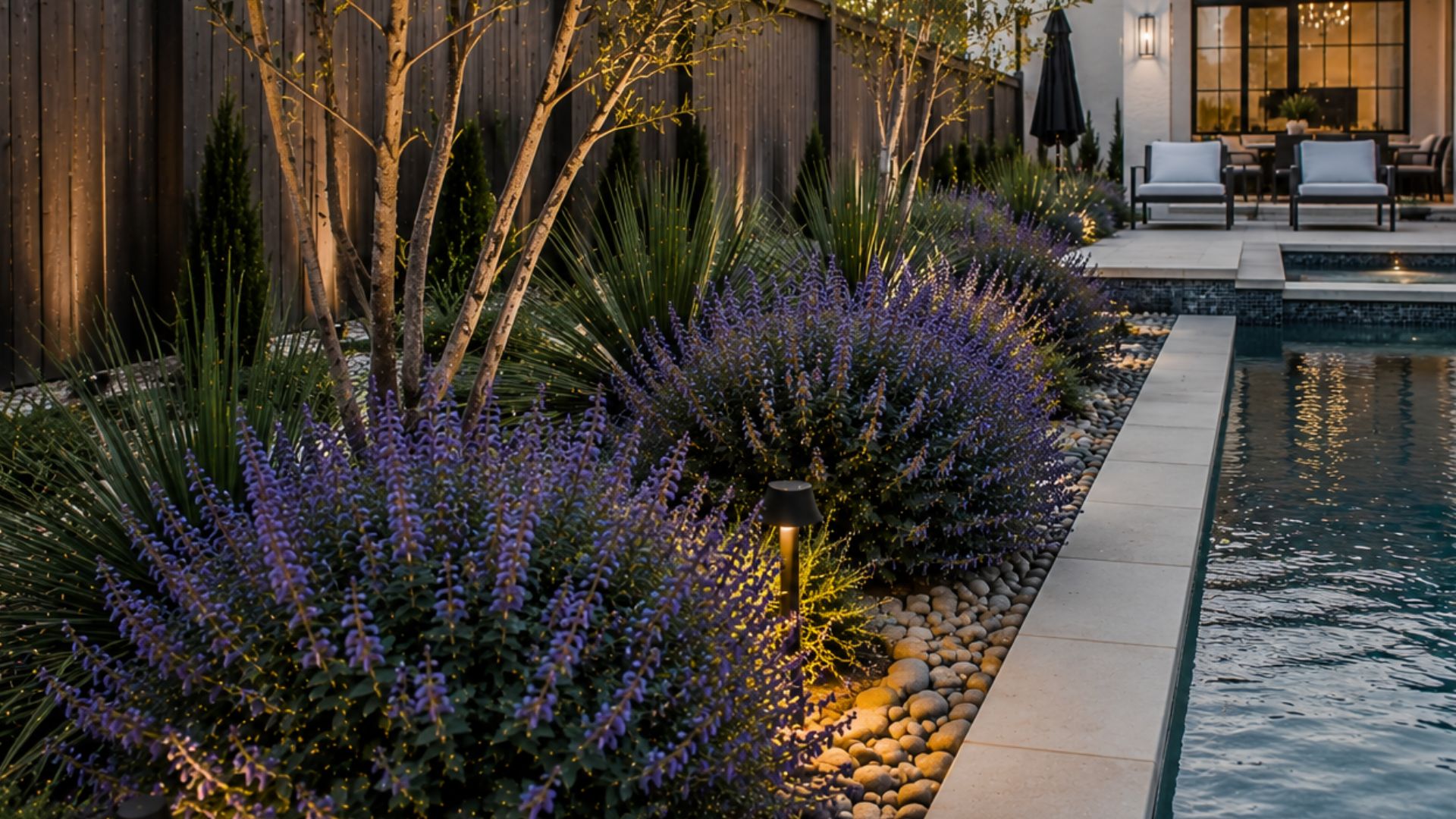


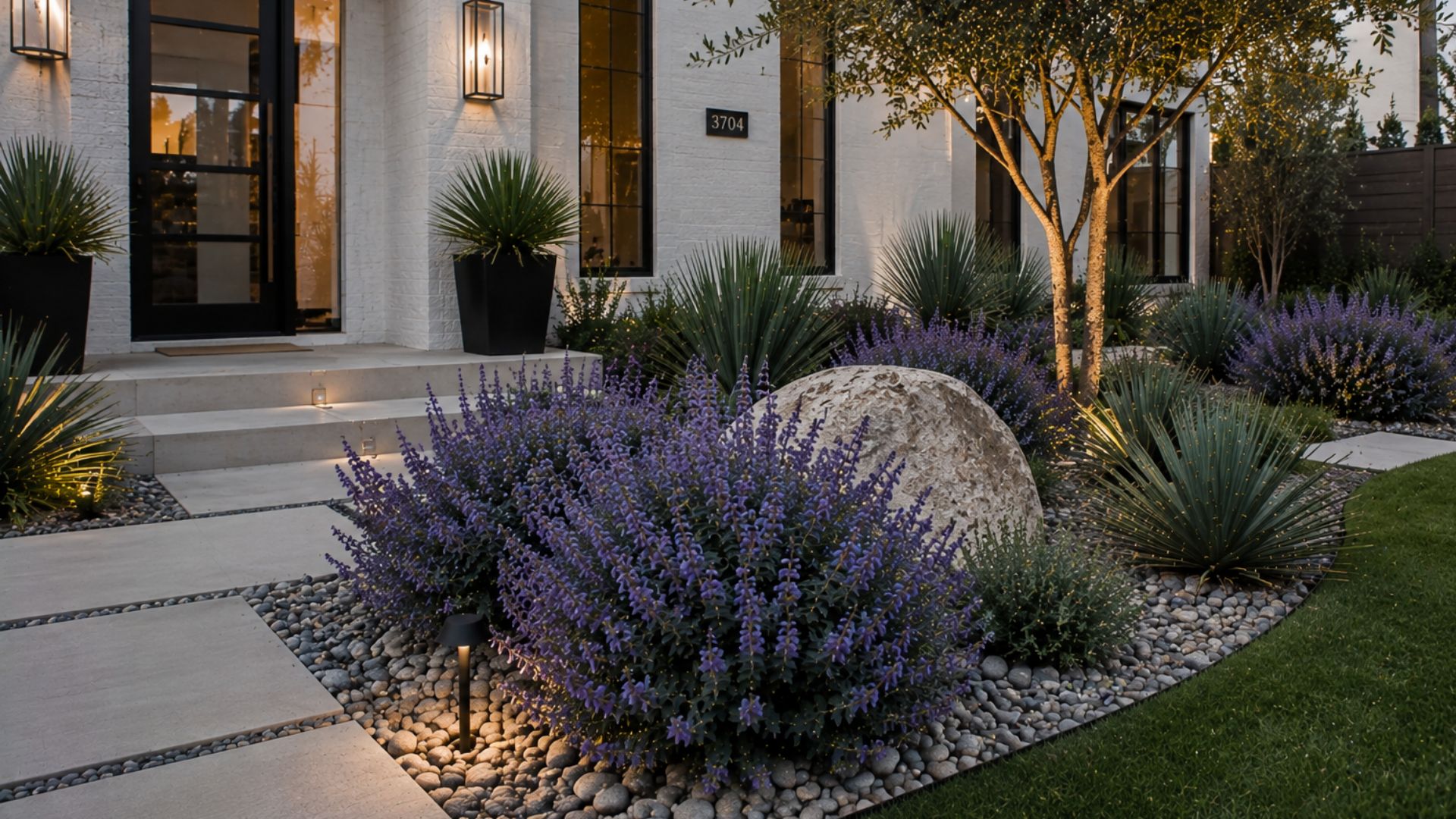


Texas Mountain Laurel
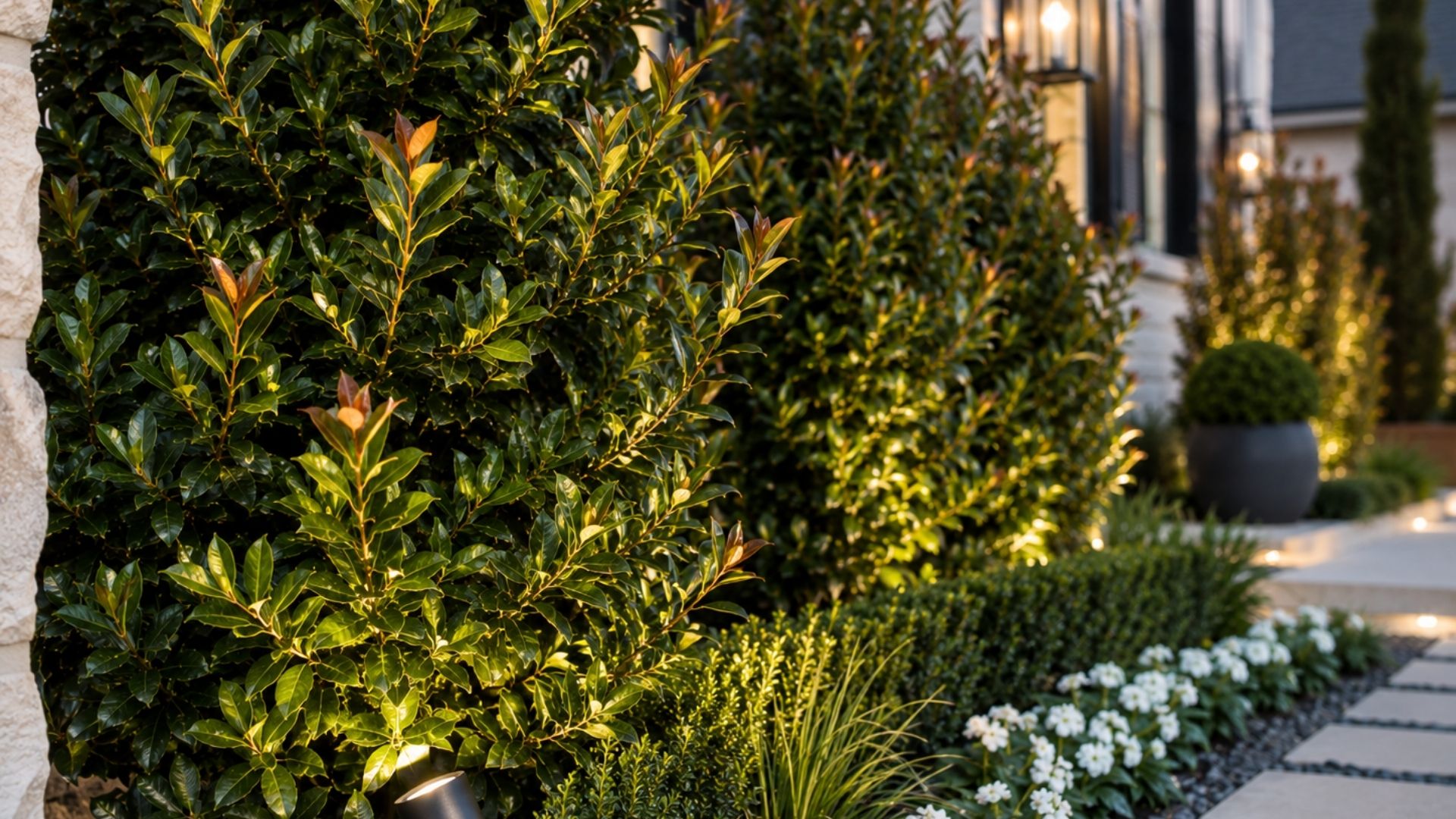
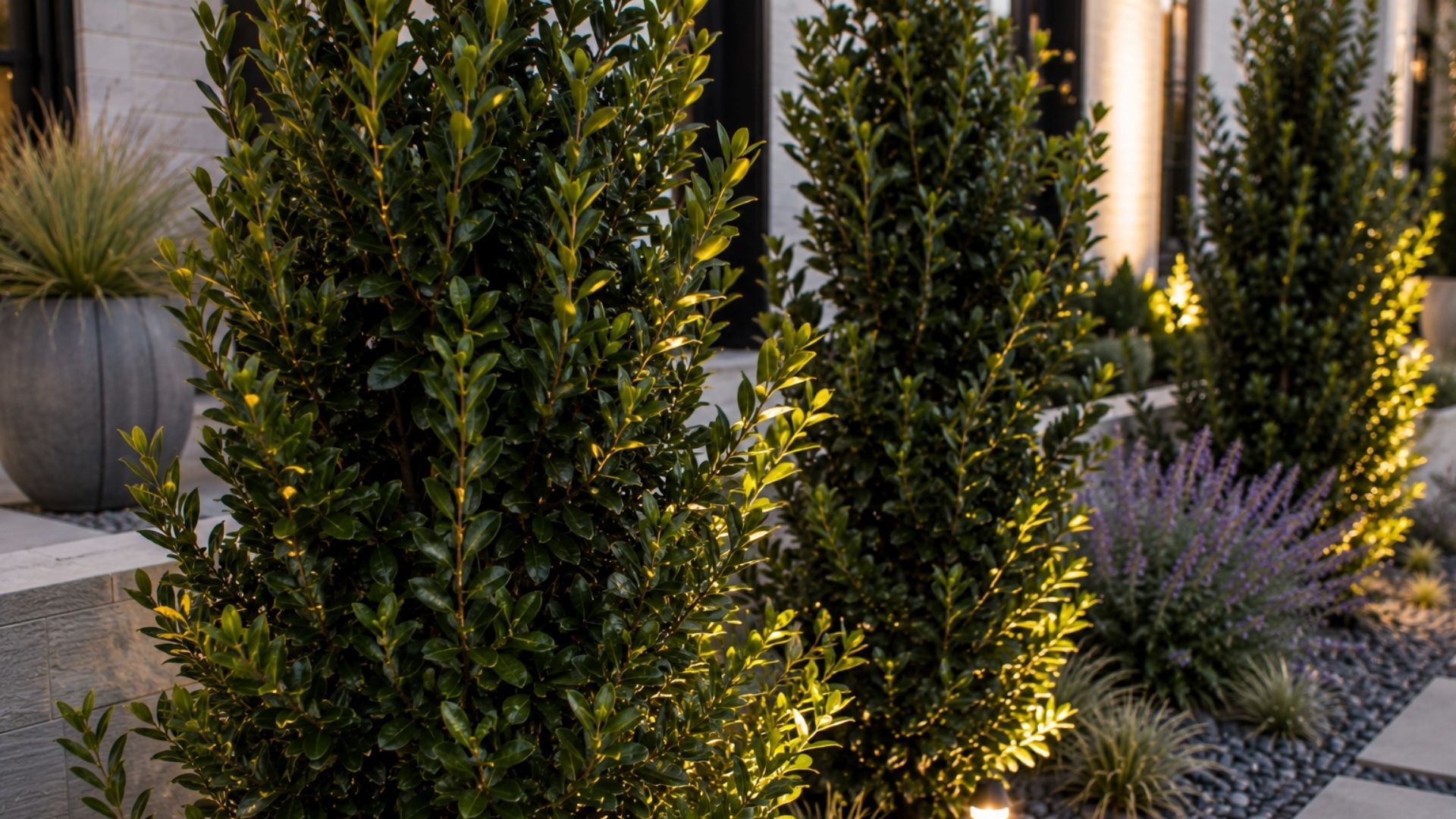
A slow-growing evergreen shrub or small tree with glossy dark green foliage and fragrant clusters of purple flowers that bloom in early spring. Typically grows 10–15 feet tall and 8–12 feet wide, although it can eventually reach larger sizes with age. Hardy in USDA Zones 7–10, Texas Mountain Laurel thrives in the heat and limestone soils of North Texas, making it a beautiful focal point for desert-style, native, and Mediterranean-inspired landscapes throughout the DFW area.
Texas Mountain Laurel
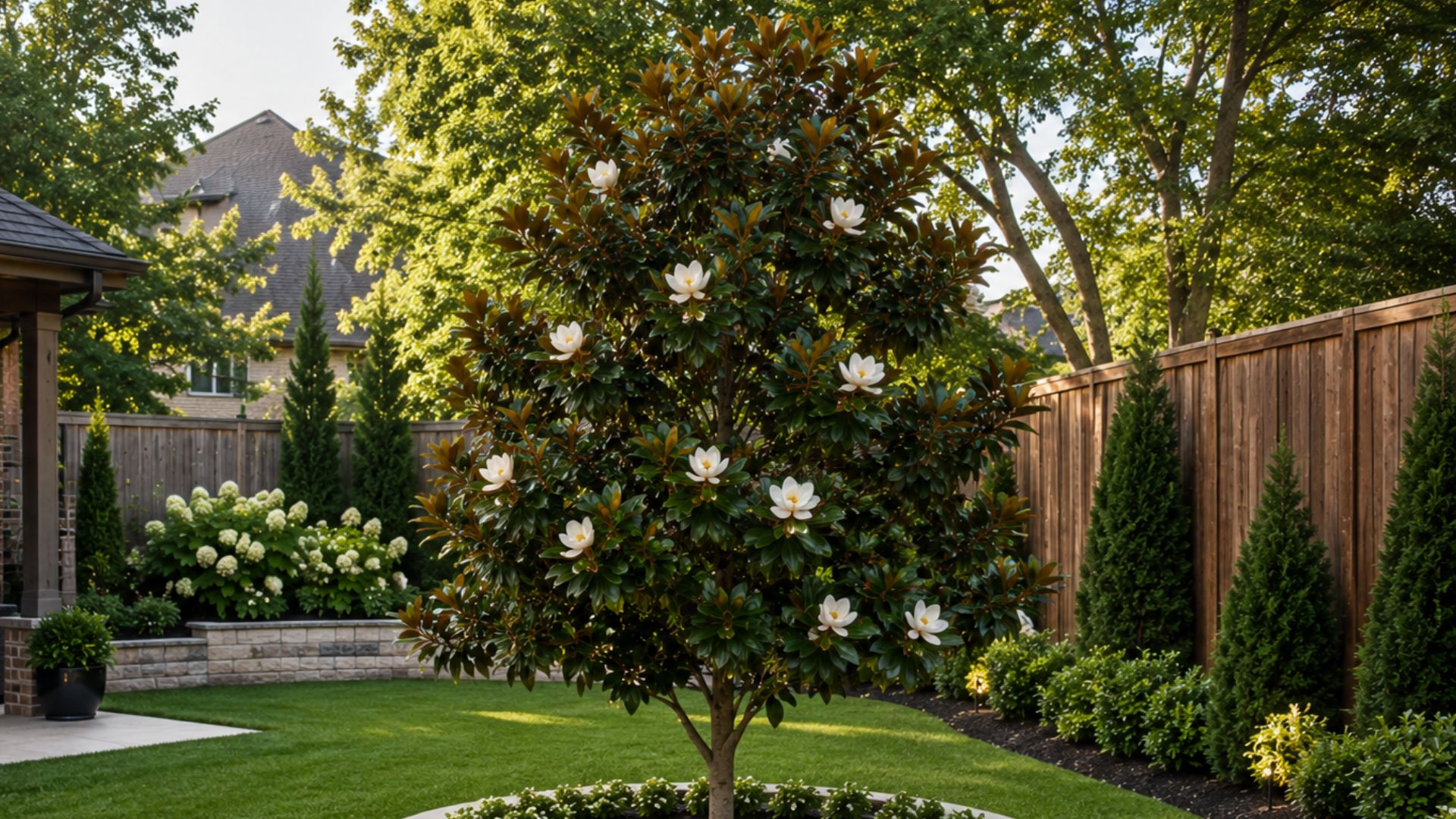
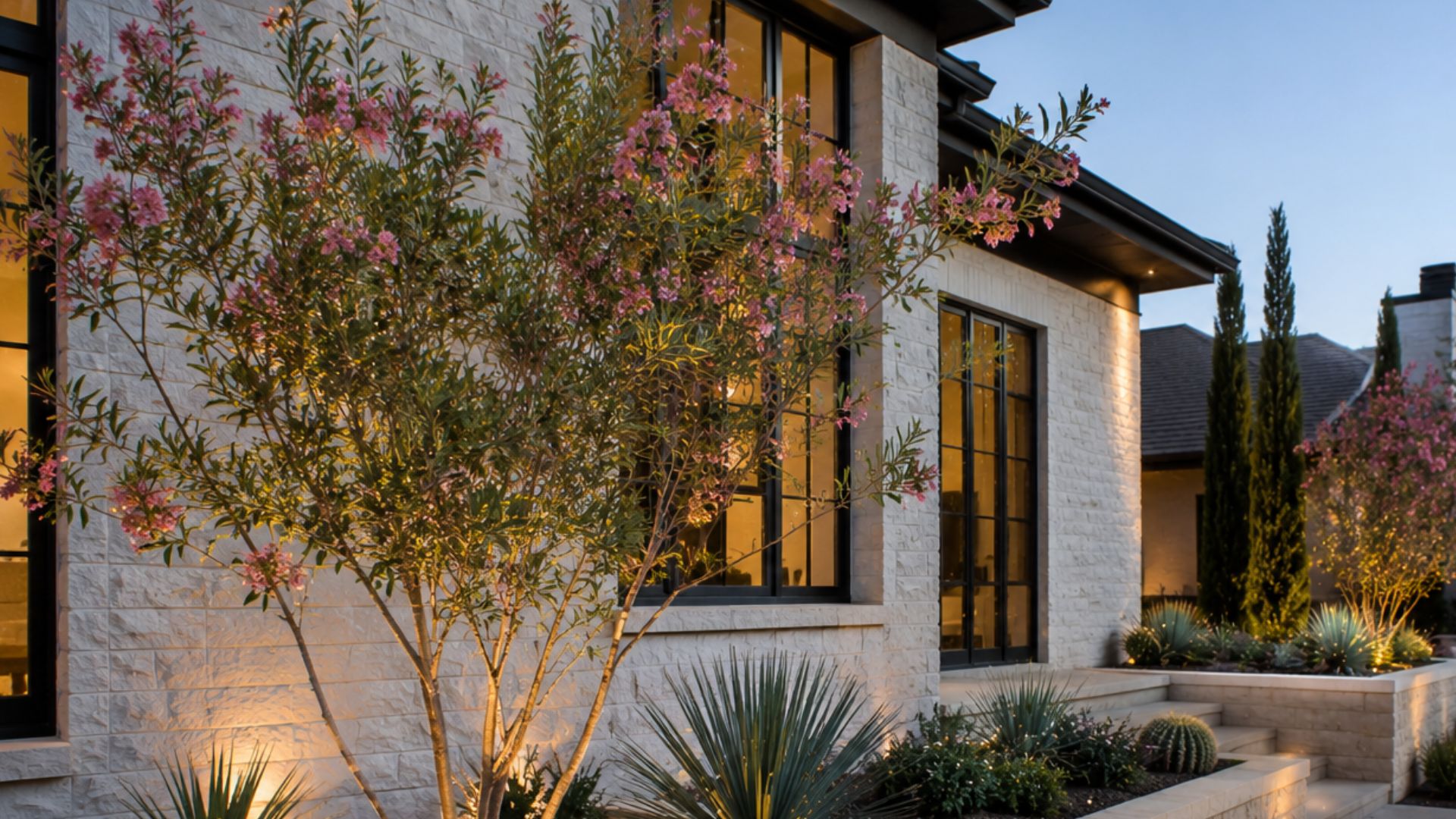
Texas Mountain Laurel (Dermatophyllum secundiflorum, formerly Sophora secundiflora) is a stunning Texas native prized for its rich evergreen foliage, sculptural branching, and fragrant purple flower clusters that resemble wisteria. In early spring, the blooms fill the landscape with a sweet grape-like fragrance while attracting pollinators and adding vibrant seasonal color before many other plants begin flowering.
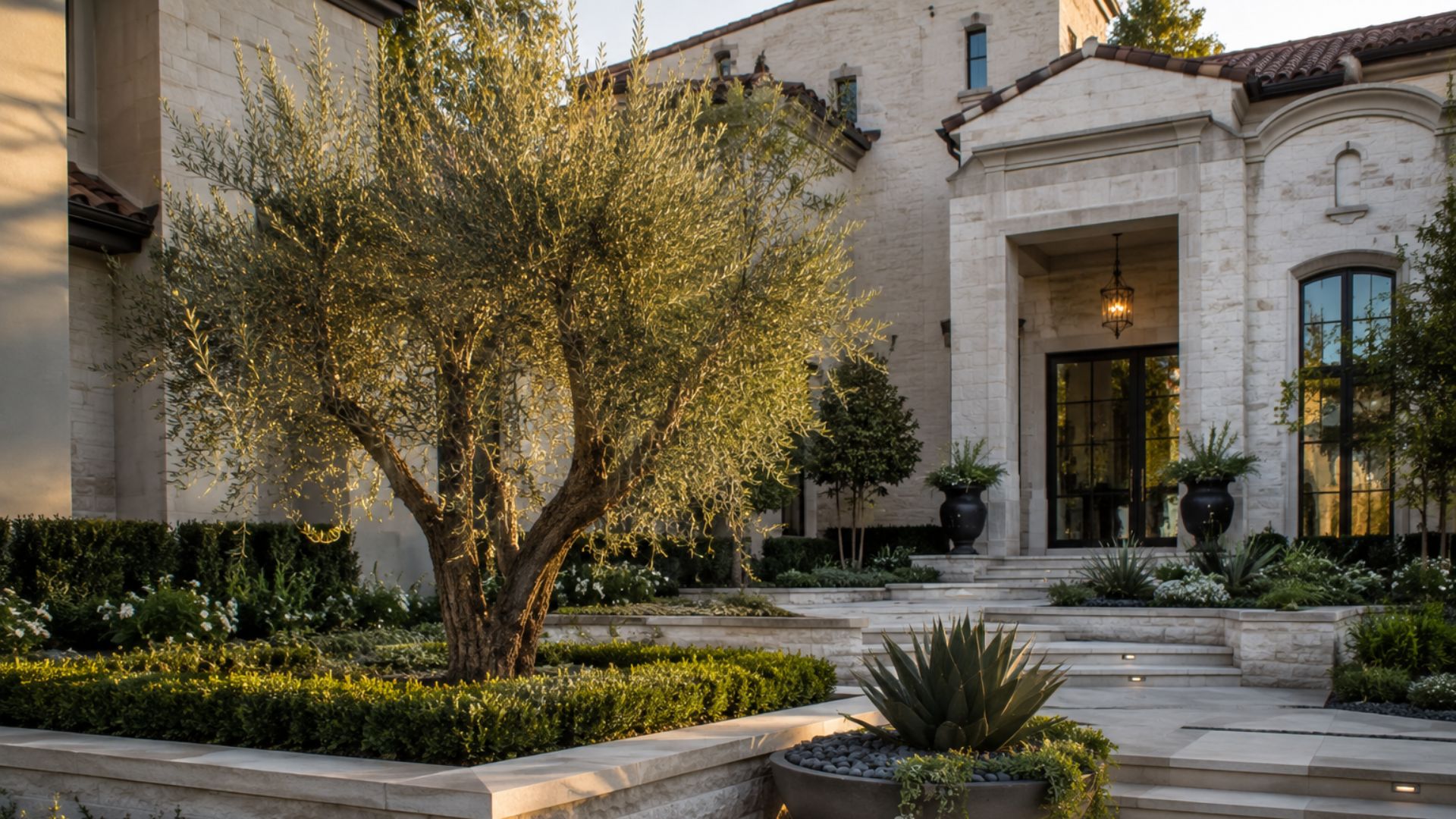
Its naturally elegant form makes it an outstanding specimen tree for desert-style landscapes, where it provides year-round structure without overwhelming the surrounding design. Whether used near an entryway, as a patio accent, or as a focal point in a gravel garden, Texas Mountain Laurel brings timeless beauty to the landscape. It has become a favorite among homeowners with Landscape in Southlake looking for a native tree that combines ornamental value with exceptional drought tolerance.
Texas Mountain Laurel grows best in full sun but will also tolerate light partial shade. It prefers well-draining soil and performs exceptionally well in rocky, alkaline, or limestone soils commonly found throughout North Texas. Once established, it requires very little supplemental watering and easily handles long periods of summer heat and drought.
Because it grows slowly, pruning requirements are minimal. Occasional shaping and the removal of crossing or damaged branches are usually all that's needed to maintain an attractive form. Avoid excessive fertilization, as this native species performs best in lean soils. With proper placement, Texas Mountain Laurel can provide decades of beauty with very little maintenance, making it an excellent investment for Plano landscapes.
Texas Mountain Laurel is generally very hardy, but proper drainage is essential during establishment. Overwatering or poorly drained soils can contribute to root problems, particularly in young plants. Once mature, however, it becomes highly drought tolerant and remarkably resilient.
One insect occasionally seen on Texas Mountain Laurel is the genista caterpillar. While these caterpillars may temporarily feed on the foliage, healthy established plants typically recover well and rarely suffer long-term damage. Routine inspections and early treatment, when necessary, help keep the tree looking its best.
Another consideration is patience. Texas Mountain Laurel is a slow-growing species, but its longevity, evergreen beauty, and spectacular spring flowers make the wait worthwhile for homeowners throughout North Texas.
Yes. Texas Mountain Laurel is native to Texas and is exceptionally well adapted to the hot summers, periodic drought, and alkaline soils found throughout North Texas. Its durability and evergreen beauty make it one of the best specimen trees for desert-style and native landscapes.
Texas Mountain Laurel is considered a slow-growing tree, typically adding around 6 to 12 inches of growth per year under normal conditions. Although it requires patience, it rewards homeowners with decades of low-maintenance beauty and exceptional durability.
Absolutely. Once established, Texas Mountain Laurel requires very little supplemental irrigation and thrives in hot, dry conditions. Its outstanding drought tolerance makes it a perfect choice for water-wise landscapes in Plano, Southlake, and throughout the DFW area.
You might also like