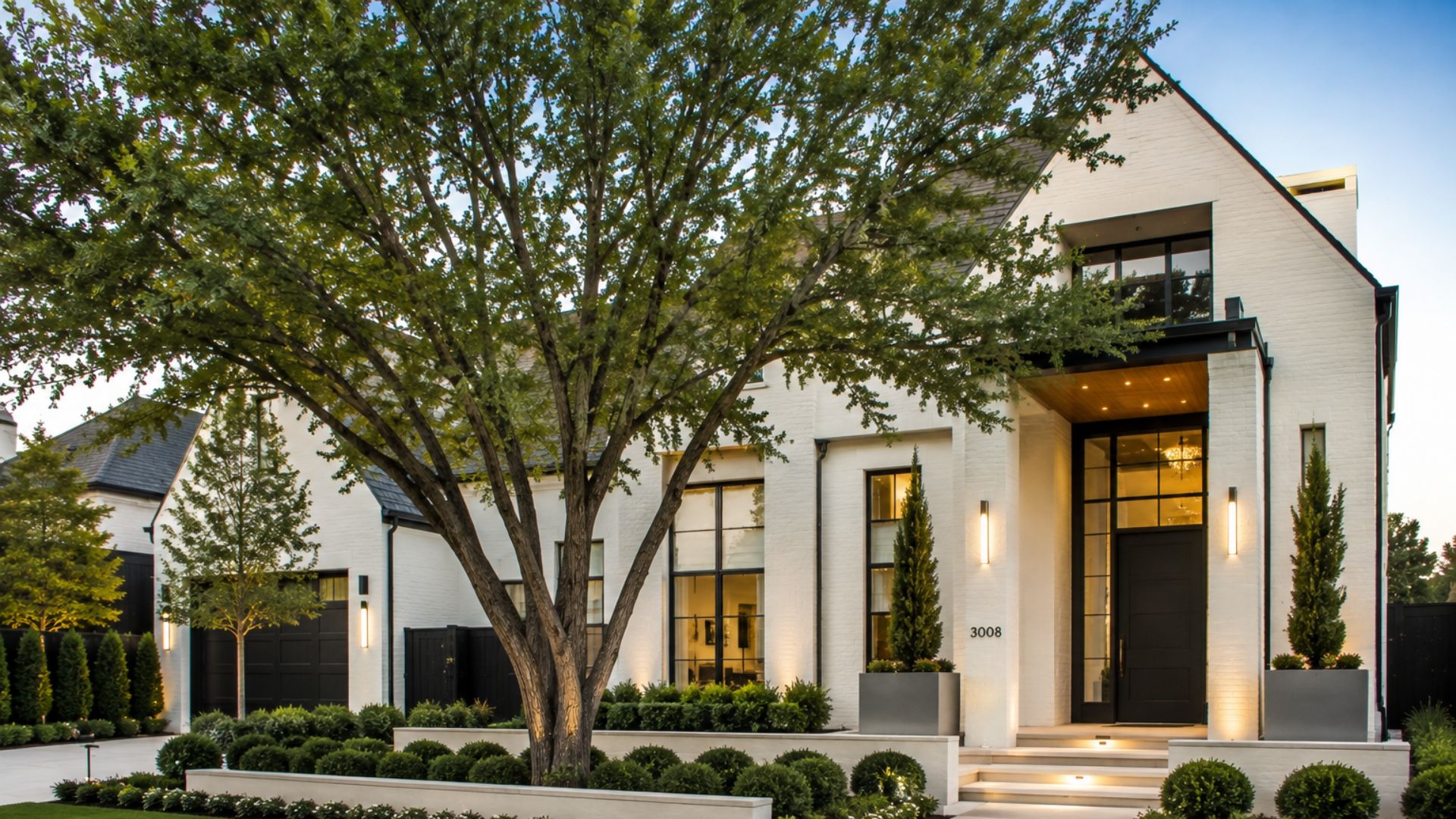


Cedar Elm
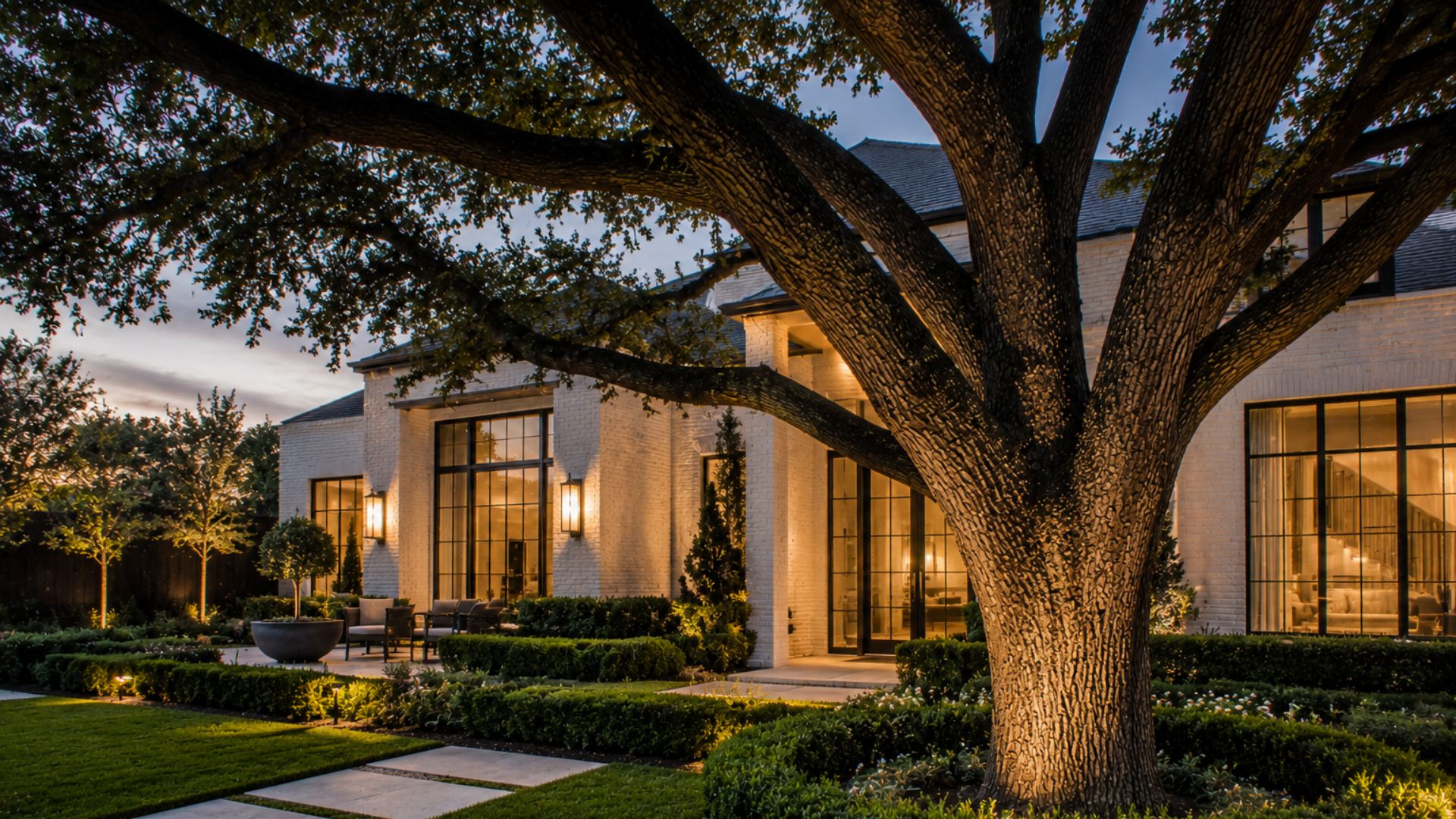
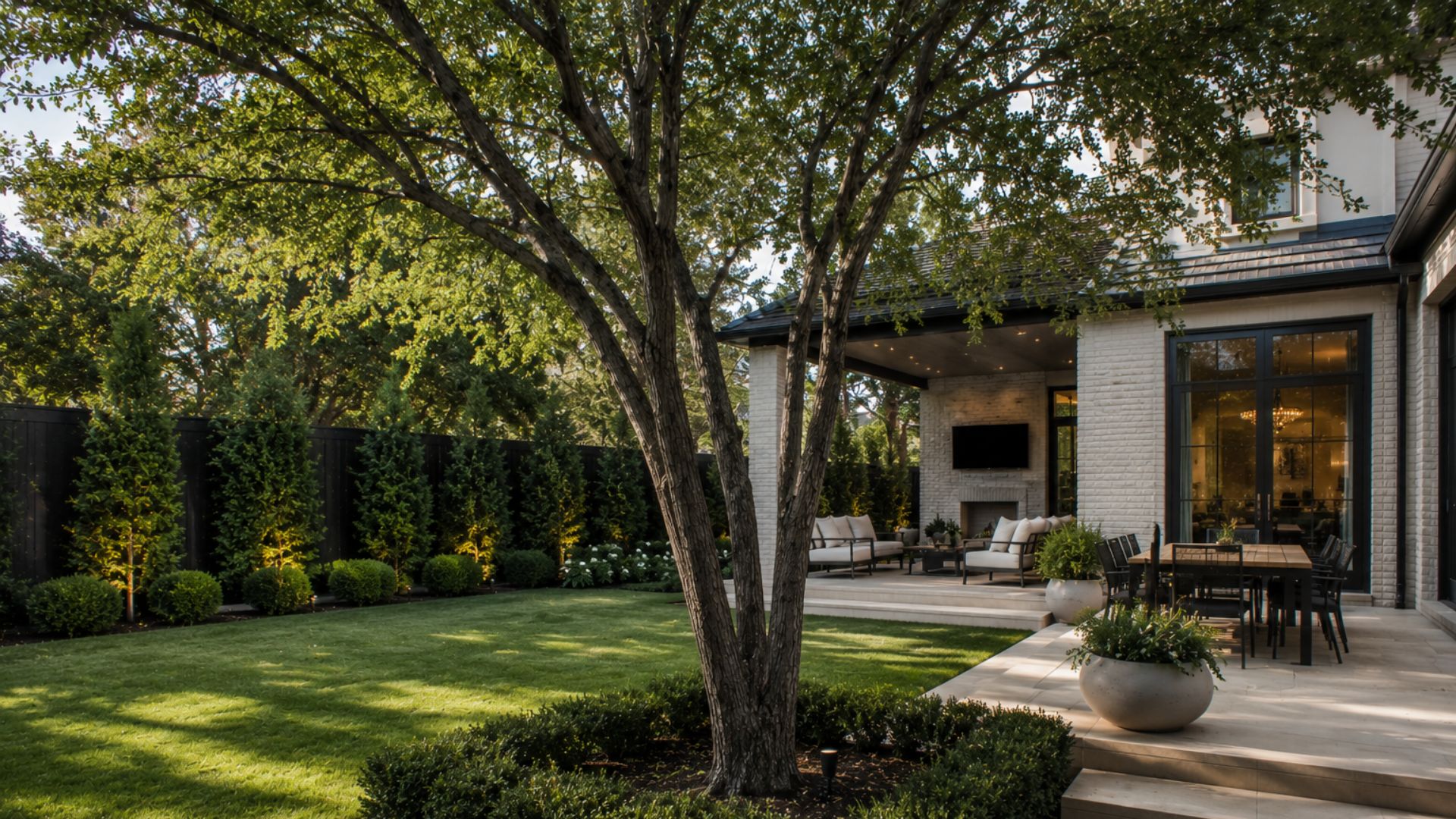
A durable native shade tree with an upright, rounded canopy and attractive deep green foliage that turns golden-yellow in the fall. Typically grows 50–70 feet tall and 40–60 feet wide, making it an excellent long-term shade tree for residential landscapes. Hardy in USDA Zones 6–9, Cedar Elm is exceptionally well adapted to the climate and soils of North Texas, making it a popular choice for evergreen-inspired landscapes and large properties throughout the DFW area.
Cedar Elm
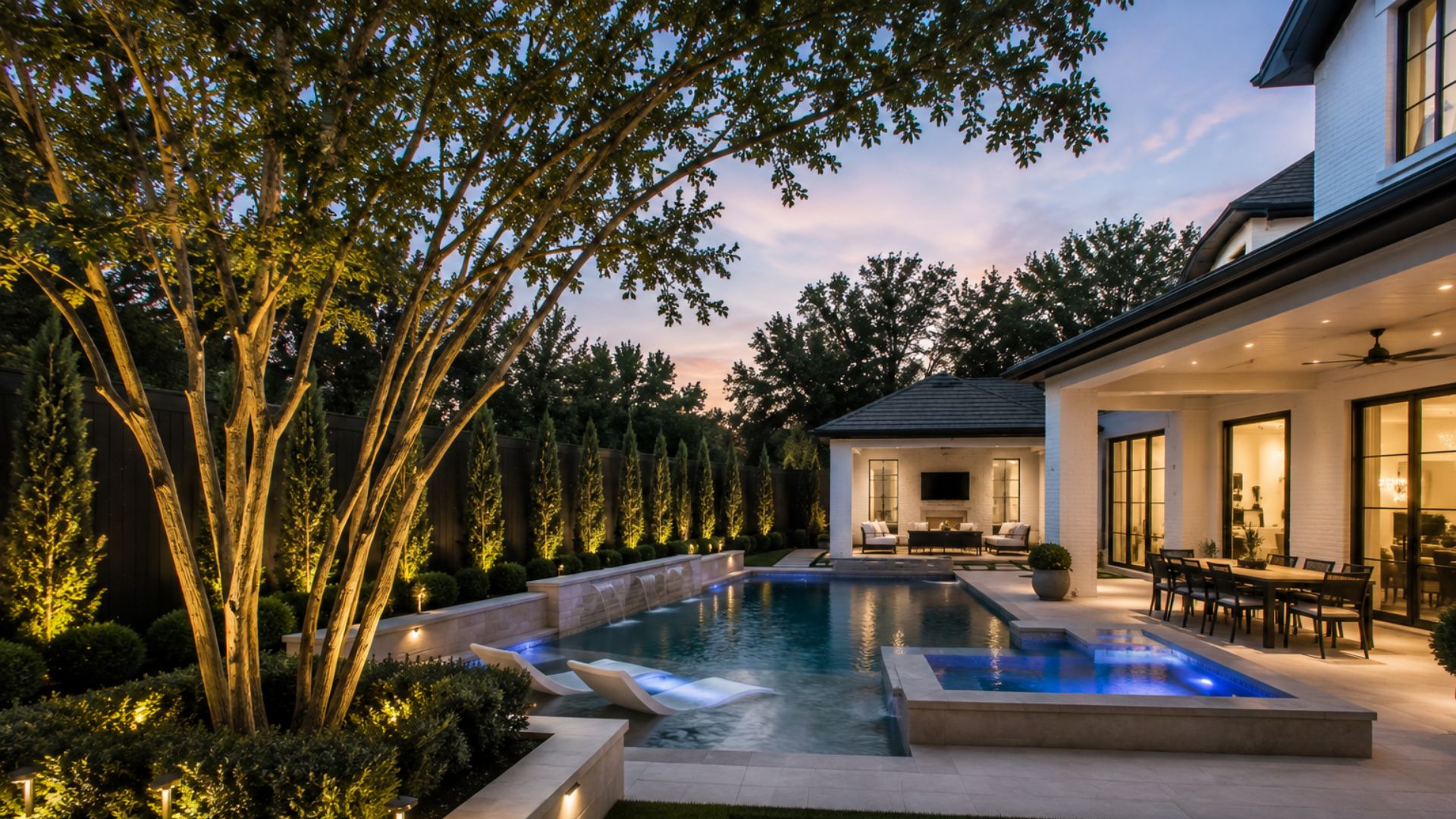
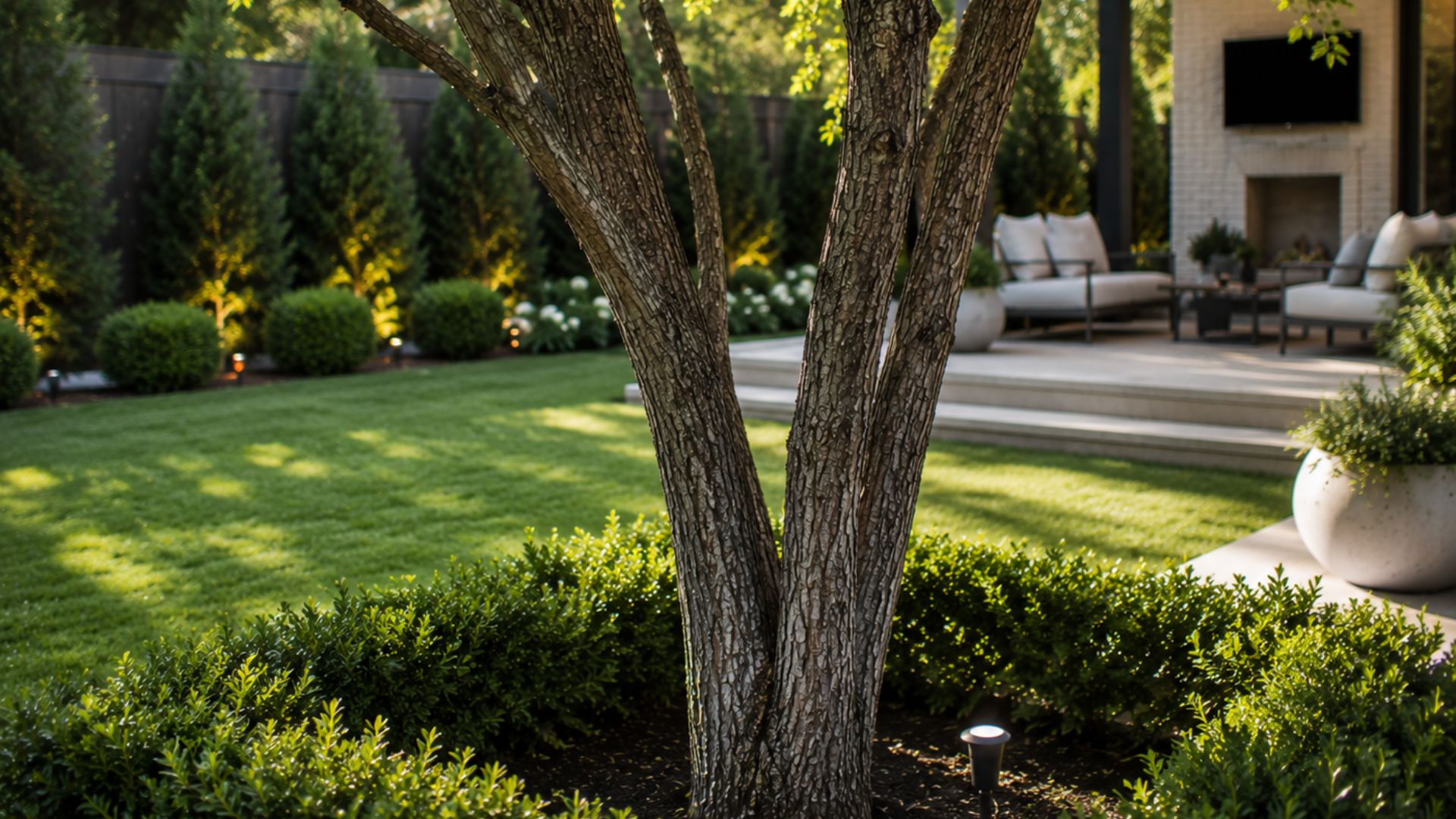
Cedar Elm (Ulmus crassifolia) is a resilient Texas native tree valued for its adaptability, strong branching structure, and dependable performance in urban and residential landscapes. Unlike many elm species, Cedar Elm is highly resistant to common diseases and tolerates a wide range of growing conditions, making it one of the most reliable shade trees for North Texas.
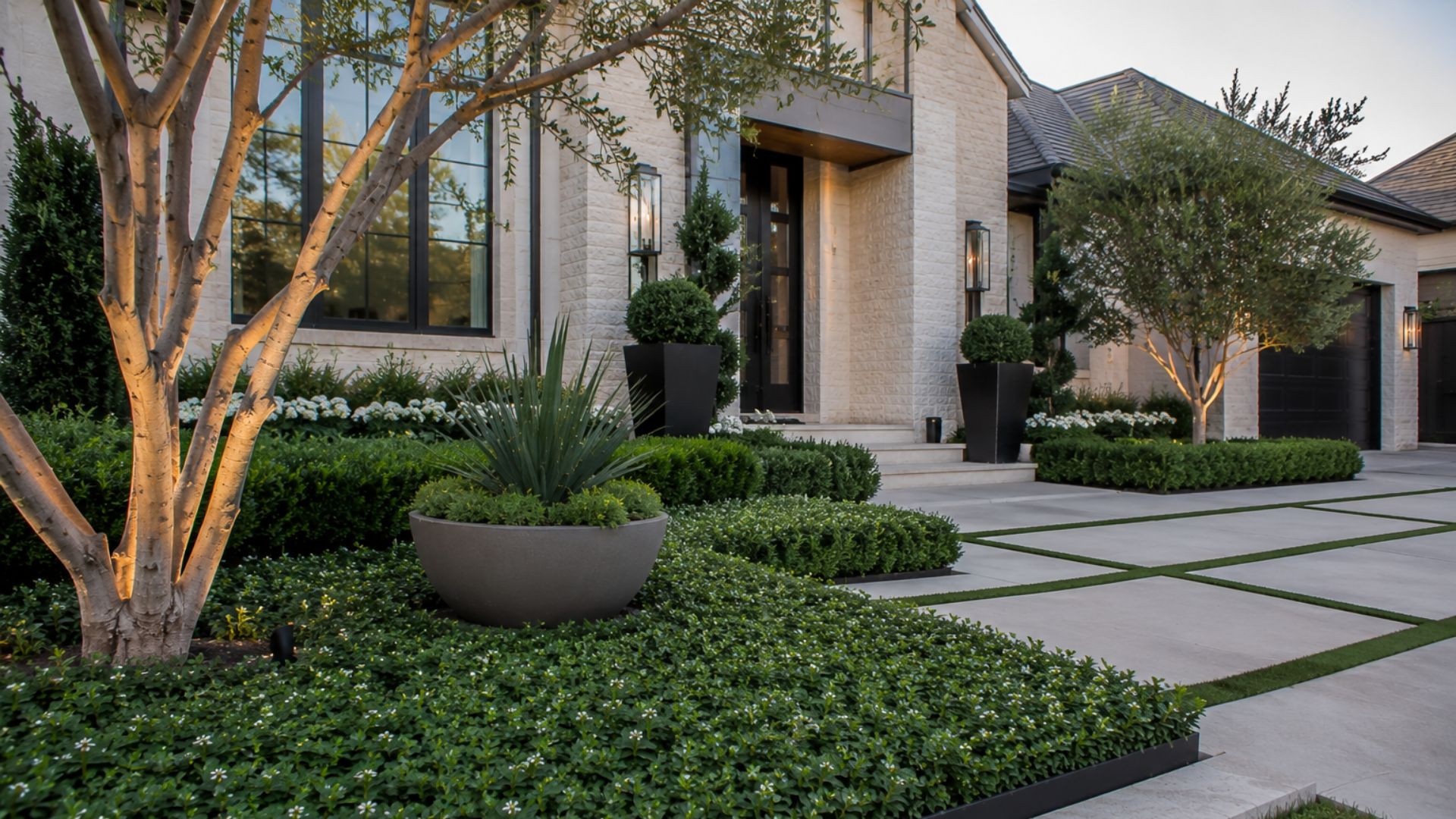
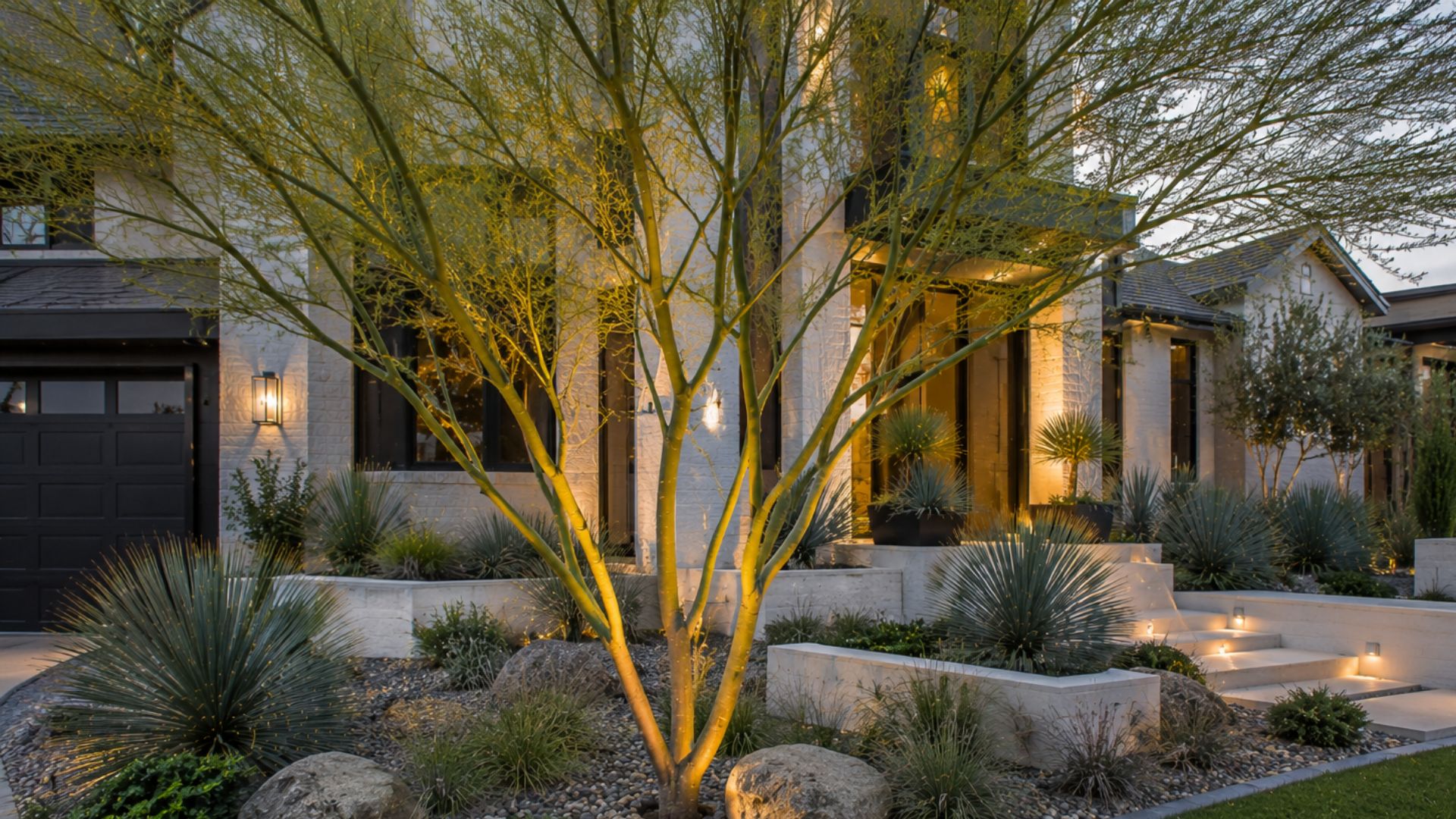
Its dense canopy provides welcome shade during the hot summer months while allowing filtered sunlight to reach surrounding landscape beds. Although Cedar Elm is technically deciduous, it holds its leaves later into the fall than many other trees and quickly develops fresh foliage in spring, helping maintain a lush, established appearance for much of the year. It pairs beautifully with evergreen shrubs, ornamental grasses, and layered landscape designs, making it a favorite for homeowners in Southlake looking to create timeless, natural outdoor spaces. One of the bigger and more beautiful trees, like the Live Oak!
Cedar Elm grows best in full sun but will tolerate light partial shade. It adapts well to clay, loam, sandy, and even alkaline soils, making it one of the easiest large trees to establish throughout North Texas. During the first few years, regular deep watering encourages strong root development. Once mature, it becomes highly drought tolerant and requires very little supplemental irrigation.
Minimal maintenance is required beyond occasional structural pruning to remove crossing or damaged branches. Young trees benefit from formative pruning to develop a strong canopy, while mature specimens generally require little ongoing care. Its adaptability and durability make Cedar Elm an excellent long-term investment for Plano landscapes.
Cedar Elm is known for its excellent disease resistance and overall toughness. While occasional insects such as elm leaf beetles or scale may appear, healthy trees rarely experience significant damage. Proper watering and routine inspections help prevent minor issues from becoming larger problems.
Like many large trees, Cedar Elm benefits from protecting the root zone from excessive soil compaction and construction damage. During periods of prolonged drought, occasional deep watering helps reduce stress and maintain healthy growth. Overall, it is considered one of the most dependable native shade trees for North Texas landscapes.
Yes. Cedar Elm is native to Texas and is one of the best shade trees for North Texas landscapes. It tolerates heat, drought, heavy clay soils, and urban conditions while requiring relatively little maintenance once established.
Yes. Cedar Elm is a deciduous tree, meaning it sheds its leaves each fall. However, it often holds its foliage later into the season than many other shade trees and quickly leafs out again in spring, providing a long season of dense green coverage.
Cedar Elm has a moderate growth rate, typically adding 1–2 feet of growth per year under good growing conditions. Its combination of steady growth, durability, and longevity makes it an excellent choice for homeowners throughout Plano, Southlake, and the greater DFW area who want a beautiful shade tree that will last for generations.
You might also like