

Live Oak
A majestic evergreen shade tree with a broad, spreading canopy and strong, sculptural branches that create timeless beauty in the landscape. Typically grows 40–60 feet tall and 50–80 feet wide, providing generous shade and year-round greenery. Hardy in USDA Zones 7–10, Live Oak is exceptionally well adapted to North Texas and remains one of the most desirable trees for large residential landscapes throughout the DFW area.
Live Oak
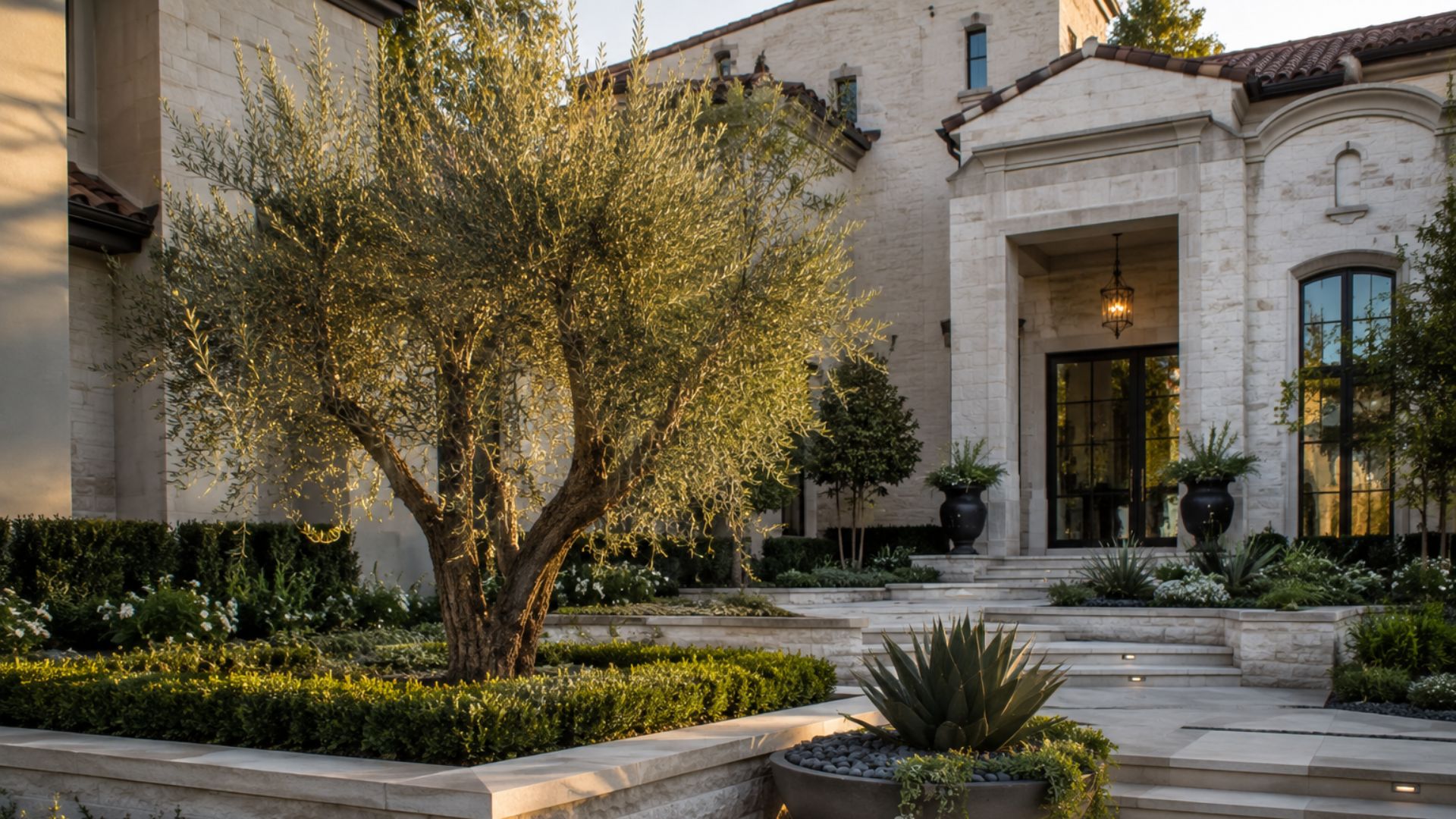
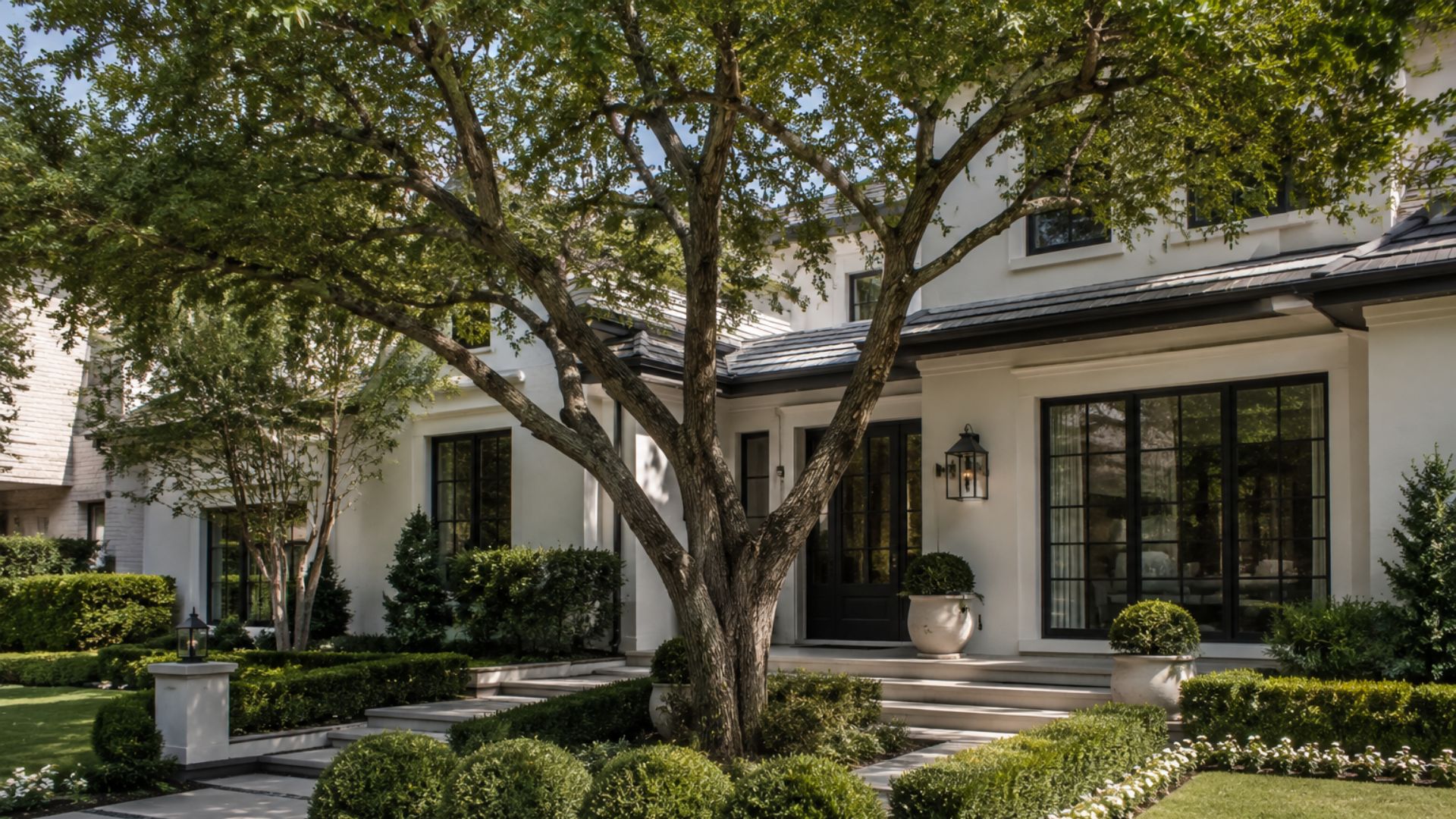
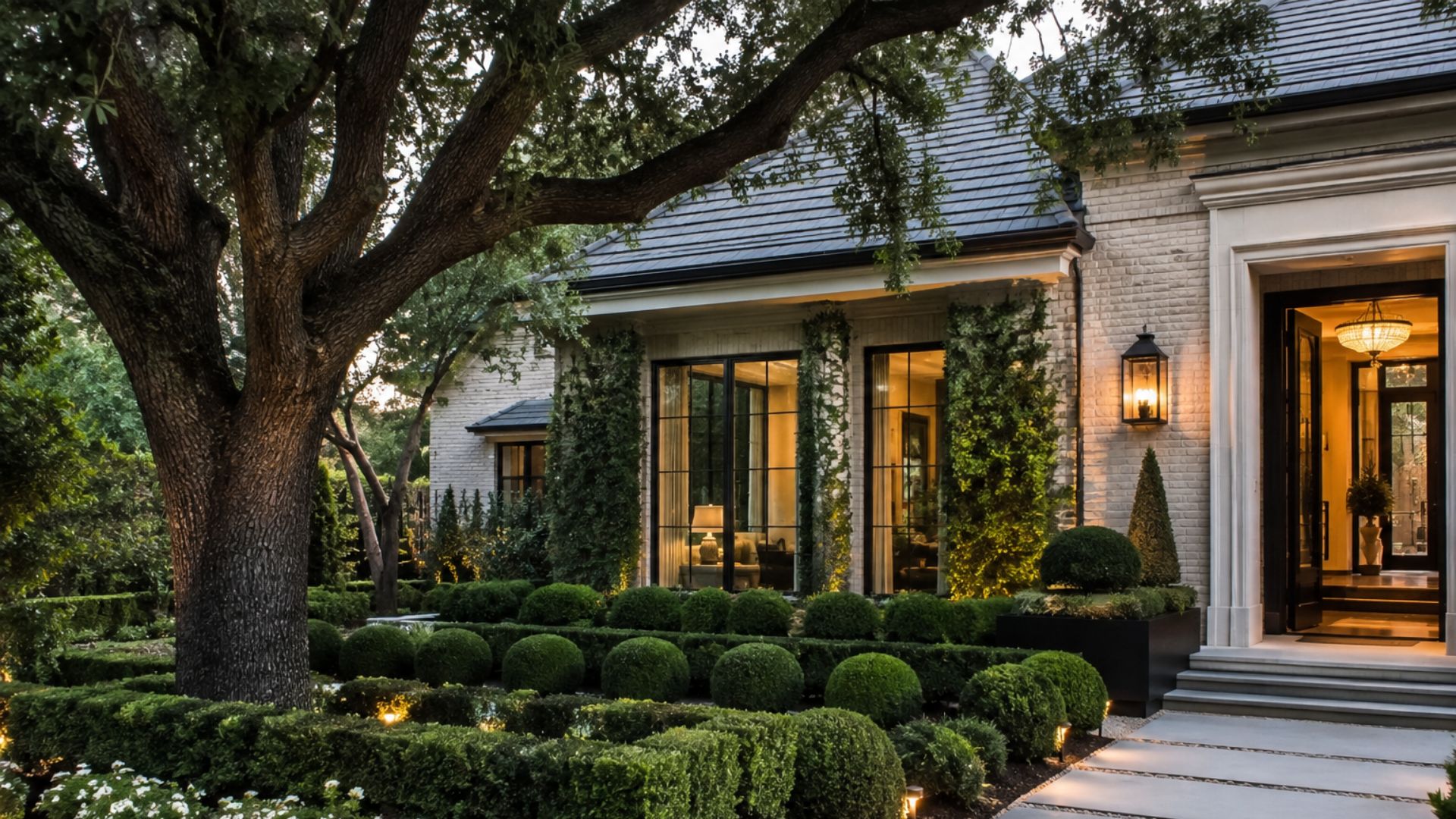
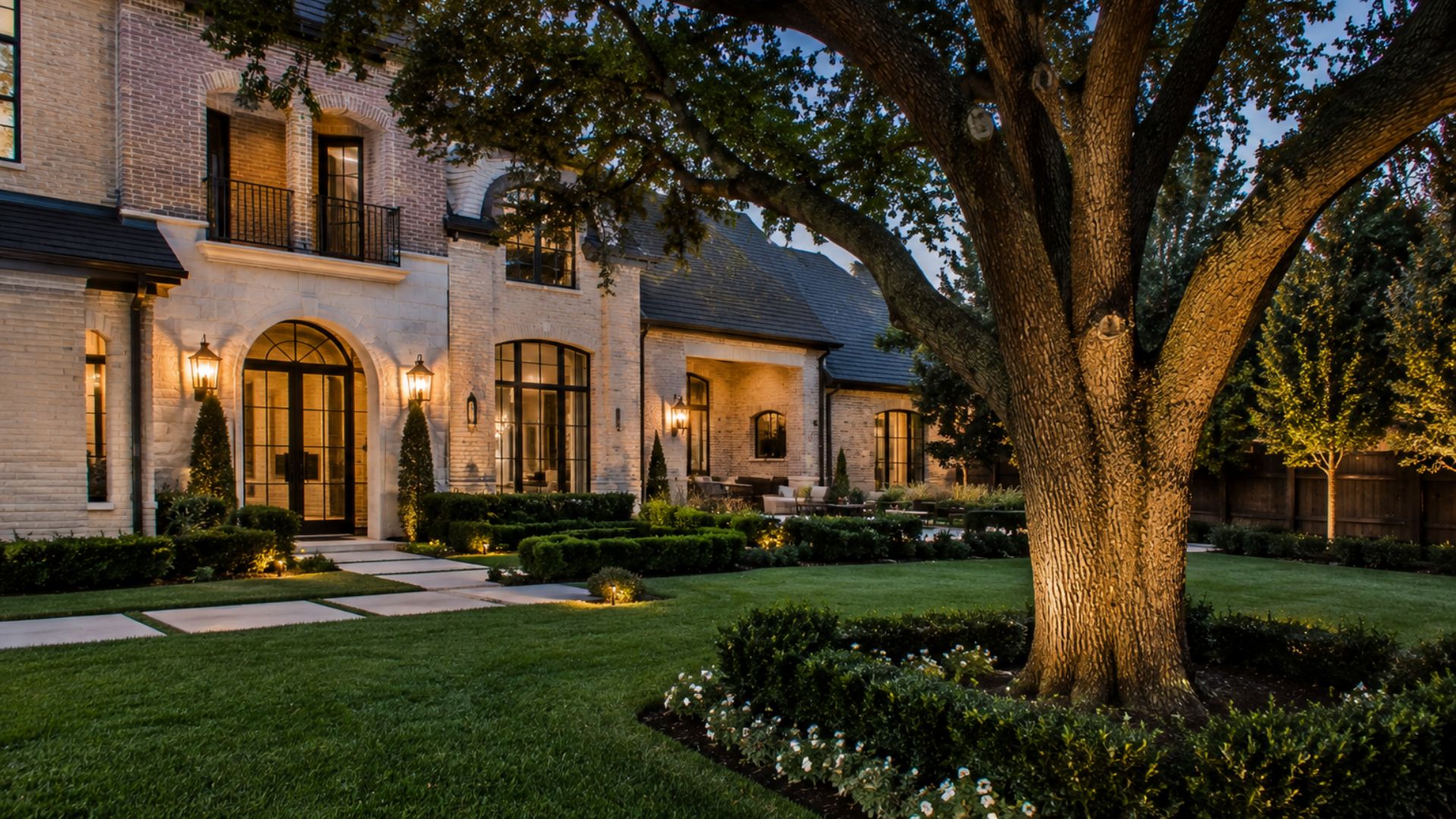
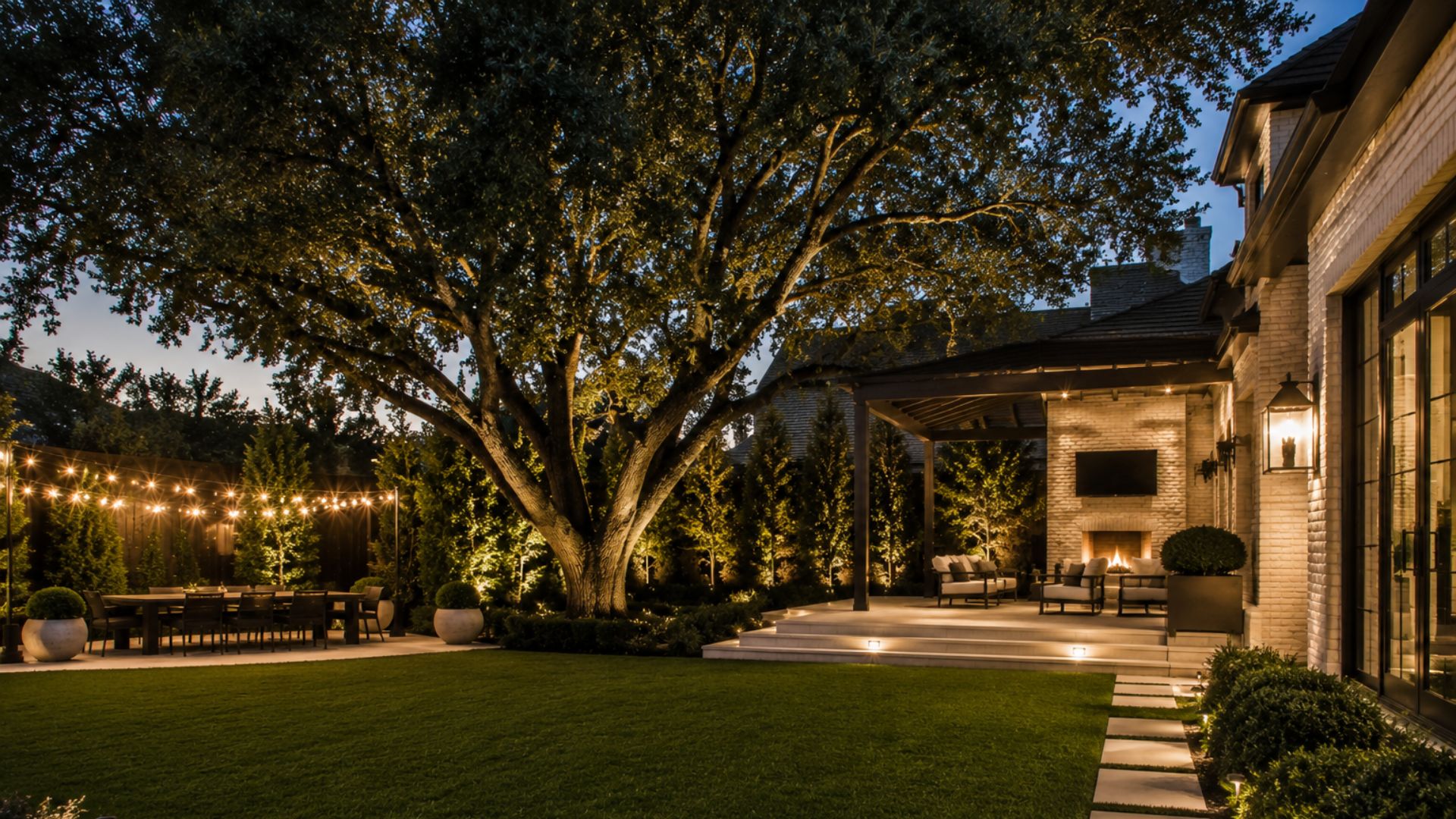
Live Oak (Quercus virginiana) is one of the most iconic and long-lived shade trees in the southern United States. Known for its massive canopy, graceful horizontal branching, and dense evergreen foliage, it creates a striking focal point while providing valuable shade throughout the year. As the tree matures, its broad limbs develop a distinctive character that adds elegance and permanence to any landscape.
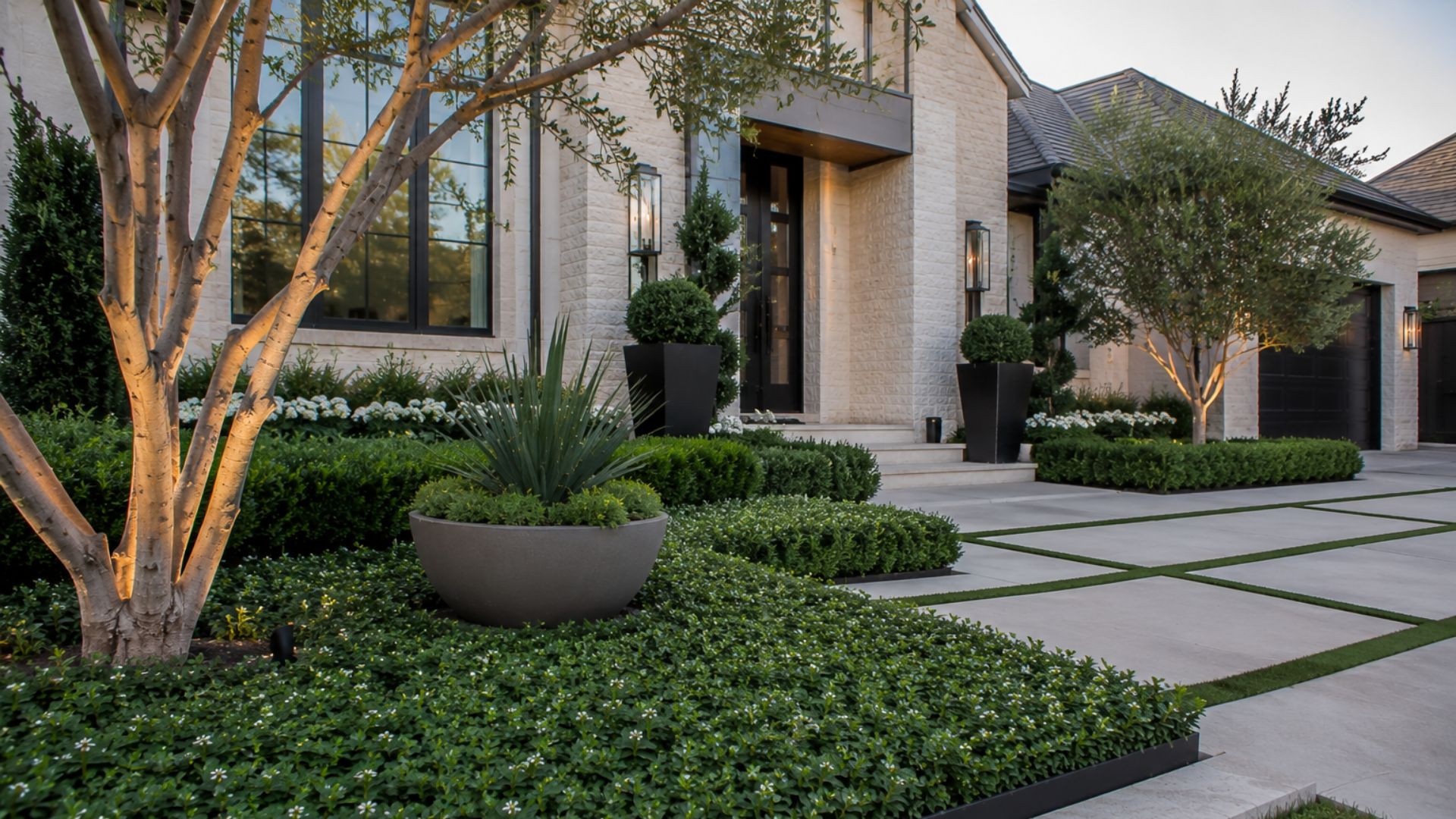
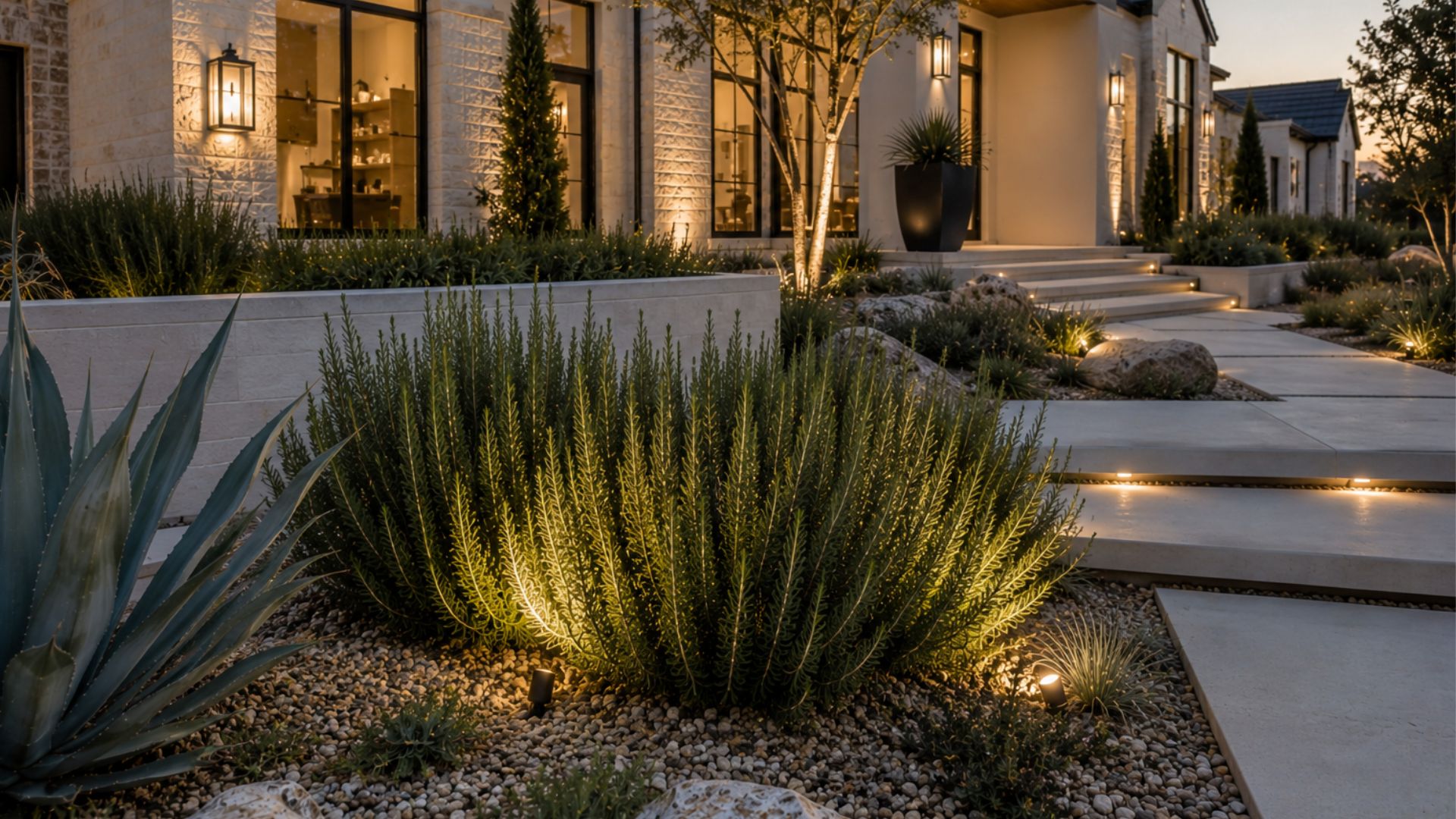
In evergreen landscape designs, Live Oak serves as the foundation of the outdoor space. Its dense canopy provides a backdrop for layered plantings, ornamental shrubs, flowering perennials, and natural stone features. Whether anchoring a front yard or creating a shaded backyard retreat, Live Oak brings beauty, comfort, and lasting value. It's a favorite among homeowners in Plano looking to establish a mature, park-like landscape that will thrive for generations. This is amuch greener option compared to desert style trees!
Live Oak performs best in full sun and adapts well to a variety of soil types, including the clay soils commonly found throughout North Texas. During its establishment period, regular deep watering encourages strong root development. Once mature, the tree becomes highly drought tolerant and typically requires only occasional supplemental irrigation during prolonged dry periods.
Pruning should focus on developing a strong branch structure while the tree is young and removing dead or damaged limbs as it matures. Because Live Oaks can become very large, it's important to plant them where they have adequate room to reach their full size. Proper placement ensures decades of healthy growth with minimal maintenance, making them an excellent investment for Southlake landscapes.
Live Oaks are extremely durable but benefit from proper planting and long-term care. Soil compaction around the root zone and damage from construction activities can negatively affect tree health over time. Protecting the root system and avoiding excessive disturbance beneath the canopy help maintain vigorous growth.
Occasional pests such as oak leaf rollers, galls, or scale insects may appear but rarely cause significant damage to healthy trees. During extended drought, supplemental deep watering can reduce stress. Routine inspections by a certified arborist can help identify any issues early and keep mature trees healthy for decades.
Live Oaks have a moderate growth rate, typically adding 1–2 feet of growth per year under favorable conditions. While they take time to reach their impressive mature size, they reward homeowners with exceptional longevity, shade, and beauty.
Yes. Live Oaks are considered evergreen because they retain their foliage throughout most of the year. Although they briefly shed older leaves in early spring before producing fresh new growth, they rarely appear bare like deciduous trees.
Absolutely. Live Oak is one of the best shade trees for North Texas because it tolerates heat, drought, wind, and a variety of soil conditions. Its broad canopy, long lifespan, and year-round greenery make it a popular choice for evergreen landscape designs throughout Plano, Southlake, and the greater DFW area.
You might also like