

Hesperaloe
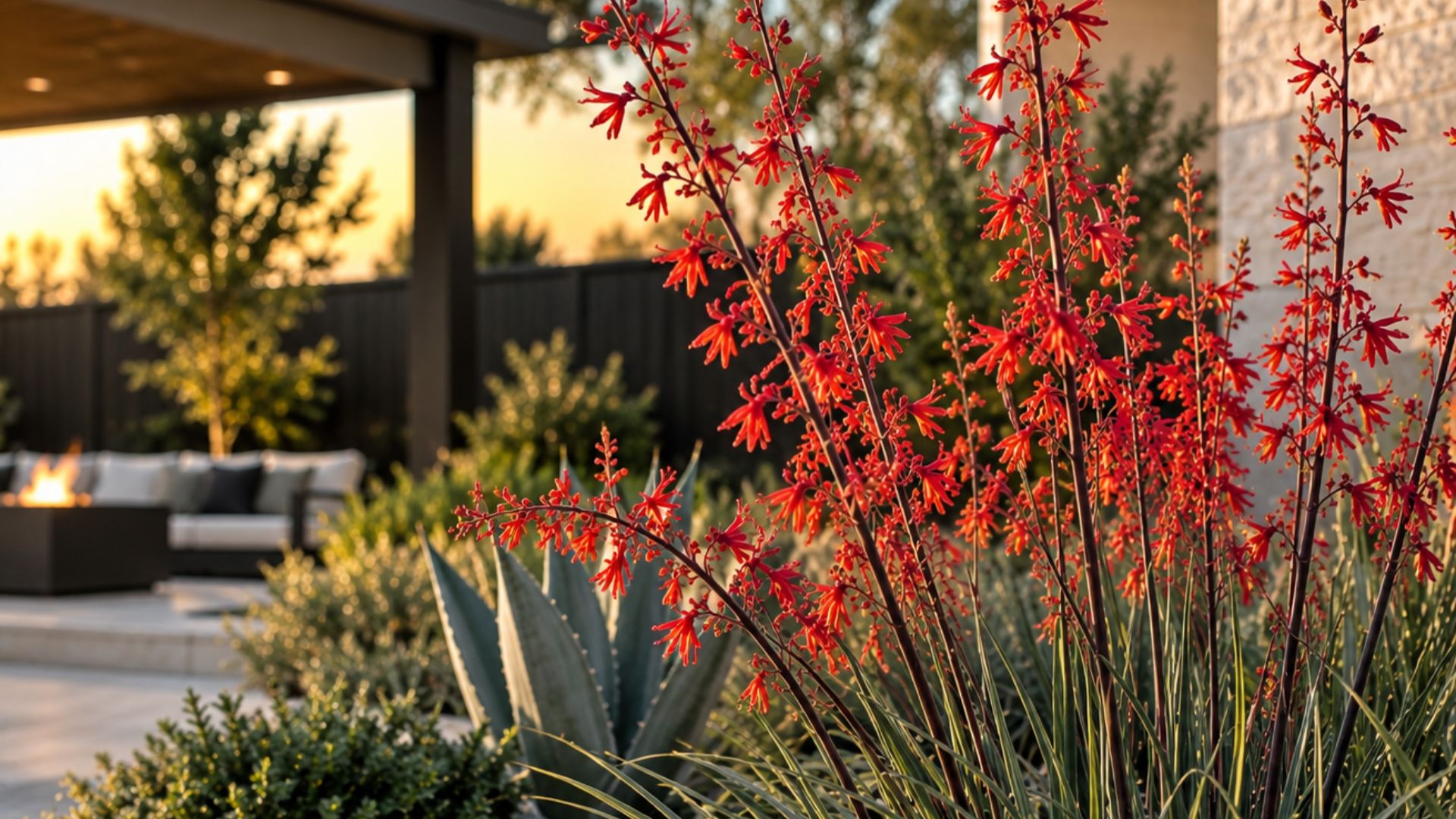
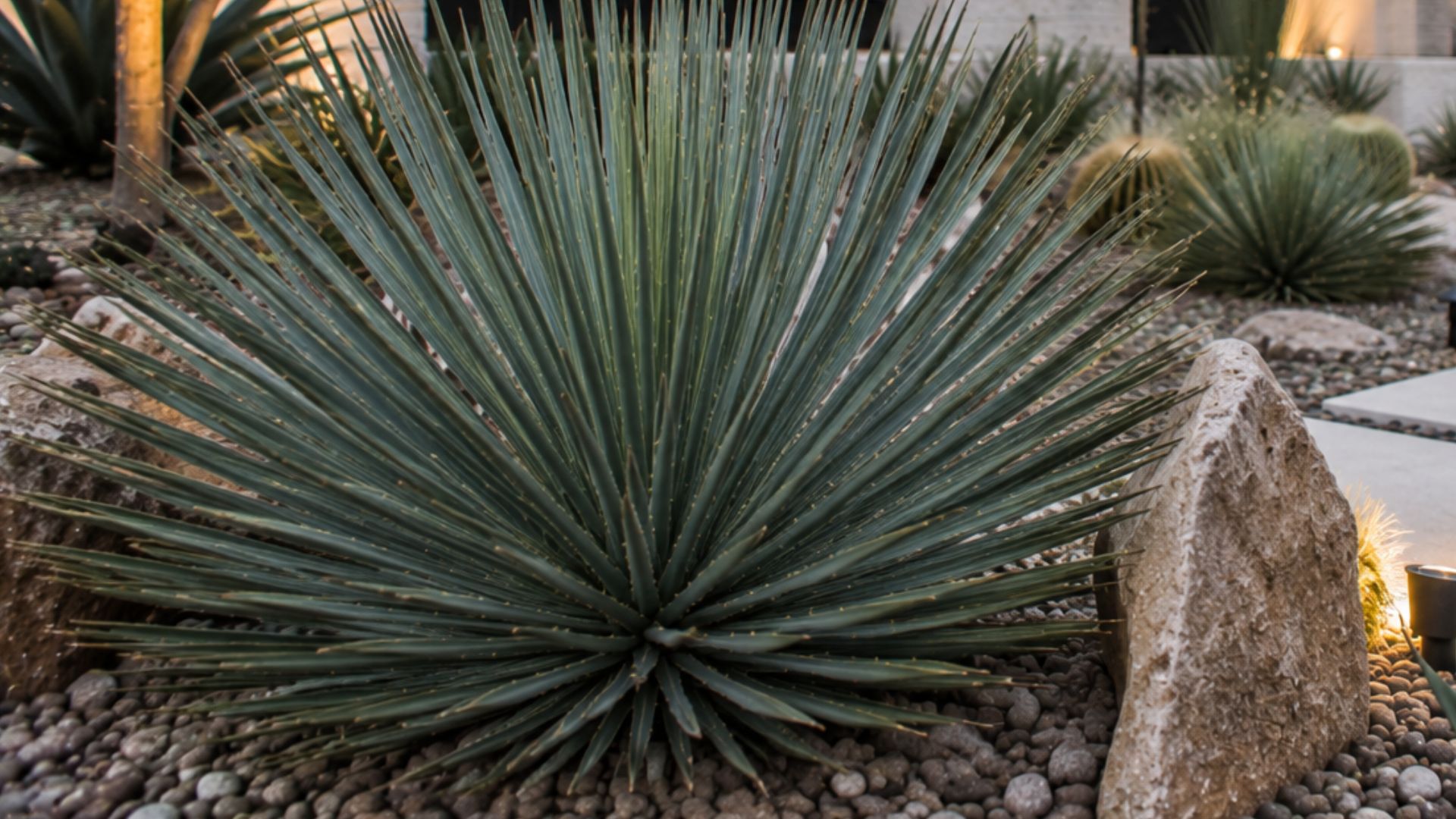
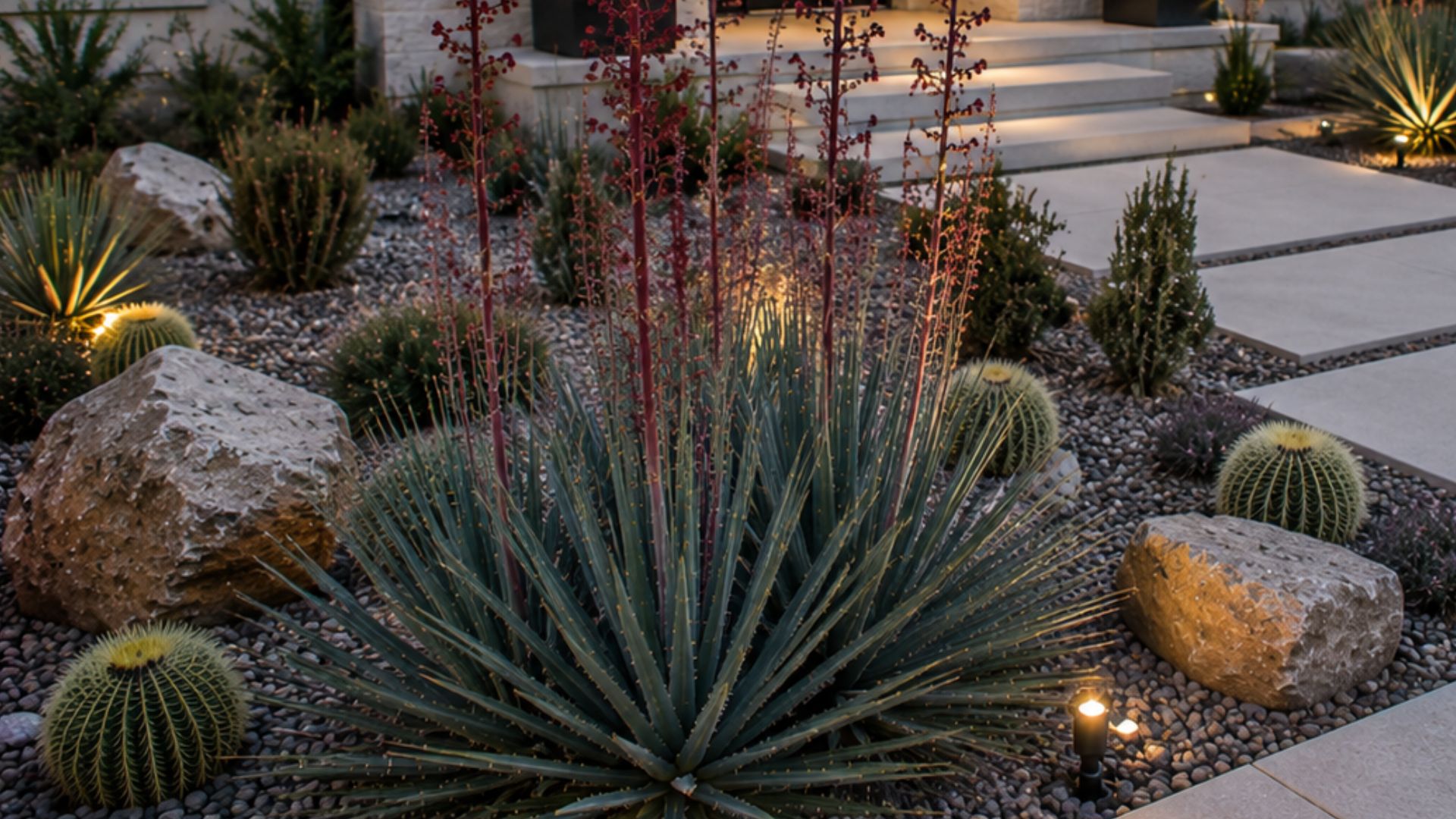
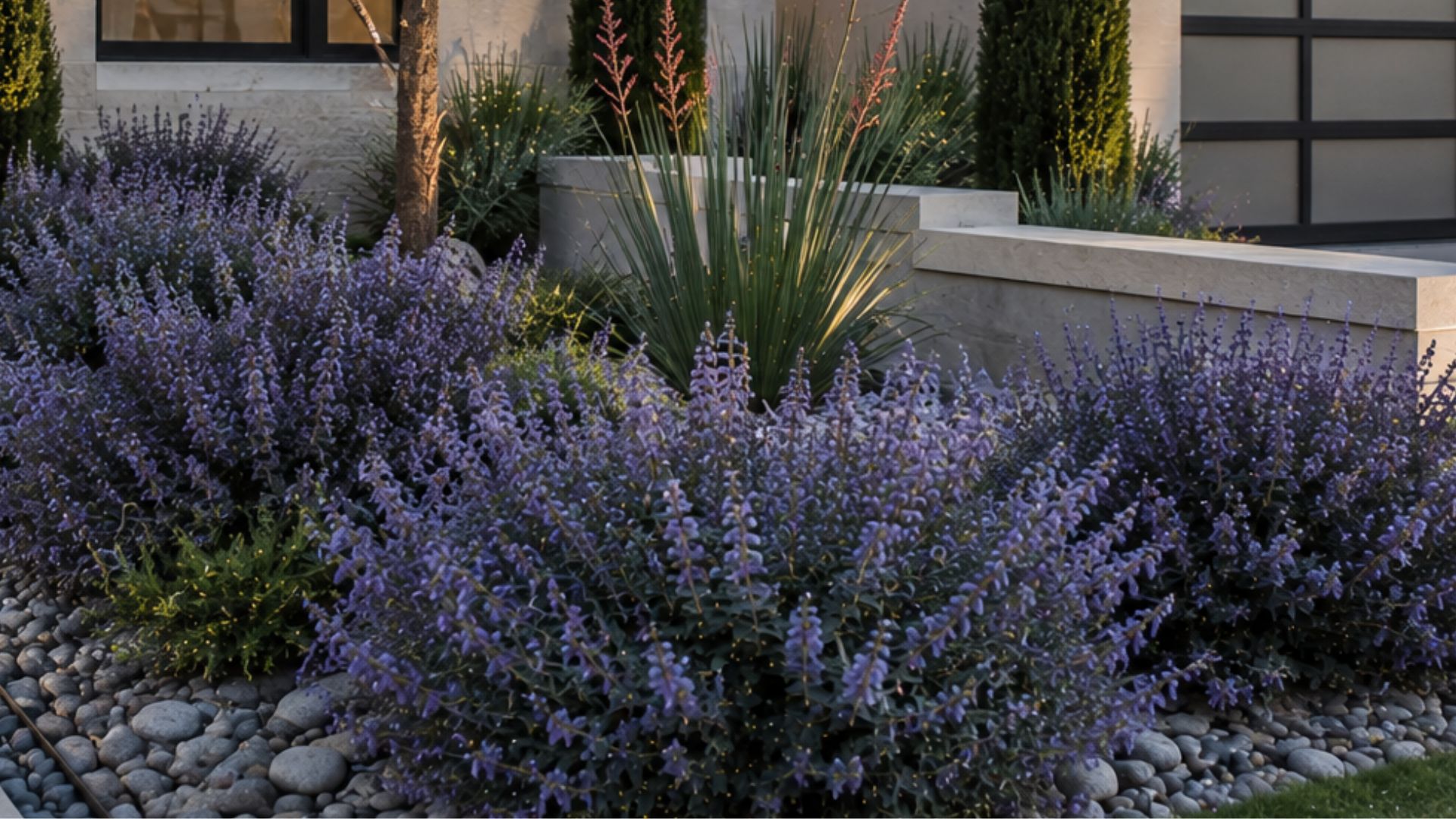
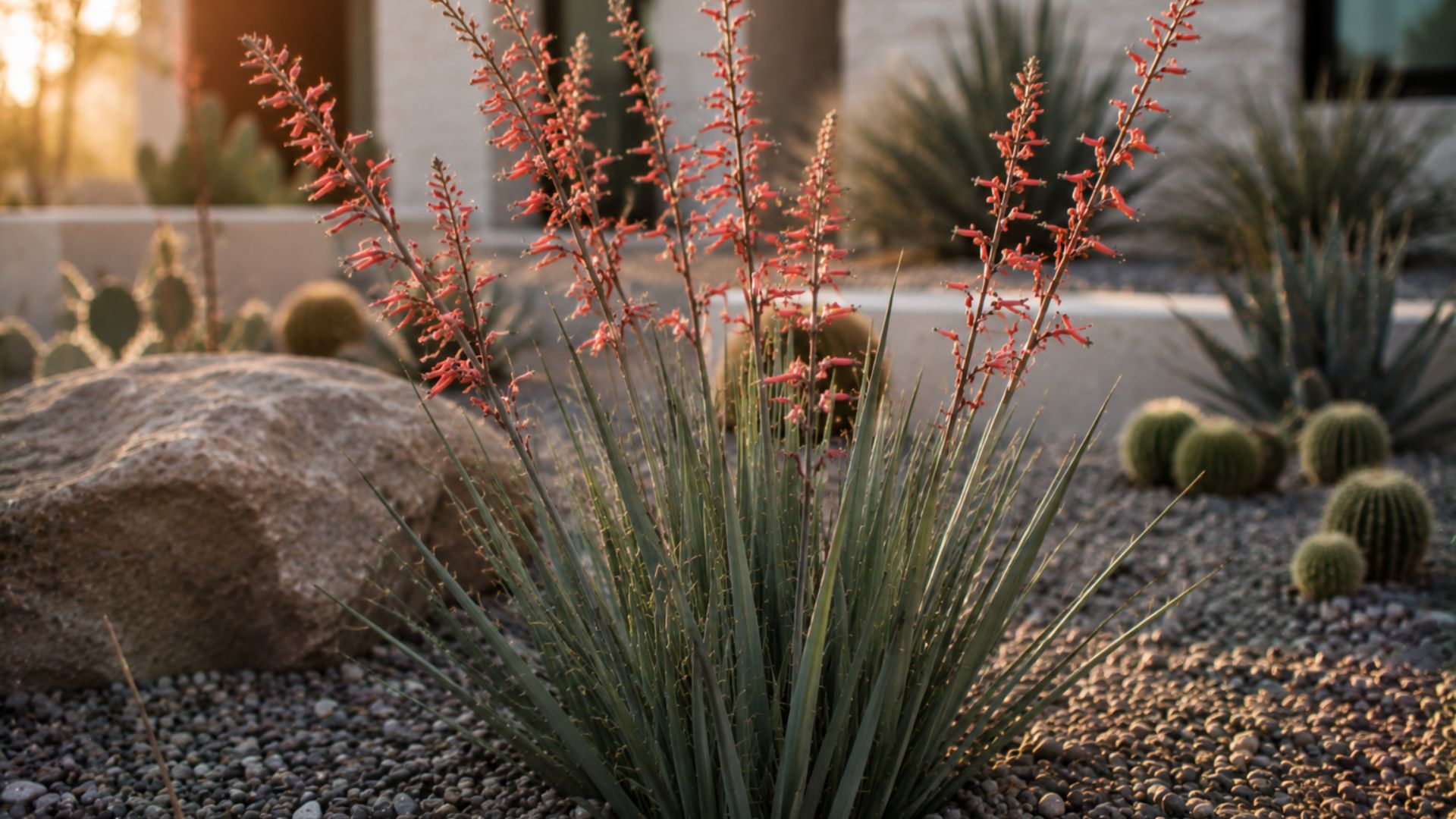
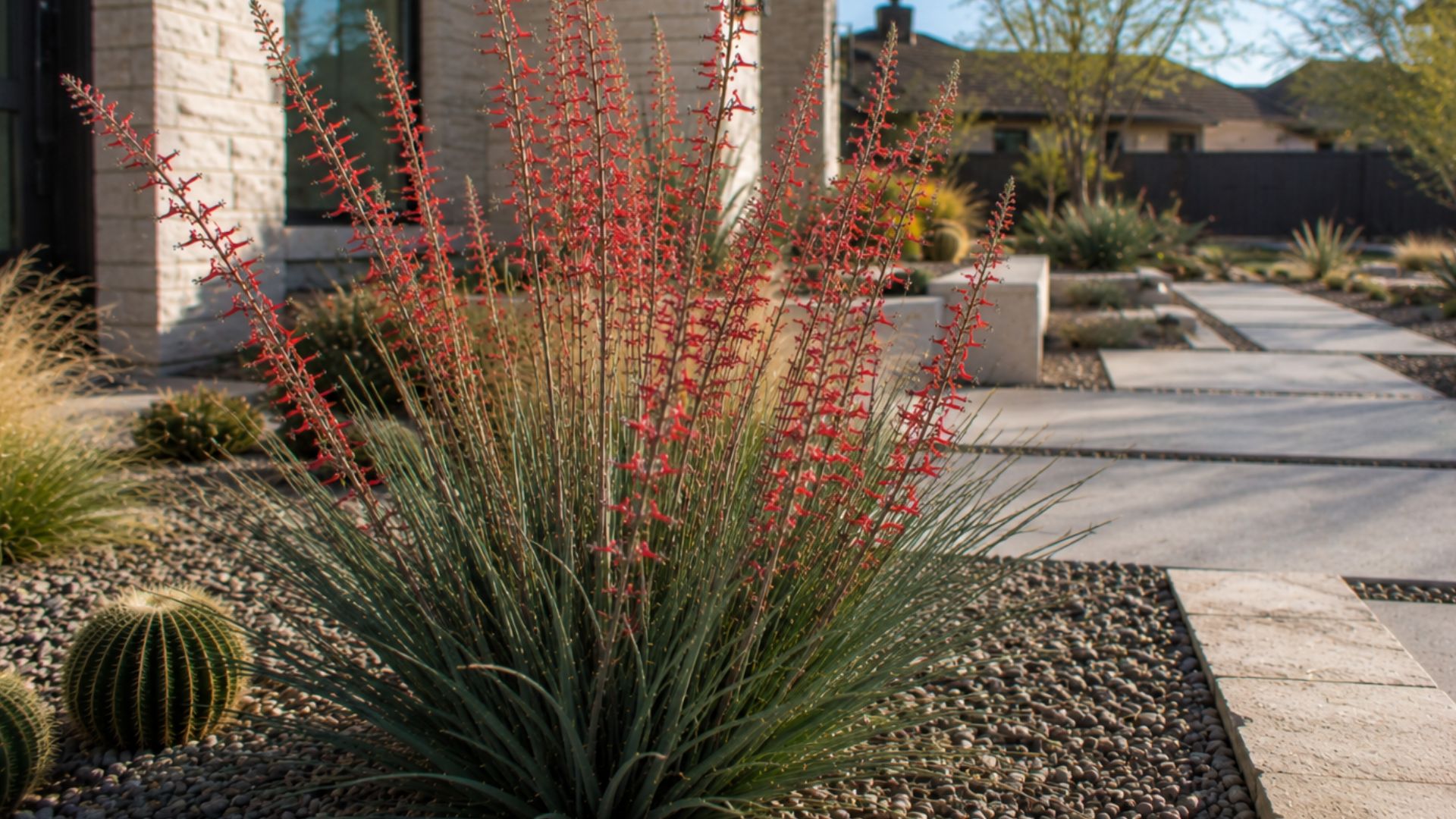
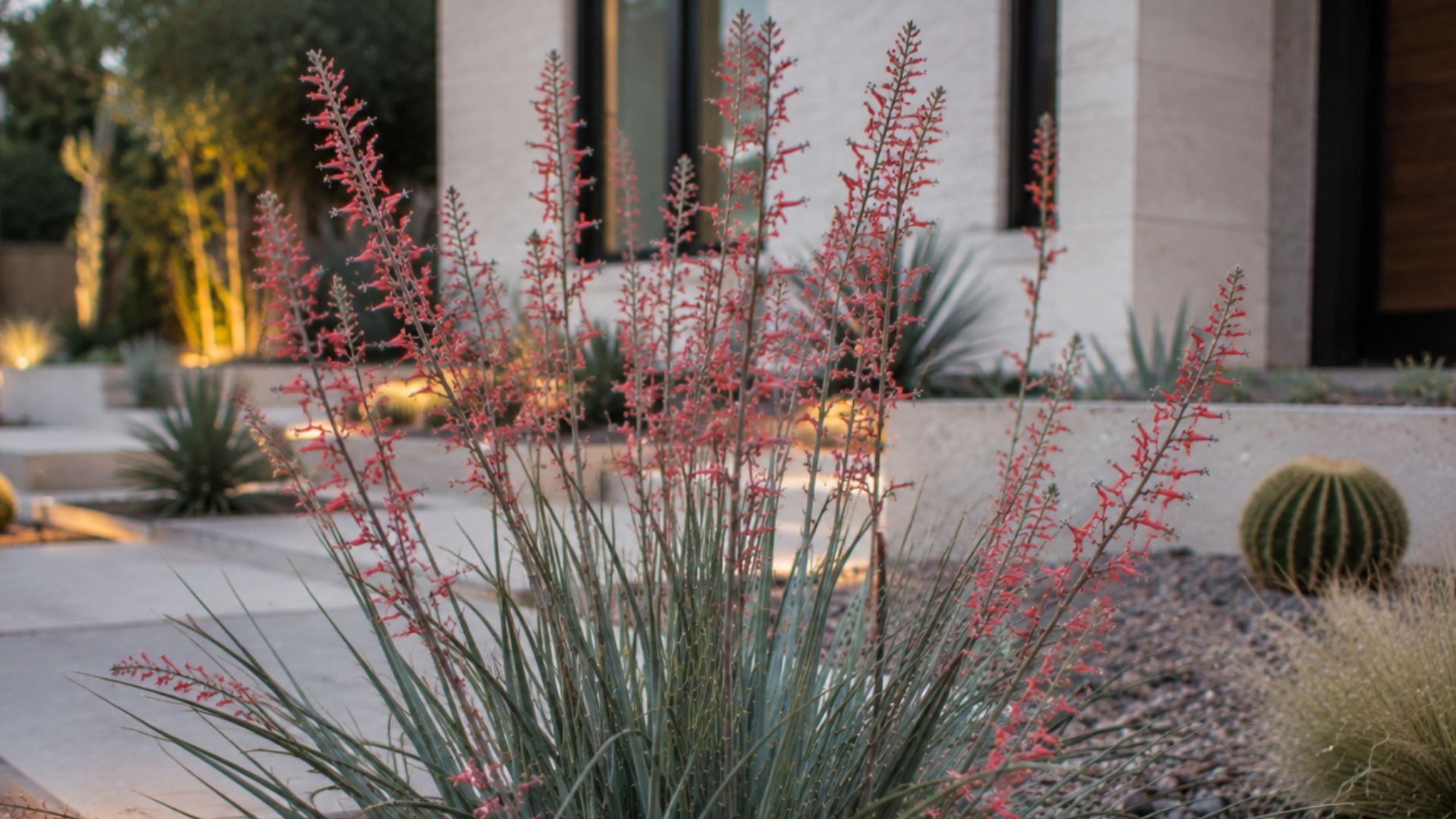
A striking evergreen succulent with arching blue-green foliage and tall flower spikes that produce vibrant coral-red blooms from late spring through fall. Typically grows 2–3 feet tall and 3–4 feet wide, with flowering stalks reaching 5–6 feet. Hardy in USDA Zones 5–11, Hesperaloe thrives in the intense heat and drought conditions of North Texas, making it an outstanding choice for desert-style, xeriscape, and modern landscapes in Plano, Southlake, and throughout the DFW area.
Hesperaloe
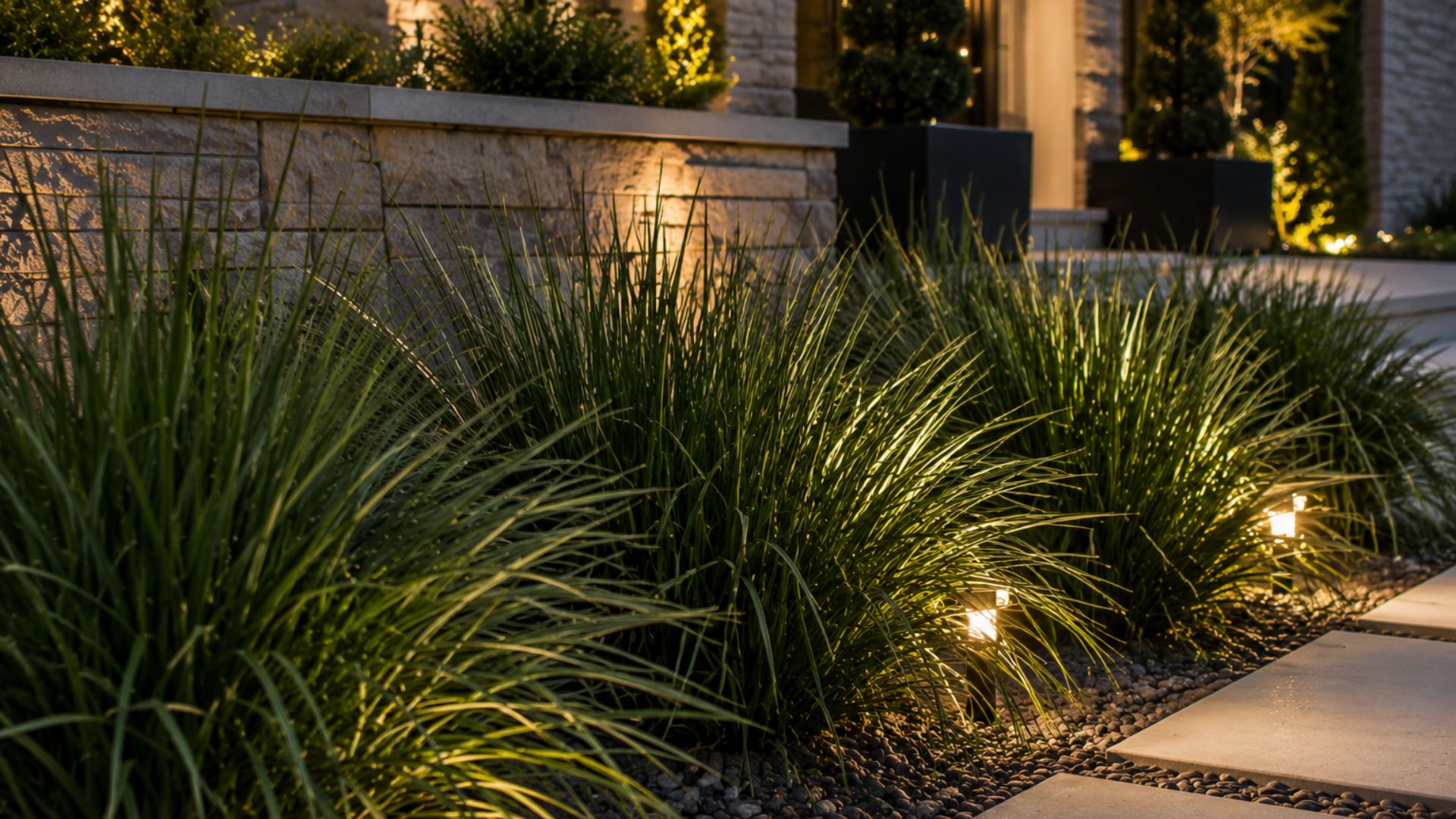
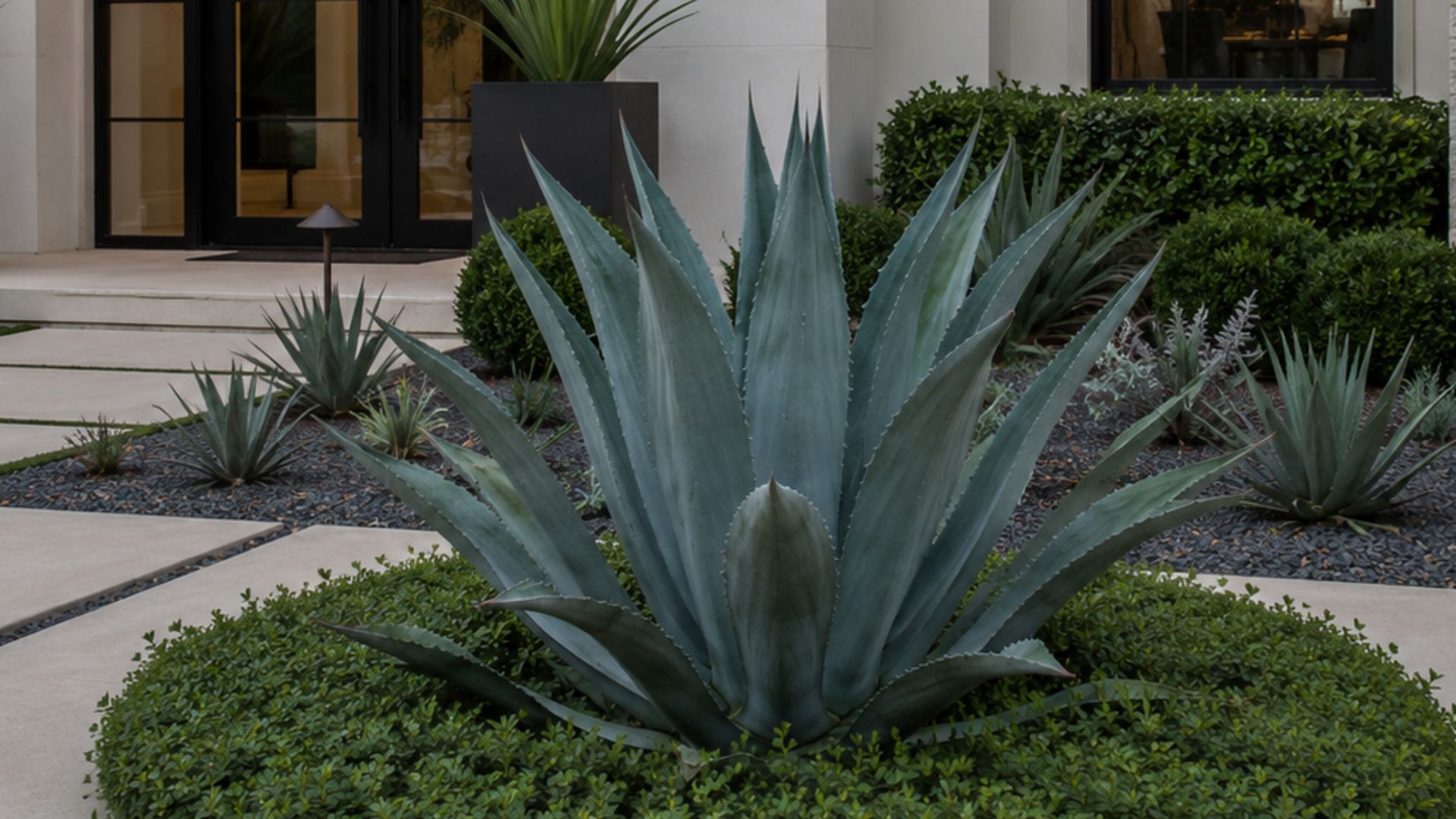
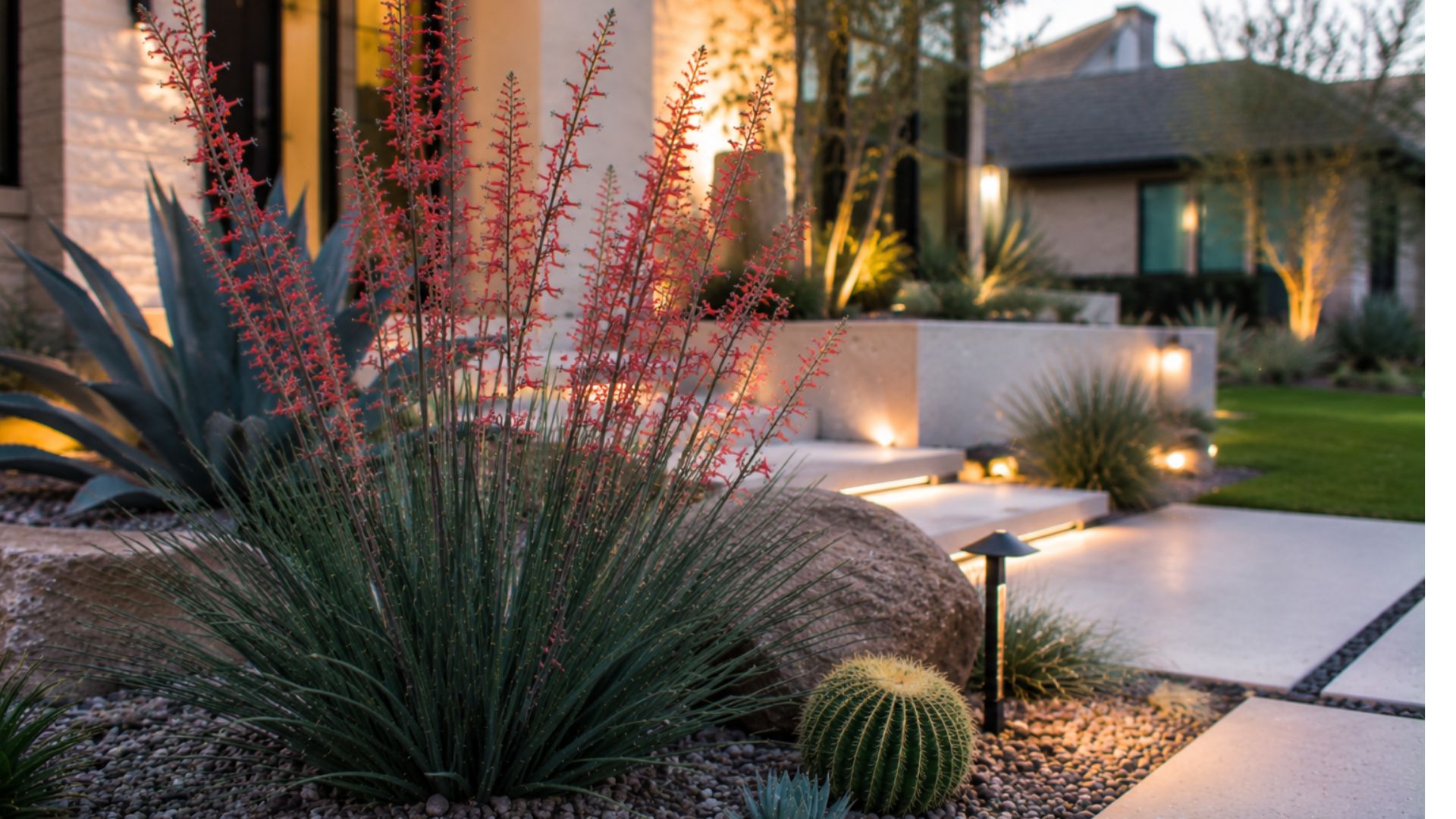
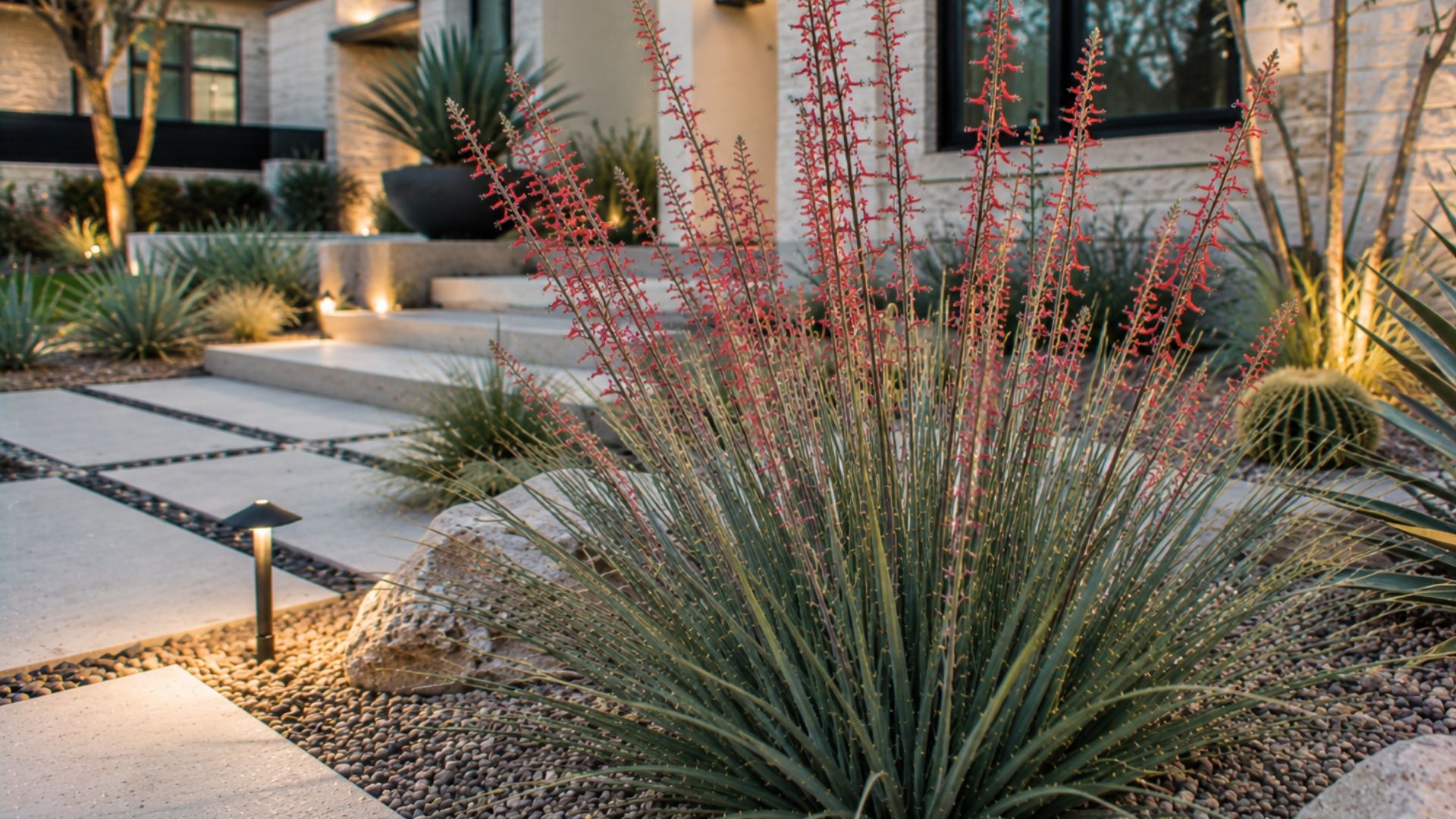
Hesperaloe (Hesperaloe parviflora), commonly known as Red Yucca, is one of the most dependable and visually striking plants for drought-tolerant landscapes. Despite its common name, it is not a true yucca but shares the same bold architectural appearance with graceful, arching leaves that remain attractive throughout the year. During the warmer months, tall flower spikes emerge above the foliage, producing clusters of coral-red, pink, or salmon-colored tubular flowers that create dramatic vertical interest.
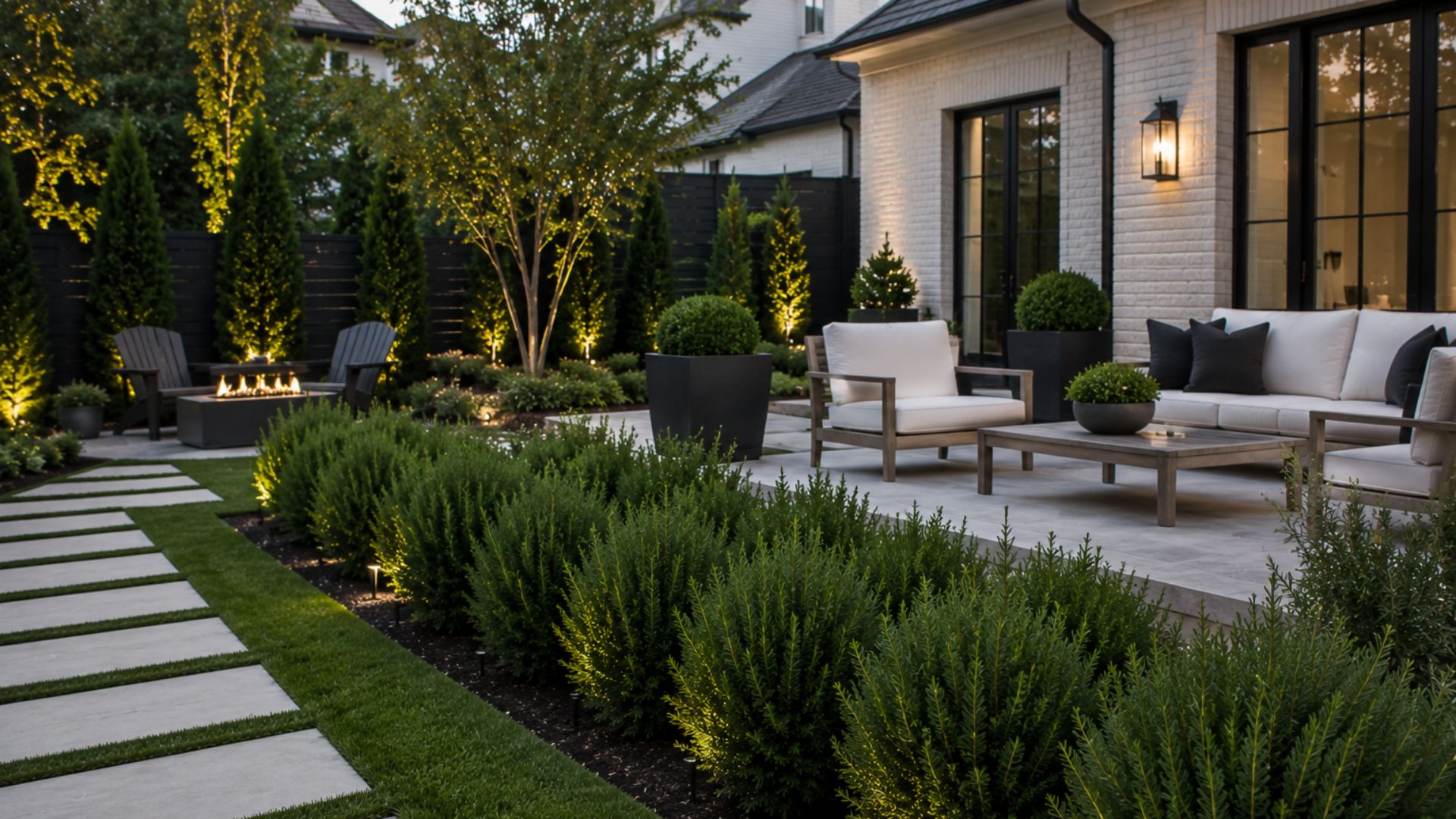
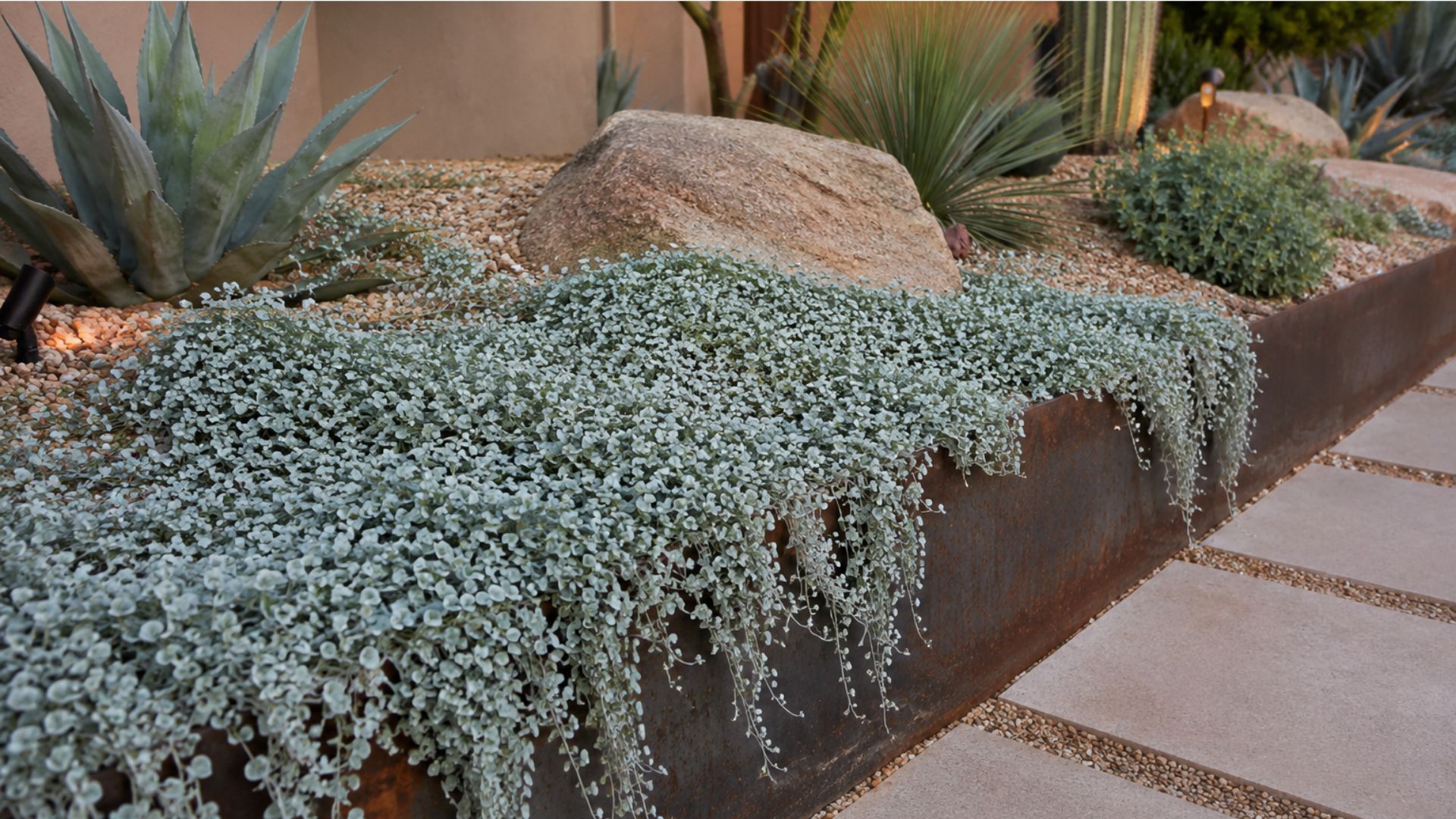
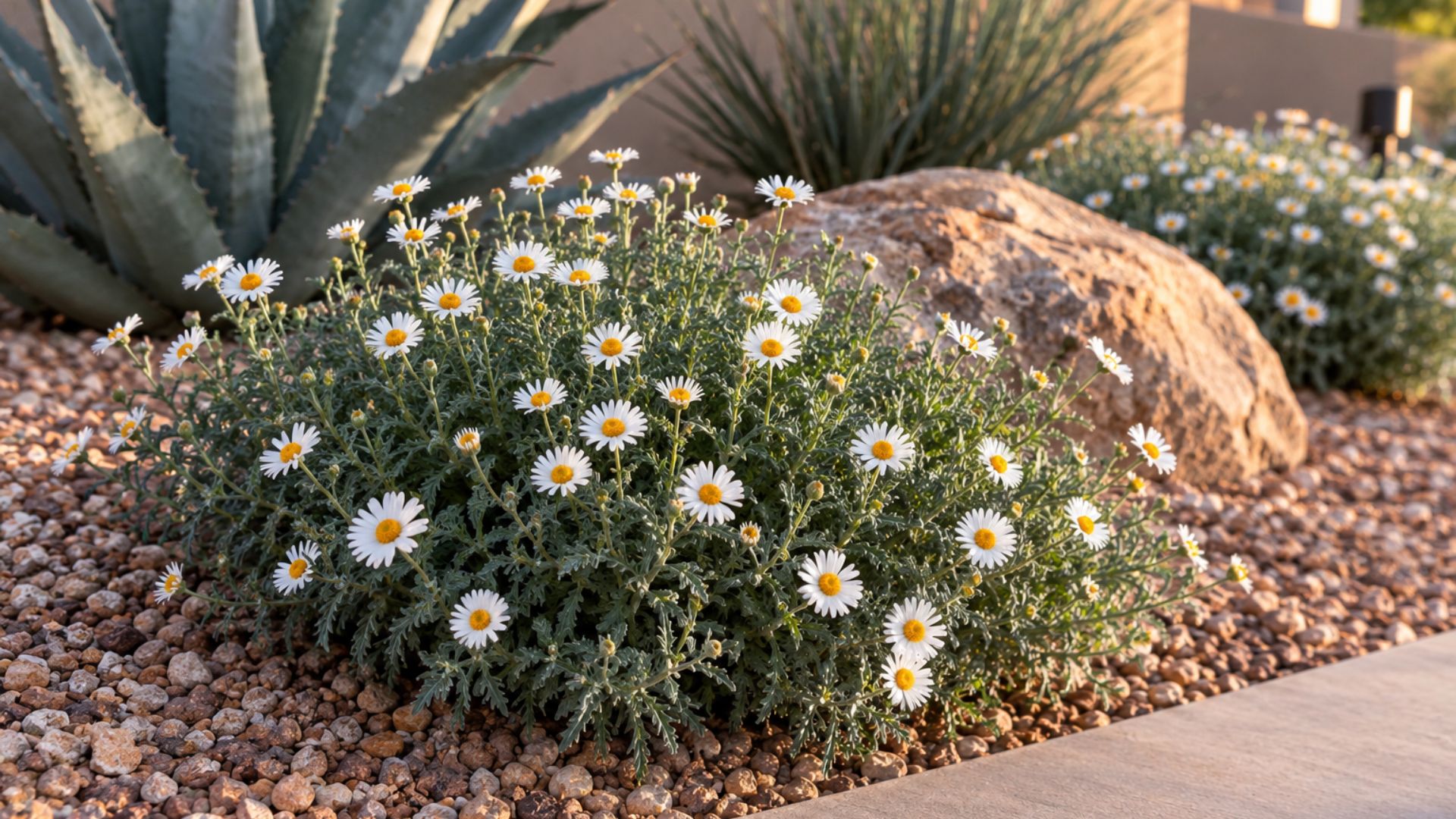
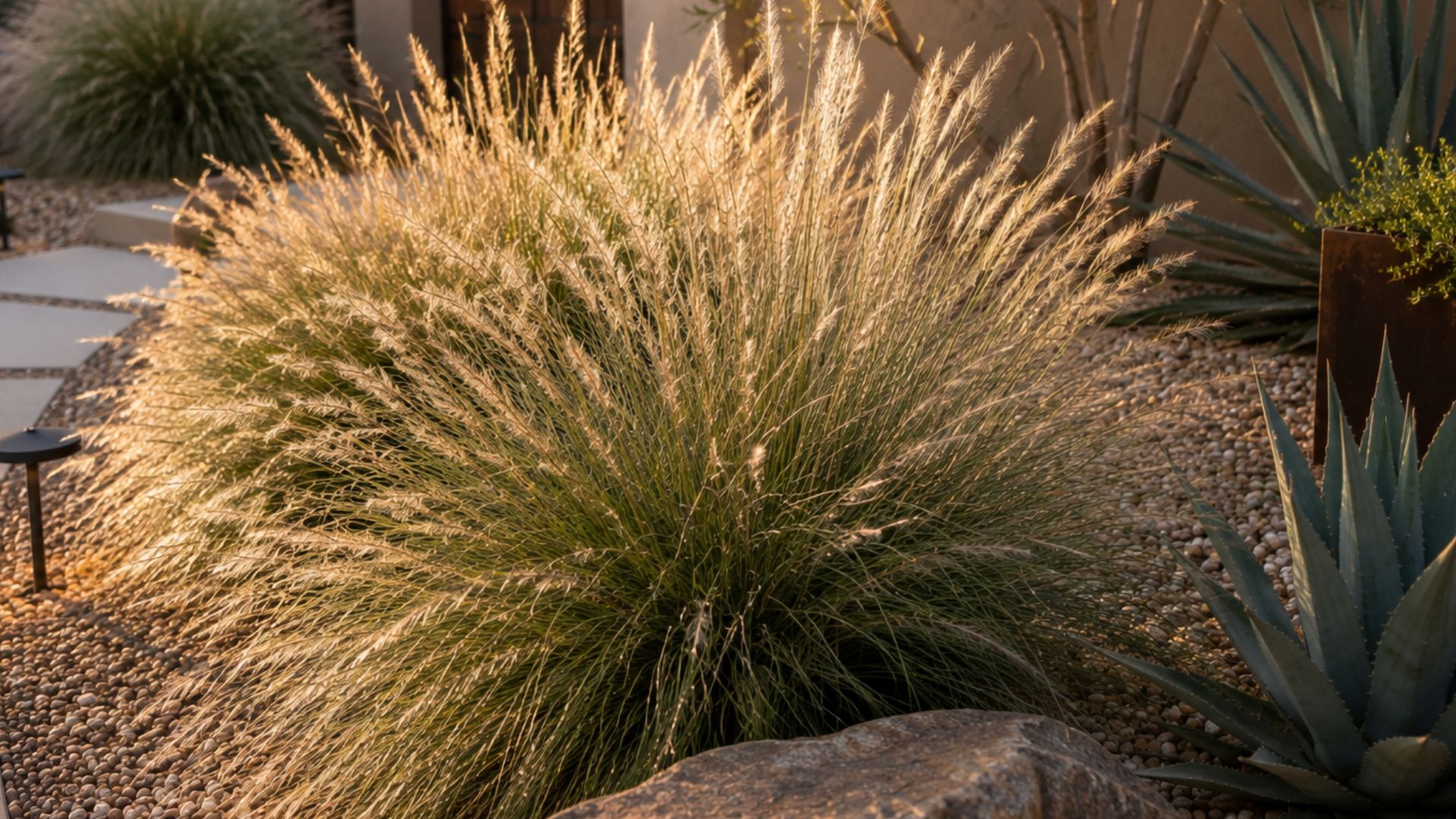
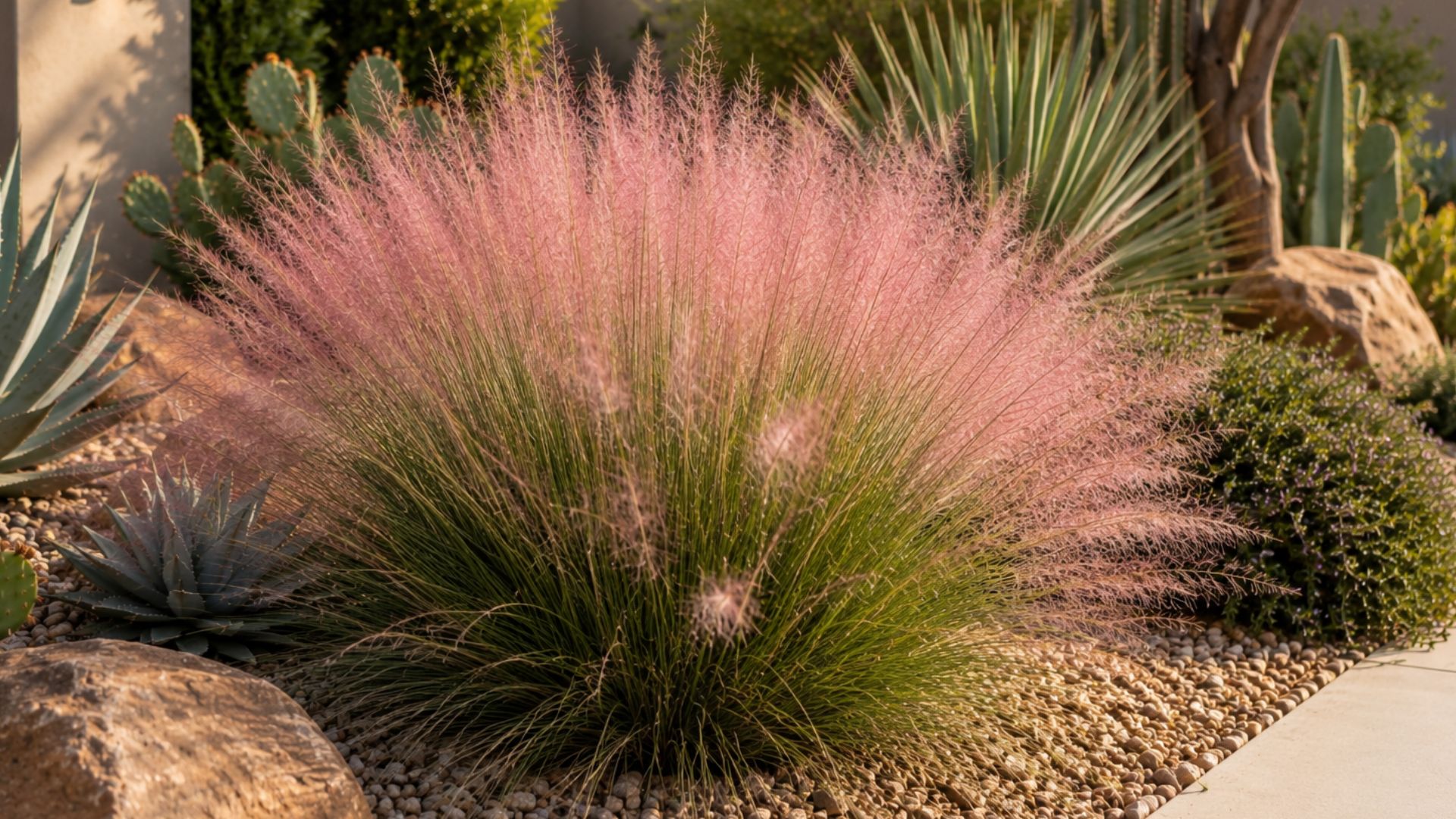
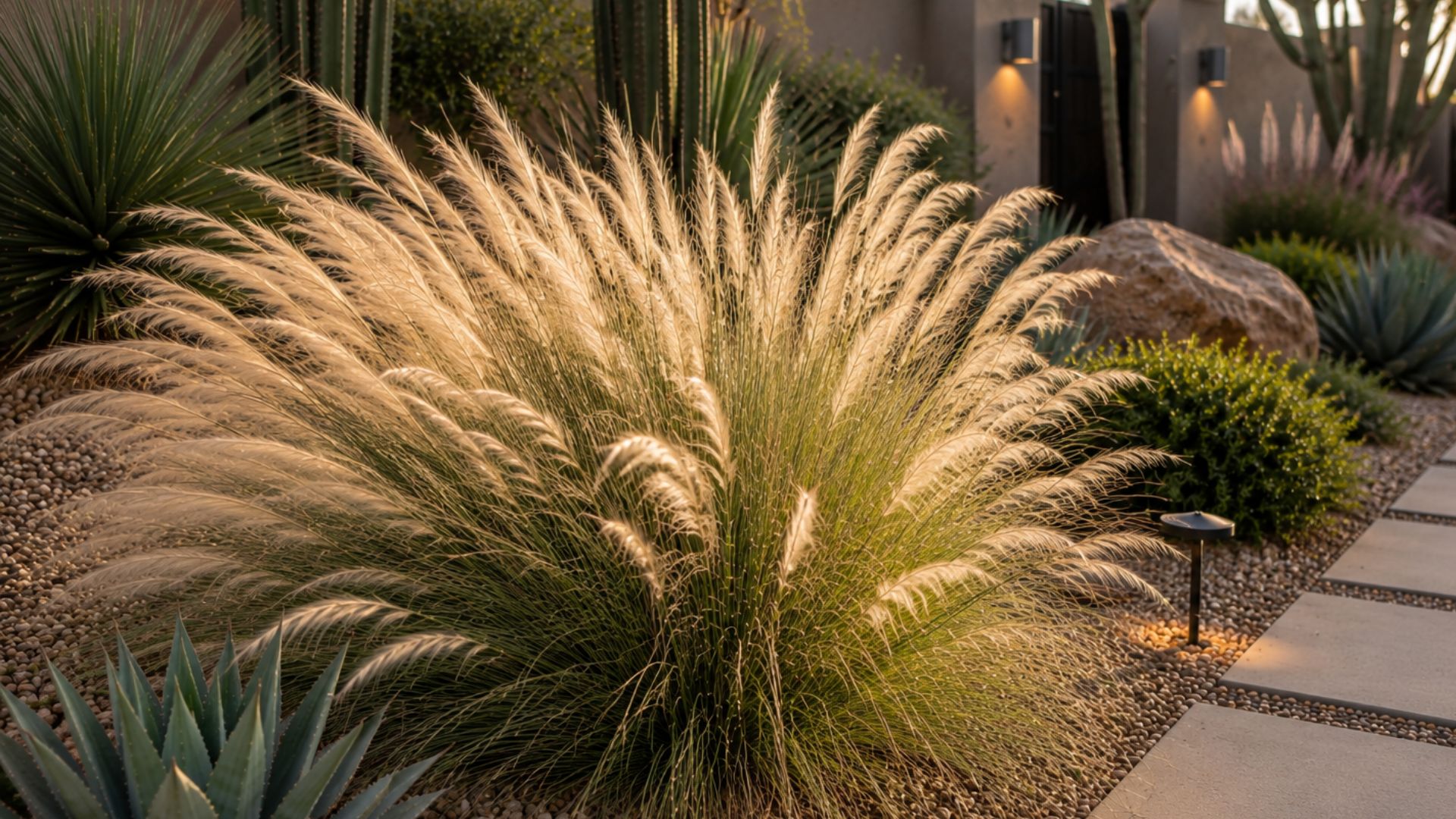
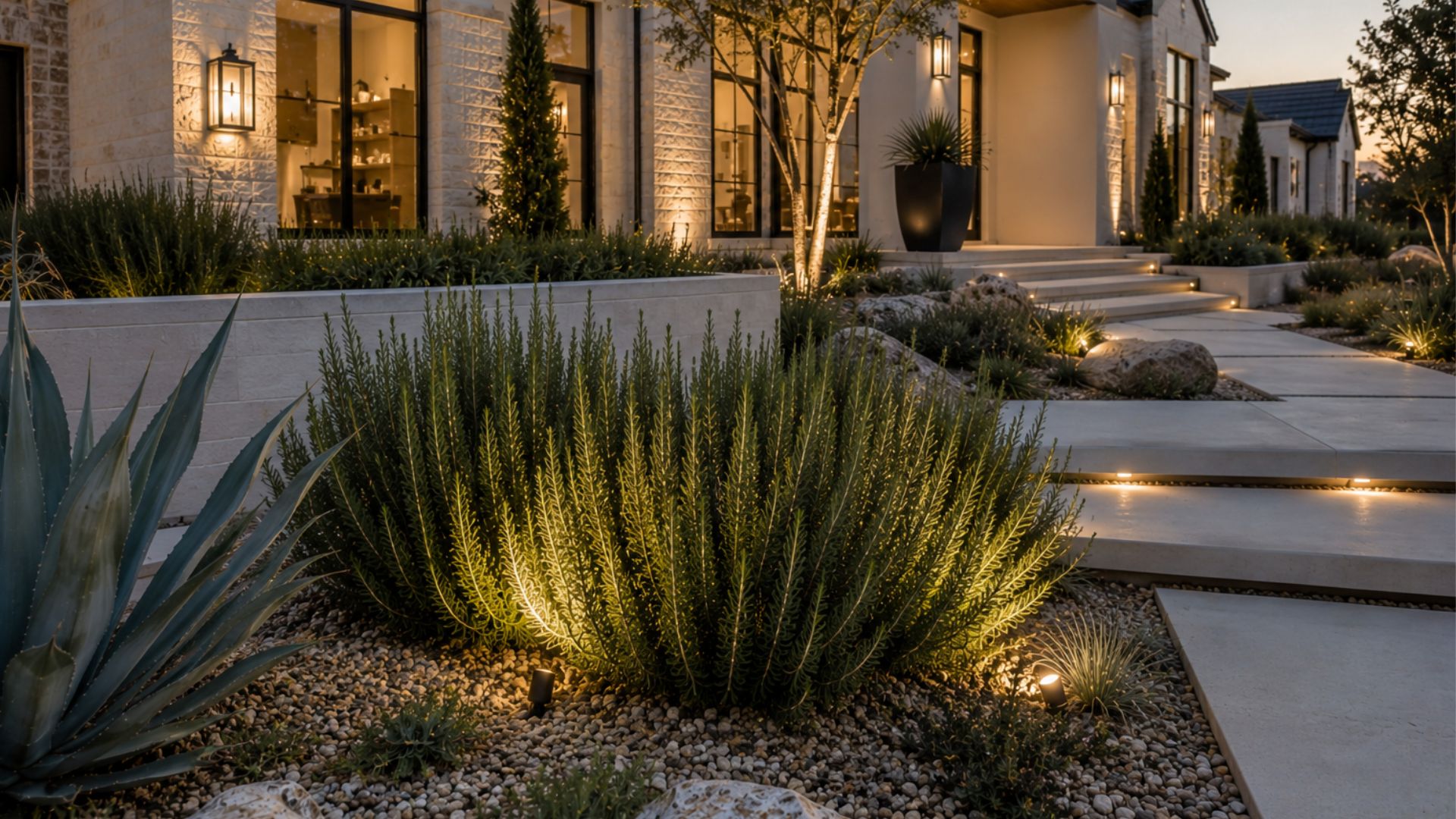
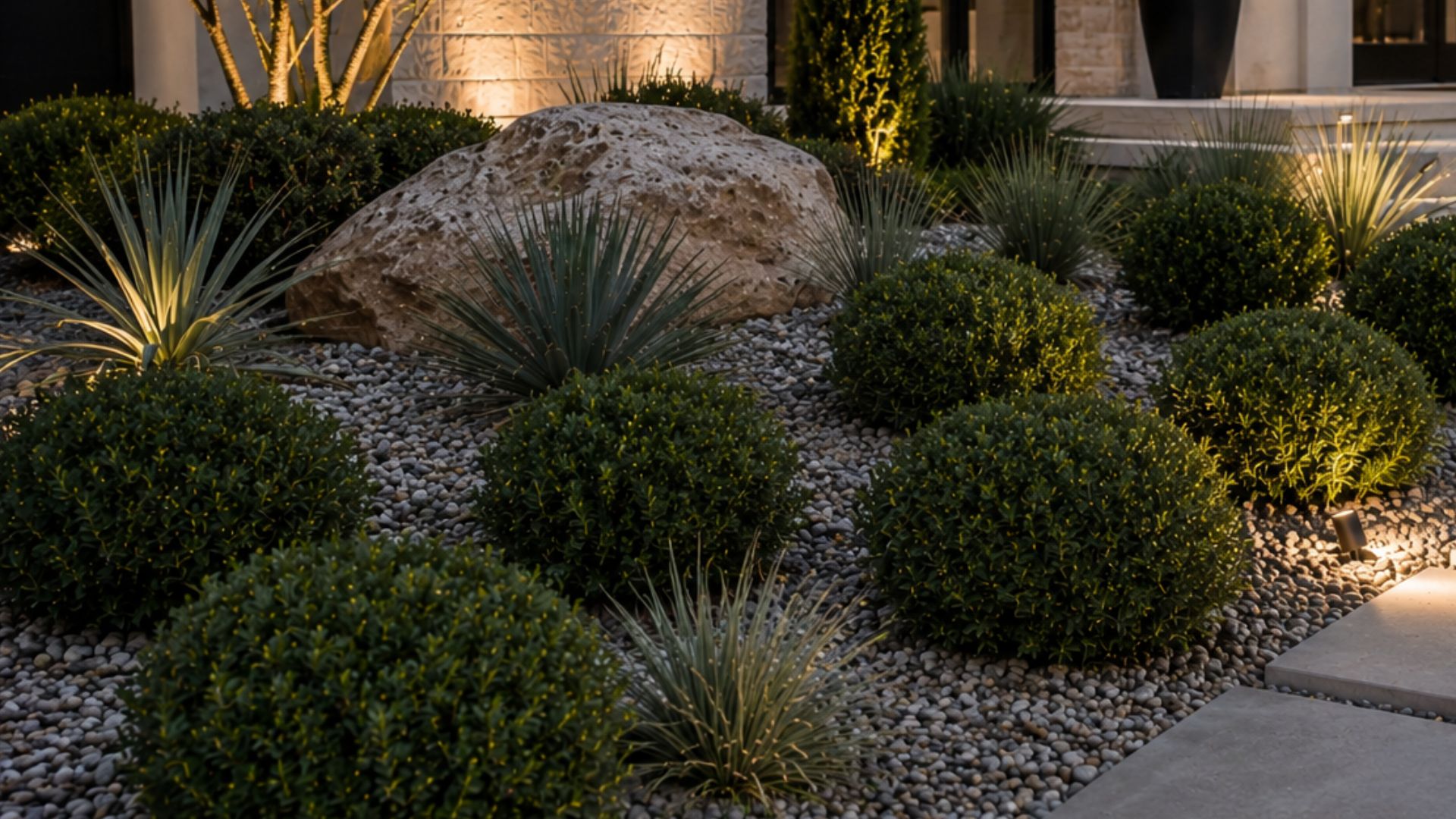
Its sculptural form makes Hesperaloe a focal point in desert-style landscapes, pairing beautifully with Agaves, Texas Sage, Mexican Feather Grass, Gulf Muhly, Silver Ponyfoot, Blackfoot Daisy, decorative gravel, decomposed granite, and natural limestone. Because it thrives in heat, drought, and poor soils, Hesperaloe is a favorite for luxury landscape designs in Plano, Southlake, and across North Texas, where homeowners want year-round structure with minimal maintenance.
Hesperaloe performs best in full sun and well-draining soil. Once established, it requires very little supplemental irrigation and is highly tolerant of drought, making it ideal for water-wise landscapes throughout the DFW area. Deep, infrequent watering encourages healthy root development while avoiding excess moisture around the crown.
Maintenance is minimal. Remove spent flower stalks after blooming if desired, and trim away damaged or older leaves near the base to keep the plant looking clean. Fertilizer is rarely needed, as Hesperaloe naturally thrives in lean soils. Its outstanding durability and low maintenance requirements make it one of the easiest architectural plants to grow in North Texas.
Hesperaloe is extremely resilient and experiences very few problems when planted in the proper conditions. The most common issue is poor drainage, as overly wet soils or excessive irrigation can lead to crown rot or root decline. Planting in raised beds or well-draining soil greatly improves long-term success.
Although highly drought tolerant, young plants may benefit from occasional watering during prolonged dry periods while becoming established. The plant is naturally resistant to most insects, diseases, deer, and rabbits. Routine removal of old foliage and spent flower stalks helps maintain its tidy appearance and encourages healthy growth.
No. Hesperaloe, commonly known as Red Yucca, is generally considered non-toxic to dogs and other pets. Its pet-friendly nature and low-maintenance requirements make it a popular choice for homeowners in Southlake, TX creating beautiful, desert-style landscapes.
Hesperaloe has a moderate growth rate. While it establishes gradually, it becomes a long-lasting focal point with arching blue-green foliage and vibrant coral flower spikes. It performs exceptionally well in the sunny landscapes of Dallas and surrounding North Texas communities.
Yes. Once established, Hesperaloe is extremely drought tolerant and thrives in full sun with very little supplemental watering. Its ability to handle Texas heat makes it an excellent choice for xeriscapes, modern gardens, and desert-inspired landscapes throughout Plano, Frisco, and the greater DFW area.
You might also like