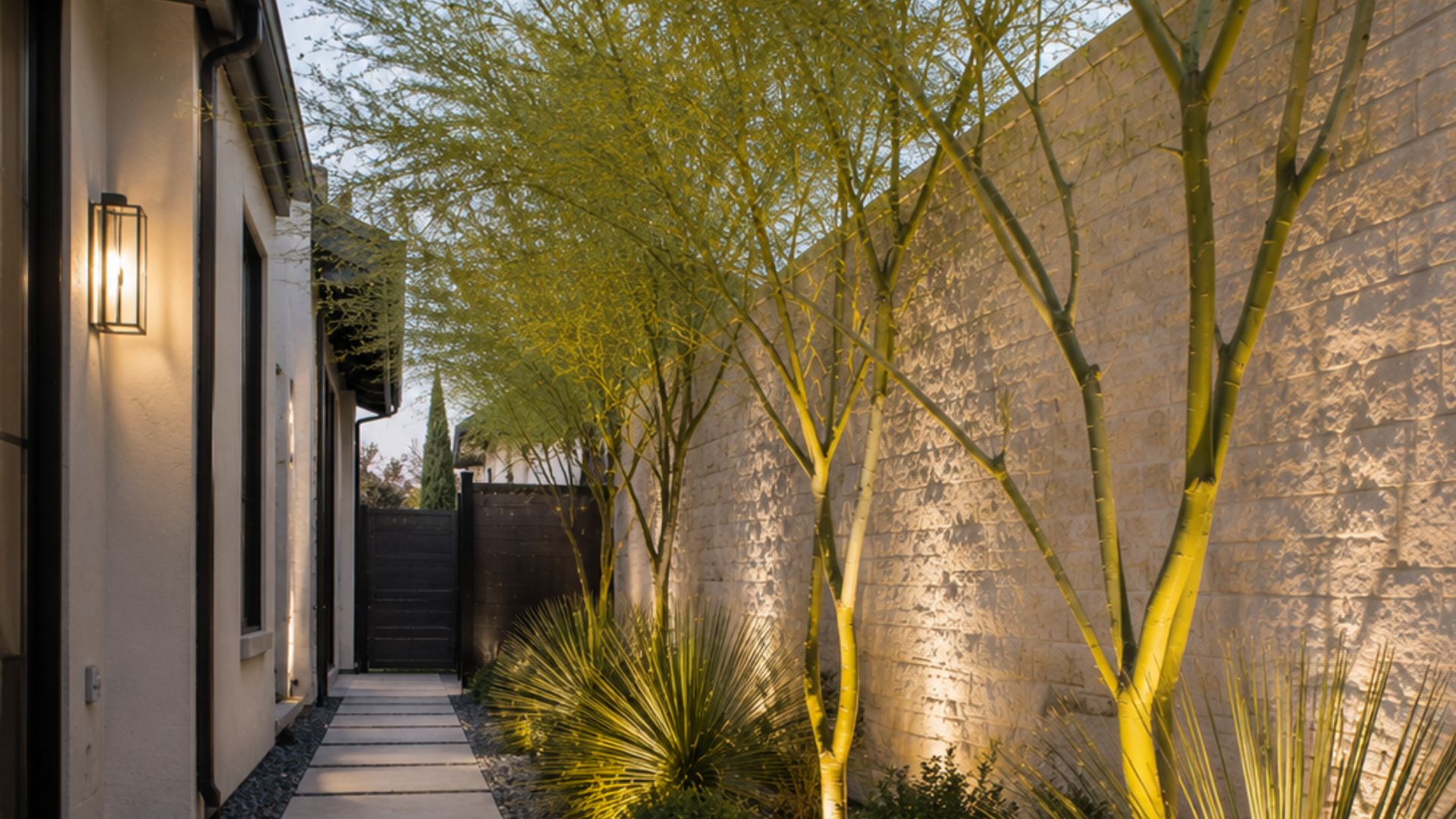


Palo Verde
A fast-growing ornamental tree recognized for its vibrant green bark, airy canopy, and brilliant yellow flowers that bloom in spring. Typically grows 20–30 feet tall and 20–30 feet wide, providing filtered shade without feeling heavy or dense. Hardy in USDA Zones 8–11, Palo Verde thrives in hot, dry climates and is an excellent focal tree for desert-style and xeriscape landscapes throughout North Texas.
Palo Verde
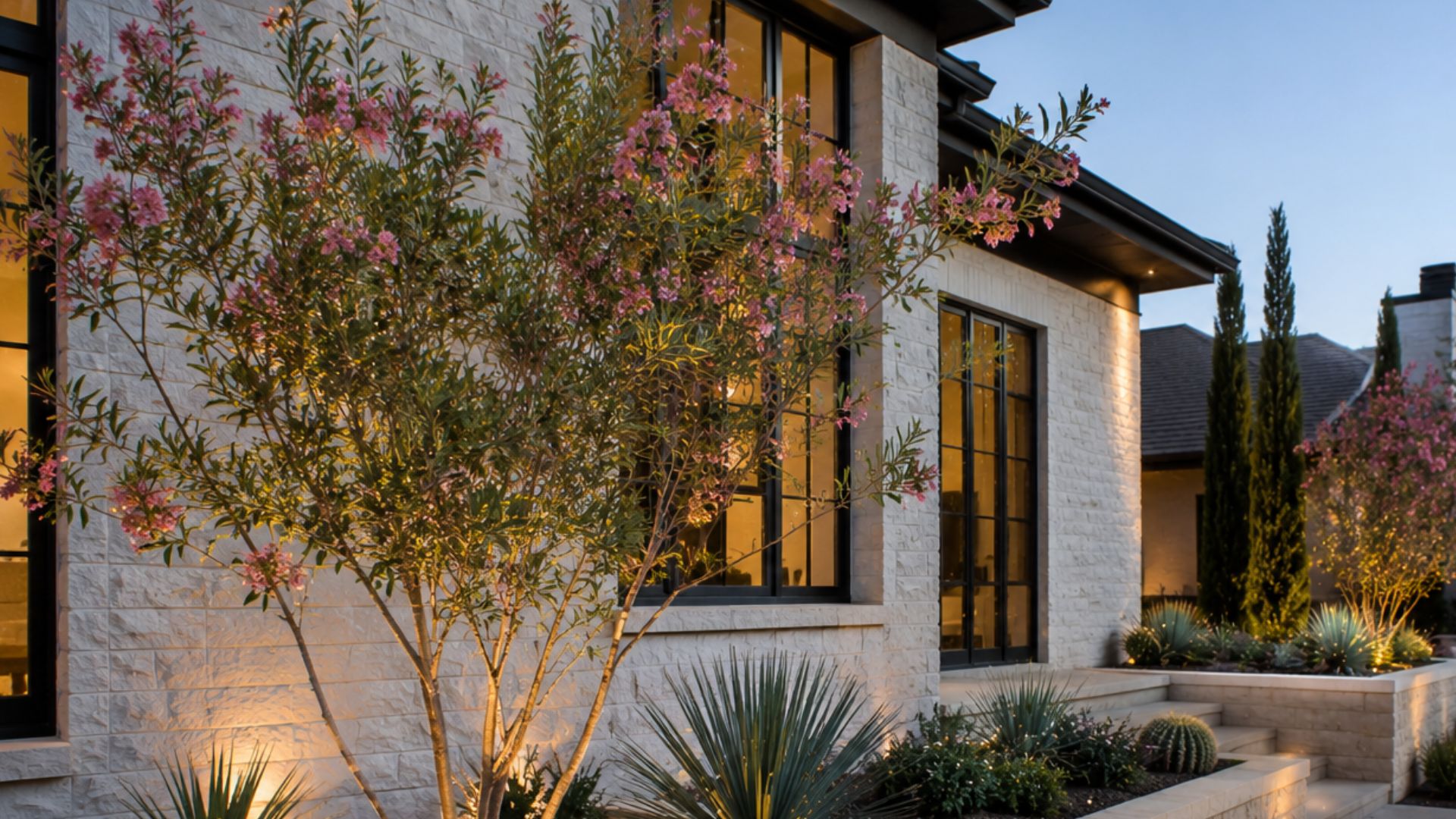
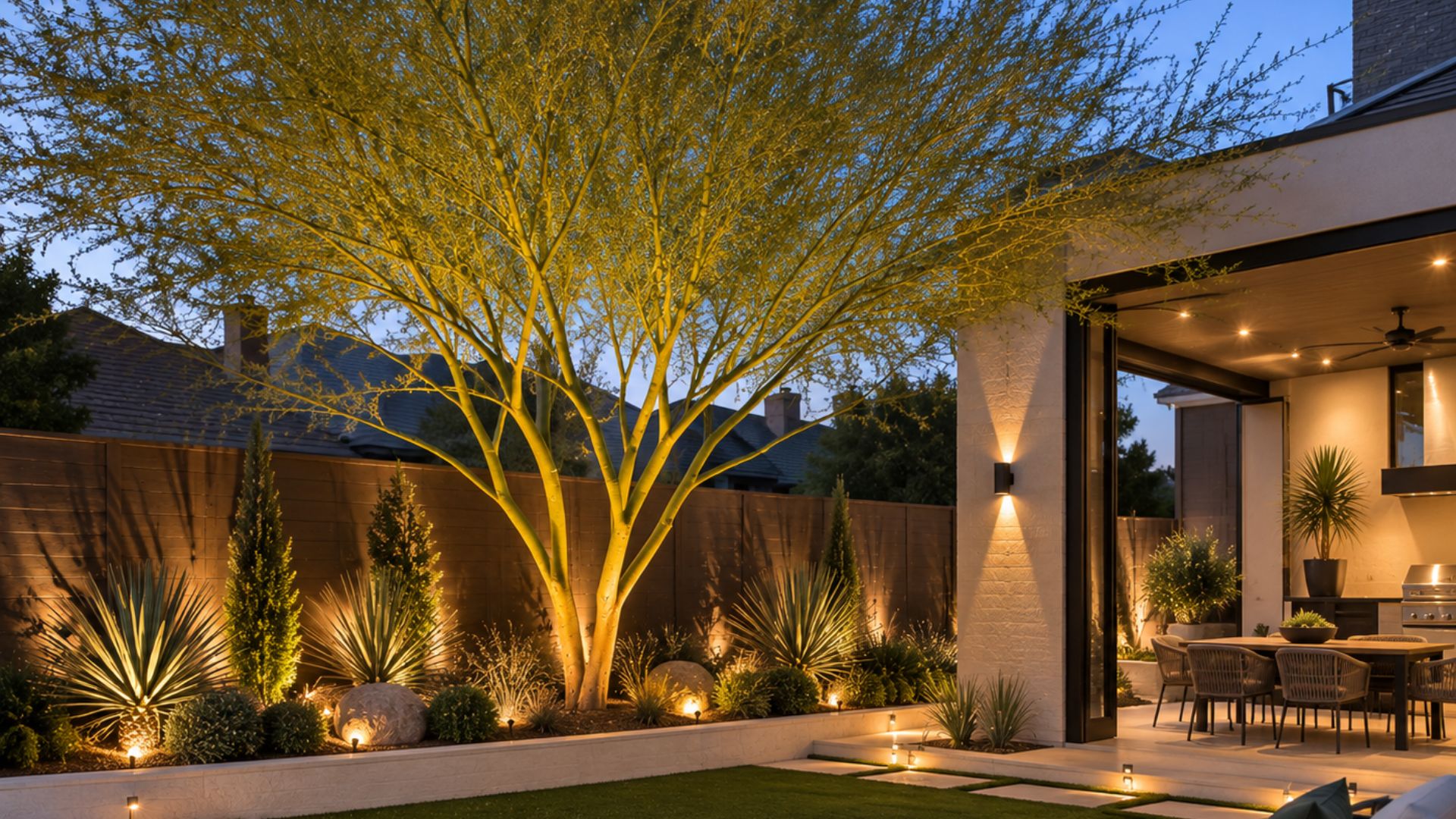
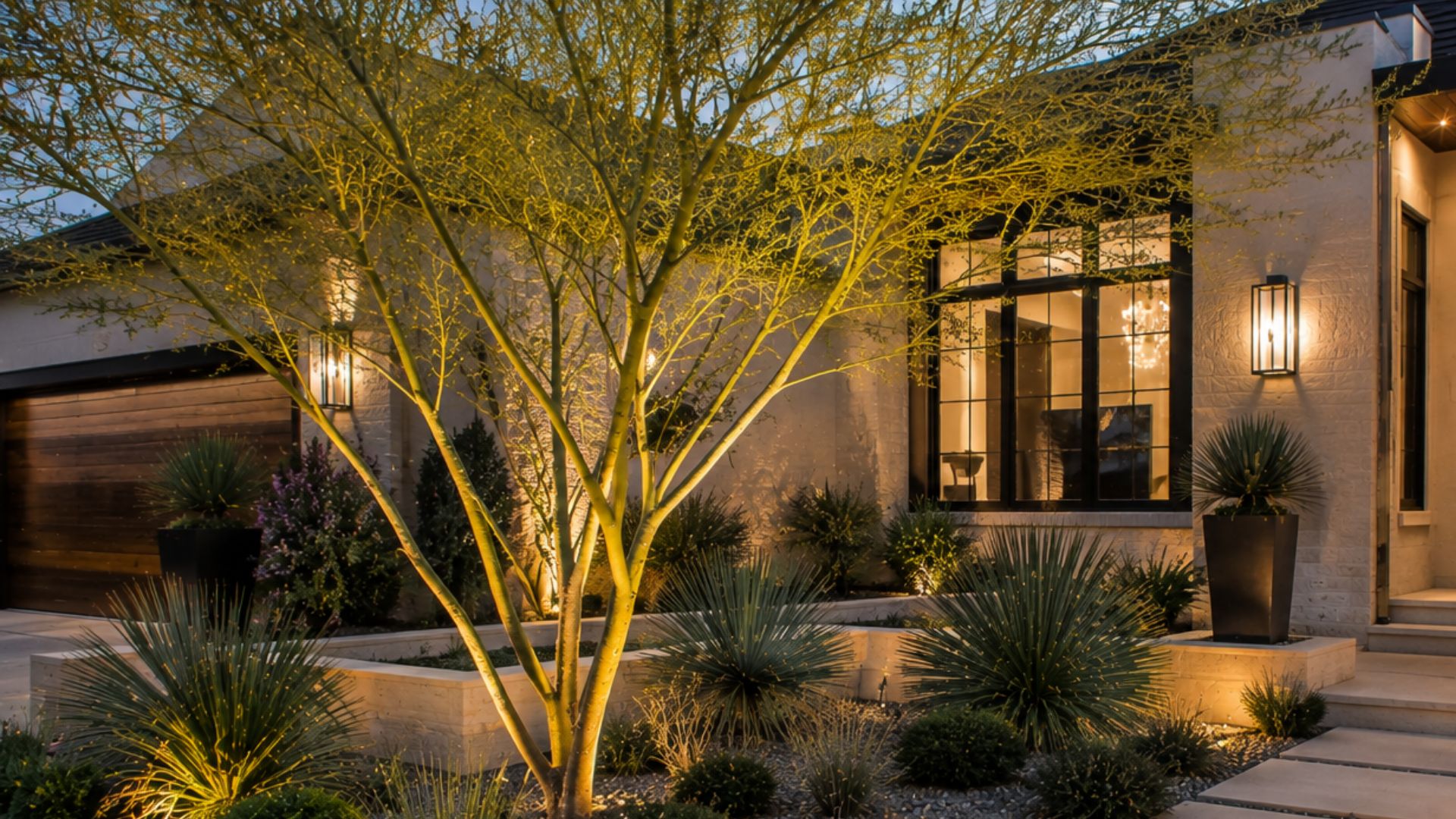
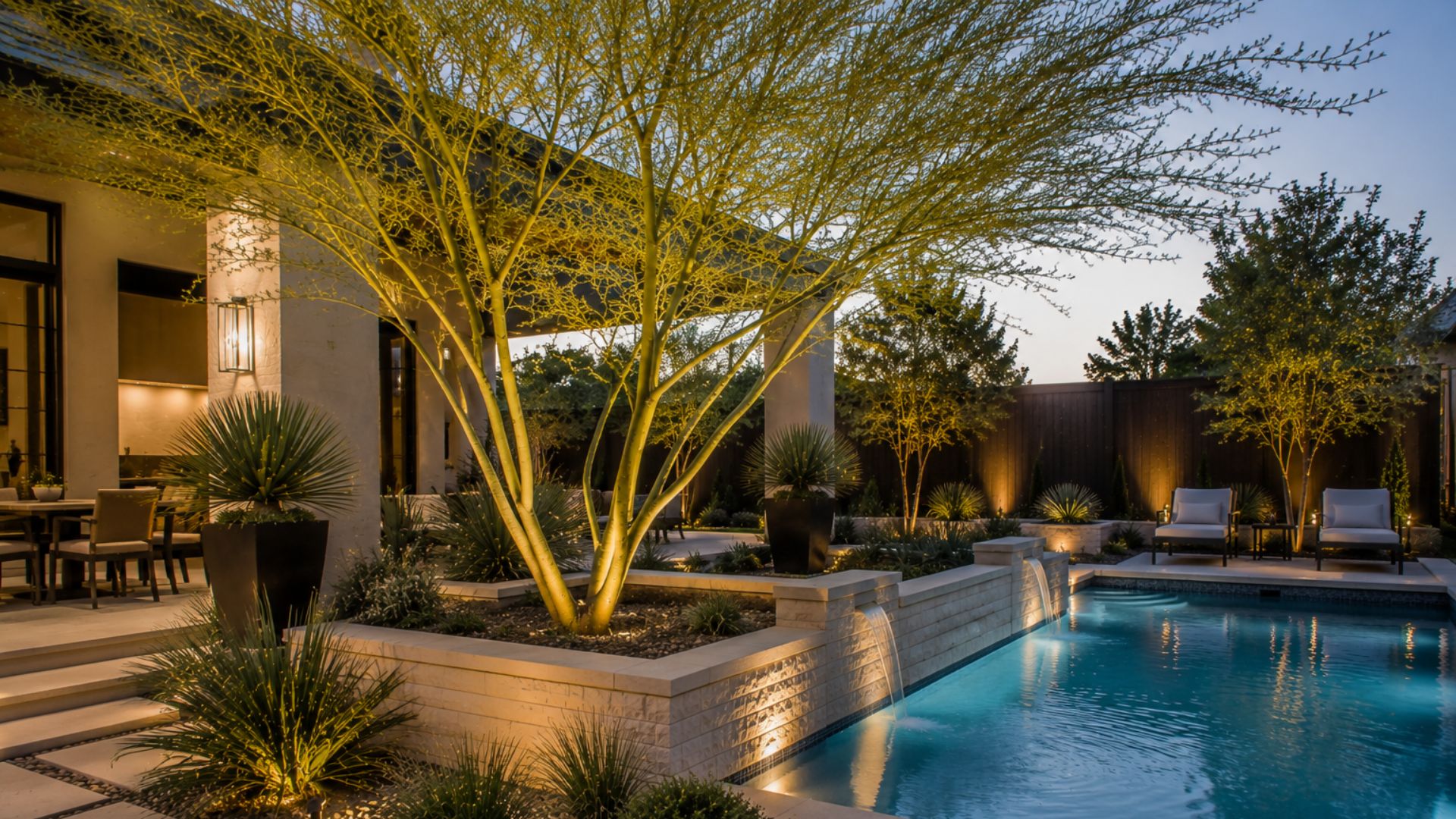
Palo Verde (Parkinsonia species) is one of the signature trees of Southwestern landscape design, admired for its unique green trunk and branches that remain colorful throughout the year. Unlike many ornamental trees, its bark continues to photosynthesize, giving the tree visual interest even when foliage is sparse. In spring, the canopy becomes covered in bright yellow flowers, creating a striking display that contrasts beautifully against its green stems and fine-textured leaves.
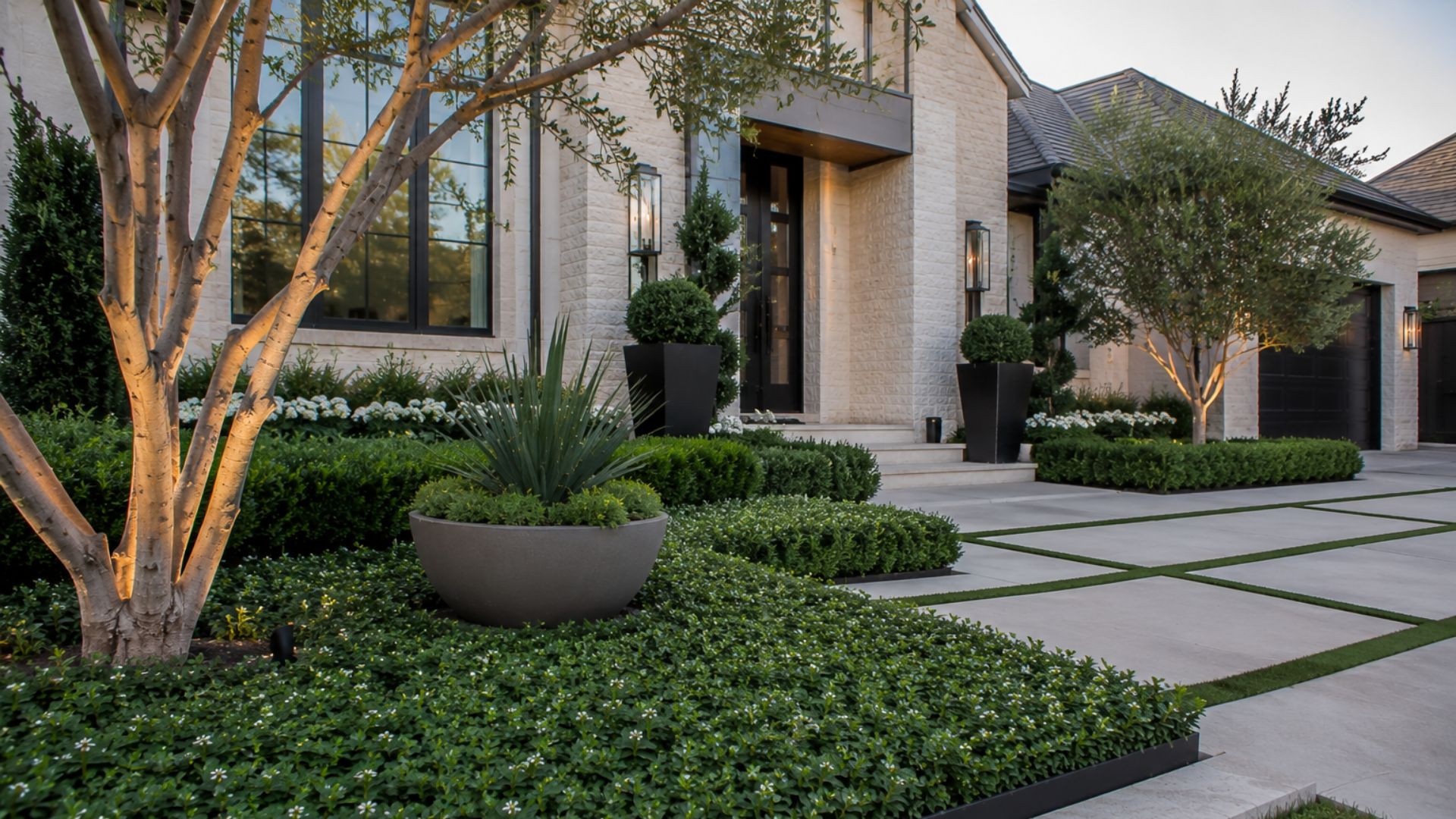
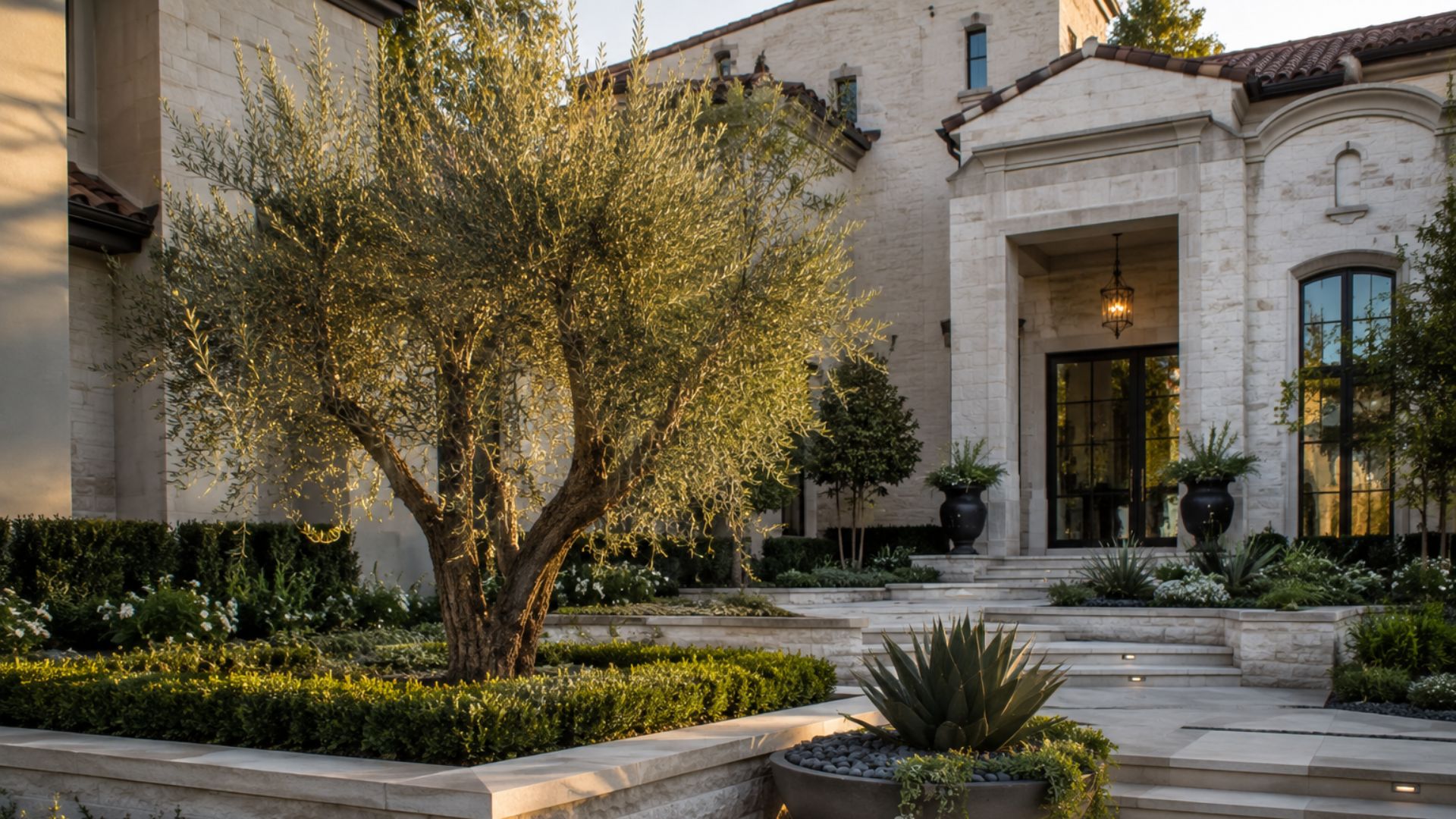
Its open, airy branching pattern allows filtered sunlight to reach surrounding plants, making it an excellent tree for layered desert-style landscapes. Palo Verde works beautifully as a specimen tree near driveways, courtyards, pool areas, and large planting beds where its graceful form can be fully appreciated. Its distinctive appearance has made it increasingly popular among homeowners in Plano looking for a modern, drought-conscious landscape with a Southwestern character.
Palo Verde performs best in full sun and requires well-draining soil to thrive. Once established, it has excellent drought tolerance and requires only occasional deep watering during prolonged dry periods. Overwatering should be avoided, as the tree naturally prefers dry conditions and develops stronger roots with infrequent irrigation.
Minimal pruning is required beyond removing crossing branches or lightly shaping the canopy during the dormant season. Young trees may benefit from structural pruning to develop a strong framework, while mature specimens require very little ongoing maintenance. Its adaptability to heat and low-water conditions makes it an excellent choice for Southlake landscapes designed around long-term sustainability.
The most common issue with Palo Verde is excessive watering. Too much moisture can weaken the root system and encourage overly rapid, weak growth that is more susceptible to storm damage. Proper drainage and conservative irrigation help maintain a healthy, structurally sound tree.
Young trees may require staking during establishment, especially in windy locations, but supports should be removed once the trunk has strengthened. Palo Verde is generally resistant to serious pests and diseases, making it a dependable choice for North Texas landscapes. Occasional light pruning helps maintain a balanced canopy and removes any damaged limbs following severe weather.
Absolutely. Palo Verde is one of the defining trees of Southwestern and desert-style landscaping. Its bright green bark, airy canopy, and vibrant yellow spring flowers create a distinctive look while requiring very little water once established.
Yes. Palo Verde is considered semi-deciduous and may lose some or most of its leaves during winter or periods of prolonged drought. Even without foliage, its green trunk and branches continue to provide year-round visual interest, making it an attractive landscape tree in every season.
Yes, certain cold-hardy Palo Verde varieties can perform well in North Texas when planted in full sun with excellent drainage. While young trees may need protection during unusually severe freezes, established specimens are well suited to the hot summers and dry conditions found throughout the DFW area, making them an excellent addition to desert-style landscapes in Southlake and surrounding communities.
You might also like