


Red Yucca
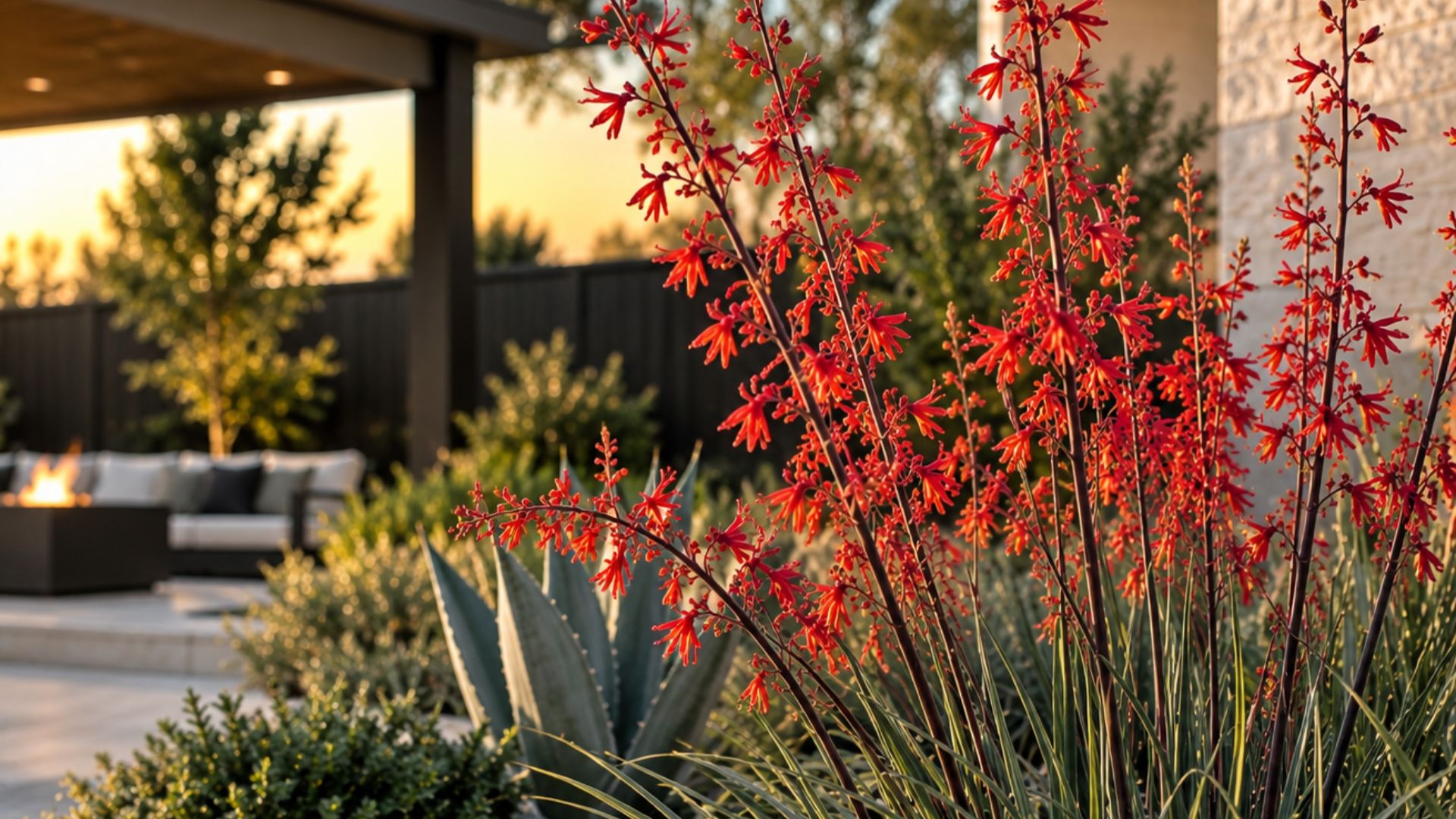
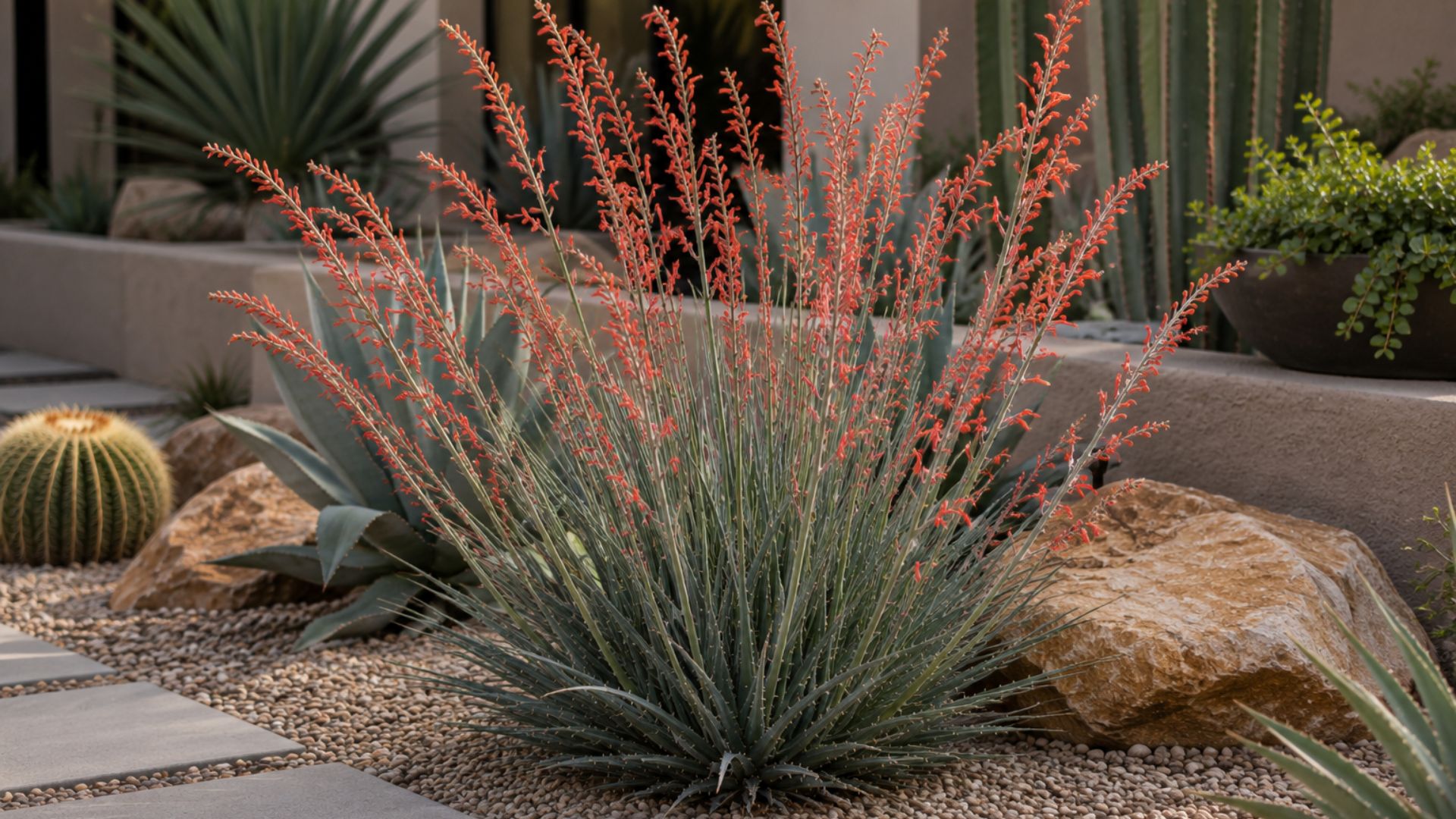
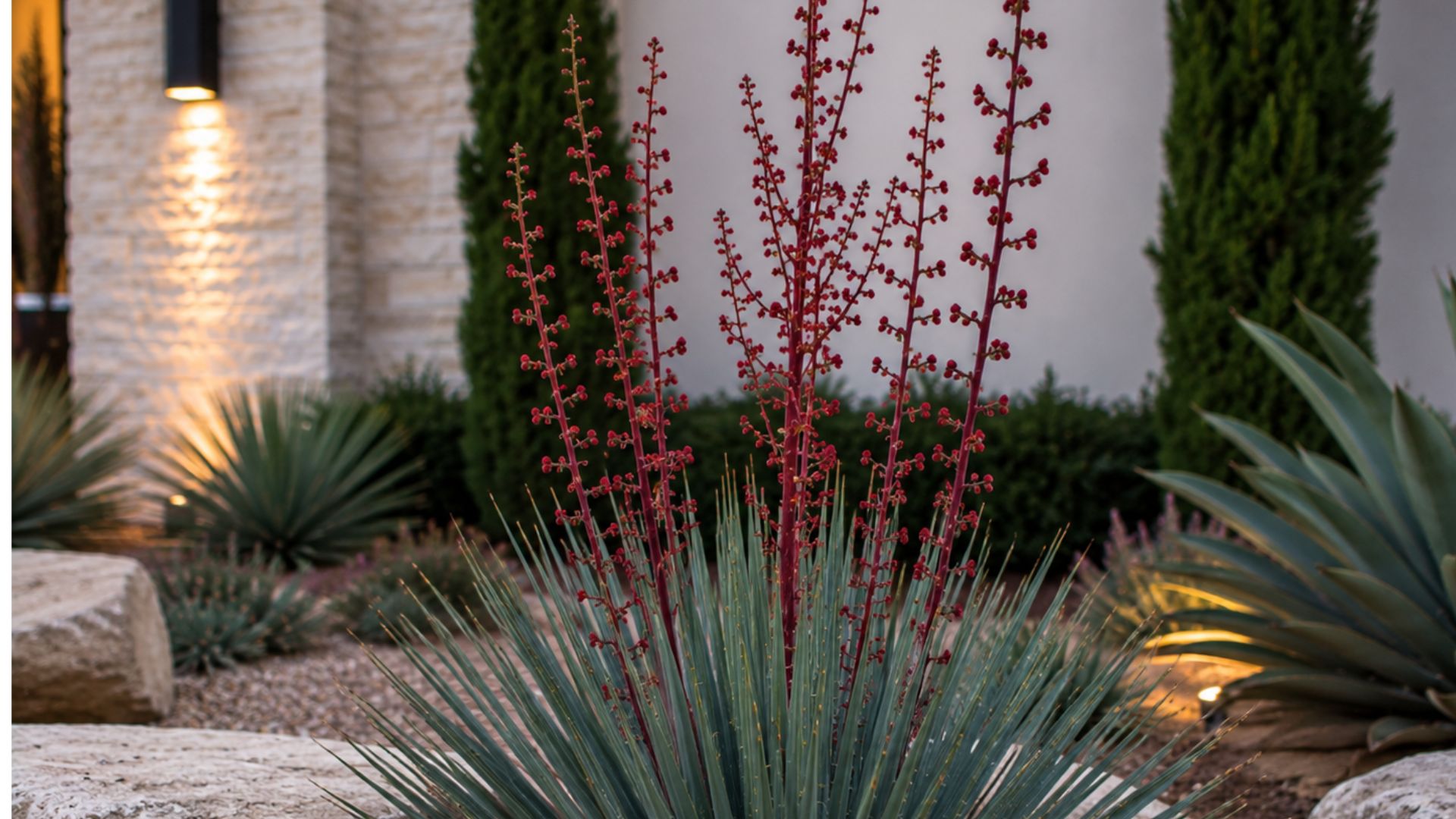
A bold, evergreen accent plant with narrow, arching blue-green leaves and tall flower stalks covered in coral-red to pink tubular blooms. Typically grows 2–3 feet tall and 3–4 feet wide, with flower stalks reaching 5–6 feet. Hardy in USDA Zones 5–11, Red Yucca handles intense sun, drought, and North Texas summers exceptionally well, making it a dependable choice for desert-style landscapes, gravel gardens, and modern planting beds.
Red Yucca
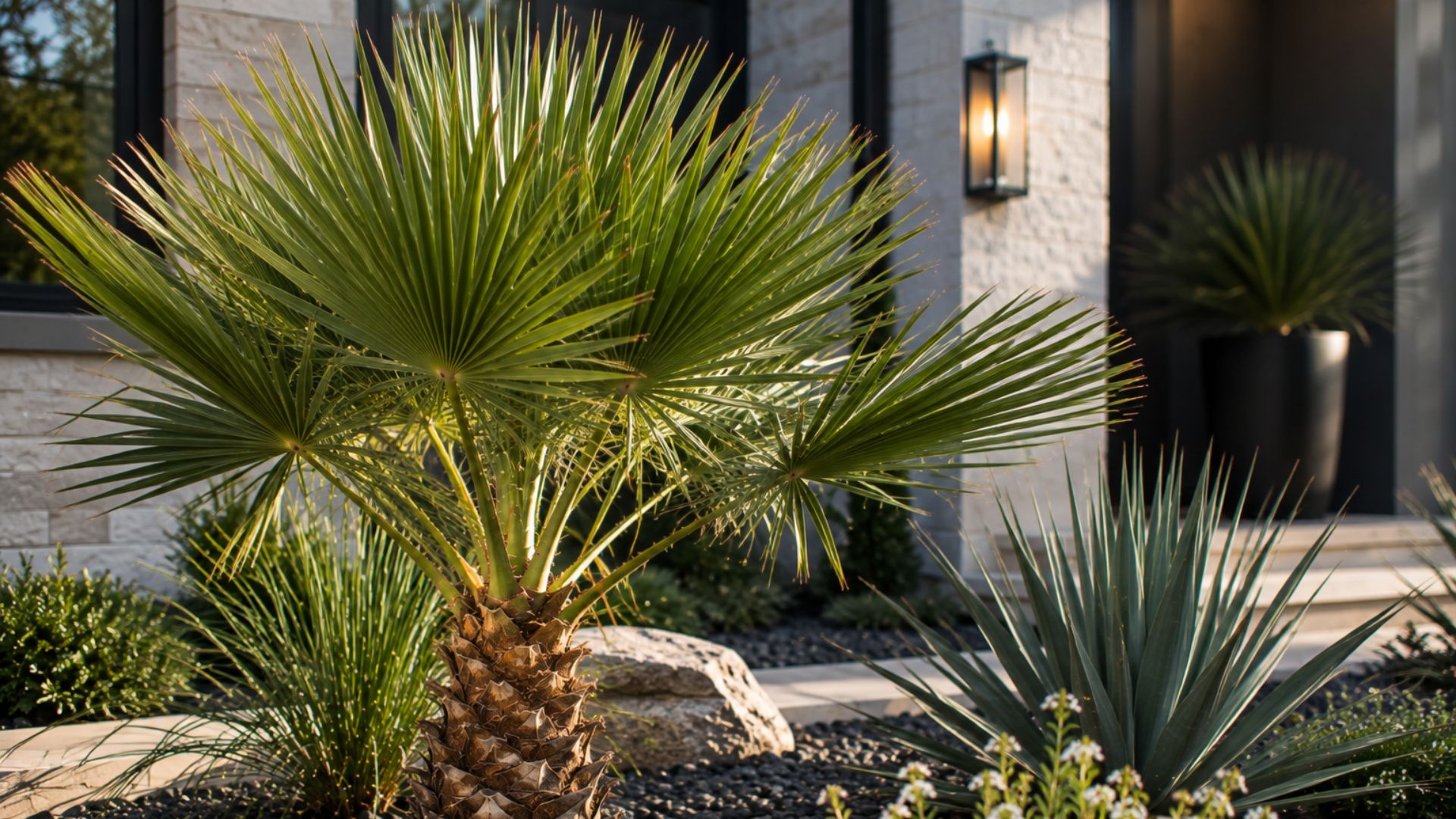
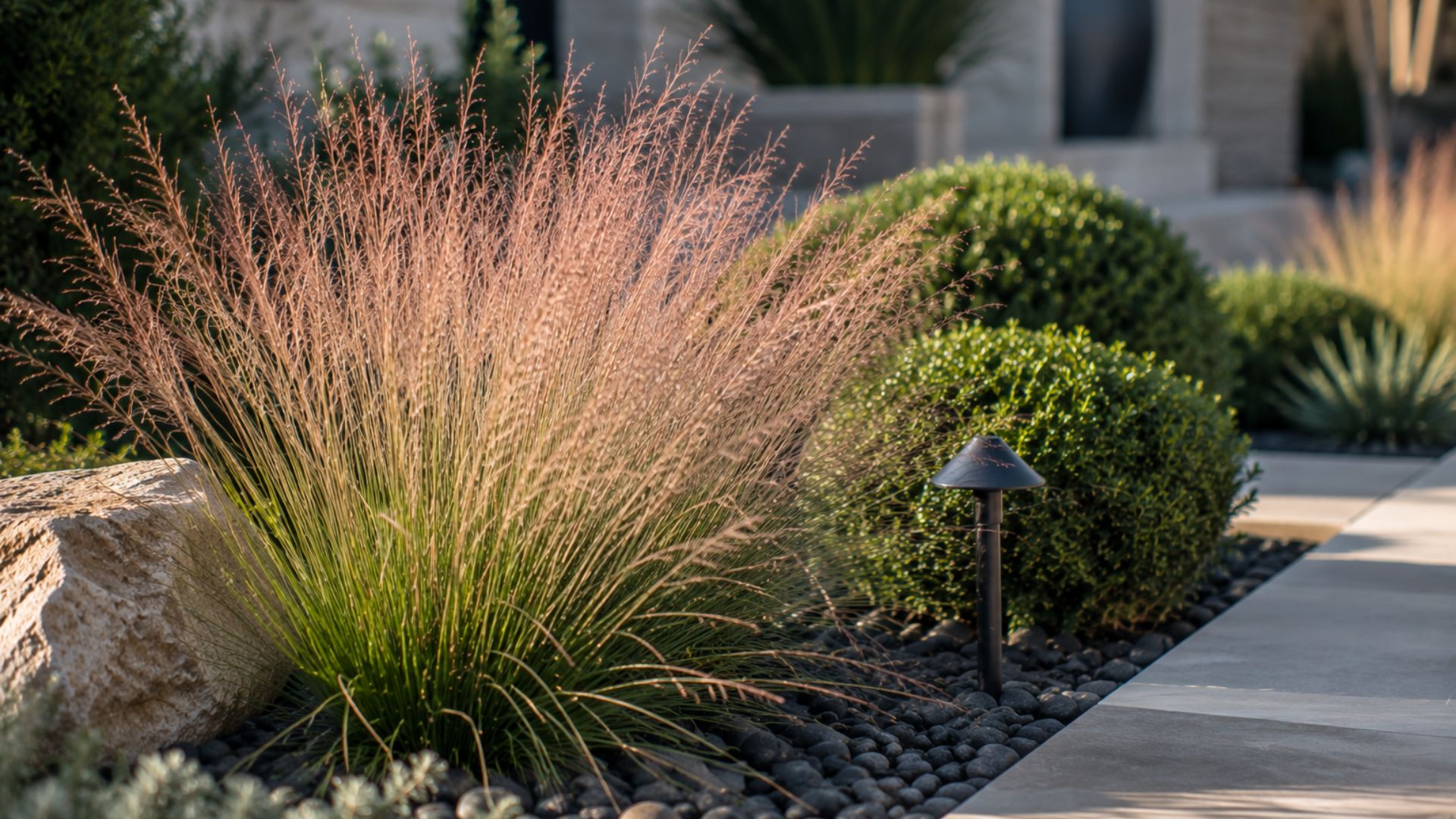
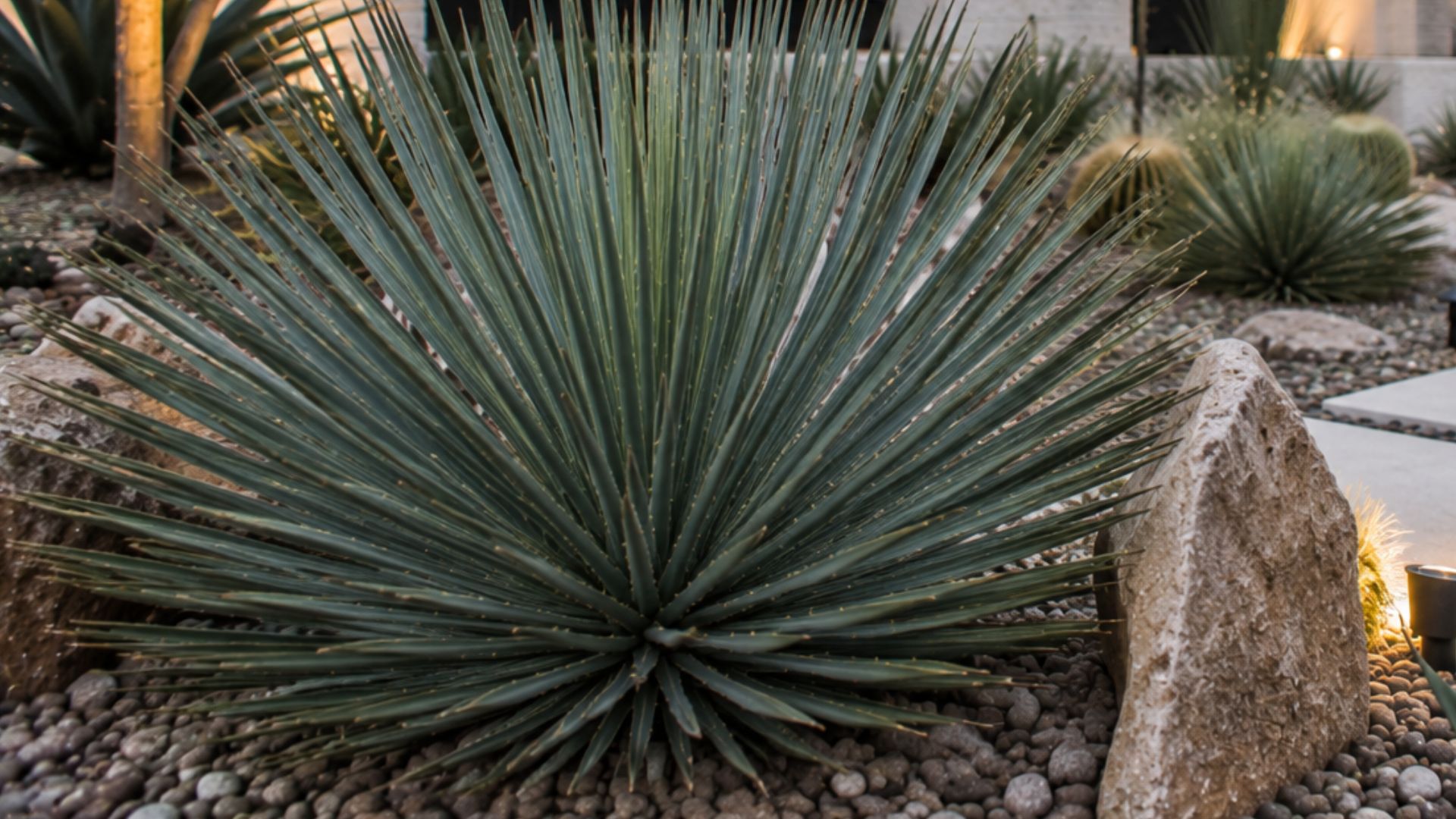
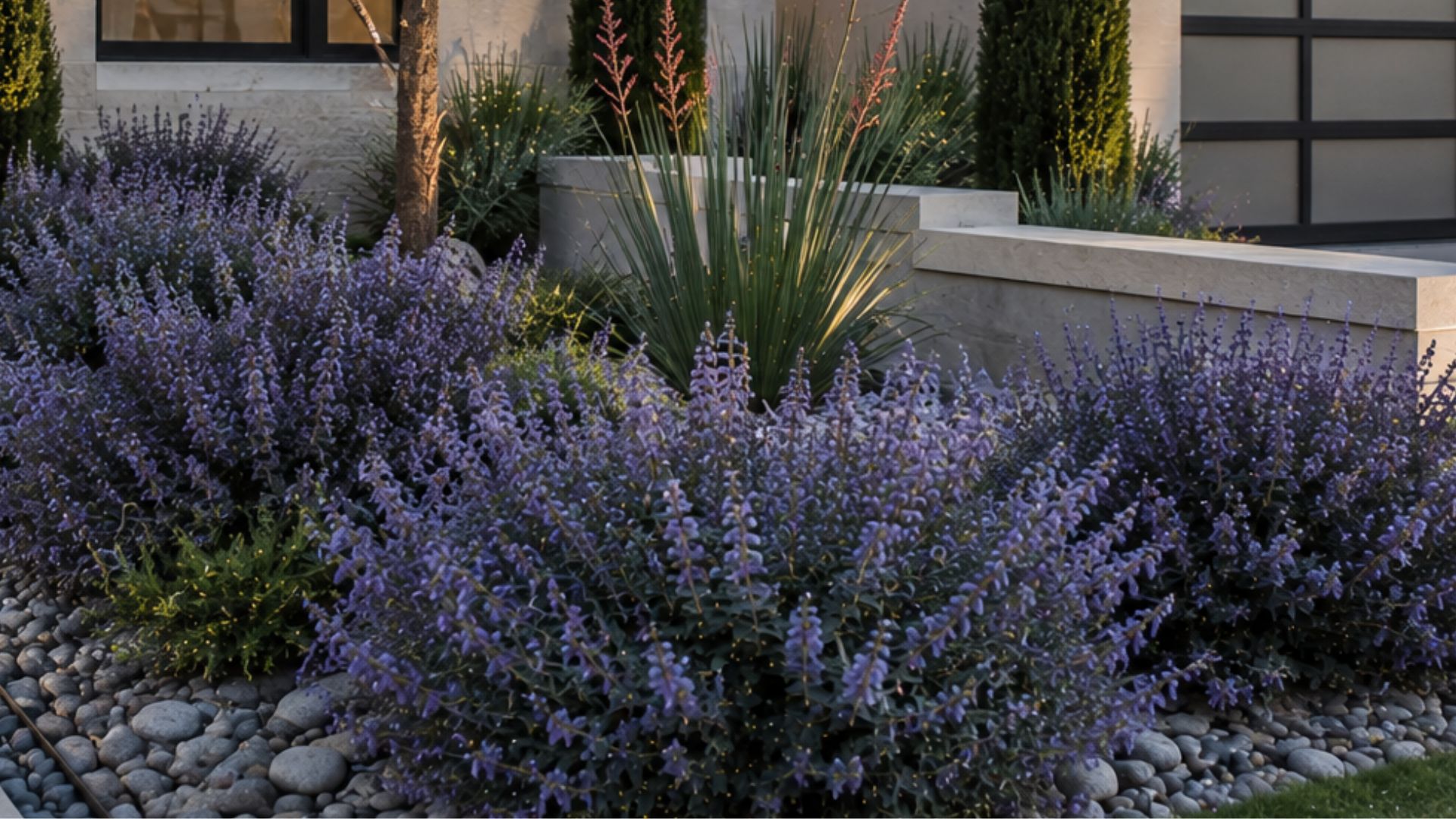
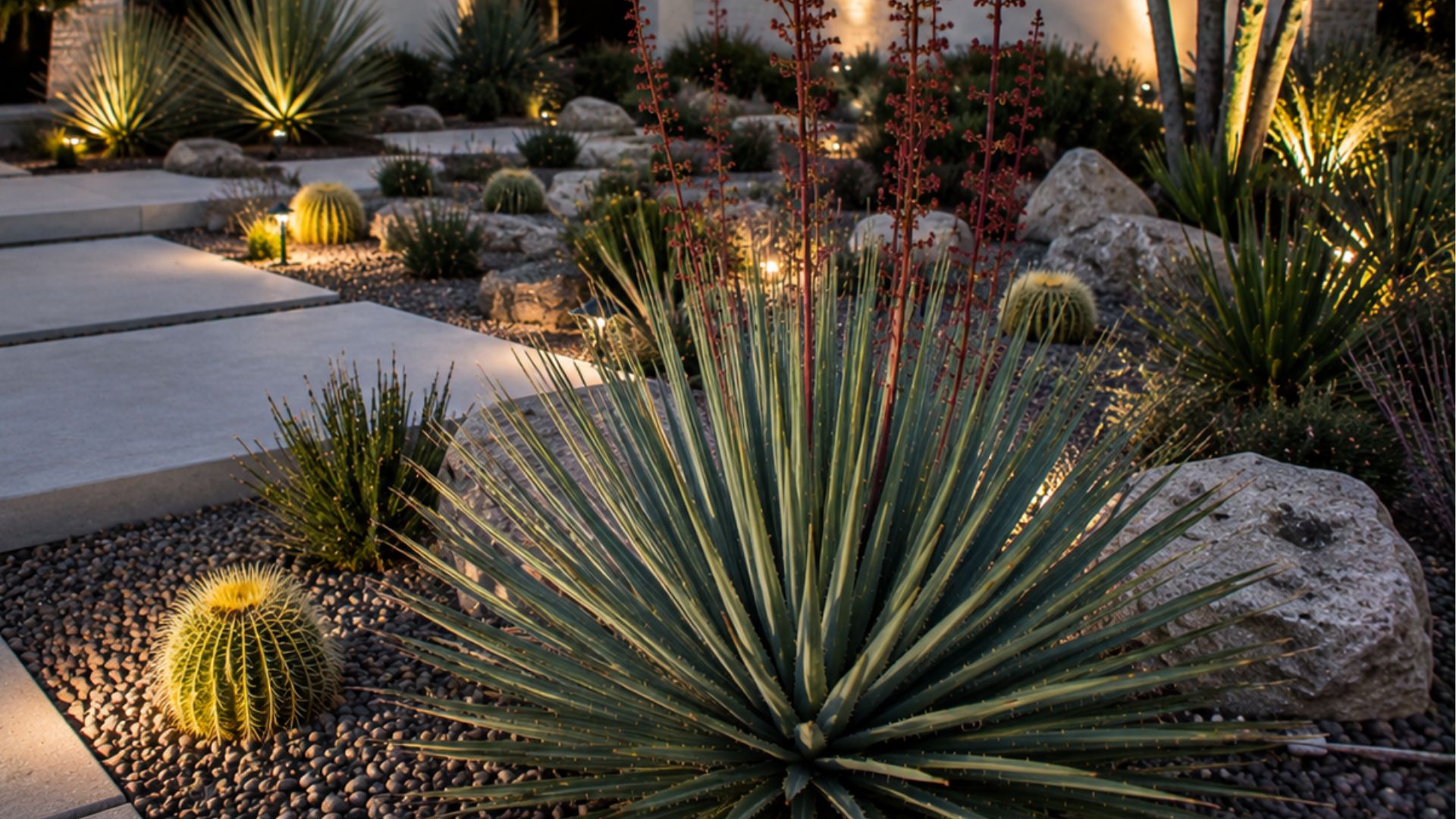
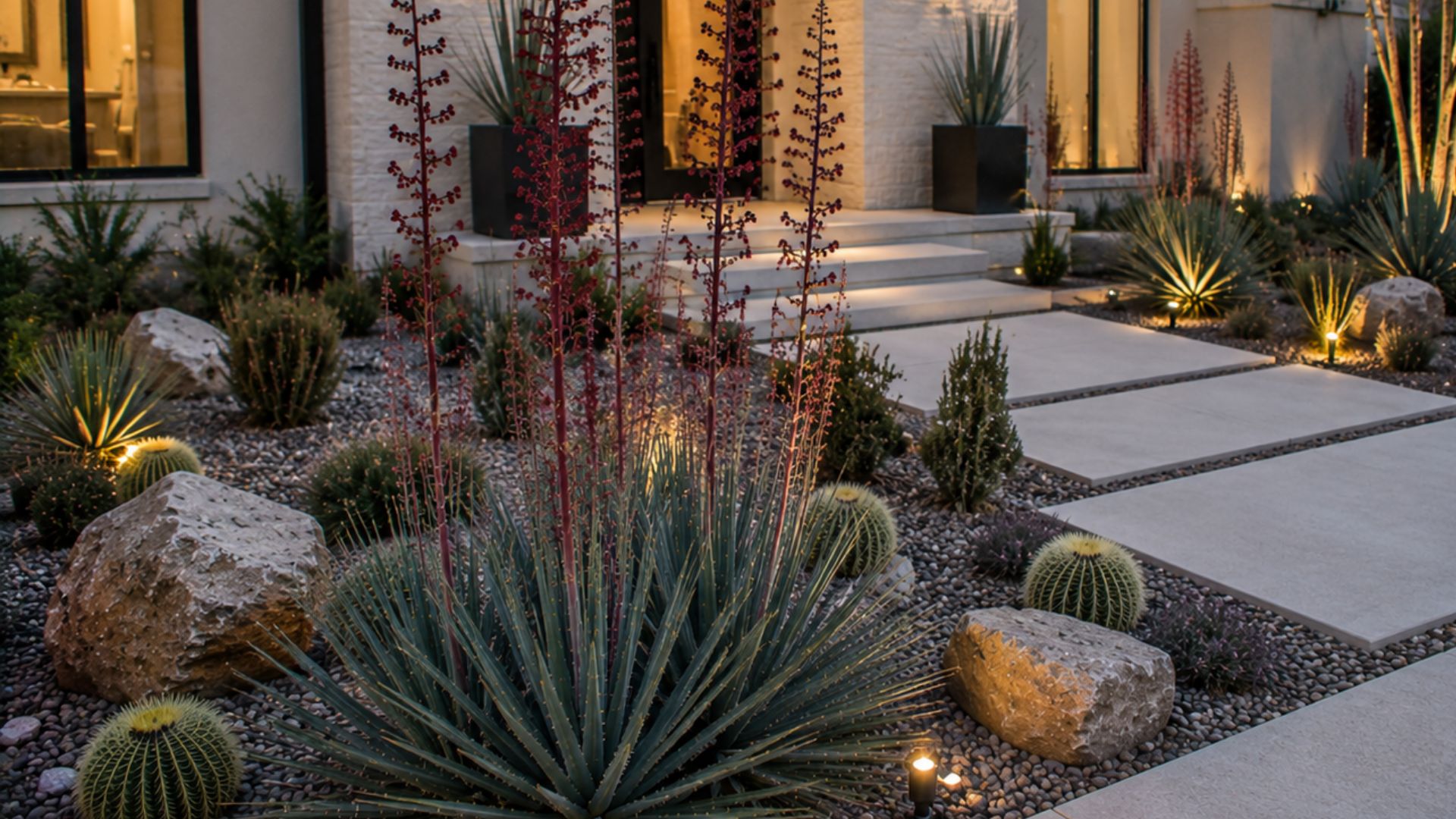
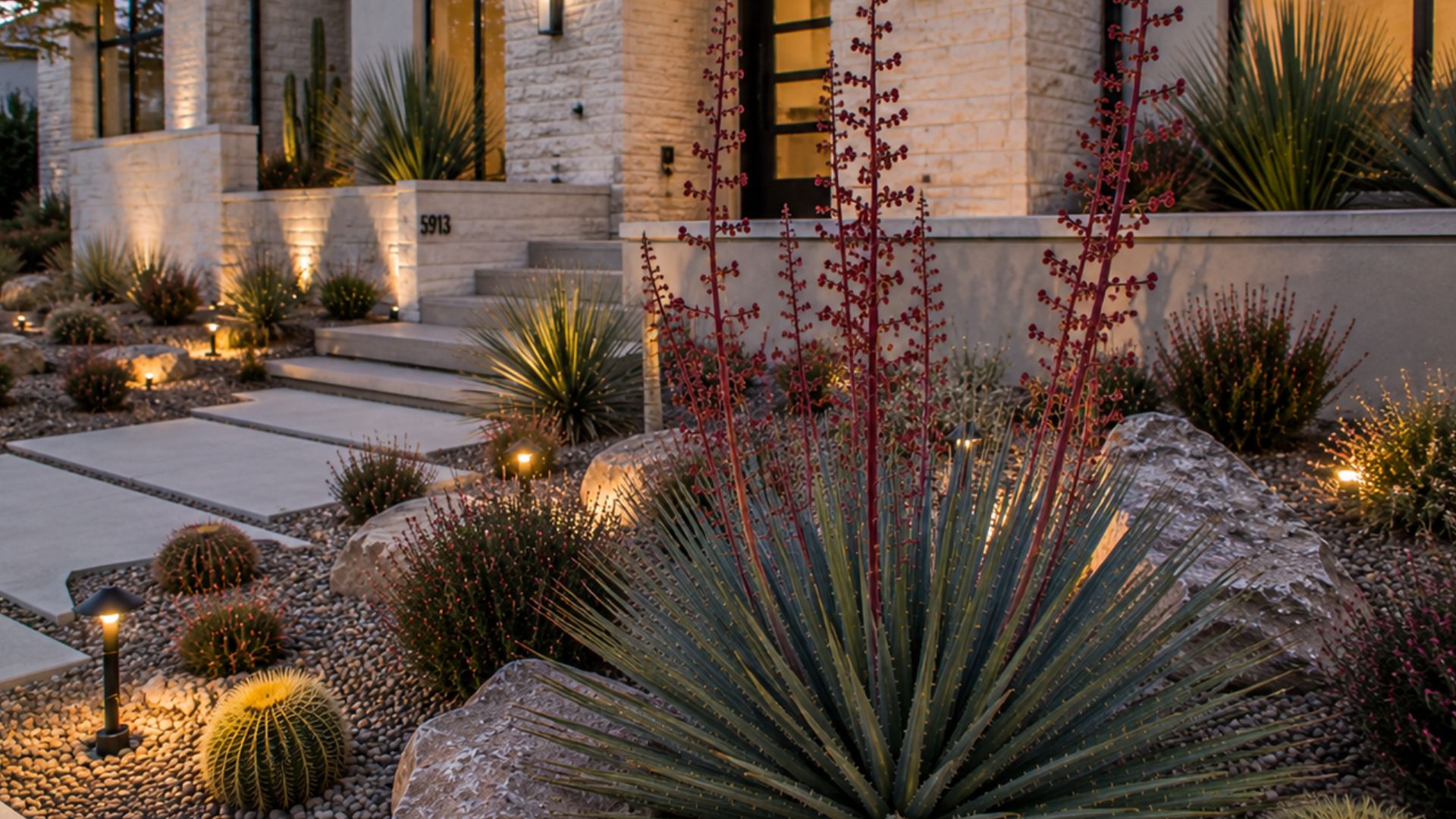
Red Yucca (Hesperaloe parviflora) is a durable, architectural perennial that brings both structure and color to desert-style landscapes. Despite its common name, it isn't a true yucca. Its long, narrow leaves form a graceful fountain-like shape, while tall flowering stalks rise above the foliage from late spring through summer. The coral-red and pink blooms create a striking contrast against its blue-green leaves and surrounding hardscape.
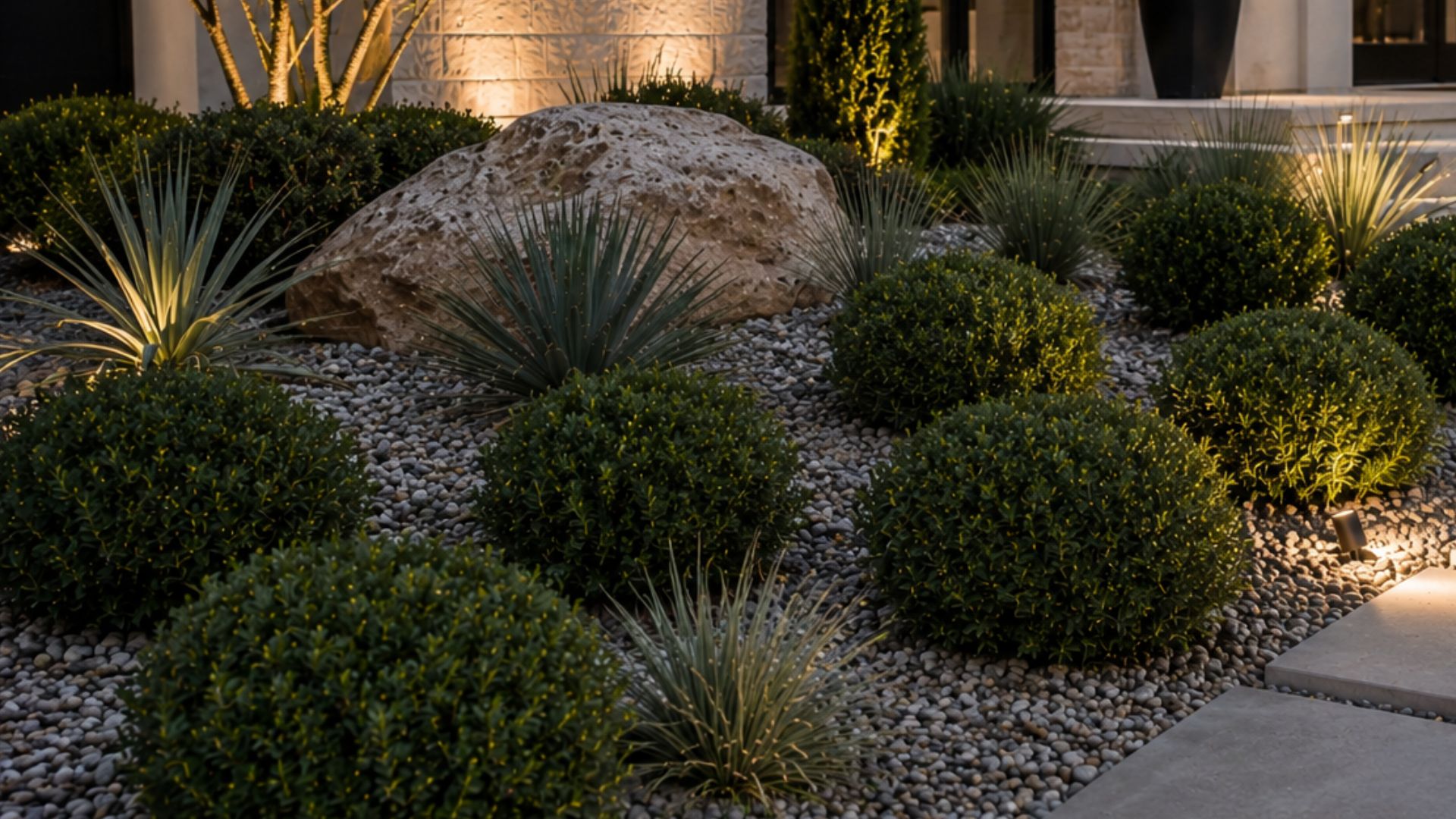
Red Yucca is particularly useful when a landscape needs a strong accent without the heavy appearance of a larger shrub. It can be repeated along walkways, incorporated into gravel beds, or used around boulders and modern hardscape to create rhythm throughout a design. Its ability to remain attractive with limited irrigation makes it especially well suited to Southlake desert-style landscapes, where homeowners often want a polished appearance that can withstand long periods of Texas heat.
Red Yucca performs best in full sun, although it can tolerate some light shade. For the strongest flowering and most compact growth, choose a location that receives at least six hours of direct sunlight each day. Well-draining soil is important, especially in areas with heavy North Texas clay.
Once established, Red Yucca requires very little supplemental water. Deep, occasional watering is preferable to frequent irrigation, and the soil should be allowed to dry between waterings. This low-water approach makes Red Yucca particularly useful in Plano xeriscapes and drought-tolerant landscape designs.
Routine maintenance is minimal. Spent flower stalks can be cut back after blooming, while damaged or older leaves can be removed near the base as needed. Fertilization is generally unnecessary.
Red Yucca is remarkably resilient, with overwatering being one of the most common causes of problems. Constantly wet soil can contribute to root or crown rot, so proper drainage and appropriate irrigation are important for long-term health.
Older foliage can occasionally become brown or damaged, particularly following severe winter weather. These leaves can simply be removed once temperatures warm. Red Yucca generally experiences few serious pest or disease problems, which contributes to its popularity in low-maintenance North Texas landscaping.
Placement should also be considered carefully. Although the leaves aren't as rigid as those of many true yuccas, mature plants can become fairly wide. Providing adequate space from sidewalks and frequently traveled areas allows the plant to develop its natural shape.
No. Despite its name and yucca-like appearance, Red Yucca belongs to the Hesperaloe genus rather than the Yucca genus. It has softer, more flexible foliage than many true yuccas and produces distinctive tall stalks of tubular flowers.
Red Yucca has an impressively long flowering season. Blooms generally begin in late spring and can continue through much of the summer, with established plants sometimes flowering into early fall. This extended color is especially valuable in Southlake landscapes during the hottest months of the year.
Yes. The tubular flowers are especially attractive to hummingbirds and also draw bees, butterflies, and other beneficial pollinators. For Plano homeowners looking to combine a desert-style aesthetic with a more wildlife-friendly landscape, Red Yucca provides both architectural interest and an important seasonal food source.
You might also like