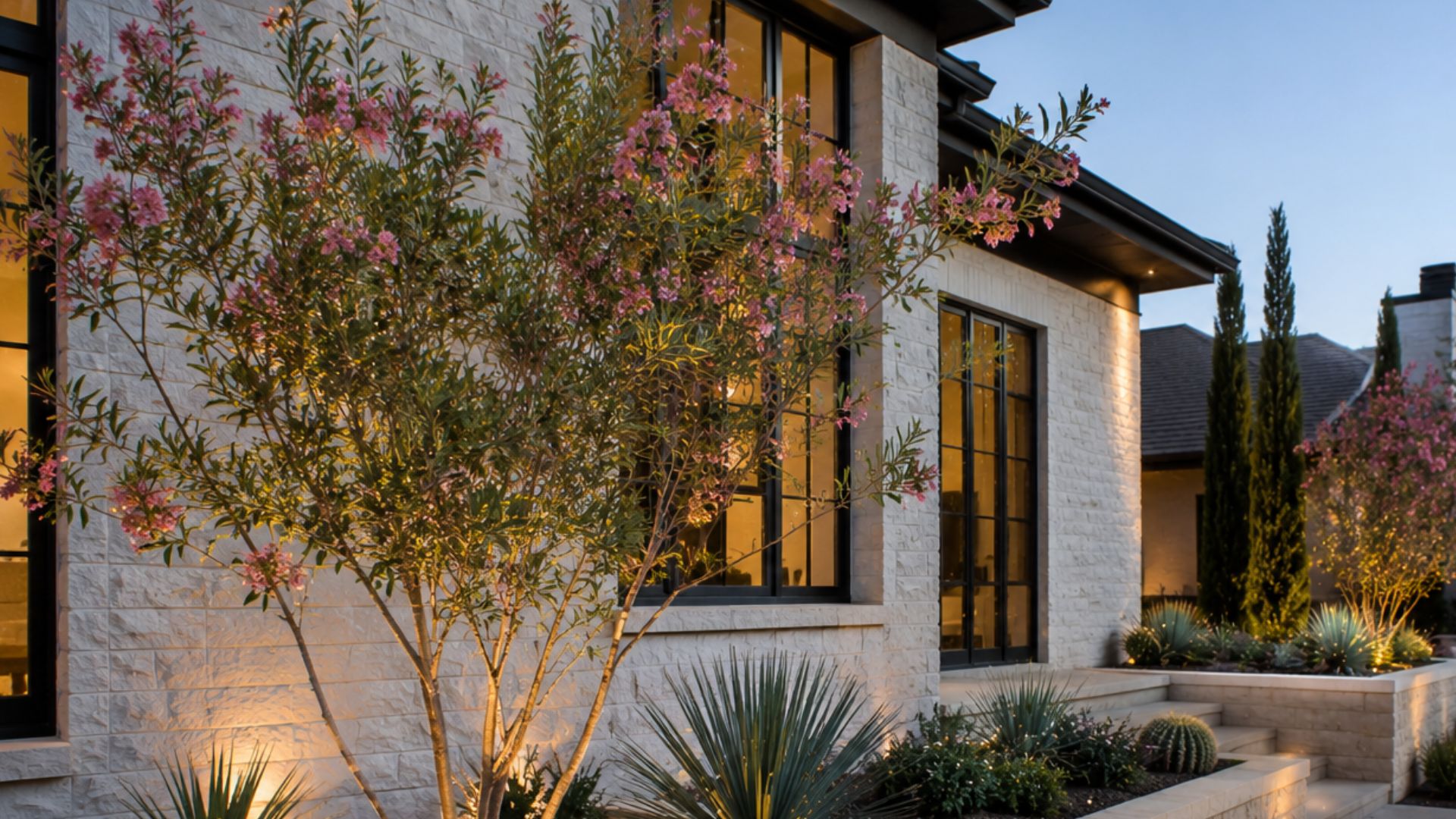
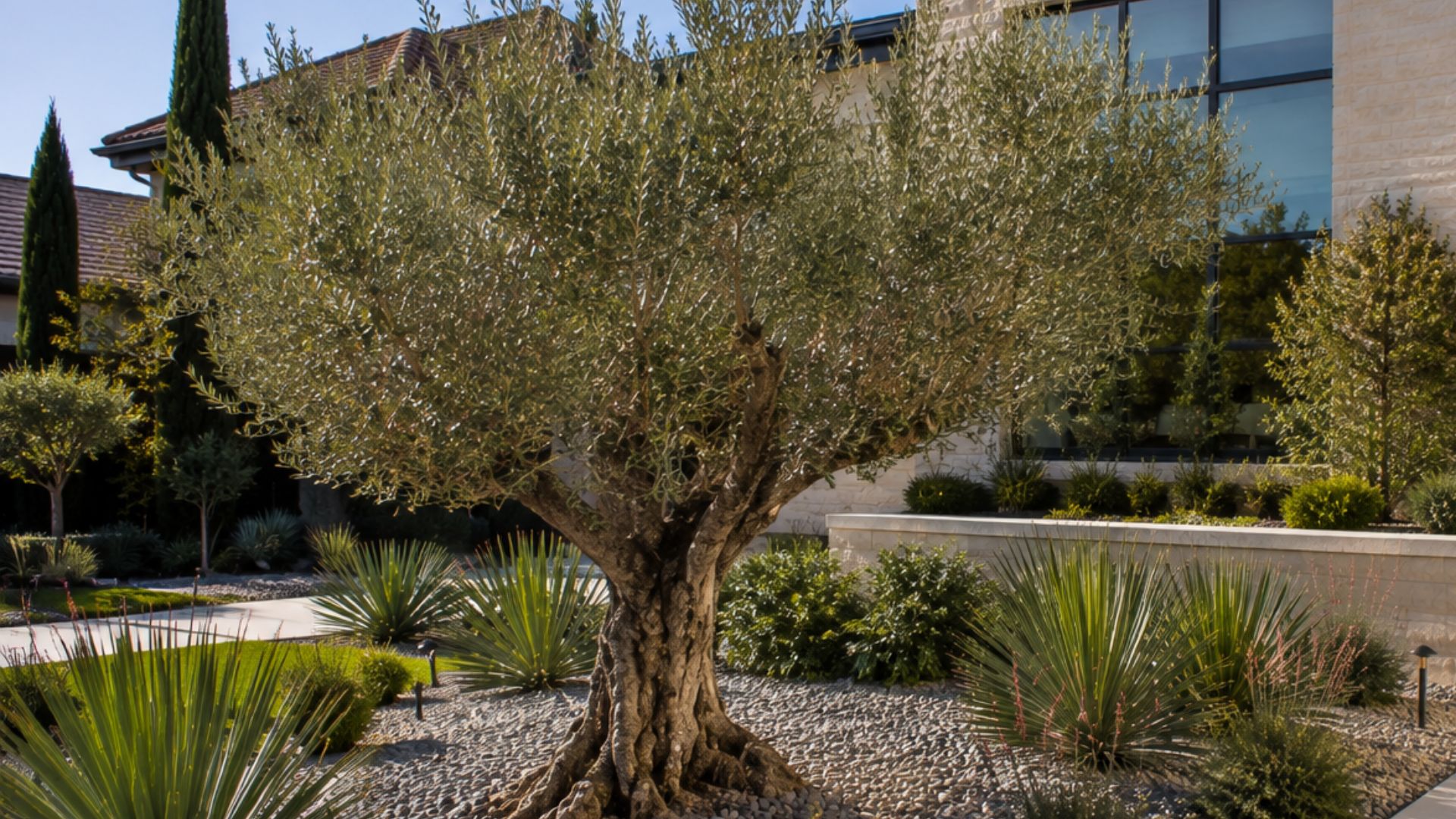


Olive Tree
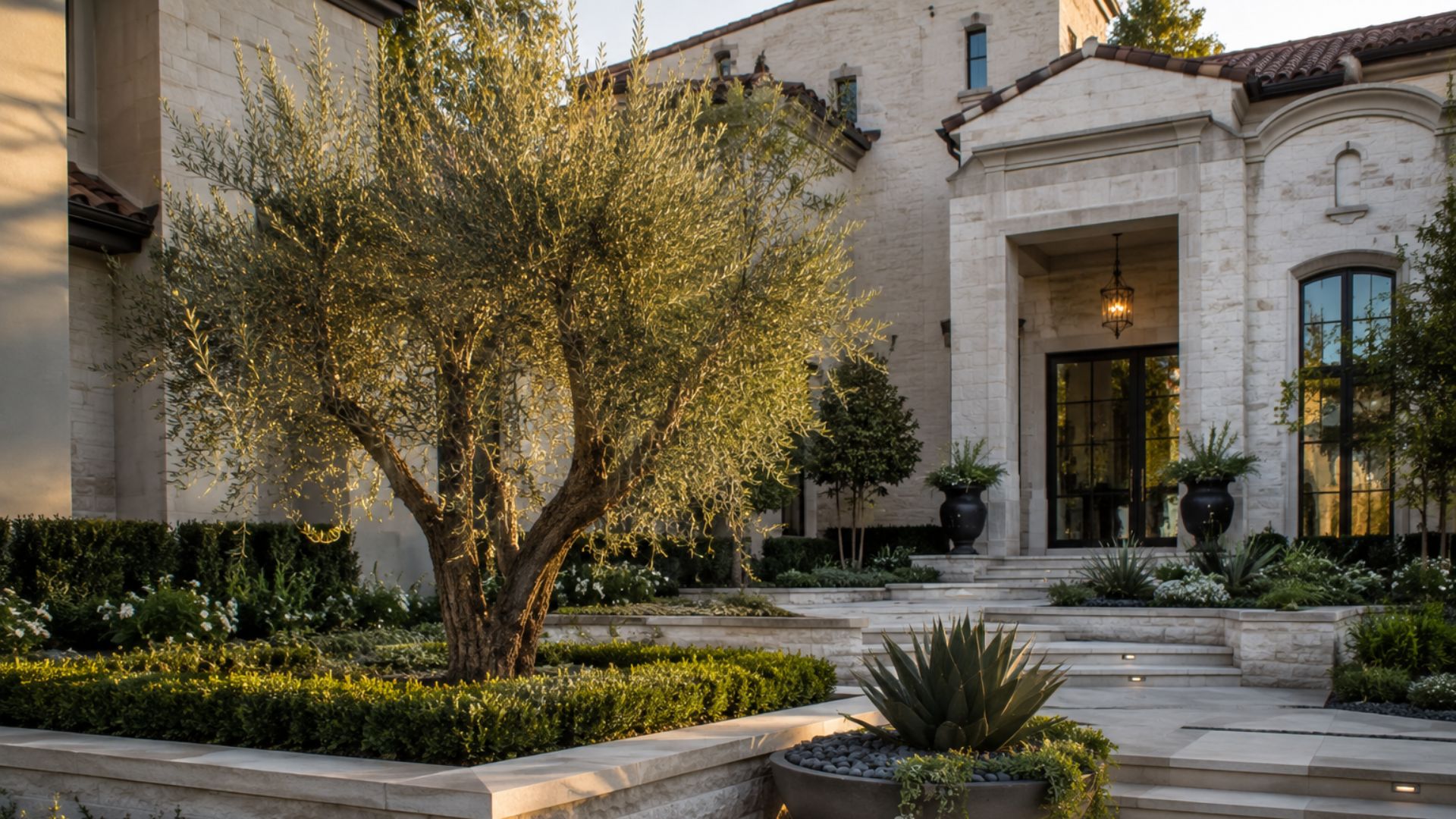
A timeless evergreen tree with silvery-green foliage, gnarled branching, and a graceful canopy that brings Mediterranean character to the landscape. Typically grows 15–30 feet tall and 15–25 feet wide, depending on the variety and pruning style. Hardy in USDA Zones 8–10, Olive Trees thrive in full sun and well-draining soil, making them an excellent choice for desert-style, Mediterranean, and water-wise landscapes throughout North Texas.
Olive Tree
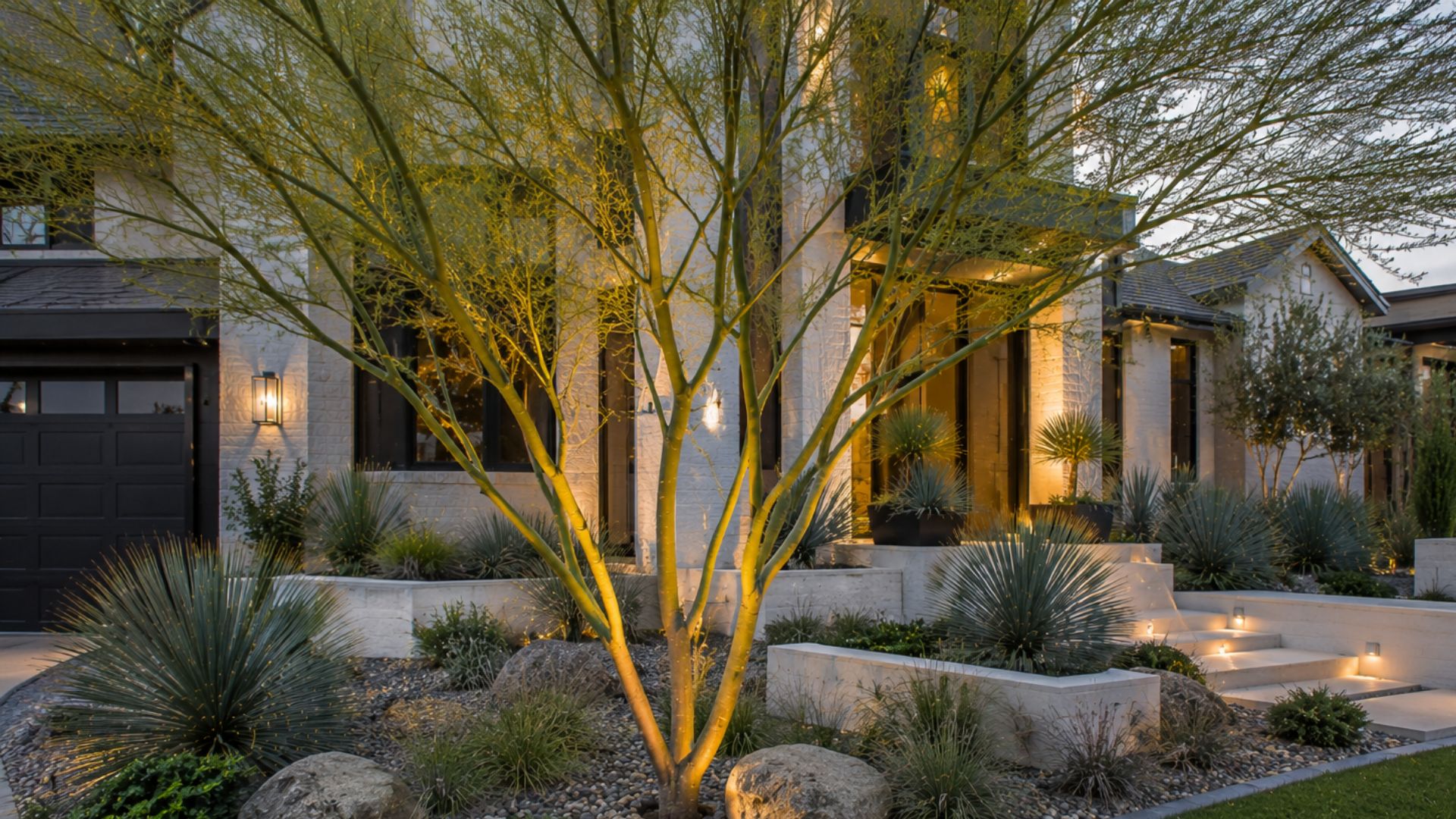
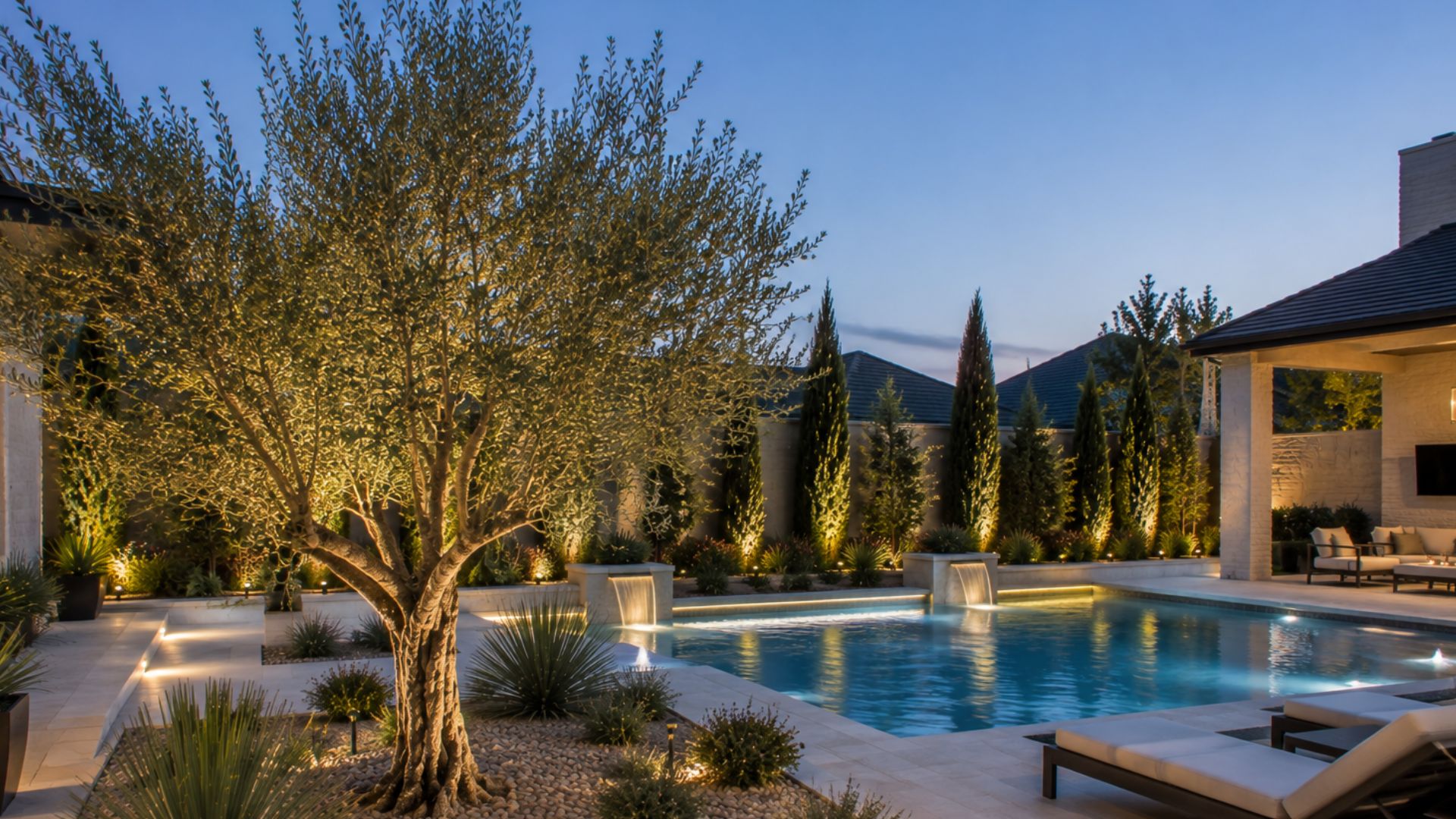
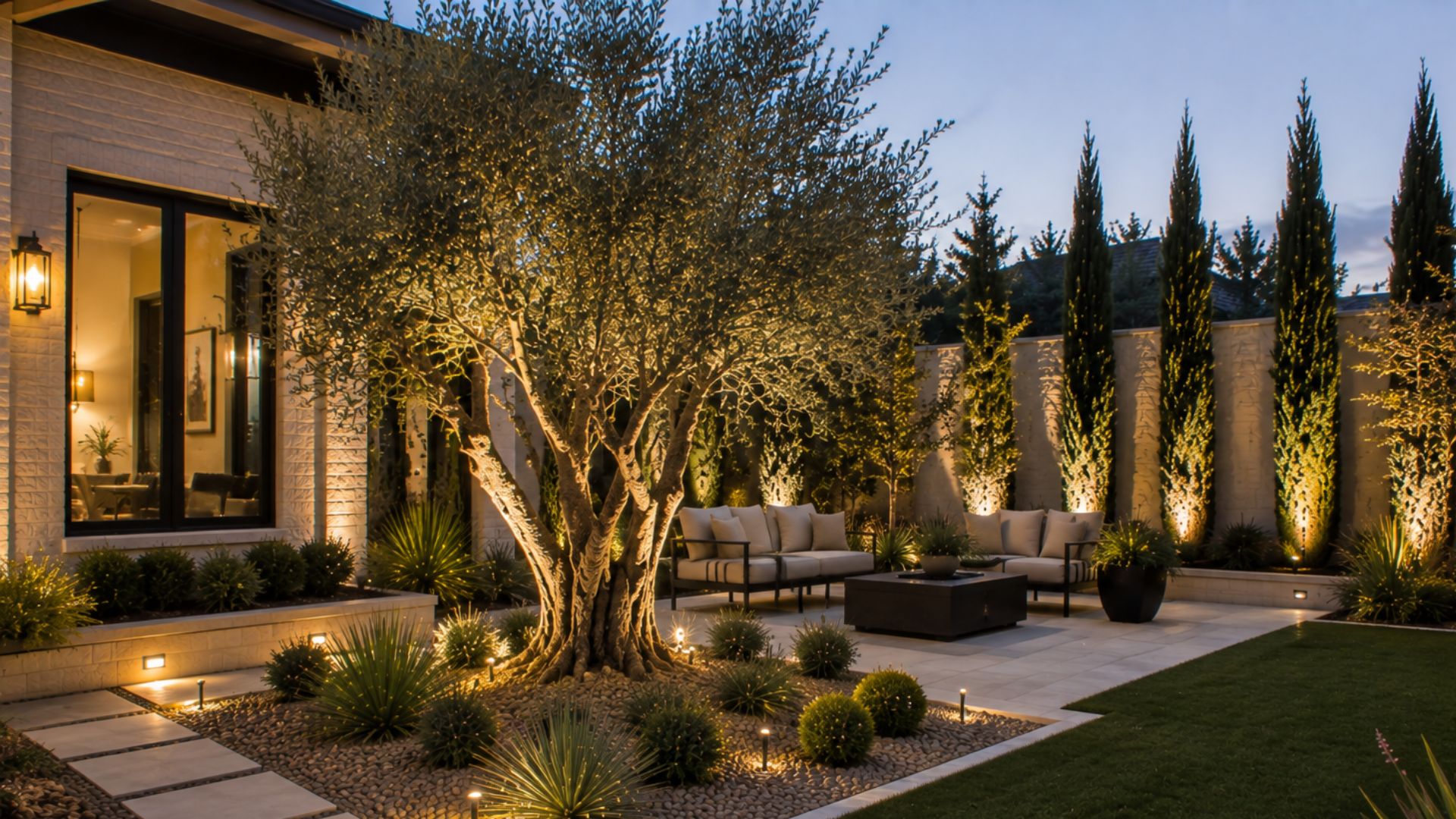
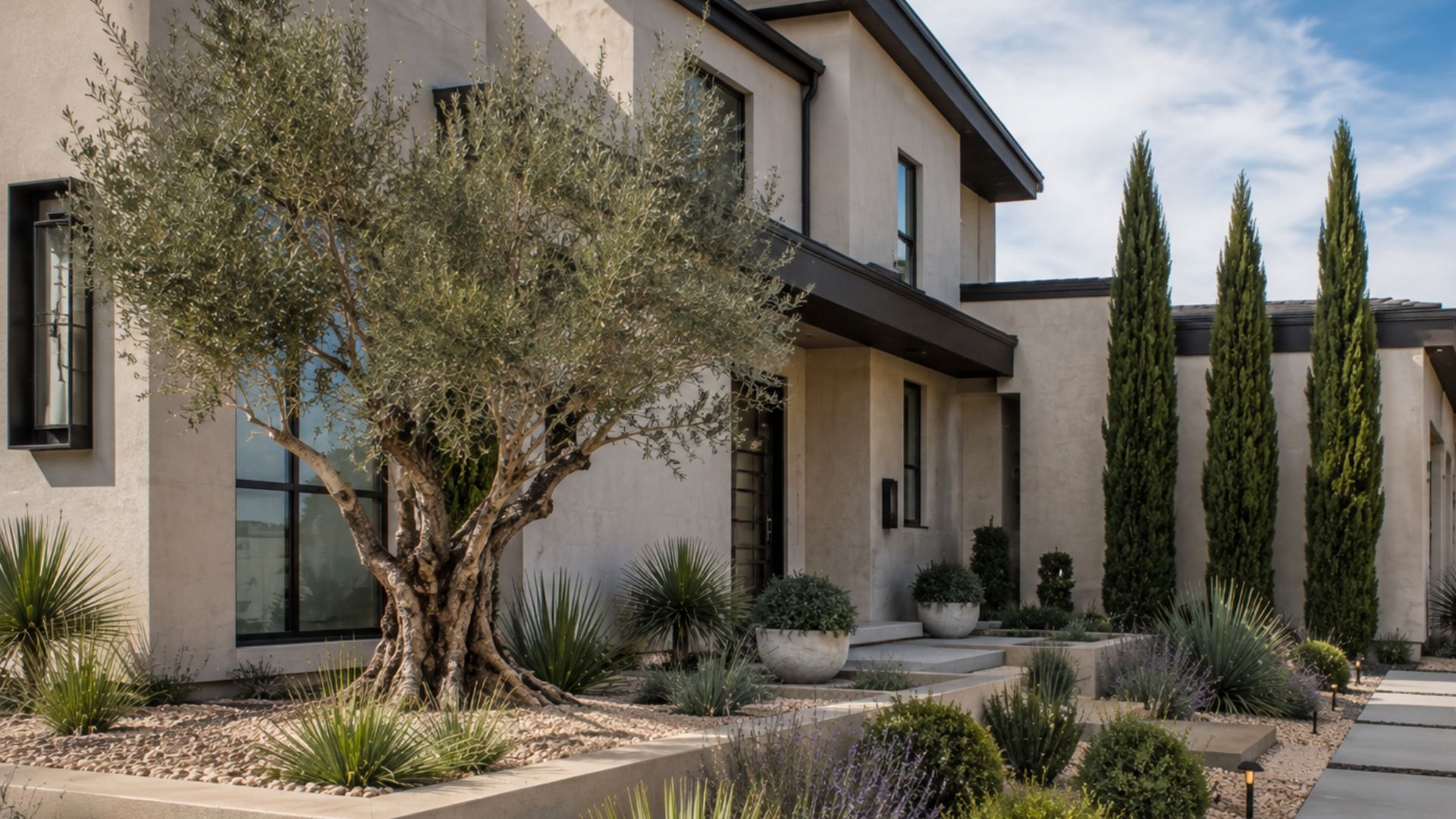
The Olive Tree (Olea europaea) is admired for its elegant appearance, longevity, and exceptional drought tolerance. Its narrow silvery-green leaves shimmer in the sunlight, while its naturally twisted trunk and sculptural branching become even more beautiful with age. Whether planted as a specimen tree or incorporated into a thoughtfully designed landscape, the Olive Tree adds timeless sophistication and year-round visual interest.
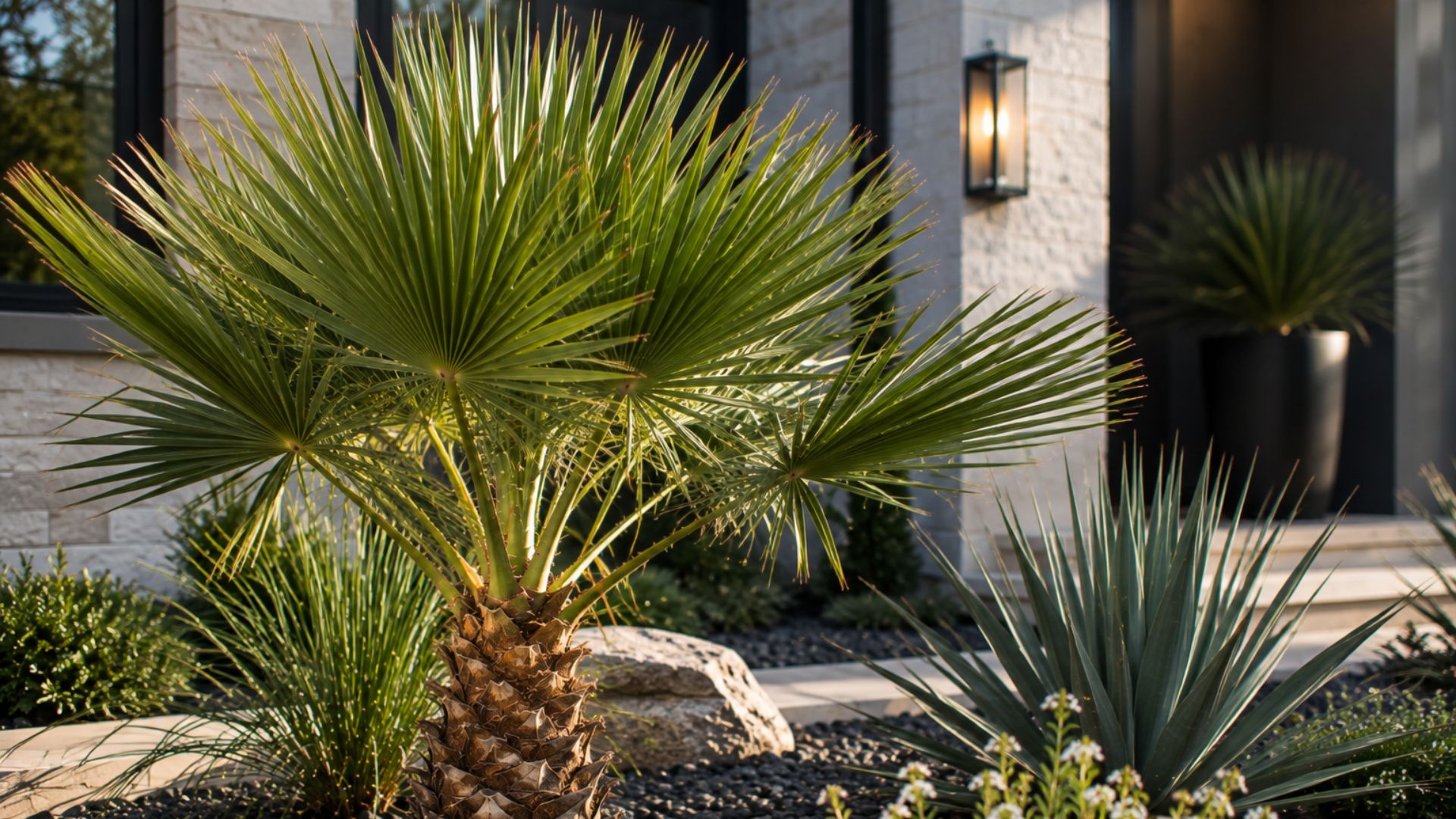
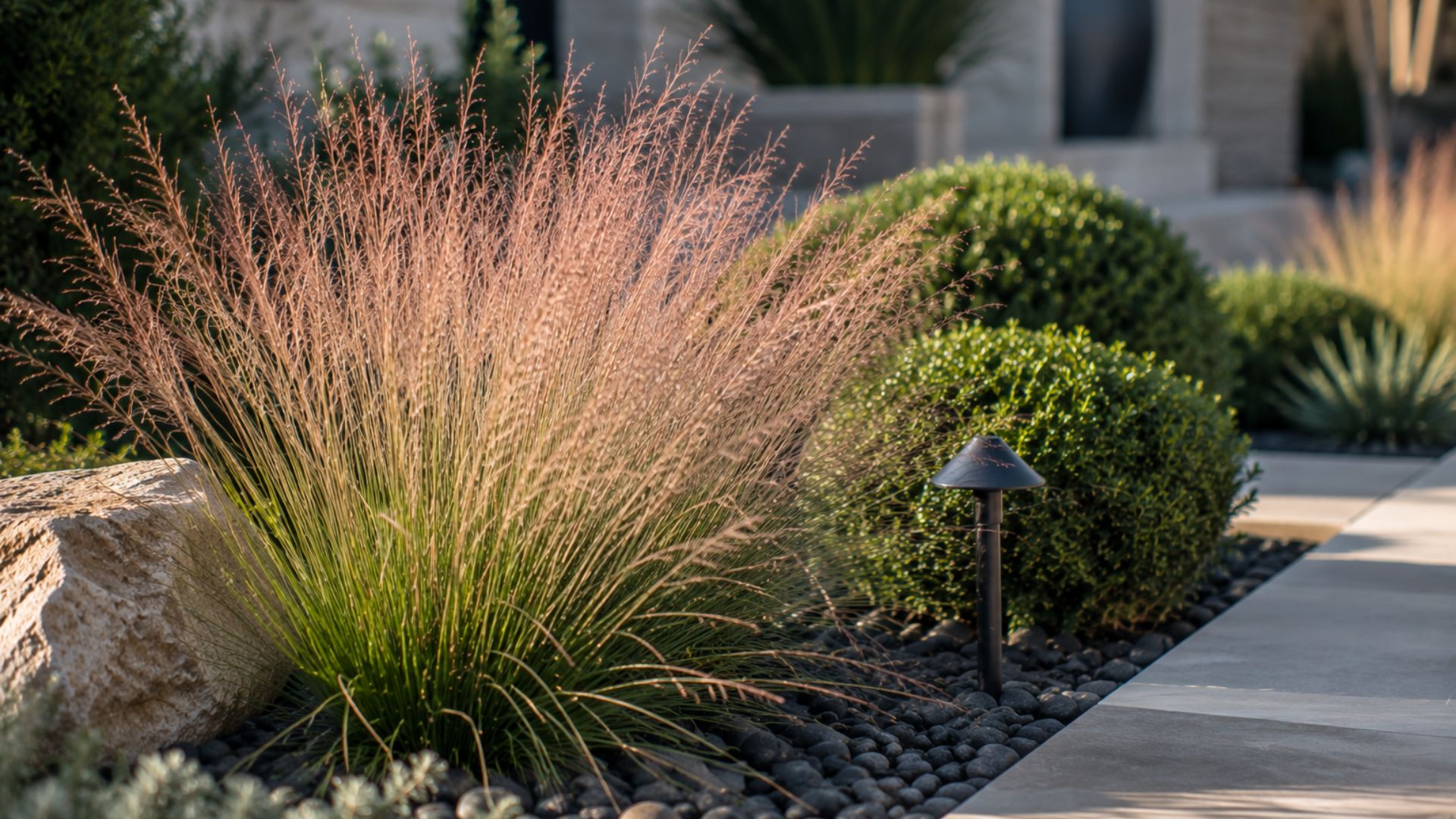
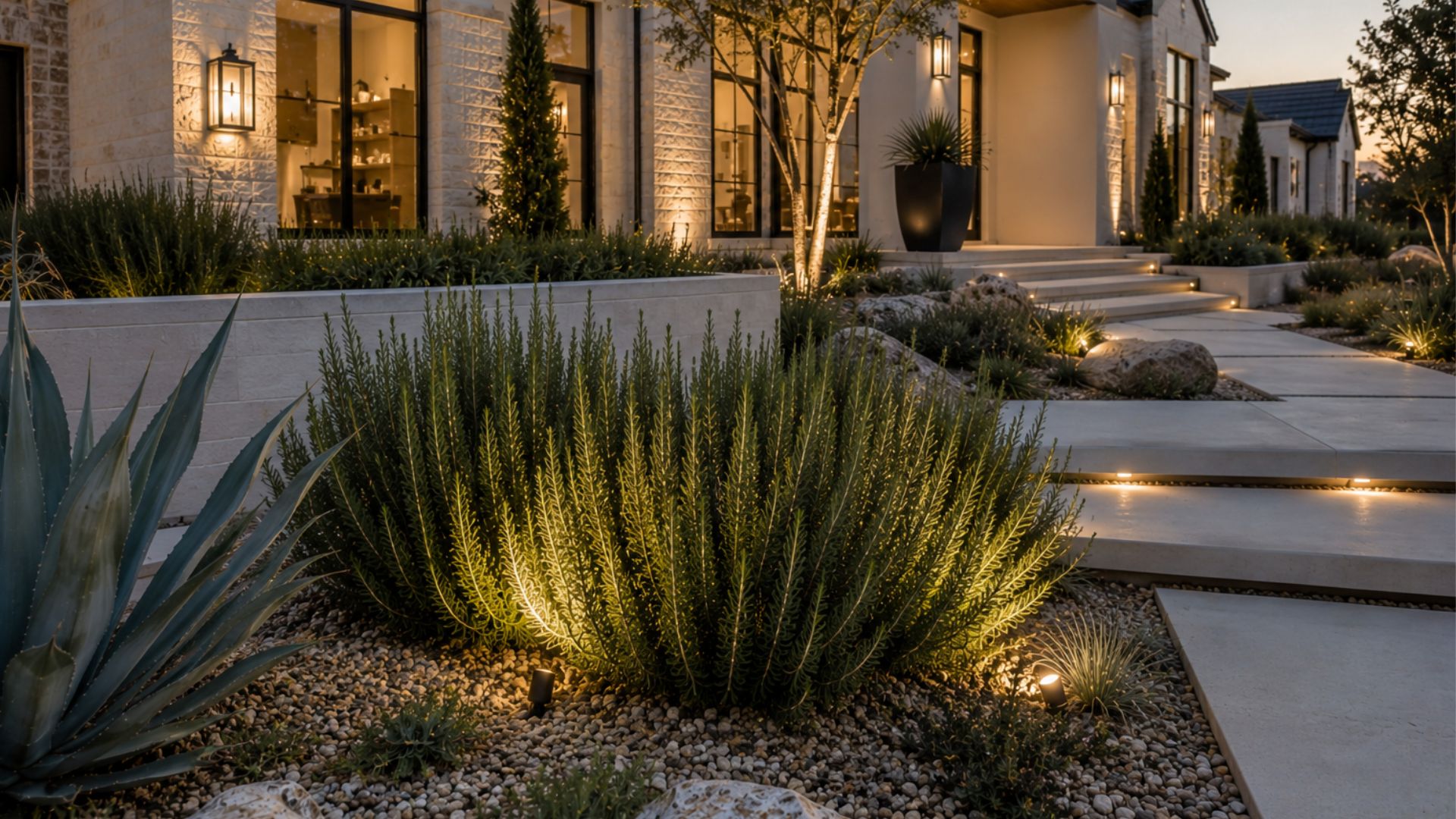
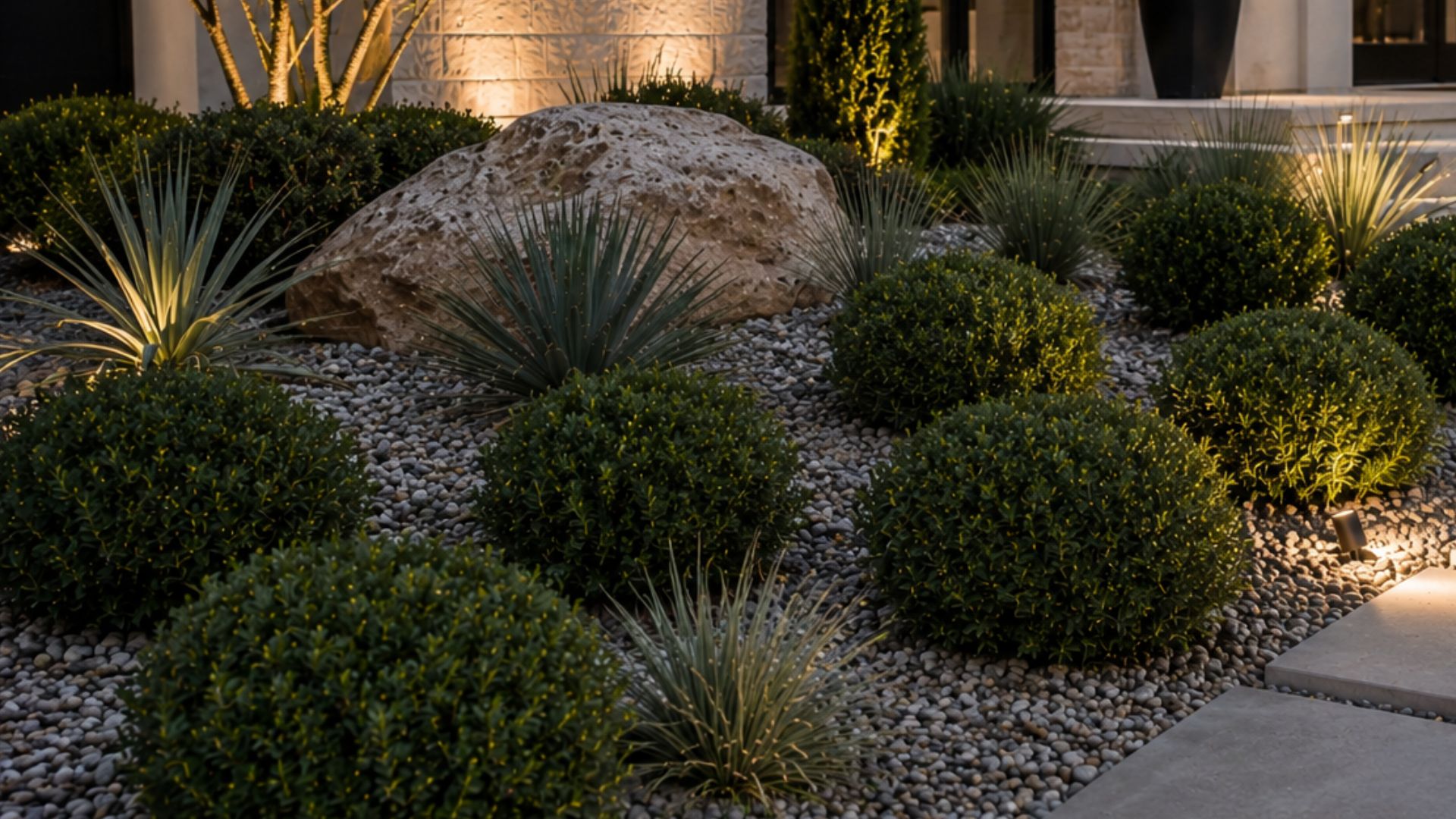
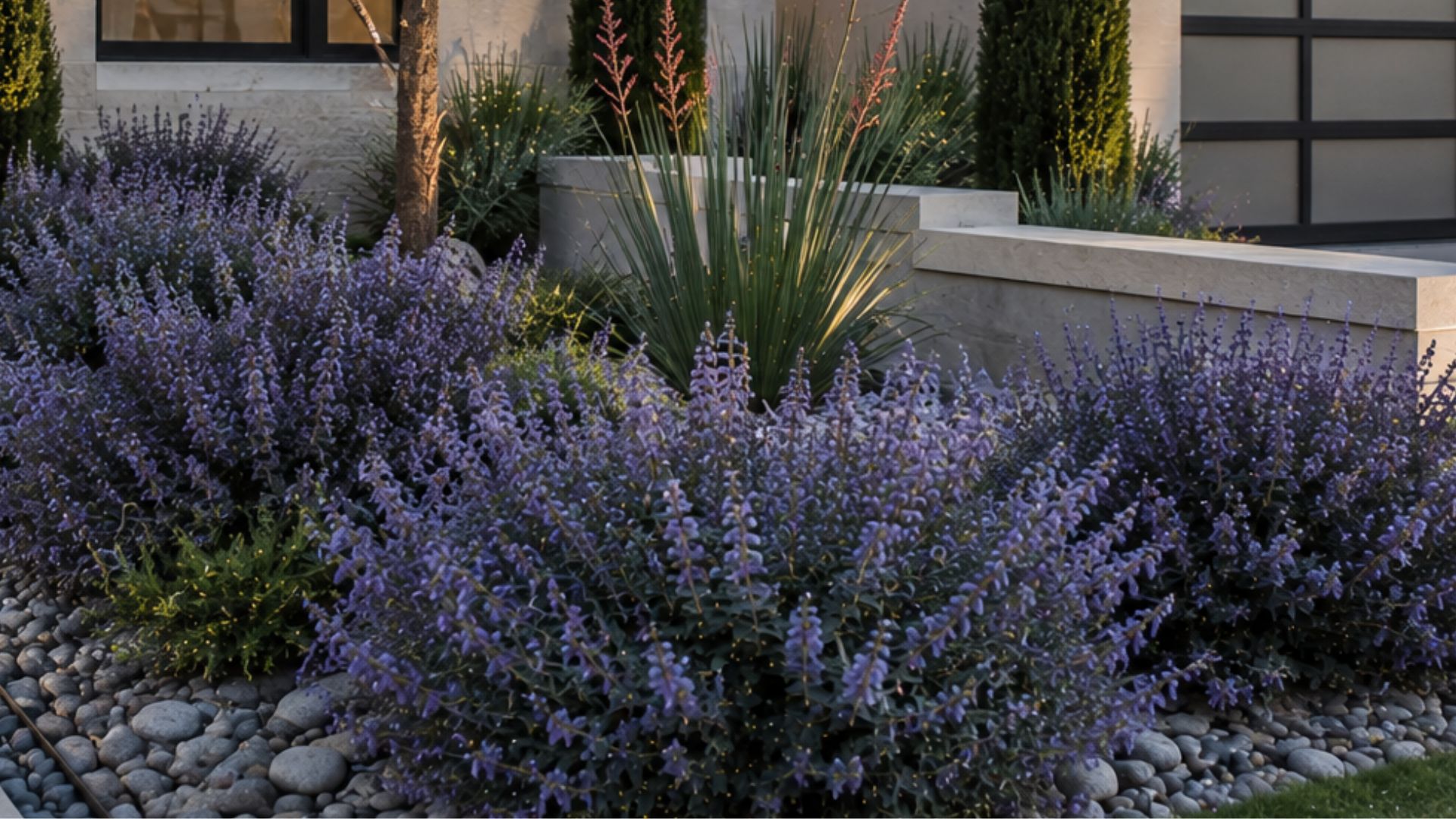
In desert-style landscapes, Olive Trees provide a softer, more refined contrast to bold architectural plants like Agaves and Sotol. Their airy canopy allows filtered light to reach surrounding plants, making them ideal for layered planting designs with ornamental grasses, flowering perennials, and decorative stone. Their understated beauty makes them especially popular in Southlake, where Mediterranean-inspired outdoor spaces continue to grow in popularity. Pairs well with Succulents!
Olive Trees perform best in full sun and require well-draining soil to remain healthy. They are highly tolerant of drought once established and generally require only occasional deep watering during extended dry periods. Avoid frequent irrigation, as consistently wet soil can stress the root system and reduce the tree's vigor.
Light annual pruning helps maintain an open canopy, improves air circulation, and preserves the tree's natural shape. Remove any dead, damaged, or crossing branches as needed. Olive Trees rarely require fertilizer and perform best when allowed to grow in relatively lean soils. Their resilience and low water requirements make them an excellent choice for Plano homeowners seeking a beautiful, low-maintenance focal tree.
The most common issue affecting Olive Trees is poor drainage. Heavy clay soils and excessive watering can lead to root rot and reduced overall health. Planting in raised beds or improving soil drainage significantly increases long-term success, particularly in North Texas.
Some varieties produce small olives that may fall to the ground and create minor cleanup, while fruitless cultivars eliminate this concern and are commonly used in residential landscapes. During unusually severe winter freezes, young trees may experience some branch dieback, but established specimens often recover well. Olive Trees are generally resistant to most serious pests and diseases when planted in the proper conditions.
Yes. Many Olive Tree varieties perform well in North Texas when planted in full sun with well-draining soil. Selecting a cold-hardy or fruitless variety is often recommended for the DFW area, where occasional winter freezes can occur.
No. Once established, Olive Trees are highly drought tolerant and require only occasional deep watering during prolonged dry periods. Their low water needs make them an excellent choice for desert-style and water-wise landscapes throughout the region.
For many homeowners, yes. Fruitless Olive Trees provide the same beautiful silvery foliage, sculptural branching, and Mediterranean character without producing olives that can create cleanup or staining. They are a popular option for Plano, Southlake, and other North Texas communities where homeowners want the look of an Olive Tree with minimal maintenance.
You might also like