
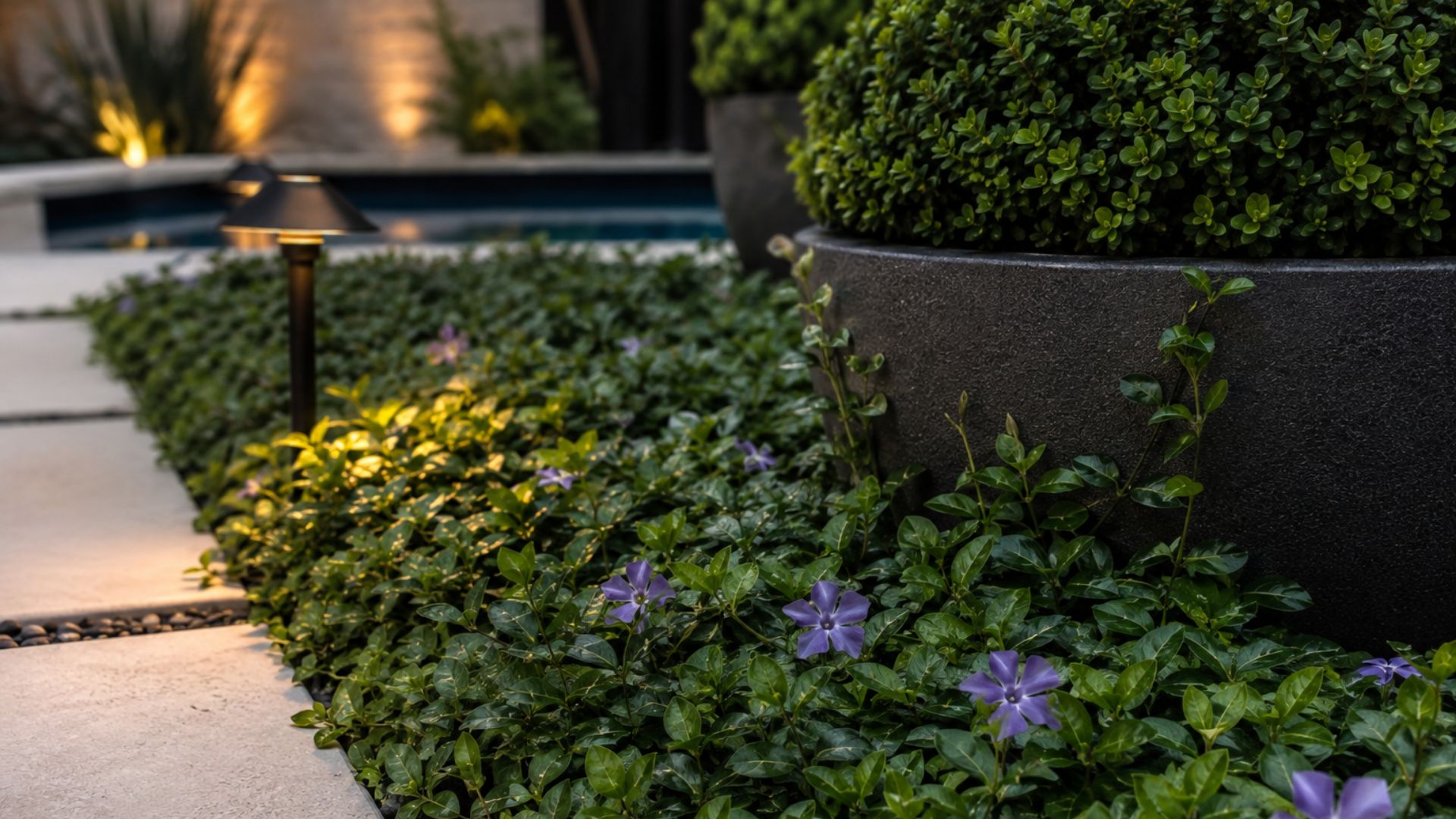



Colorado Vinka Minor
A low-growing evergreen groundcover with glossy green foliage and delicate blue-violet flowers that appear primarily in spring. Typically grows 4–6 inches tall and spreads 18–24 inches or more, gradually forming a dense carpet beneath trees and shrubs. Hardy in USDA Zones 4–8, Colorado Vinca Minor is especially useful in shaded and partially shaded areas where maintaining year-round greenery can be challenging.
Colorado Vinka Minor
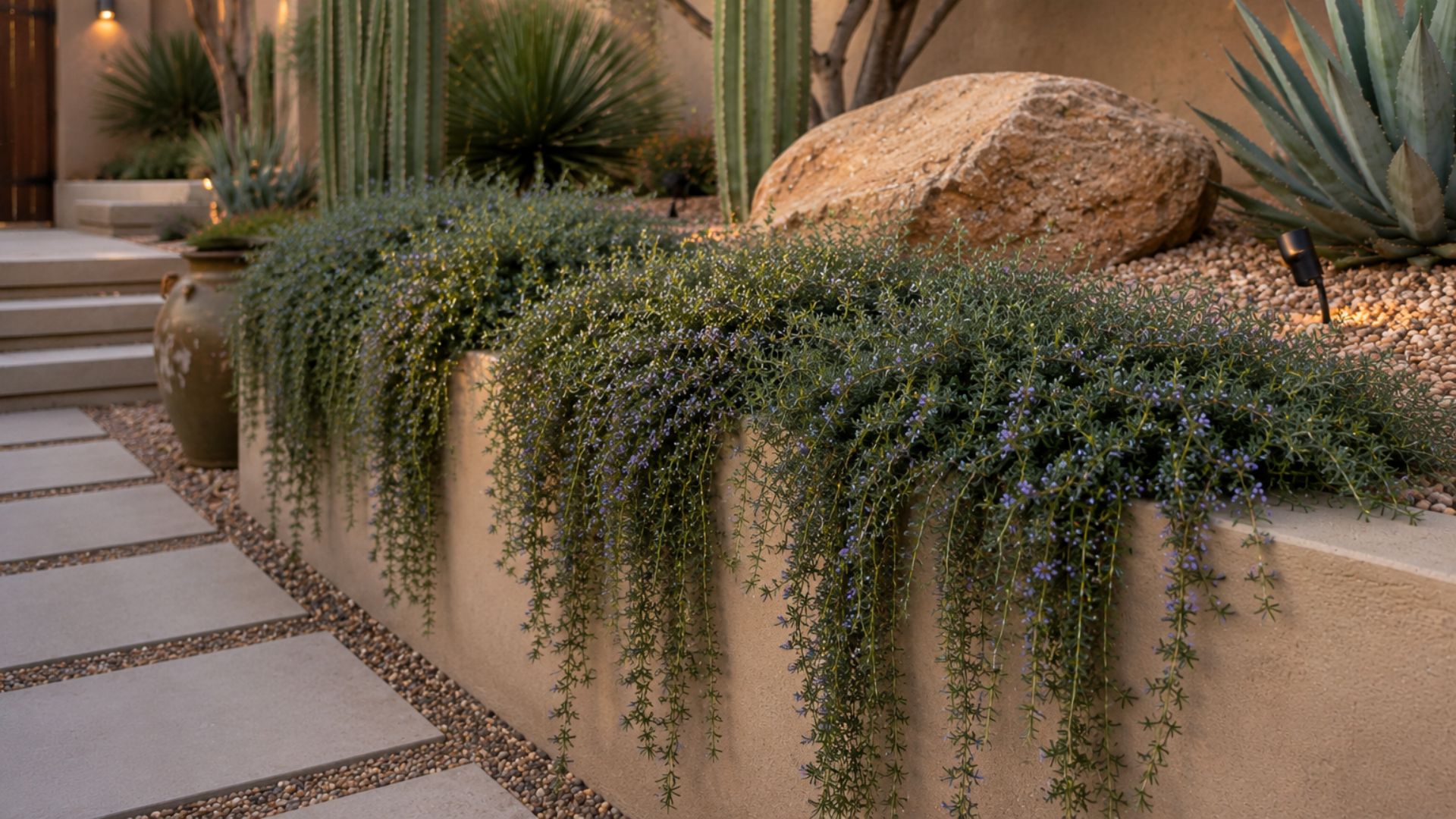
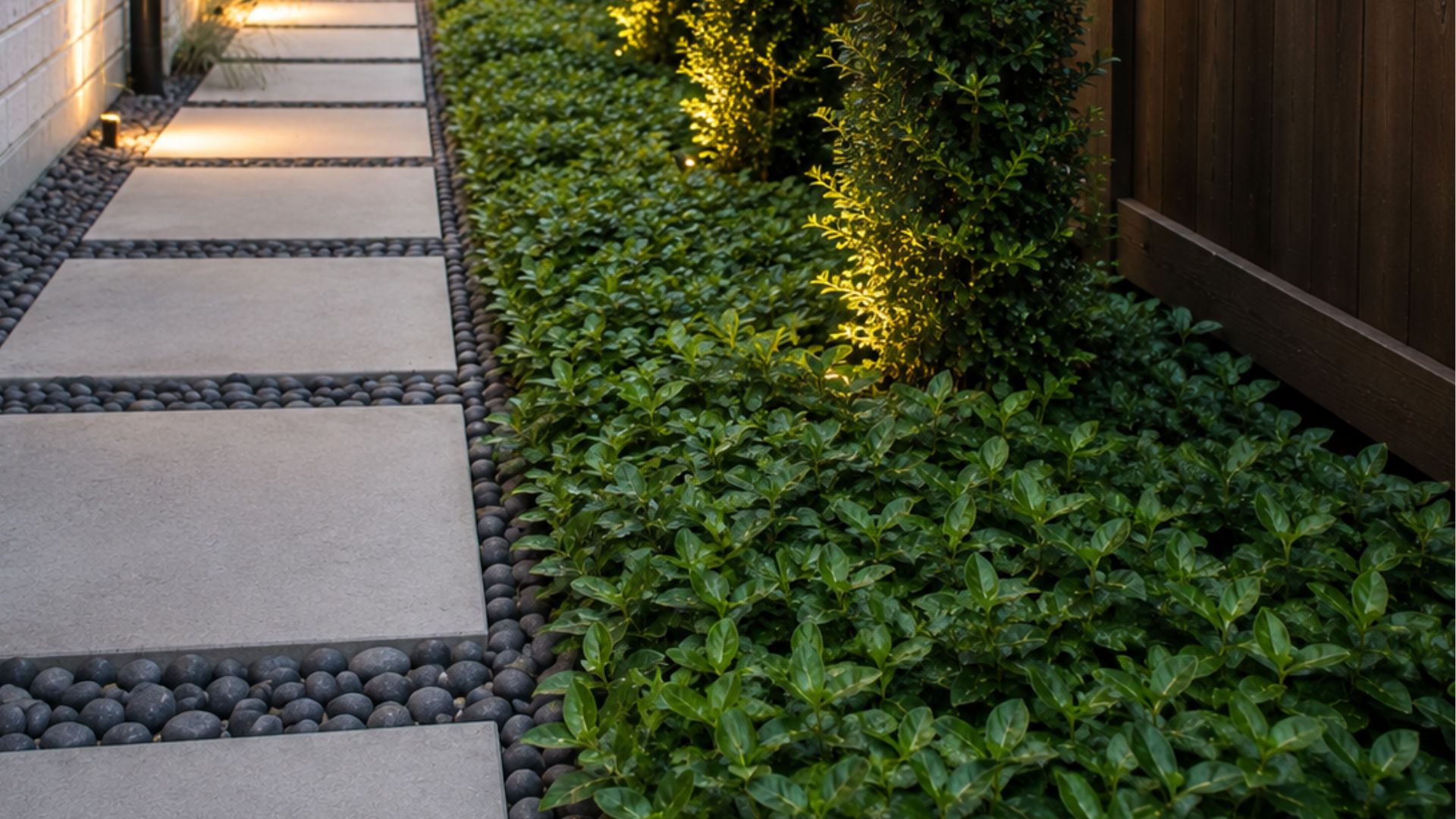
Colorado Vinca Minor (Vinca minor) is a spreading evergreen groundcover valued for its rich green foliage, low profile, and ability to fill difficult shaded areas. Its trailing stems gradually create a continuous layer across the soil, while small blue-violet flowers add subtle seasonal color during spring.
In an evergreen landscape, Vinca Minor is particularly useful beneath trees, around larger shrubs, and along shaded borders where turf or sun-loving groundcovers may struggle. Rather than becoming a major focal point, it creates a finished green foundation that connects different areas of the planting design. For Plano landscapes with mature trees and limited sunlight, Vinca Minor can help maintain a lush appearance at ground level while reducing areas of exposed soil.
Vinca Minor performs best in partial shade to shade, although it can tolerate some morning sun. In North Texas, protection from intense afternoon sunlight is beneficial, as excessive heat and direct summer sun can stress the foliage.
It prefers moist, well-draining soil while becoming established. Once mature, it can tolerate periods of dryness, particularly when planted beneath established trees or shrubs. A layer of mulch during establishment helps conserve moisture and allows the trailing stems to gradually spread into surrounding areas.
Maintenance is relatively simple. Plants can be trimmed along sidewalks, lawn edges, and planting-bed boundaries whenever necessary to control their spread. This makes it a practical groundcover for shaded Southlake gardens where year-round foliage is desired.
One of the most important considerations with Vinca Minor is its spreading growth habit. Its trailing stems can root as they move across the ground, allowing the plant to expand beyond its intended area if left unmanaged. Periodic edging helps keep established plantings contained.
Excessive moisture and poor airflow can also encourage fungal problems, particularly when plants are densely packed. Proper irrigation and adequate drainage help reduce these issues.
The intense North Texas summer sun can cause leaf discoloration or scorching, so site selection is important. Vinca Minor is much better suited to protected beds and areas beneath tree canopies than exposed, full-sun locations.
Yes. Vinca Minor is an evergreen groundcover and generally maintains its green foliage throughout the year. Severe winter weather can cause temporary cosmetic damage, but established plants typically recover as temperatures warm.
Yes. Shade tolerance is one of Vinca Minor's biggest advantages. It can create a dense green carpet beneath trees, around shrubs, and alongside structures where many traditional groundcovers struggle, making it useful for shaded areas in Plano landscapes.
Vinca Minor spreads steadily through trailing stems that can root where they contact the soil. With favorable growing conditions, individual plants gradually join together to create a continuous groundcover. Because it can spread beyond its intended boundaries, regular edging is recommended for maintaining a clean, controlled appearance in North Texas evergreen landscapes.
You might also like