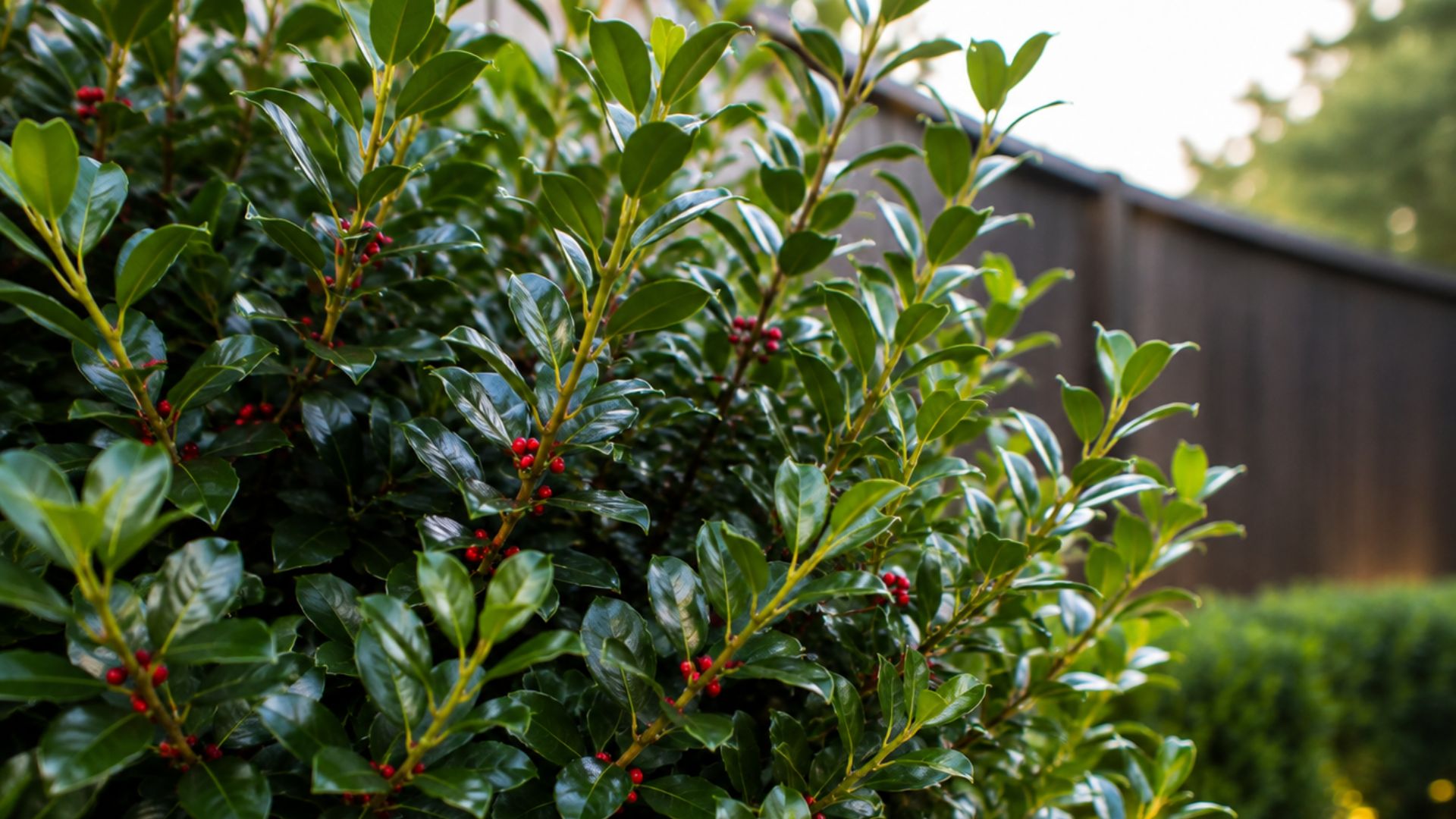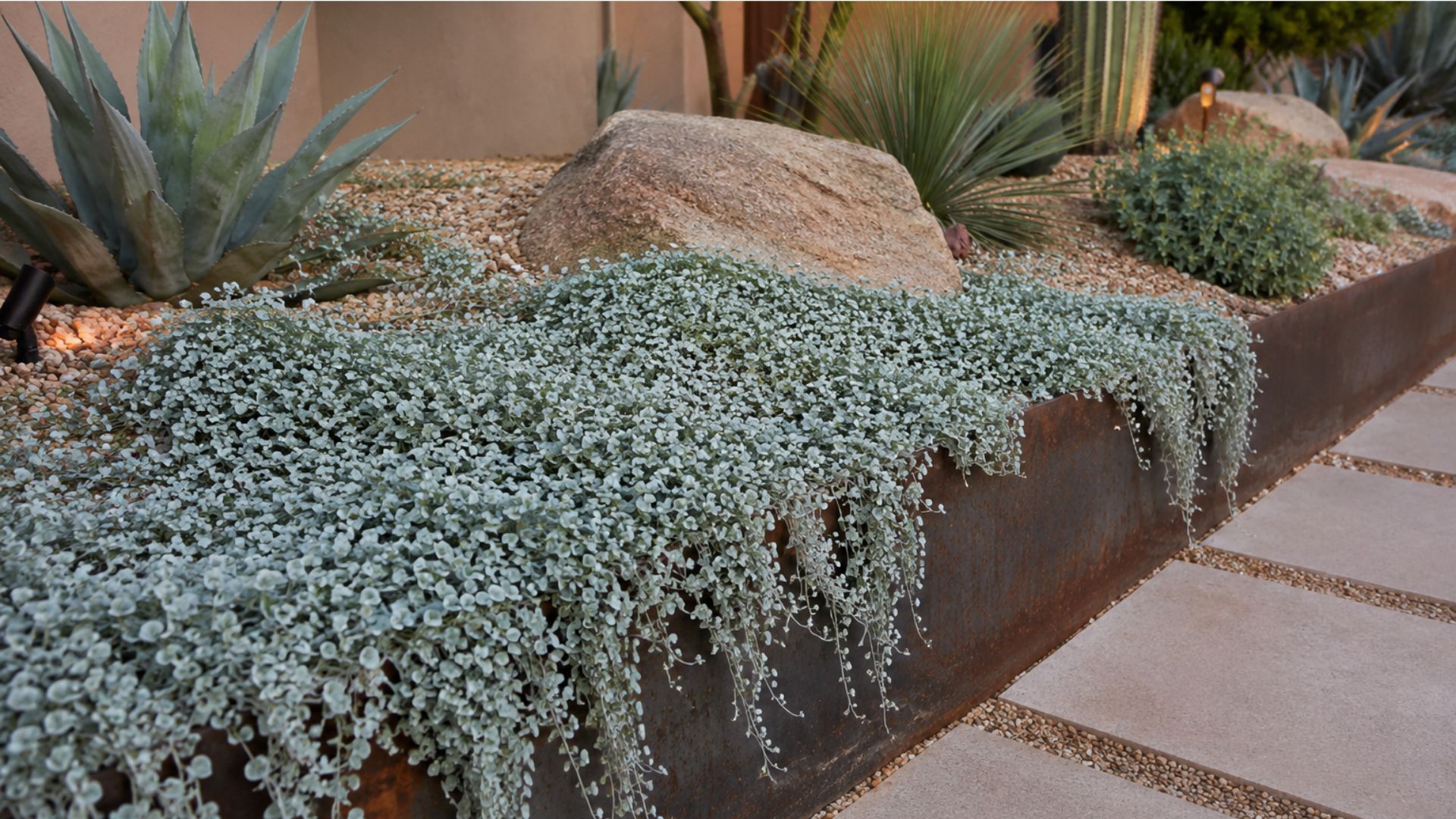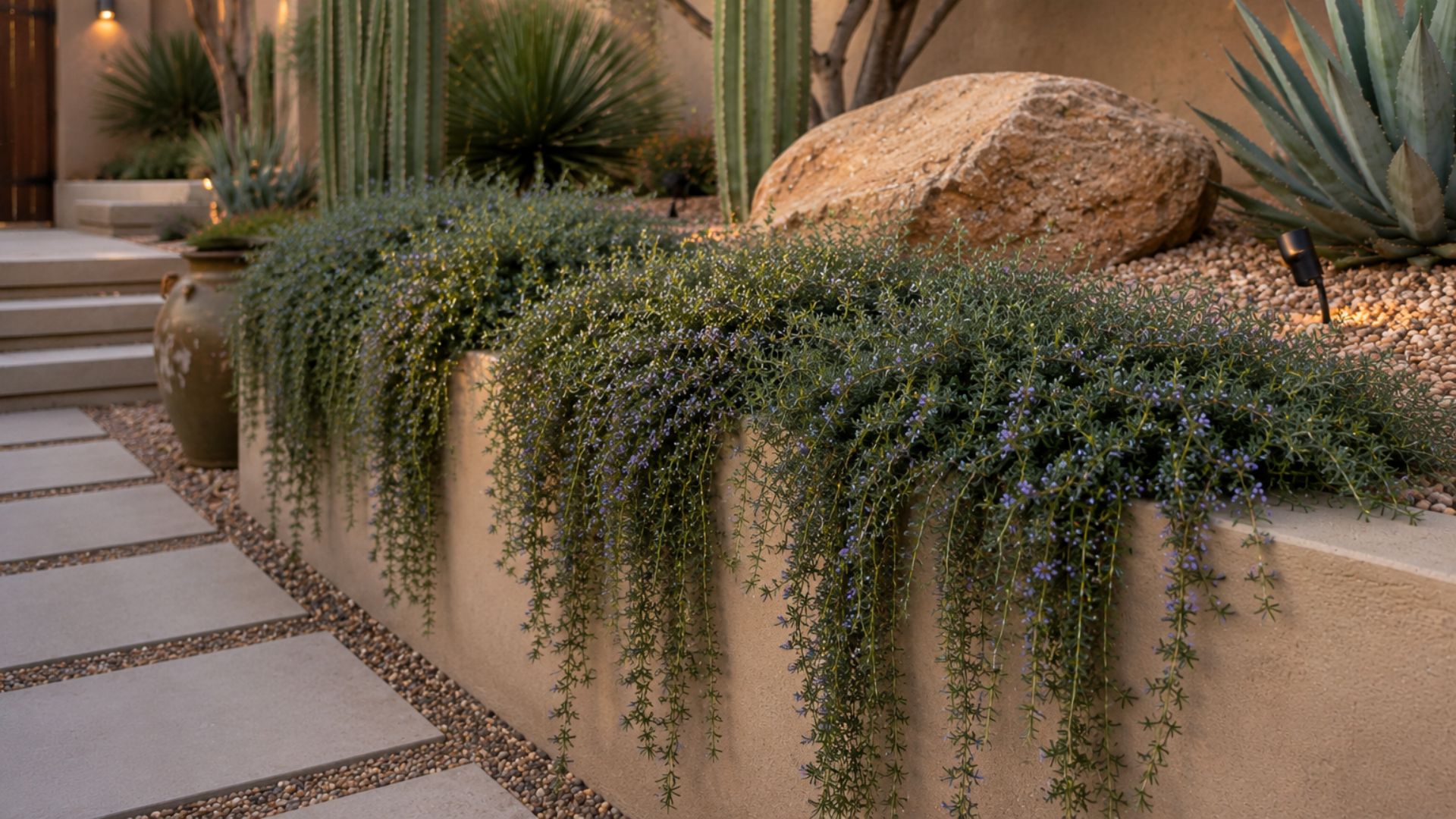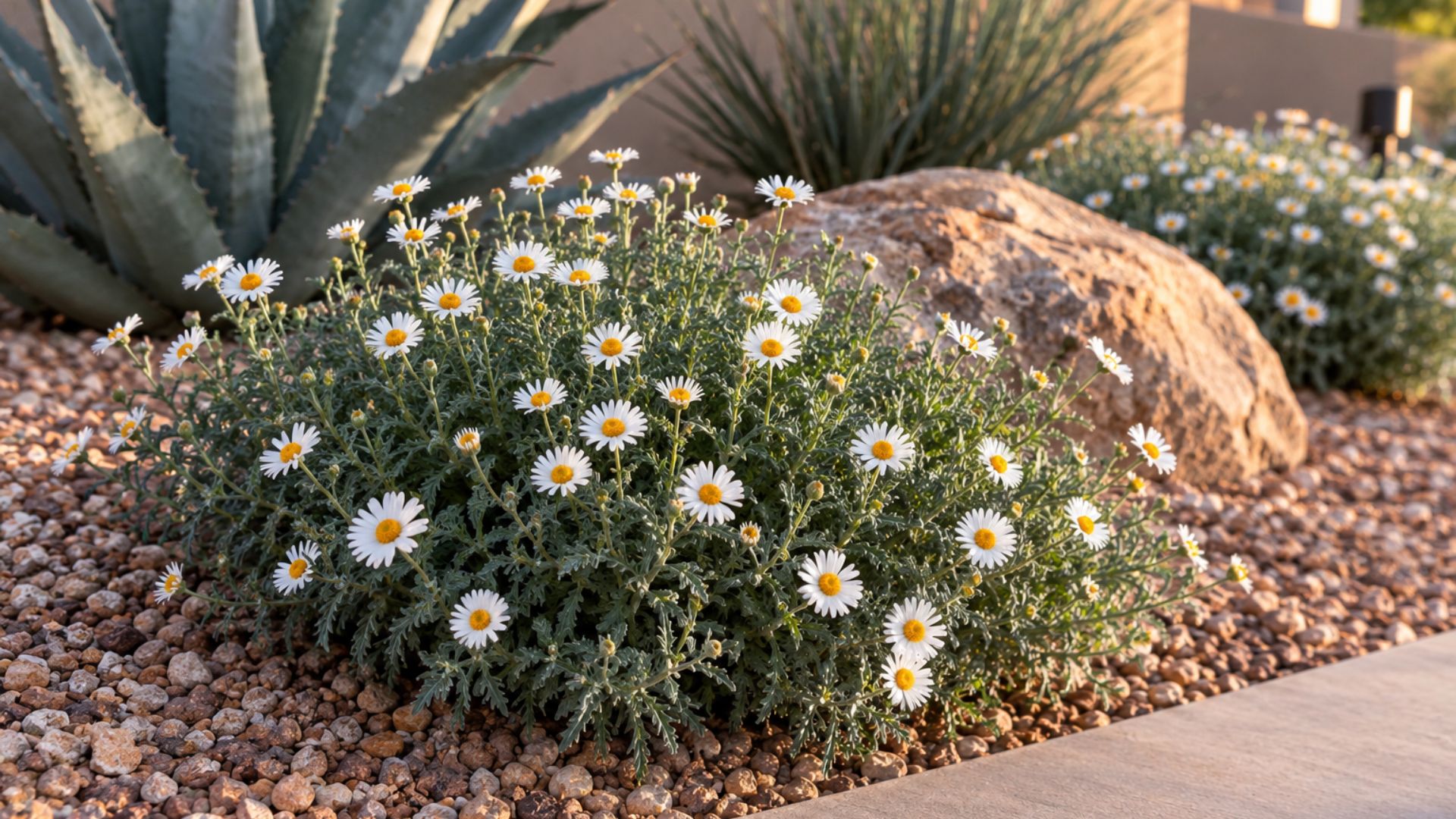




Rosemary
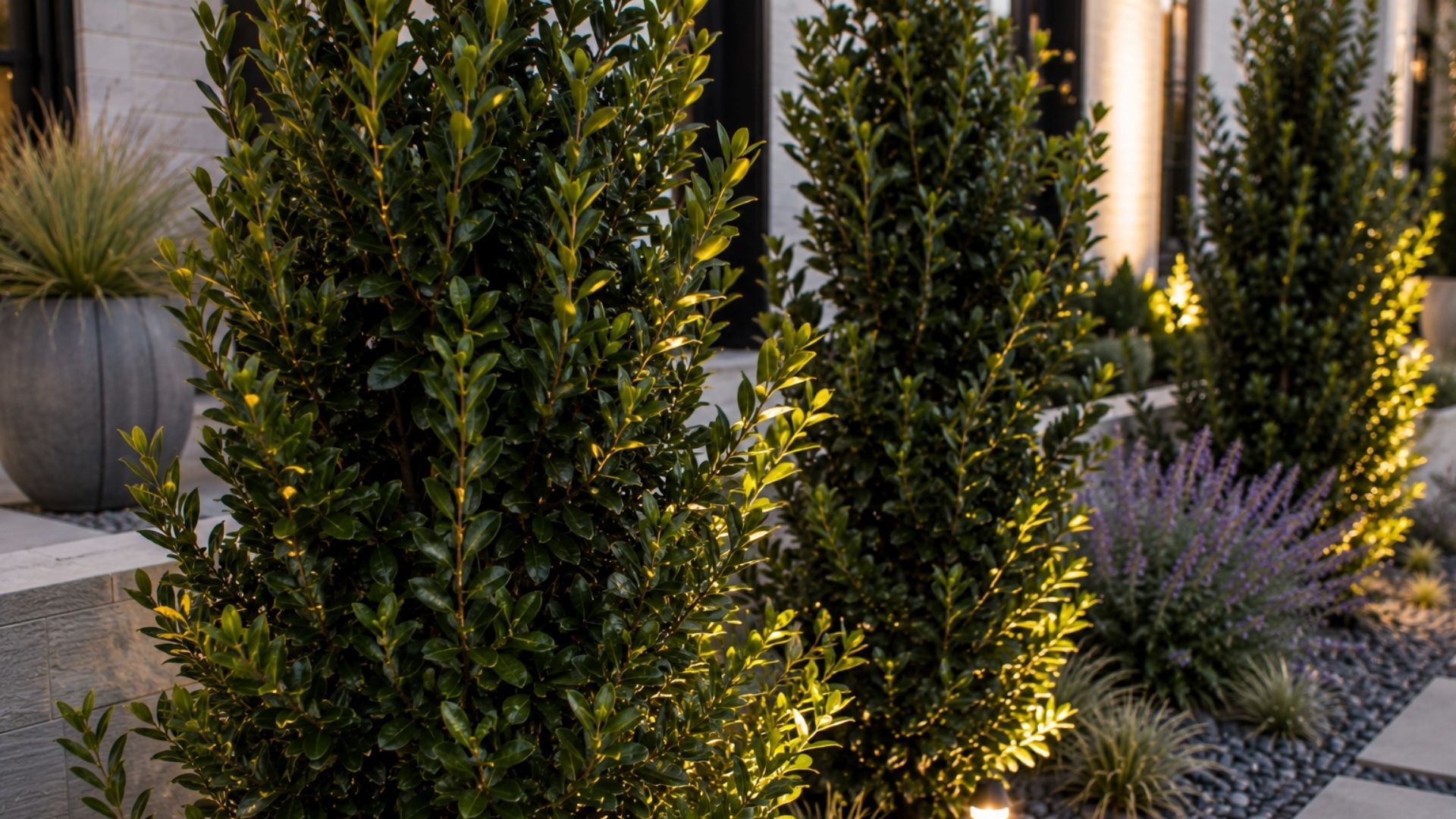
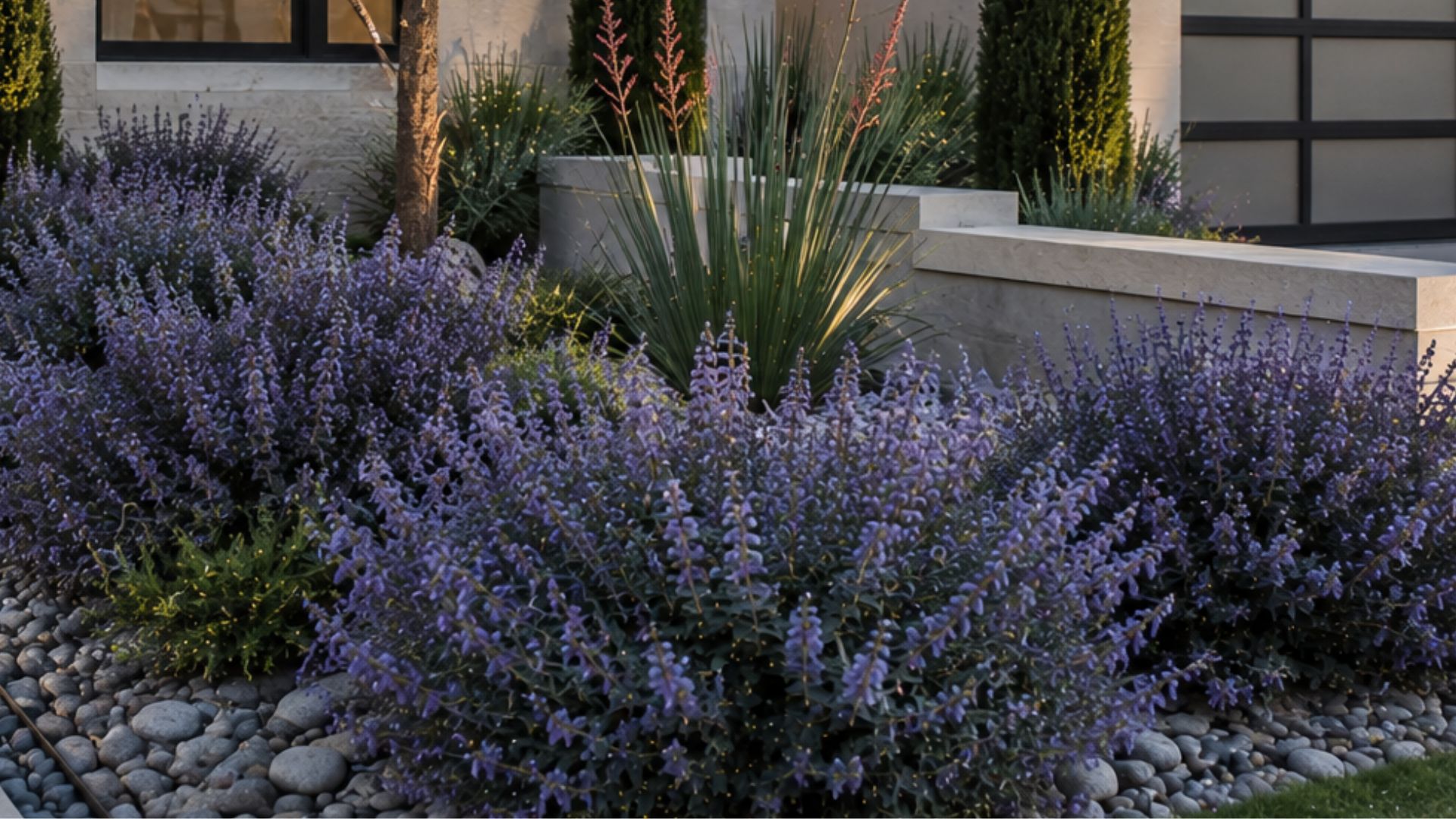
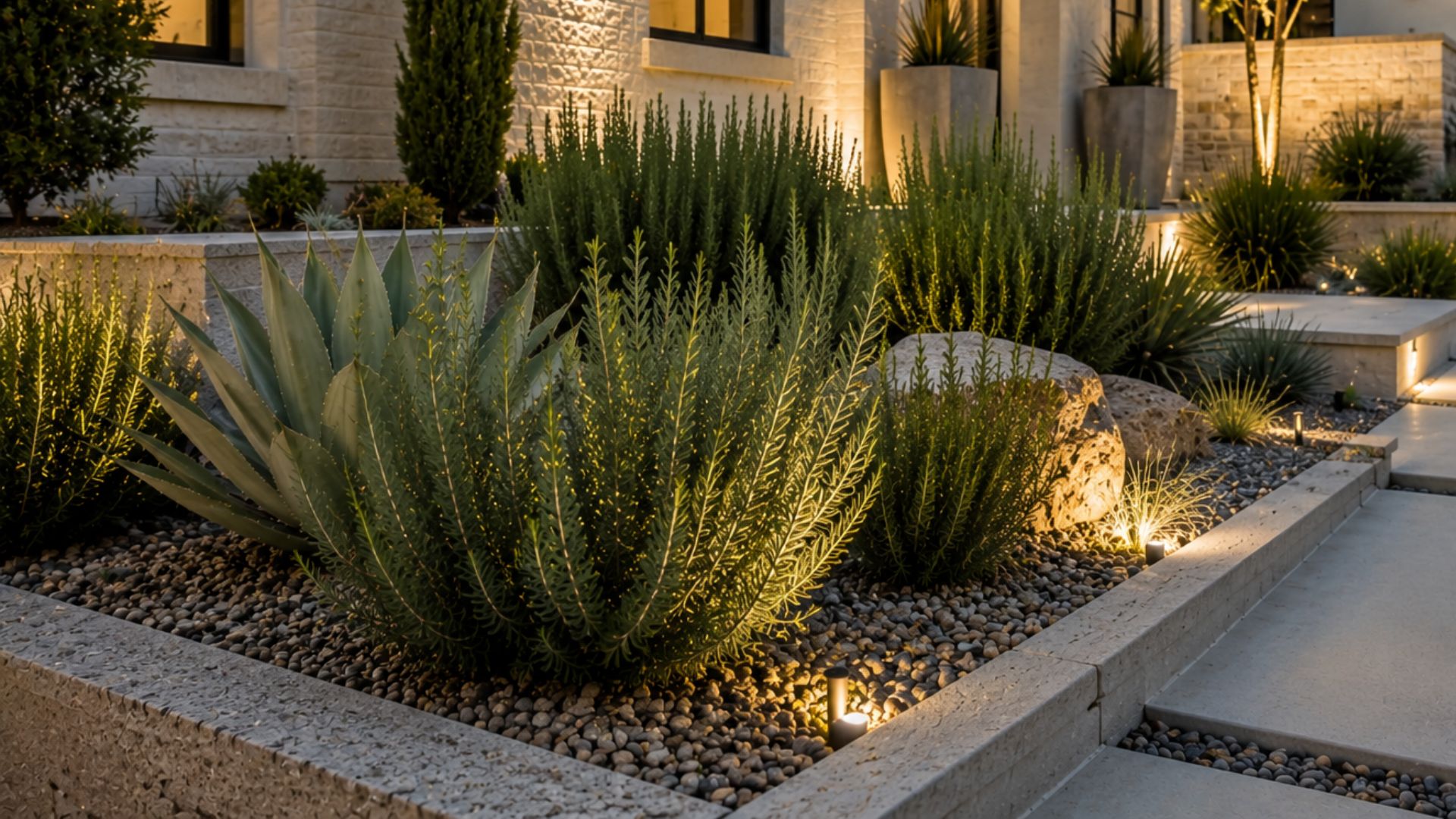
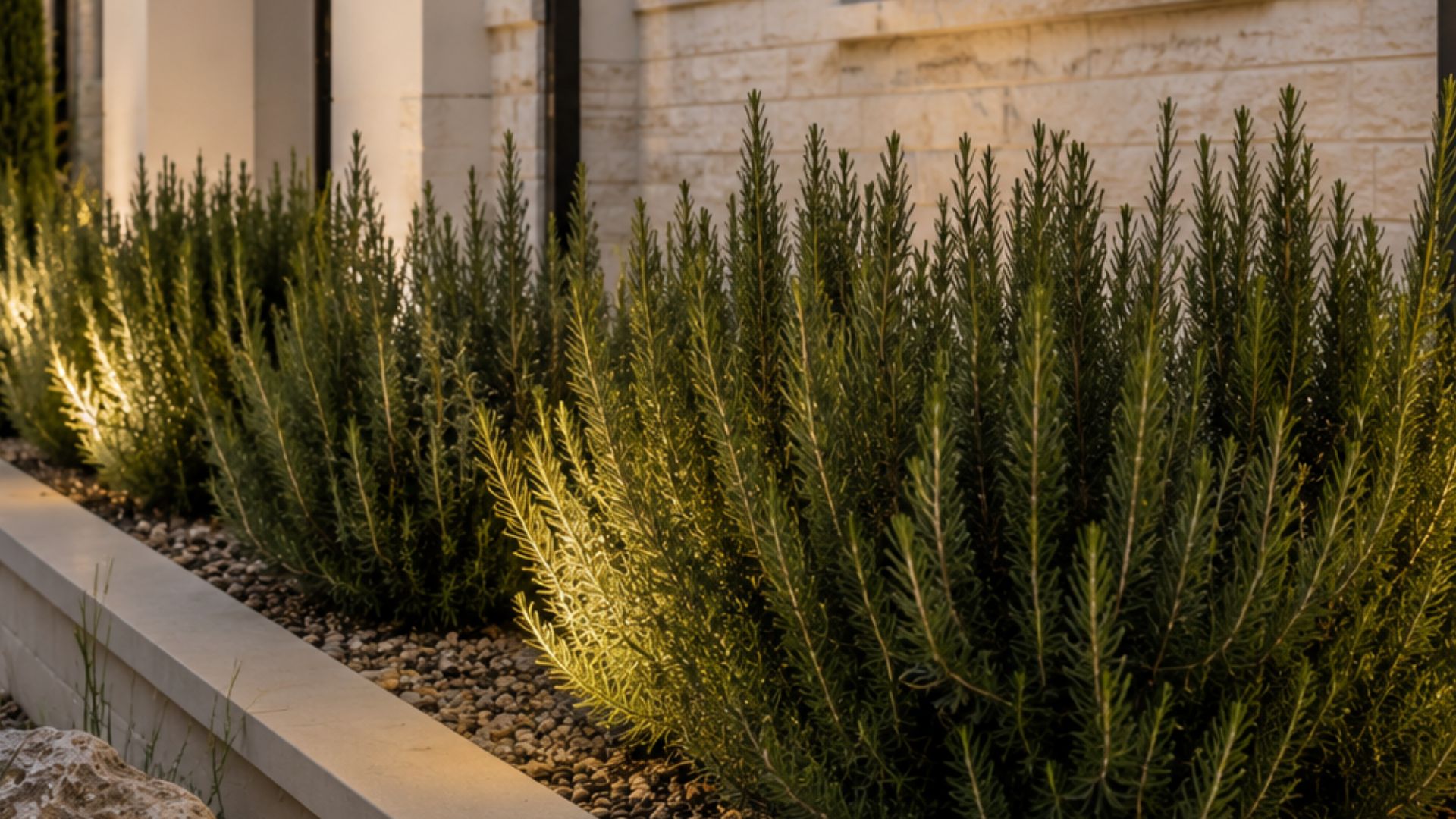
A fragrant evergreen shrub with dense, needle-like foliage and delicate blue flowers that bloom from late winter through spring. Typically grows 3–5 feet tall and 3–5 feet wide, depending on the variety and growing conditions. Hardy in USDA Zones 8–10, Rosemary thrives in the hot, sunny climate of North Texas, making it an excellent choice for desert-style, Mediterranean, and water-wise landscapes throughout the DFW area.
Rosemary
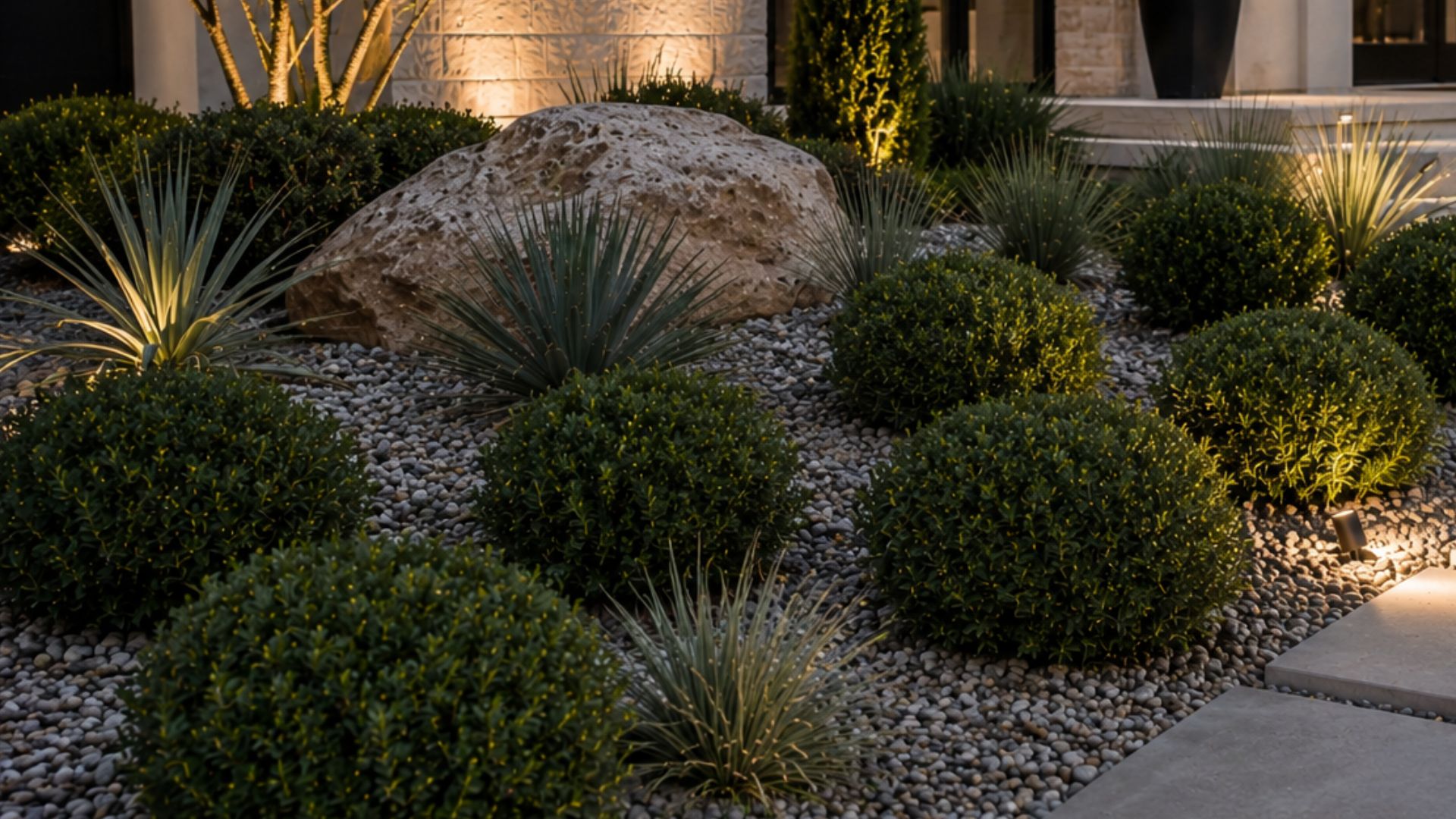
Rosemary (Salvia rosmarinus) is a versatile evergreen shrub that combines ornamental beauty with culinary value. Its aromatic foliage, compact form, and seasonal blue flowers make it a favorite for homeowners looking to add year-round greenery to desert-style landscapes. Whether planted as a low hedge, accent shrub, or incorporated into mixed planting beds, Rosemary provides texture, fragrance, and reliable structure throughout every season.
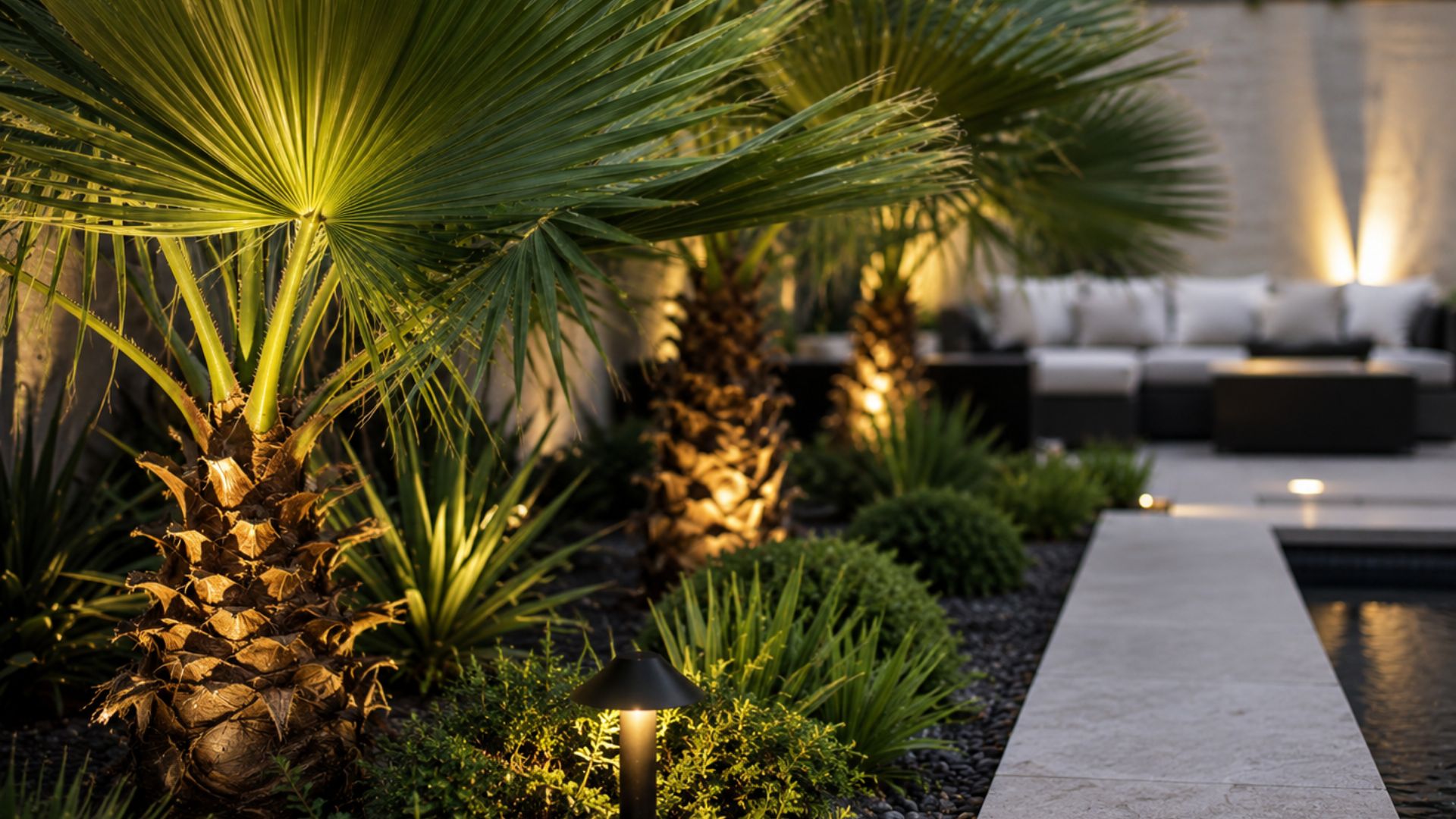
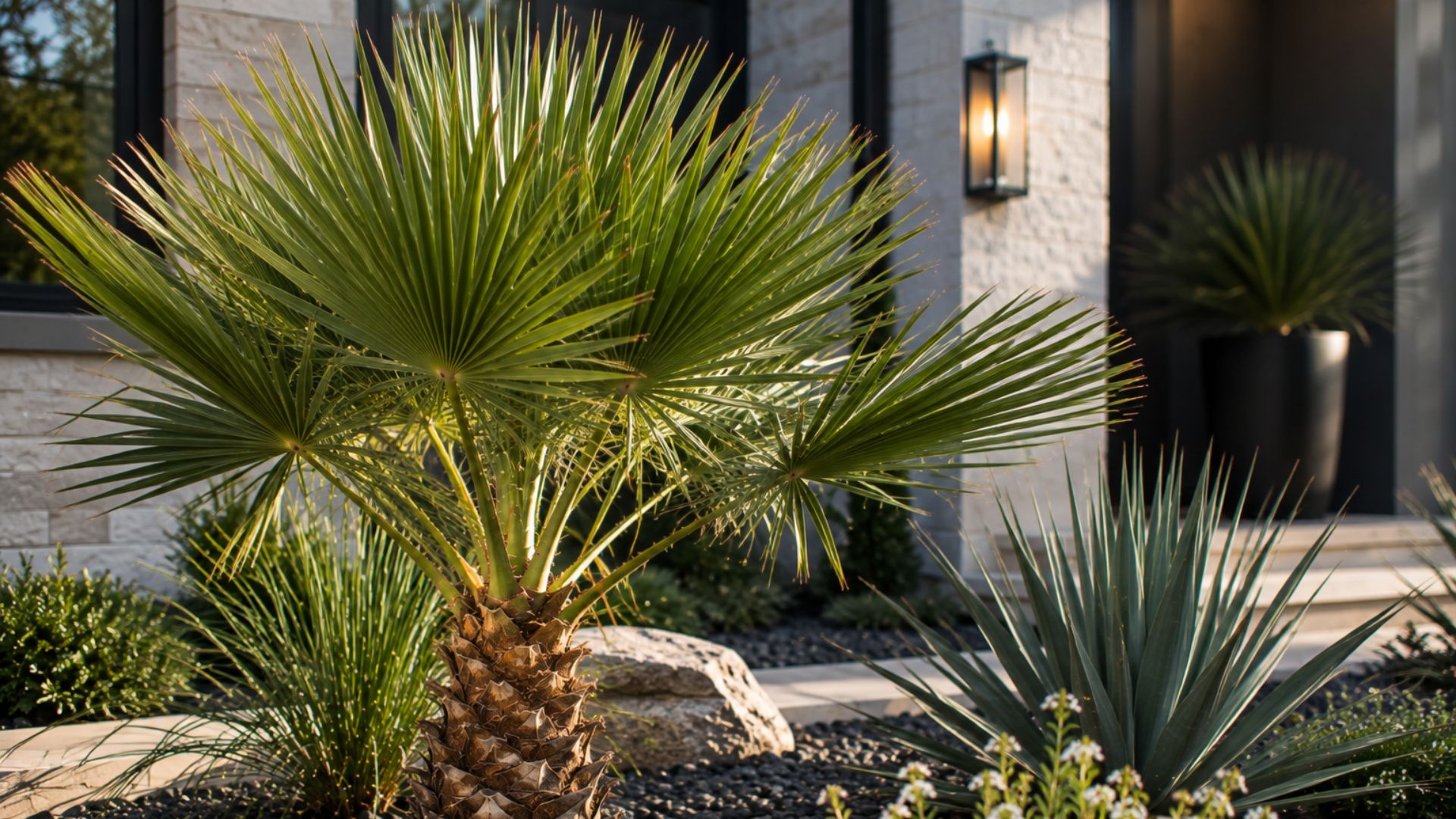
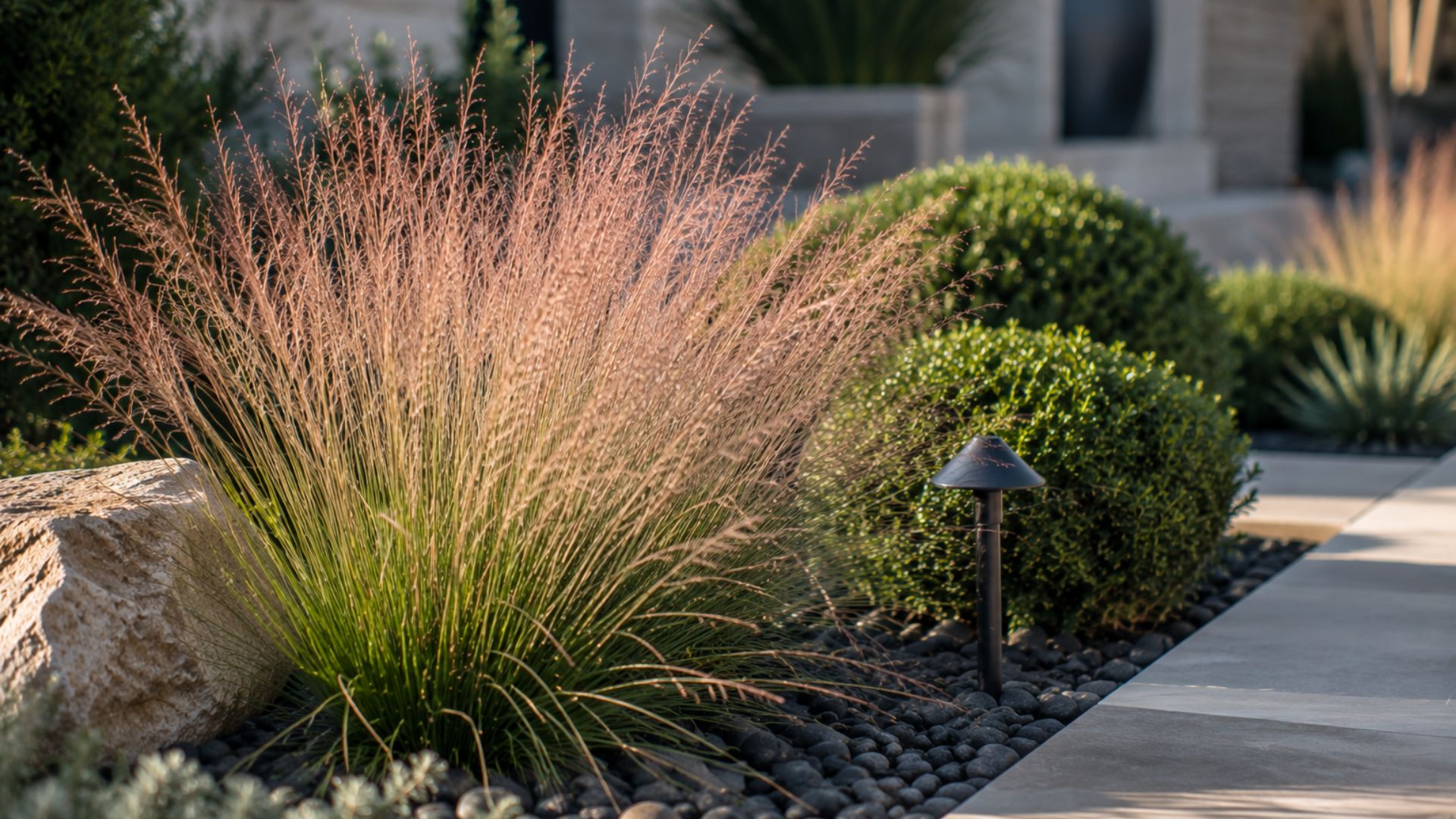
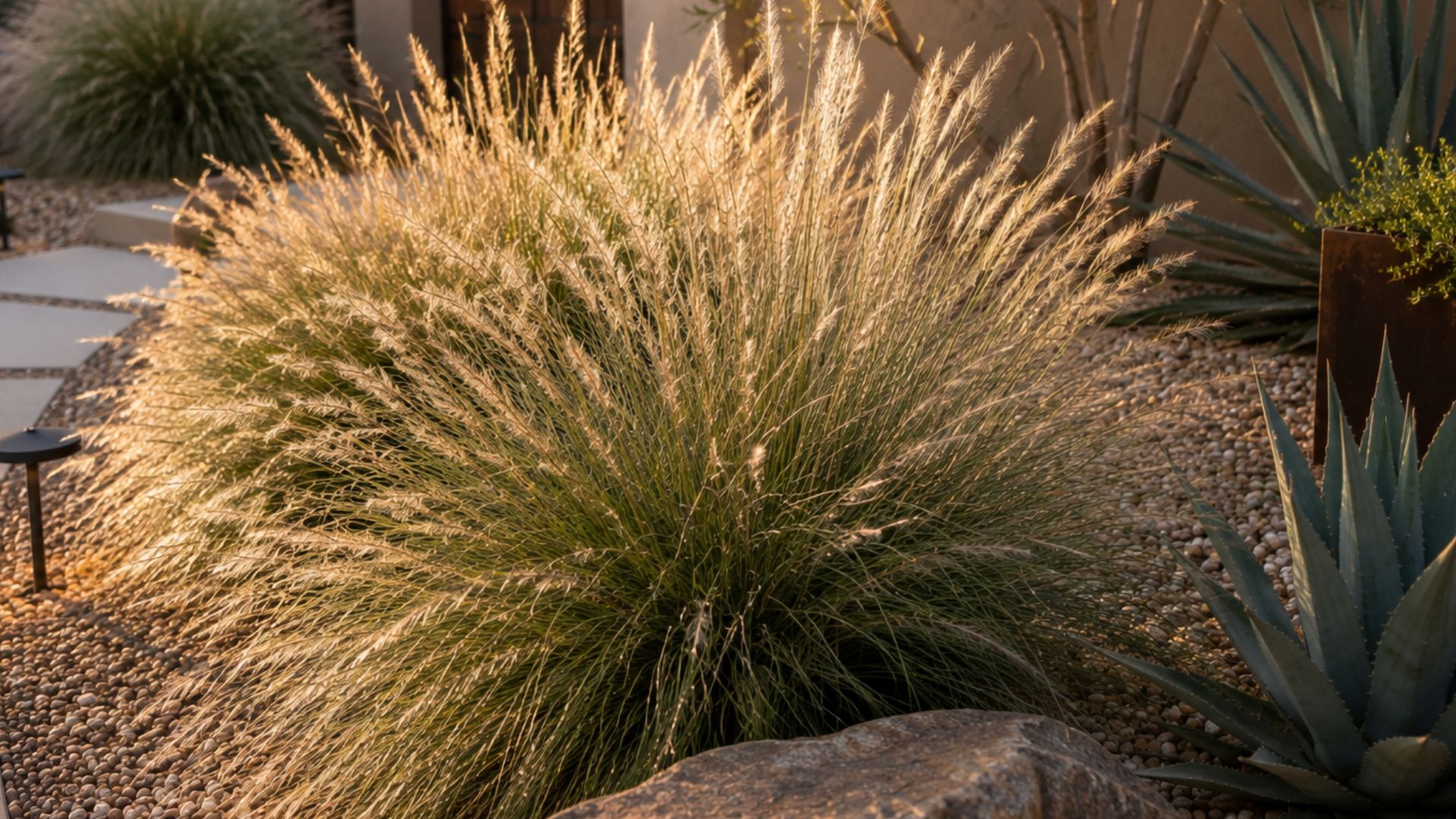
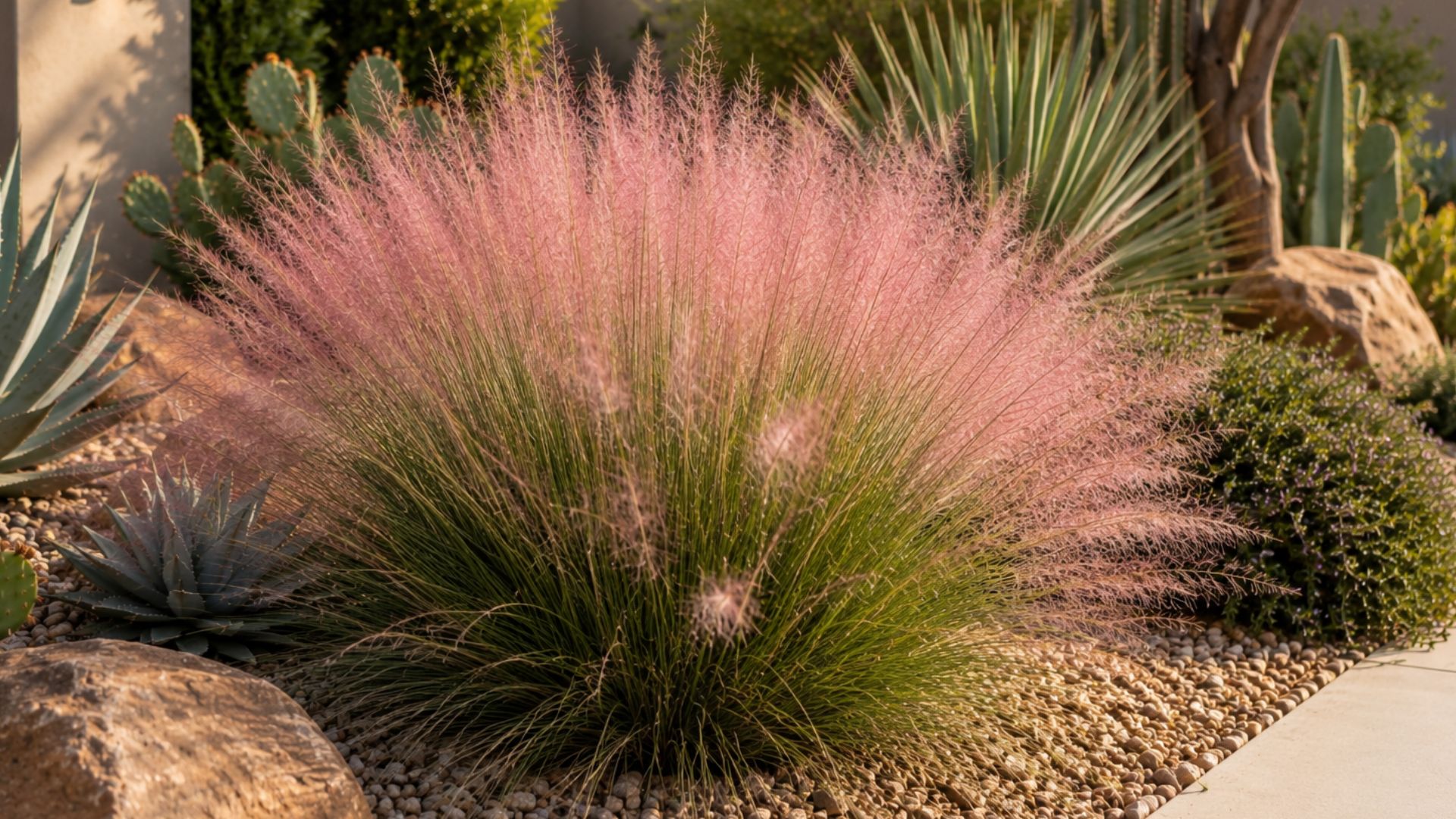
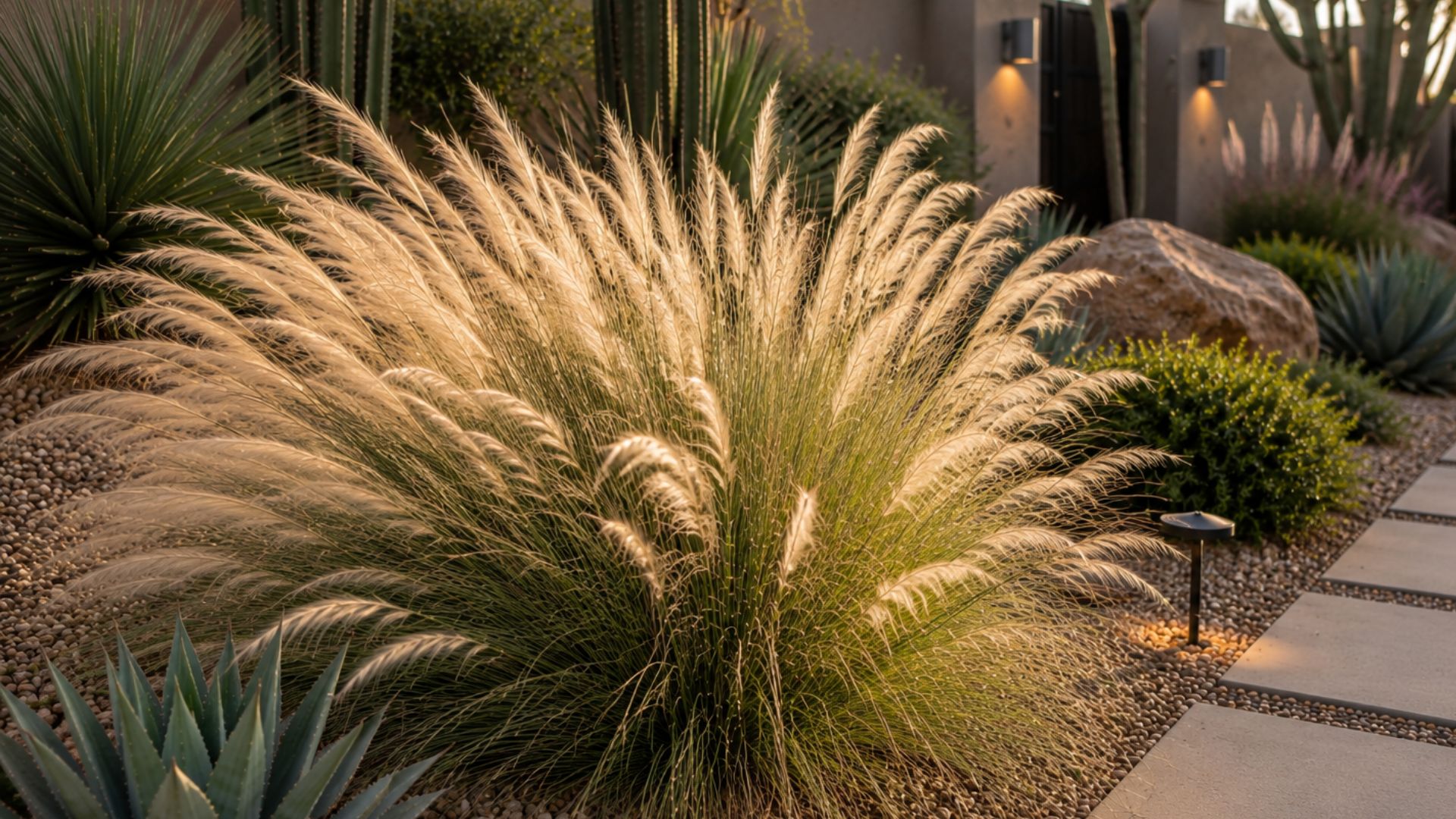
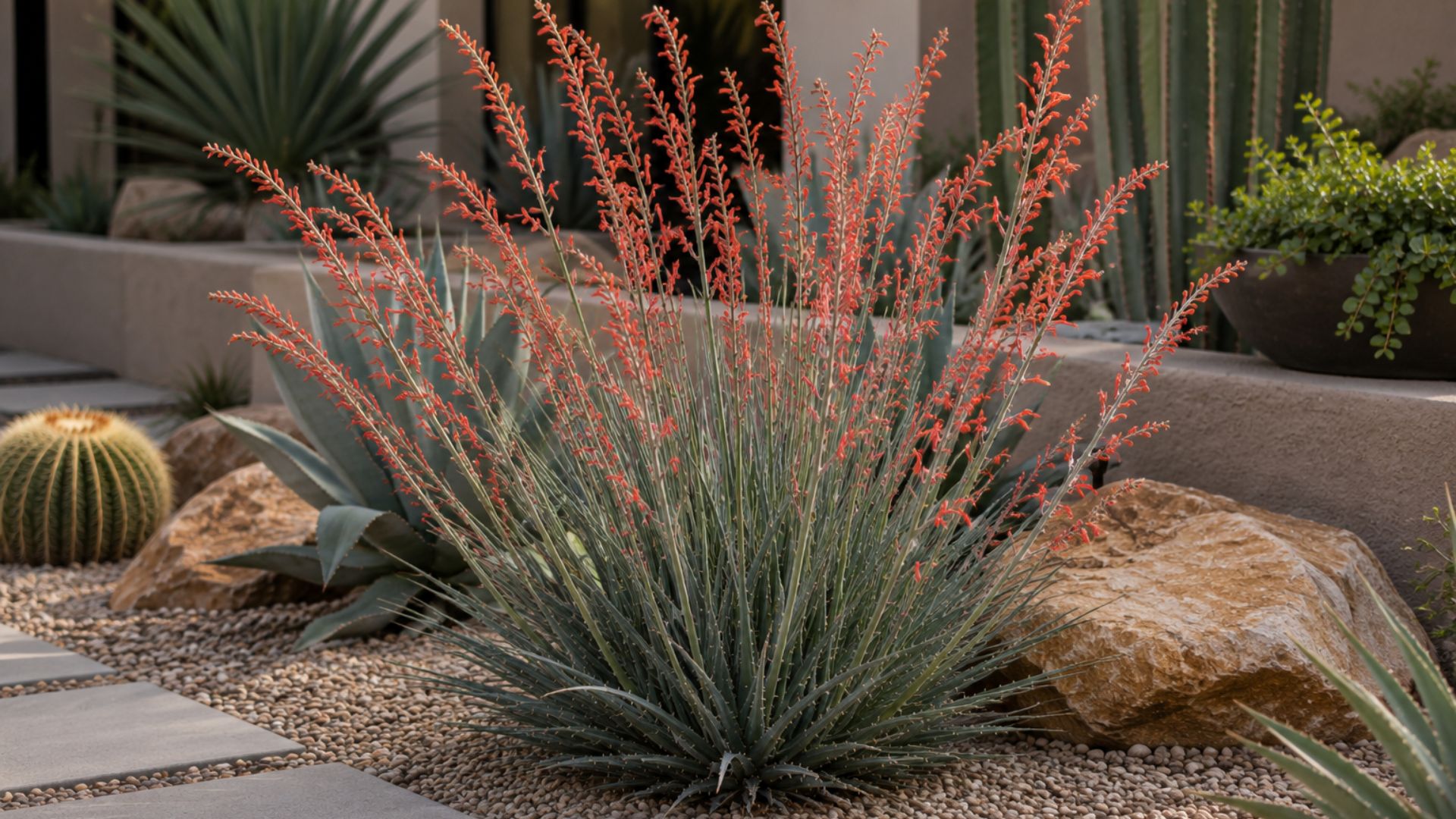
Its naturally tidy growth pairs beautifully with Agaves, Sotol, Red Yucca, Blackfoot Daisy, Mexican Feather Grass, and decorative stone, creating a balanced landscape with both soft and architectural elements. Because it tolerates heat, drought, and lean soils, Rosemary has become a dependable choice for Plano homeowners seeking a landscape that remains attractive with minimal irrigation and maintenance.
Rosemary grows best in full sun and requires well-draining soil to thrive. It prefers at least six to eight hours of direct sunlight each day and performs especially well in raised beds, rock gardens, and gravel landscapes where excess moisture drains away quickly.
Once established, Rosemary requires only occasional deep watering during extended dry periods. Overwatering should be avoided, as the plant prefers slightly dry soil between irrigations. Light pruning after flowering helps maintain a full, compact shape and encourages healthy new growth. With proper care, Rosemary can remain an attractive evergreen shrub for many years in Southlake landscapes and throughout North Texas.
The most common problem with Rosemary is poor drainage. Heavy clay soils and excessive watering can lead to root rot, particularly during cooler months. Improving drainage or planting in raised beds greatly increases the plant's long-term health.
Plants growing in too much shade may become sparse and produce fewer flowers. While Rosemary is generally resistant to most pests, occasional spider mites, aphids, or powdery mildew can appear if airflow is limited or humidity remains high. Proper spacing and good sun exposure help prevent most issues before they develop.
Yes. Rosemary is an excellent choice for desert-style and Mediterranean-inspired landscapes in Plano Tx because it combines evergreen foliage, drought tolerance, and seasonal blooms. It pairs beautifully with succulents, ornamental grasses, decorative gravel, and natural stone while requiring very little maintenance.
Absolutely. Once established, Rosemary thrives in the intense summer heat of Southlake Texas. Its low water requirements and excellent heat tolerance make it well suited for water-wise landscapes throughout the DFW area, provided it is planted in well-draining soil.
No. Rosemary is considered a low-maintenance shrub. Light pruning once or twice a year is usually enough to maintain its shape and encourage dense, healthy growth. Avoid cutting into old woody stems, as they may not produce vigorous new growth.
You might also like