

Deer Grass
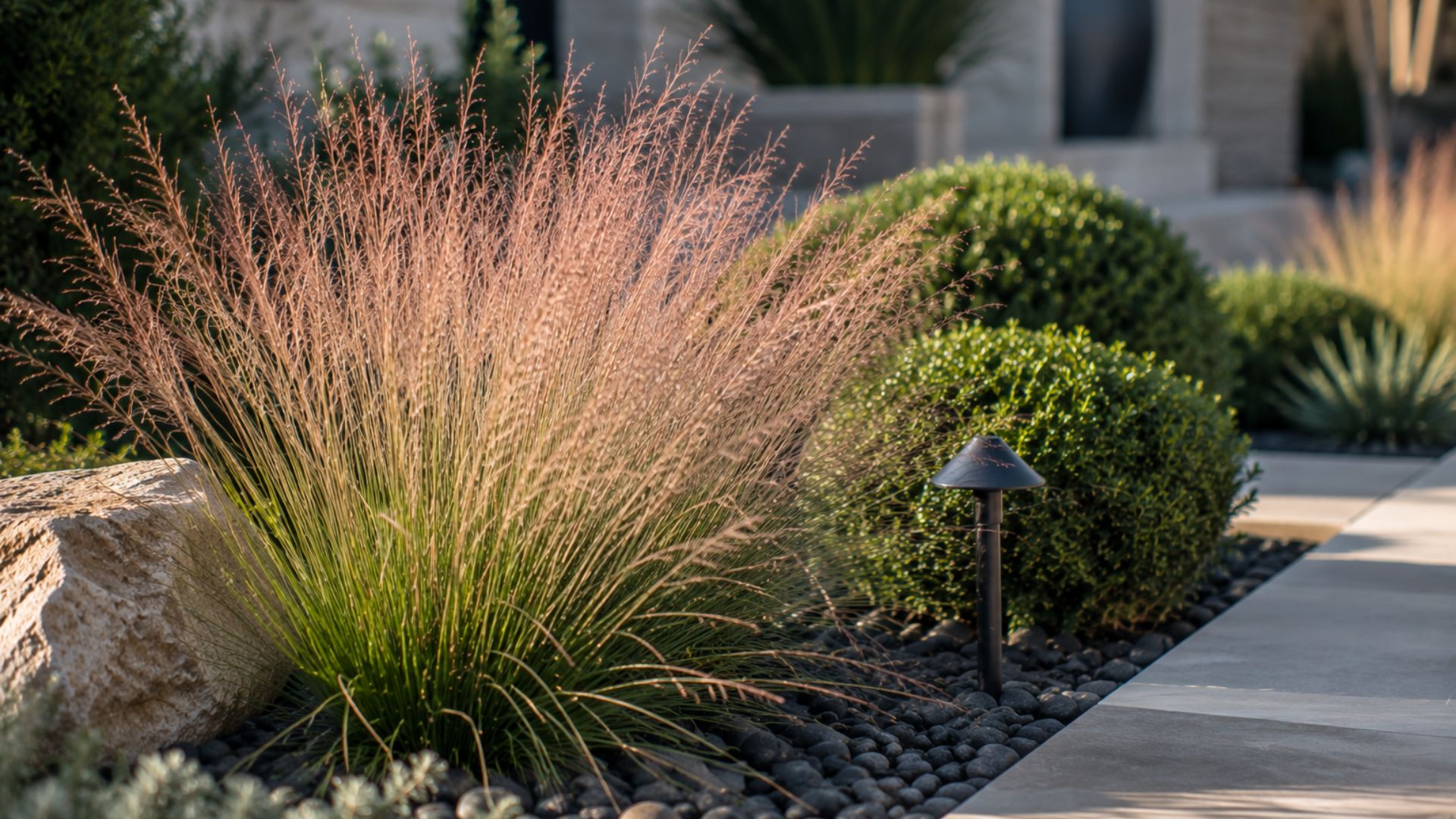
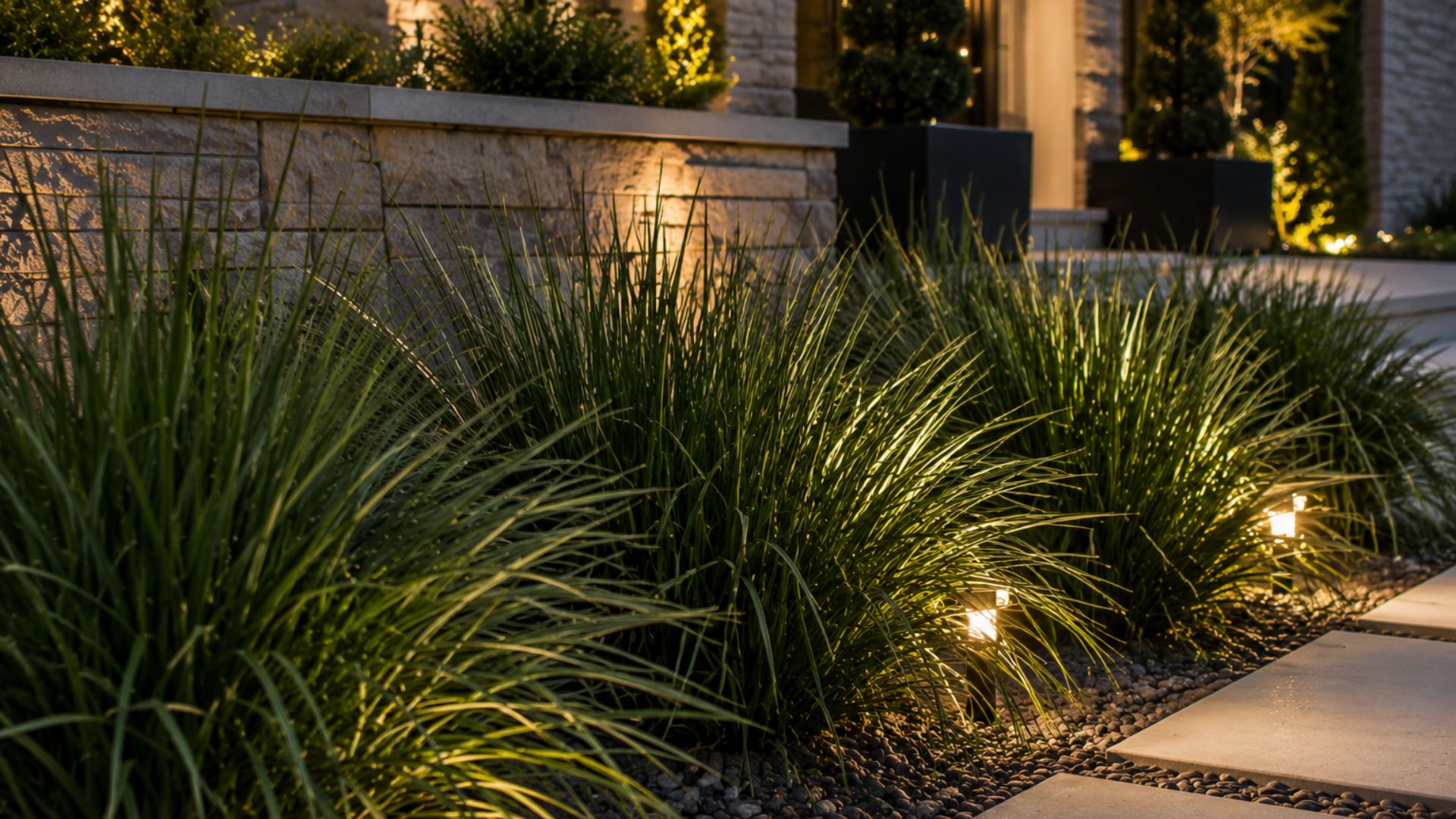
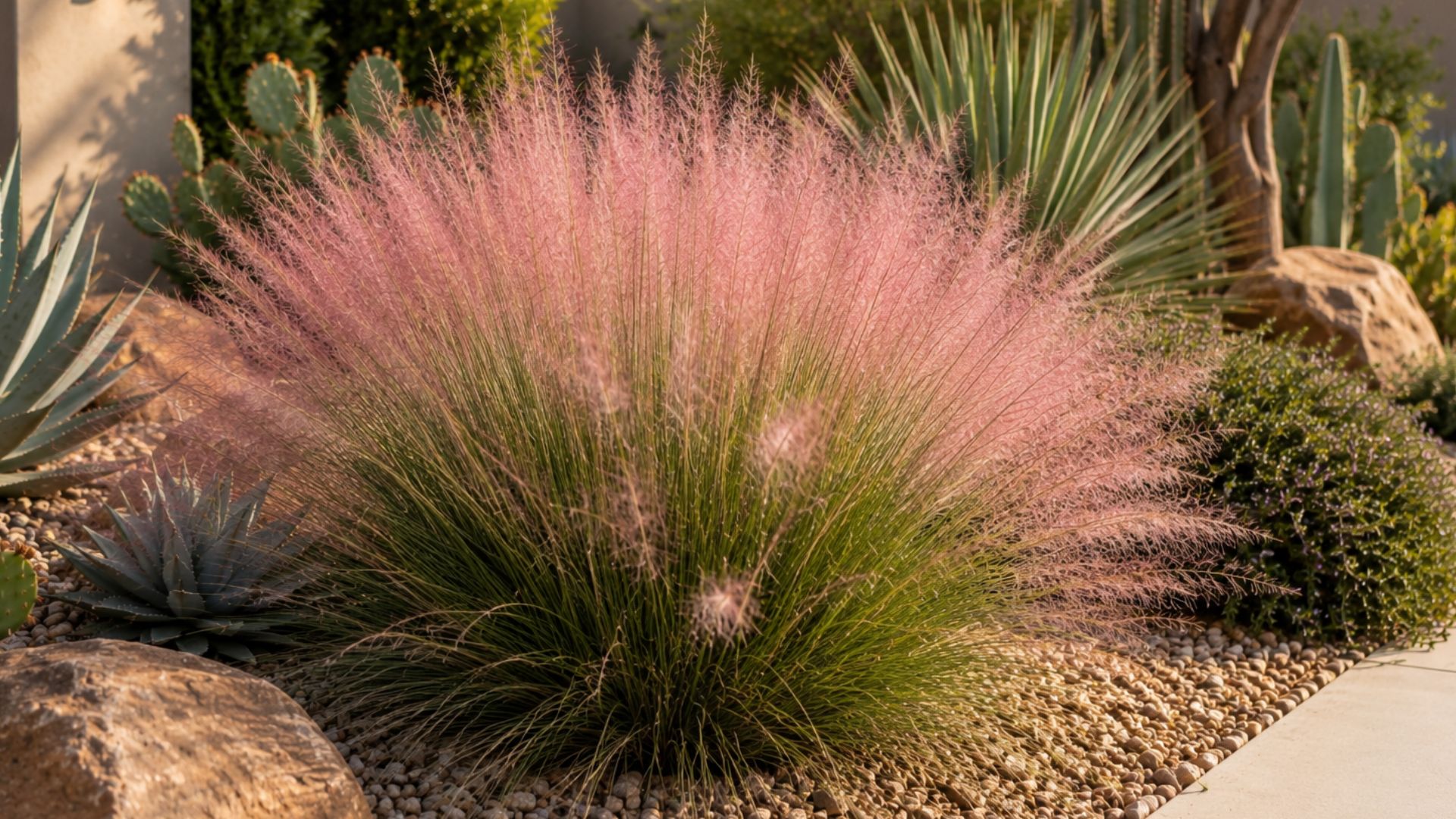
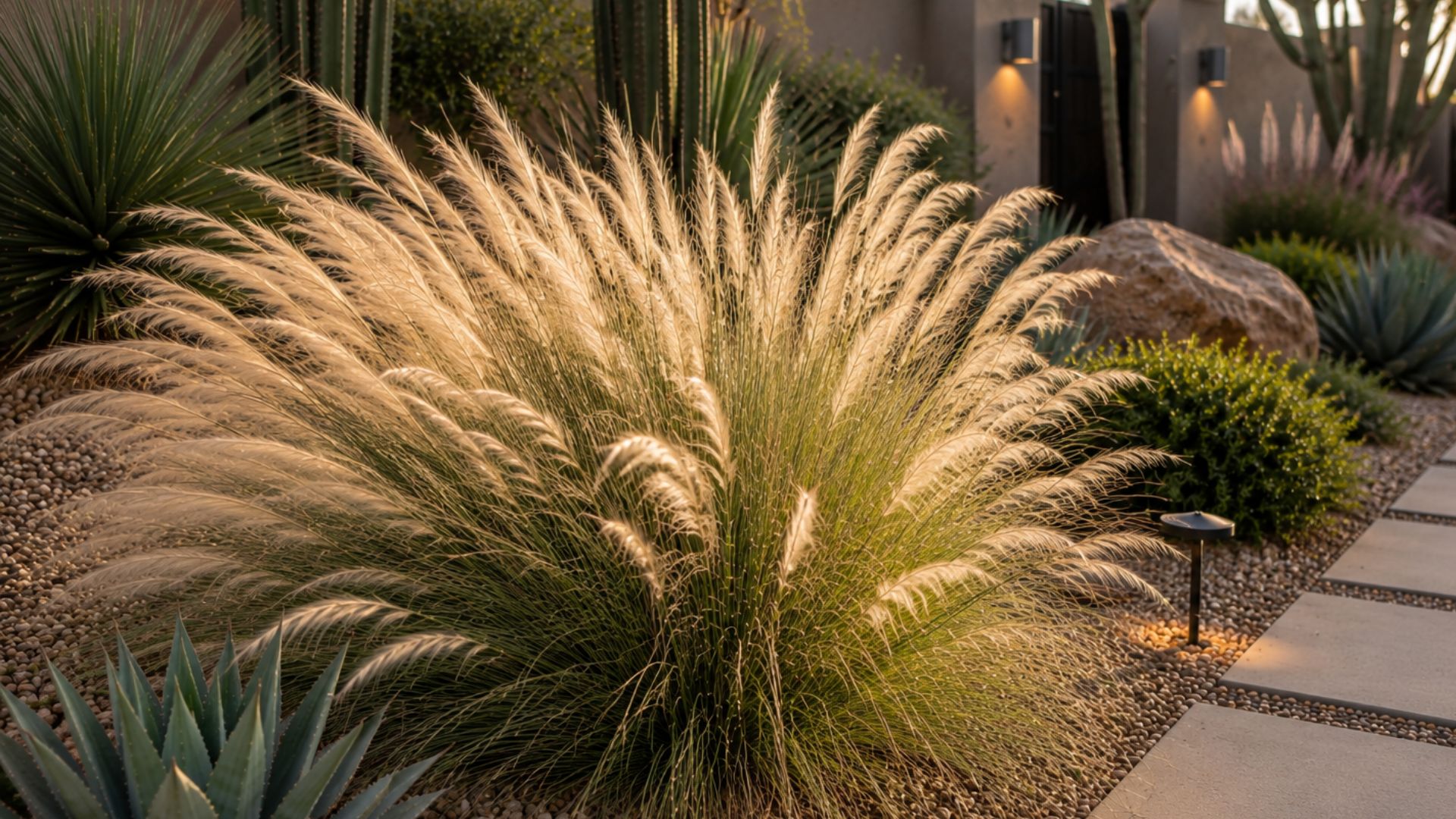
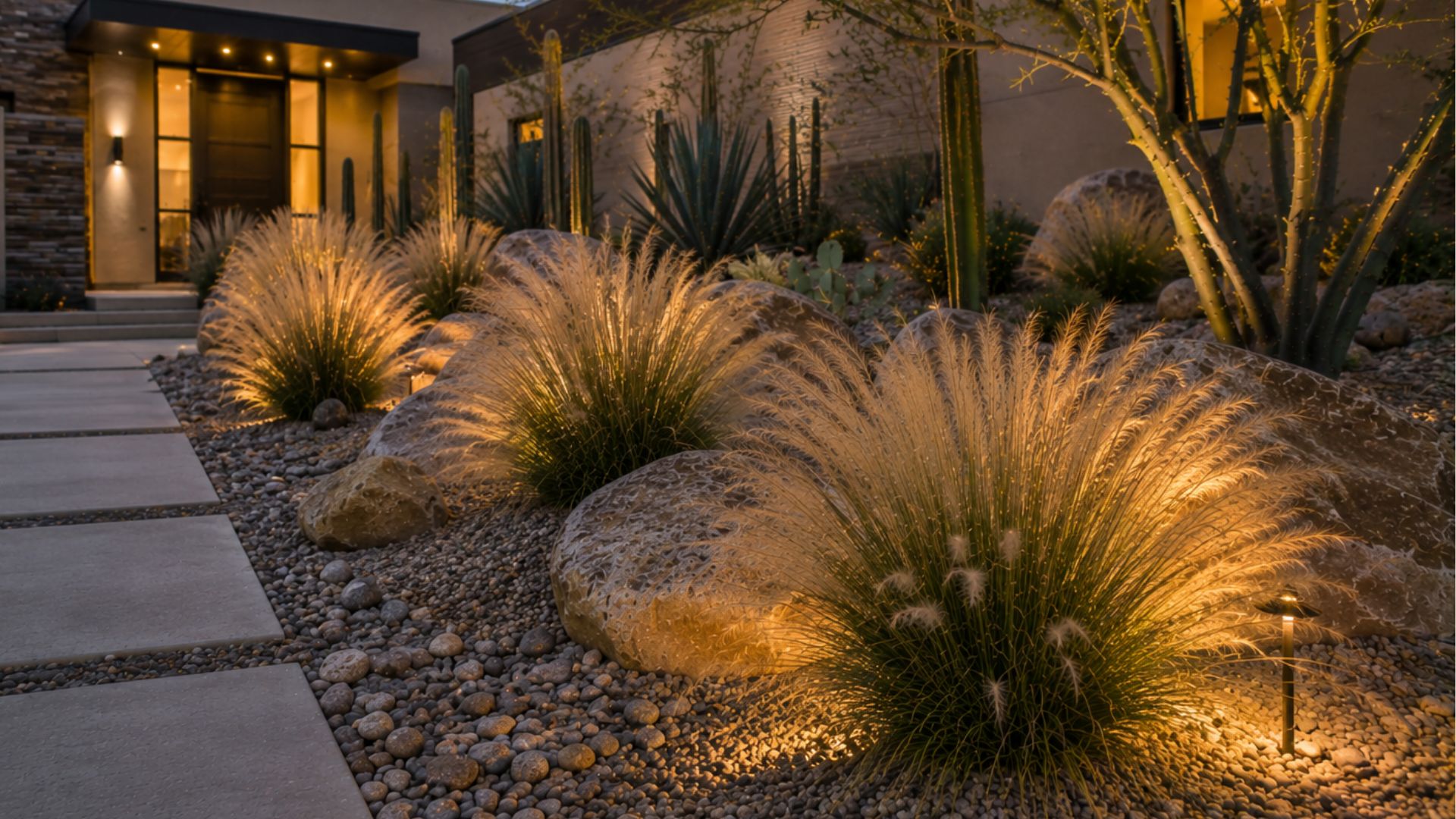
A graceful, clump-forming ornamental grass with arching green foliage and tall flowering stalks that add movement and texture to the landscape. Typically grows 3–4 feet tall and 3–5 feet wide, with flower spikes reaching up to 6 feet. Hardy in USDA Zones 7–10, Deer Grass thrives in the hot, sunny conditions of North Texas and is an excellent choice for desert-style, Mediterranean, and water-wise landscapes in Plano, Southlake, and throughout the DFW area.
Deer Grass
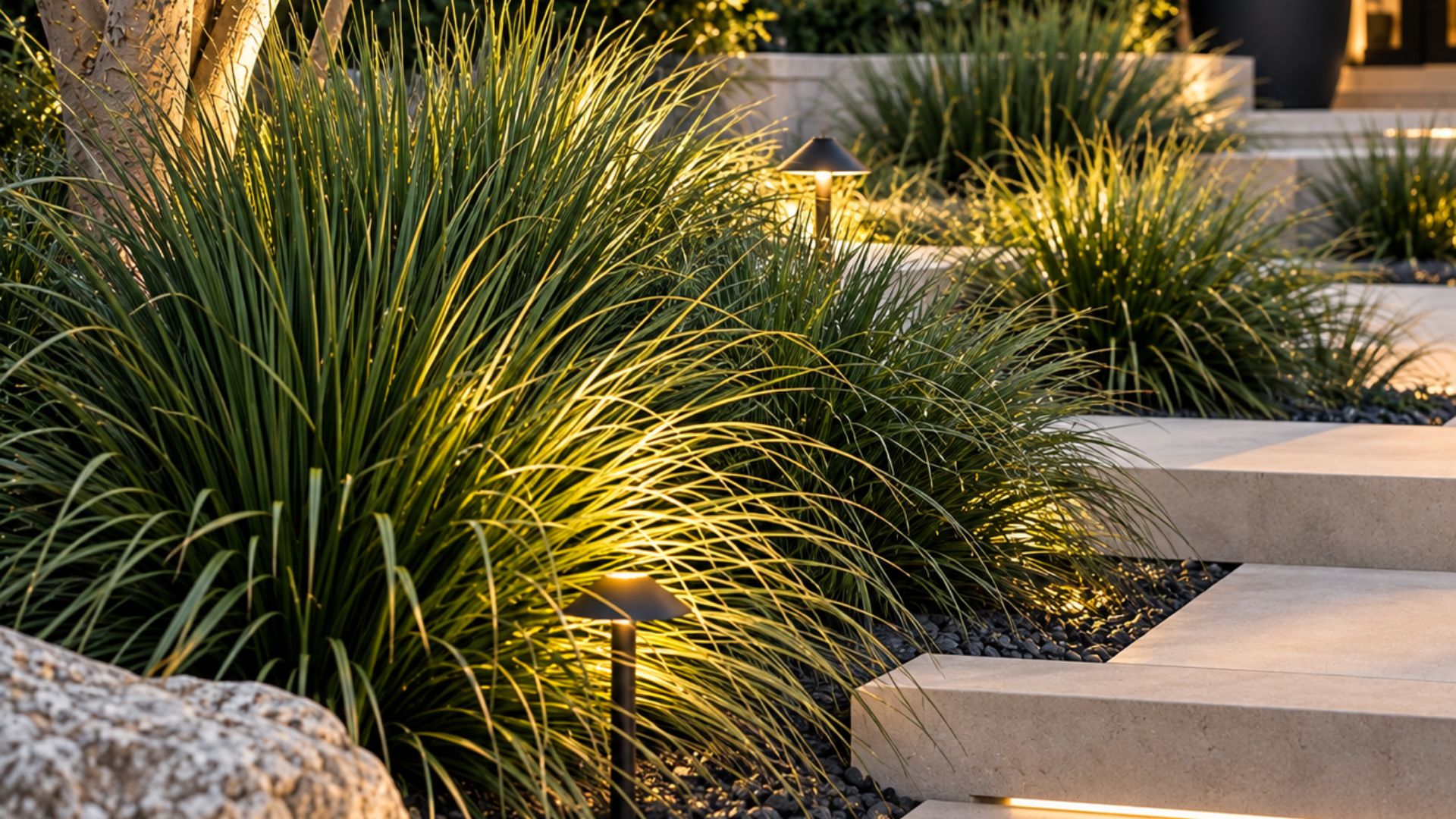
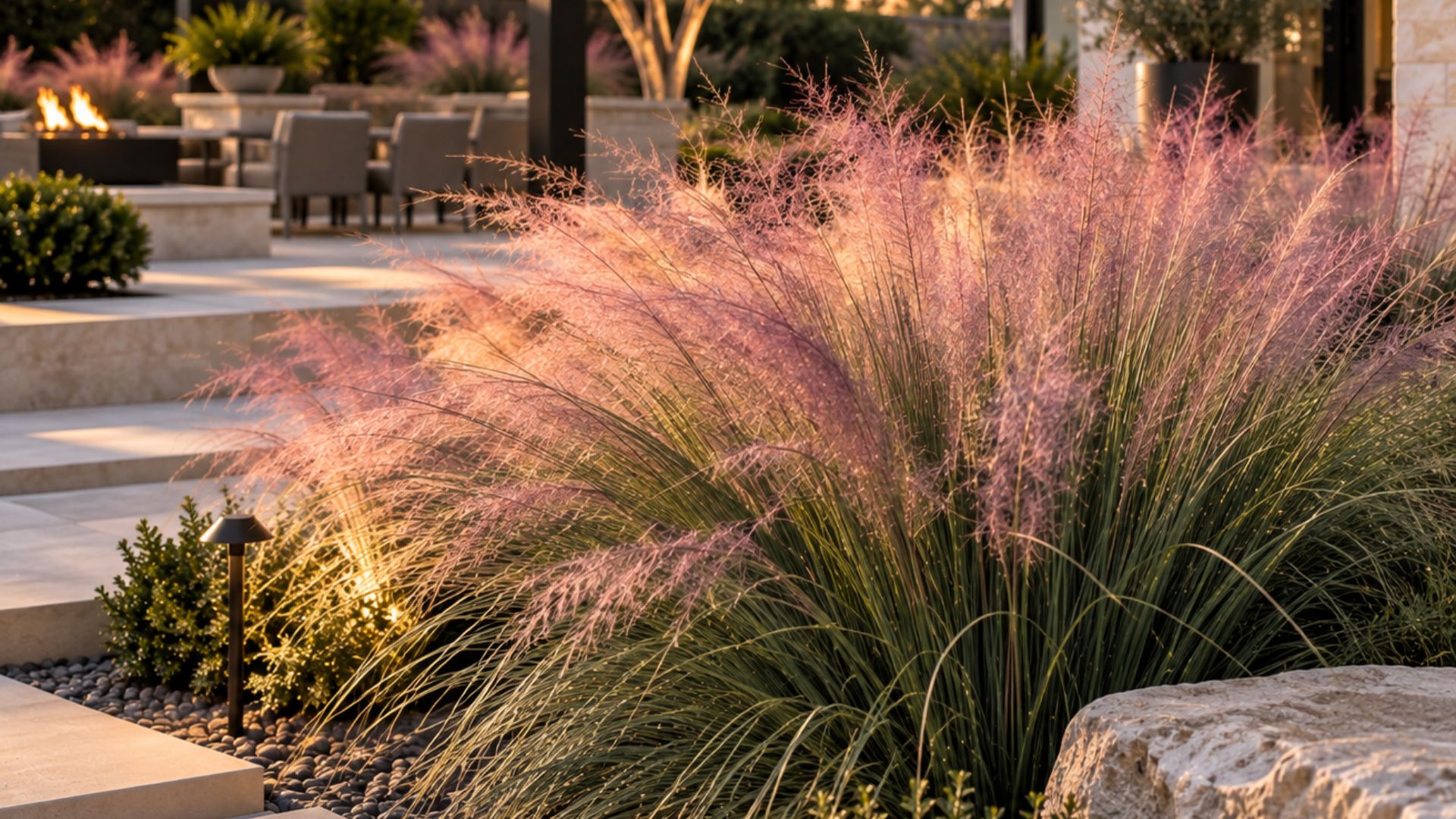
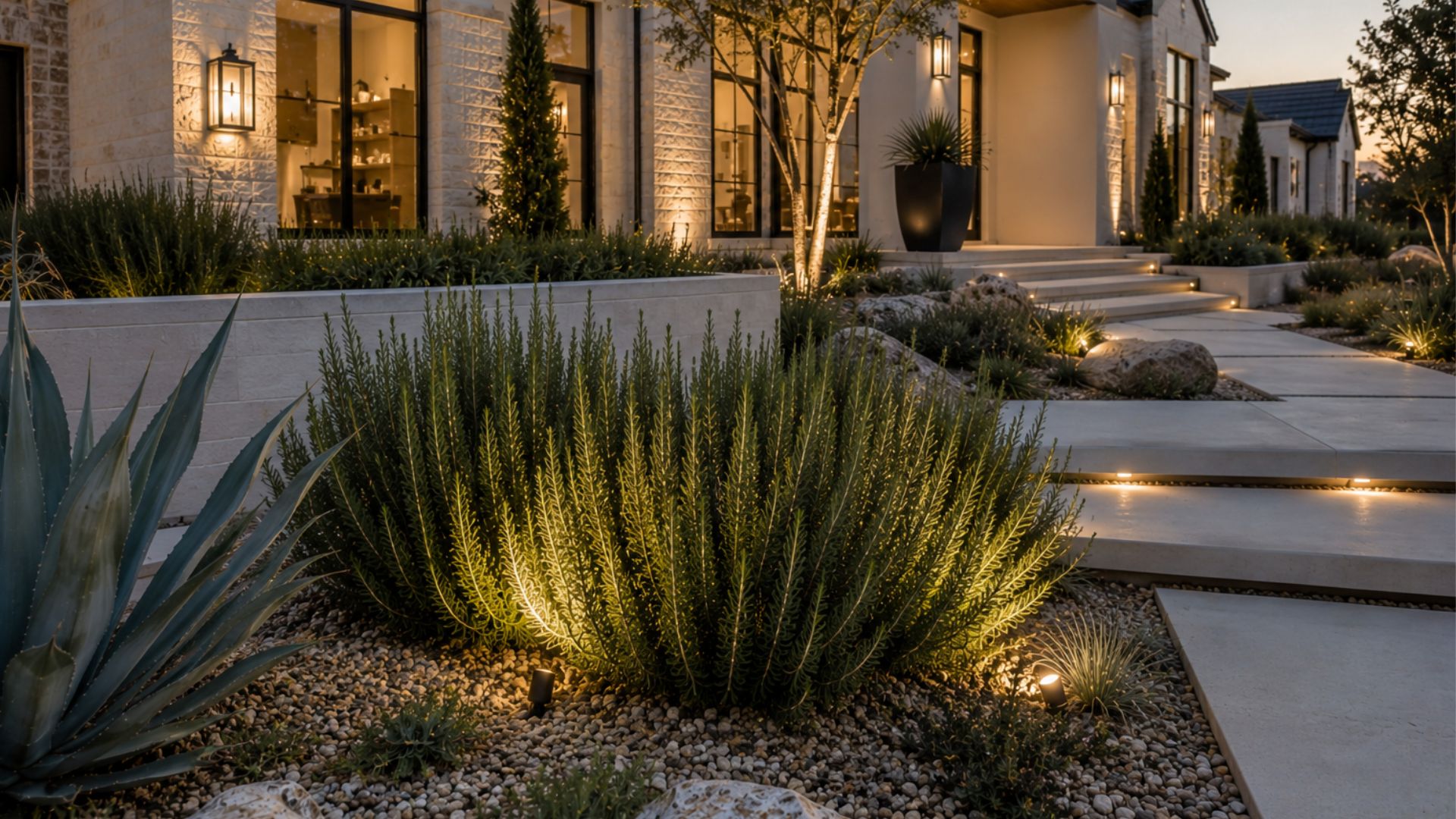
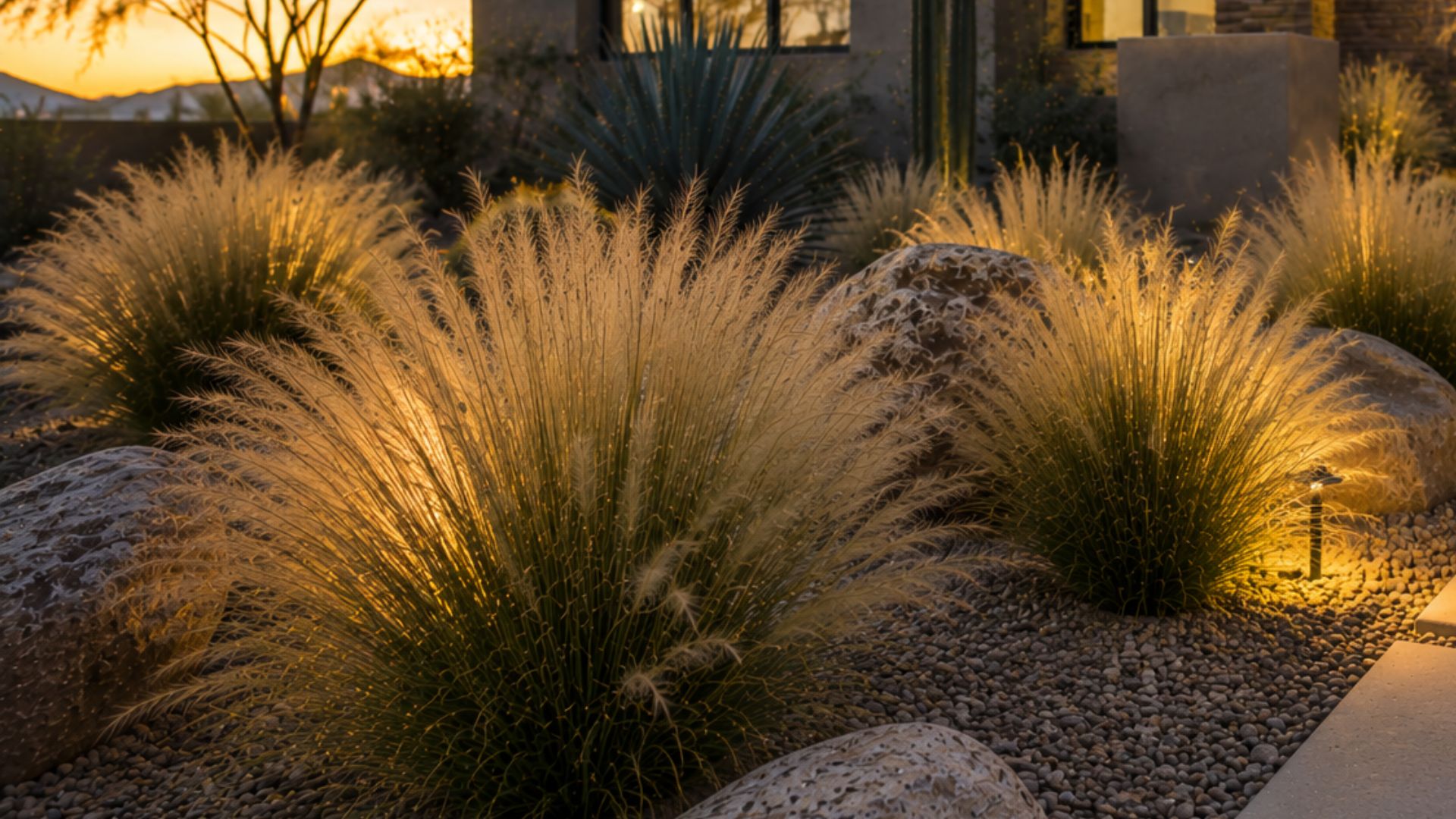
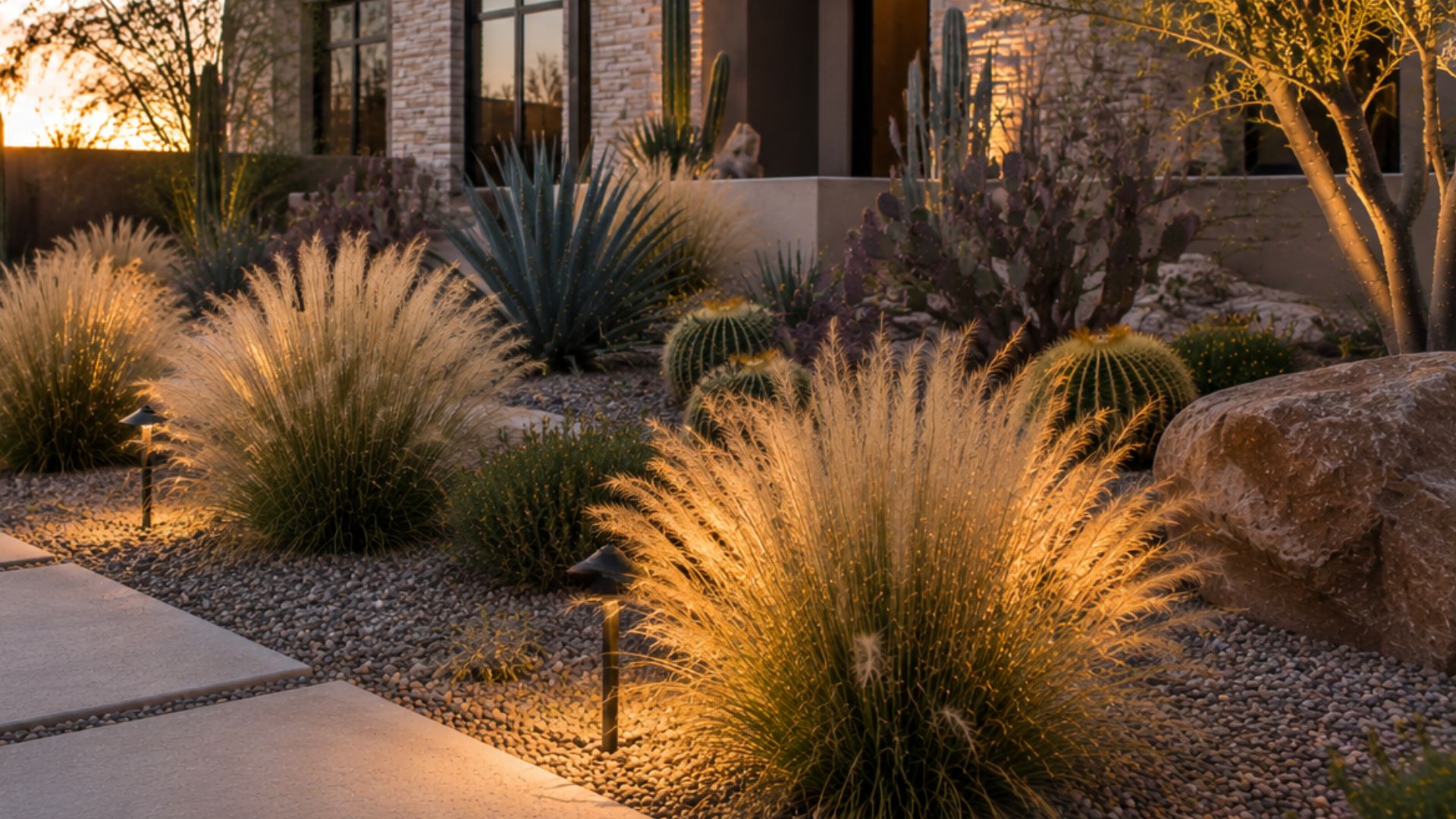
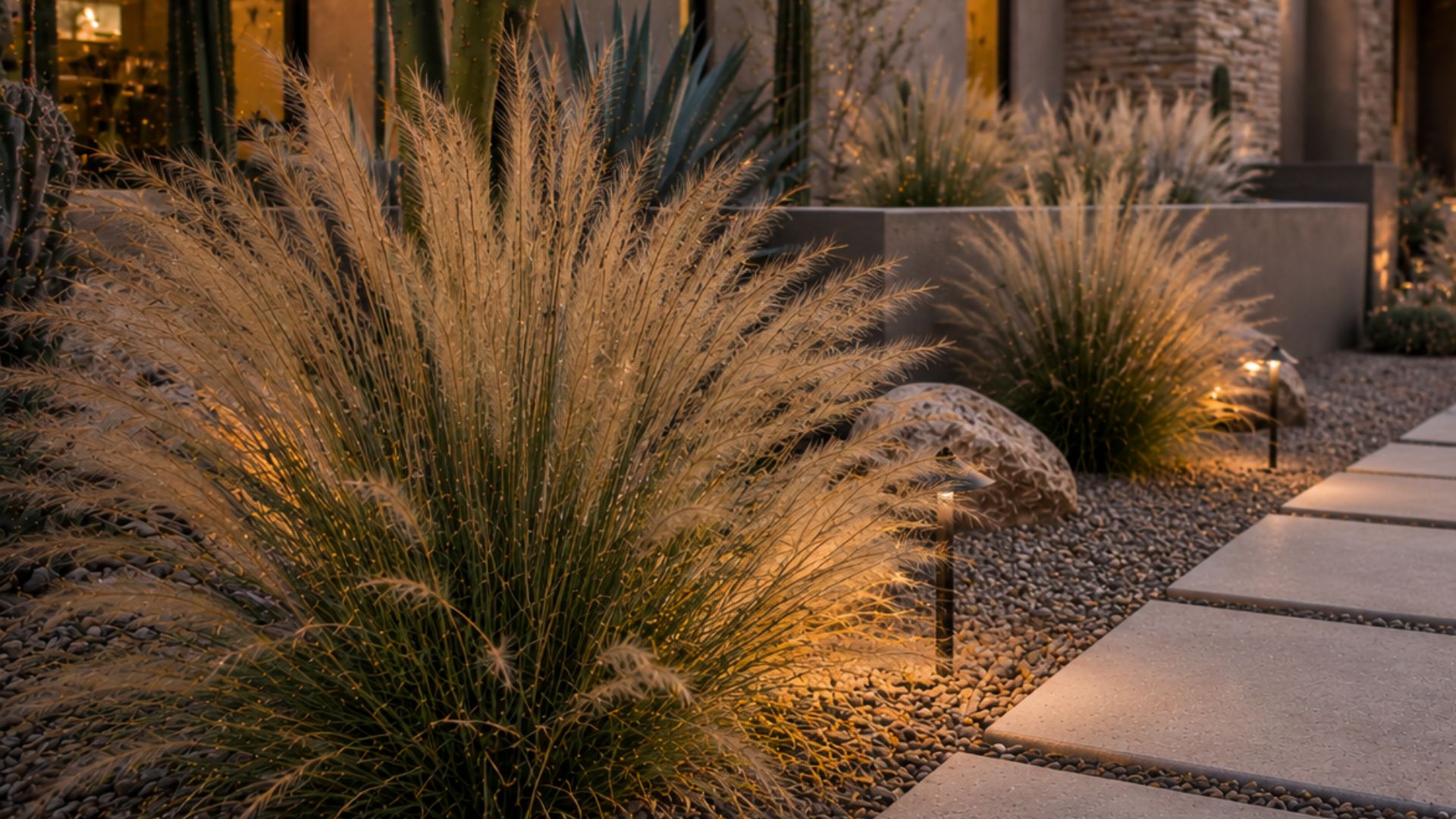
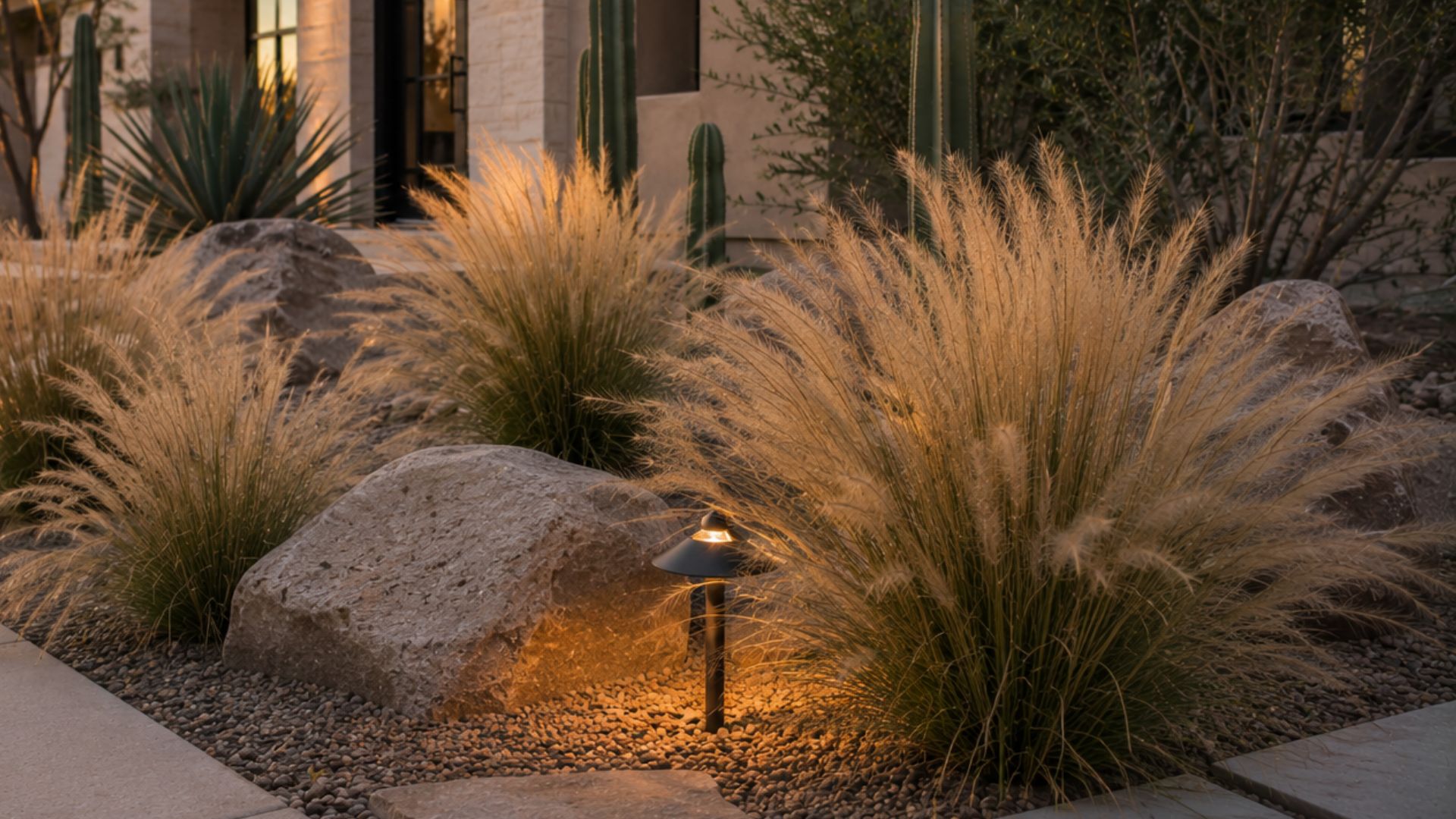
Deer Grass (Muhlenbergia rigens) is a striking ornamental grass valued for its bold architectural form, graceful texture, and exceptional drought tolerance. Its dense fountain-shaped clumps of narrow green foliage create year-round structure, while tall tan flower stalks emerge during summer and fall, swaying beautifully with the breeze. The combination of strong form and soft movement makes Deer Grass a standout feature in both residential and commercial landscapes.
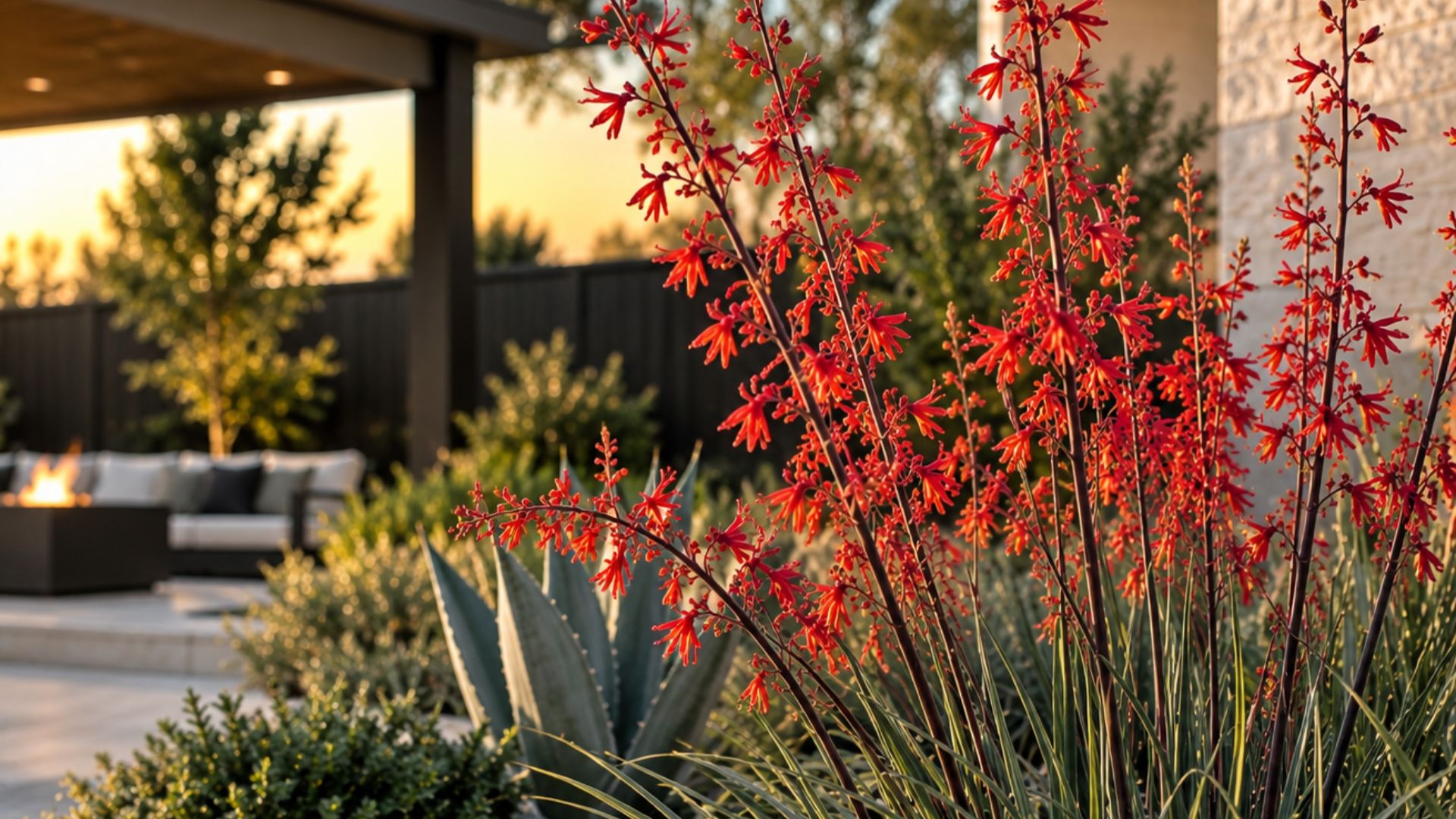
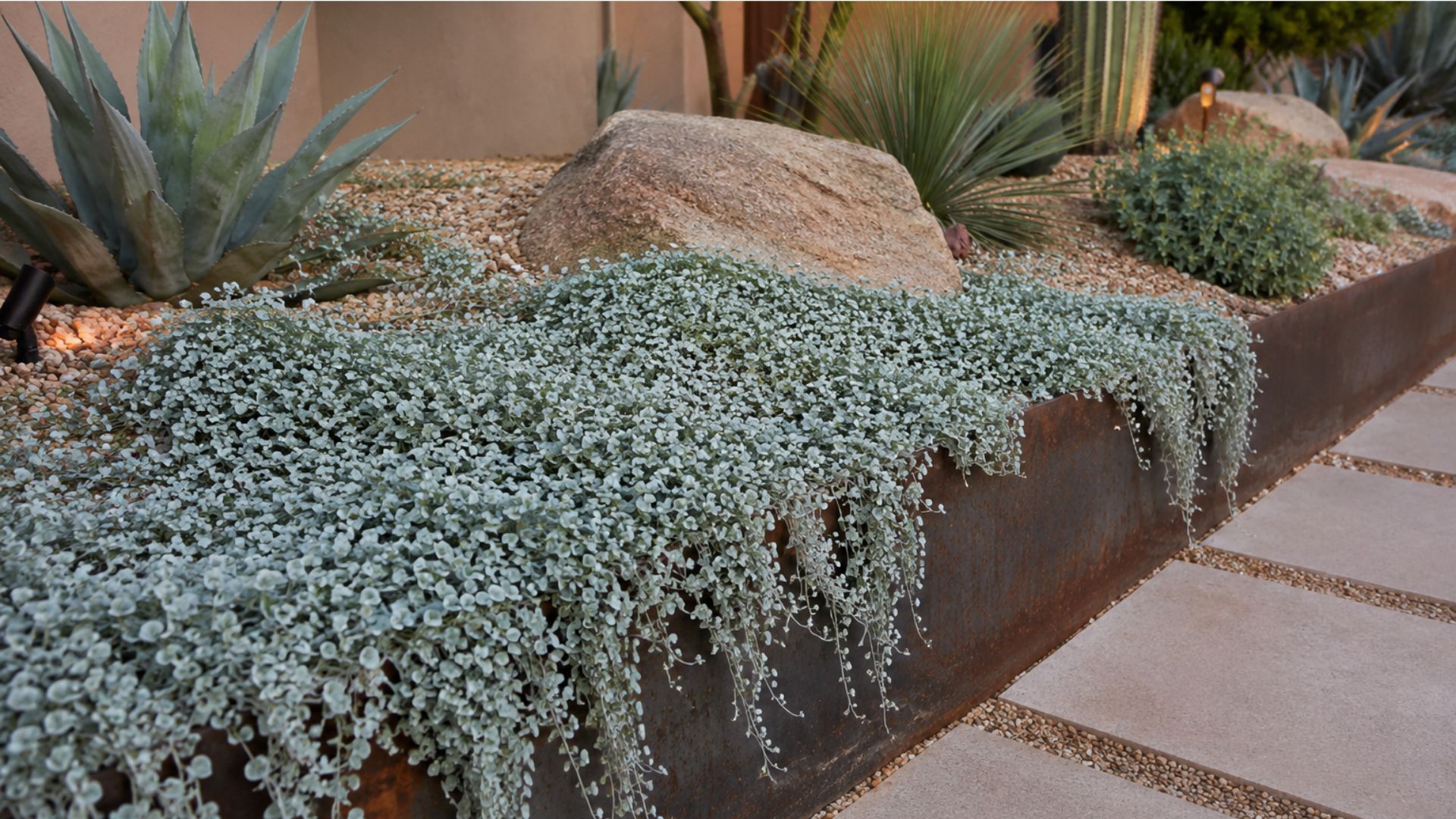
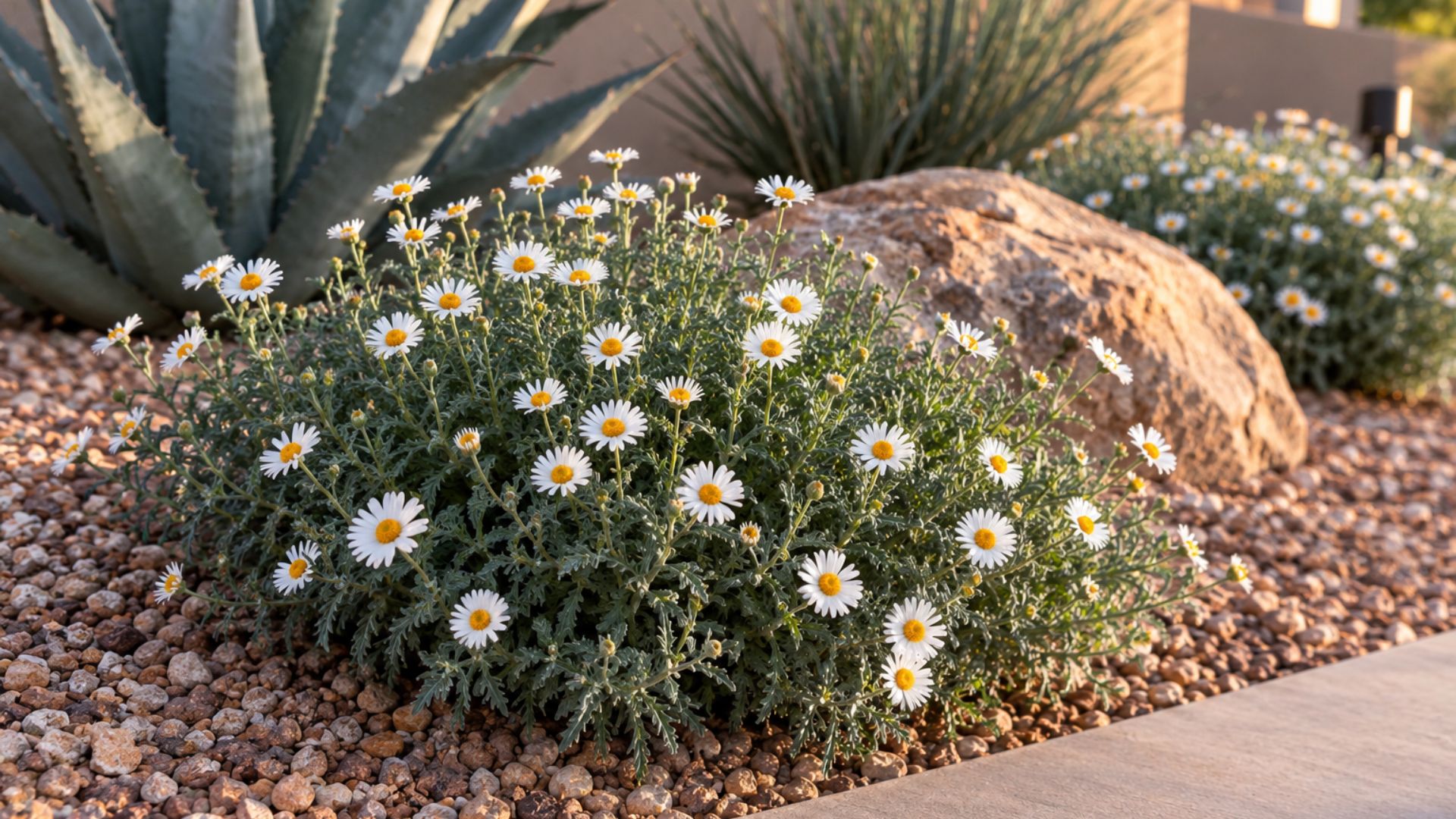
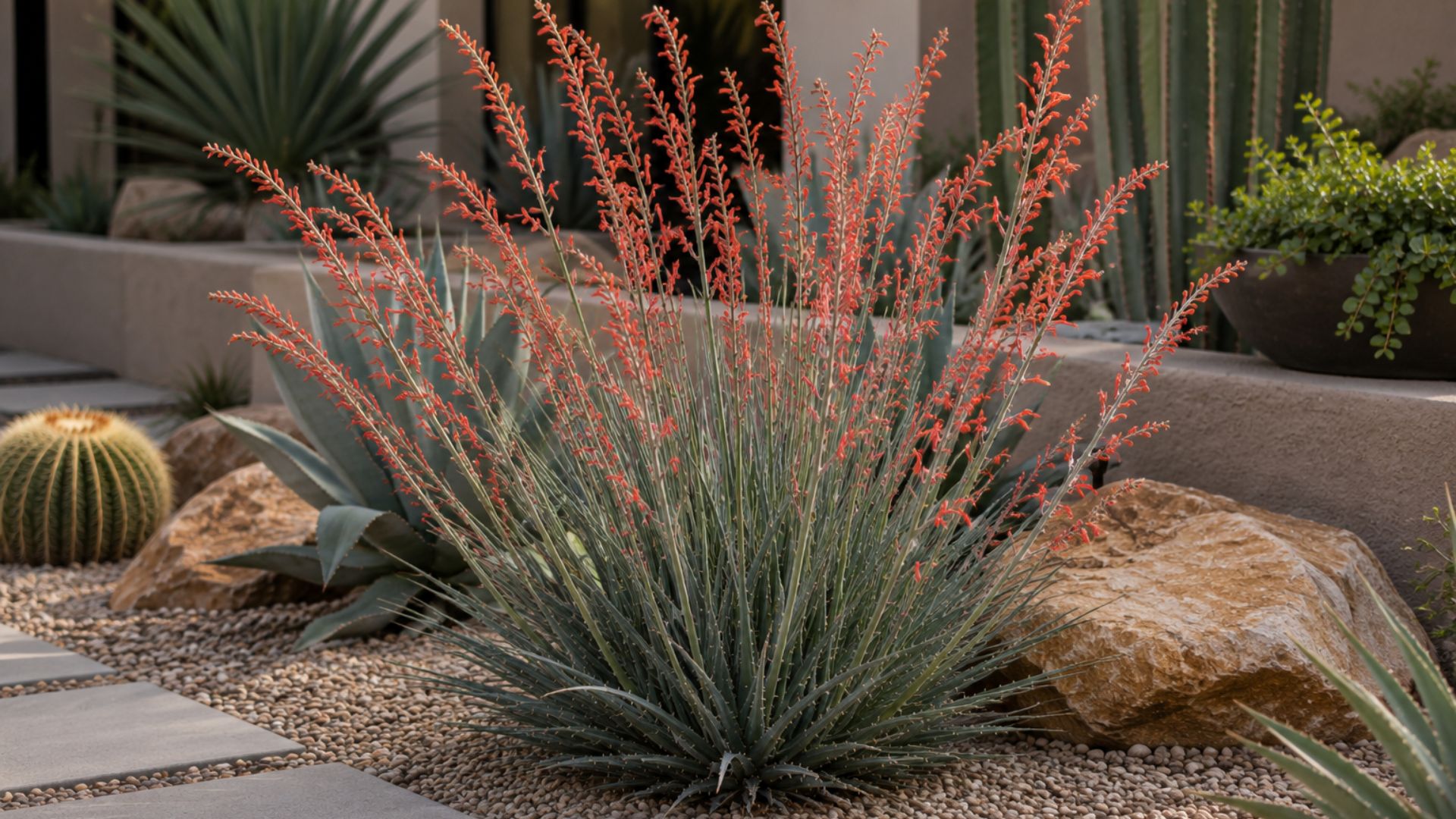
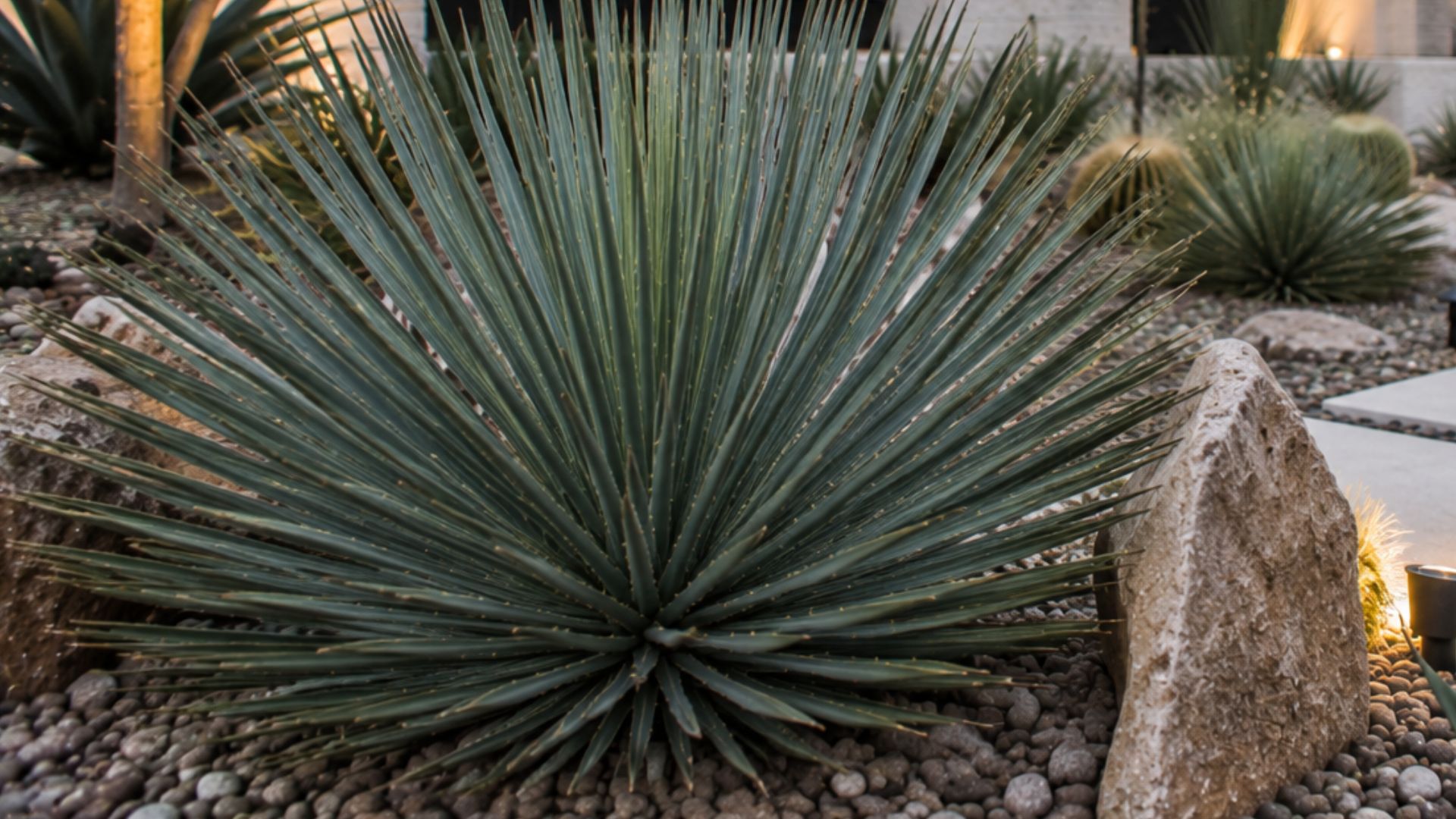
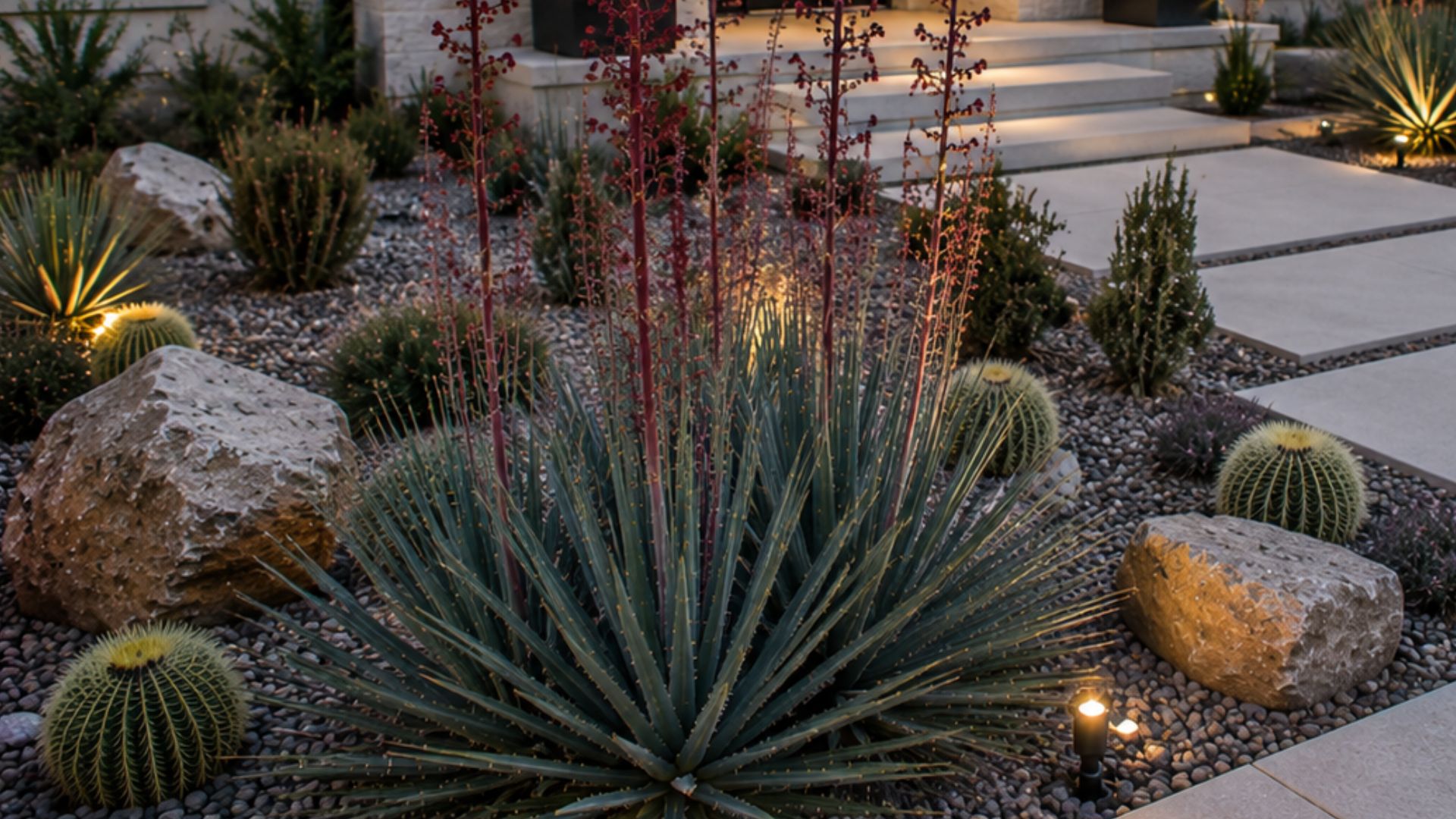
As a staple of desert-style and xeriscape designs, Deer Grass pairs beautifully with Agaves, Hesperaloe, Texas Sage, Silver Ponyfoot, Blackfoot Daisy, and natural stone. Its ability to tolerate heat, poor soils, and extended dry periods makes it an excellent investment for homeowners in Plano, Southlake, and throughout North Texas seeking a refined, low-maintenance landscape.
Deer Grass performs best in full sun, where it develops its fullest shape and strongest flowering display. It thrives in well-draining soils and requires only occasional deep watering once established. Although highly drought tolerant, supplemental irrigation during prolonged summer droughts can help maintain lush foliage.
Maintenance is simple. Cut back old foliage in late winter or early spring before new growth begins to keep the plant looking fresh and healthy. Deer Grass rarely requires fertilizer and generally performs best in average to lean soils. Its durability and minimal maintenance make it a favorite for modern and desert-style landscapes throughout the DFW area.
Deer Grass is remarkably trouble-free when planted in the proper conditions. The most common issue occurs in poorly drained soils, where excessive moisture can contribute to root rot or crown decline. Good drainage is essential for long-term health.
Plants growing in excessive shade may become less dense and produce fewer flower stalks. Older clumps can also develop dead material in the center over time, which is easily corrected through routine annual pruning. Deer Grass is generally resistant to pests, diseases, deer, and rabbits, making it one of the most dependable ornamental grasses for North Texas landscapes.
No. Deer Grass is not considered an invasive plant. It forms attractive, clumping mounds that stay where they're planted without spreading aggressively, making it an excellent choice for well-designed landscapes in Dallas, Southlake, and throughout North Texas.
While Deer Grass provides shelter and nesting material for birds and beneficial insects, its tough foliage is generally not a preferred food source for deer or other browsing animals. This makes it a dependable, low-maintenance ornamental grass for residential landscapes.
Absolutely. Deer Grass thrives in full sun, tolerates heat and drought once established, and performs exceptionally well in the Texas climate. Whether you're designing a modern xeriscape, a desert-inspired garden, or a low-maintenance landscape in Dallas or Southlake, Deer Grass adds year-round texture, movement, and architectural interest while requiring very little water.
You might also like