

Silver Ponyfoot
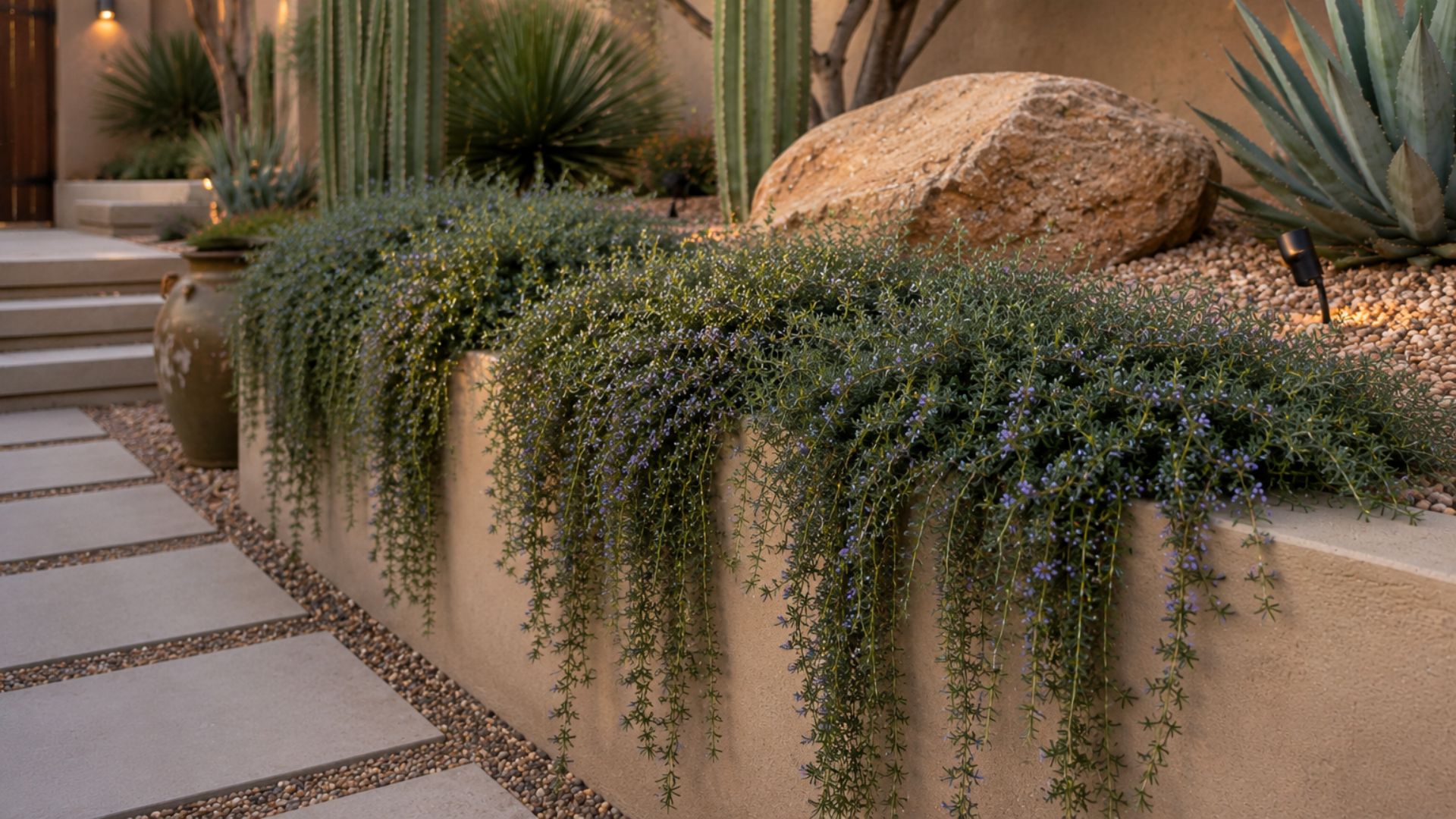
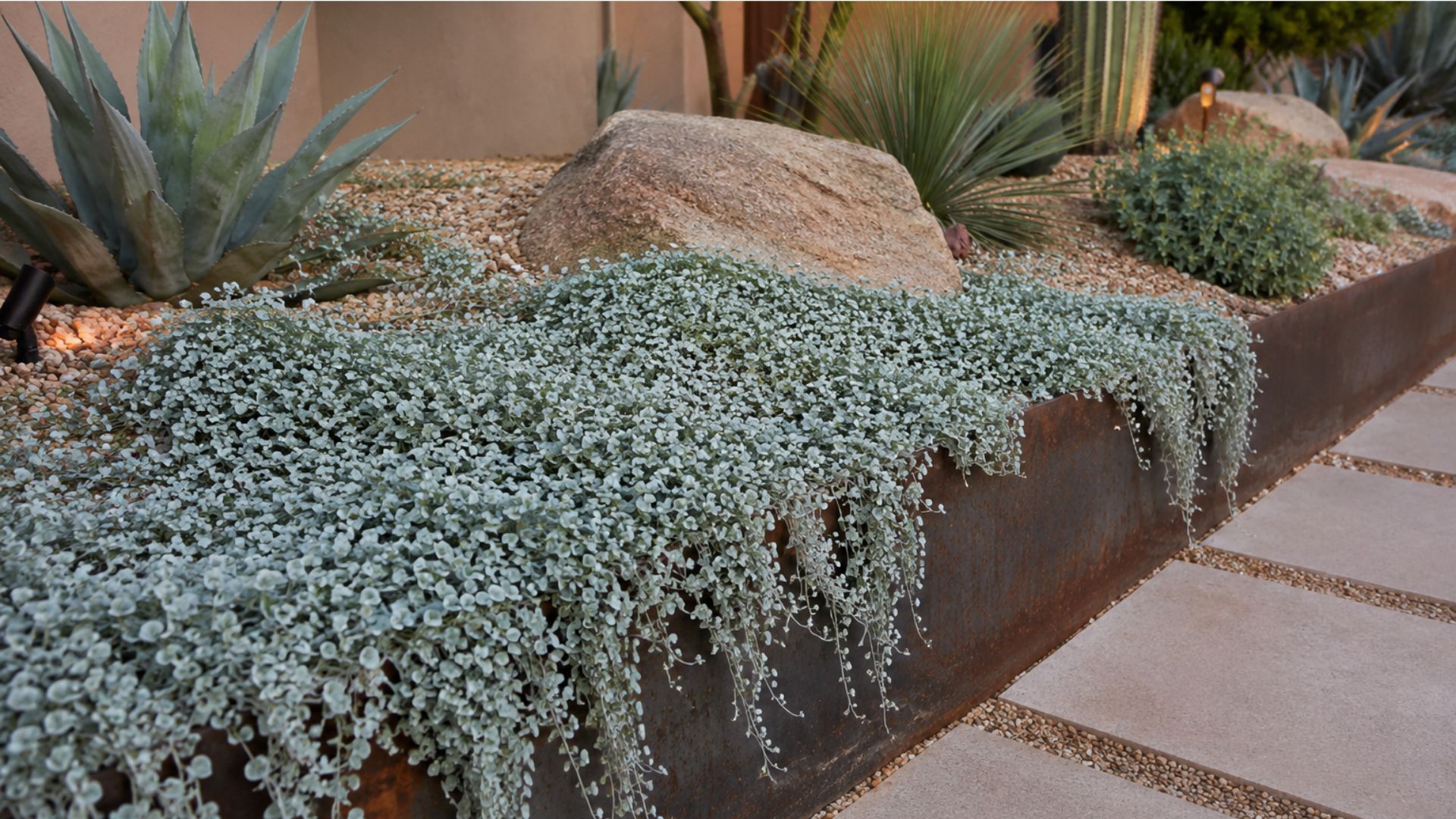
A low-growing perennial groundcover with soft, silvery foliage that creates a dense, cascading carpet of color. Typically grows 2–4 inches tall and spreads 24–48 inches wide, making it an excellent choice for rock gardens, retaining walls, containers, borders, and between stepping stones. Hardy in USDA Zones 8–10, Silver Ponyfoot thrives in the heat and drought conditions of North Texas, making it a popular addition to desert-style and modern landscapes in Plano, Southlake, and throughout the DFW area.
Silver Ponyfoot
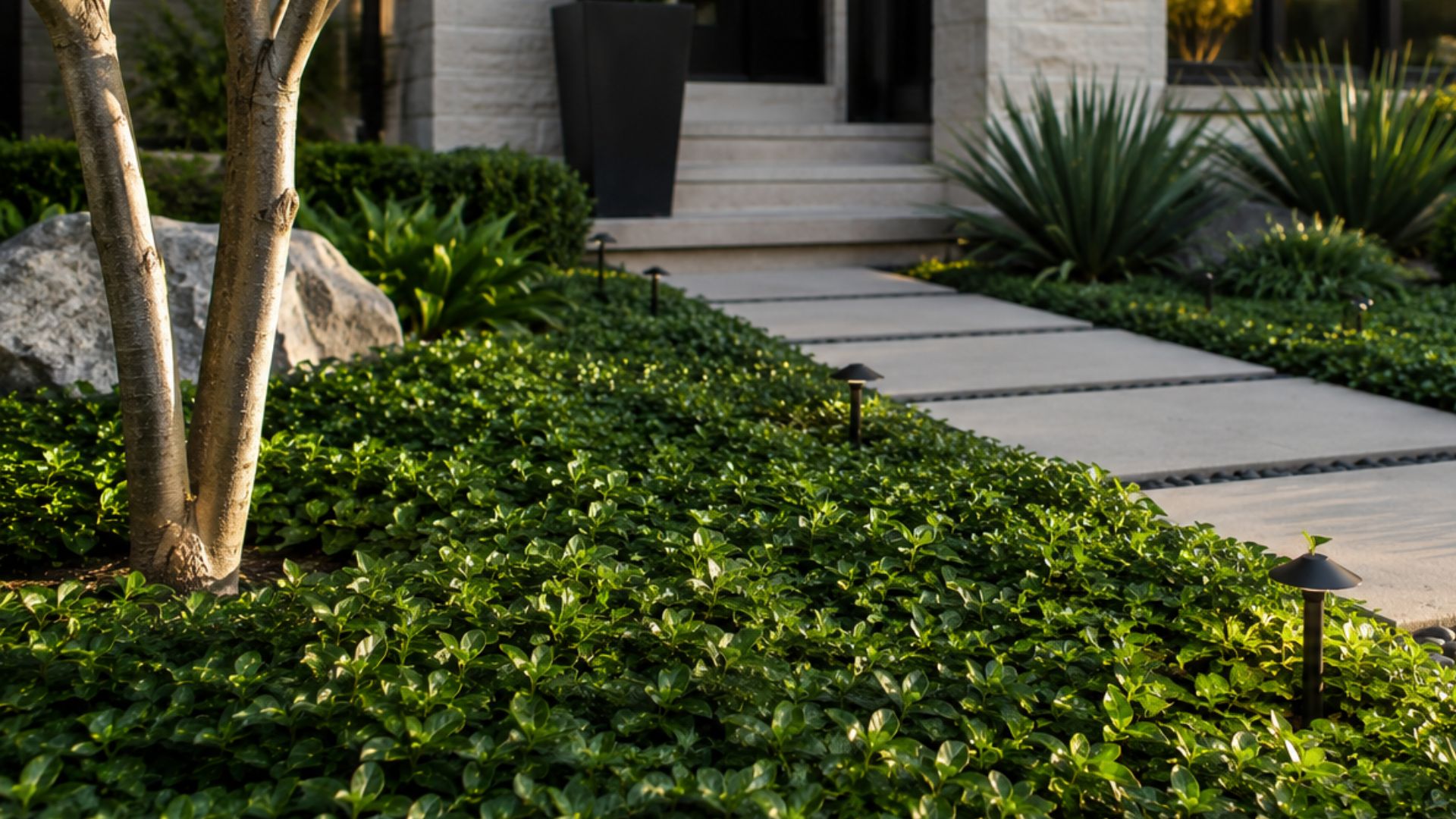
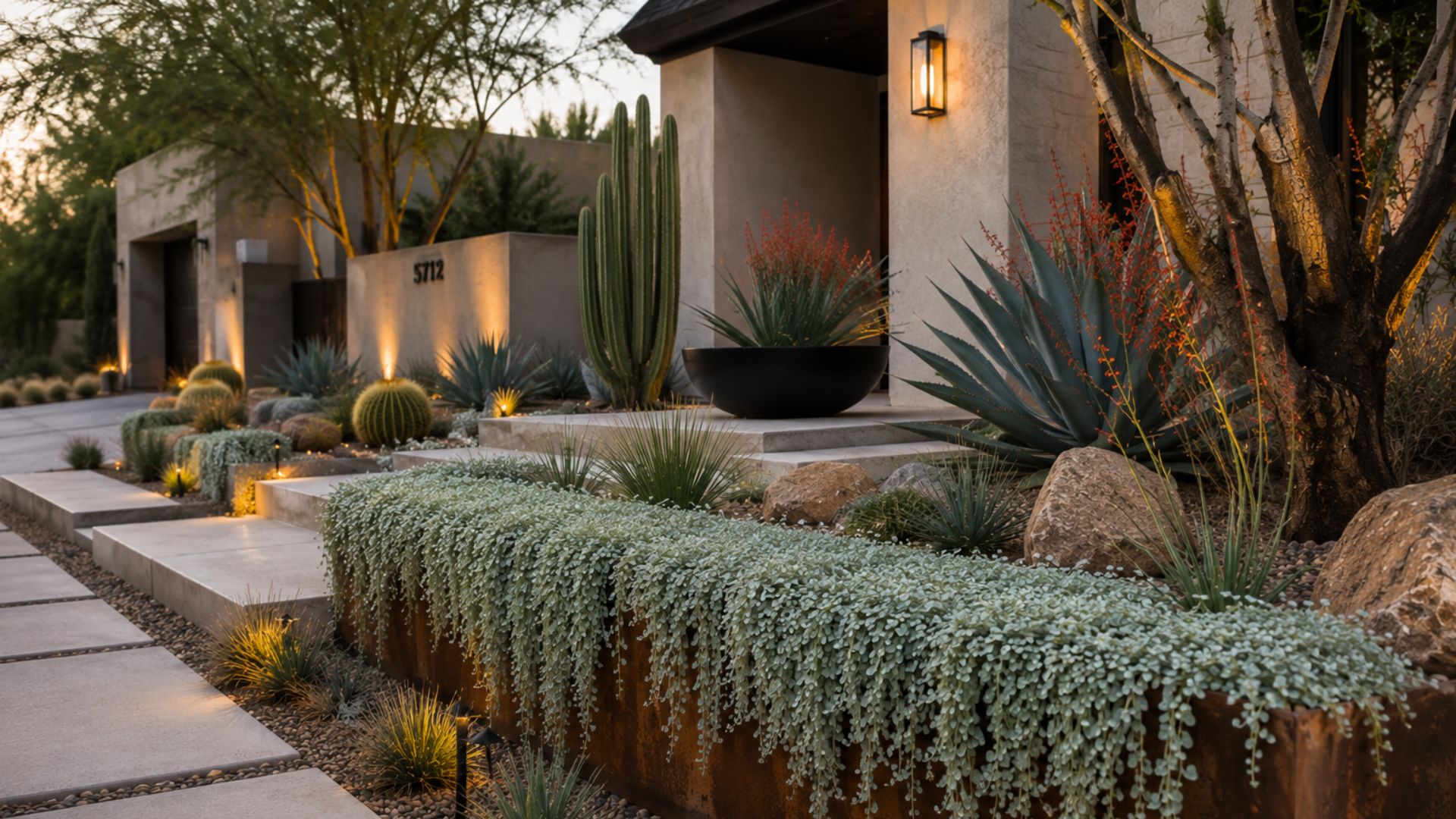
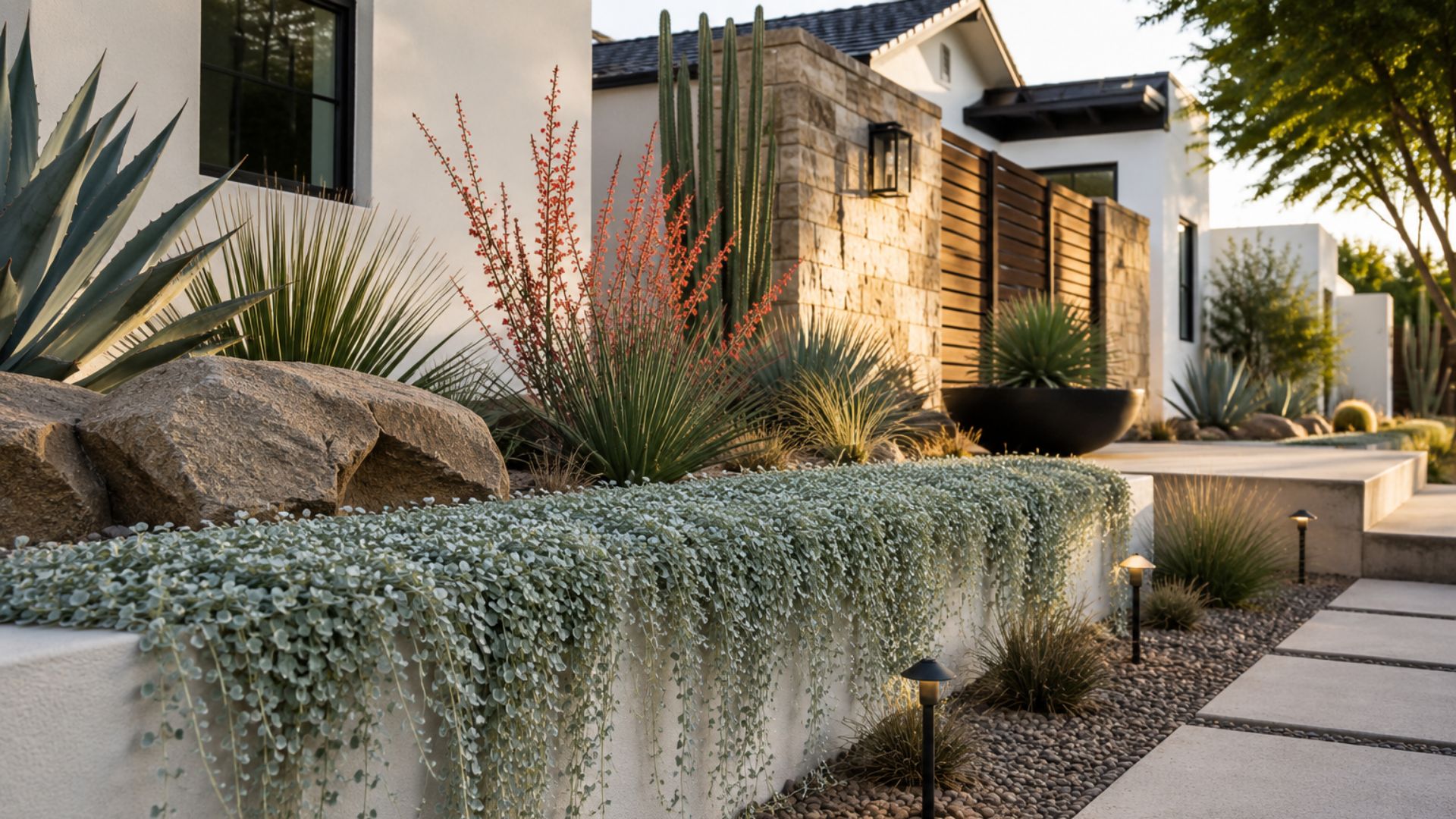
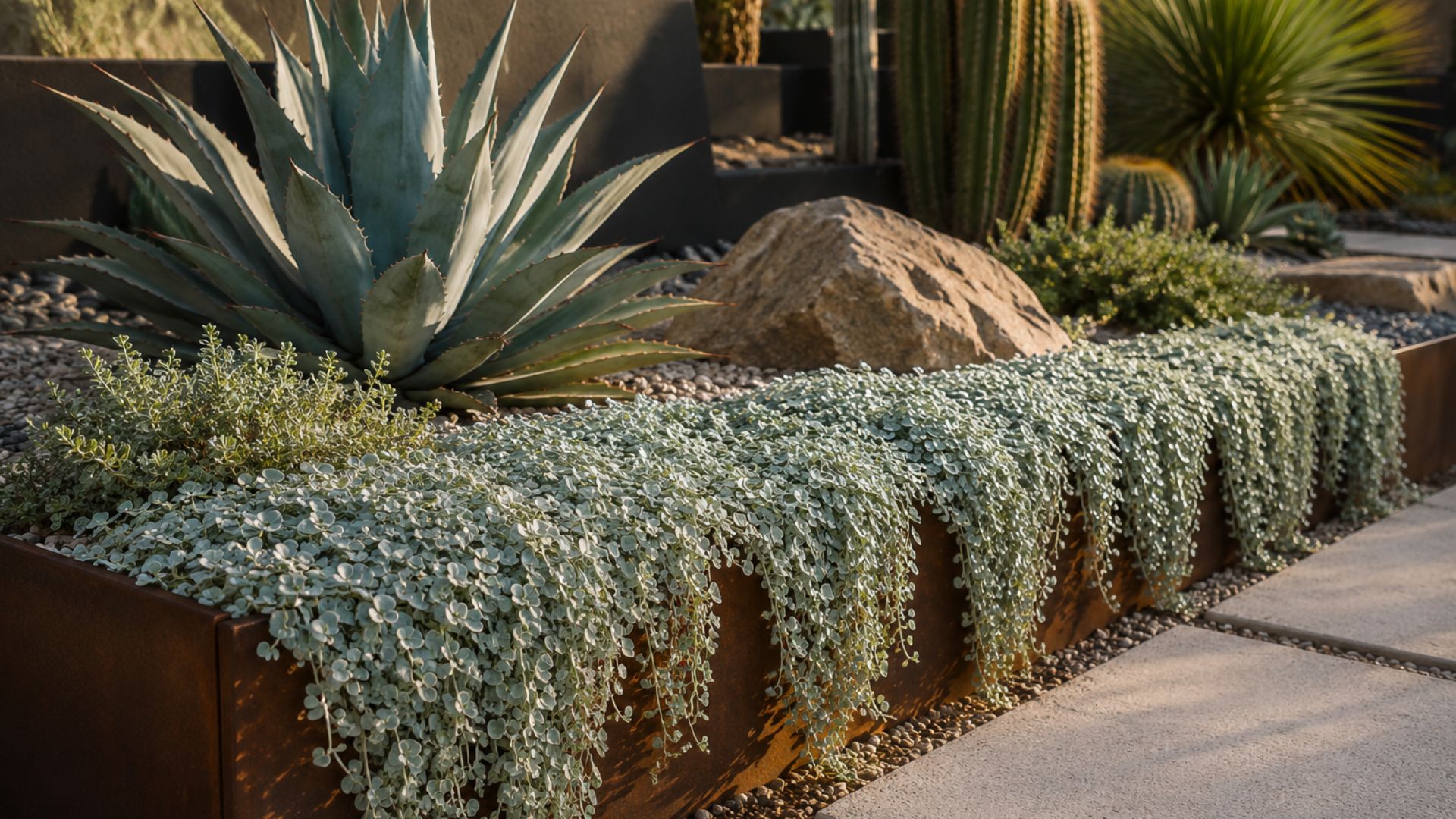
Silver Ponyfoot (Dichondra argentea) is a fast-spreading ornamental groundcover known for its soft, silvery foliage and cascading growth habit. Its rounded leaves create a striking carpet of silver that contrasts beautifully with natural stone, black gravel, decomposed granite, succulents, and drought-tolerant plants. Whether used to soften hardscape edges, spill over retaining walls, or fill open planting areas, Silver Ponyfoot adds texture and visual interest throughout the year.
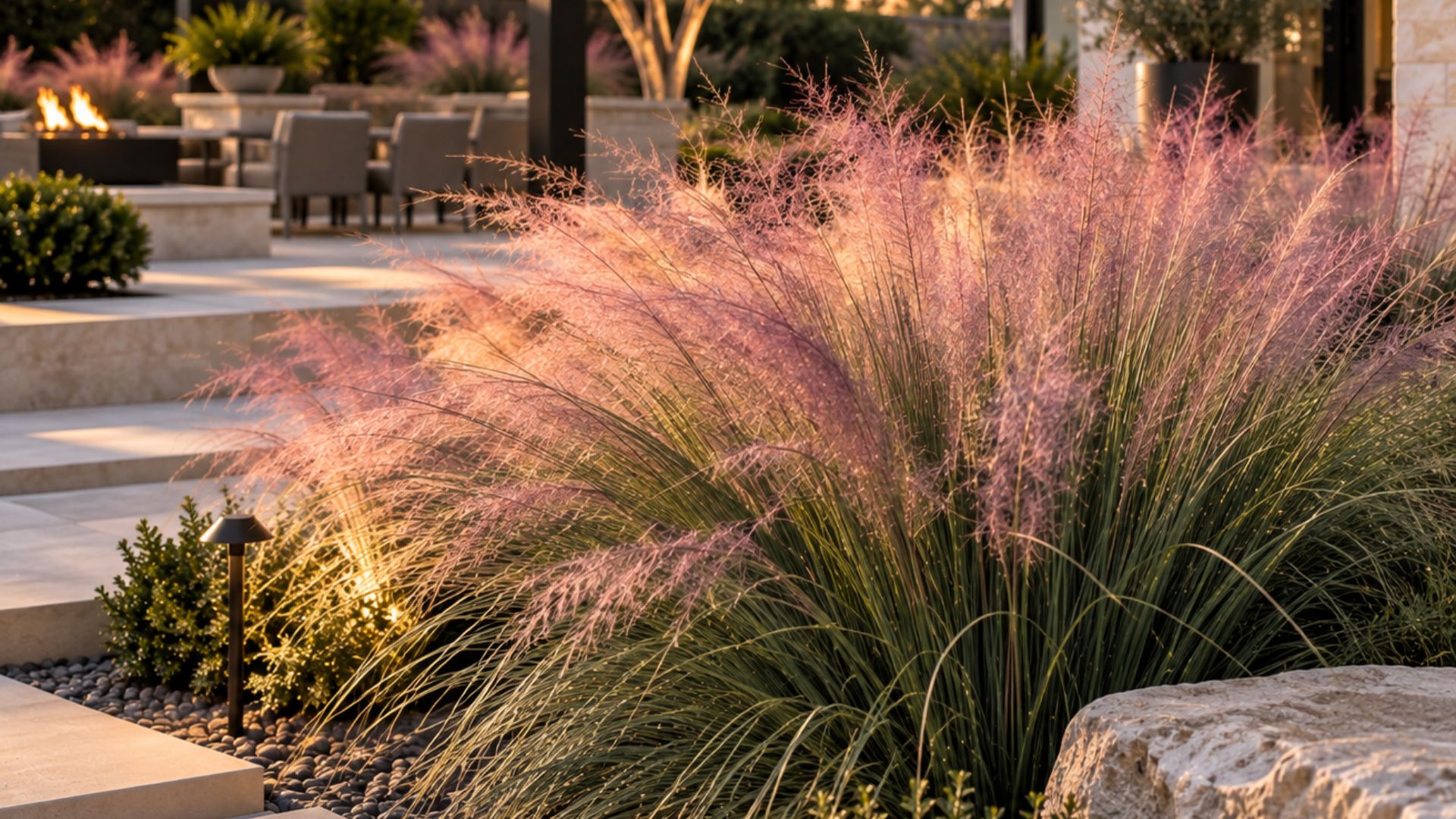
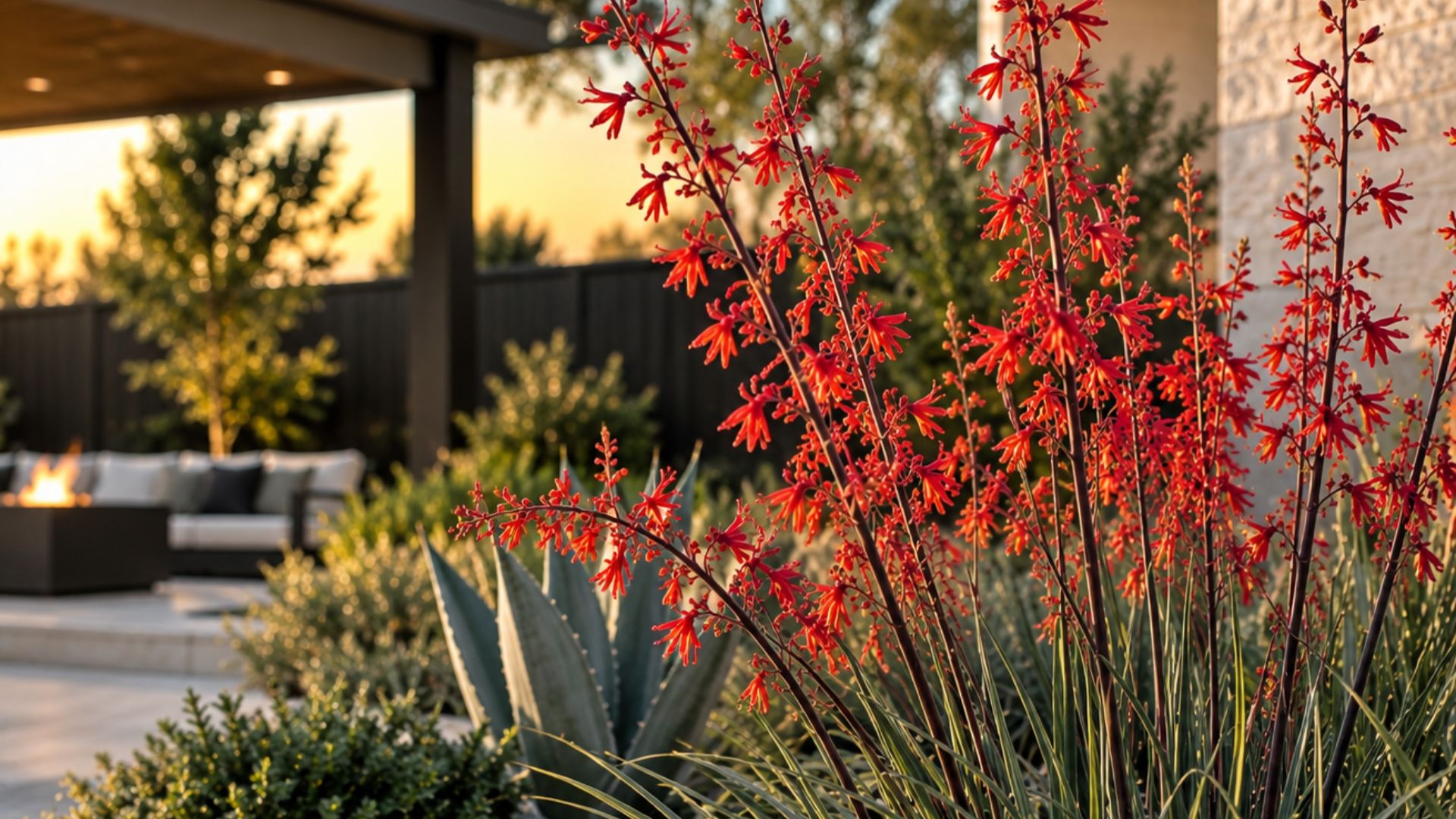
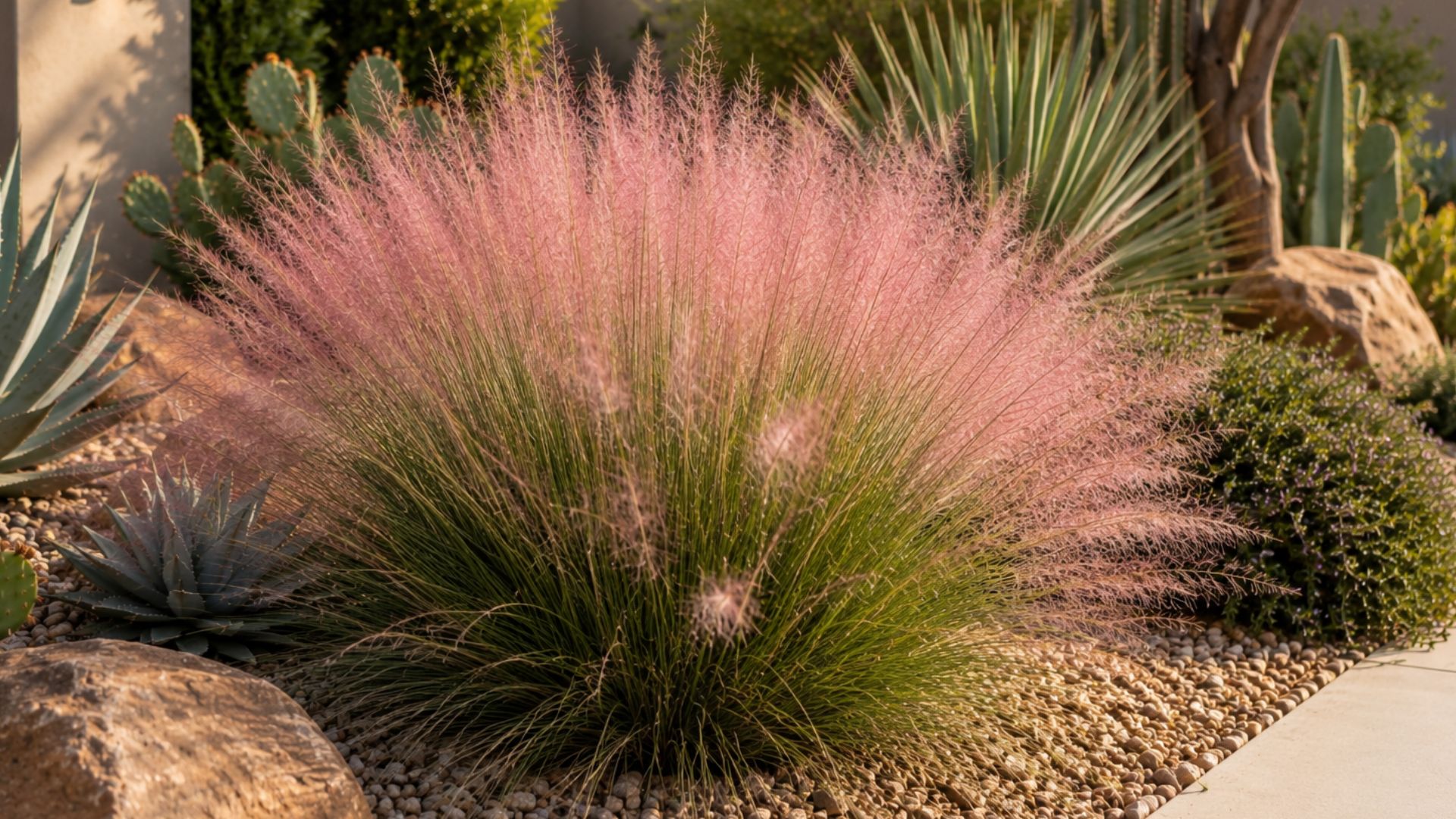
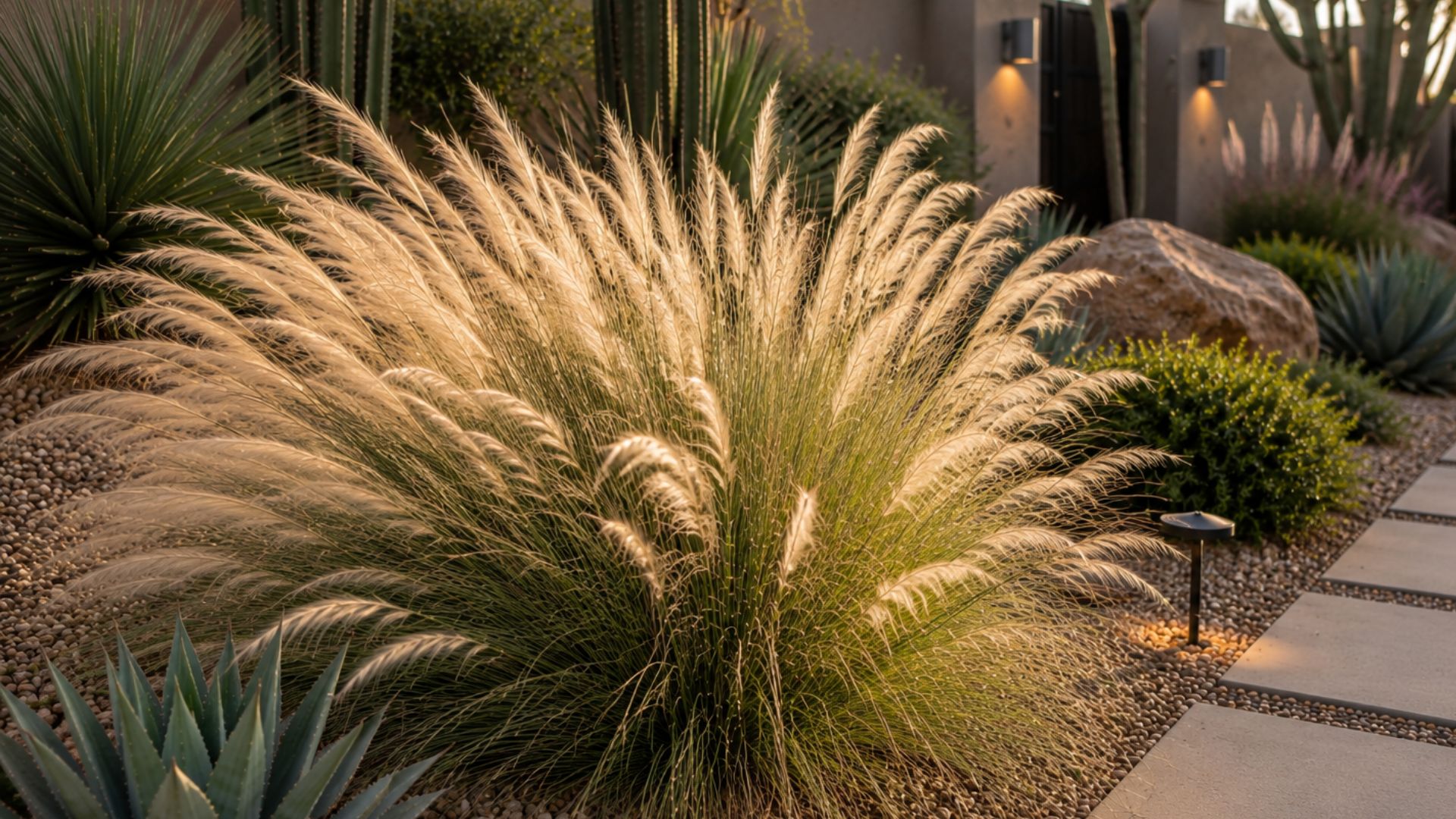
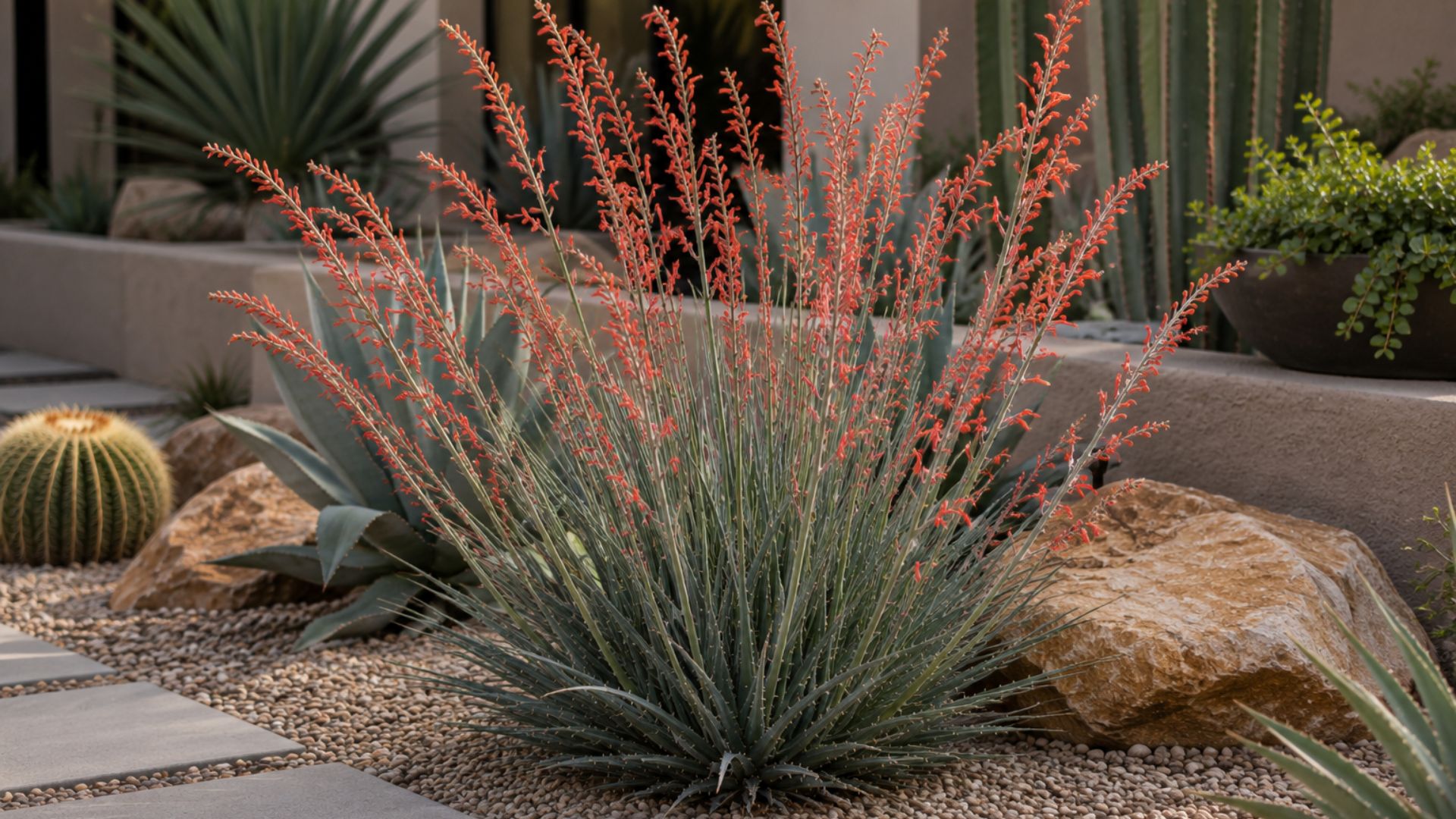
Its exceptional heat tolerance and low water requirements make it a favorite for desert-style landscapes, modern gardens, and xeriscapes throughout Plano, Southlake, and the greater DFW area. Silver Ponyfoot pairs exceptionally well with agaves, Hesperaloe, Texas Sage, Gulf Muhly, and decorative boulders, helping create clean, contemporary landscapes that thrive in the North Texas climate.
Silver Ponyfoot thrives in full sun but also performs well in partial shade, especially during the hottest part of North Texas summers. It prefers well-draining soil and benefits from deep, infrequent watering once established. Although drought tolerant, occasional watering during extended dry periods helps maintain fuller growth and vibrant foliage.
This low-maintenance groundcover requires very little pruning. Stems can be trimmed occasionally to control spreading or encourage denser growth. Because it spreads naturally, Silver Ponyfoot is an excellent solution for filling landscape beds while reducing exposed soil and minimizing weed growth in residential landscapes across Plano and Southlake.
The most common issue with Silver Ponyfoot is excessive moisture. Poorly drained soils or frequent irrigation can cause root rot and decline, particularly in heavy clay soils. Planting in raised beds or improving soil drainage greatly increases long-term success.
During unusually cold winters, portions of the foliage may become damaged by freezing temperatures. However, established plants typically recover quickly with warmer weather. While generally resistant to pests and diseases, occasional fungal issues may develop in consistently wet conditions. Proper spacing, good airflow, and well-drained soil help keep the plant healthy year-round.
Absolutely. Silver Ponyfoot is a favorite for desert-inspired landscapes thanks to its soft, cascading silver foliage and exceptional drought tolerance. Its cool-toned leaves provide beautiful contrast against gravel, boulders, succulents, agaves, and other xeriscape plants, adding texture without requiring excessive water.
Once established, Silver Ponyfoot thrives with minimal irrigation. It performs best in well-draining soil and prefers deep, infrequent watering rather than frequent shallow watering. This makes it an excellent low-maintenance groundcover for water-wise landscapes in warm climates.
Silver Ponyfoot grows best in full sun to partial shade with excellent drainage. It works beautifully as a spreading groundcover, spilling over retaining walls, softening pathways, or filling spaces between larger desert plants. Its trailing habit creates a natural, relaxed look that complements modern and Southwest-inspired landscape designs.
You might also like