
Innovative Landscape Design Ideas for Plano
Plano yards have a personality all their own: sunny exposures, clay-heavy soil, hot summers, sudden storms, and homeowners who want outdoor spaces that look polished without demanding constant upkeep. Thoughtful plano landscaping design blends curb appeal, comfort, drainage, plant selection, and everyday usability into one cohesive plan. Whether you are refreshing a front yard or reimagining a full backyard, the best results come from designing for the way you actually live outdoors.
What makes landscape design in Plano TX different?
Landscape design in Plano TX works best when it respects North Texas conditions instead of fighting them. That means choosing plants that tolerate heat, planning for efficient watering, improving soil where needed, and creating shaded, usable areas that stay comfortable beyond spring and fall. A beautiful design should not only look good on installation day; it should continue to feel practical through July heat, heavy rain, and seasonal changes.
Plano homes often have generous front lawns, fenced backyards, alleys, patios, and neighborhood design expectations. A strong landscape plan ties those features together with clear zones: a welcoming entry, durable pathways, layered planting beds, comfortable entertaining areas, and functional solutions for drainage or privacy. The goal is not to copy a magazine photo exactly, but to translate inspiration into a yard that fits your property, maintenance style, and budget.
Start with a plan before choosing plants
It is tempting to begin with plants, stone, or outdoor furniture, but smart landscape design plano projects usually begin with layout. A plan helps you decide where people will walk, where water naturally moves, where shade matters most, and which views should be highlighted or softened. Once those decisions are clear, plant and material choices become easier. Look into Landscape Styles: Desert or Xeriscape Landscape, Evergreen, Resort Style, and more!
Walk your property at different times of day and take notes. Which areas are too hot to use? Where does water collect after a storm? Which windows look directly into a fence, utility box, or neighbor’s yard? These observations help shape a design that solves real problems instead of simply adding decoration.
A useful early checklist includes:
- Sun and shade patterns: Mark areas that receive full afternoon sun, morning sun, or deep shade.
- Drainage behavior: Notice low spots, erosion paths, soggy corners, and places where downspouts release water.
- Existing features: Identify trees, patios, fences, slopes, irrigation, and utilities that should be preserved or adjusted.
- Outdoor habits: Decide whether the yard needs space for dining, kids, pets, gardening, grilling, quiet seating, or all of the above.
- Maintenance preference: Be honest about how much pruning, watering, mowing, and seasonal cleanup you want to handle.
This step is especially important if you plan to work with a plano landscape designer. The more clearly you can describe what is working and what is not, the easier it is to create a design that feels personal rather than generic.
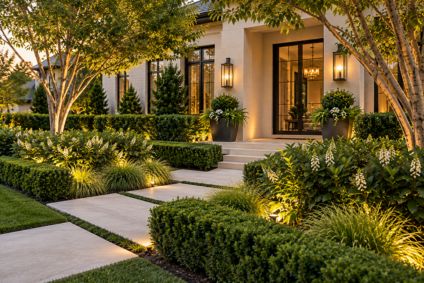
Layered planting gives Plano yards depth
One of the simplest ways to make a yard feel professionally designed is to use layers. Instead of placing one row of shrubs against the house, combine trees, taller shrubs, medium-size plants, ornamental grasses, and low groundcovers. This creates depth, movement, and seasonal interest.
In a front yard, layered planting can frame the entry without overwhelming the home’s architecture. Taller plants work well near corners or blank walls, while lower plants belong near walkways and windows. In a backyard, layers can soften fence lines, create privacy, and make a patio feel more connected to the garden.
A balanced planting scheme might include:
- Anchor plants for structure and year-round form.
- Flowering or textural plants for color, movement, and seasonal variety.
- Low edging plants to define bed lines and keep the design tidy.
- Mulch or groundcover to protect soil and reduce weeds.
- Accent plants near entries, seating areas, or focal points.
The key is restraint. Too many unrelated plants can make even an expensive landscape look busy. Repeating a few well-chosen varieties throughout the yard gives plano landscape design a calmer, more intentional feel.
How can backyard landscaping in Plano feel more usable?
Backyard landscaping Plano homeowners enjoy most is designed around daily life, not just appearance. A usable backyard has places to sit, move, gather, cook, play, and relax, with shade and circulation planned from the beginning. Even a modest yard can feel larger and more inviting when it is divided into clear outdoor rooms.
Start by choosing a primary function. If you host often, prioritize a patio, dining space, lighting, and easy access from the kitchen. If relaxation matters more, create a shaded seating nook with plantings that soften noise and views. If children or pets use the yard, preserve open turf or durable play surfaces while placing more delicate plants along the edges.
Consider these backyard design ideas:
- Patio extensions: Expand a small builder-grade patio with pavers, stone, or concrete to make room for real furniture.
- Defined seating zones: Use planters, low walls, gravel, or planting beds to separate lounging and dining areas.
- Shade solutions: Add trees, pergolas, shade sails, or covered structures where afternoon sun makes the yard uncomfortable.
- Privacy planting: Layer shrubs and ornamental trees along fence lines instead of relying only on taller fences.
- Flexible open space: Keep part of the lawn open for games, pets, or future changes.
Good backyard design also considers transitions. A pathway from patio to side yard, a stepping-stone route to a garden bed, or a widened gate area can make the space easier to use and maintain.
Outdoor living features should fit the scale of the yard
Outdoor kitchens, fire features, pergolas, and built-in seating can transform a yard, but they work best when scaled properly. A large feature in a small yard can feel crowded, while a tiny patio in a large yard can look unfinished. The design should leave enough room for movement, furniture, plants, and maintenance access.
For many Plano homes, a few well-chosen upgrades create more value than trying to include every possible feature. A comfortable dining patio with shade and lighting may be more useful than an oversized kitchen that leaves little room for greenery. A simple fire pit area can become a favorite gathering spot if it is placed safely, proportioned well, and connected to the rest of the yard.
Think about how often each feature will be used. If you grill weekly, an outdoor cooking zone may deserve priority. If you prefer quiet evenings, comfortable seating, soft lighting, and privacy planting may matter more. Innovative design is not always about adding more; often, it is about choosing the right features and giving them room to breathe.
Water-wise design can still feel lush
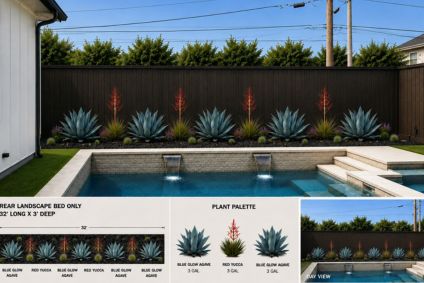
A practical landscape design plano tx project should account for water use from the beginning. Water-wise does not have to mean bare, sparse, or desert-like. With the right plant combinations, soil preparation, mulching, and irrigation strategy, a yard can look full while using resources more thoughtfully.
Grouping plants by water needs is one of the most effective principles. Plants that need more consistent moisture should be placed together, while more drought-tolerant varieties can occupy hotter or more exposed areas. This prevents overwatering some plants just to keep others alive.
Mulch also plays a major role. It helps moderate soil temperature, reduce evaporation, suppress weeds, and give planting beds a finished appearance. For hardscape areas, permeable materials or thoughtfully placed gravel can reduce maintenance while still creating visual interest.
Water-wise design choices may include:
- Replacing unused lawn areas with planting beds or patios.
- Using drip irrigation in beds where appropriate.
- Improving soil before installation rather than relying only on frequent watering.
- Choosing plants suited to heat, sun exposure, and local conditions.
- Designing beds with mature plant size in mind to avoid overcrowding.
The result can be a landscape that feels green, layered, and comfortable without depending on excessive watering to survive.
Front yard curb appeal starts with the entry
Front yard design should guide the eye toward the front door. That does not mean every bed must be symmetrical or formal, but the overall composition should feel welcoming and easy to understand. A clear walkway, defined planting beds, and balanced foundation plantings can make a home look more polished immediately.
If the existing walkway is narrow or awkward, consider widening it or adding a more gracious curve. If the porch feels exposed, use plants to frame it without blocking visibility. If the front beds are flat, add height at key points and lower plants near the path.
Lighting can also elevate curb appeal. Path lights, uplighting for trees, and subtle architectural lighting improve evening visibility while adding warmth. The best lighting feels intentional, not harsh, and highlights the features you want people to notice.
What should you ask a Plano landscape designer?
A Plano landscape designer should be able to explain how the design responds to your site, not just show attractive plant photos. Ask about drainage, soil, sun exposure, irrigation, maintenance expectations, and how the proposed layout supports your daily use of the yard. The right conversation helps you understand whether the design is both beautiful and practical.
Helpful questions include:
- How will the plan address drainage or standing water?
- Which plants are best suited to each sun exposure in my yard?
- What will the landscape look like as it matures?
- How much maintenance should I expect by season?
- Can the project be phased if I want to spread improvements over time?
- Which existing features are worth keeping?
These questions keep the focus on long-term success. They also help prevent common disappointments, such as plants outgrowing their space, patios feeling too small, or beds requiring more upkeep than expected.
Materials shape the mood of the landscape
Plants bring life to a yard, but materials create structure. Stone, pavers, gravel, edging, wood, metal, and concrete all influence the overall mood. A modern home may call for clean lines and simple materials, while a traditional home may feel better with softer curves and warmer textures.
For cohesive plano landscape design, repeat materials instead of introducing too many finishes. If the patio uses one stone tone, consider echoing that color in edging, step stones, or decorative rock. If the home has brick, select materials that complement it rather than compete with it.
Durability matters as much as appearance. Outdoor materials must handle heat, rain, foot traffic, irrigation overspray, and regular maintenance. Choosing quality materials in high-use areas, such as patios and walkways, can make the whole landscape feel more refined and easier to live with.
Small innovations can make a big difference
Not every innovative idea requires a major renovation. Sometimes the most effective upgrades are subtle changes that improve comfort, flow, and atmosphere. A neglected side yard can become a useful path with stepping stones and shade-tolerant planting. A plain fence can be softened with layered shrubs or vertical accents. A dark patio can become inviting with warm lighting and better furniture placement.
Consider adding one or two standout elements rather than redesigning everything at once. A specimen tree, a sculptural planter, a small water feature, or a seating nook can become a focal point. When these details are integrated into the larger design, they feel intentional instead of random.
Phasing is also a smart strategy. Start with the most functional needs, such as drainage, patios, pathways, or major planting beds. Then add finishing touches like lighting, containers, seasonal color, and accessories. This approach keeps the project manageable while still moving toward a cohesive vision.
A better Plano yard begins with intentional design
The best landscape design plano tx homeowners can choose is not just attractive; it is responsive to the property, the climate, and the way people live. A strong plan balances beauty with shade, drainage, maintenance, outdoor comfort, and curb appeal. When each choice supports the next, the yard becomes easier to enjoy and easier to care for.
Whether you are updating a small front bed or planning a complete backyard transformation, begin with purpose. Study your space, define your priorities, choose materials and plants thoughtfully, and consider professional guidance when the project involves layout, drainage, or multiple features. With the right approach, landscape design plano projects can turn ordinary outdoor areas into welcoming extensions of the home
Frequently Asked Questions
1. What are the biggest challenges when landscaping in Plano, and how do you overcome them?
Plano yards deal with intense summer heat, sudden storms, and dense, clay-heavy soil. Overcoming these challenges requires choosing heat- and drought-tolerant plants, preparing and expanding soil before planting, establishing proper drainage solutions for heavy rain, and designing shaded zones (like pergolas or shade trees) to make outdoor areas comfortable year-round.
2. How can I create a lush-looking yard without wasting water?
A water-wise design focuses on grouping plants by their moisture requirements (hydrozoning) so you don't overwater tolerant species to keep thirsty ones alive. Additionally, replacing unused turf with layered planting beds, applying a generous layer of mulch to retain soil moisture and reduce evaporation, and using targeted drip irrigation ensures your landscape stays full and green efficiently.
3. Should I choose plants or lay out my yard's structure first?
Always start with layout and structure before choosing plants. Mapping out traffic flow, drainage patterns, sun exposure, and functional zones (like seating, dining, or play areas) ensures your yard meets your daily lifestyle needs. Once the hardscape, paths, and bed locations are set, plant selection becomes much simpler and more effective.