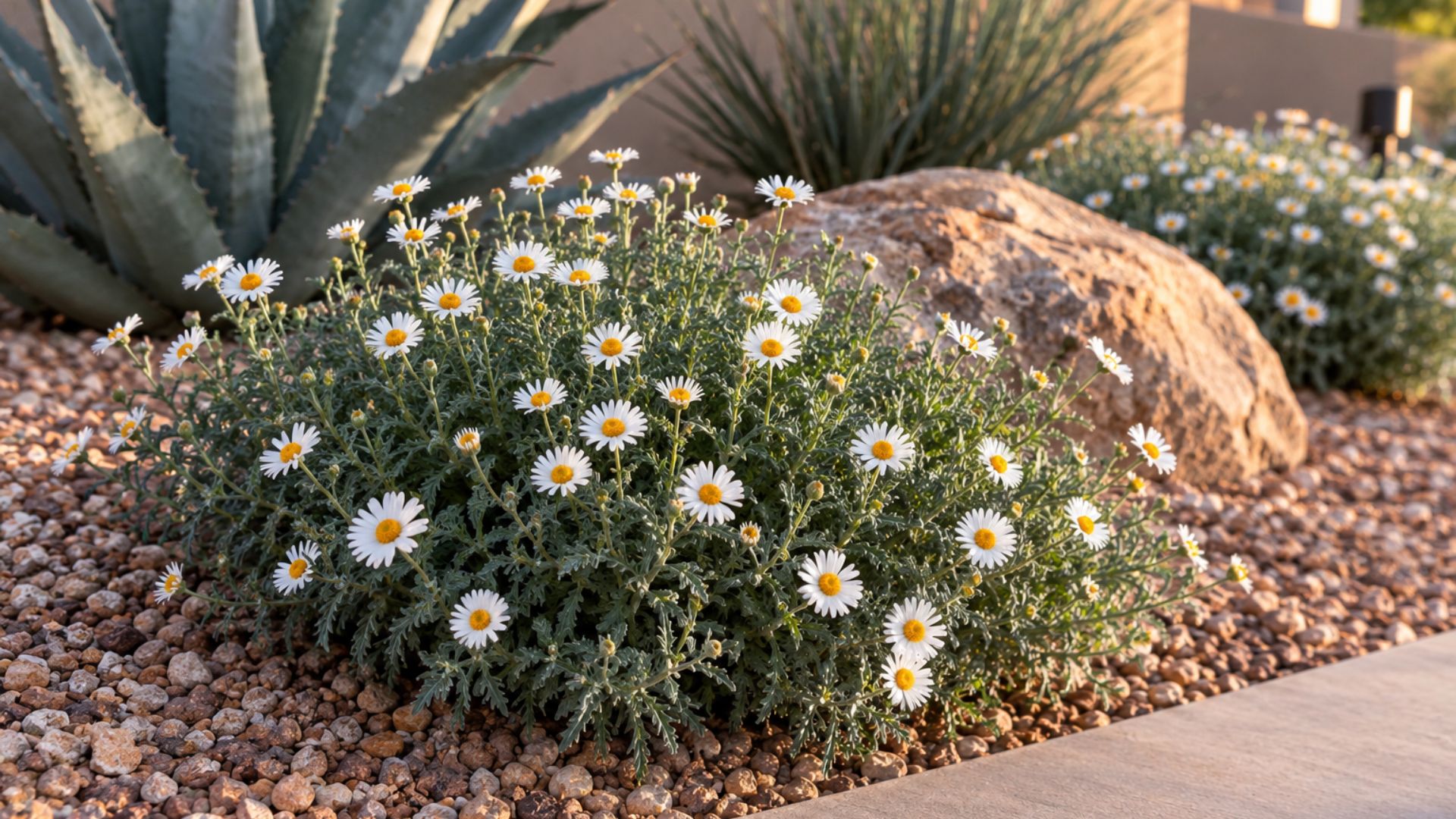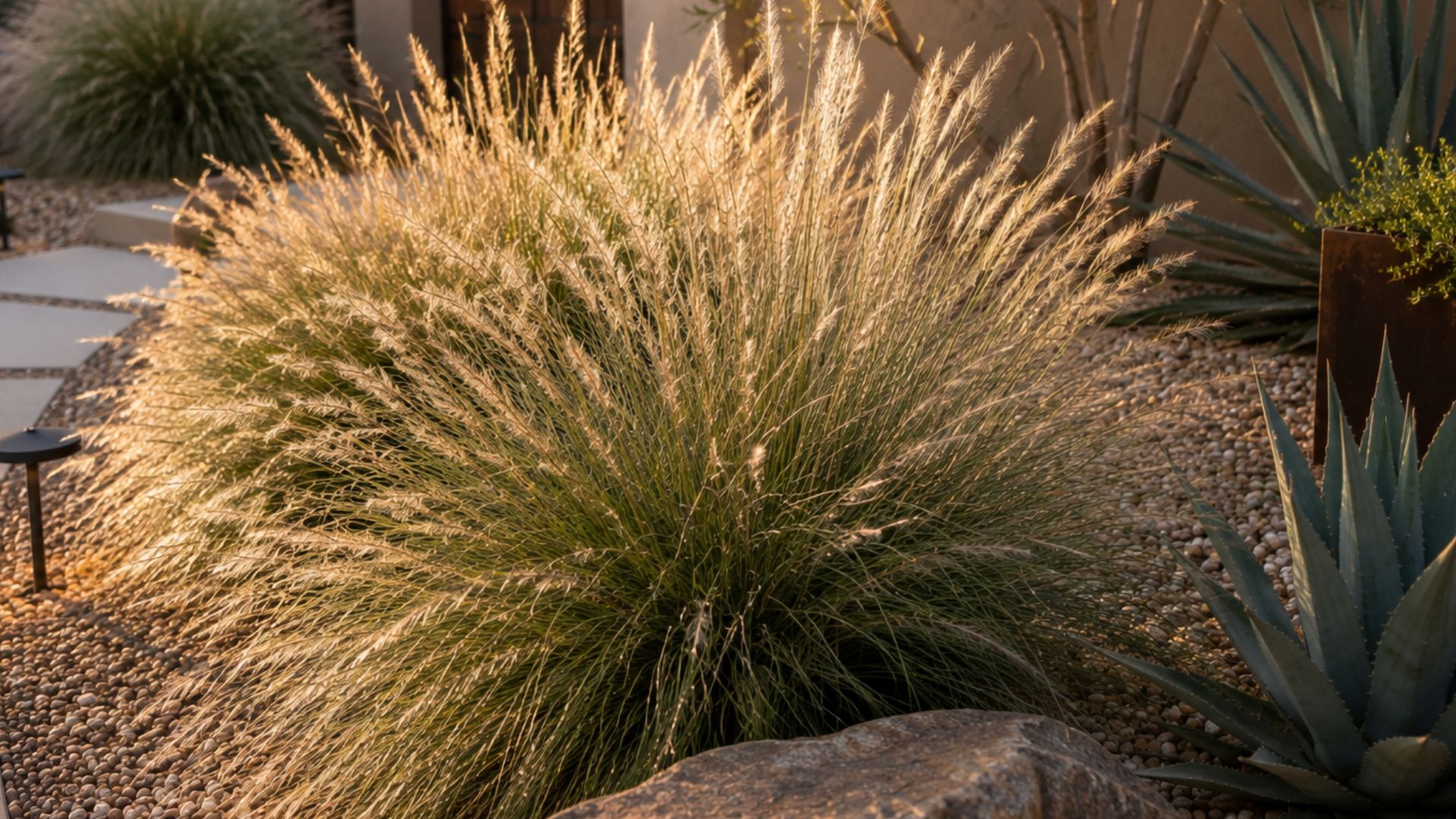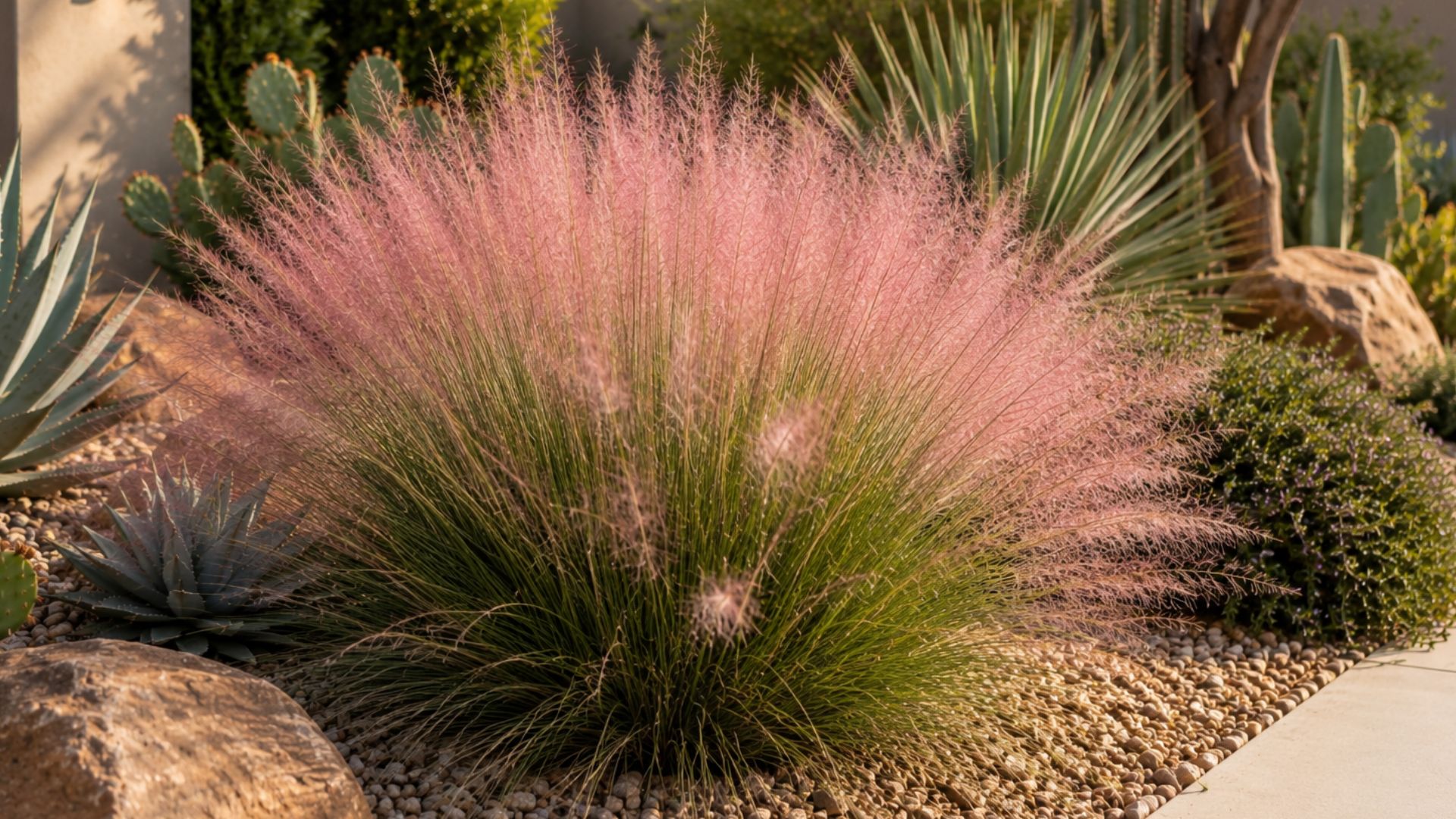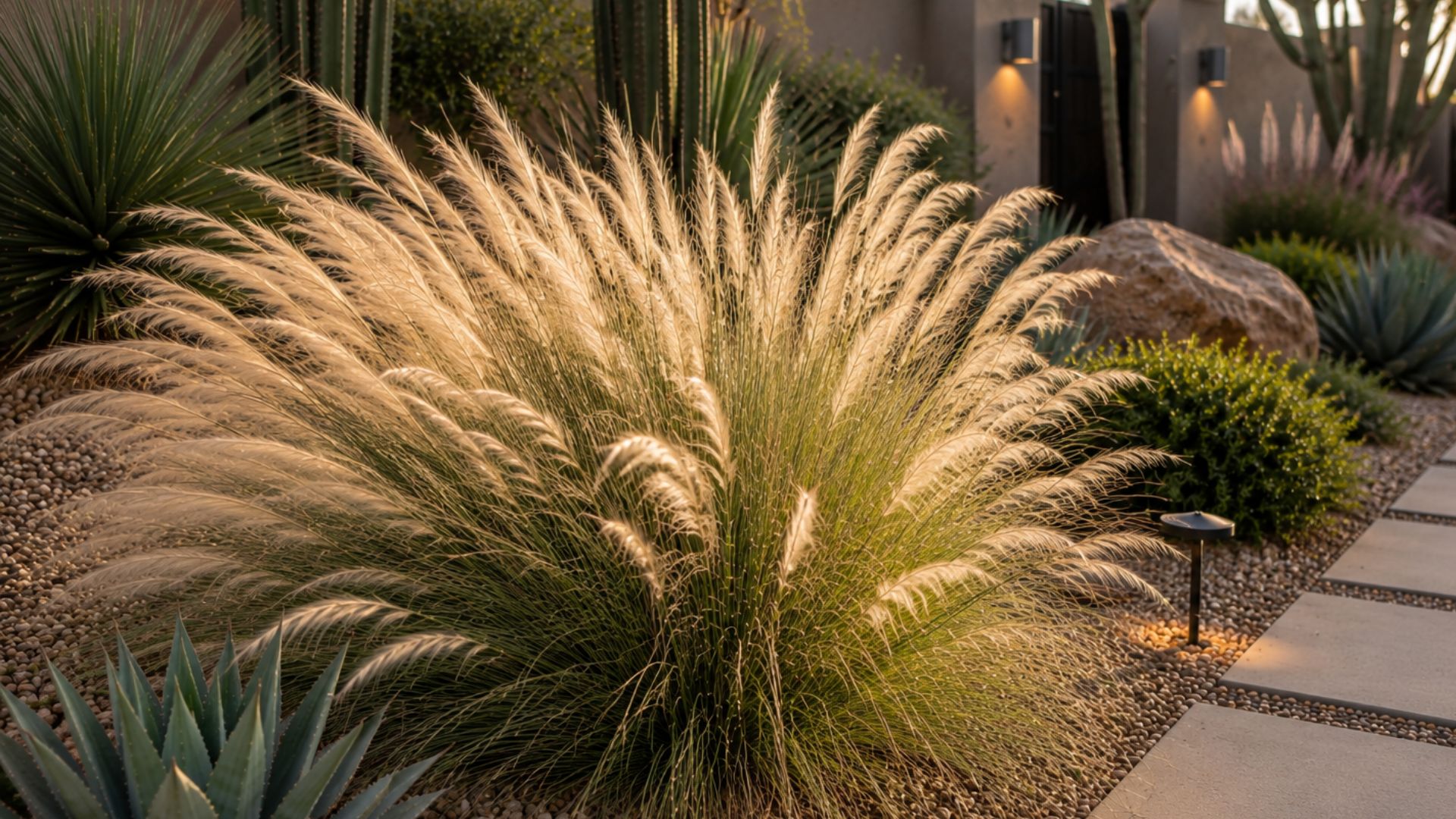


Lomandra
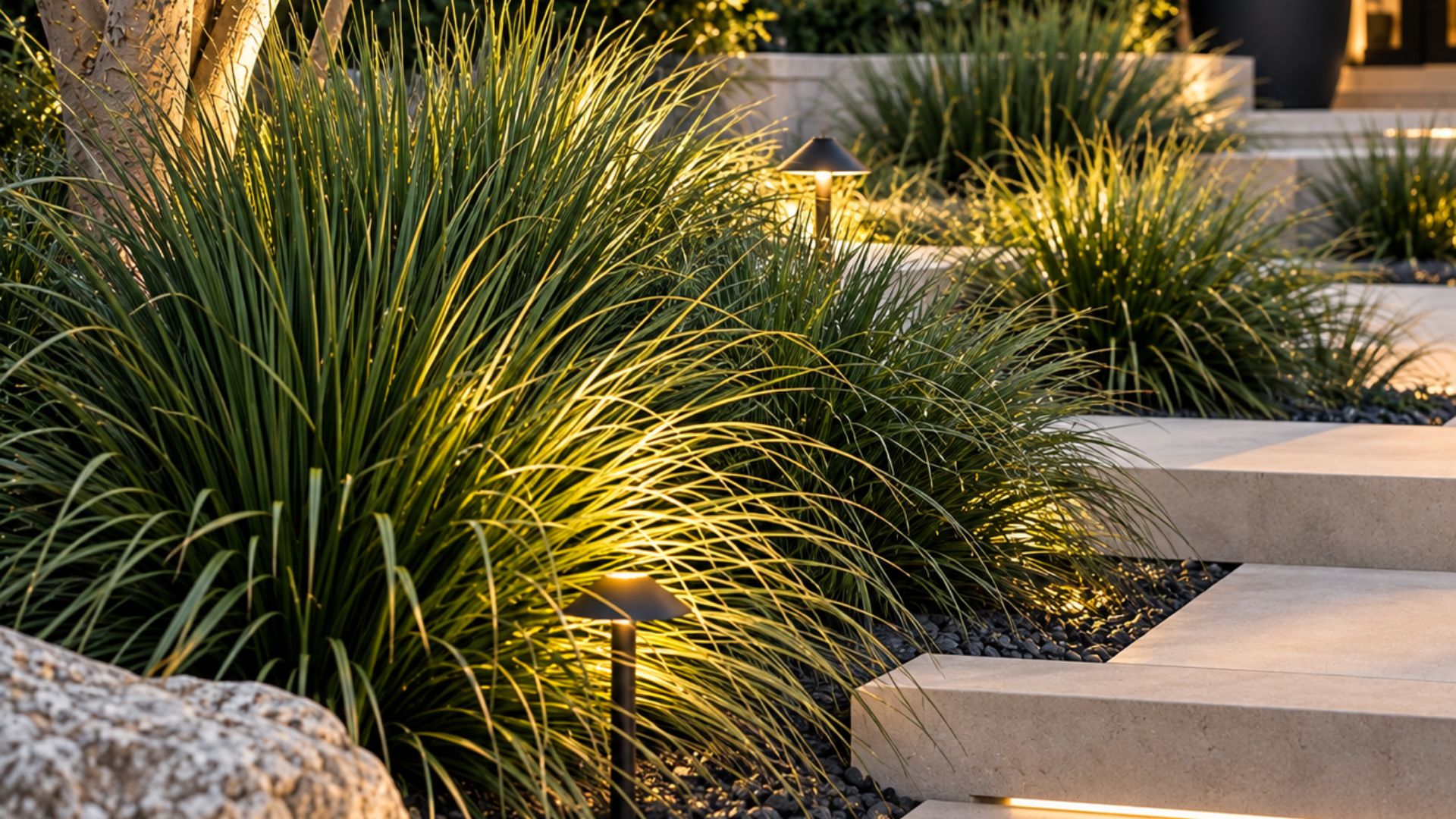
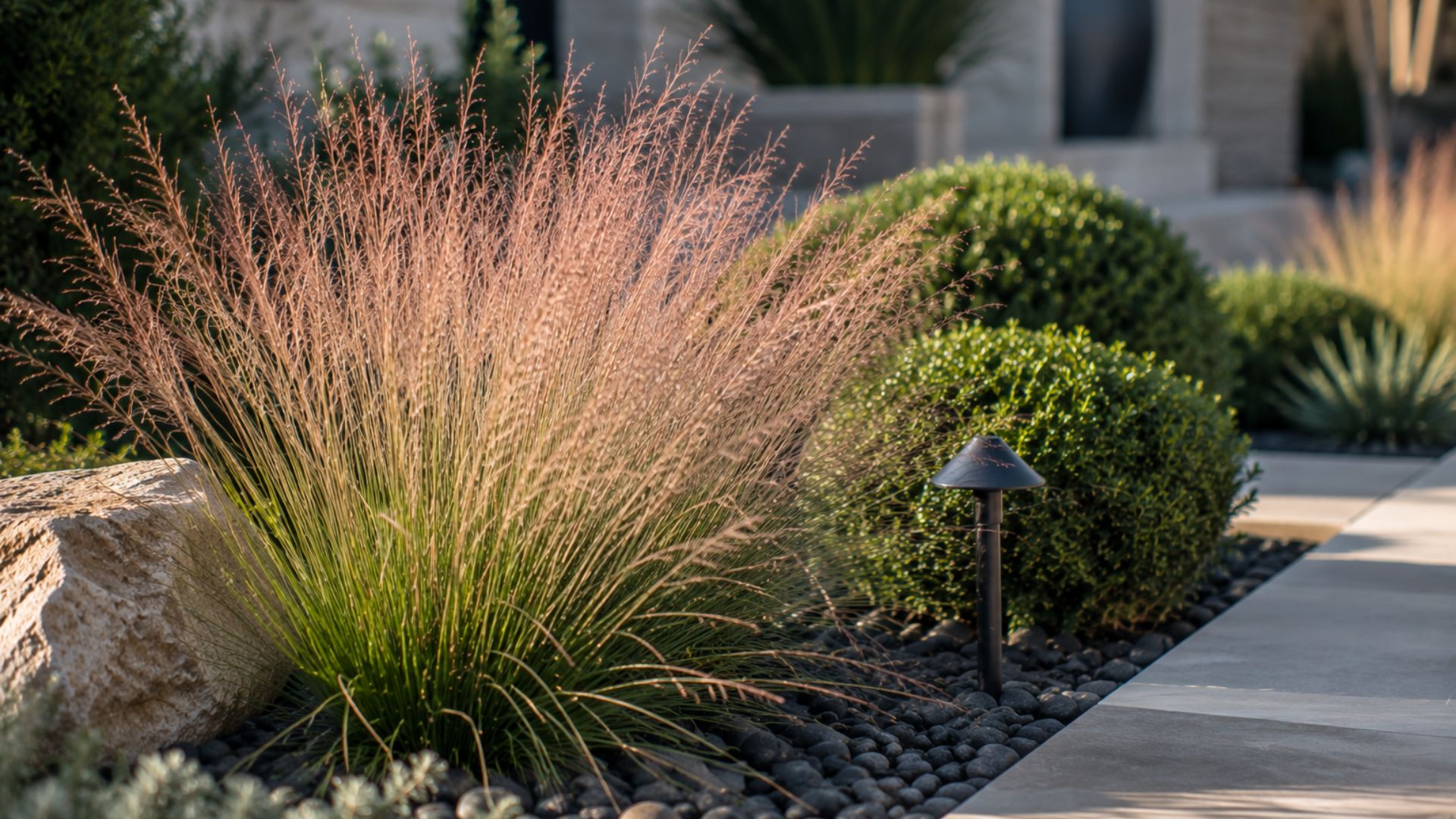
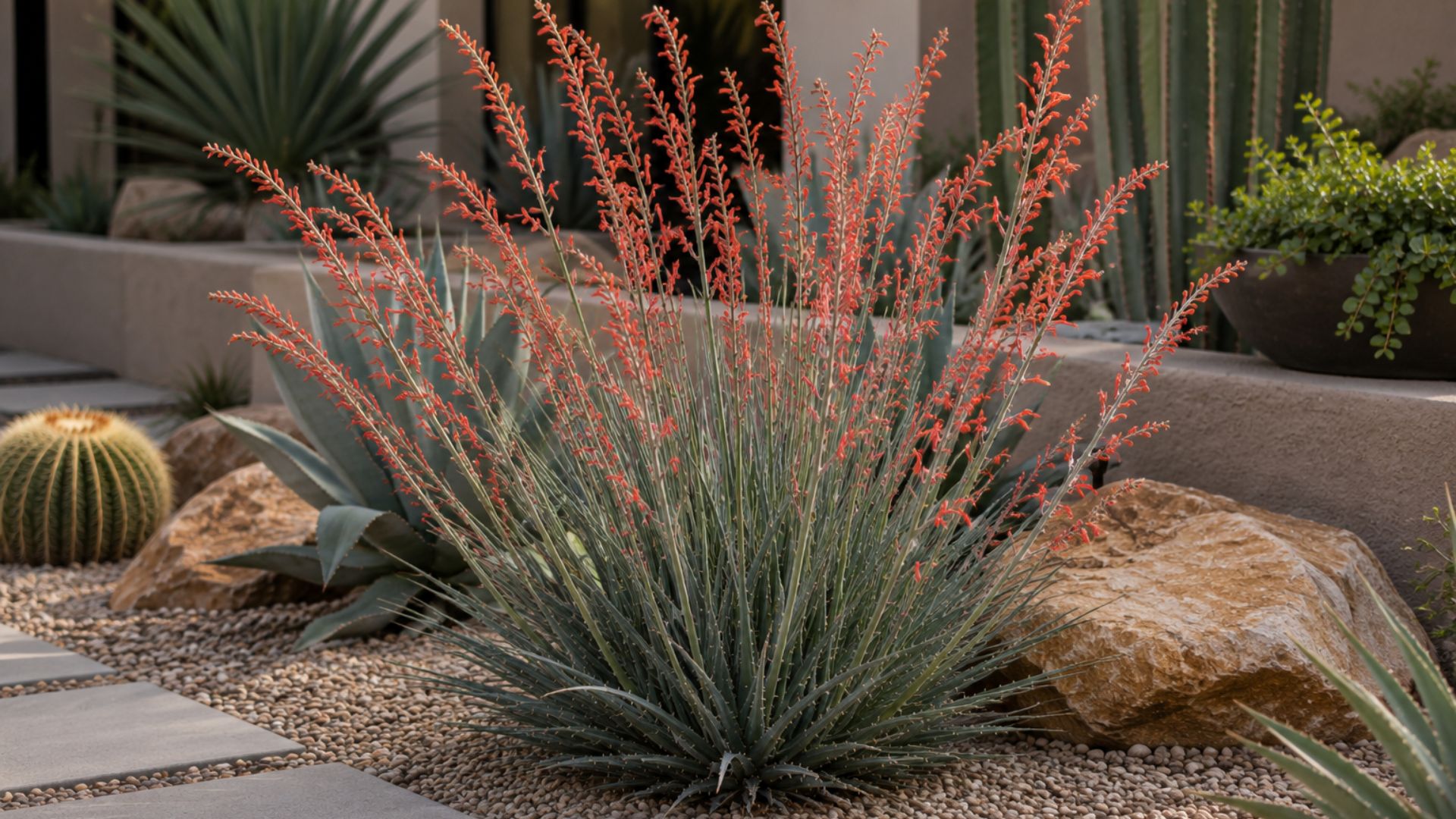
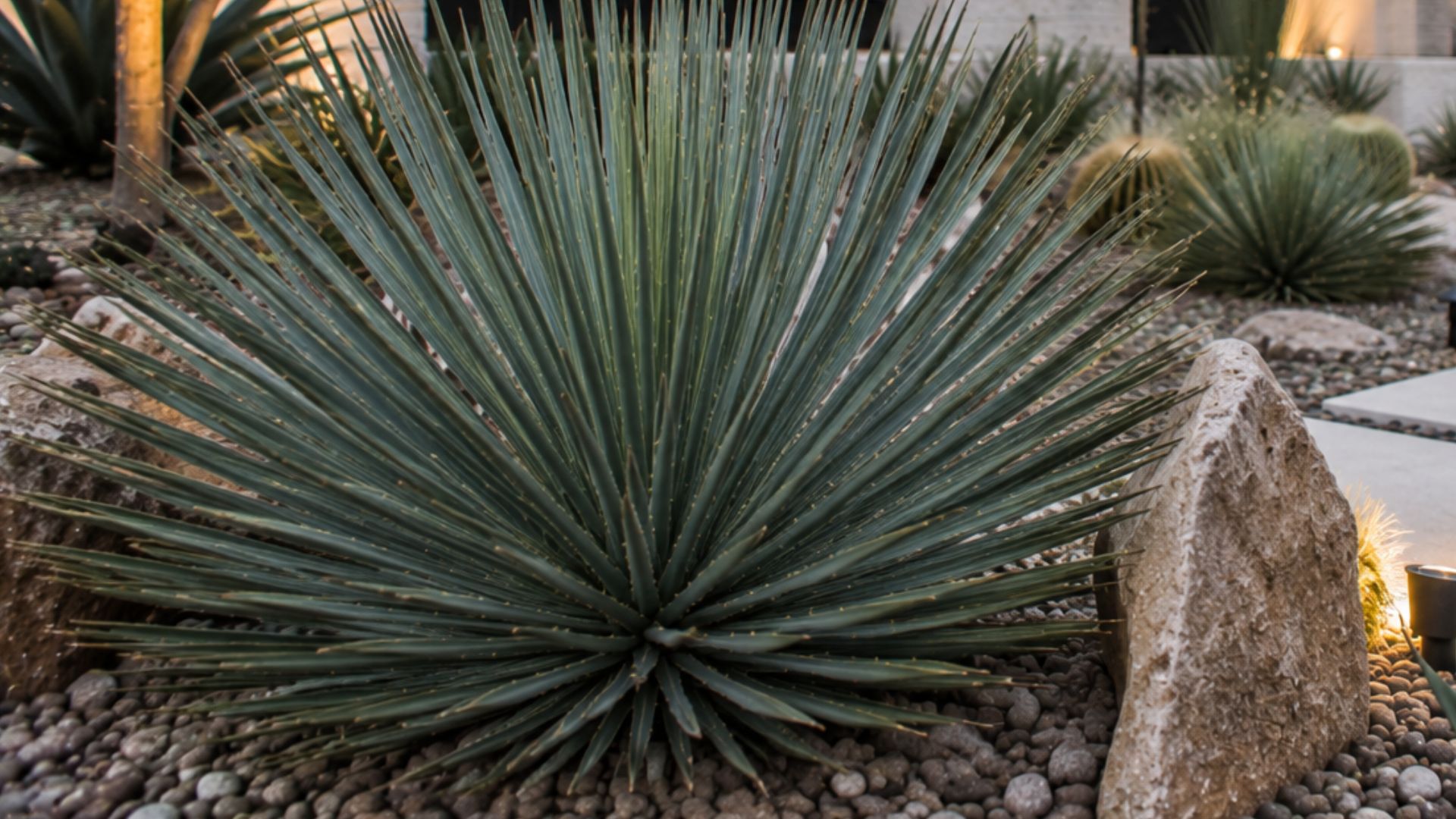
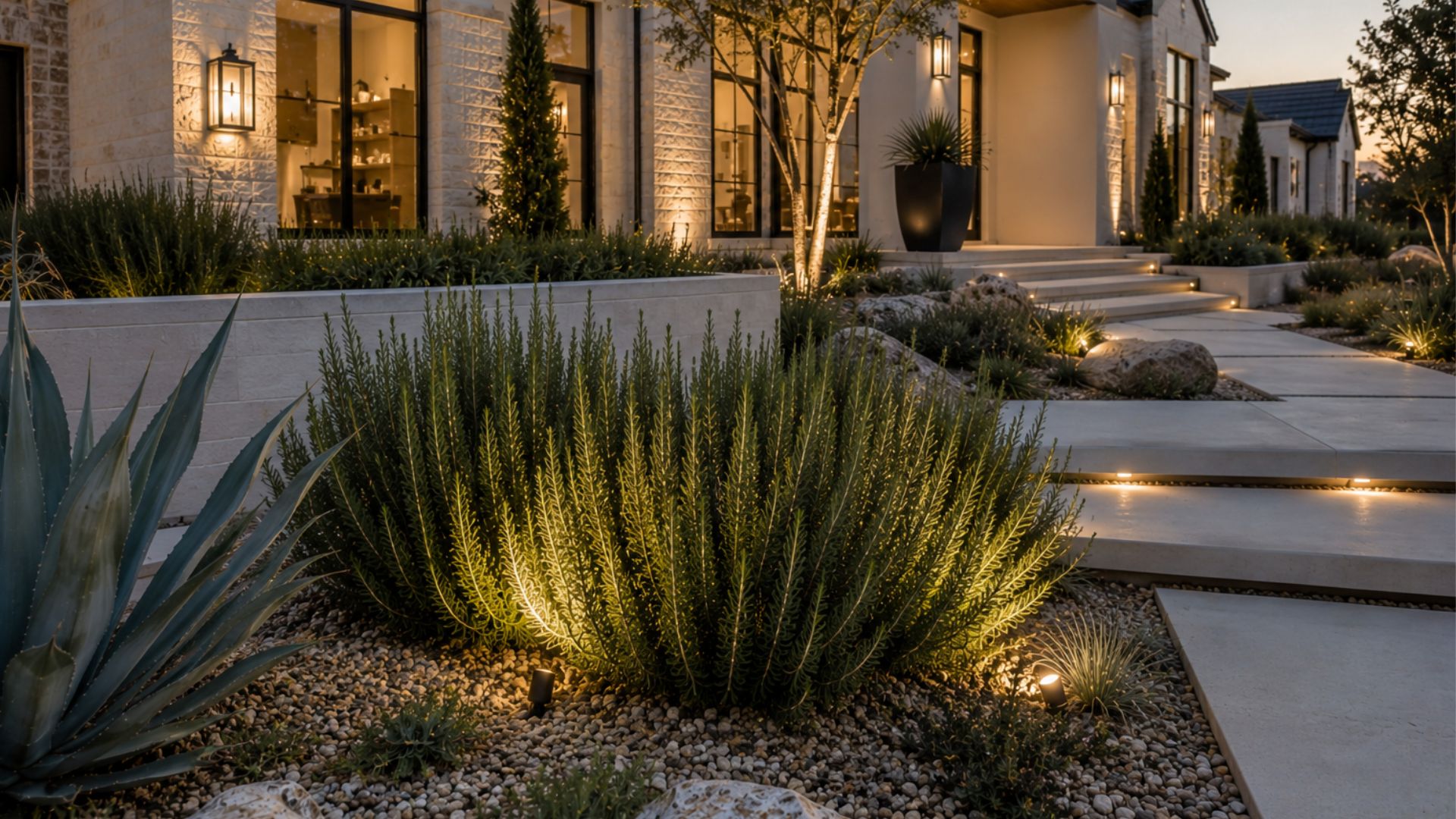
A tough, grass-like evergreen perennial with narrow, arching foliage that forms neat, fountain-shaped clumps. Depending on the variety, Lomandra typically grows 2–3 feet tall and 2–4 feet wide, creating year-round texture without the seasonal dormancy of many ornamental grasses. Hardy in approximately USDA Zones 8–11, depending on cultivar, Lomandra handles heat and dry conditions well and can bring a clean, contemporary look to protected evergreen landscapes in North Texas.
Lomandra
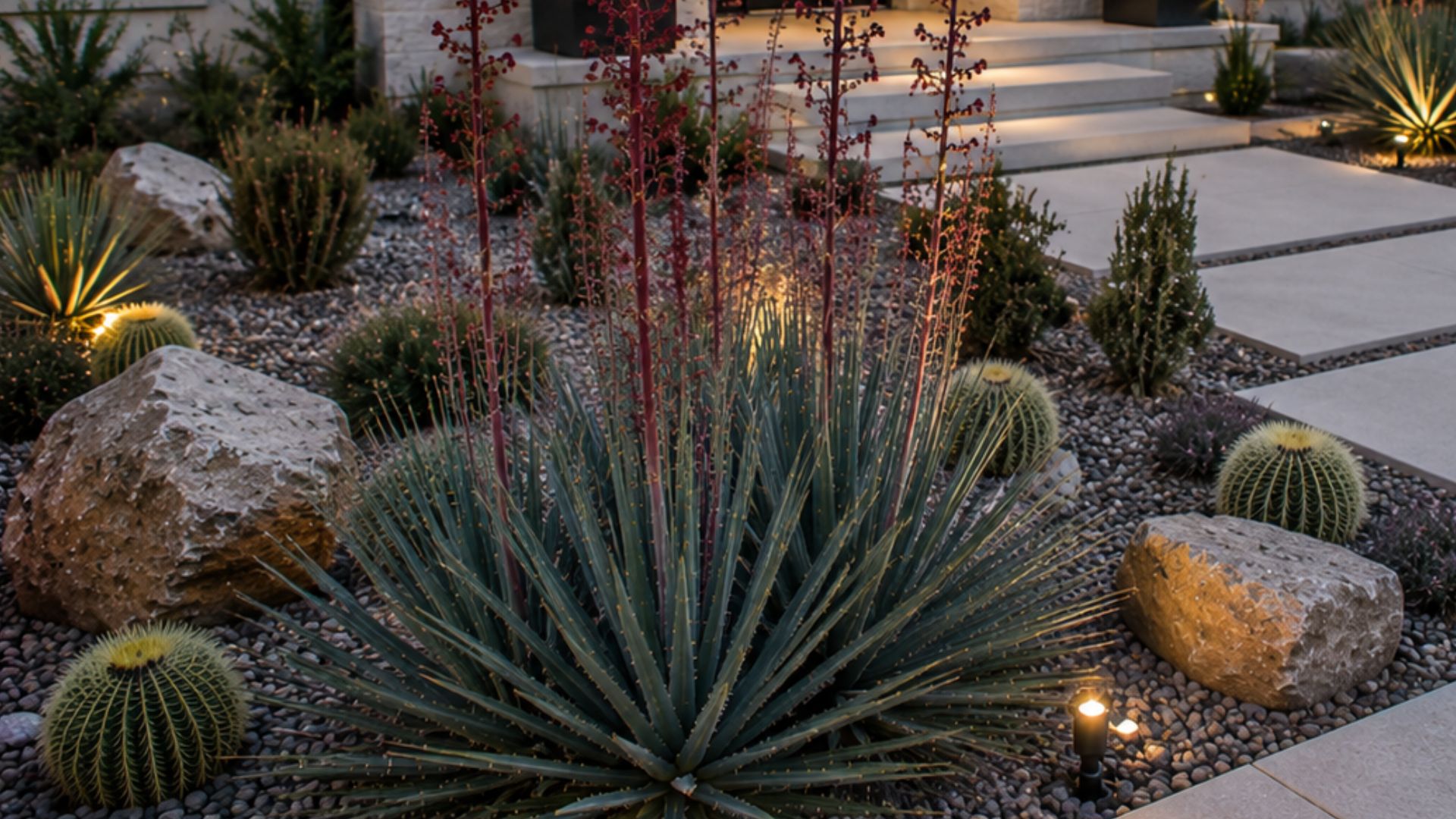
Lomandra (Lomandra longifolia and related cultivars) is an architectural, grass-like perennial valued for its flowing foliage and naturally tidy growth habit. Although it resembles an ornamental grass, Lomandra belongs to a different plant family and is prized for maintaining its structure and color throughout much of the year.
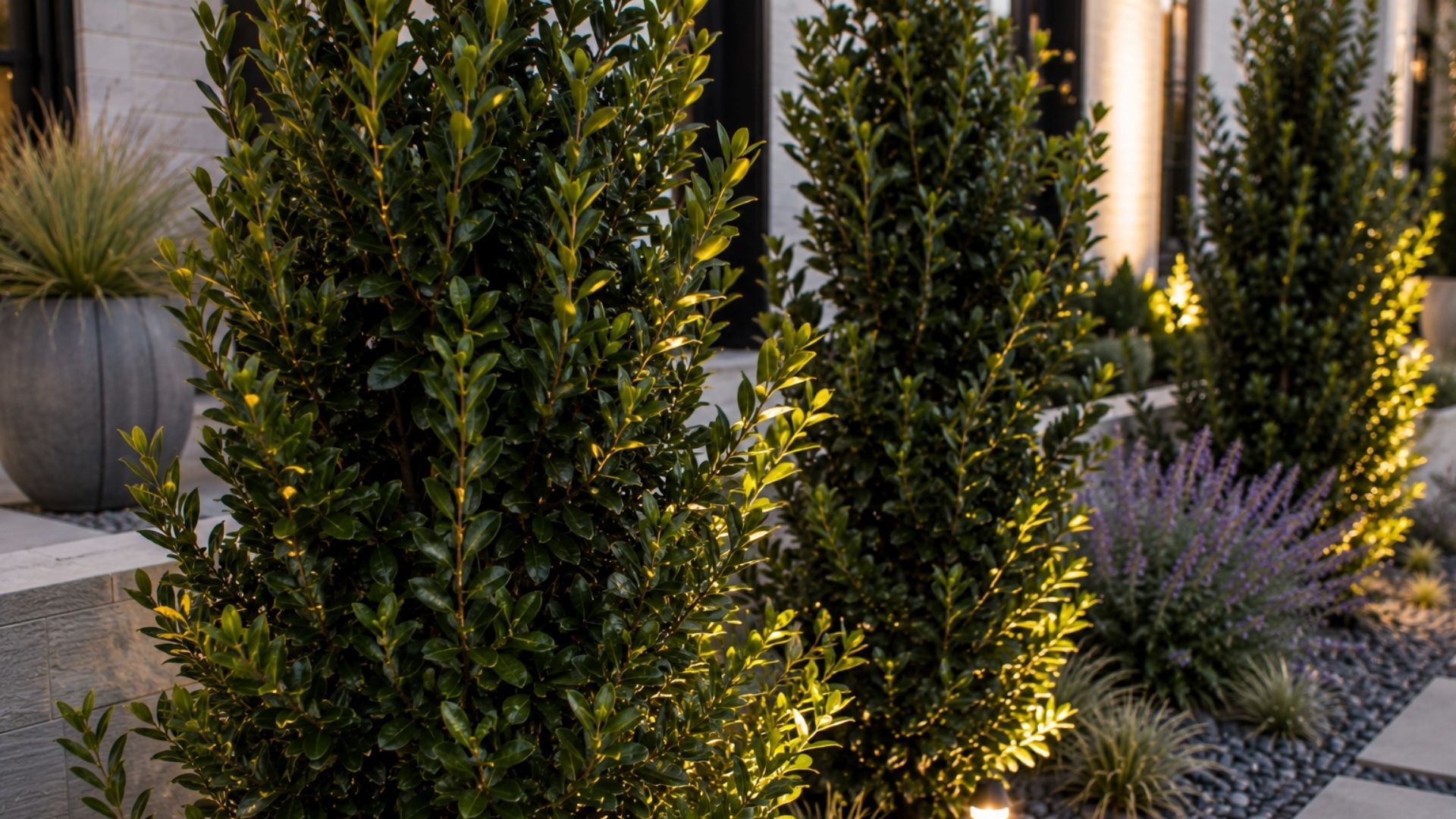
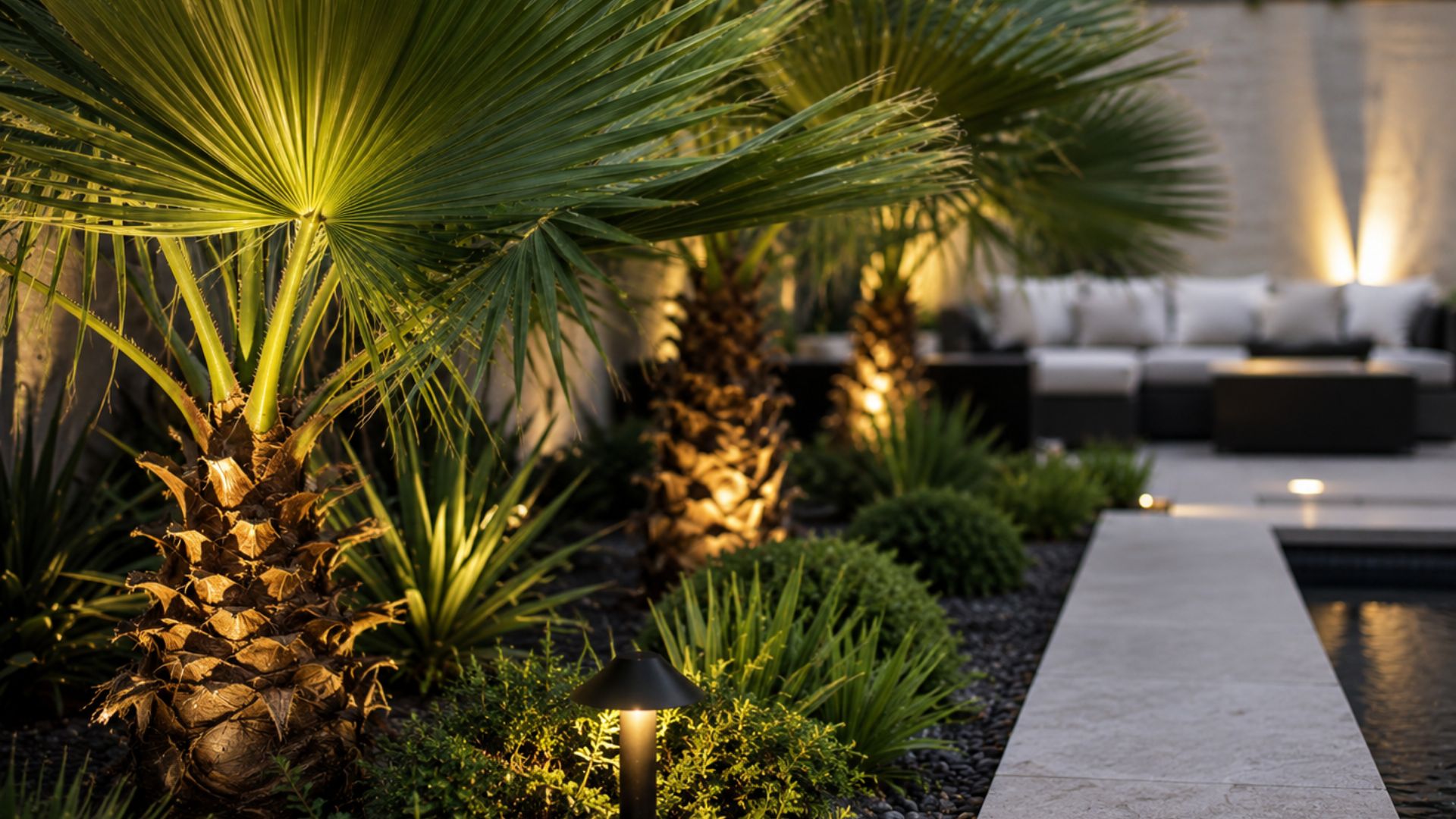
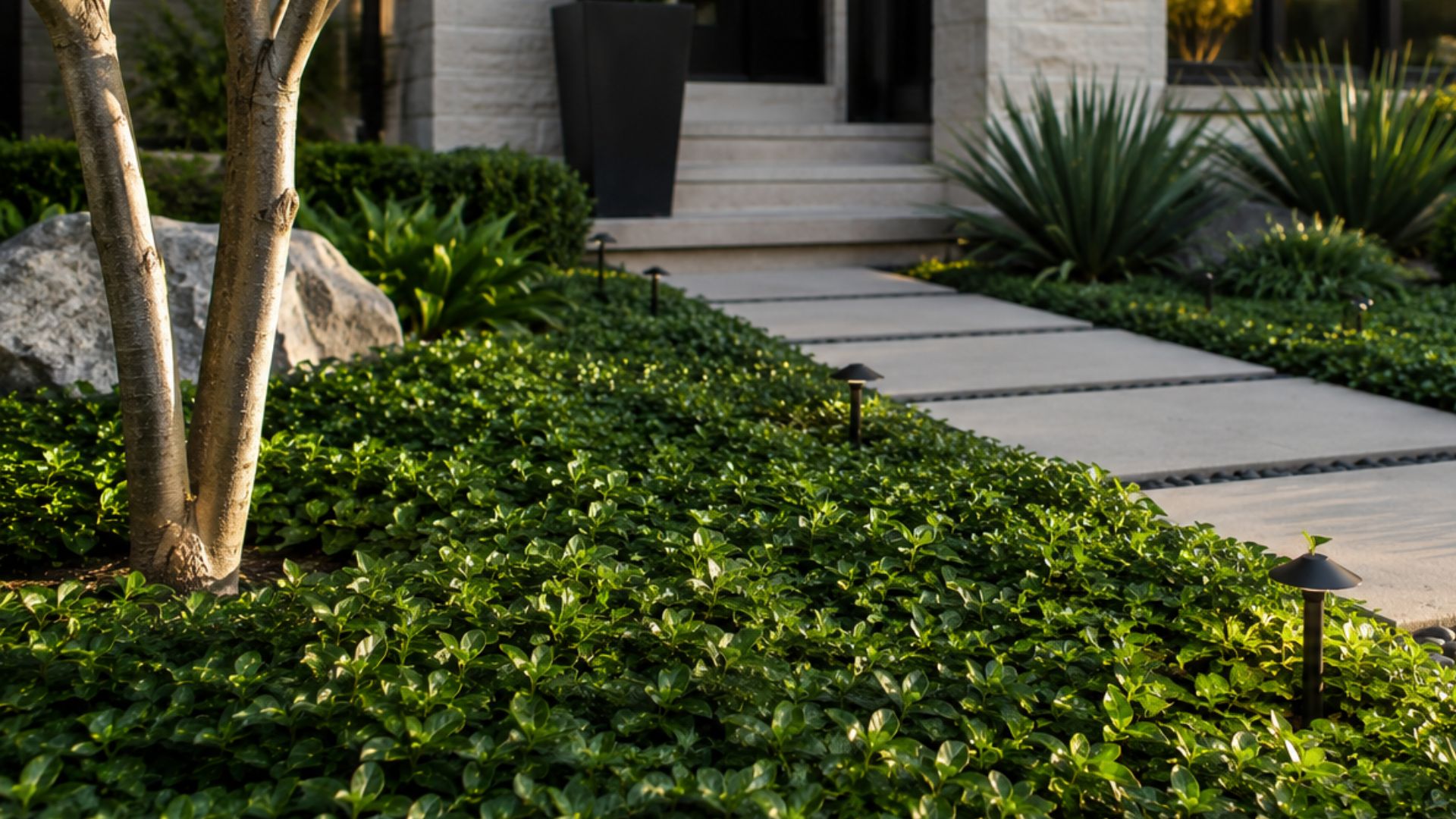
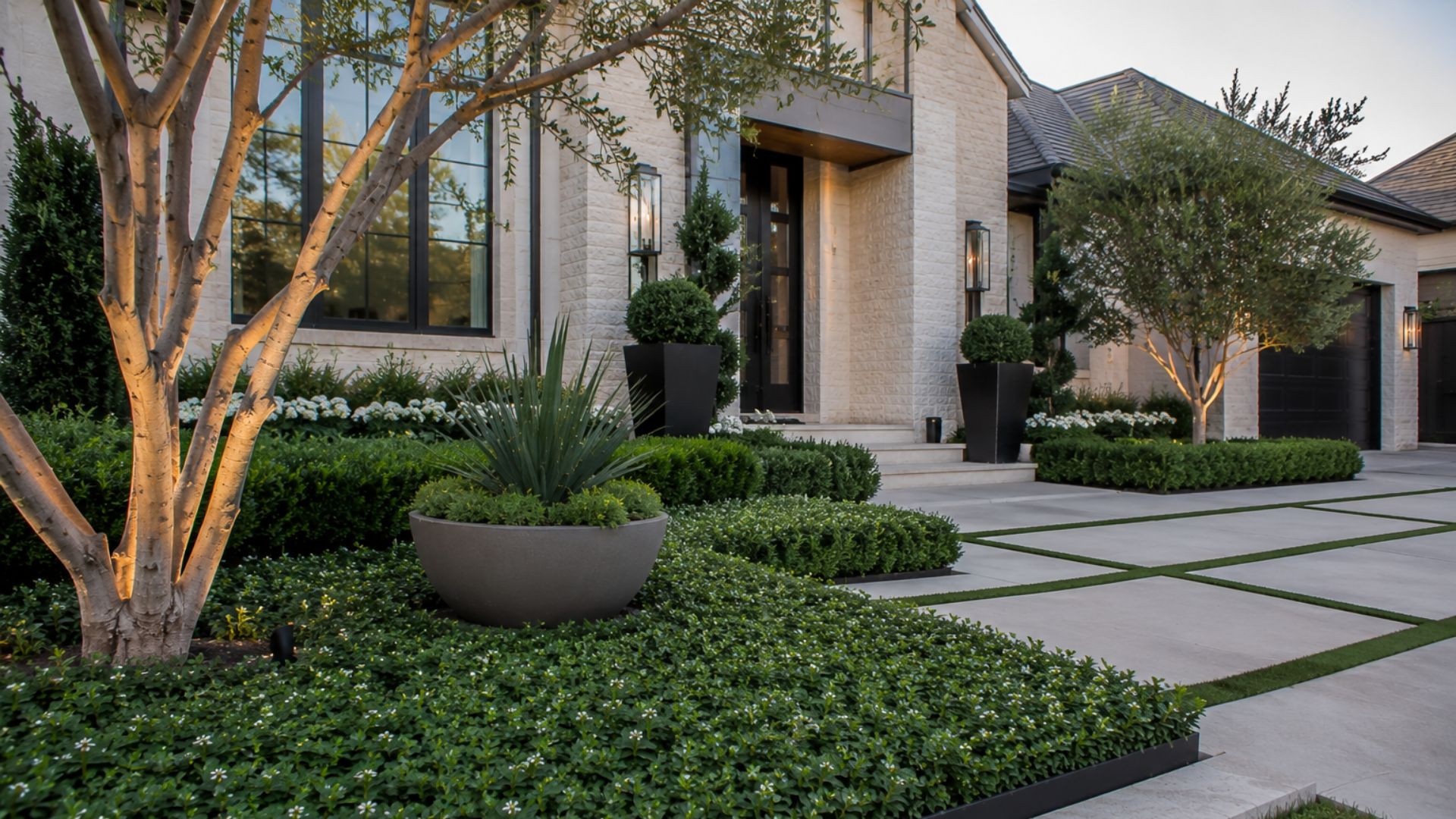
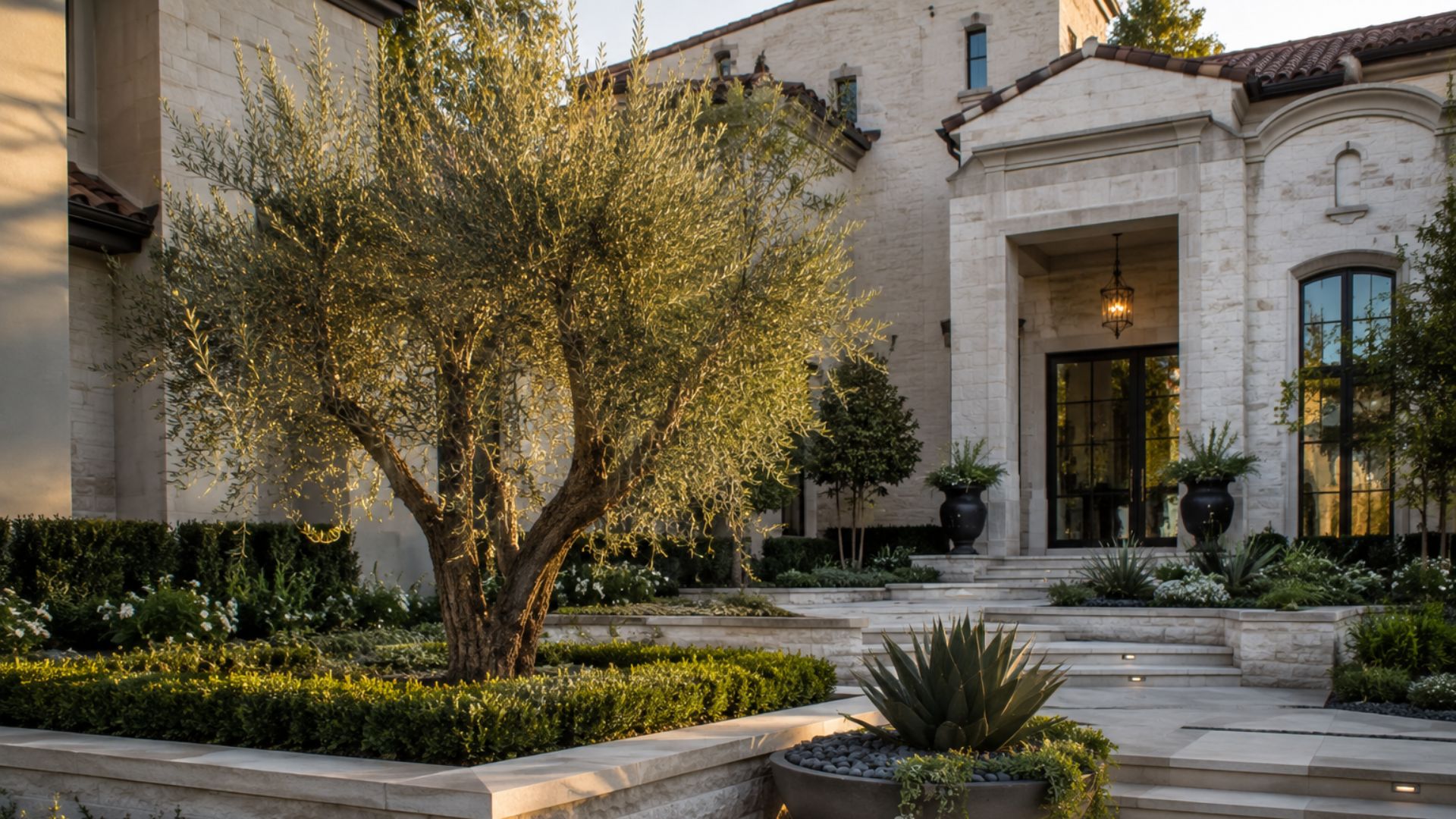
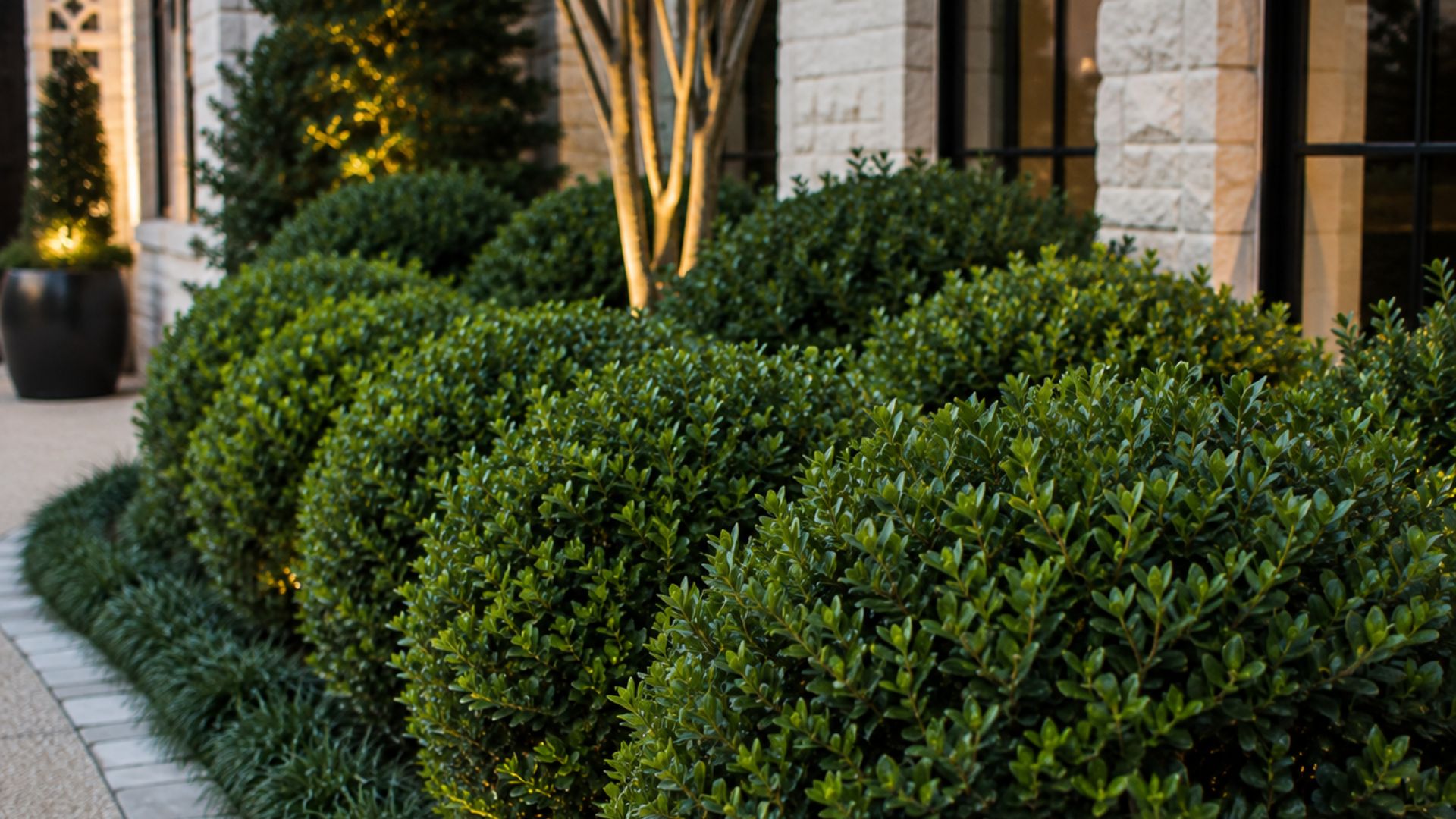
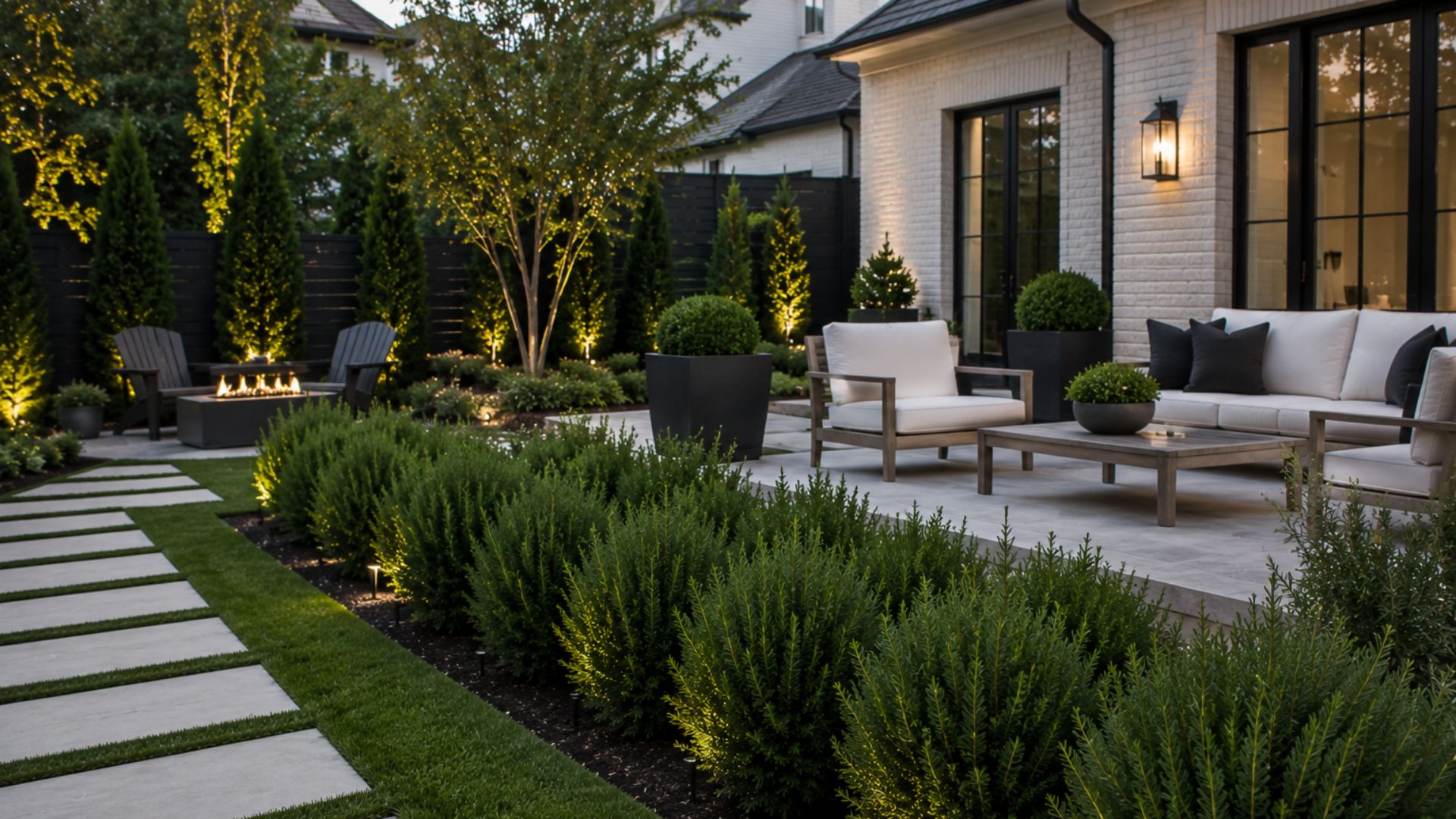
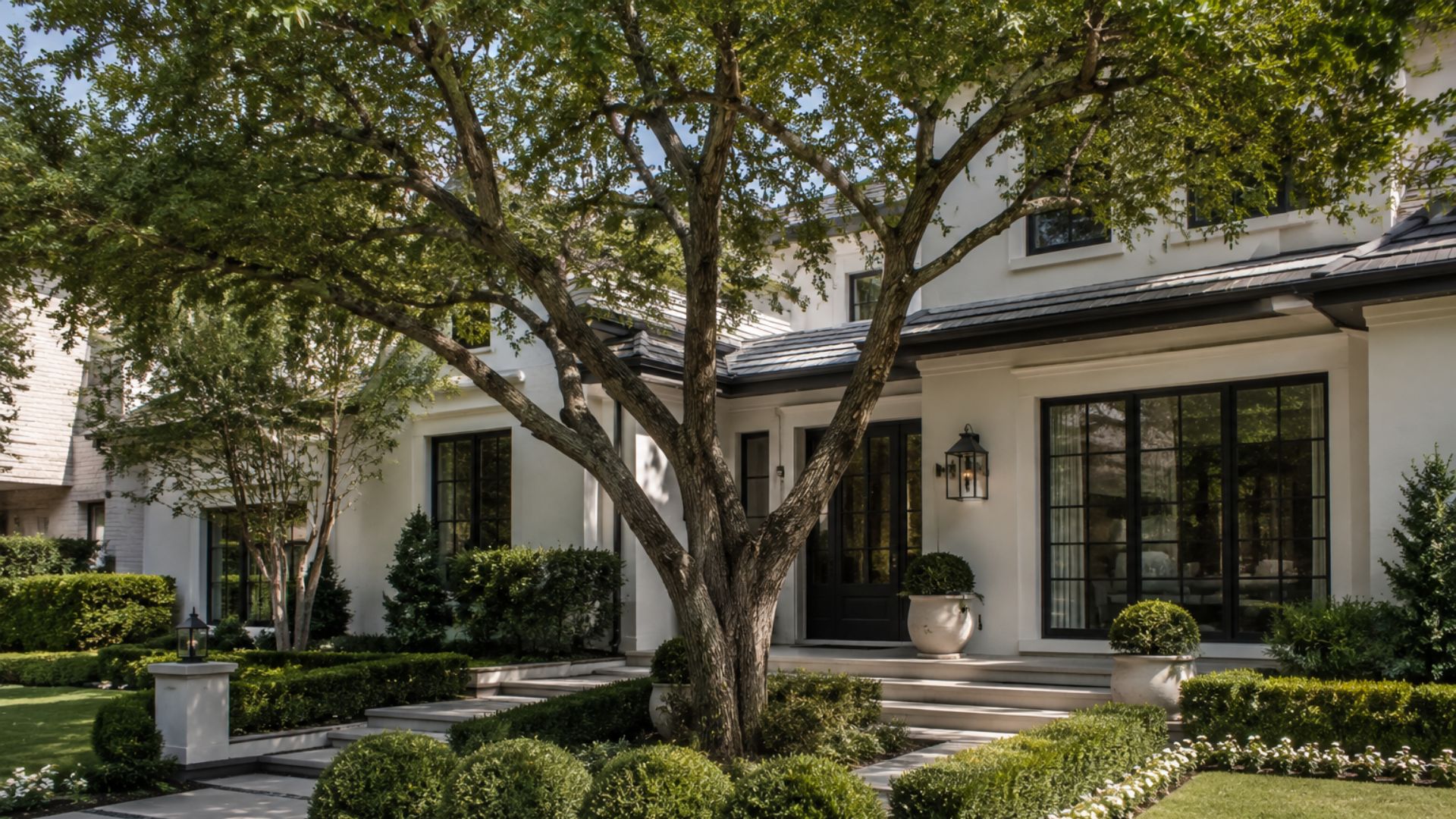
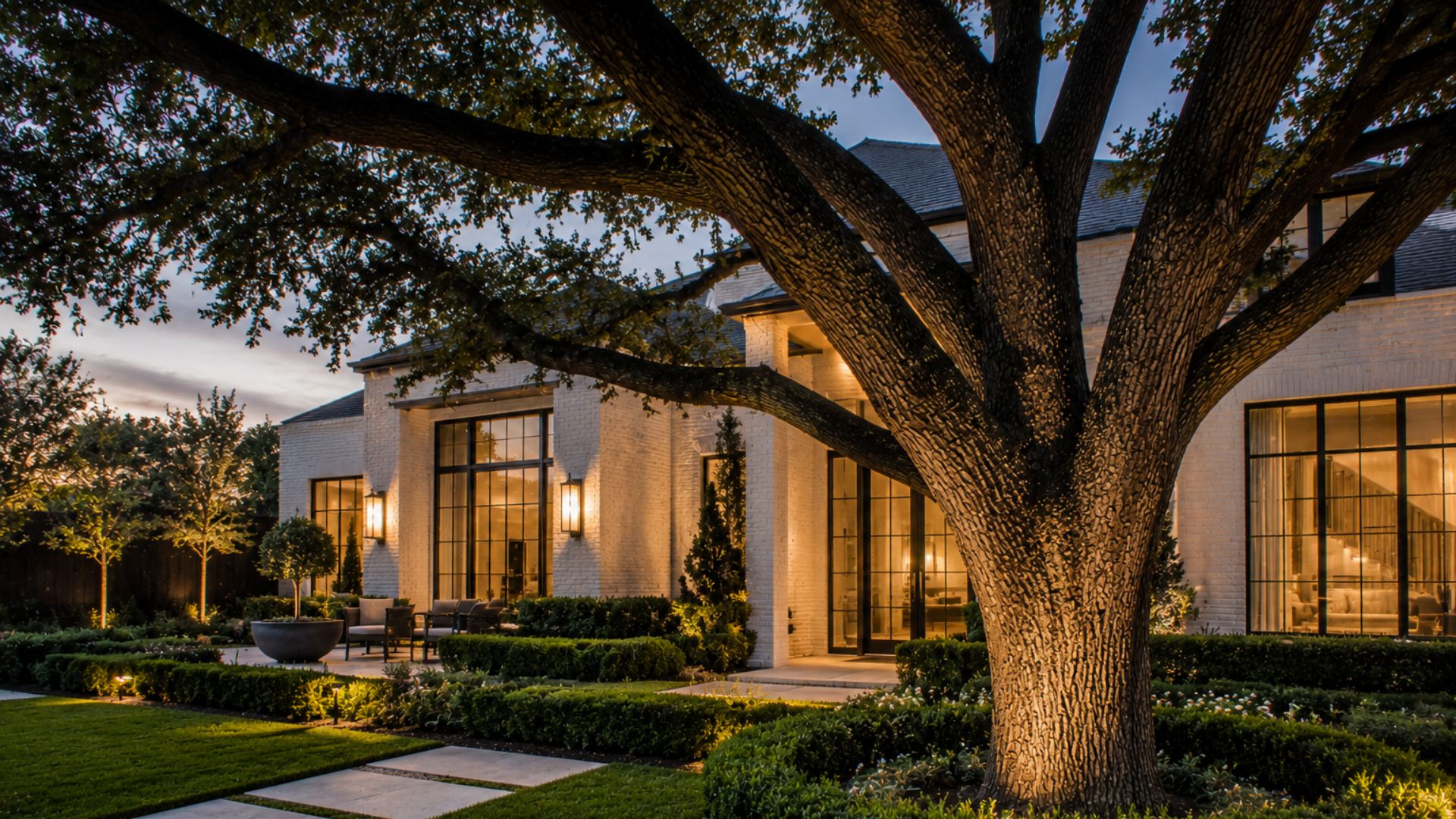
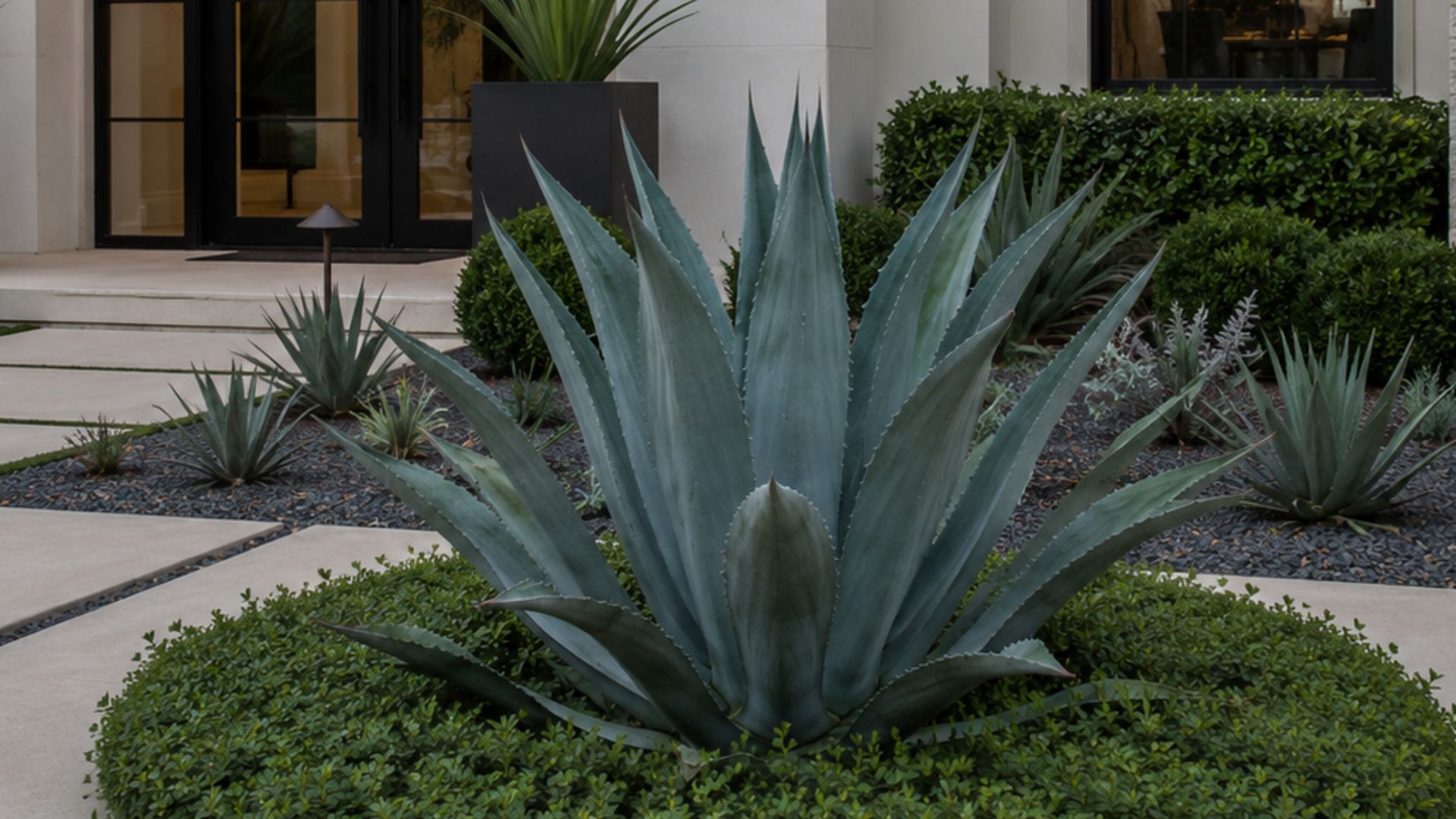
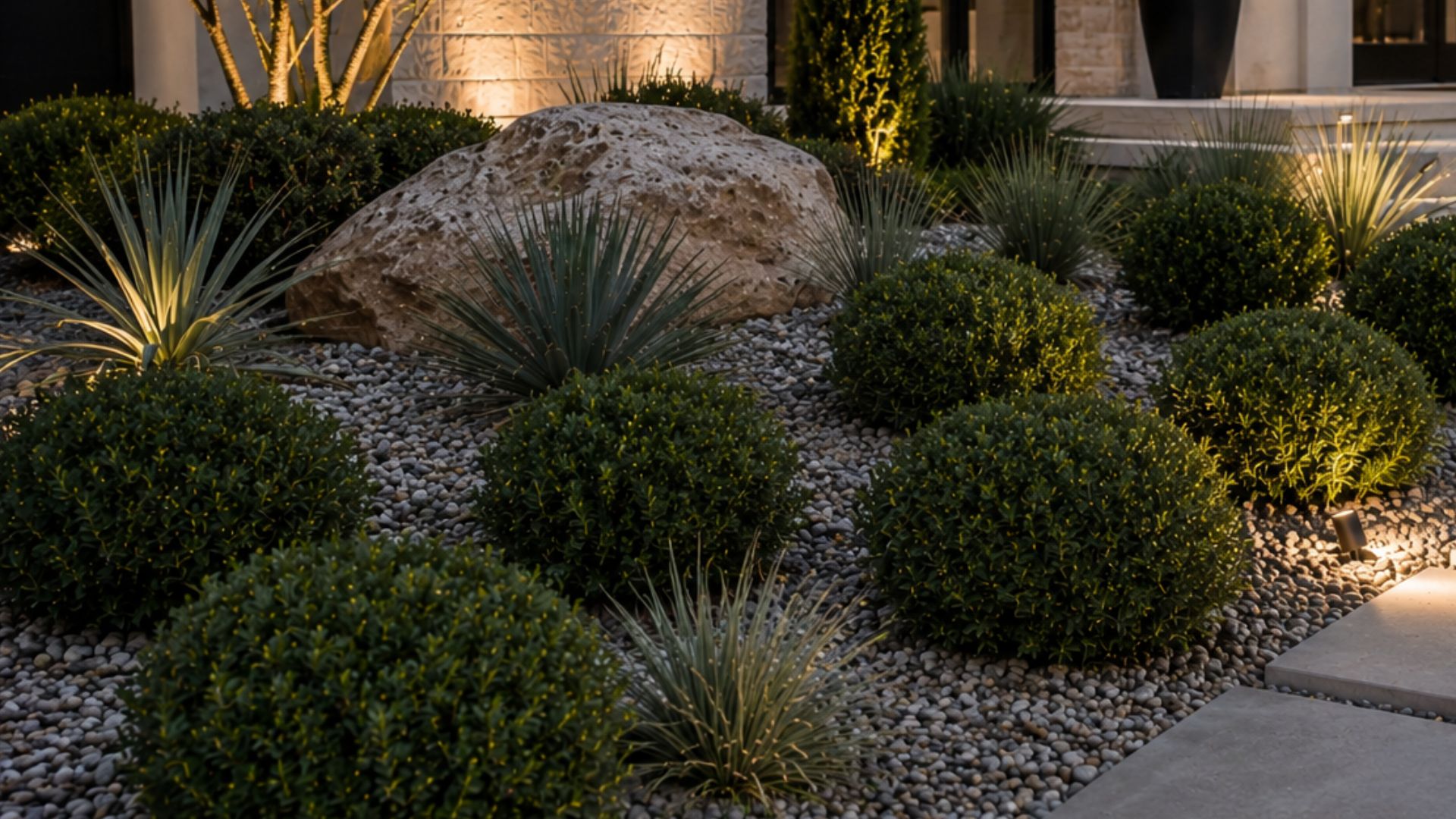
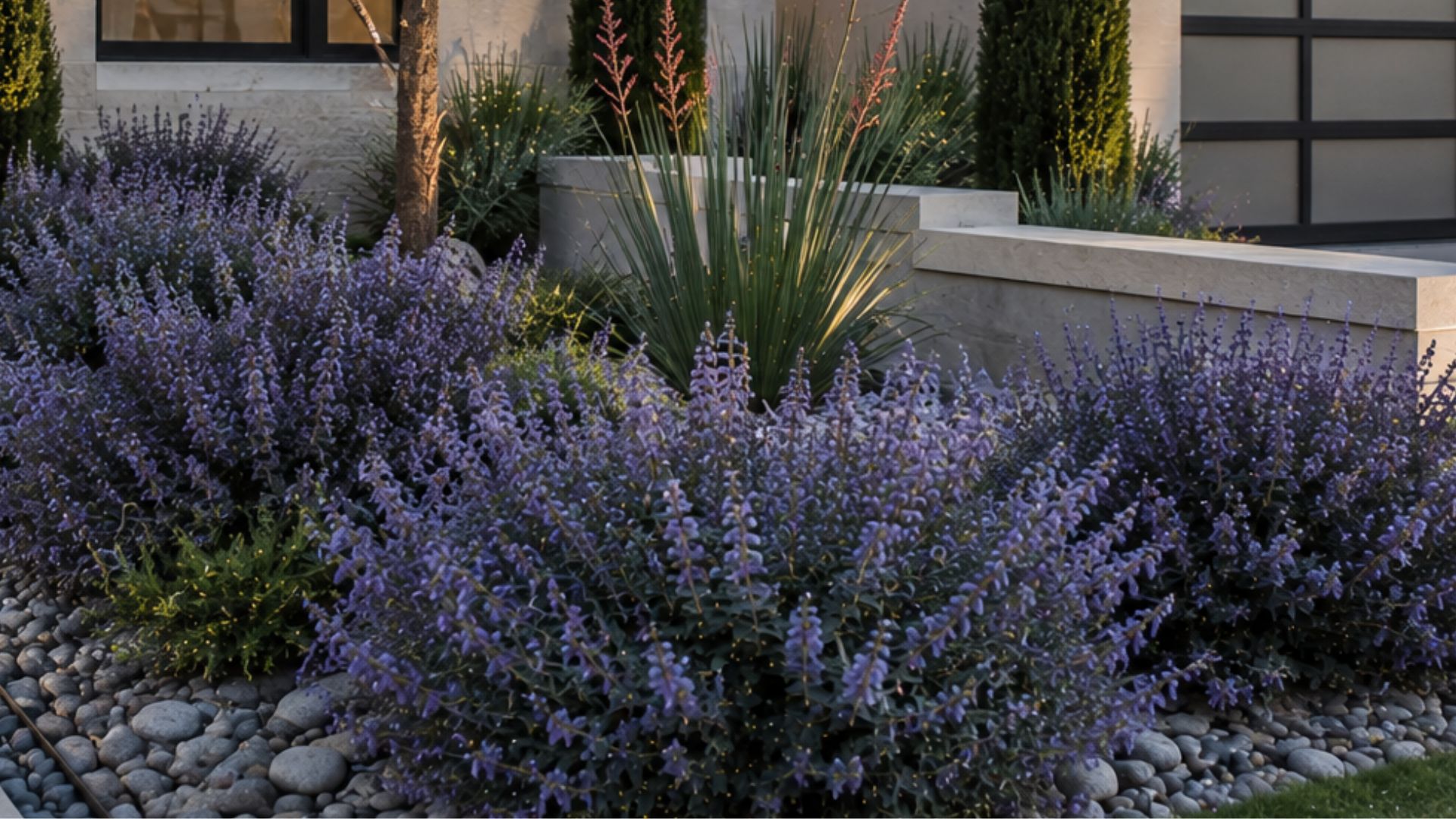
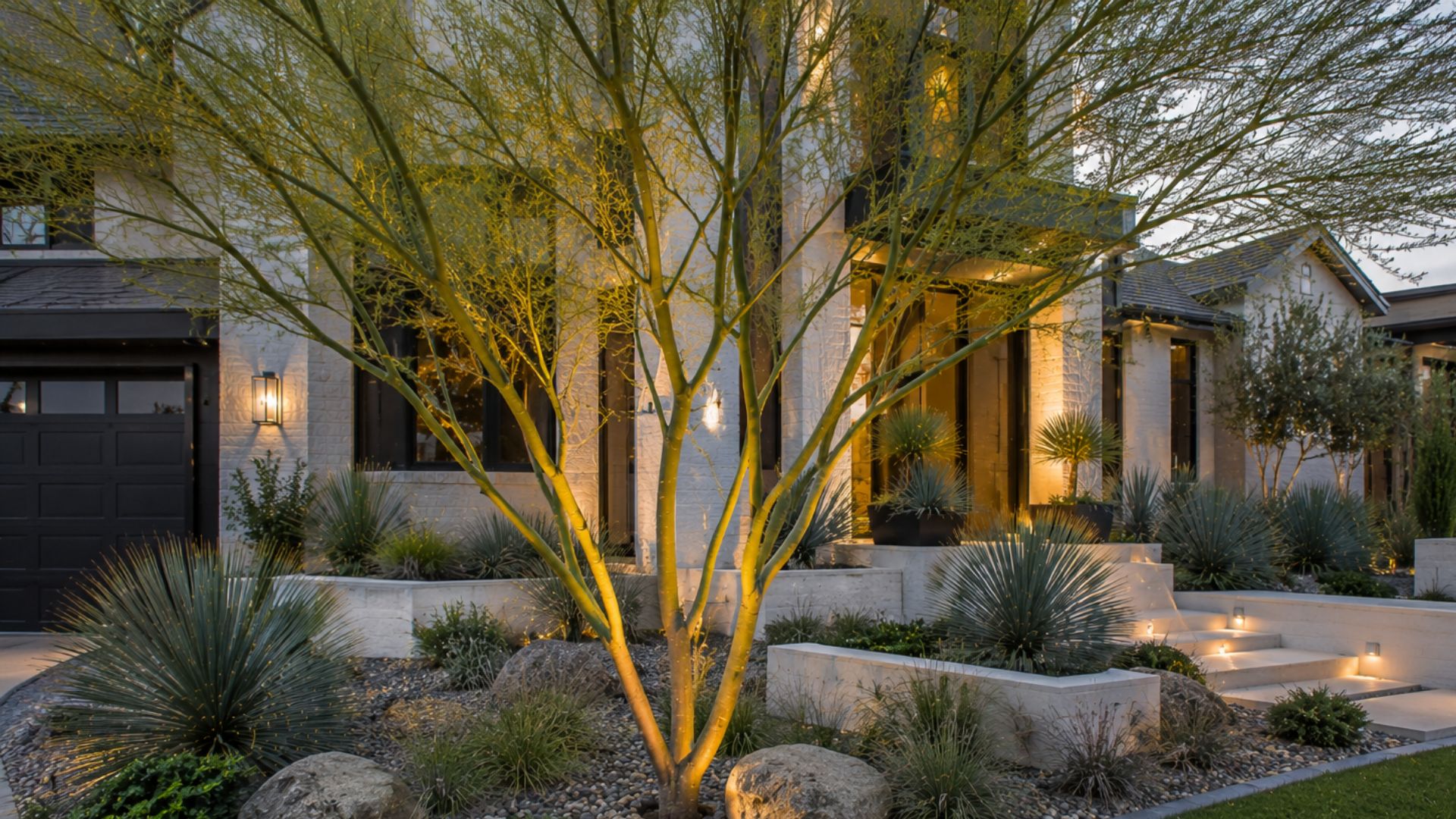
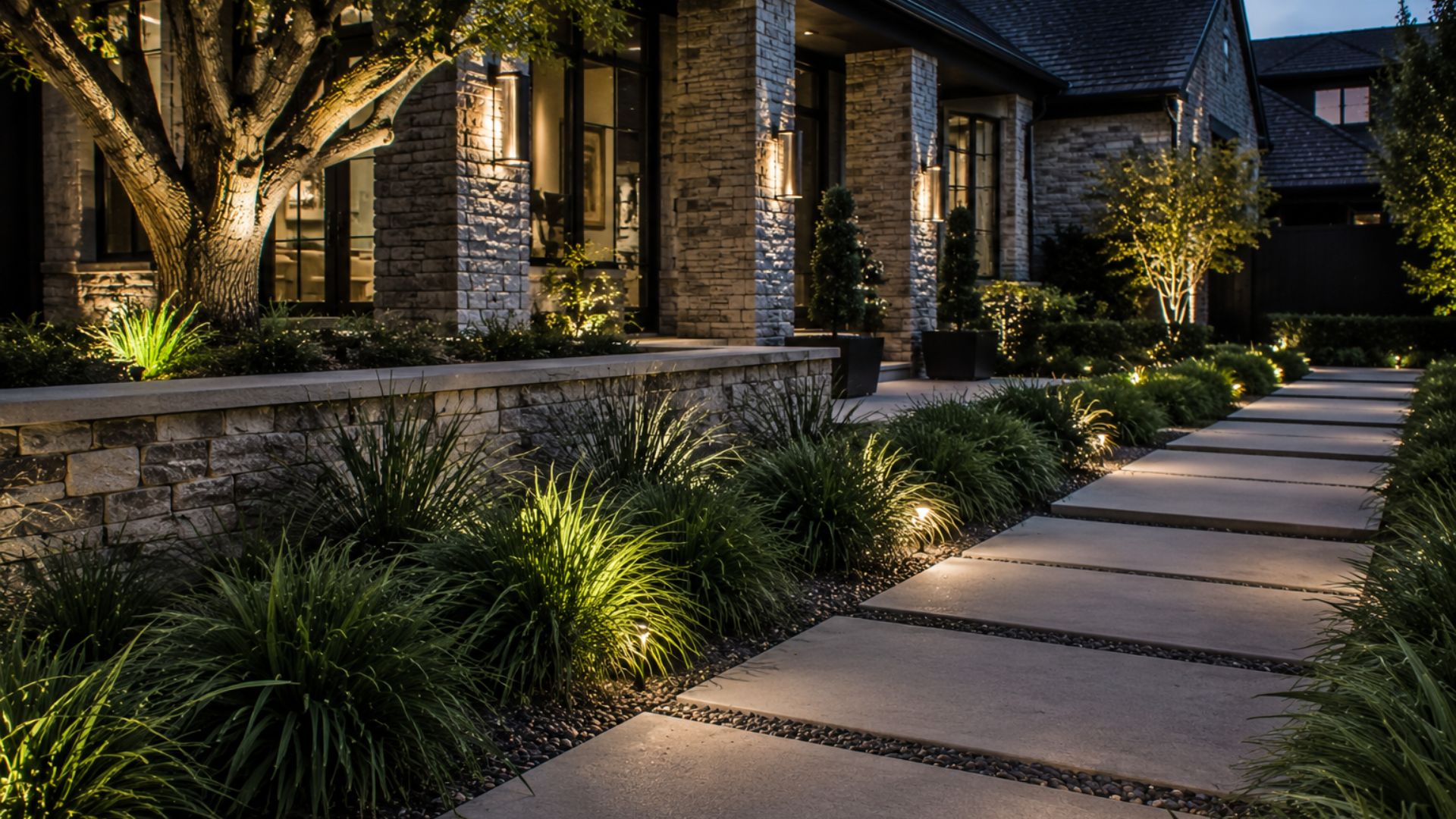
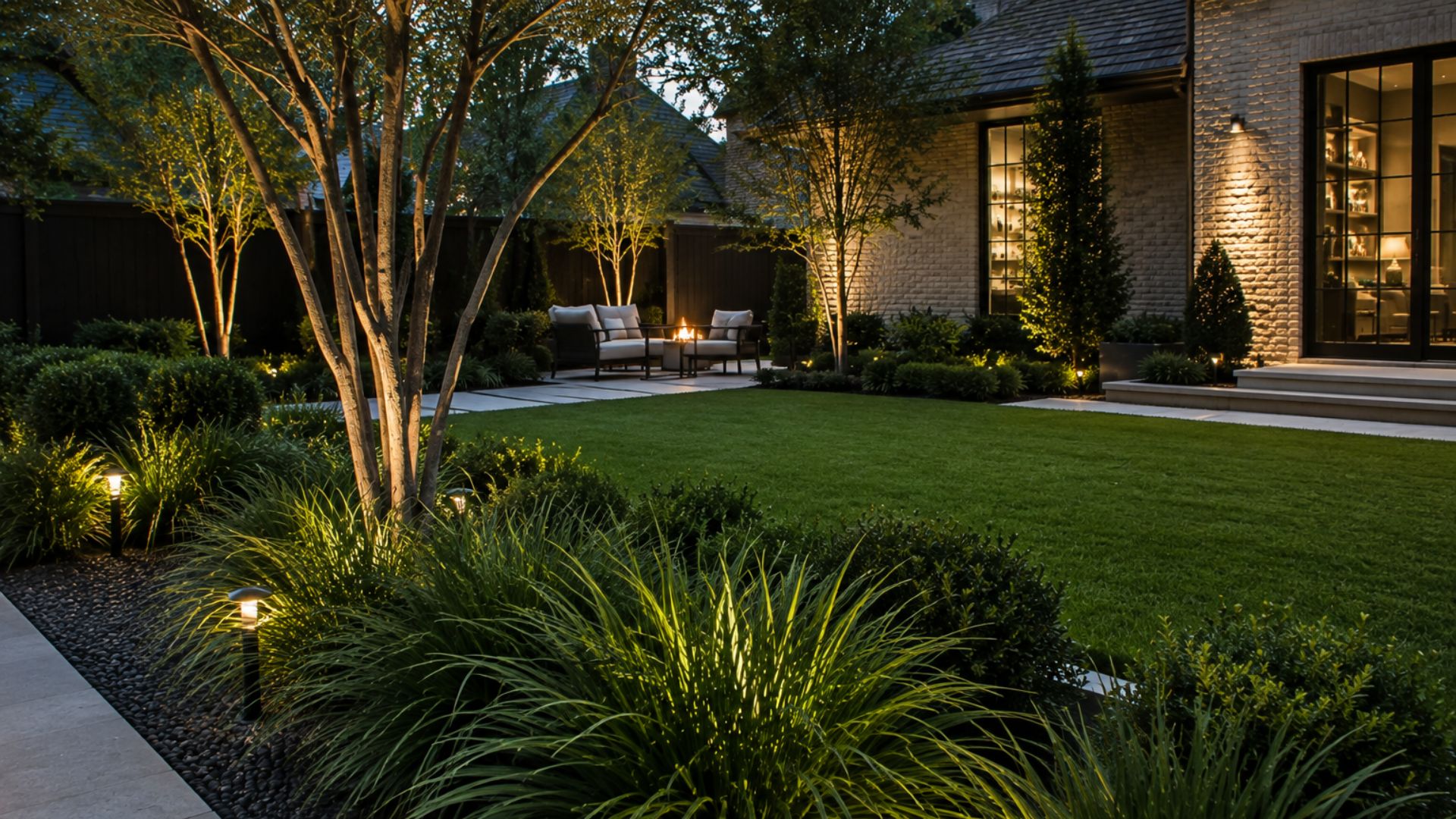
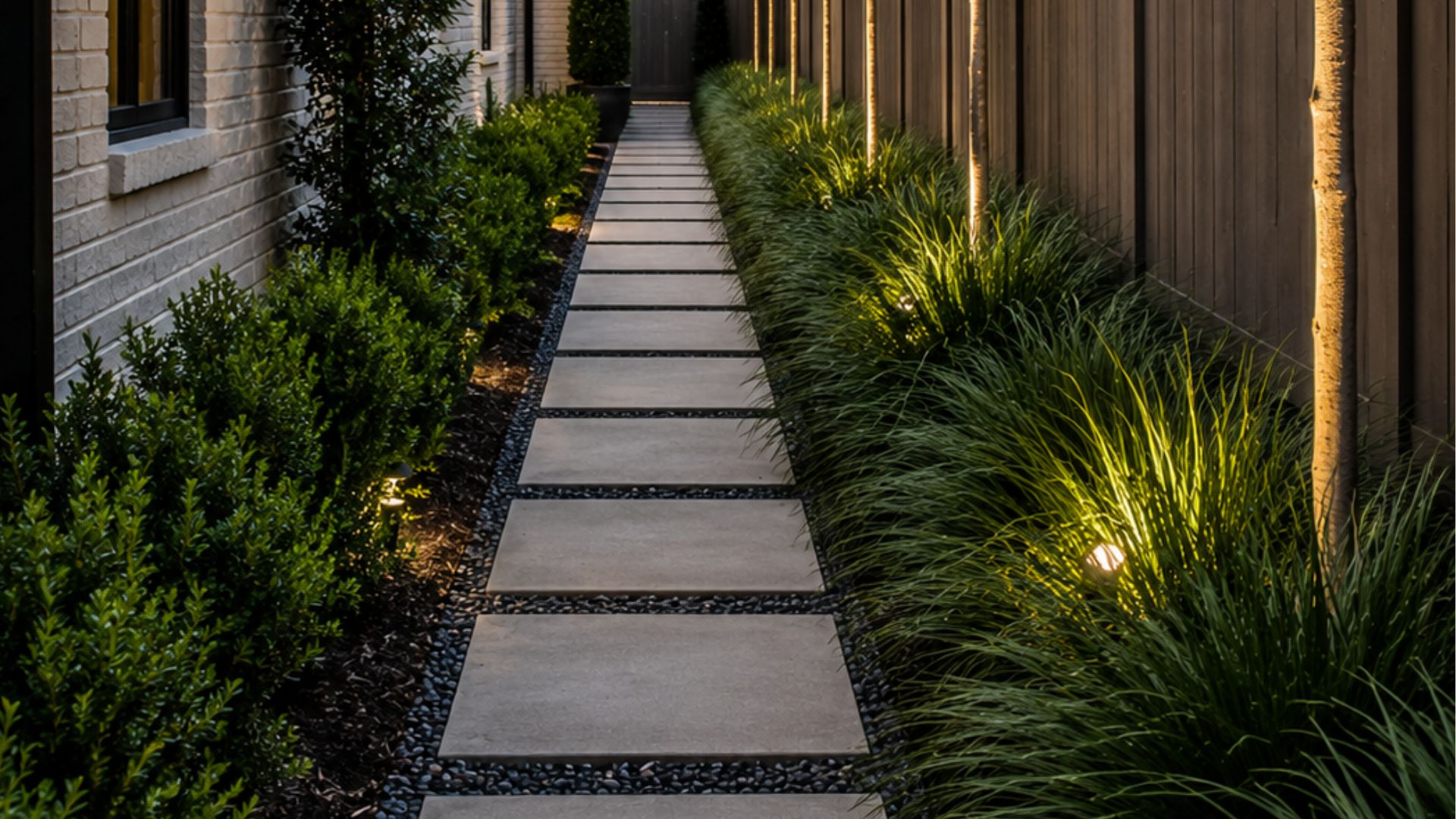
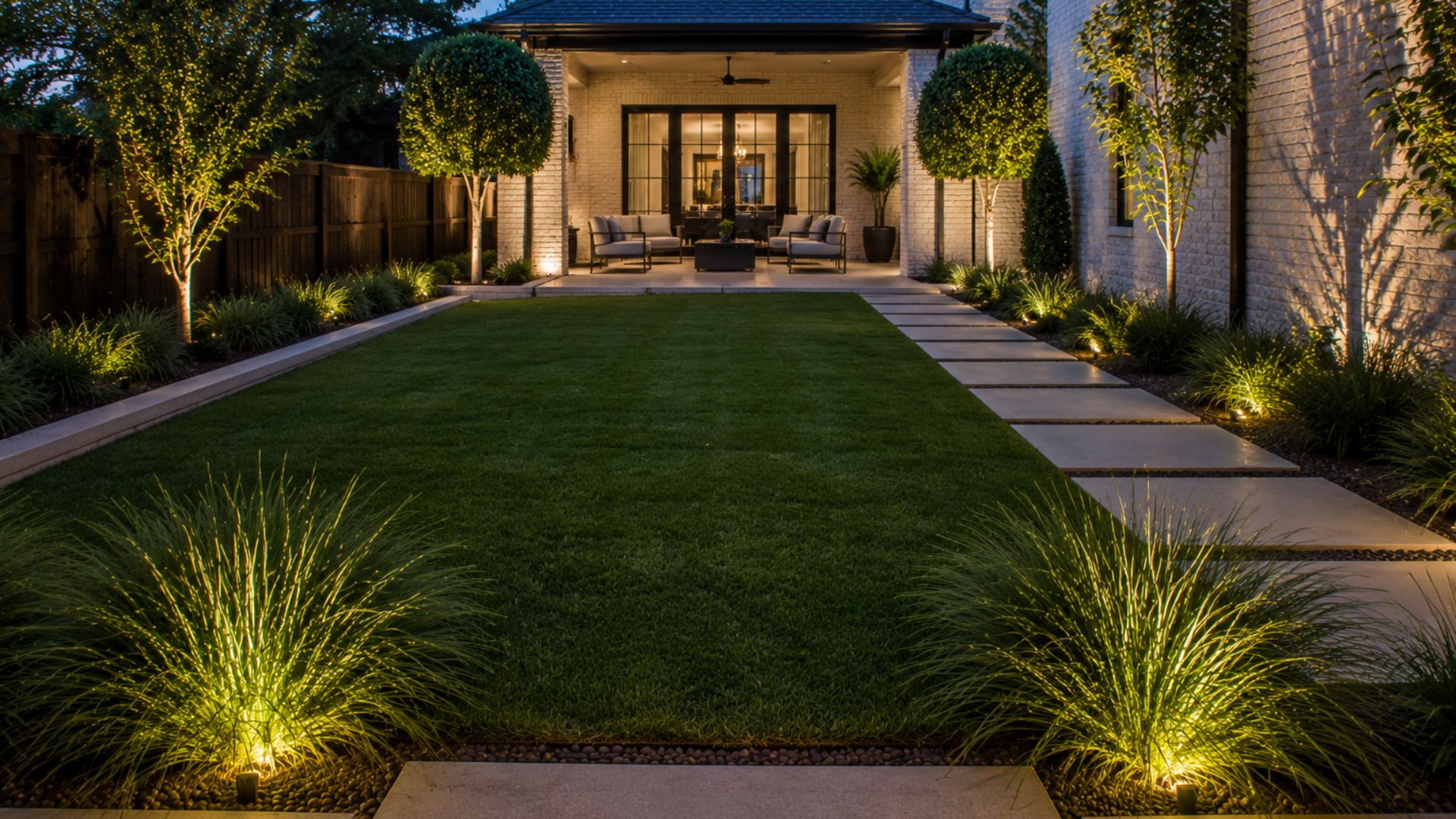
Its soft movement makes it especially effective for breaking up heavier evergreen shrubs and structured planting beds. Lomandra can be repeated along walkways, planted in groups around outdoor living spaces, or used to create a simple transition between lawn and hardscape. In Plano landscape designs, its clean shape works particularly well with modern architecture, natural stone, and layered evergreen plantings. A great option to add in front of evergreen trees!
Lomandra performs well in full sun to partial shade, although some afternoon protection can be beneficial during particularly intense North Texas summers. It prefers well-draining soil and should be watered consistently during its establishment period. Once established, many varieties become quite drought tolerant and require significantly less supplemental irrigation.
Maintenance is minimal compared with many traditional ornamental grasses. Damaged or older foliage can be removed as needed, and plants can be lightly trimmed to refresh their appearance. For Southlake homeowners seeking a clean landscape with year-round texture, Lomandra offers an attractive option without requiring frequent shaping or pruning.
Good drainage is important for Lomandra, particularly in heavy North Texas clay. Consistently saturated soil can lead to root or crown problems, so proper bed preparation and irrigation are important for long-term performance.
Cold weather is another consideration. Hardiness varies considerably between Lomandra cultivars, and severe North Texas freezes can damage foliage or entire plants. Selecting a more cold-tolerant variety and placing it in a protected location can improve its performance in the DFW climate.
Lomandra is otherwise relatively trouble-free, with few serious pest or disease problems. Proper spacing helps maintain airflow and allows its naturally arching form to develop without crowding neighboring groundcover plants.
Yes, Lomandra is generally considered evergreen in warm climates and maintains its grass-like foliage throughout the year. In North Texas, severe winter freezes may cause temporary foliage damage, so performance can vary by cultivar and planting location.
It looks like one, but Lomandra is not a true grass. It is a grass-like perennial that develops dense clumps of narrow, arching foliage. This gives designers the movement and texture of an ornamental grass with a more consistent year-round appearance.
Yes. Lomandra's simple fountain-like shape works beautifully in modern and evergreen landscape designs. Repeated plantings can create clean lines along walkways, patios, and architectural features, while individual plants add softness between structured shrubs. It's especially attractive in Southlake landscapes where a refined, layered look is desired.
You might also like