

Agave
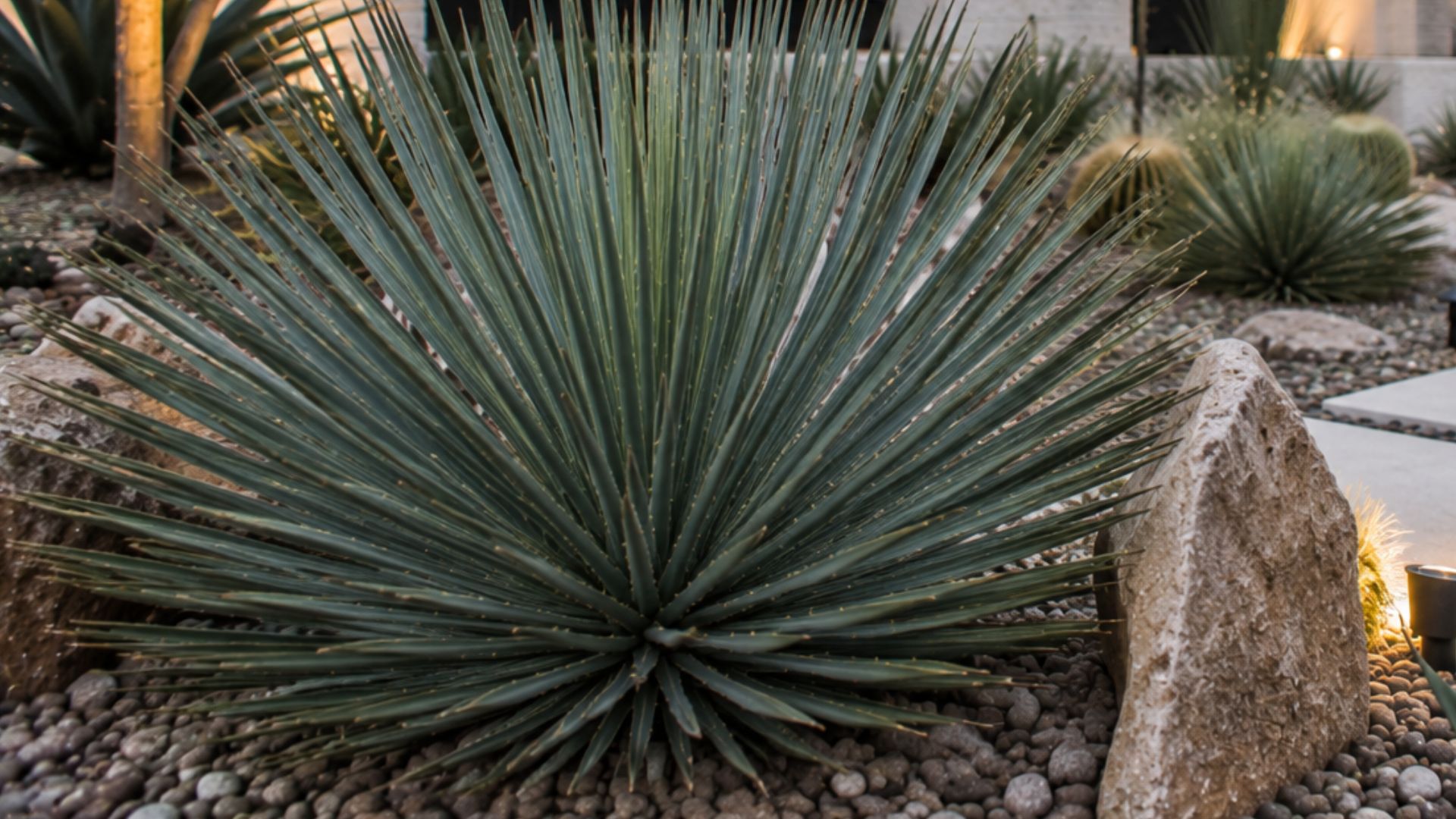
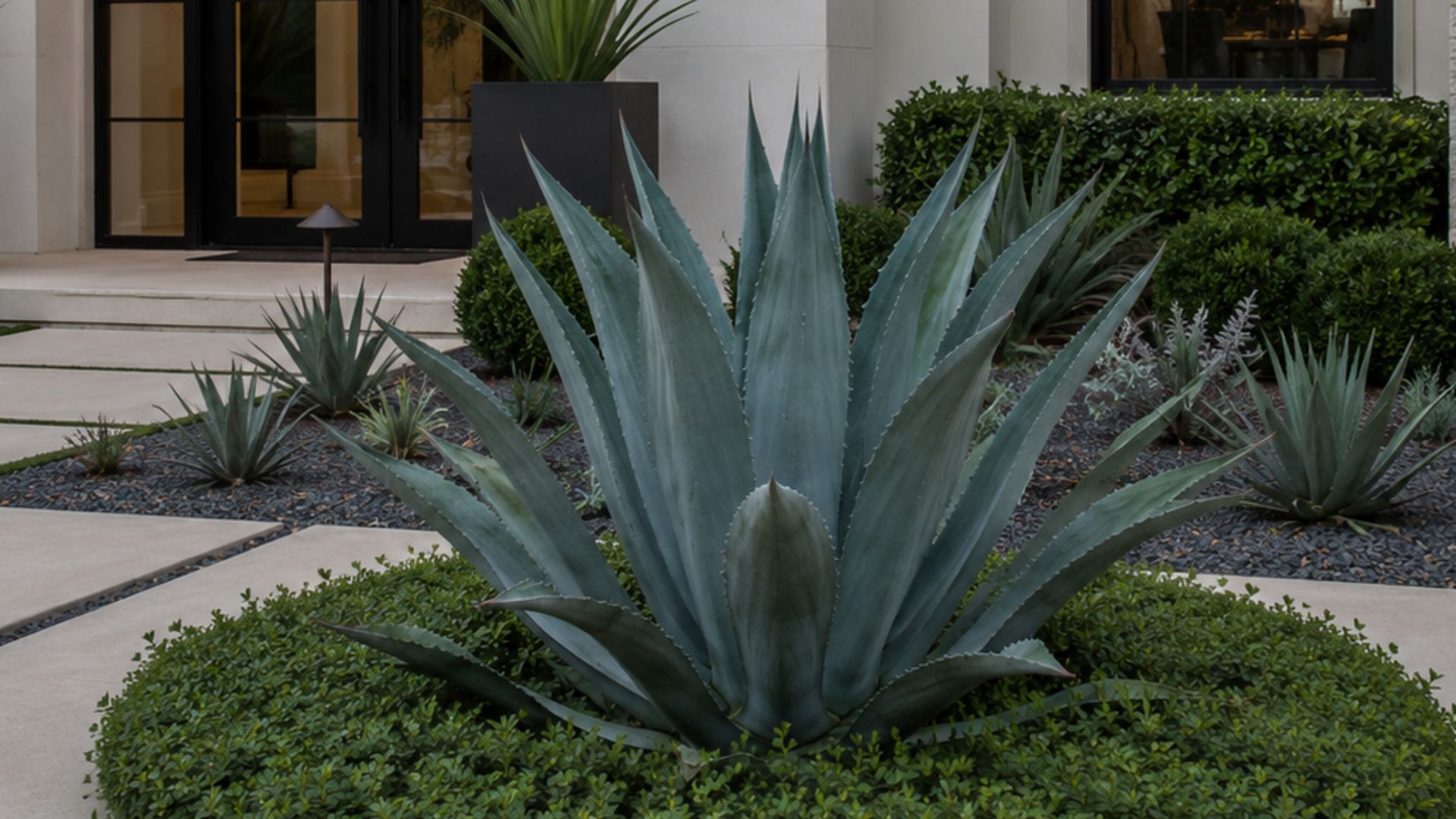
A bold evergreen succulent with thick, architectural leaves arranged in a dramatic rosette. Depending on the variety, Agave can grow from 1–5 feet tall and 2–8 feet wide, making it suitable for everything from compact accents to large statement plantings. Hardiness varies significantly by species, but several cold-tolerant Agaves can perform well in USDA Zones 7–10, making careful variety selection important for North Texas resort-style landscapes.
Agave
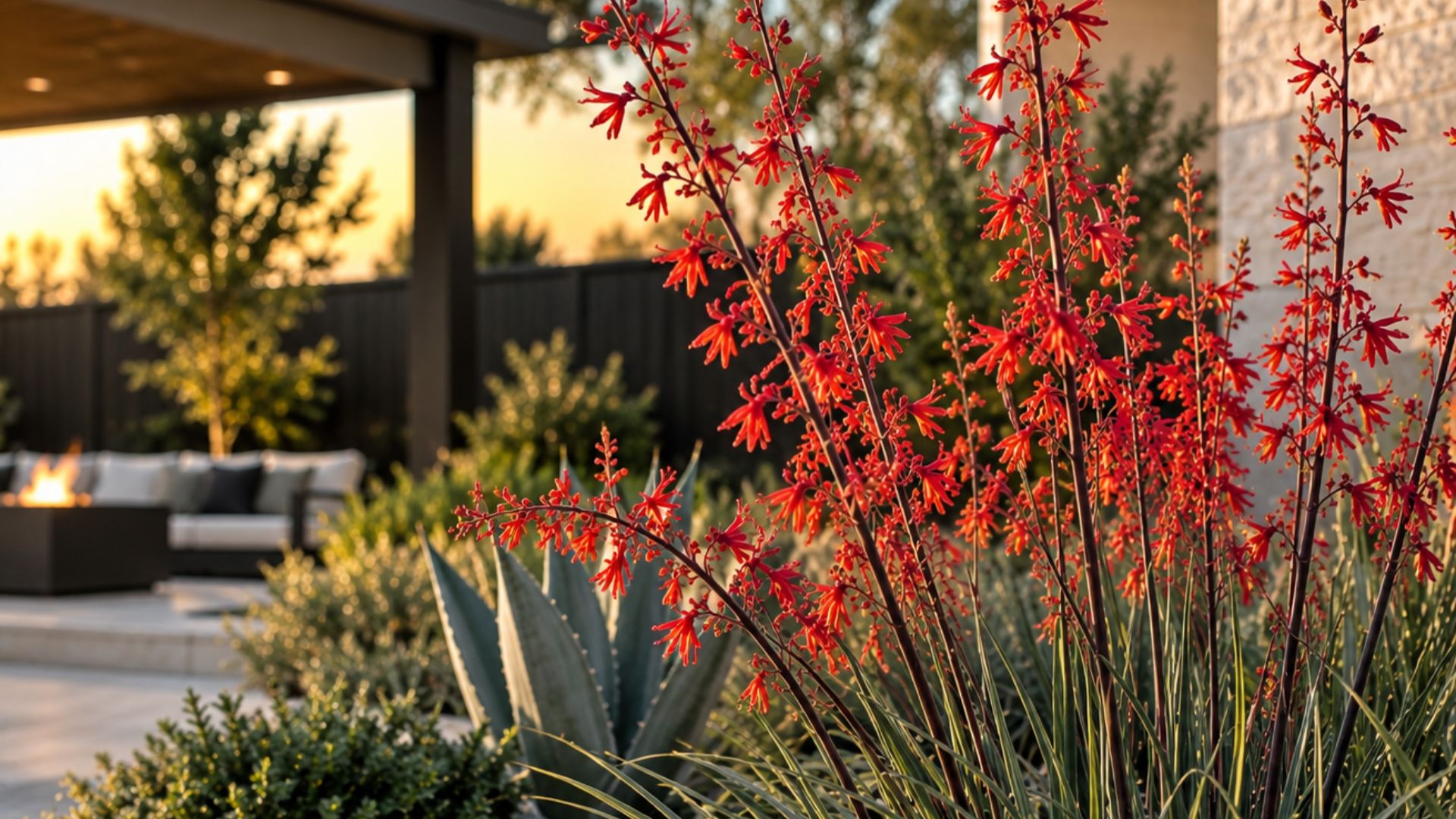
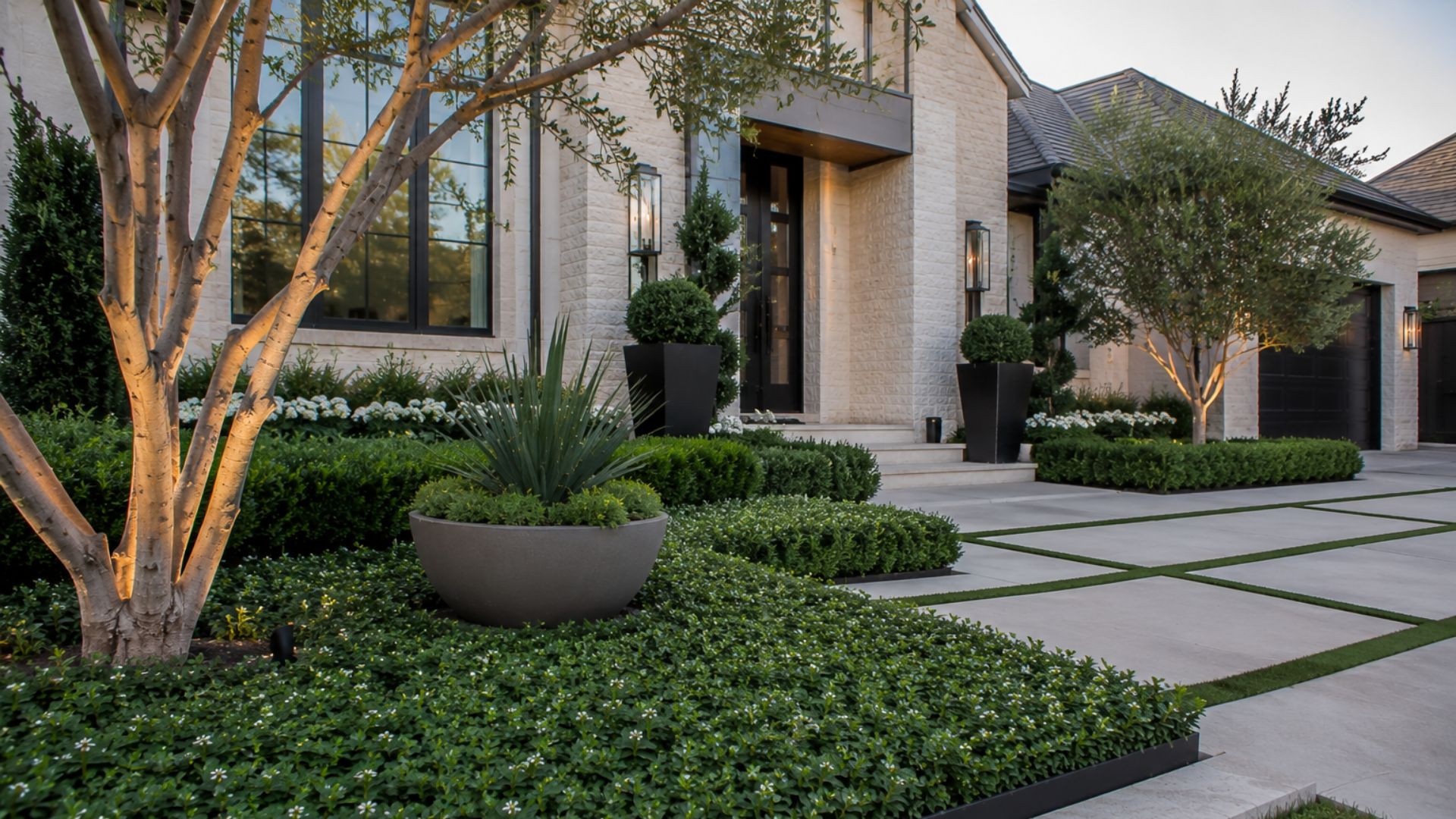
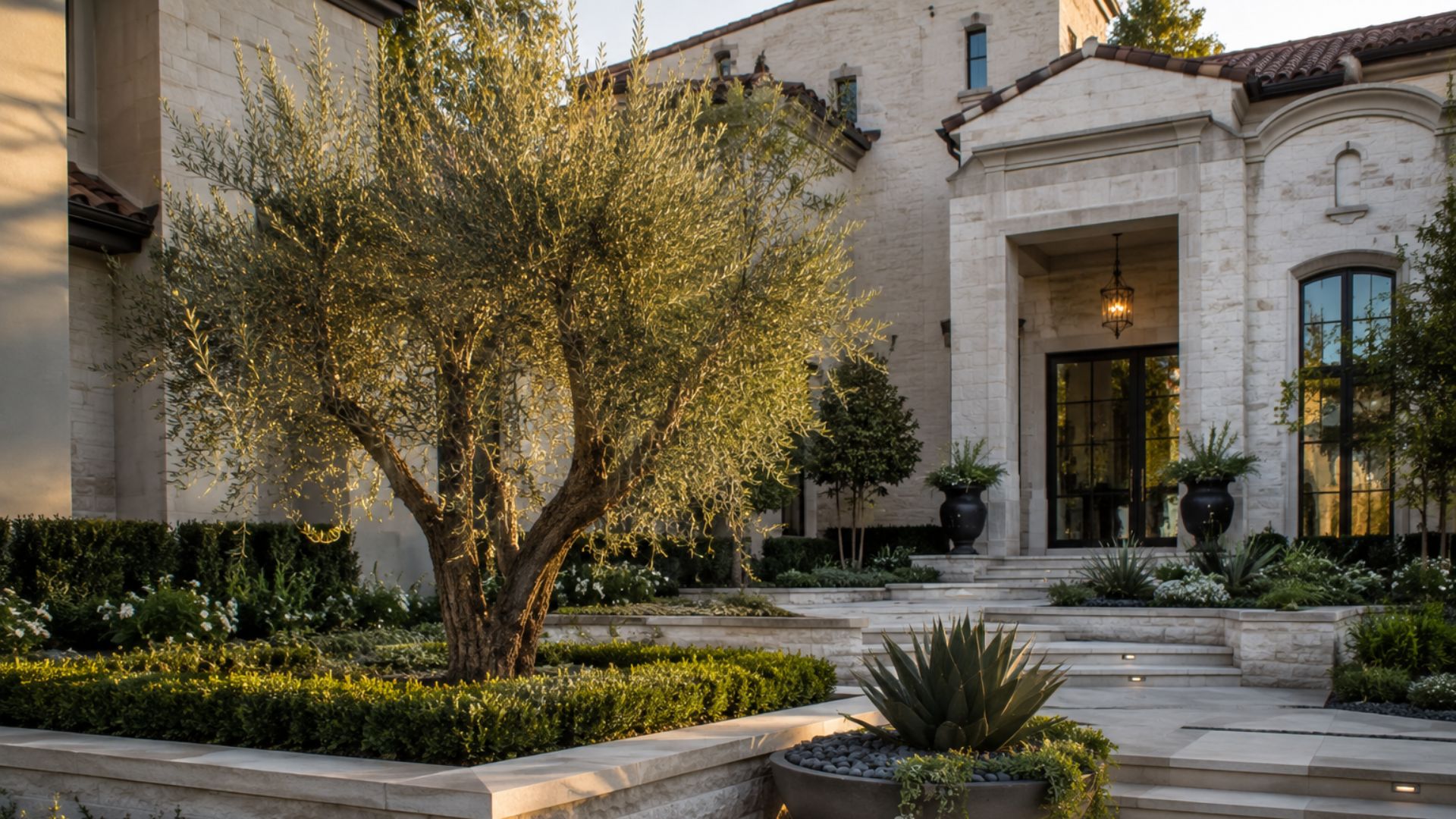
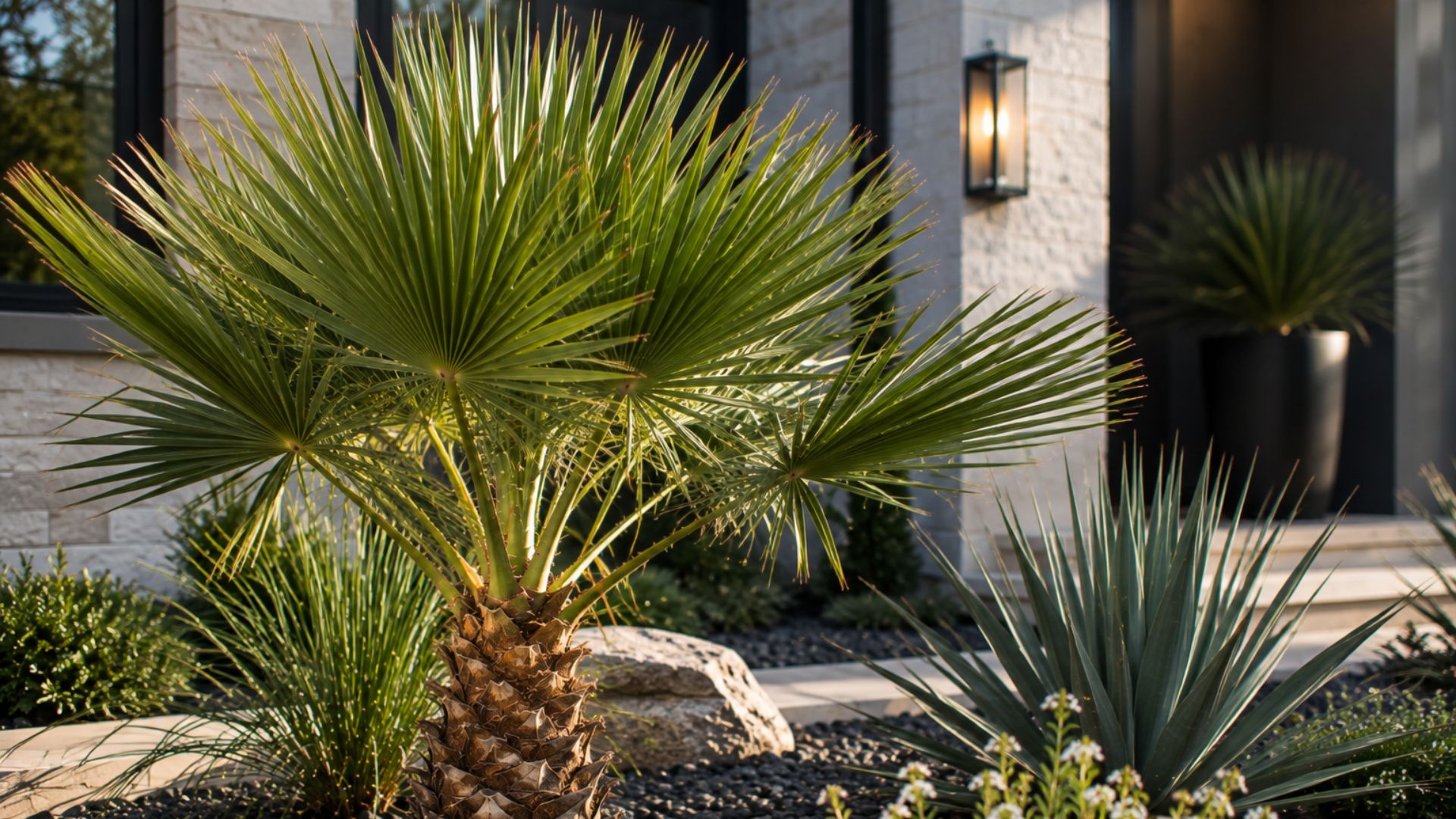
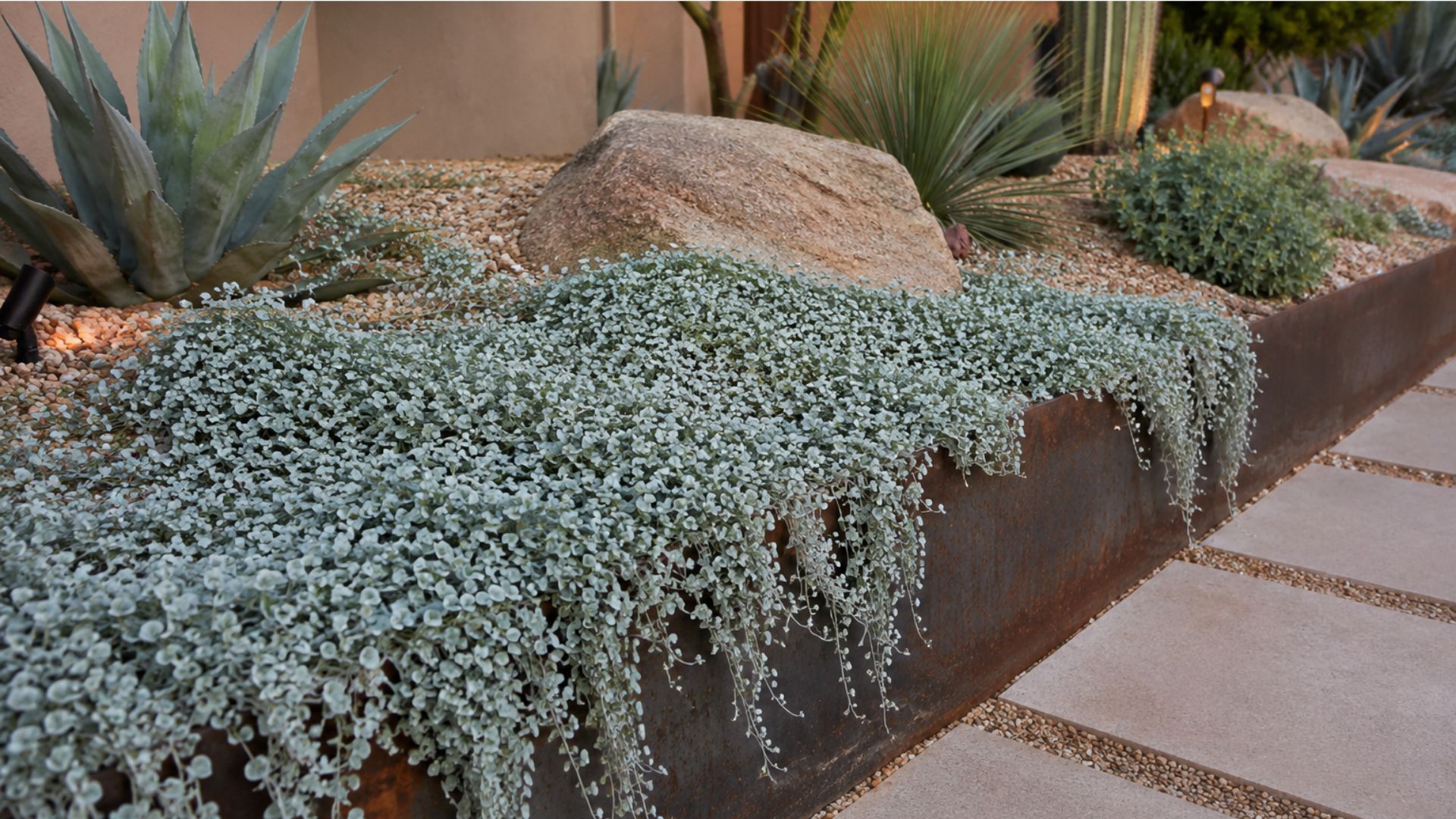
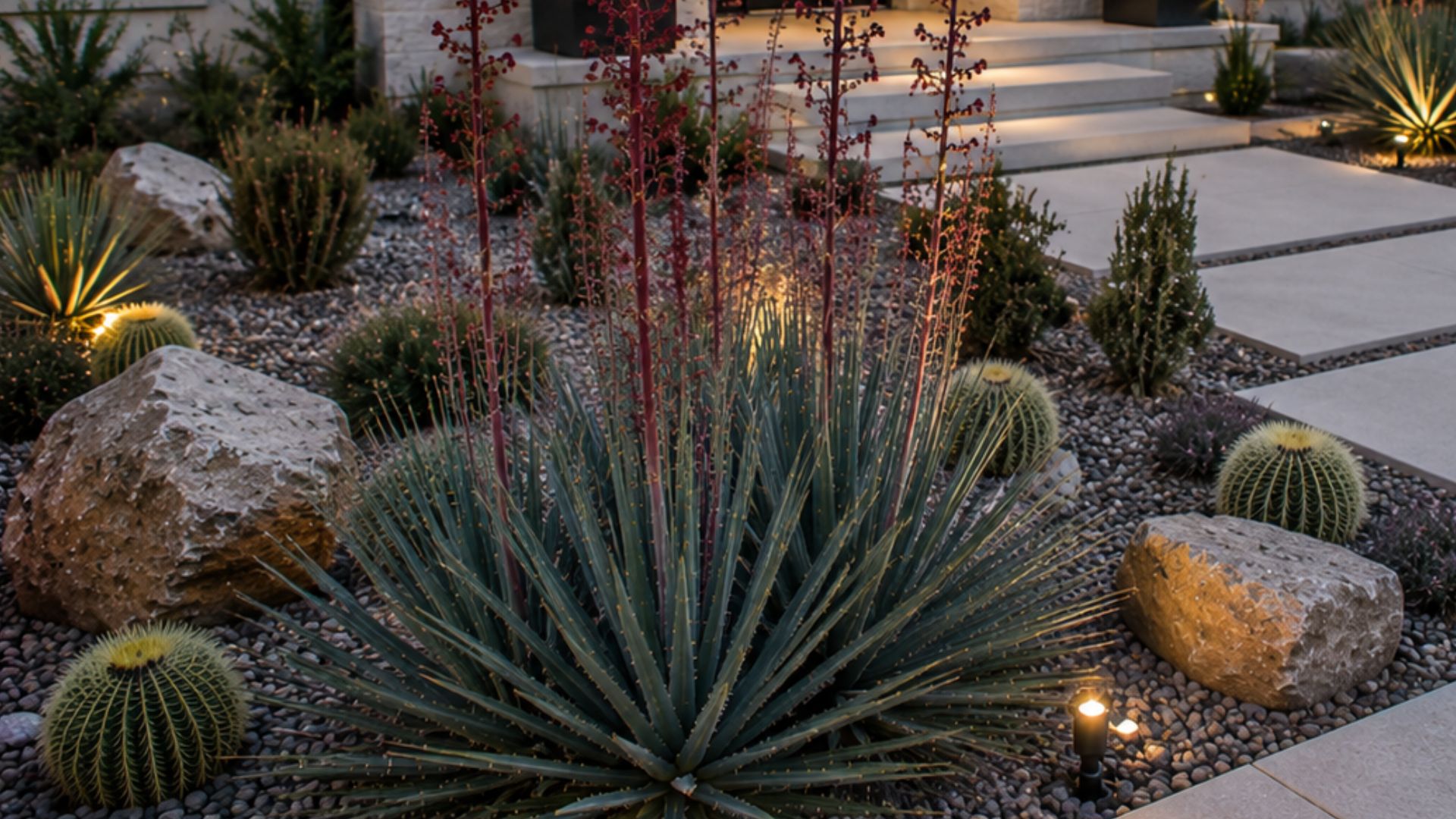
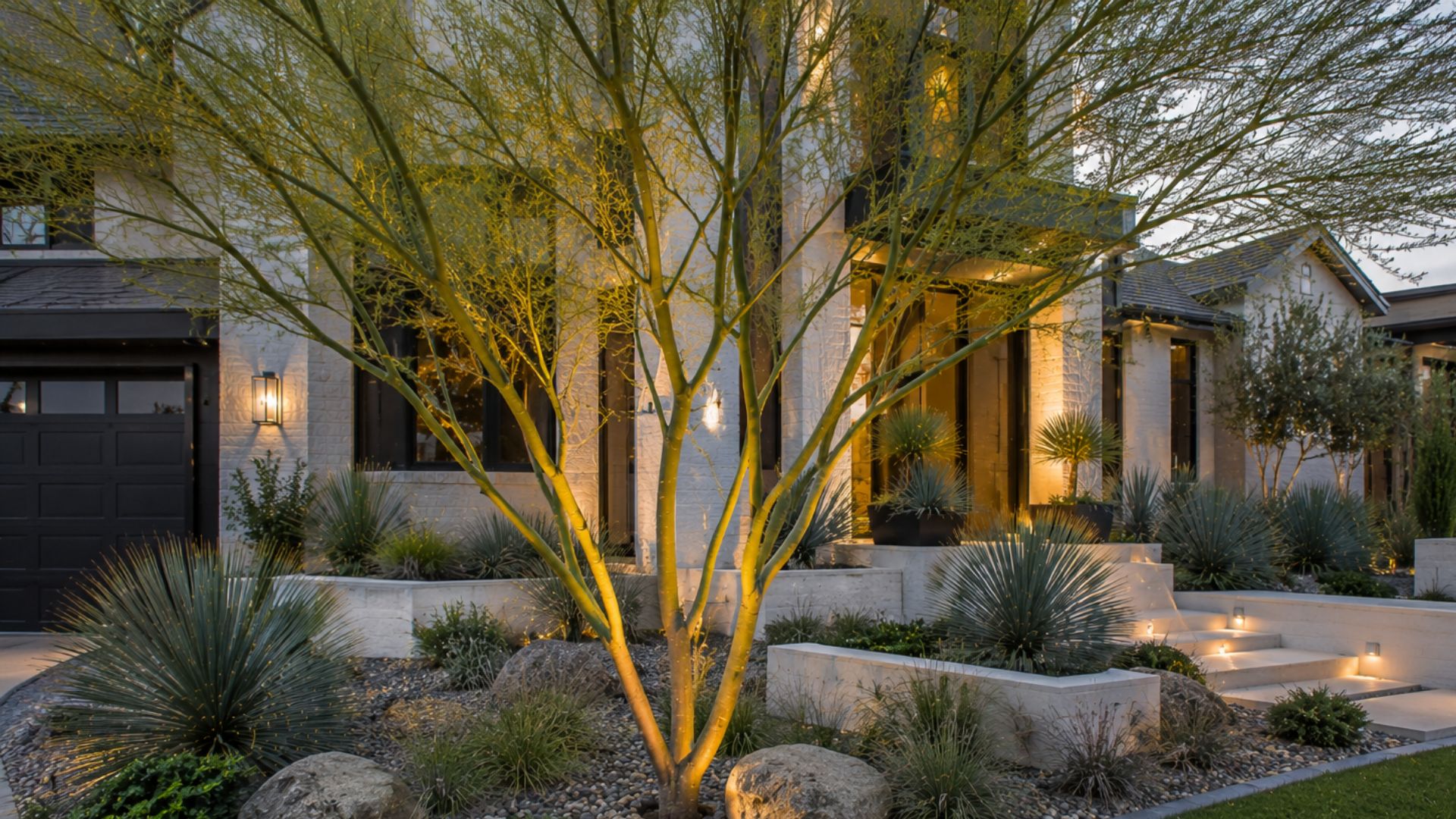
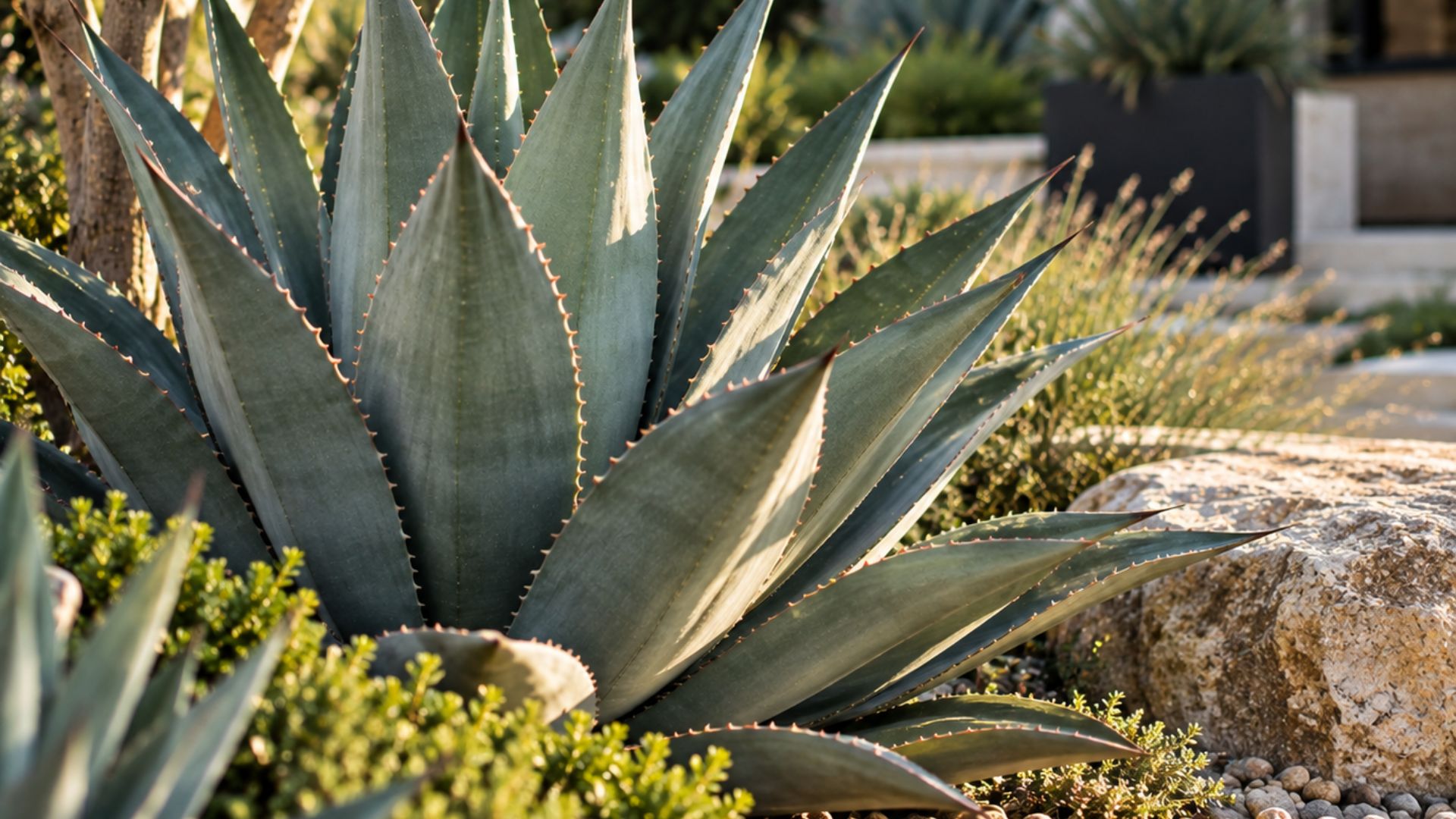
Agave is prized for its strong architectural shape and distinctive blue-green, gray, or deep green foliage. Its symmetrical rosette provides immediate visual structure, making it an excellent contrast to softer ornamental grasses, palms, and traditional evergreen shrubs.
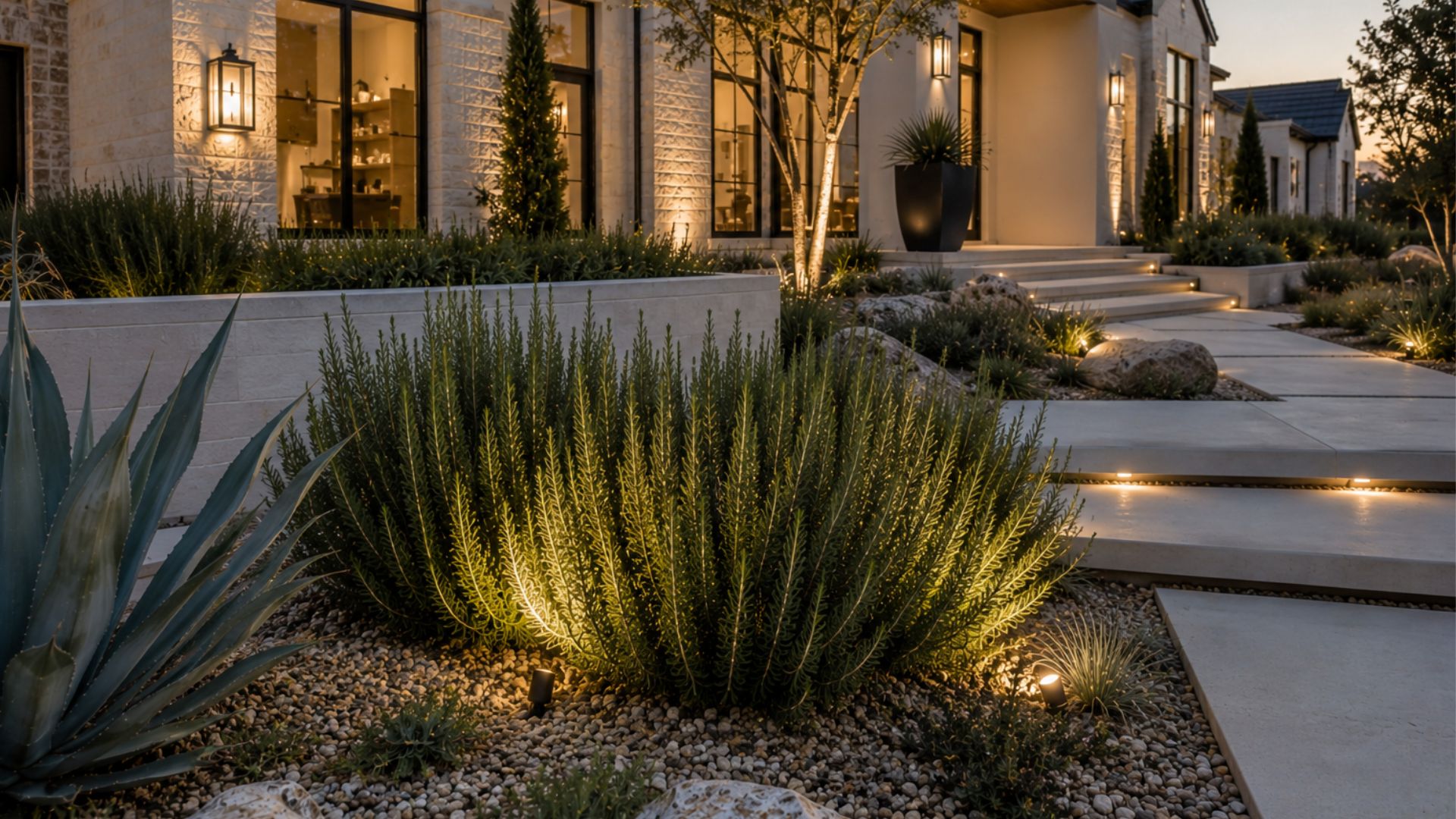
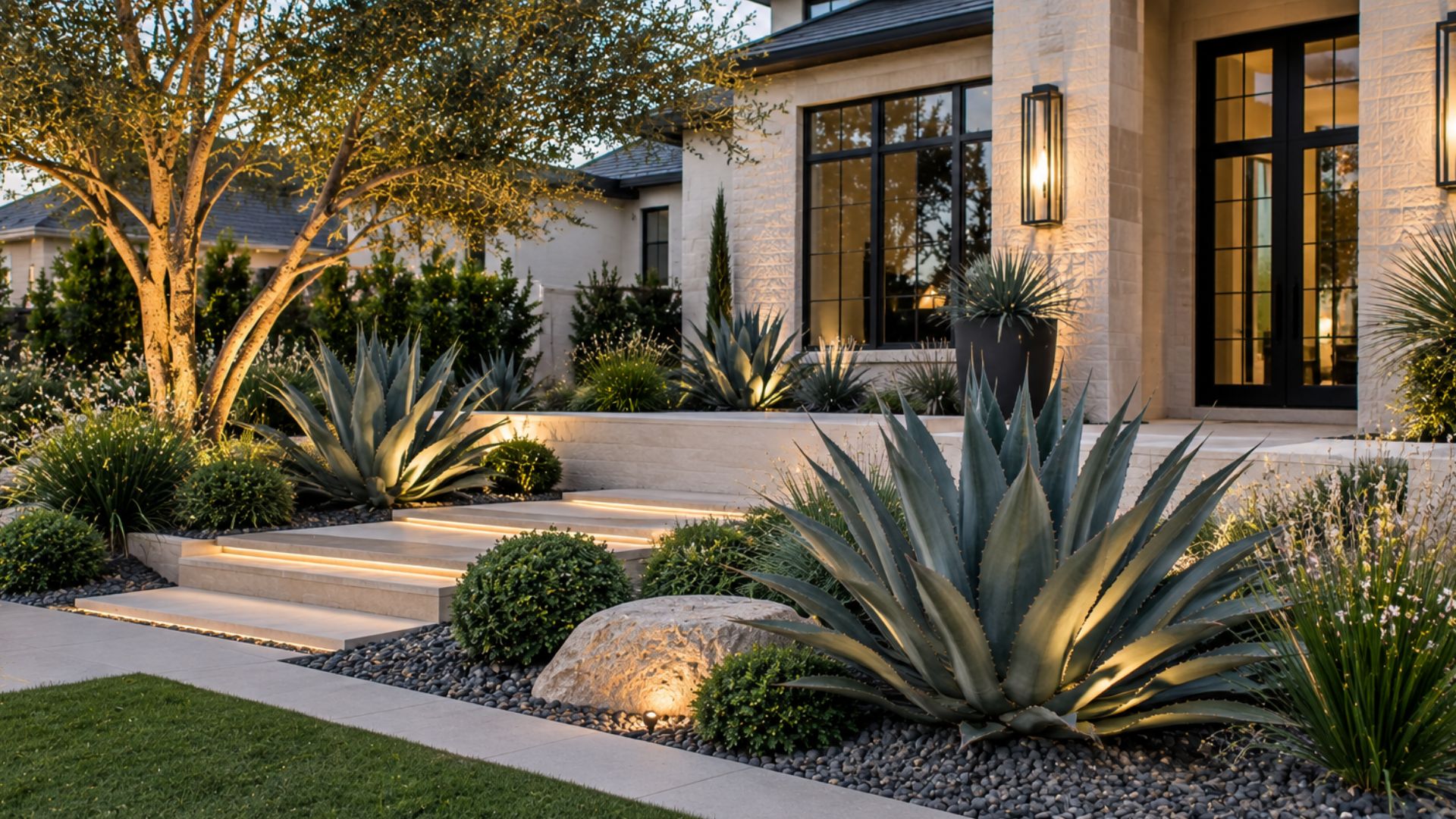
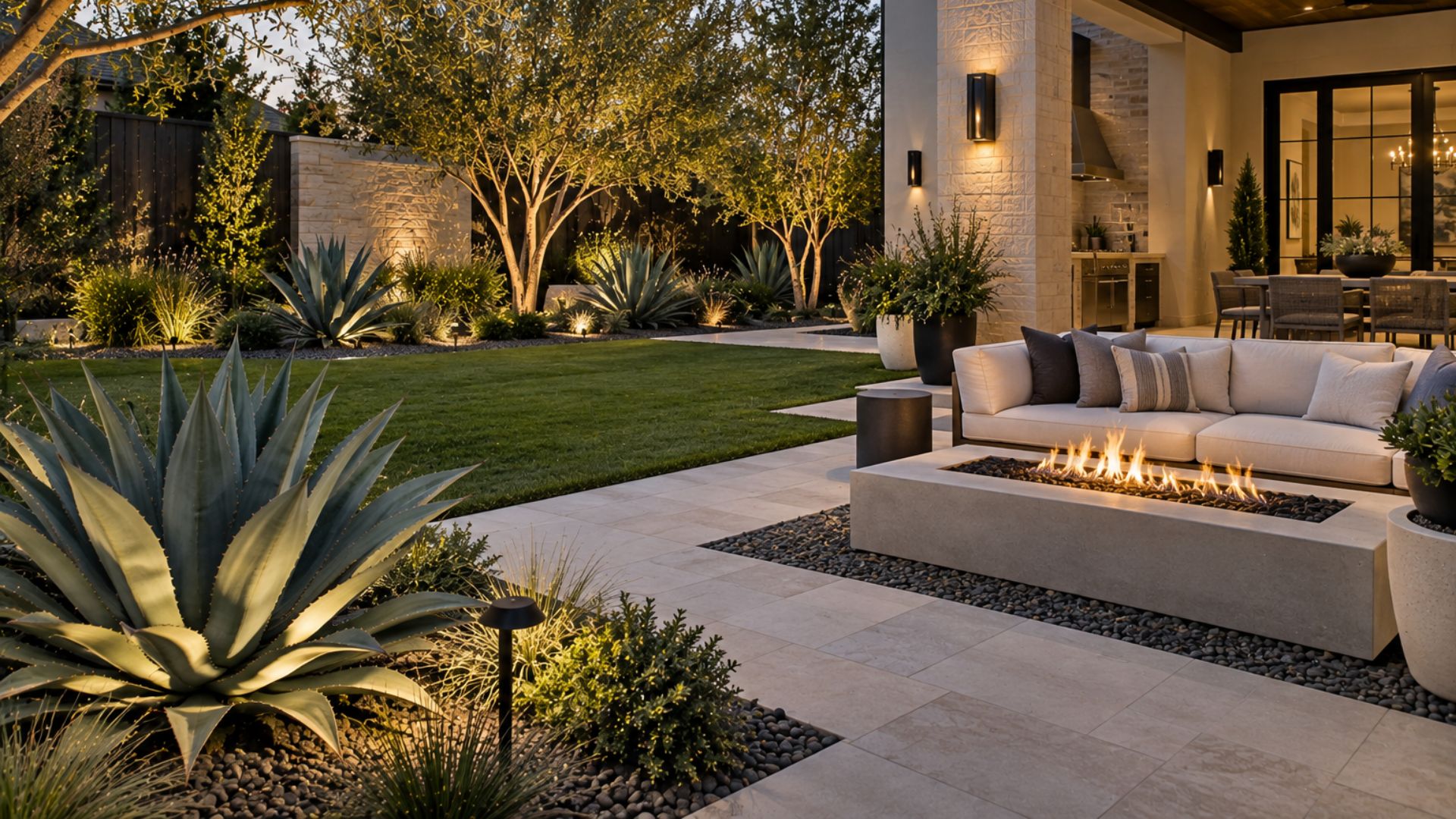
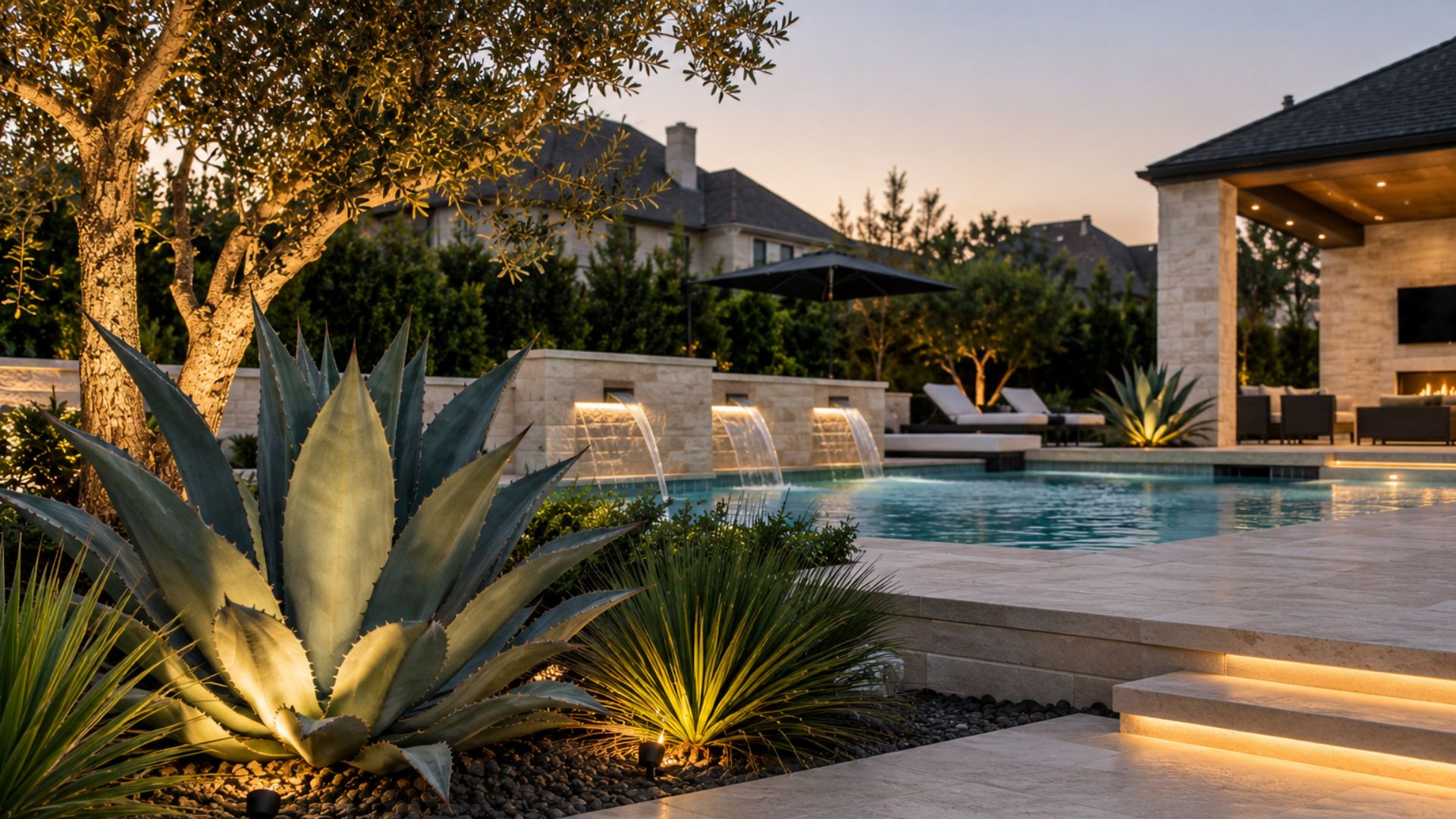
In a resort-style landscape, Agave works best as an accent rather than a continuous Ornamental Grasses. A single specimen can highlight the corner of a pool deck, frame an outdoor living space, or add definition to a modern stone or gravel bed. In Southlake landscapes, larger Agaves can become sculptural focal points that give the property a sophisticated resort feel without making the overall design look overly tropical.
You can also install agave in desert-style landscapes, but let's stick to resort-style here!
Agaves perform best in full sun and exceptionally well-draining soil. Once established, they are highly drought tolerant and require considerably less irrigation than many traditional landscape plants. Overwatering is usually more problematic than allowing an established Agave to experience dry conditions.
Drainage deserves particular attention in North Texas because heavy clay soils can retain moisture around the root system. Depending on the site, raised planting areas, improved soil preparation, or strategic grading may help keep excess water away from the crown and roots.
For a Plano resort-style landscape, Agave is particularly useful in sunny areas where homeowners want a clean, high-end appearance with relatively low ongoing maintenance.
The combination of excessive moisture and winter cold is one of the biggest concerns for Agaves in DFW. Poorly drained soil can contribute to root and crown rot, while severe freezes can damage varieties that are not sufficiently cold hardy for North Texas.
Some species can also develop offsets, commonly called pups, around the original plant. These can be left in place to create a larger cluster or selectively removed when a cleaner architectural appearance is desired.
Many Agaves have sharp terminal spines and toothed leaf edges. They should be positioned away from narrow walkways, children's play areas, seating zones, and other locations where people may regularly brush against the foliage.
Yes. Agaves provide the sculptural form commonly seen in luxury desert resorts and contemporary outdoor spaces. Used selectively around pools, patios, and architectural features, they can introduce a modern resort character without overwhelming the rest of the landscape.
Some varieties can, but cold tolerance varies considerably between Agave species. Selecting a cold-hardy variety and providing excellent drainage are important for long-term success in North Texas, particularly during unusually severe DFW freezes.
Agave looks excellent near pool decks, raised beds, retaining walls, and landscape corners where its shape can be appreciated from a safe distance. In a Southlake backyard, placing Agave slightly away from primary walking and seating areas creates a dramatic poolside accent while keeping its sharp foliage away from guests.
You might also like