

Desert Willow
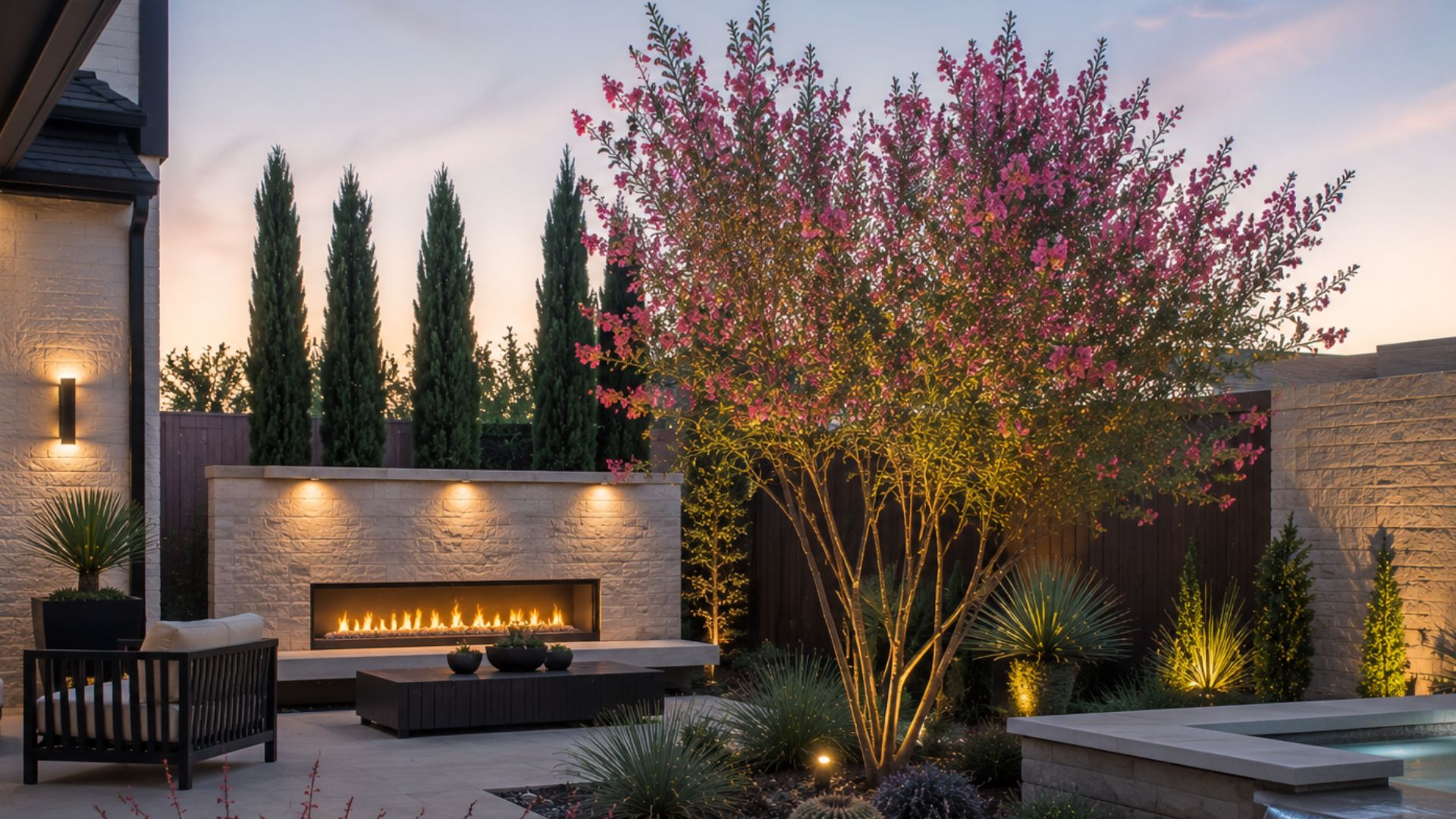
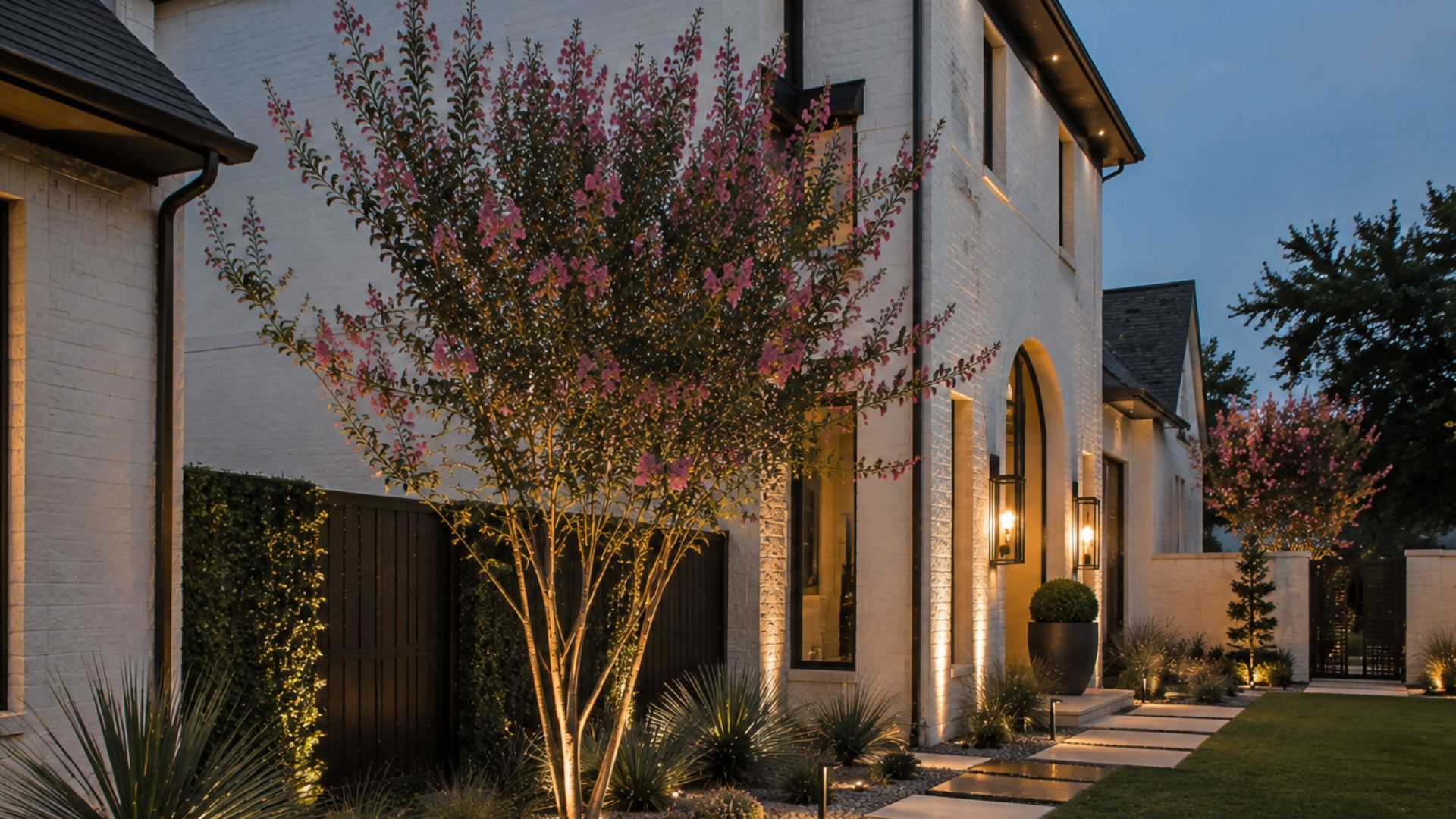
A graceful ornamental tree with slender green leaves, trumpet-shaped flowers, and an airy canopy that provides light, filtered shade. Typically grows 15–25 feet tall and 15–20 feet wide, making it an ideal accent tree for residential landscapes. Hardy in USDA Zones 7–11, Desert Willow thrives in the heat and drought of North Texas, making it a beautiful addition to desert-style, native, and water-wise landscapes throughout the DFW area.
Desert Willow
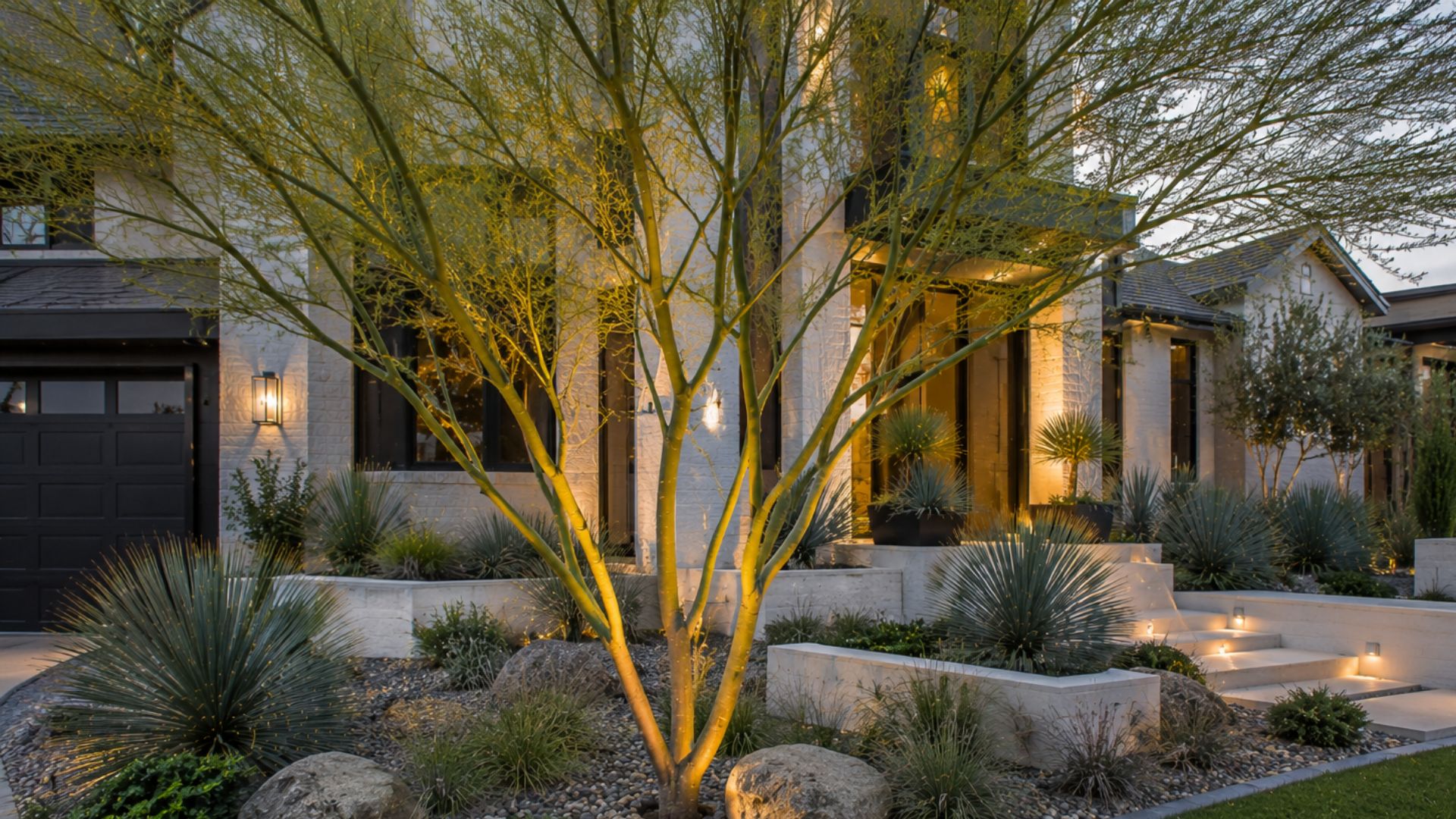
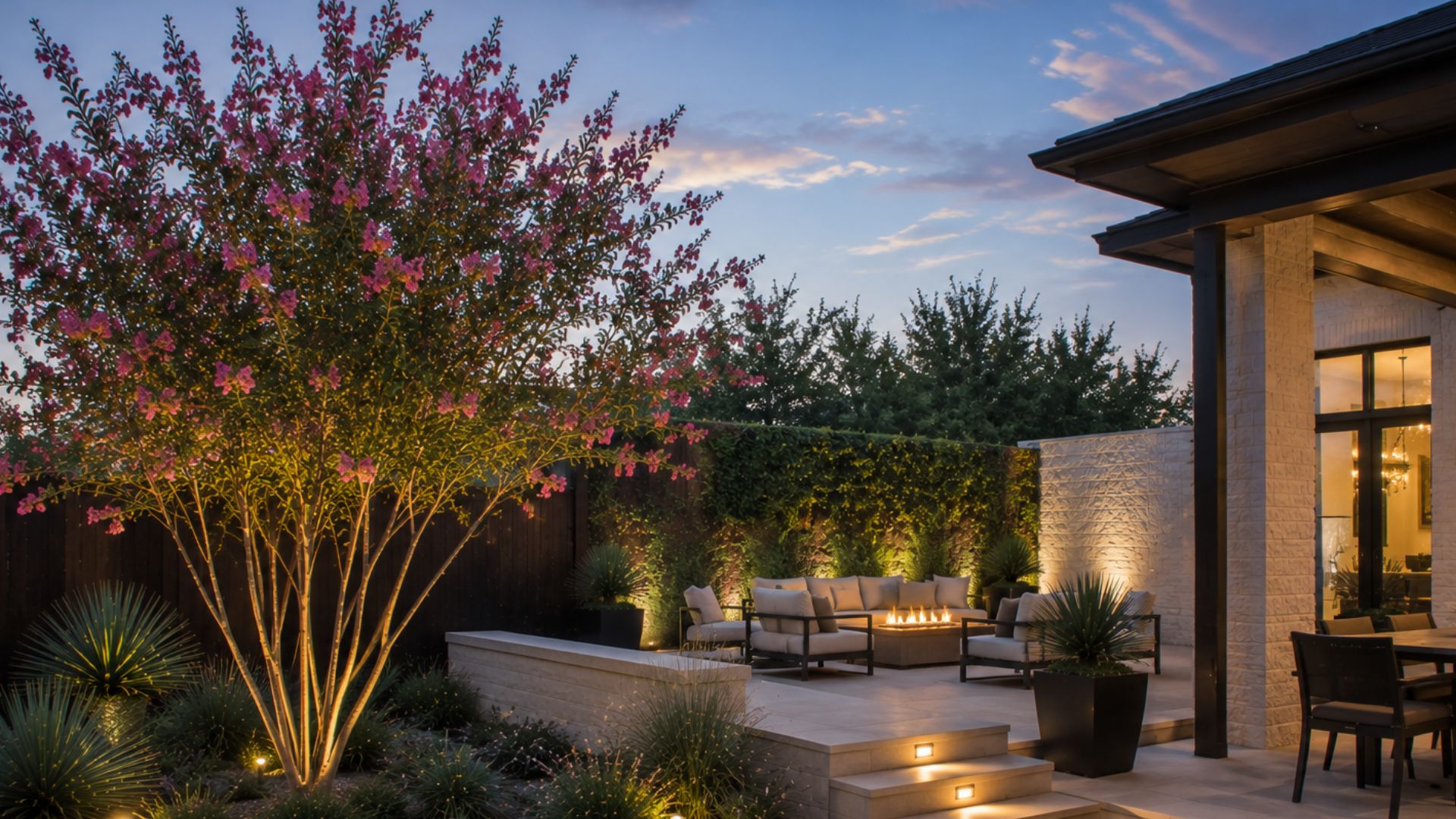
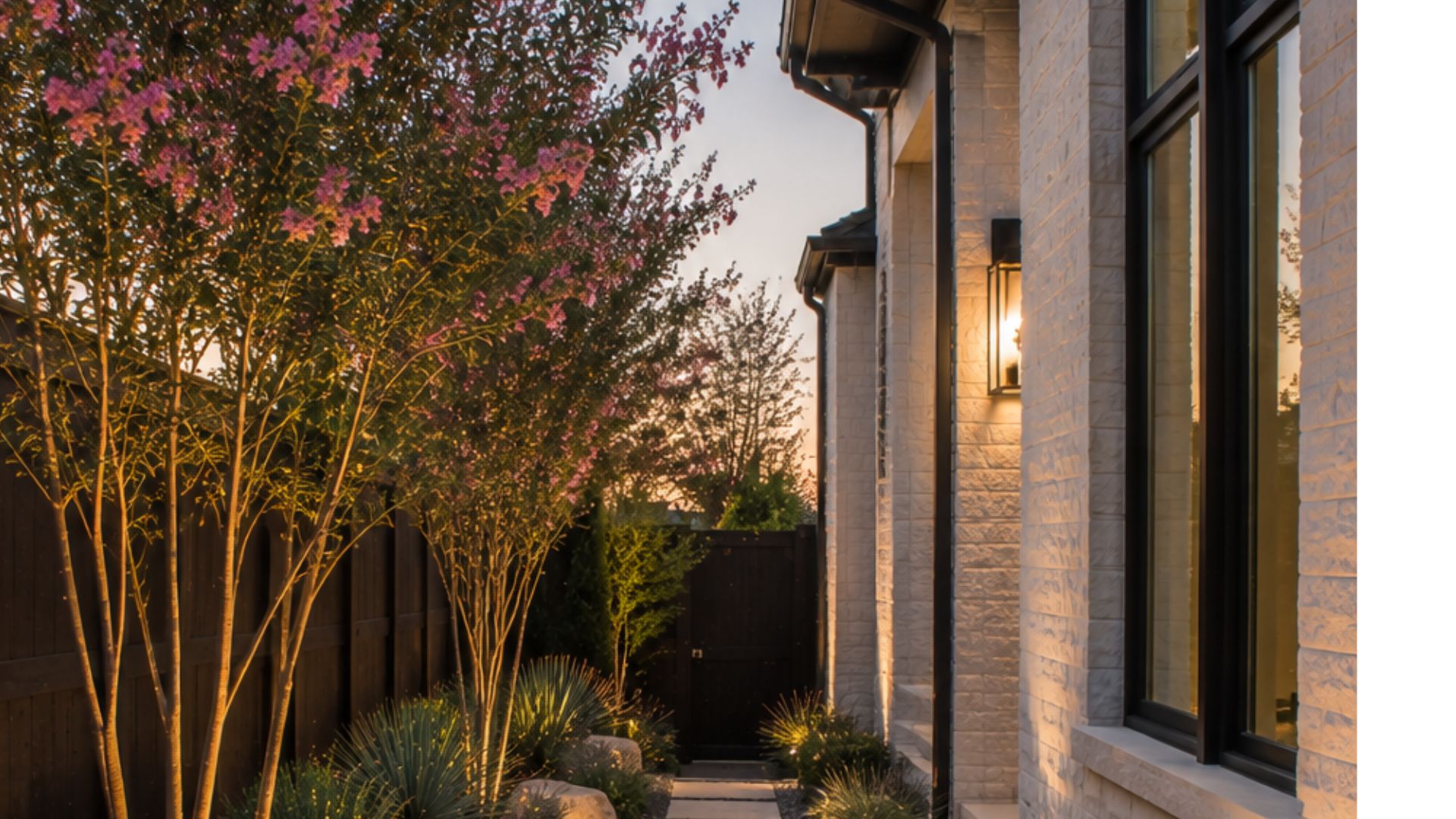
Desert Willow (Chilopsis linearis) is a striking ornamental tree prized for its long blooming season, elegant branching structure, and exceptional drought tolerance. Despite its name, it is not a true willow. Instead, it features narrow willow-like leaves and produces large, trumpet-shaped flowers in shades of pink, lavender, burgundy, or white from late spring through early fall. These colorful blooms add months of interest while giving the tree a soft, refined appearance.
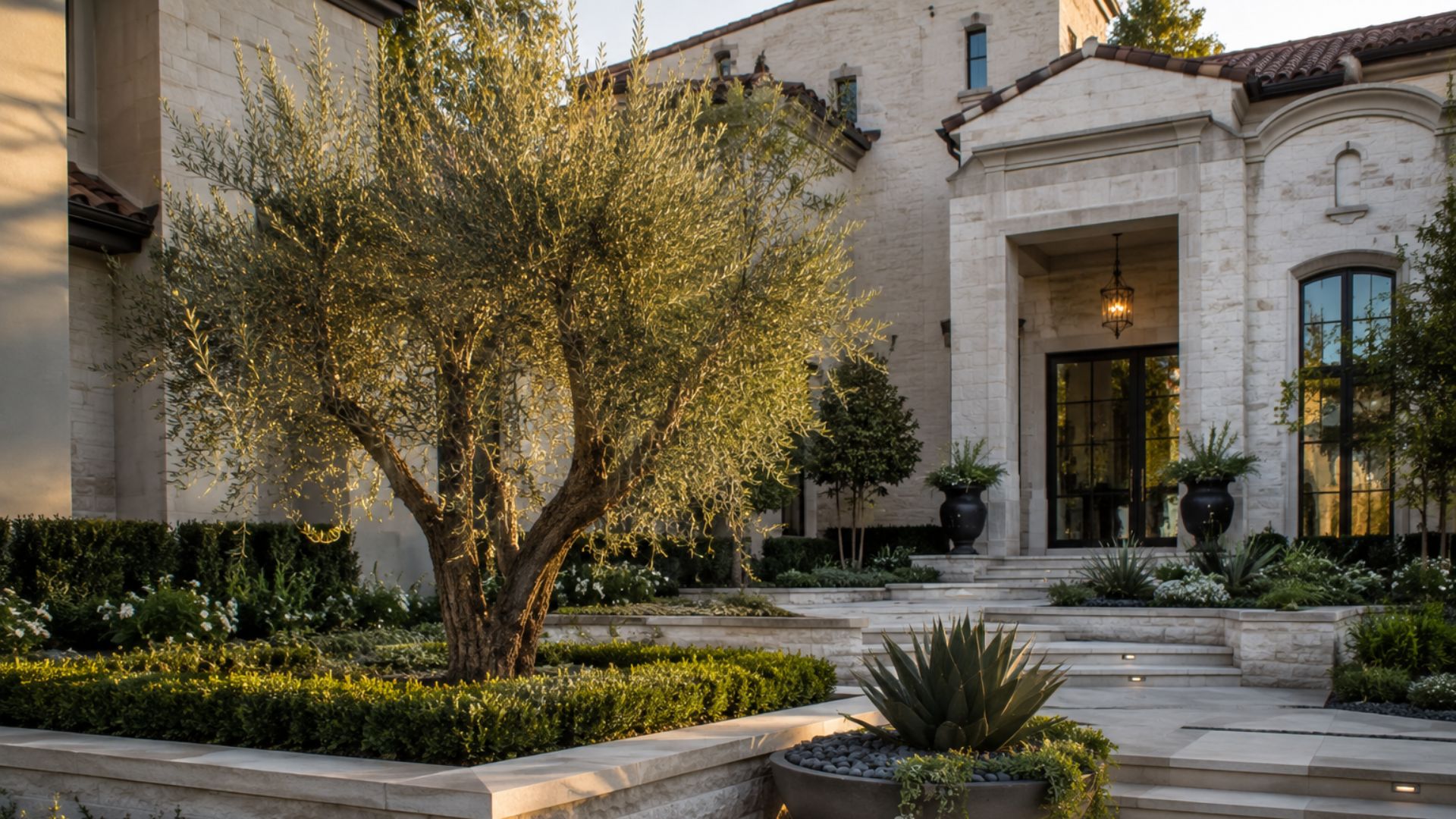
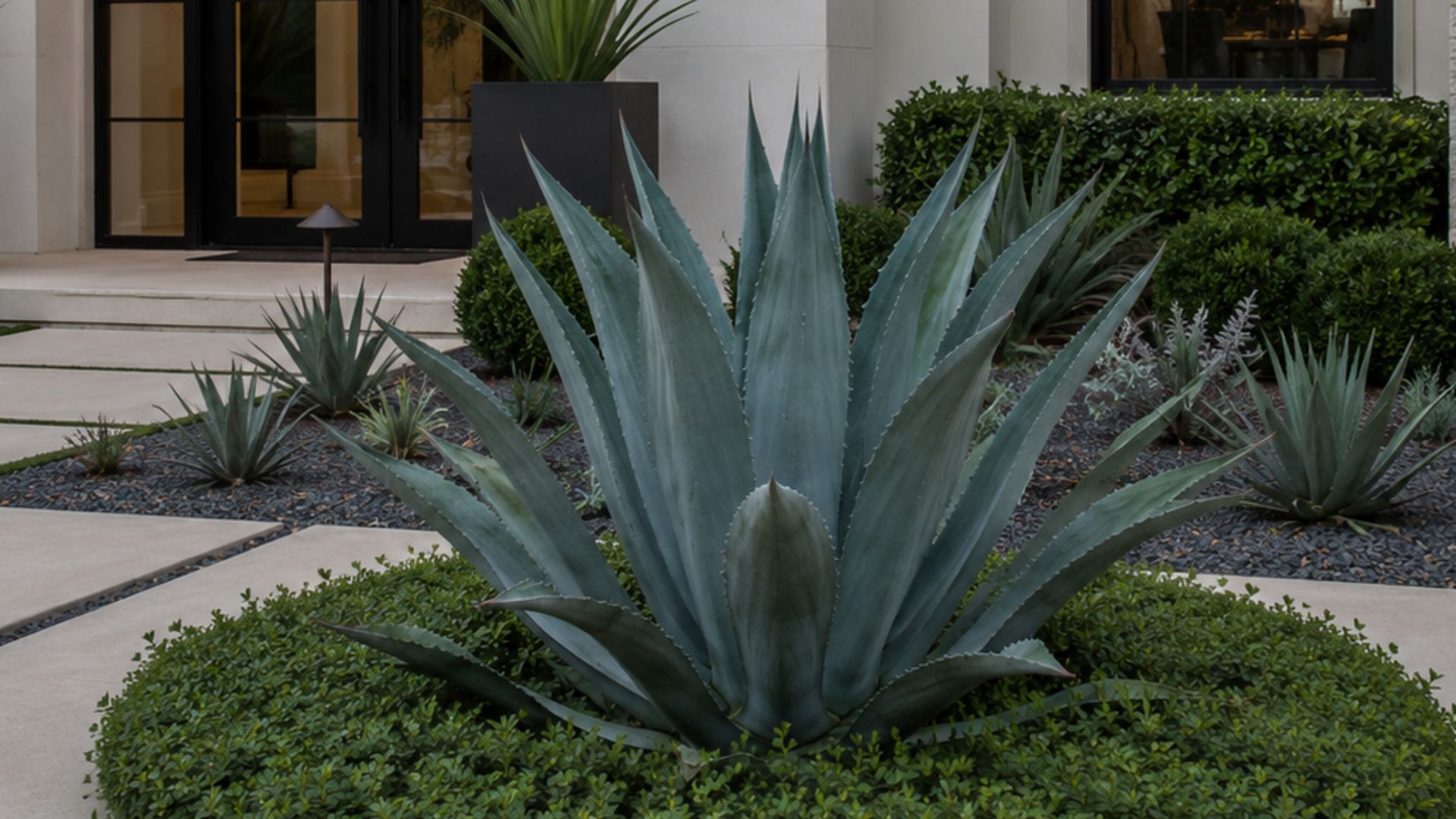
Its open canopy makes Desert Willow an excellent choice for creating filtered shade without overwhelming nearby plants. Whether planted as a focal point in a front yard or incorporated into a larger desert-style landscape, it brings color, movement, and seasonal beauty while maintaining a light, natural feel. Its adaptability to hot summers and low-water conditions has made it a favorite among homeowners throughout North Texas seeking an attractive landscape tree with minimal maintenance. A perfect choice to pair with Agaves or Succulents!
Desert Willow performs best in full sun, where it develops the strongest branching structure and produces the most abundant flowers. It prefers well-draining soil and tolerates sandy, rocky, and alkaline soils commonly found throughout the region. Once established, it requires only occasional deep watering during extended periods of drought.
Pruning is typically limited to removing crossing branches, shaping the canopy, or eliminating suckers near the base. Because the tree naturally develops an attractive form, very little routine maintenance is required. Its ability to thrive with minimal irrigation makes it an excellent fit for Plano homeowners looking to reduce water usage while maintaining a colorful landscape.
Desert Willow is generally very easy to grow and experiences few serious problems. Poor drainage and excessive watering are the most common causes of decline, as the tree naturally prefers dry conditions. Planting in well-draining soil is essential for long-term health.
Some seed pods may develop after flowering, although many newer cultivars are seedless or produce very few pods. Occasional light pruning helps maintain a balanced canopy and encourages healthy growth. Desert Willow is generally resistant to major pests and diseases and performs reliably even during the hottest North Texas summers.
Yes. Desert Willow is one of the best ornamental trees for attracting hummingbirds, butterflies, and bees. Its colorful trumpet-shaped flowers provide an excellent nectar source throughout much of the growing season, making it a great addition to pollinator-friendly landscapes.
Desert Willow has an exceptionally long blooming season. Most trees begin flowering in late spring and continue producing blooms throughout the summer and into early fall, especially when planted in full sun and well-draining soil.
Absolutely. Desert Willow combines vibrant seasonal flowers, graceful form, and excellent drought tolerance, making it one of the best ornamental trees for desert-style landscapes. Its light canopy, low water requirements, and ability to handle North Texas heat make it especially popular for Southlake homes and modern water-wise landscape designs.
You might also like