

Savannah Holly
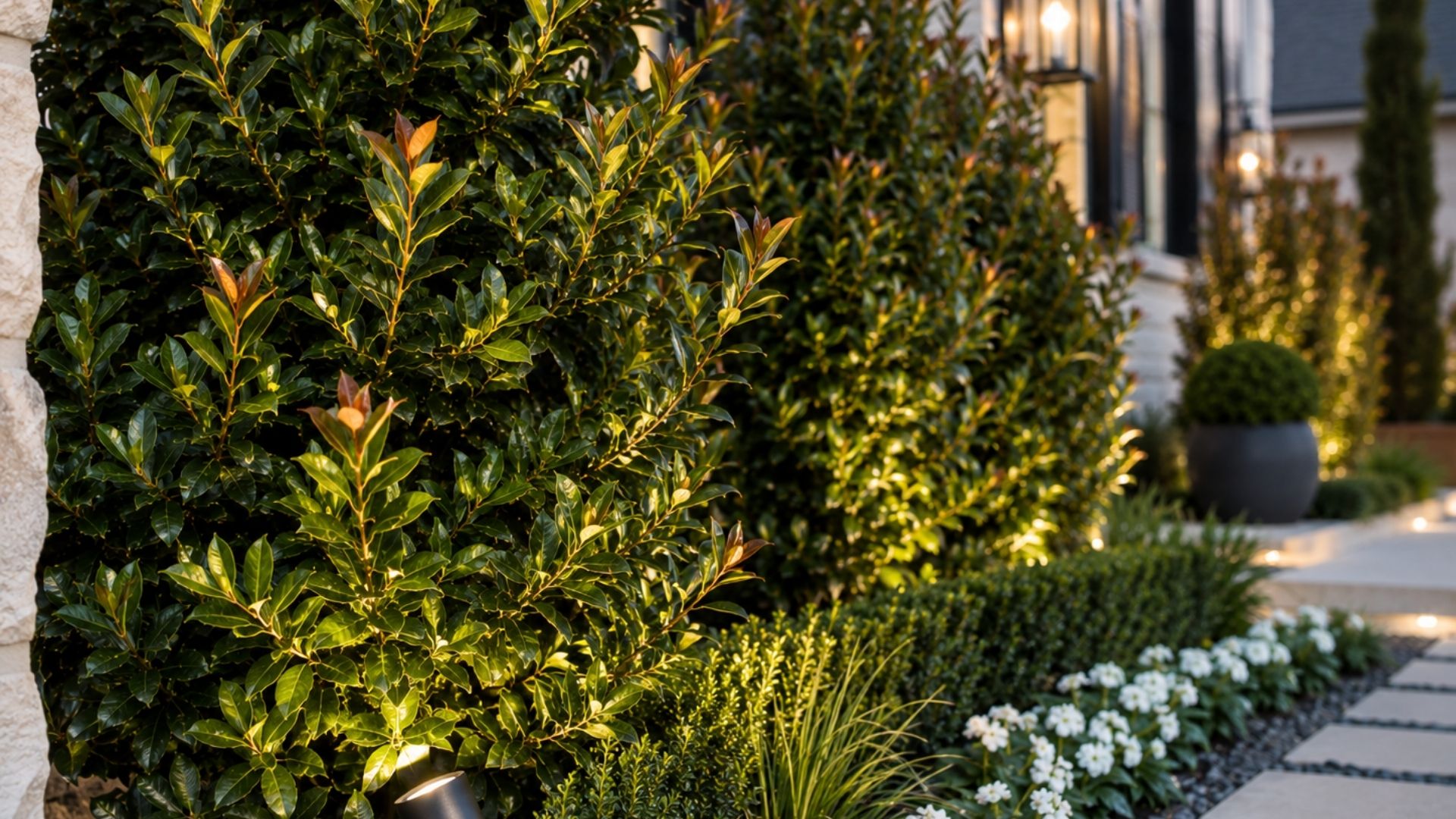
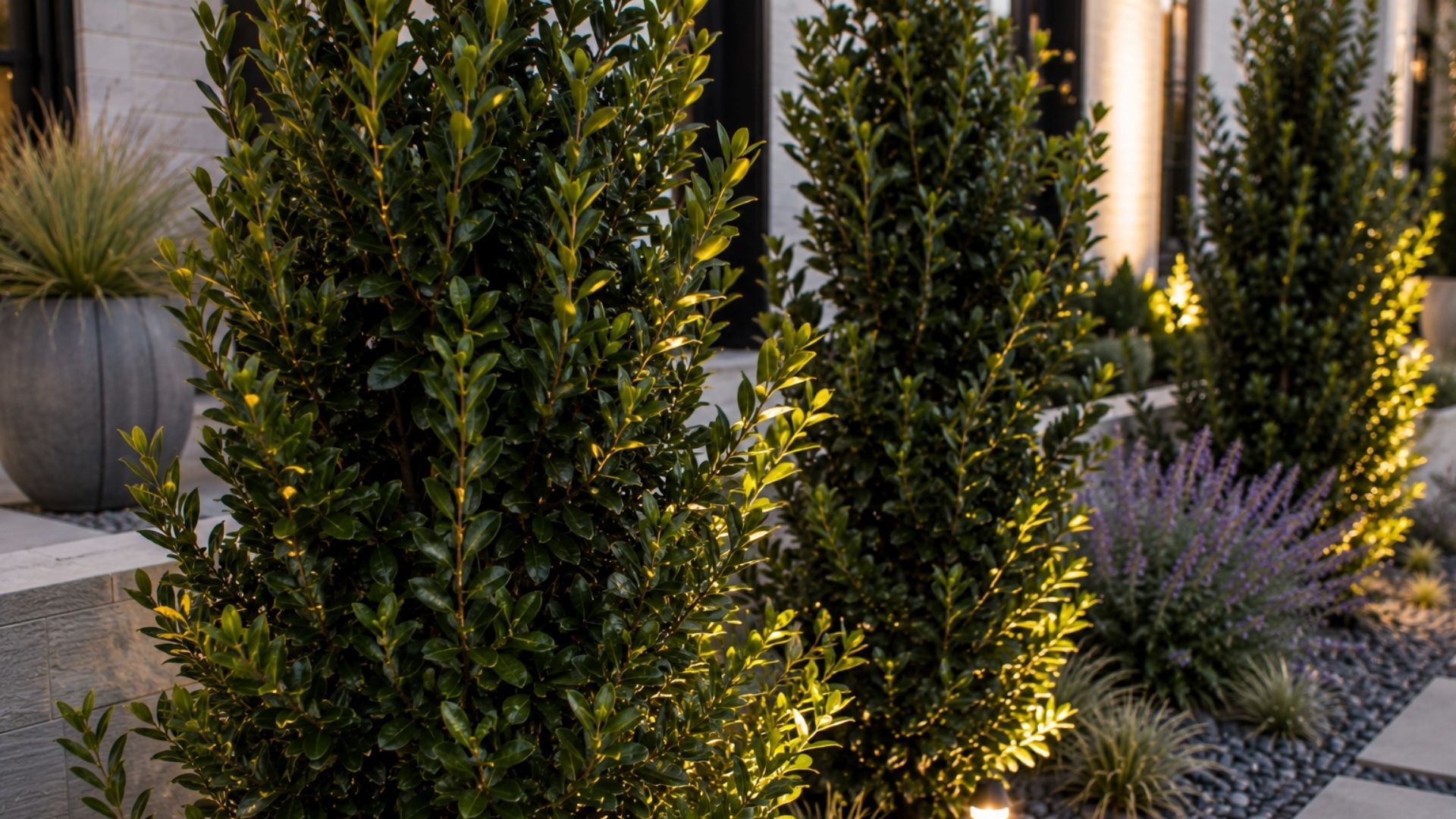
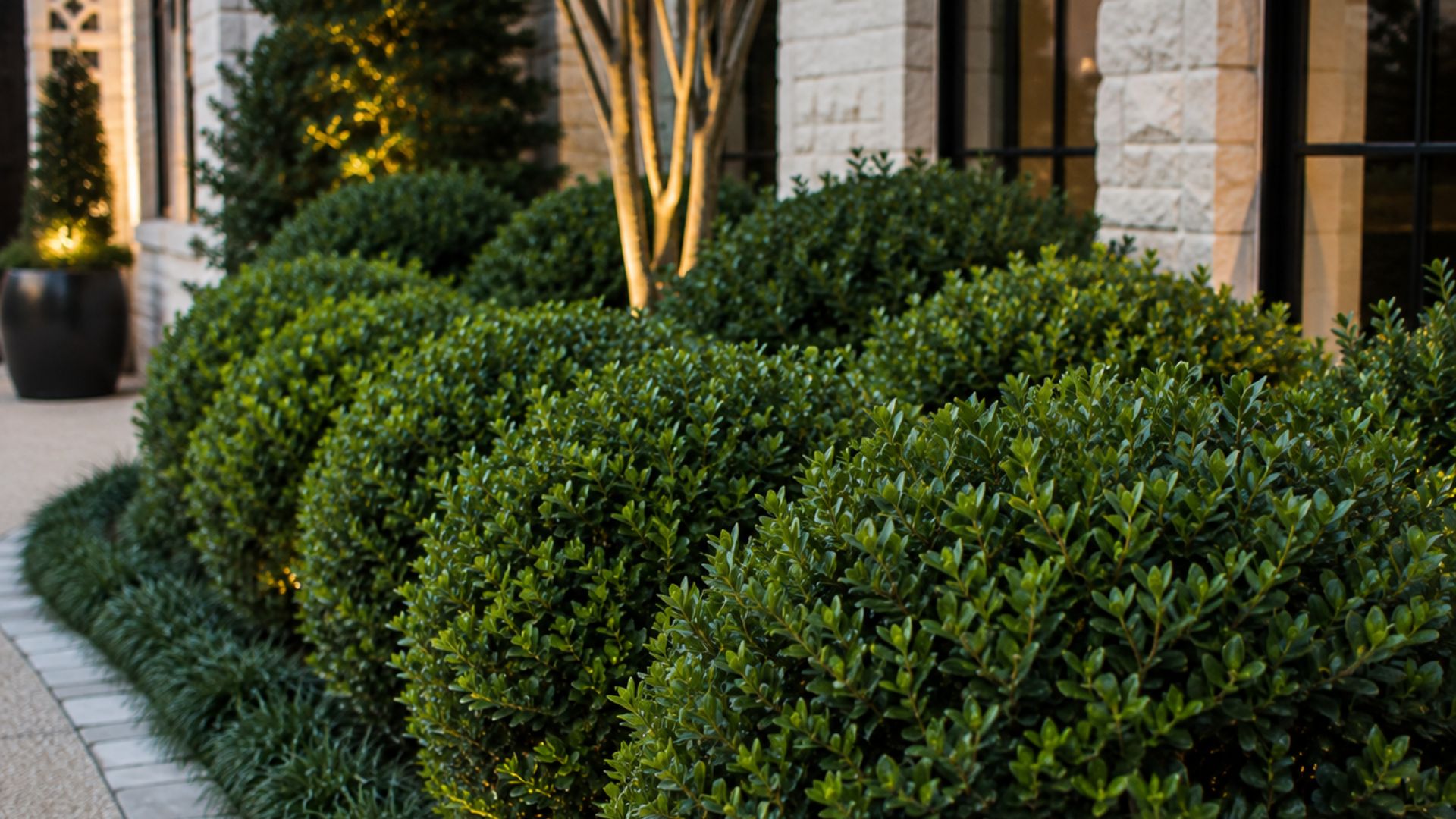
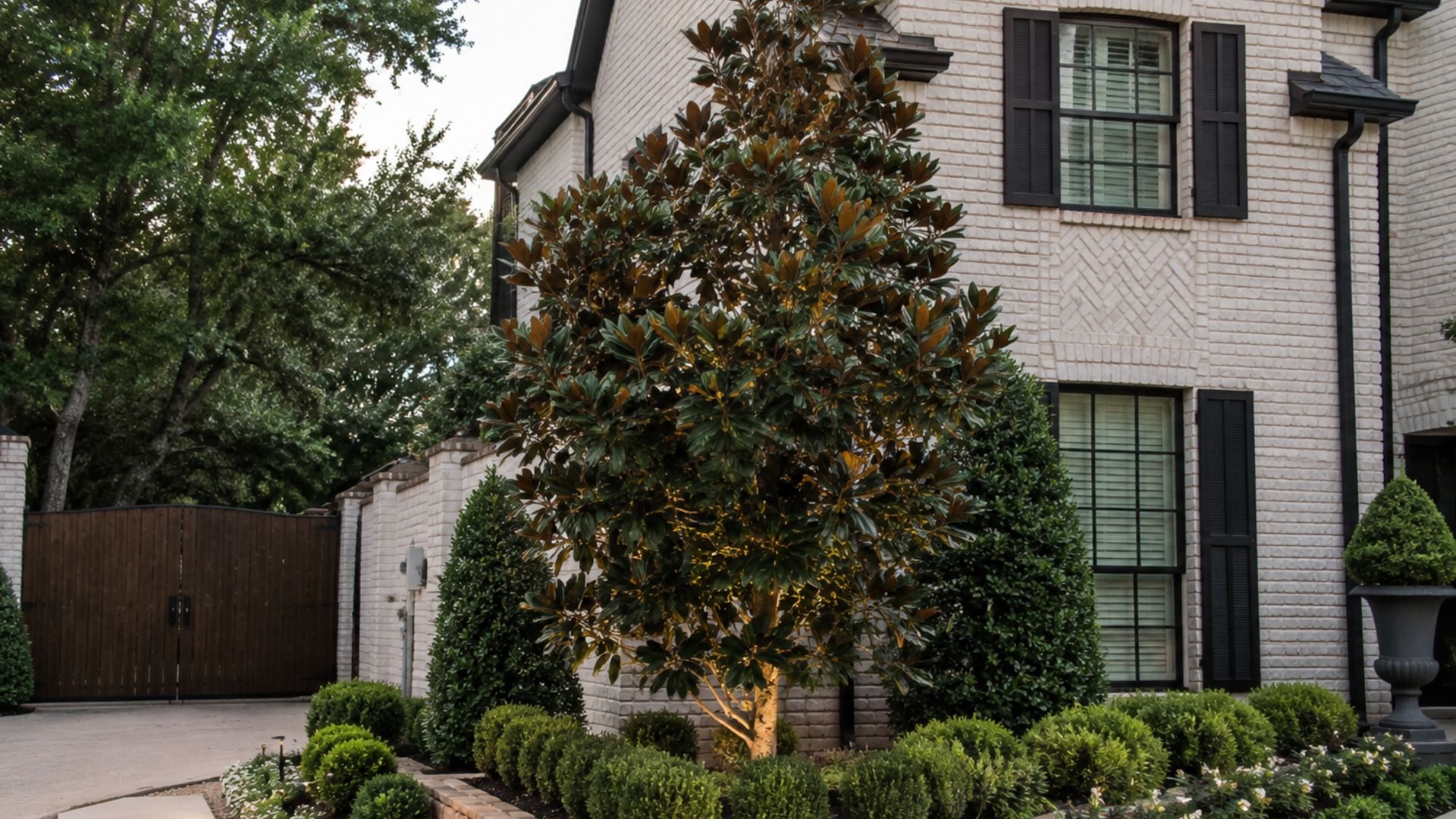
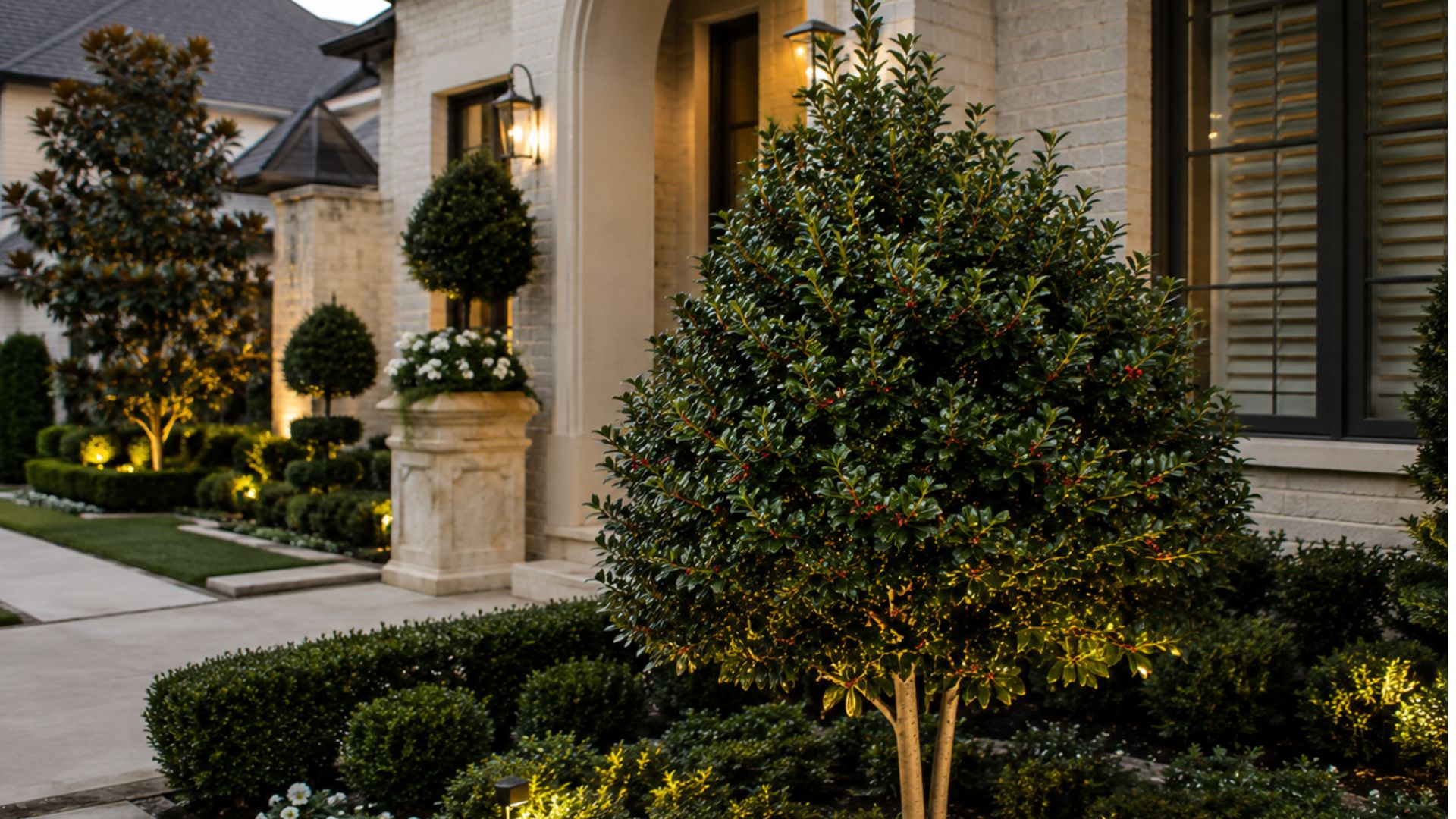
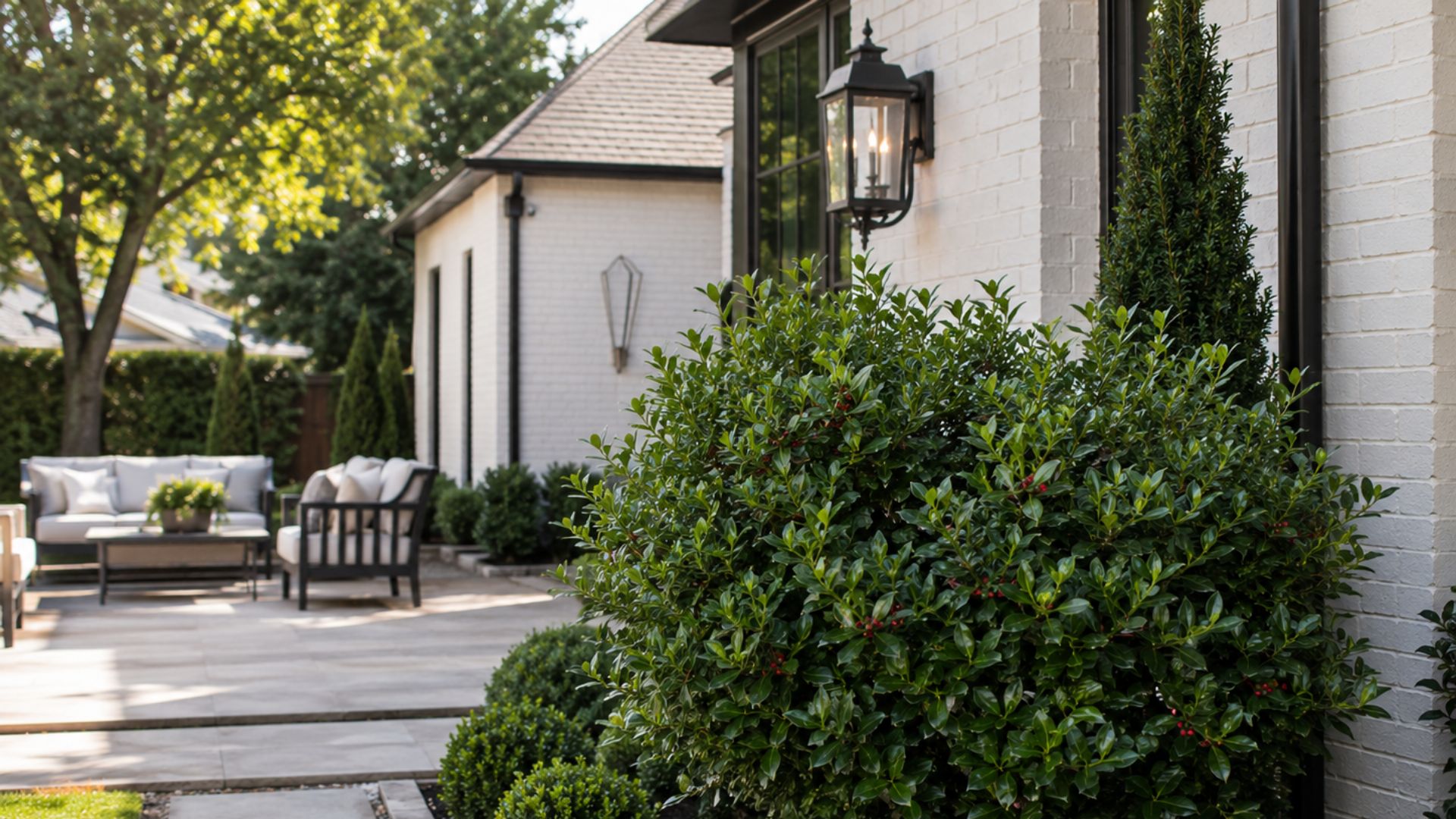
A refined evergreen tree with glossy deep-green foliage, a naturally pyramidal form, and bright red berries that add seasonal color from fall into winter. Typically grows 15–25 feet tall and 8–12 feet wide, making it well suited for patios, entryways, privacy screening, and smaller residential spaces. Hardy in USDA Zones 6–9, Savannah Holly performs reliably in the North Texas climate and is a strong choice for evergreen landscape designs throughout the DFW area.
Savannah Holly
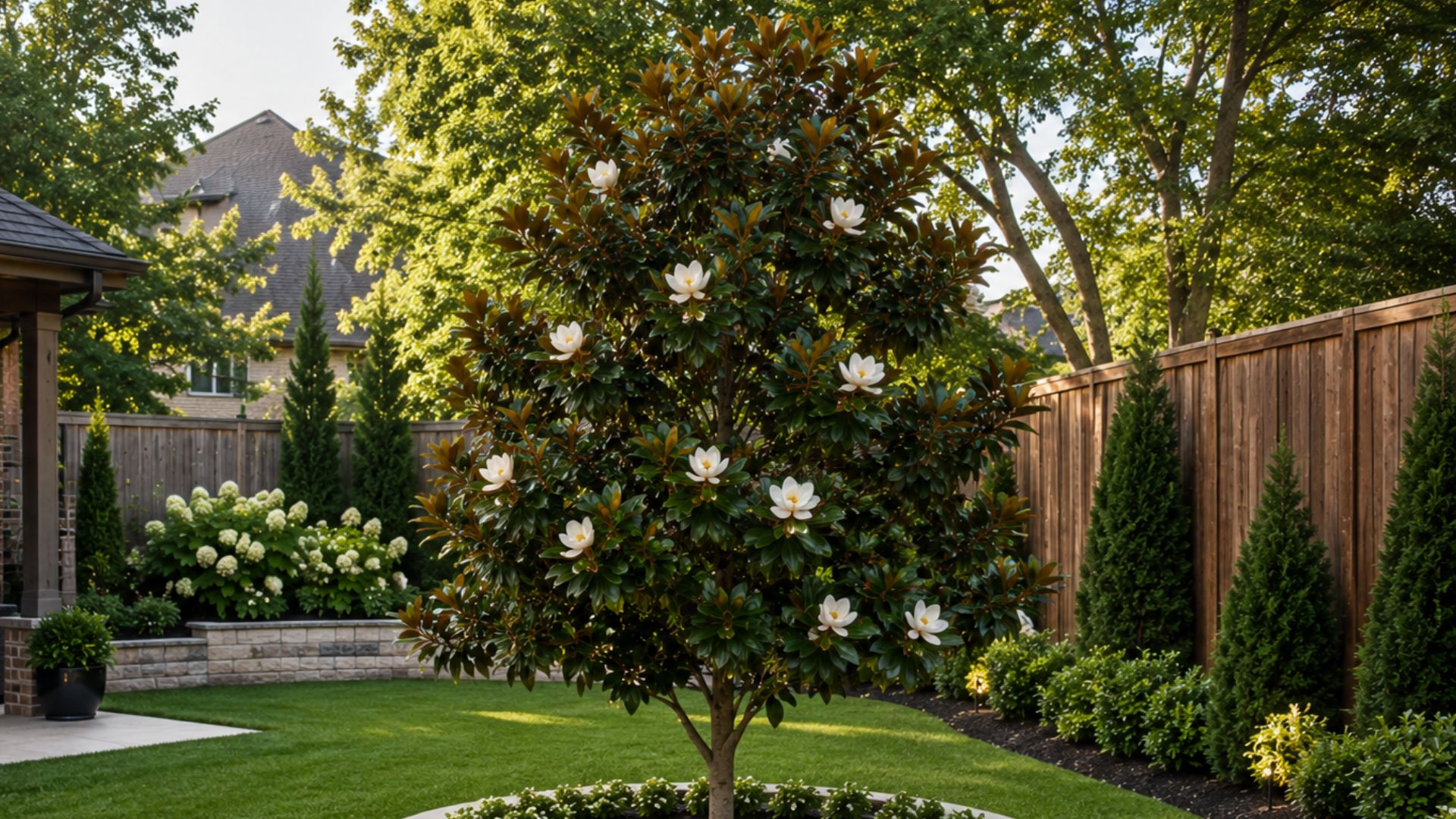
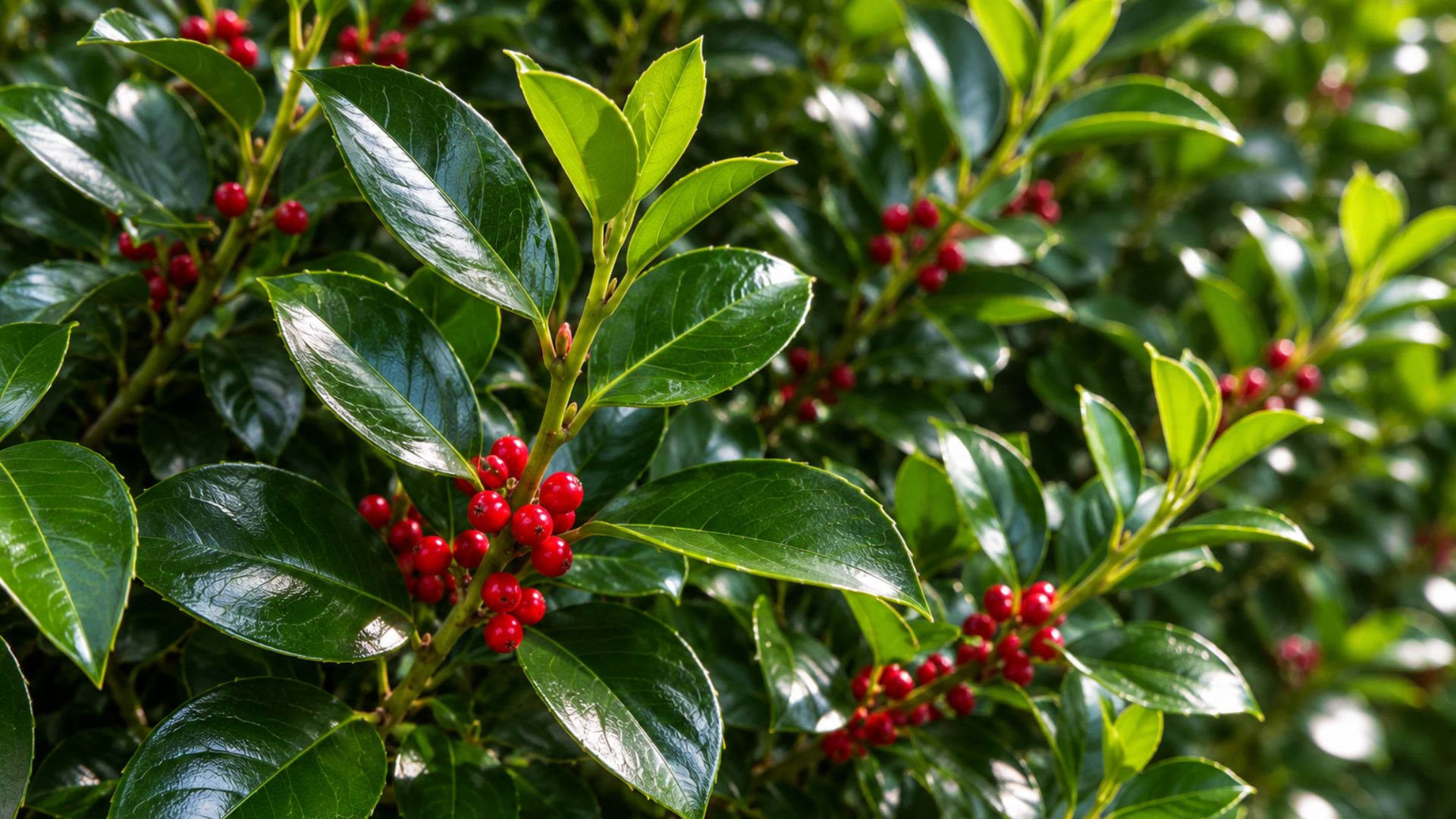
Savannah Holly (Ilex × attenuata ‘Savannah’) is a handsome evergreen tree valued for its upright shape, dense foliage, and year-round structure. Its glossy leaves create a polished appearance in every season, while clusters of bright red berries provide additional interest during fall and winter. The tree’s narrower form makes it especially useful in places where a larger shade tree would feel too bulky.
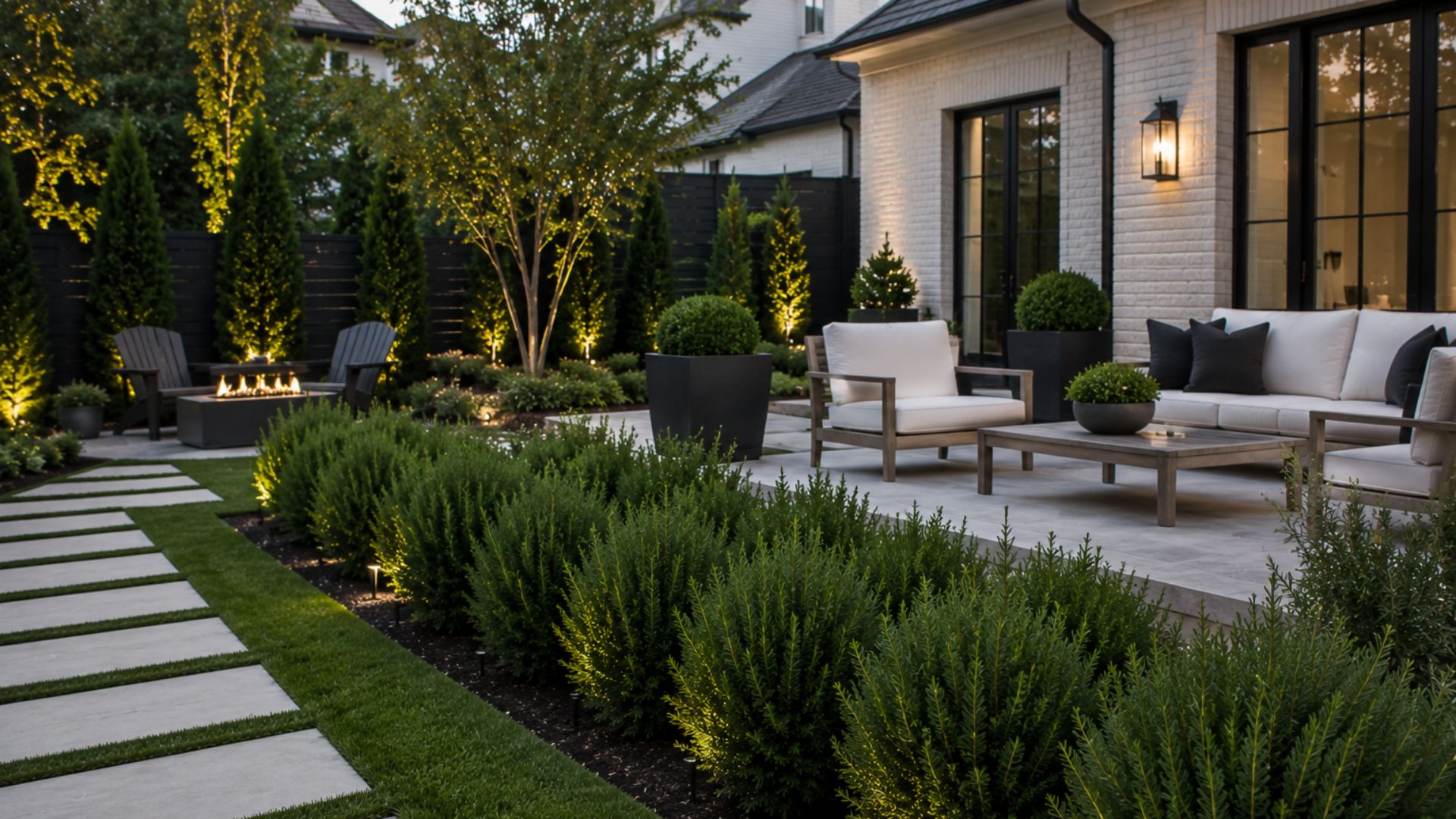
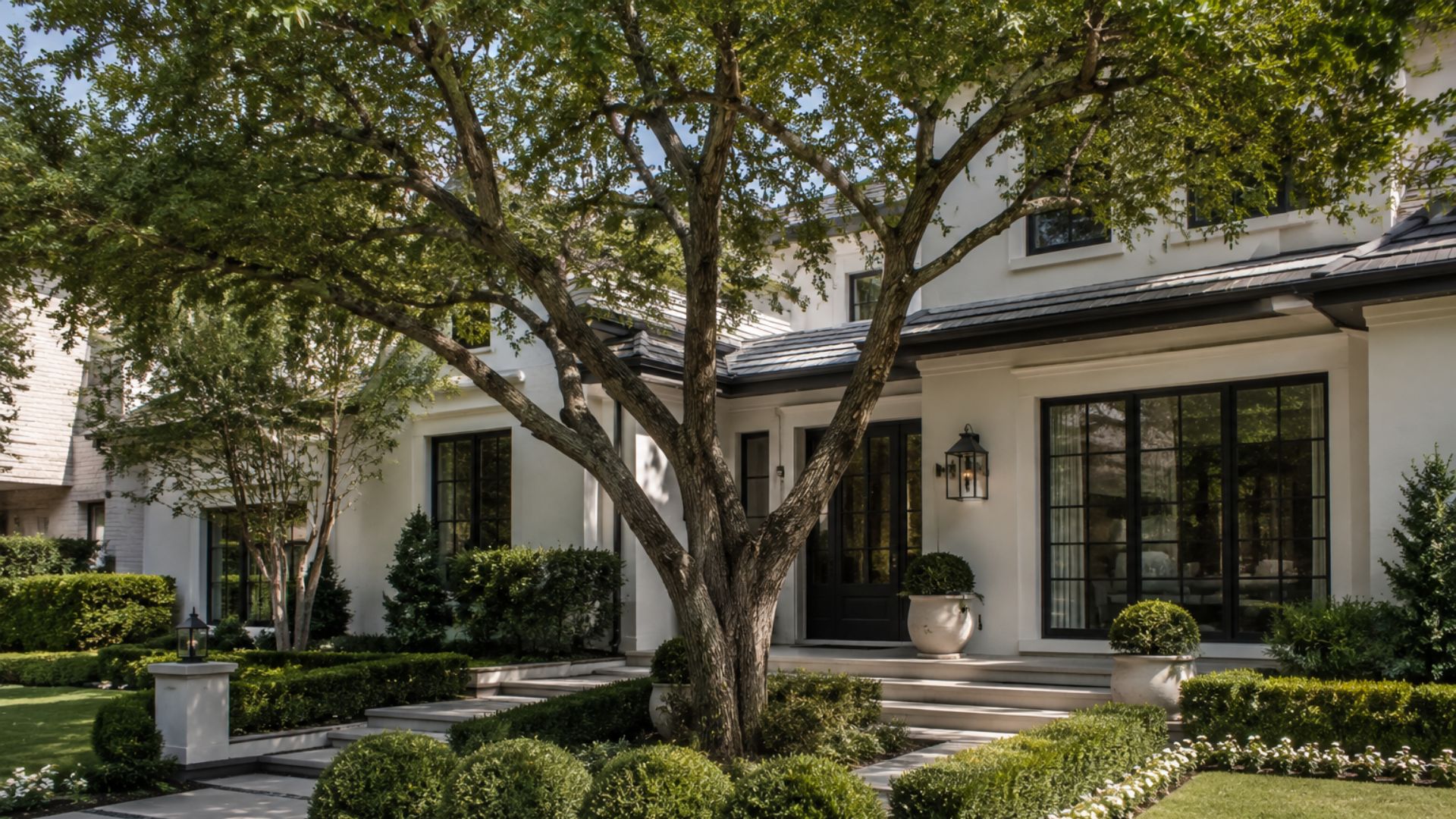
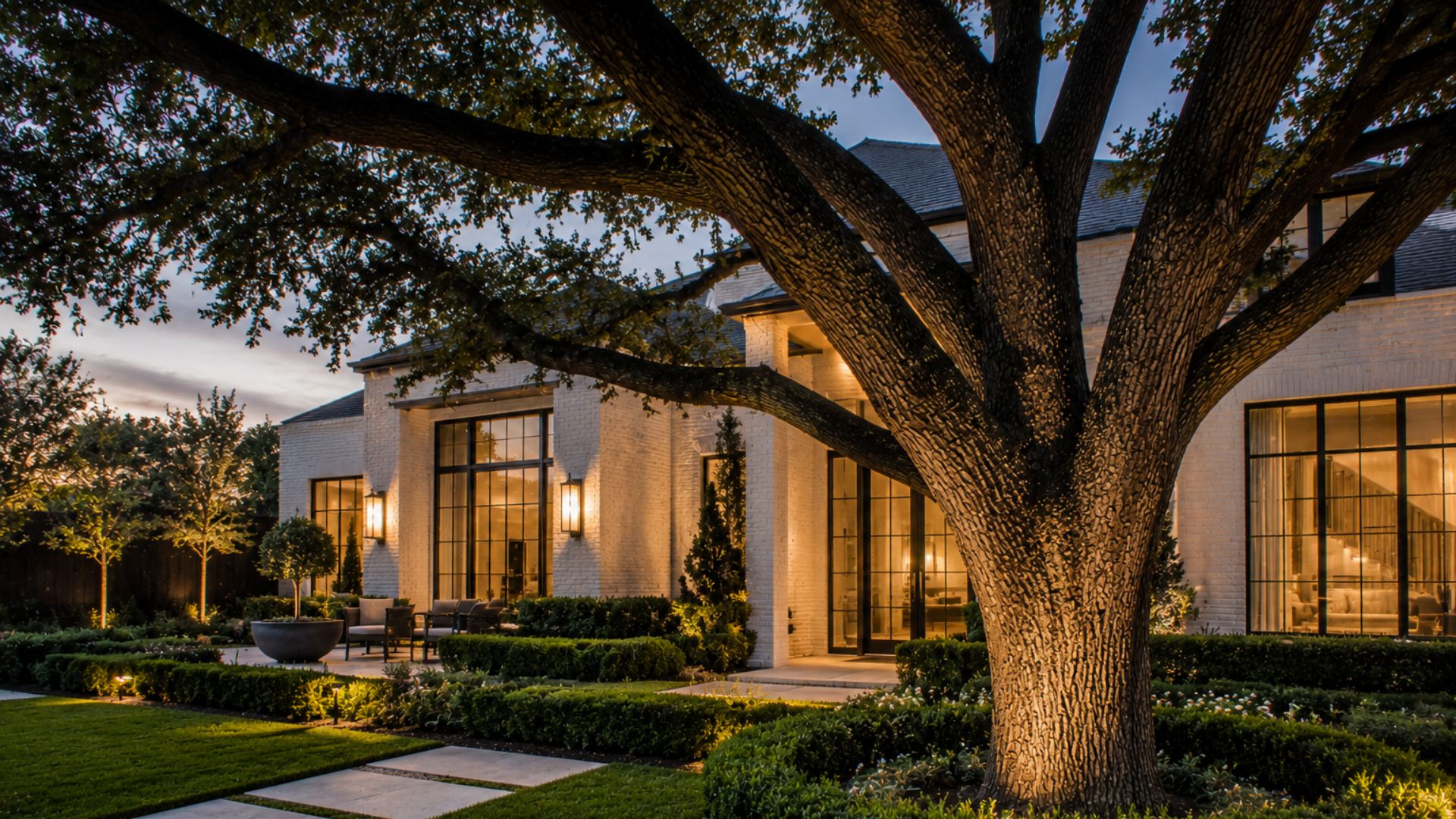
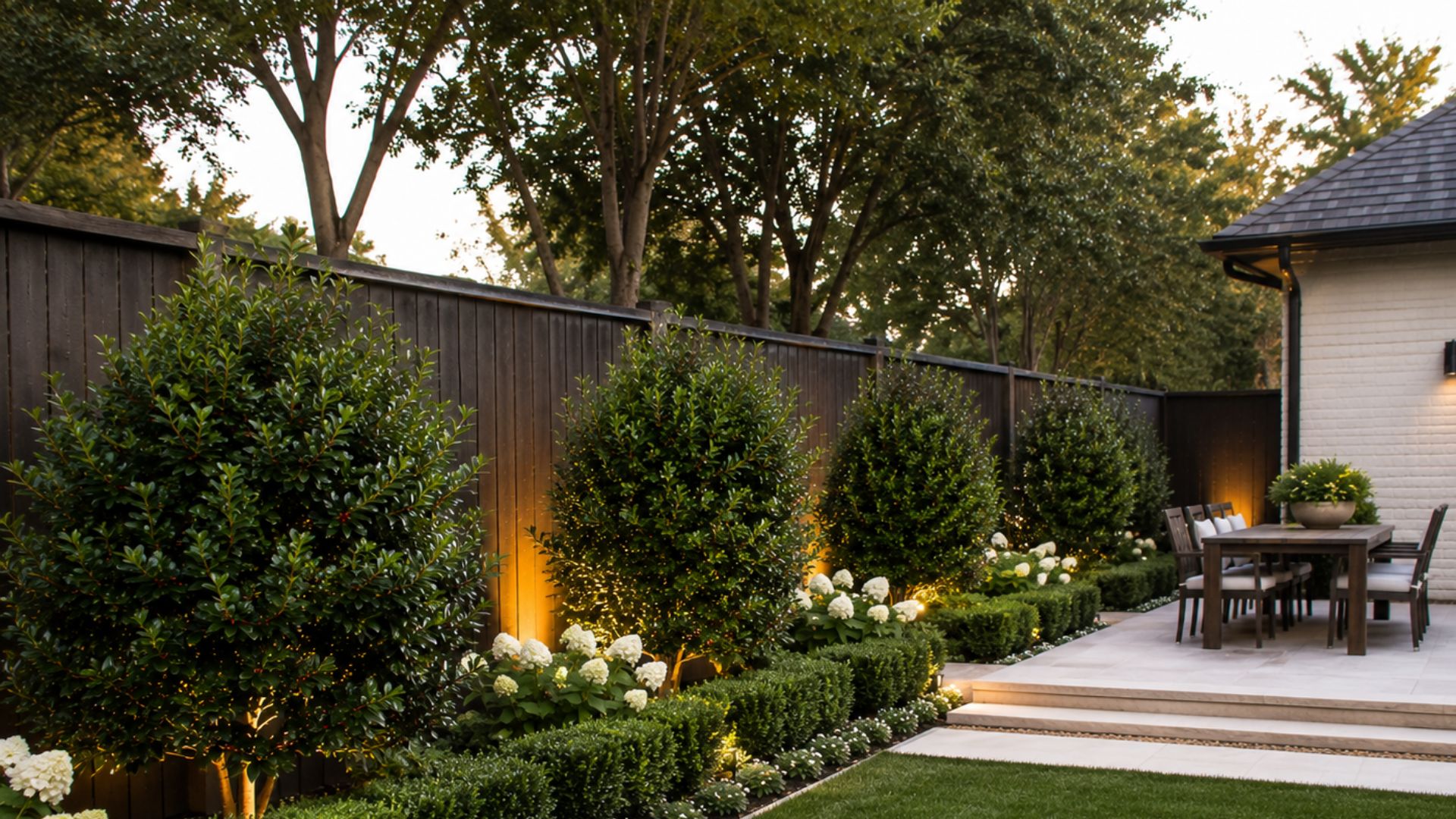
In an evergreen landscape, Savannah Holly works beautifully as a vertical accent near patios, along property lines, or beside architectural features where height is needed without taking up excessive space. Its clean form and rich foliage make it a natural fit for Plano landscape designs that emphasize privacy, structure, and a well-maintained appearance throughout the year.
Savannah Holly grows best in full sun to partial shade and prefers moist but well-draining soil. Regular watering is important during the establishment period, especially through the first few North Texas summers. Once established, the tree becomes more tolerant of short dry periods, although occasional deep watering helps maintain dense foliage and healthy growth.
Light pruning can be used to maintain its pyramidal shape or control lower branching, but extensive pruning is usually unnecessary. A layer of mulch around the root zone helps conserve moisture and protect roots from temperature extremes. With proper placement and basic care, Savannah Holly provides dependable evergreen structure for Southlake landscapes with relatively little maintenance.
Savannah Holly is generally a durable landscape tree, but poor drainage can create problems if the root zone remains consistently saturated. Proper planting depth and well-draining soil are important for long-term health.
Scale insects, spider mites, or leaf spot can occasionally occur, particularly on stressed plants, but serious problems are uncommon. Good airflow and proper irrigation help reduce these issues. Newly planted trees can also experience leaf drop during periods of drought or extreme heat, so consistent watering during establishment is especially important in North Texas.
If berries are desired, nearby compatible holly pollination can improve fruit production, although flowering and berry set can vary depending on site conditions.
Yes. Savannah Holly retains its glossy green foliage throughout the year, making it an excellent choice for privacy, screening, and year-round structure in evergreen landscapes.
Savannah Holly typically reaches about 15–25 feet tall and 8–12 feet wide. Its relatively narrow growth habit makes it useful near patios, entrances, fences, and other areas where homeowners want height without the spread of a large shade tree.
Yes. Savannah Holly is well adapted to the heat and seasonal temperature changes of North Texas when planted in well-draining soil and watered consistently during establishment. Its manageable size and evergreen foliage make it especially useful for residential landscapes in Plano, Southlake, and throughout the DFW area.
You might also like