

Gulf Muhly
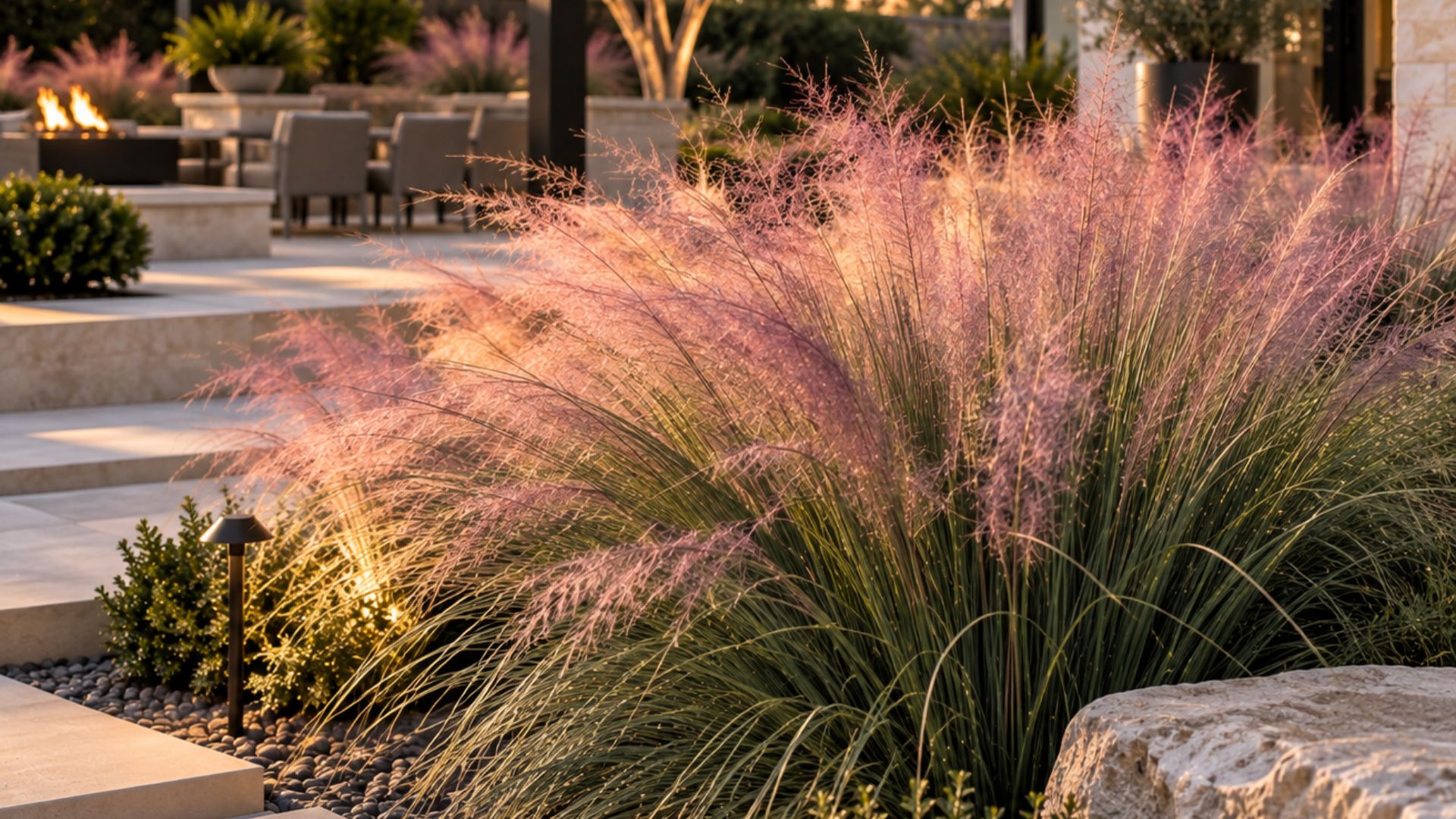
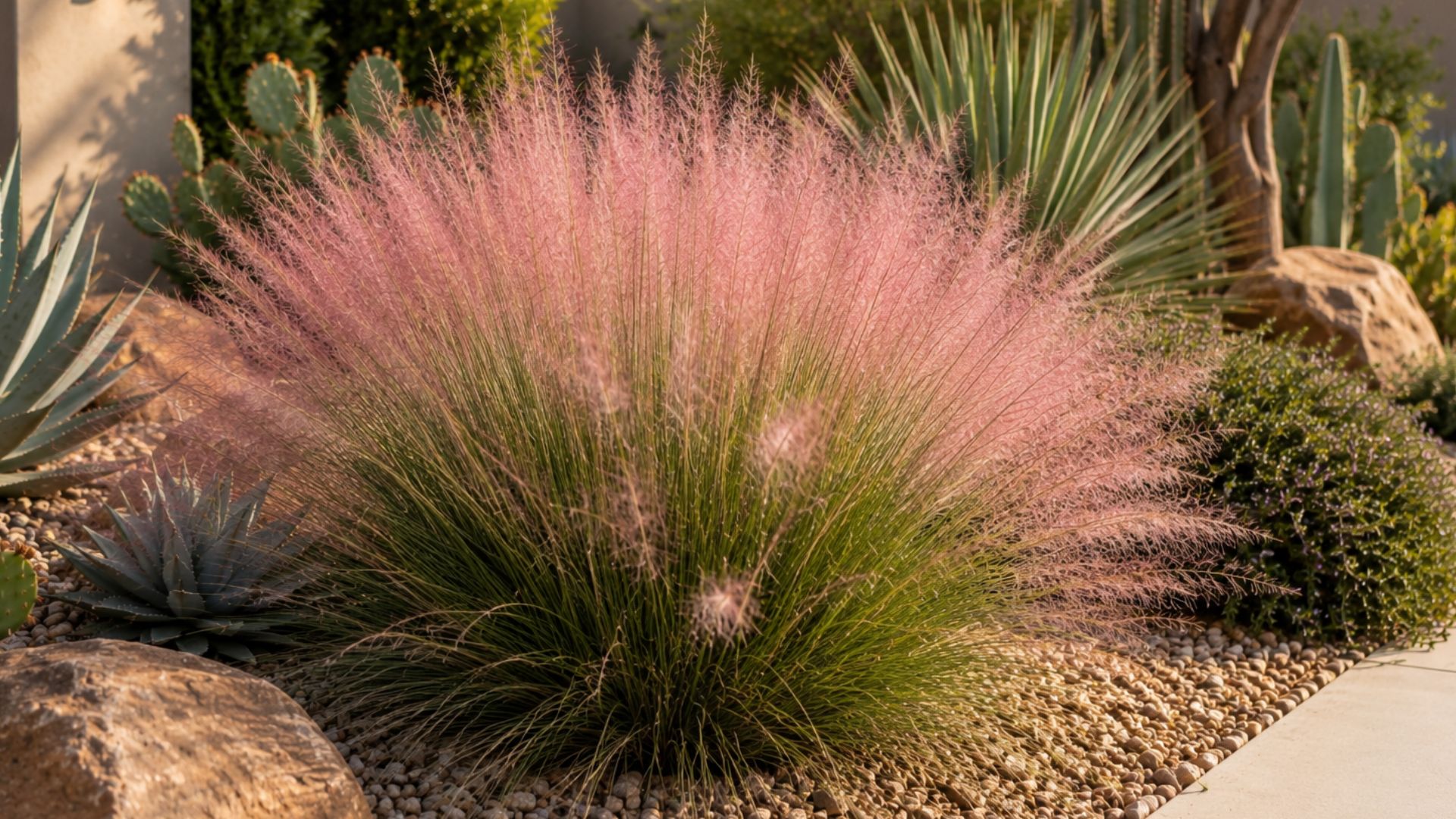
A graceful ornamental grass with fine green foliage and spectacular clouds of pink-to-purple flowers that appear in fall. Typically grows 2–3 feet tall and 2–3 feet wide, developing into a soft, rounded clump that adds movement and texture to planting beds. Hardy in USDA Zones 6–10, Gulf Muhly performs exceptionally well in North Texas and is an excellent companion for evergreen shrubs, trees, and structured landscape designs throughout the DFW area.
Gulf Muhly
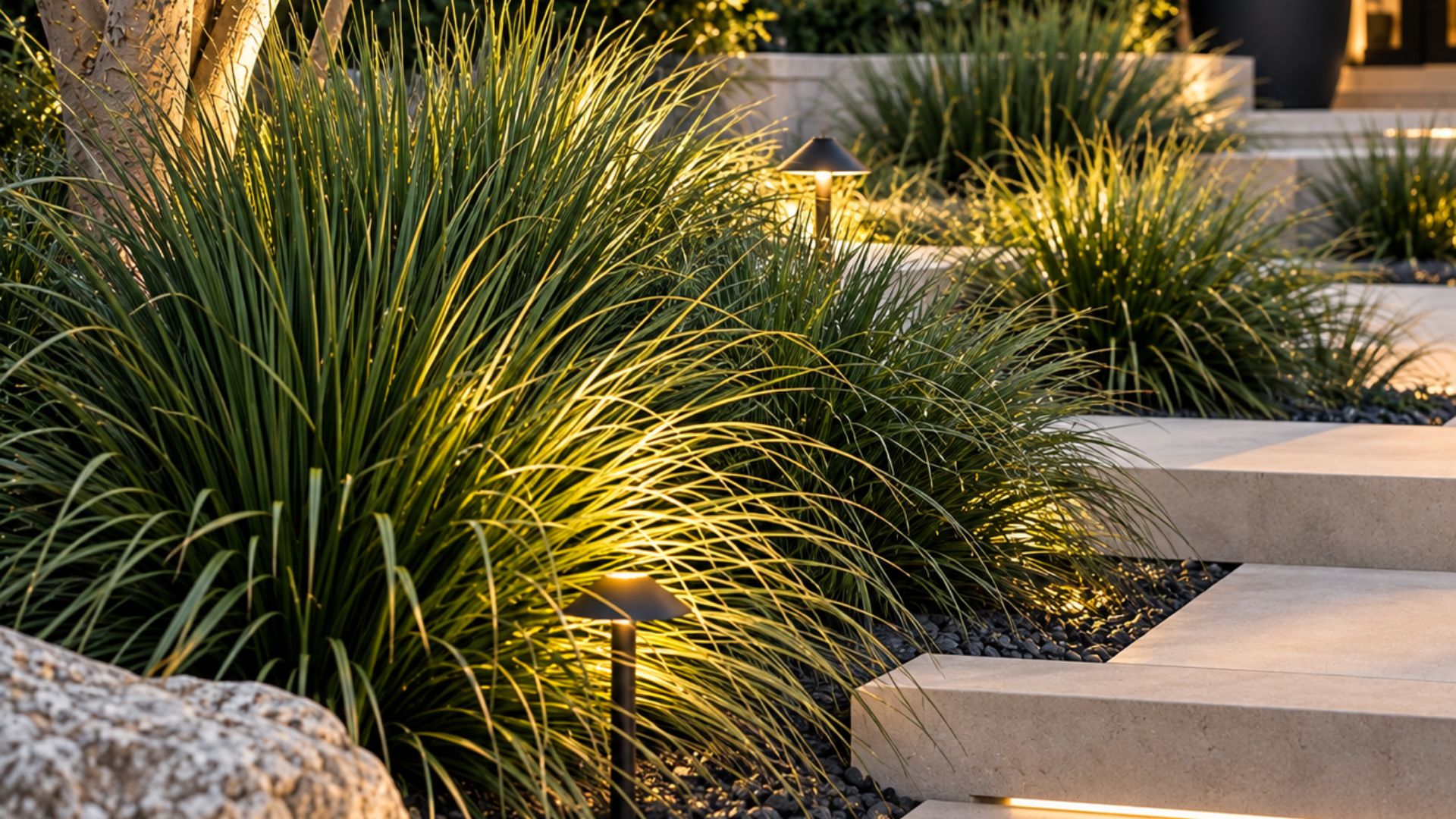
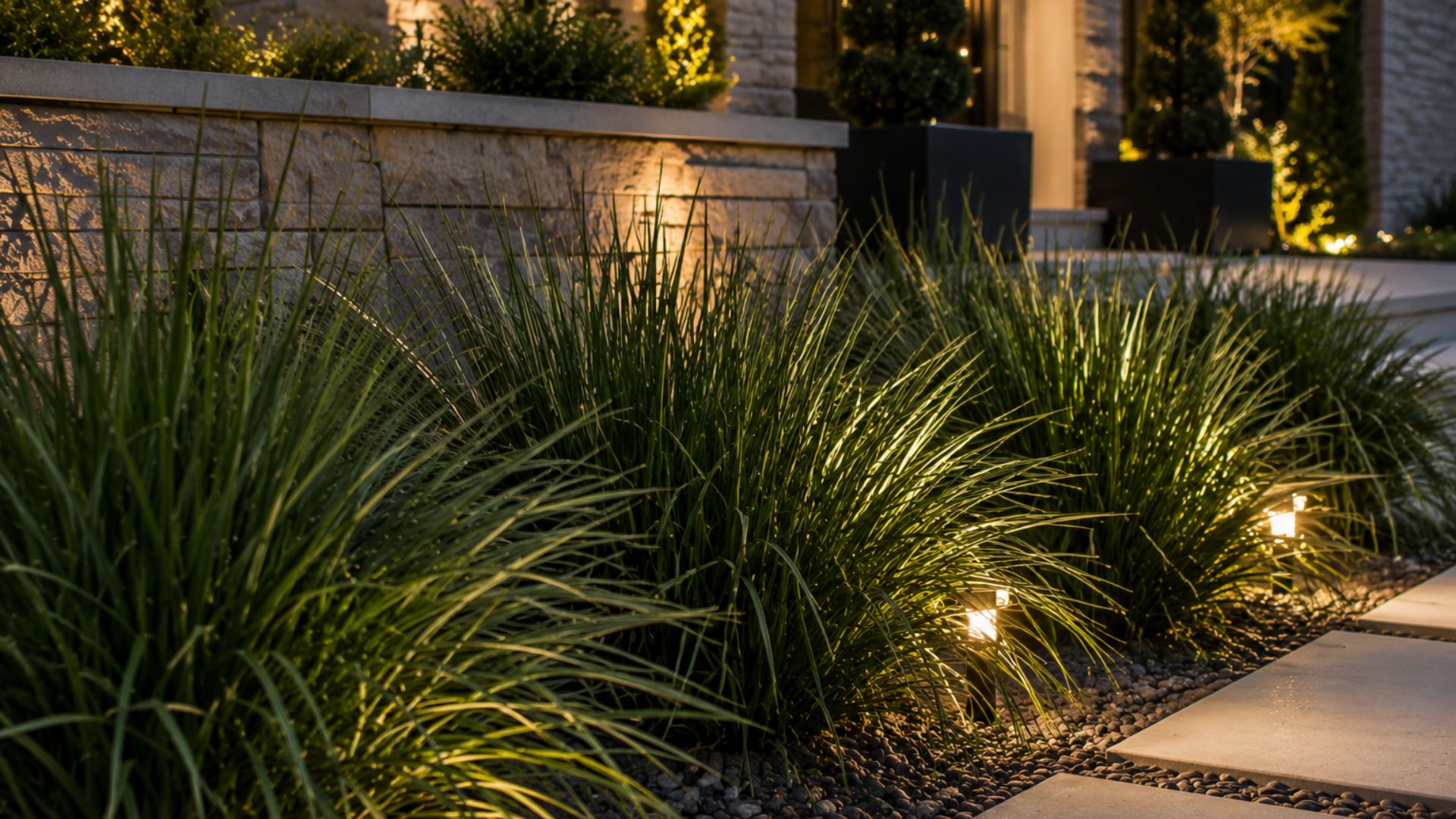
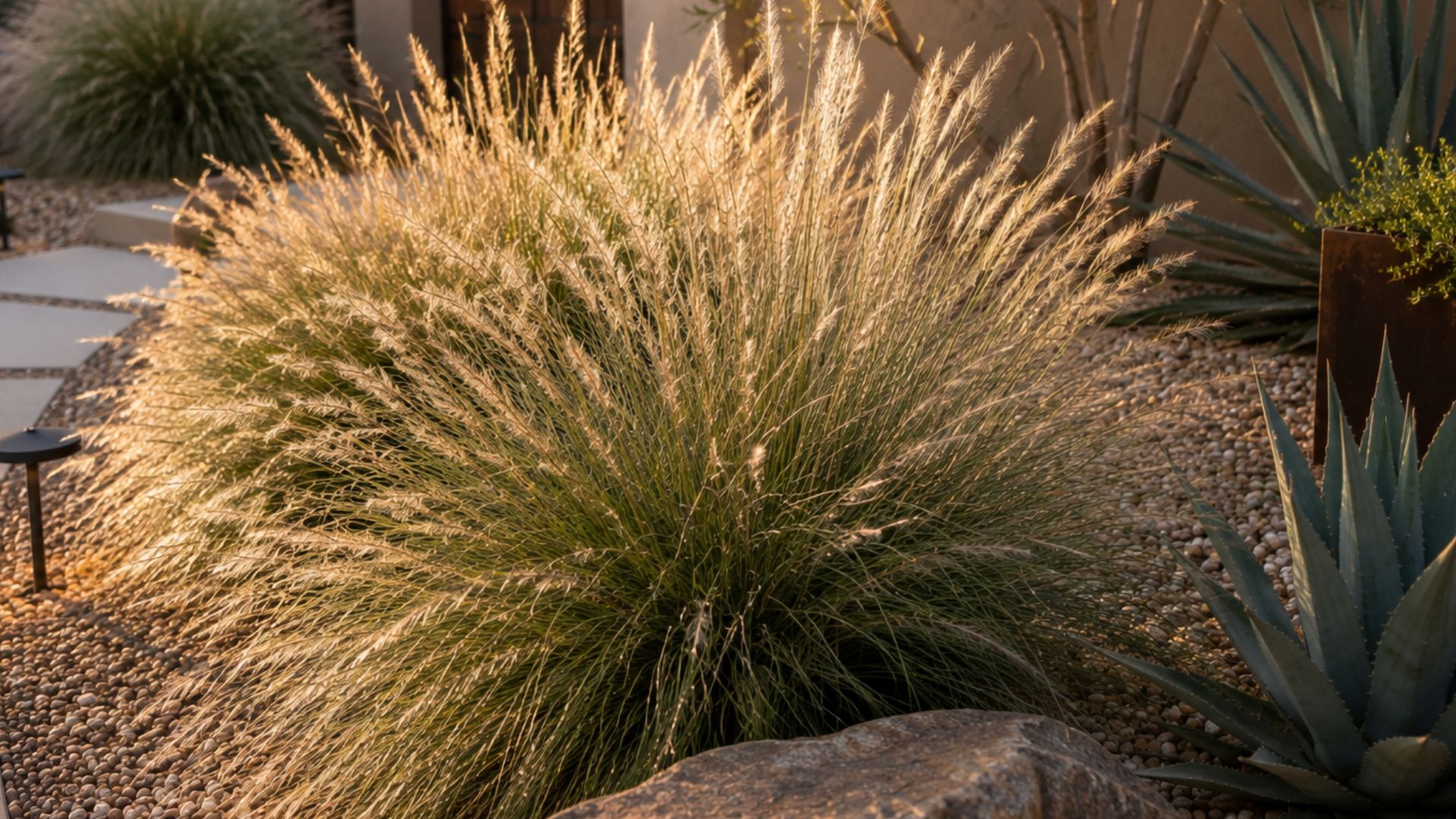
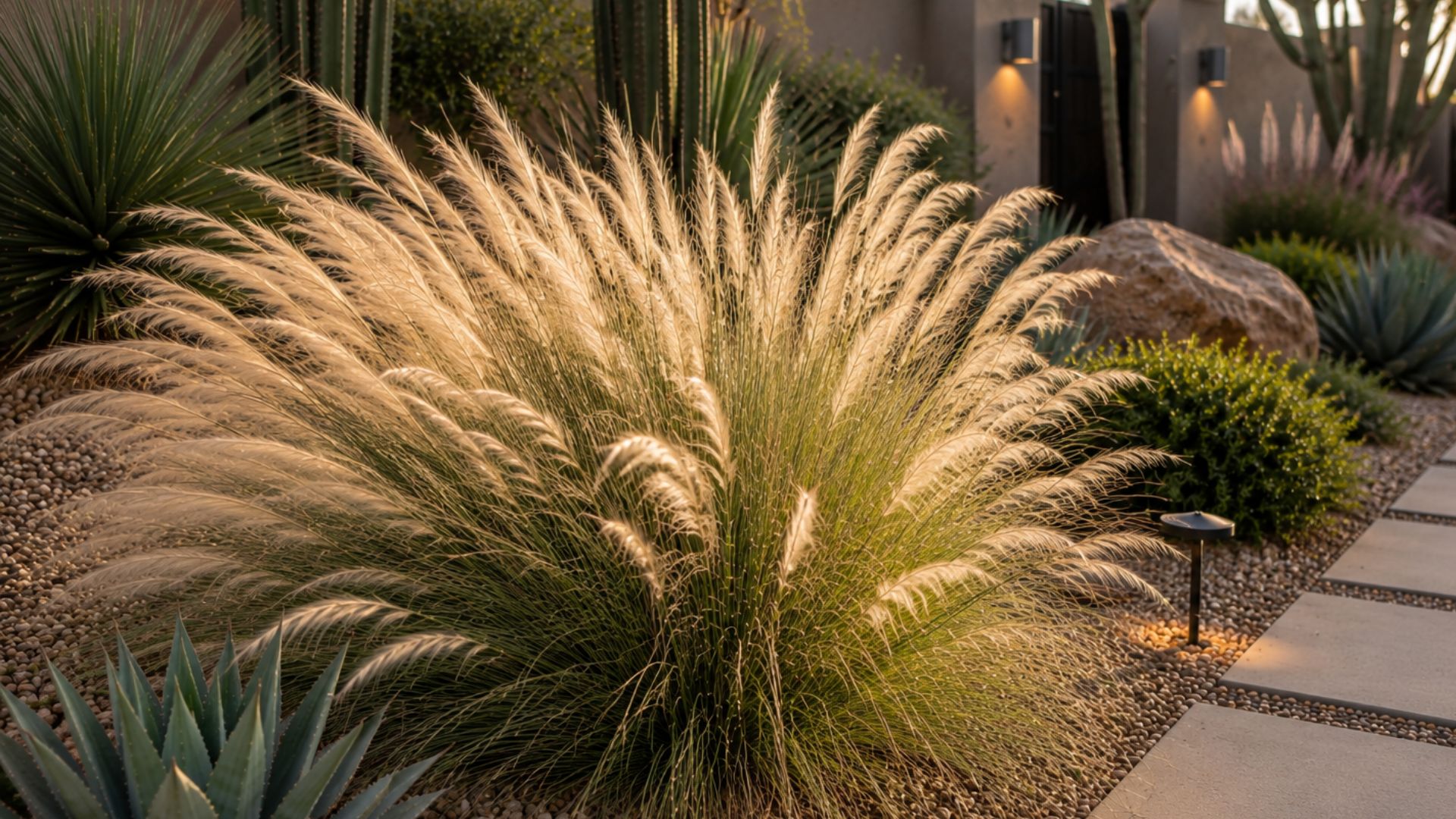
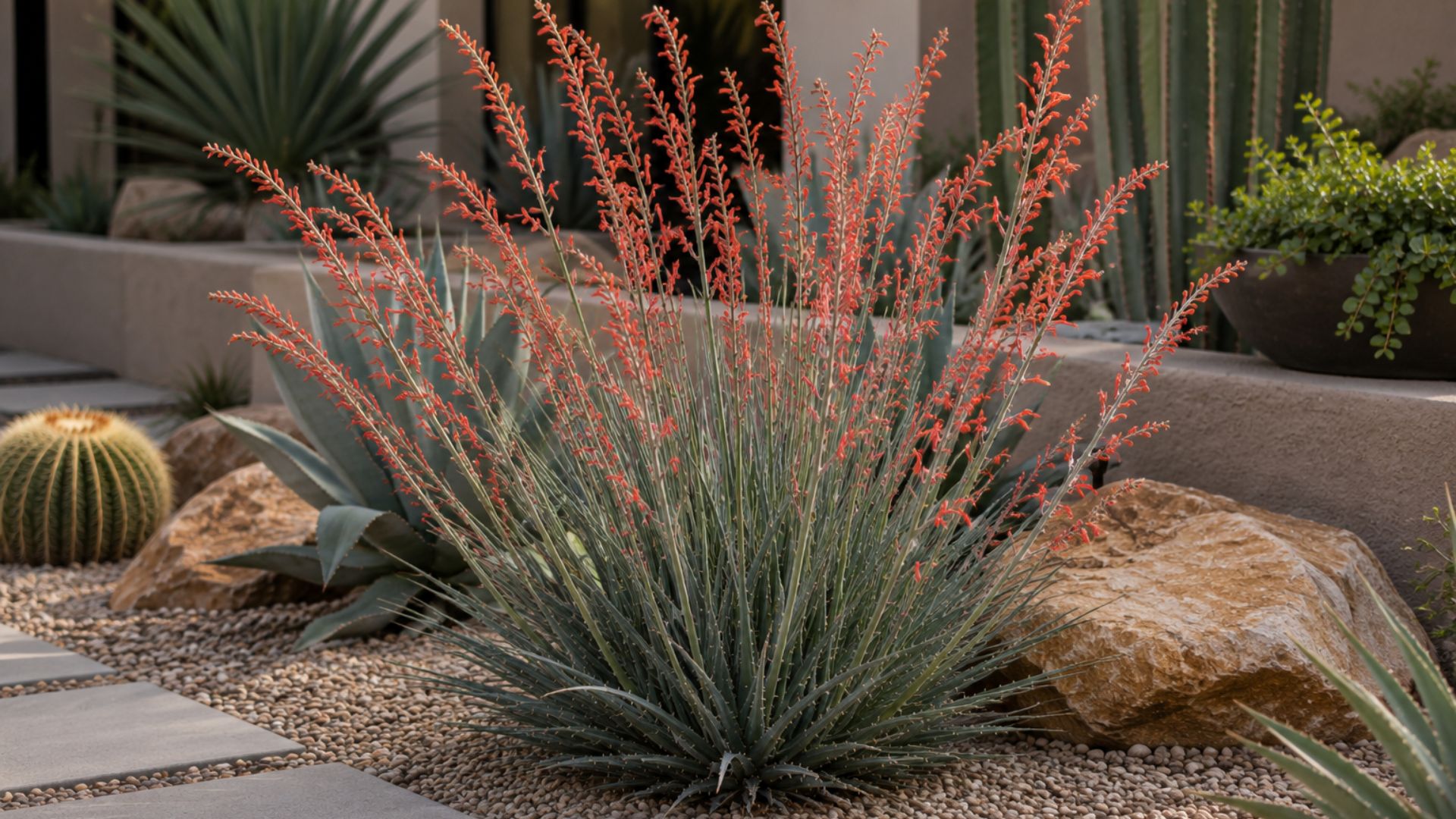
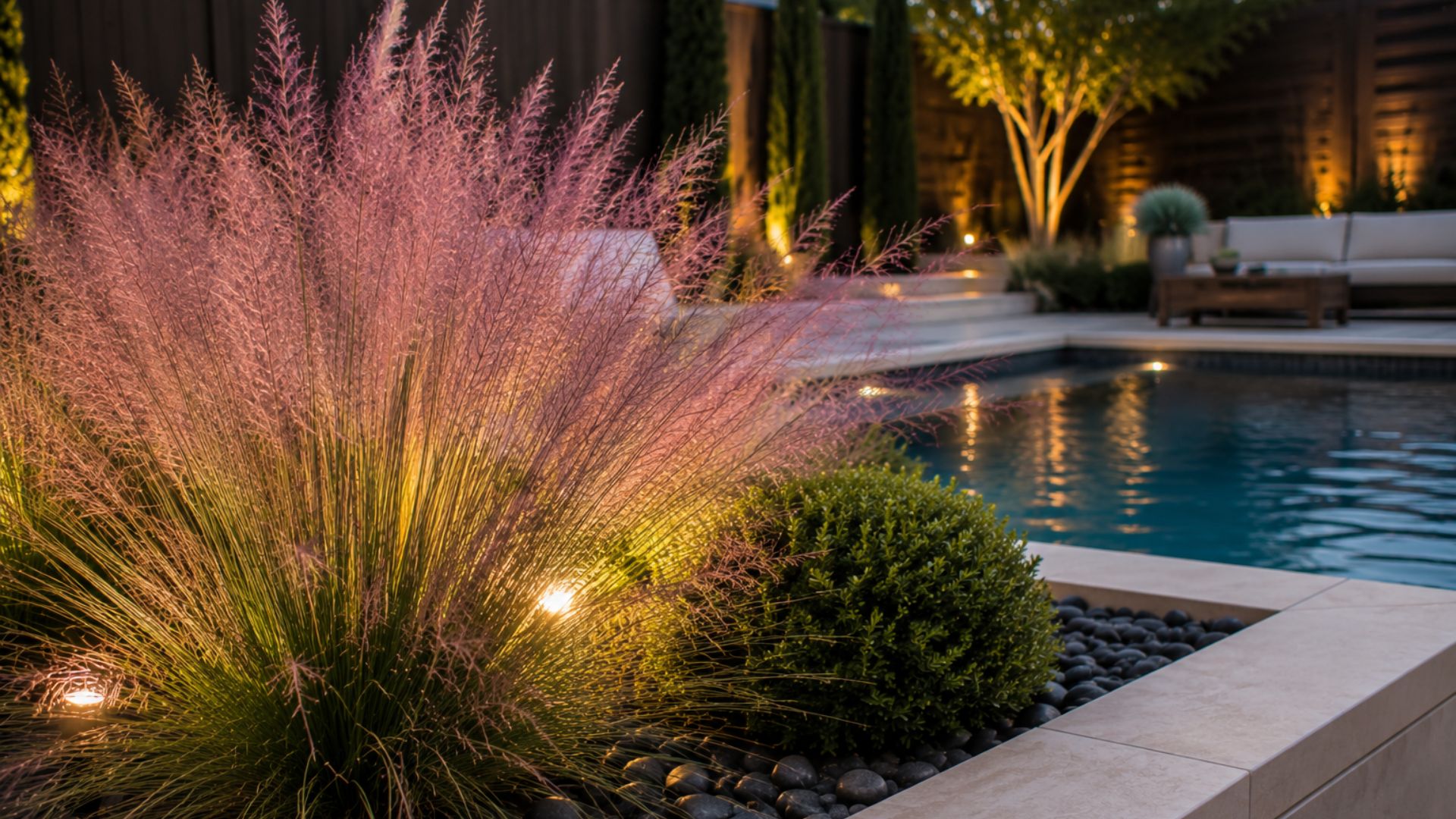
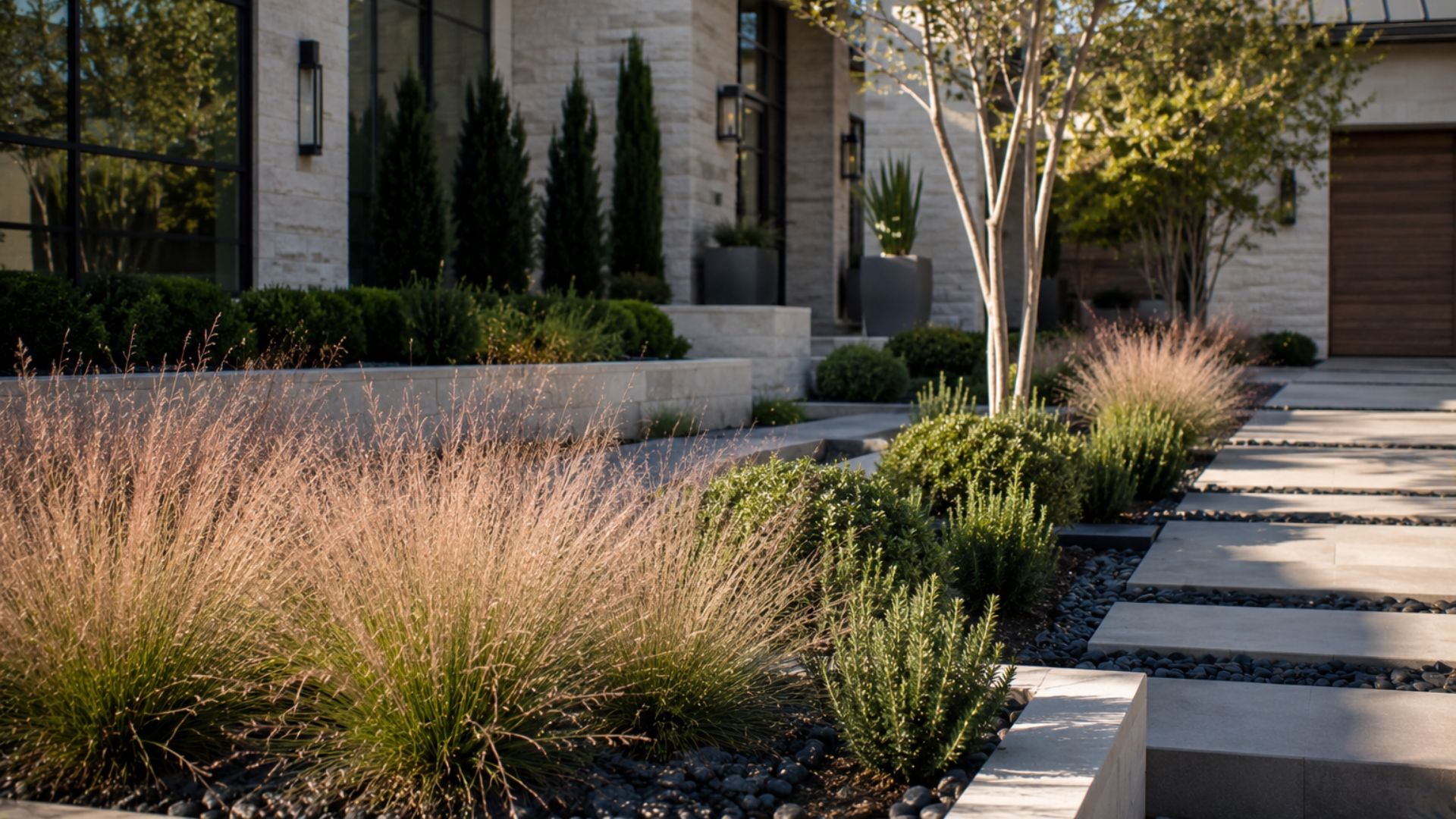
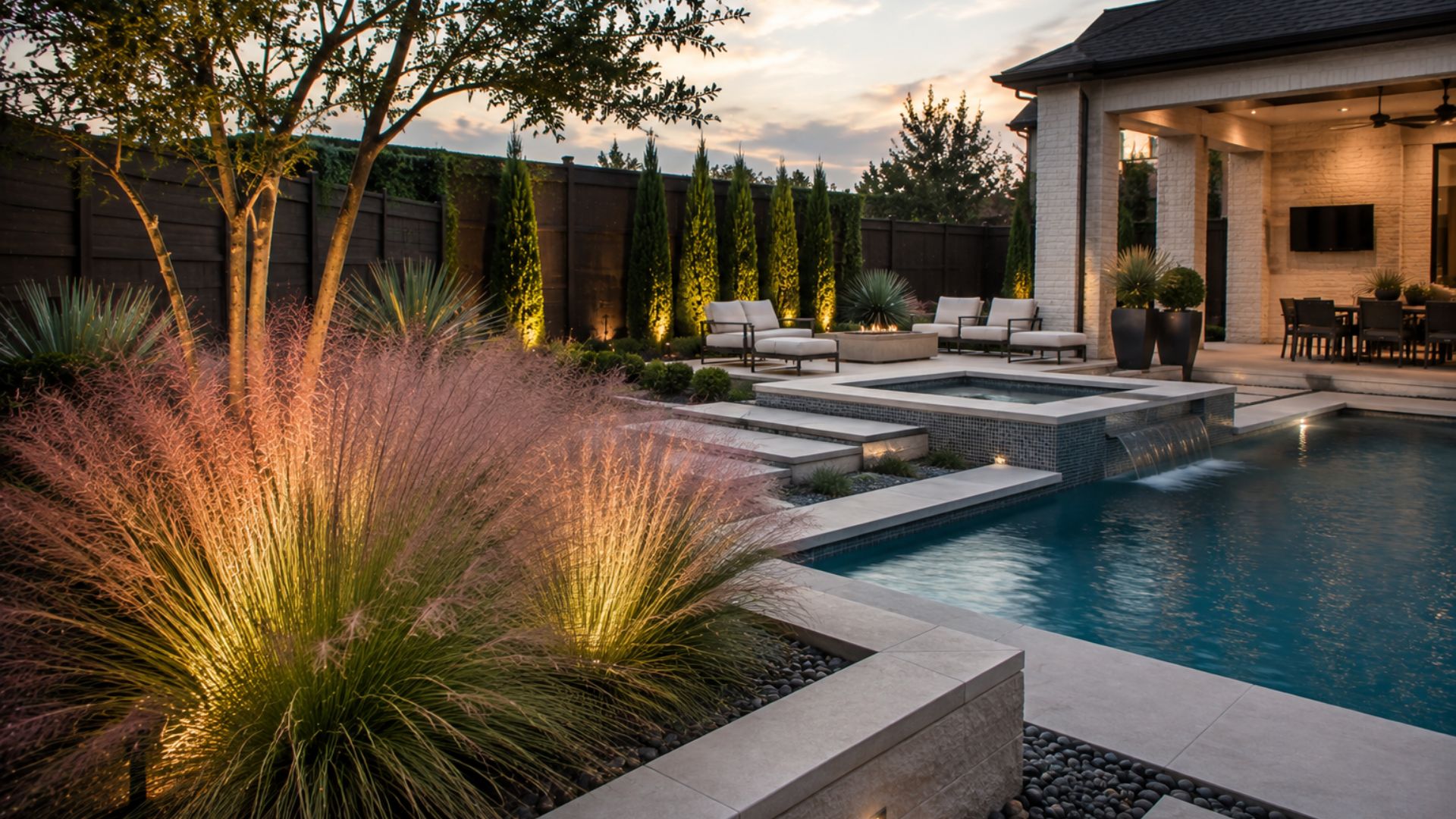
Gulf Muhly (Muhlenbergia capillaris) is a Texas native ornamental grass known for its delicate texture and dramatic fall color. During spring and summer, its narrow green foliage forms a neat, fountain-like mound. As temperatures begin to cool, airy pink and purple flower plumes rise above the foliage, creating a soft haze of color that moves beautifully in the wind.
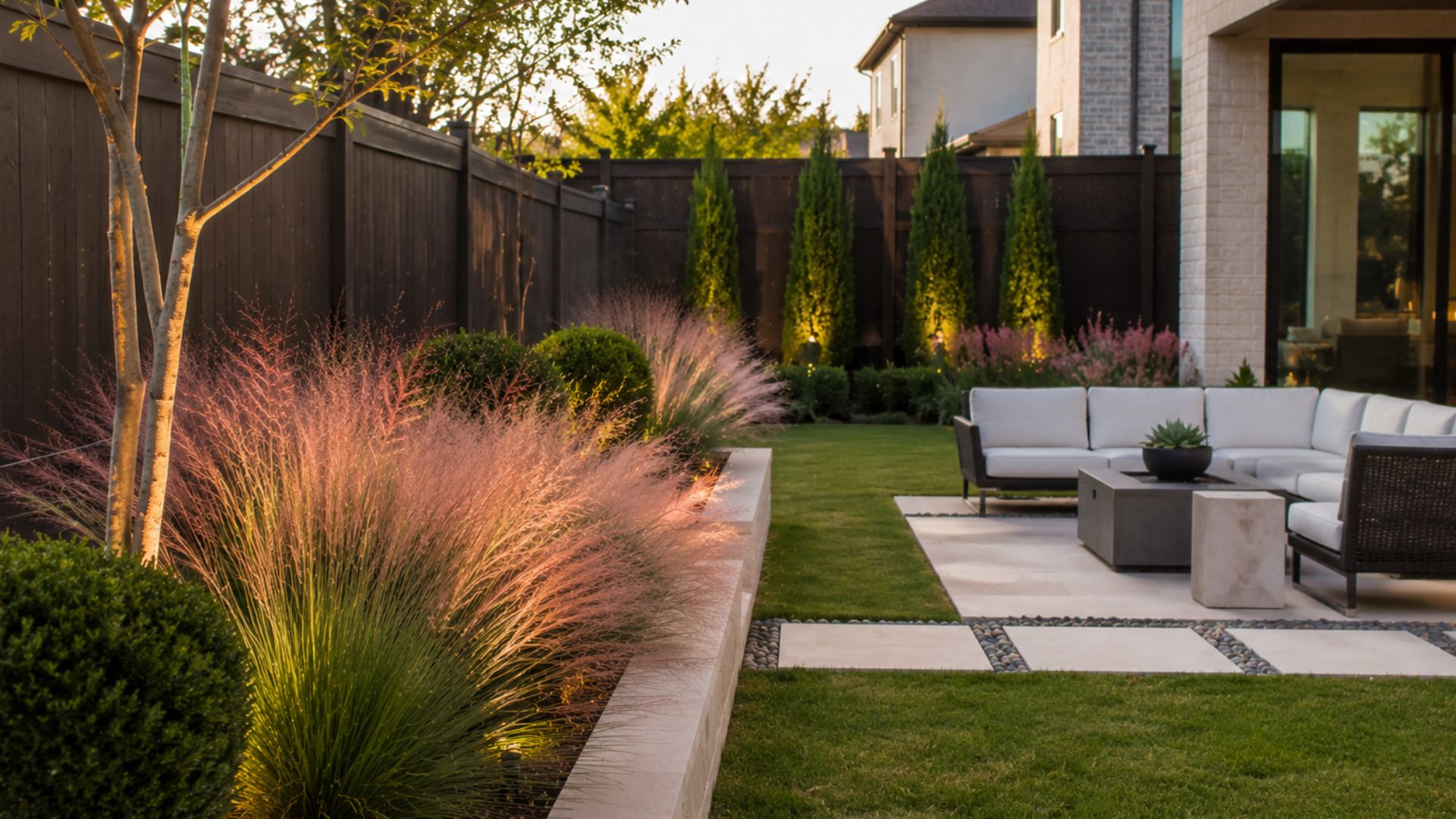
Within an evergreen landscape, Gulf Muhly provides an important contrast to dense shrubs and structured trees. Its fine foliage introduces movement and softness without competing with larger plants, while the fall blooms add seasonal color to an otherwise green palette. Mass plantings can create an especially impressive effect along driveways, walkways, and large landscape beds in Southlake, where Gulf Muhly works beautifully in both traditional and contemporary designs.
Gulf Muhly performs best in full sun, where it develops dense foliage and produces its strongest flowering display. It adapts to several soil types but prefers good drainage. Once established, it becomes highly drought tolerant and requires only occasional deep watering during prolonged periods of North Texas heat.
Unlike evergreen shrubs, Gulf Muhly benefits from an annual cutback. In late winter, trim the old foliage to approximately 6–12 inches above the ground before fresh spring growth begins. New foliage quickly emerges as temperatures warm, creating a fresh mound for the growing season.
Its simple maintenance routine makes Gulf Muhly an excellent choice for Plano landscapes where homeowners want seasonal interest without adding a high-maintenance plant to the garden.
Gulf Muhly is generally very dependable and experiences few serious pest or disease problems. One of the most common issues is reduced flowering when plants receive insufficient sunlight. Too much shade can also result in thinner foliage and a less compact shape.
Poor drainage and excessive irrigation can cause root problems, particularly in heavy clay soils. Allowing the soil to dry between waterings helps maintain a healthy root system.
Older plants may eventually become crowded or develop less vigorous centers. Dividing established clumps can rejuvenate the plant and provide additional Gulf Muhly for other areas of the landscape.
Gulf Muhly is best considered semi-evergreen to deciduous in North Texas, depending on winter temperatures. Its foliage may remain attractive through mild winters but often turns tan after freezes. Cutting it back in late winter allows fresh green growth to emerge in spring.
Gulf Muhly typically produces its signature pink-to-purple flower plumes in late summer through fall, with the most dramatic displays usually occurring during autumn. Planting several together creates an impressive mass of color and movement.
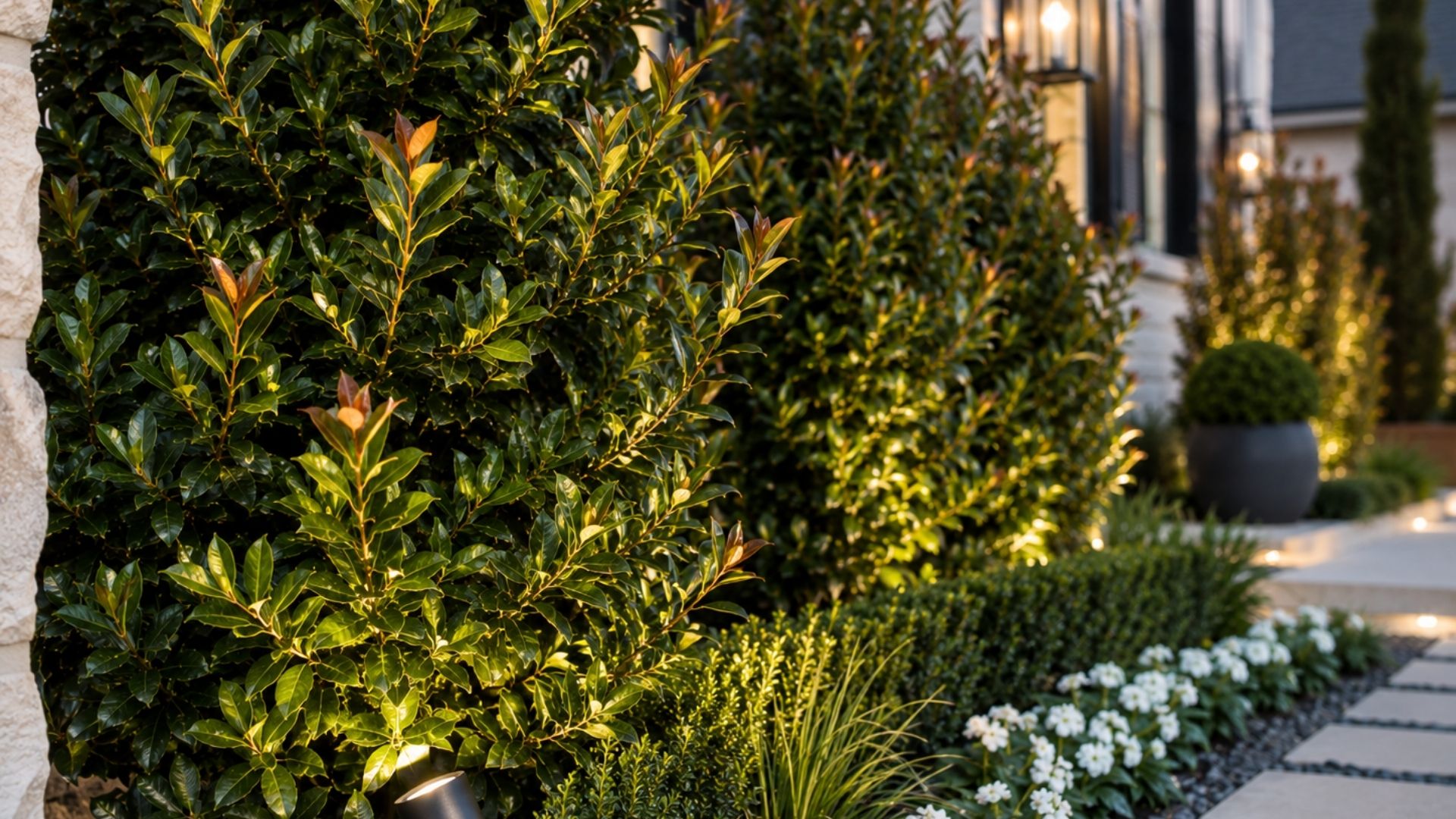
Evergreen landscapes can benefit from plants that introduce movement and seasonal change. Gulf Muhly provides a soft contrast against hollies, magnolias, and other year-round greenery without disrupting the overall evergreen character of the design. Its dramatic fall color makes it especially valuable in Southlake landscapes where layered texture and year-round visual interest are important.
You might also like