
Transform Your Yard: Residential Landscape Design Tips
A thoughtful yard does more than look good from the curb. Good residential landscape design links your home, climate, daily habits, and long-term care into one outdoor setting that feels easy to use. Whether you have a small patio, a broad lawn, or a tricky side yard, the right plan can turn unused space into practical outdoor living spaces for relaxing, dining, gardening, and everyday comfort.
Start with how you want to live outside
Start by deciding how you want to use the yard. A strong design is not just a mix of plants, pavers, furniture, and features. It is a layout where movement, shade, views, privacy, and upkeep all work together. Before you pick materials or plants, make a short list of what the yard must do for you.
Walk the property at different times of day. Notice where the sun feels harsh, where water collects, where neighbors can see in, and where you naturally want to sit or walk. These simple notes are the base of smart landscape architecture because they show how the site behaves before you change it.
Use this early stage to sort needs from wants. A safe path to the door, a shaded seat, or a low-care planting bed may matter more than a feature that looks good online but does not fit your life. Once the basics are clear, the design feels more useful and less crowded.
A simple starting checklist
Before you sketch ideas or call a pro, define the basics:
- Primary use: relaxing, dining, entertaining, gardening, play, pets, curb appeal, or privacy.
- Sun and shade patterns: full sun, afternoon heat, deep shade, reflected heat near walls, and windy corners.
- Existing assets: mature trees, views, slopes, fences, patios, or plants worth keeping.
- Problem areas: poor drainage, bare soil, narrow passages, high-care lawn, noise, or lack of privacy.
- Maintenance tolerance: weekly gardening, seasonal cleanup, or a mostly hands-off yard.
- Water needs: irrigation access, local limits, dry zones, and chances for drought-tolerant planting.
This checklist keeps the design grounded. It also helps you avoid spending money on features that do not match how you use the yard.
Build the layout around function
The most attractive landscapes usually start with practical choices. Where will people enter, gather, sit, cook, walk, and pause? When those patterns are clear, the decorative layers are easier to place because they support the plan instead of fighting it.
Think of the yard as a set of outdoor rooms. A patio can become the dining room. A shaded bench can become a quiet reading corner. A side yard can become a service path, herb garden, or small lounge. Even a small yard can feel generous when each area has a clear job and the shifts between spaces are smooth.
Good circulation matters too. Paths should feel clear, easy to use, and wide enough for their purpose. A narrow stepping-stone path may work in a garden, while a main walk from a driveway to an entry should feel steady and direct. If people keep cutting across the lawn, the design probably needs a path where movement already happens.
Function also includes storage and service areas. Trash bins, hoses, tools, compost, firewood, and outdoor gear all need a place. Screen these zones with fencing, shrubs, or smart layout choices so the finished yard stays calm and is easier to use every day.
Use design rules to create visual harmony
A cohesive yard often feels effortless, but it usually follows a few simple design rules. You do not need deep training in landscape architecture to use them well. You just need to apply them with care.
Proportion helps features fit the space. A large pergola can overwhelm a tiny patio, while small containers can disappear beside a broad entry. Match the scale of plants, furniture, and hardscape to the size of the house and yard.
Balance creates a sense of stability. Formal balance may use matching plantings on both sides of a walk. Informal balance may place a large tree on one side and a layered bed on the other. The design does not need to be symmetrical to feel settled.
Rhythm guides the eye through repetition. Repeating a plant, material, color, or shape at set points helps different areas feel related. For example, using the same stone on a front path and a backyard patio can quietly connect separate spaces.
Transition softens changes in height, texture, or use. Instead of placing a tall hedge next to a flat lawn, you might layer groundcovers, medium shrubs, and small trees to create a gradual shift. Transitions make the landscape feel more mature and intentional.
Focal points give the eye somewhere to rest. A specimen tree, water feature, fire bowl, sculptural planter, or framed view can all work. Use restraint. Too many focal points compete. One or two well-placed elements create clarity
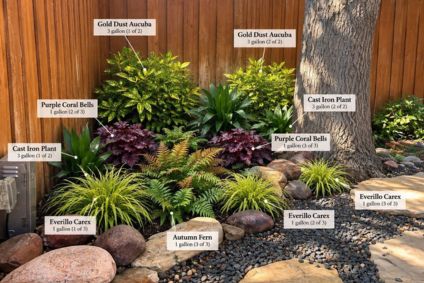
Match plants and materials to your climate
The best plants and materials can handle your local sun, rainfall, soil, temperature swings, and maintenance needs. Climate-fit choices lower stress on the yard and often use less water, replacement, and care over time. Instead of forcing a look from somewhere else, build a palette that suits your region and then shape it to match your home.
Native and climate-adapted plants are often a smart starting point because they are more likely to suit local conditions. In dry regions, drought-tolerant species such as desert willow, ceanothus, ornamental grasses, succulents, and dry herbs may offer texture and seasonal interest with less water demand once they are established. In wetter or cooler areas, the better choices may be plants that can handle heavier soils, winter moisture, or shade.
Materials matter just as much as plants. Dark paving can become hot in warm climates, while slick stone may be a poor choice in rainy or freezing regions. Gravel, decomposed granite, permeable pavers, natural stone, concrete, brick, and wood all have different strengths. Choose them based on comfort, drainage, durability, upkeep, and the style of the home.
Layer hardscape and softscape for depth
Hardscape is the built part of the yard: patios, paths, walls, steps, decks, edging, pergolas, fences, and water features. Softscape is the living part: trees, shrubs, grasses, perennials, groundcovers, and lawns. Strong residential landscape design balances both so the yard has structure in every season and softness where people spend time.
Hardscape usually sets the frame. It shows where people move and gather, and it should be planned before major planting decisions. If a patio is too small, no amount of planting will make outdoor dining comfortable. If a path is in the wrong place, people may avoid it no matter how nice the border looks.
Softscape brings life, movement, shade, habitat, and seasonal change. Trees can cool a seating area, shrubs can screen a fence, and perennials can add color near entries or patios. Layering plants by height makes the view richer: groundcovers in front, medium shrubs in the middle, and taller plants or trees behind.
The best results occur when the two are designed together.
A low wall can add extra seating near a patio.
A pergola can support vines and help define an outdoor room.
A path can curve around a planting bed and make a small yard feel larger.
These moves help the landscape look built in, not pieced together.
You can also browse by Landscape design style- Evergreen style, Desert landscape style, and more!
Shape outdoor living spaces around comfort
Outdoor living spaces should invite people to stay, not just step outside for a moment. Comfort depends on shade, seating, privacy, lighting, wind protection, and the link between the outdoor area and the house. If the space is hard to reach or unpleasant at the time you want to use it, it will likely sit empty.
Place dining areas close to the kitchen when you can. That makes meals, drinks, and cleanup easier. Lounge spaces can sit farther out in the yard if the route feels pleasant and the destination offers enclosure or a good view.
Shade is one of the most important comfort features. Trees, pergolas, umbrellas, shade sails, and covered patios can all help, depending on the site. In hot climates, afternoon shade can turn a patio from decorative into useful.
Lighting extends use into the evening and improves safety. Path lights, step lights, wall fixtures, and soft accent lights can guide movement without making the yard feel harsh. Aim for layers of soft light rather than one bright floodlight.
Features that add everyday value
Choose features based on how often you will use them:
- Patio or deck: Creates a stable base for seating, dining, and entertaining.
- Fire feature: Adds warmth and a natural gathering point where local rules allow it.
- Pergola or shade structure: Improves comfort and helps define an outdoor room.
- Outdoor kitchen or grill zone: Works best near prep space, storage, and dining.
- Water feature: Adds sound and atmosphere, especially in noisy neighborhoods.
- Built-in seating: Saves space and can make small yards more flexible.
The best feature is not always the most elaborate one. A well-sized patio, comfortable chairs, shade, and warm lighting often do more for daily use than a large install that leaves little room to move.
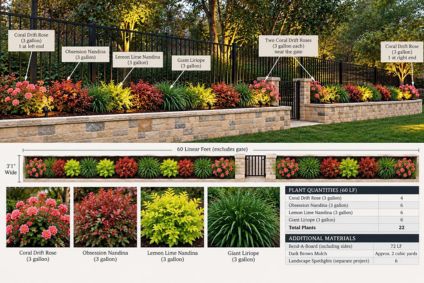
Make small yards feel larger and more useful
Small yards benefit from clarity. When every inch matters, too many materials, colors, borders, and single-use features can make the space feel smaller. A limited palette and a flexible layout often create a calmer, more open effect.
Keep sight lines open where you can. If you can see from one end of the yard to the other, the space often feels larger. Low plantings, open furniture frames, and clear railings or screens can keep the view open while still adding structure.
Use vertical space. Trellises, wall planters, espaliered trees, shelves, and narrow upright plants add greenery without taking much floor area. Containers are useful too, because they can be moved, refreshed, or rearranged as needs change.
Multi-use elements are especially helpful. A bench can include storage. A low wall can serve as seating. A dining table can double as a work surface. In a compact landscape, flexibility is not a compromise. It is the strategy.
Design for lower maintenance from the beginning
Maintenance is not something to think about after the yard is built. It should guide the design from the start. A beautiful landscape that asks for more time, water, pruning, or cleanup than you can give it will soon become frustrating.
Group plants with similar water and sun needs. This makes irrigation more efficient and helps plants grow well together. Avoid placing thirsty plants beside drought-tolerant ones, or shade plants in hot afternoon sun.
Reduce lawn where it does not serve a clear purpose. Lawn can be useful for play, pets, cooling, and open space, but it is not the only way to create a clean landscape. Planting beds, groundcovers, gravel areas, patios, and meadow-style plantings may fit certain zones better.
Healthy soil also lowers maintenance. Compost, mulch, and proper planting methods help roots settle and reduce stress. Mulch can hold moisture, moderate soil temperature, and limit weeds while giving beds a finished look.
Choose plants by mature size, not nursery size. A shrub that looks perfect in a pot may outgrow a walkway in a few years. Planning for full height and width reduces constant pruning and helps prevent crowding.
Plan the project in realistic phases
A full yard change does not have to happen all at once. Phasing can make the work easier and let you invest first in the parts that affect function most. Start with grading, drainage, utilities, major hardscape, and trees before you move to decorative planting and furnishings.
If you are working with a designer or contractor, early planning can also help you avoid rushed choices. The design phase is where layout, materials, planting style, and construction priorities are set. Even if you plan to do part of the work yourself, a scaled plan can prevent costly changes later.
A practical phasing order might look like this:
- Phase 1: Site cleanup, drainage fixes, grading, and removal of failing elements.
- Phase 2: Patios, paths, retaining walls, irrigation sleeves, lighting conduit, and other infrastructure.
- Phase 3: Trees, main shrubs, privacy planting, and soil improvement.
- Phase 4: Perennials, groundcovers, containers, furniture, lighting fixtures, and final details.
- Phase 5: Adjustments after living with the space through a season.
This approach keeps the project flexible. It also makes sure the visible details rest on a solid base.
Let your style bring the landscape to life
Once function, climate, and structure are in place, style can shine. Your yard should feel linked to your home's architecture and your own taste. A modern home may suit clean paving lines, sculptural plants, and a restrained palette, while a cottage-style home may call for layered borders, curving paths, and rich seasonal texture.
Color is one of the easiest ways to shape mood. Cool greens, whites, blues, and silvers can feel calm and fresh. Warm reds, oranges, yellows, and deep purples can feel lively and bold. You do not need every color. A focused palette often looks more intentional.
Texture adds interest even when plants are not blooming. Mix fine grasses, broad leaves, smooth paving, rough stone, and woody stems to create depth. In many gardens, texture carries the design through more months of the year than flowers alone.
Personal touches should still have a place. A favorite bench, handmade pot, small sculpture, birdbath, or edible garden can make the landscape feel lived in. The key is to give these details room to breathe so they add to the design instead of cluttering it.
The best yards support real life
Residential landscape design works best when it balances beauty with daily use. A yard should welcome you outside, fit your climate, support your routines, and stay manageable as plants grow and seasons change. When outdoor living spaces are planned with comfort, proportion, durable materials, and climate-fit planting, the result feels less like decoration and more like an extension of home.
Start with observation, choose features that match your lifestyle, and build the design in layers. Whether you make small updates or plan a full change, each thoughtful choice brings the yard closer to a space you will use and enjoy.
Q&A
Question: What should I do before choosing plants, pavers, or outdoor furniture?
Short answer: Start by watching how your yard behaves and deciding how you want to use it. Note sun and shade, drainage, privacy, existing features worth keeping, and the places where people naturally walk or gather. That helps you separate real needs from decorative wants and keeps the plan practical.
Question: Why is function more important than appearance at the start of a landscape design?
Short answer: Function decides whether the yard will actually get used. Paths, seating, dining zones, storage, shade, and circulation should come first because they shape daily comfort and ease. Once those choices are clear, plants, materials, colors, and focal points can support the layout instead of competing with it.
Question: How can I make a small yard feel larger?
Short answer: Use a clear layout, keep the number of materials and colors low, and keep sight lines open where you can. Vertical planting, containers, open-frame furniture, low plantings, and multi-use features such as storage benches or seat walls can add value without crowding the space.
Question: What makes a yard lower maintenance over time?
Short answer: Choose climate-fit plants, group plants with similar water and sun needs, improve soil, use mulch, and pick plants by their mature size instead of their nursery size. Reducing lawn and planning irrigation, drainage, and plant placement well from the start can also cut pruning, watering, replacement, and cleanup later.
Question: What order should a landscape project follow?
Short answer: Start with the structural and site work first, such as cleanup, drainage, grading, utilities, major hardscape, and trees. Then move to shrubs, soil improvement, perennials, groundcovers, containers, furniture, lighting, and final details. Saving the last adjustments until after living with the space for a season can help the design work better in real life.