
Pergola Construction in Plano Tips for a Better Build
Pergola Construction Tips for a Better Build
Pergola construction can turn an ordinary patio, garden, or backyard corner into a more comfortable and inviting outdoor living space. The best results come from planning the structure around how you use the area, choosing materials that fit your climate and upkeep needs, and working with the right pros when the job calls for it. Whether you are sketching ideas yourself or comparing a custom pergola company with other options, a thoughtful plan can help you avoid costly changes later.
What should you decide before building a pergola?
Before building a pergola, decide where it will go, what it will be used for, how much shade you want, and whether the design should feel attached to the home or like a separate spot in the yard. These early choices guide almost every other decision, from size and materials to footing needs and whether you need help from custom pergola builders.
Start with function. A pergola used for outdoor dining needs enough clearance for a table, chairs, movement, and maybe lighting. A pergola over a lounge area may need room for deep seating, side tables, fans, or privacy screens. A small garden pergola can be decorative, supporting climbing plants or framing a walkway.
Location matters just as much as purpose. Watch the sun at different times of day, especially during the hours when you expect to use the space most. A pergola that looks perfect on paper may offer little comfort if it misses the harsh afternoon sun or blocks a view you wanted to keep.
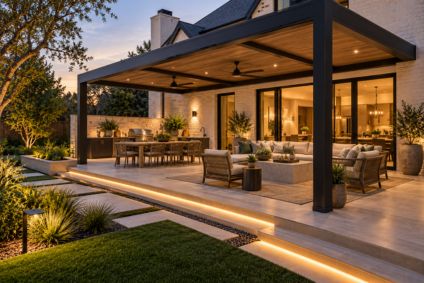
Plan the size, layout, and flow of the space
A pergola should feel balanced with both the home and the outdoor area around it. Too small, and it may look like an afterthought. Too large, and it can overwhelm the yard, crowd walkways, or make the space feel heavy.
Think beyond the outside dimensions. The usable area under the pergola is affected by posts, furniture, steps, planters, grills, and traffic paths. Leave enough room for people to move naturally without squeezing behind chairs or stepping around support columns.
Use this quick planning checklist before you commit to a design:
- Measure the full area, not just the spot where the pergola will sit.
- Mark furniture placement with tape, stakes, or cardboard to test real-life spacing.
- Check door swings and walkways so the structure does not interrupt daily movement.
- Consider views from inside the home, especially from kitchens, living rooms, and bedrooms.
- Plan for future additions such as lighting, curtains, privacy panels, or climbing plants.
- Think about access for construction, including material delivery and equipment movement.
If you are unsure about scale, this is where a custom pergola builder can help. Professionals can turn rough ideas into workable dimensions and spot issues that may not be obvious until construction begins.
Something a lot of homeowners miss is to budget for the base or flooring if there is not any. You can go with brushed concrete, flagstone, pavers and even a travertine patio!
Choose materials for appearance, durability, and maintenance
The right pergola material depends on the look you want, the amount of care you are willing to handle, and the conditions the structure will face. No single best material for every home exists, so compare your options honestly.
Wood is a classic choice because it feels warm, natural, and easy to customize. It can suit many styles, from rustic gardens to clean modern patios. However, wood usually needs ongoing care, such as sealing, staining, or painting, depending on the species and exposure.
Metal pergolas can offer a more streamlined look and may work well with modern homes or simple landscapes. Aluminum is often chosen for its lighter weight and lower upkeep, while steel can provide a strong, substantial look when properly finished. The design should account for heat, finish quality, and long-term weather exposure.
Vinyl and composite options appeal to homeowners who want a clean look with less routine upkeep. These materials may not offer the same natural character as wood, but they can be practical in spaces where easy care matters. Always review product quality, color options, and structural limits before you choose.
How much shade do you need?
A pergola gives filtered shade by design, but the amount of coverage depends on rafter spacing, orientation, roof style, and any add-ons you include. If you need full shade or rain protection, a basic open-top pergola may not be enough without changes.
The direction of the rafters can affect how sunlight moves through the structure. Tighter spacing usually creates more shade, while wider spacing keeps the space brighter and more open. Some homeowners add fabric canopies, retractable covers, shade sails, or climbing vines to boost comfort.
Consider these shade options based on how you use the space:
- Open rafters for a light, airy look with partial sun.
- Closely spaced slats for stronger shade while keeping airflow.
- Retractable canopy fabric for adjustable comfort throughout the day.
- Privacy or shade screens on the sides where low-angle sun is strongest.
- Climbing plants for a softer garden look, with seasonal shade changes.
- Solid or covered elements where weather protection matters more than openness.
A well-designed pergola balances comfort with atmosphere. Excessive shade can make the space feel dark, while insufficient shade can make it uncomfortable in the sun.

Understand permits, property lines, and structural requirements
Pergolas may look simple, but they still need to be safe, stable, and compliant with local rules. Depending on your area, you may need a pergola permit, approval from a homeowners association, or setbacks from property lines, easements, utilities, or existing structures.
Before building, check the rules that apply to your property. Requirements can vary based on height, size, attachment to the house, foundation type, and whether electrical work is included. If the pergola will be attached to the home, proper flashing, anchoring, and load planning become especially important.
Footings deserve careful attention. Posts must be supported in a way that fits the soil, climate, and structure. A pergola that is not anchored well may shift, lean, or become unsafe over time, especially in areas with strong wind, heavy rain, freeze-thaw cycles, or unstable soil.
This is one reason many homeowners search for 'pergola contractors near me' rather than treating the project as a simple weekend build. Local contractors are more likely to understand regional permit rules, common soil conditions, and practical construction details.
Build around comfort, not just appearance
A beautiful pergola should also be pleasant to use. Comfort details may seem small during planning, but they often decide whether the space becomes a favorite outdoor room or a decorative feature that rarely gets used.
Think about seating, airflow, privacy, lighting, and proximity to the house. A pergola meant for meals should be convenient to the kitchen or outdoor cooking area. A lounge pergola may be better if it is set slightly apart from the house, especially if you want a quieter retreat.
Useful comfort upgrades include:
- Outdoor-rated lighting for evening meals, reading, or entertaining.
- Ceiling fans where the structure can safely support them and wiring is properly installed.
- Privacy screens to soften views from neighbors or nearby streets.
- Planters and greenery to blend the pergola into the landscape.
- Weather-resistant furniture sized to the structure, not squeezed into it.
- Integrated power planning if you expect to use speakers, heaters, or task lighting.
Plan these features before construction whenever possible. Adding wiring, blocking, mounting points, or shade hardware later may be harder and less attractive than including them in the original design.
When is it worth hiring a professional?
Hiring a professional is worth considering when the pergola is large, attached to the house, structurally complex, wired for electrical features, or expected to match specific design details. Some experienced DIYers can handle a basic kit, but custom projects benefit from professional planning and installation.
A custom pergola company can help refine the design, recommend the right materials, and coordinate construction details. This is especially useful when your yard has slopes, drainage concerns, unusual dimensions, existing hardscape, or strict neighborhood guidelines.
When comparing custom pergola builders, look for clear communication and practical design guidance rather than choosing on appearance alone. Ask how they handle footings, attachment points, drainage, material care, and site prep. A reliable contractor can explain the process in plain language and help you understand what is included.
Here are smart questions to ask before hiring:
- Have you built pergolas with a similar size, style, or site condition?
- What materials do you recommend for this location and why?
- Will the pergola need permits or association approval?
- How will we install the posts and footings?
- What maintenance should I expect over time?
- Are lighting, fans, or shade systems included or separate?
- What should we clear or prepare before work begins?
The best partner is not simply the one who says yes to every idea. A good custom pergola builder will help you make decisions that improve beauty, usability, and long-term performance.
Avoid common pergola design mistakes
Many pergola problems come from rushing the planning stage. Once you set posts and install beams, even small changes can be expensive or awkward. Taking extra time upfront protects both the look and the function of the finished space.
Avoid these common mistakes:
- Ignoring the sun path. A pergola should shade the space when you actually plan to use it.
- Undersizing the structure. Furniture, movement, and accessories need more room than measurements suggest.
- Forgetting maintenance. Choose materials you are willing to care for year after year.
- Overlooking drainage. Water should move away from posts, foundations, and seating areas.
- Skipping local rules. Permits, setbacks, and association guidelines can affect design options.
- Adding features too late. Lighting, fans, screens, and covers are easier to plan before construction.
Good pergola design is not about adding every possible feature. Choosing the details that support the way you want to live outdoors is what it's all about.
A better pergola starts with better planning
Pergola construction is a chance to create an outdoor space that feels intentional, comfortable, and connected to your home. Successful projects start with clear goals, practical material choices, thoughtful sizing, and consideration of shade, comfort, and structural needs.
If the project is simple, careful DIY planning may be enough. If the design is custom, attached, or technically involved, working with experienced professionals can save time and reduce uncertainty. Whether you are still gathering ideas or ready to speak with a custom pergola company, the right plan will help your pergola look better, work better, and serve your home for years to come.
Q&A
What is the first thing to consider when planning a pergola?
Short answer: Start by deciding how you want to use the space. A pergola for dining, lounging, gardening, or creating a shaded spot in the yard will have different size, layout, shade, and comfort needs. Once the purpose is clear, it becomes easier to choose the right location, materials, dimensions, and features.
Does a pergola provide full shade and rain protection?
Short answer: Not always. A standard open-top pergola gives filtered shade, not full cover. The shade amount varies based on rafter spacing, roof orientation, design, and additional features like canopies or plants. If you need stronger sun protection or shelter from rain, plan for those changes from the beginning.
Which pergola material is best?
Short answer: There is no single best material for every project. Wood gives a warm, natural look but usually needs sealing, staining, or painting. Metal can suit modern designs and may be lower upkeep, especially aluminum, while steel offers strength when properly finished. Vinyl and composite materials are practical for homeowners who prefer a clean look with less routine care.
When should you hire a professional pergola builder?
Short answer: Hiring a professional is especially worthwhile if the pergola is large, attached to the home, custom-designed, structurally complex, or includes electrical features such as lighting or fans. A custom pergola builder can also help with site challenges, material choices, footings, permits, and long-term durability.
What common mistakes should homeowners avoid?
Short answer: The biggest mistakes include ignoring the sun path, choosing a structure that is too small, overlooking maintenance, failing to plan drainage, skipping permits or neighborhood rules, and adding lighting, fans, screens, or covers too late. Careful planning before construction helps to prevent expensive changes after installing posts and beams.
