
Benefits of Low Voltage Landscape Lighting Plano TX
Low voltage landscape lighting is a practical way to make an outdoor space safer, nicer to look at, and easier to use after dark. If you are comparing outdoor lighting Plano options, a 12-volt system gives you a solid mix of style, efficiency, and easy setup. It works well for garden lighting, pathway lighting, and accents on trees and stonework.
Why choose low voltage landscape lighting?
Low voltage landscape lighting runs on 12 volts through a transformer, not 120 volts at each fixture. That lower voltage makes the system safer to work around, easier to change later, and a good match for LED landscape lights that use less power.
A well-planned layout also improves comfort. It helps guests see steps, walks, and driveway edges. It also gives the yard a warm evening feel.
Instead of flooding the whole yard with harsh light, low voltage outdoor lighting can place light where it matters. Use it along paths, near seating areas, around garden beds, and on structural details.
For homeowners looking into landscape lighting Plano TX services or a DIY project, the system also offers more design freedom. Fixtures can often be moved more easily than hardwired high-voltage lights. That helps when plants grow, patios change, or you want a new look.
Safety and ease in everyday outdoor spaces
Safety is one of the top reasons to choose low voltage outdoor LED lights. The transformer steps power down to 12 volts, so the risk is usually lower than with line-voltage systems. That matters in yards with moisture, soil, irrigation, and foot traffic.
Installation still has to be done with care. Outdoor wiring should be rated for exterior use, connections should be weather-resistant, and the transformer should match the total wattage of all fixtures. If the transformer is too small, lights may not perform properly and the system can become unstable.
Low voltage lighting works especially well in these areas:
- Front walkways: Path lights reduce trips and help visitors find the door.
- Decks and steps: Small fixtures show level changes without glare.
- Driveways: Soft edge lighting improves night parking.
- Garden beds: Accent lights add depth and make plants visible after dark.
- Pool and pond areas: Proper fixtures can add beauty and help with safer movement.
The best plan is to light movement zones first. Then add decorative accents. A pretty layout that ignores steps, curves, and dark corners will not work as well as a balanced one.
The design benefits go beyond brightness
Good landscape lighting is not about making the yard as bright as possible. About contrast, direction, and purpose. Low voltage systems make that easier because they let you mix different fixture types in one plan.
Pathway lighting should guide the eye without looking like a runway. Lights are often staggered instead of placed directly across from each other. That creates a softer rhythm.
Garden lighting can use small fixtures tucked into beds. Spotlights can aim upward to show trees, columns, or textured brick.
Outdoor lighting also changes how a home looks from the street. A few well-placed fixtures can highlight rooflines, stone borders, entry columns, or mature trees without overpowering the neighborhood. For Plano landscape lighting projects, that can be useful in yards with layered shrubs, shade trees, patios, and front faces that need more shape at night.
Common fixture types and where they work best
Different fixtures solve different needs. A simple mix usually works best.
- Path lights: Best for walks, garden paths, and driveway edges. Aluminum path lights are common because they are durable and low-key.
- Spotlights: Used for trees, walls, sculptures, and building details. They create drama when aimed well and kept out of direct view.
- Step and deck lights: Placed near stairs, railings, deck edges, and outdoor living spaces to improve safety without using floor space.
- Well lights: Set close to the ground for uplighting trees or walls. They work well when you want the fixture itself to stay hidden.
- Underwater pond lights: Made for water features when they are rated for that use. They help fountains, ponds, and moving water stand out at night.
A strong design usually uses fewer fixture styles, not more. Repeating finishes and beam angles keeps the yard unified. Varying placement adds interest.
How does low voltage lighting compare with high voltage options?
Low voltage lighting is usually the better fit for decorative residential landscape lighting. High voltage lighting may be used for jobs that need stronger light or permanent line-voltage infrastructure. For most garden, pathway, patio, and accent lighting jobs, low voltage systems are easier to design, safer to handle, and more energy-conscious when paired with LEDs.
A simple comparison helps show the difference:
- Low vultage landscape lighting is typically used for paths, gardens, patios, and accents.
- High voltage outdoor lighting is used for security, large areas, and some hardwired fixtures.
- Low voltage lighting operates at 12 volts through a transformer.
- High voltage lighting uses standard household voltage.
- Low voltage lighting installation is often more DIY-friendly.
- High voltage lighting usually requires more electrical skill for installation.
- Low voltage lighting is easier to adjust or expand after installation.
- High voltage lighting is less flexible once installed.
- Low voltage lighting offers many decorative fixture options.
- High voltage lighting often has more fixed or functional fixture styles.
For many homeowners, the real advantage is flexibility. You can start with a small plan, add fixtures later, and fine-tune the layout after you see how it looks at night. Landscapes change over time, and low voltage systems can change with them.
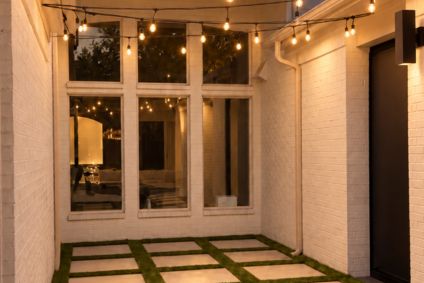
Energy use and LED performance
Modern LED landscape lights are a big reason low voltage systems are so popular. LEDs give clear, attractive light while using less power than older incandescent or halogen options. They also make less heat, which helps around plants, mulch, and small fixture housings.
Energy use depends on the number of fixtures, wattage, transformer size, controls, and how long the lights run each night. A small path lighting setup on a timer will use far less power than a large system left on from dusk to dawn. Smart controls, photocells, timers, and motion sensors can cut waste while still keeping the property welcoming.
Color temperature matters too. Warm white light often works best for residential garden lighting because it feels inviting and pairs well with brick, stone, wood, and greenery. Cooler light can look crisp, but it may feel harsh if you use too much of it.
Installation basics for a clean result
A typical low voltage installation starts with a transformer connected to a proper outdoor power source. From there, outdoor-rated cable runs to the fixtures. Many systems use 12- or 14-gauge wire, and the right choice depends on run length, fixture load, and layout.
Cable is often buried shallowly along planting beds or path edges. It should still be protected from edging tools, digging, pets, and heavy foot traffic. Fixtures near walkways are usually spaced to give steady guidance without too much light. Around 10 feet can be a starting point for path lights, but the best spacing depends on brightness, beam spread, plants, and the shape of the path.
Before you install anything, walk the yard at night with a flashlight. Notice where people hesitate, where steps disappear into shadow, and which spots feel too dark to use with ease. That simple check can prevent you from buying too many fixtures or putting lights where they look good in daylight but do little after dark.
A practical planning checklist
Use this checklist before you choose fixtures or call a professional:
- Identify safety zones first. Mark steps, curves, gates, driveway edges, and uneven spots.
- Choose focal points. Pick trees, walls, garden beds, or entry features worth highlighting.
- Decide on light warmth. Warm white usually gives a softer residential look.
- Calculate total wattage. Add fixture wattages so the transformer is sized correctly.
- Plan wire routes. Keep cable paths efficient and away from likely digging areas.
- Test before burying. Place fixtures temporarily and check them after dark.
- Add controls. Timers, photocells, or smart controls can improve ease and efficiency.
This planning step is where many systems succeed or fail. The best outdoor lighting layouts feel natural because each fixture has a job.
What Plano homeowners should know before installing
Plano homeowners should think about heat, soil, irrigation, storms, and neighborhood appearance before they install landscape lighting. Durable fixtures, weather-resistant connections, and careful placement help outdoor LED lights perform better through North Texas weather changes.
Plano yards may include clay-heavy soil, strong summer sun, seasonal storms, and active irrigation systems. Those conditions make fixture quality and connection protection important. Lights placed too close to sprinklers, low drainage spots, or fast-growing plants may need more adjustment later.
Local expectations matter too. Bright, misdirected lighting can spill into neighboring windows or wash out the look of the home. A better approach is to aim fixtures carefully, use shields when needed, and choose brightness levels that support safety without glare.
If you are unsure about electrical connections, transformer sizing, or code rules, professional help is worth considering. A landscape lighting specialist can design the layout, choose compatible parts, and reduce trial and error. DIY work may be fine for smaller projects, but larger systems or complex yards often benefit from expert planning.
Cost comes from planning, not from cheap fixtures
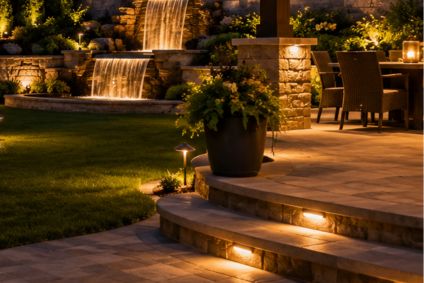
Low voltage lighting can be cost-effective, but the best value rarely comes from the cheapest fixture. A low-cost light that rusts, shifts, leaks, or gives poor color may cost more over time because of repairs and replacements.
A smarter approach is to match product quality to the importance of the spot. Front entry path lights, step lights, and major spotlight areas should be dependable because they affect safety and curb appeal every night. Less visible accent areas can use simpler fixtures, as long as they are still made for outdoor use.
Long-term value also comes from efficient controls and a layout that avoids waste. Ten well-placed lights can look better than twenty poorly placed ones. By focusing on safety, focal points, and easy movement, homeowners can create a polished look without overbuilding the system.
The takeaway for better outdoor spaces
Low voltage landscape lighting makes outdoor areas safer, more comfortable, and more attractive without the intensity of high-voltage lighting. It works especially well for pathway lighting, garden lighting, patios, decks, and structural accents.
For homeowners exploring outdoor lighting Plano options, the best results come from a clear plan: choose efficient LED fixtures, size the transformer correctly, protect outdoor wiring, and design around how people move through the yard. Whether you start small or invest in a full plano landscape lighting design, low voltage lighting can help your home feel more welcoming every evening.
Q&A
Question: Is low voltage landscape lighting mainly for looks, or does it improve safety too?
Short answer: It does both. Low voltage landscape lighting can make a yard look better by highlighting paths, trees, garden beds, and structural details. It also helps people move more safely after dark. Path lights, step lights, driveway edge lighting, and deck lights make level changes and turns easier to see.
Question: Why is transformer sizing important for a low voltage lighting system?
Short answer: The transformer supplies power to the fixtures, so it has to match the total wattage of the system. If it is too small, lights may not perform properly and the system can become unstable. A properly sized transformer helps the lights work the way they should.
Question: Are LED fixtures the best choice for low voltage outdoor lighting?
Short answer: LED landscape lights are usually a strong choice because they use less power than older incandescent or halogen bulbs, make less heat, and give clear light. The best results still depend on fixture quality, wattage, color temperature, controls, and layout.
Question: How many fixtures should a homeowner install?
Short answer: The right number depends on the yard, but more fixtures are not always better. Ten well-placed lights can look better than twenty poorly placed ones. Start with safety zones like steps, walks, driveway edges, and uneven spots. Then add accents for trees, walls, entry features, or garden beds.
Question: When should a Plano homeowner hire a professional instead of doing the work alone?
Short answer: Professional help is worth considering when the job has complex wiring, transformer sizing questions, code issues, larger layouts, hard yard conditions, or many fixture types. Plano homeowners also need to plan for clay-heavy soil, strong sun, irrigation, storms, and drainage issues, since all of these can affect placement and long-term results.
