
Benefits of a Travertine Pool Deck
A travertine pool deck gives Plano, TX homeowners a natural stone surface with distinctive color variation, textured finish options, and coordinated pool coping. Its appeal goes beyond appearance, but the benefits depend on choosing the right stone, finish, and installation system. This article explains what to look for, which trade-offs matter, and how to plan a deck that suits your backyard.
Is travertine a good choice for a pool deck in Plano, TX?
Travertine can be a good choice for a pool deck in Plano, TX when the specific product is suitable for exterior wet areas and the installation addresses drainage and ground conditions. The decision should account for wet traction, exposure to pool chemicals, and freeze-thaw performance—not simply the stone’s appearance. Natural stone pool guidance identifies all of these as important selection factors.
Start with how you use your backyard. A pool surrounded by lounging space, a dining area, and a route to the house calls for more than an attractive border. Think about wet feet crossing the patio, chairs moving across joints, and where splash water will go.
For your Plano project, ask the supplier to identify the exact stone and finish being quoted. “Travertine” describes a material category, not a guarantee that every available product will perform equally well around your pool. Request product-specific information before approving the order.
Natural character that connects the backyard
One benefit of travertine decks is their visual flexibility. Available colors include light ivory, beige, warmer brown tones, and silver-gray options, while tumbled finishes offer a softened, textured appearance. Matching or complementary coping can help carry that material choice around the pool edge.
When choosing travertine for outdoor patio areas, consider the whole view from your back door. Place samples beside your exterior walls, pool waterline tile, and outdoor furniture. Aim for a palette that connects these elements rather than selecting each one separately.
A useful design approach is to:
- Choose a main field color: Compare several pieces so your decision reflects the range, not one unusually uniform sample.
- Coordinate the pool edge: Review coping alongside the deck pavers before approving either material.
- Keep patterns purposeful: Ask for a layout showing cuts near curves, steps, drains, and doorways.
- Plan furniture zones: Draw dining chairs and loungers into the layout so decorative borders do not dictate an awkward arrangement.
-
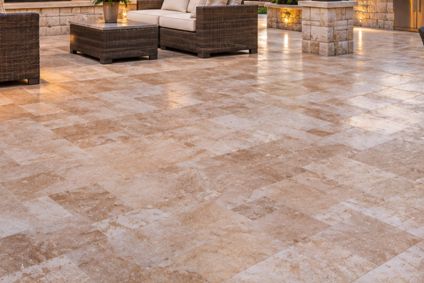
Light-colored options support a comfort-focused design
Color deserves attention when planning a sunny pool surround. The EPA identifies solar reflectance as a primary influence on pavement’s maximum surface temperature: surfaces that reflect more sunlight absorb less of its energy. This supports considering lighter-colored paving, but it does not establish a guaranteed temperature for a particular travertine product.
The practical takeaway is to compare actual samples rather than accept a blanket claim that travertine “stays cool.” Ask whether the supplier has reflectance or temperature information for the selected stone. Also consider where shade will fall during the hours your household normally swims.
For a comfort-focused layout, prioritize shaded resting spots and convenient access to footwear. Review samples outdoors in comparable conditions, and ask how the proposed sealer might change their appearance. Treat stone selection and shade planning as complementary decisions rather than expecting the deck material to solve every comfort concern.
Does travertine provide good traction around a pool?
Travertine can provide a textured poolside surface, but no finish should be assumed slip-proof. Wet traction depends on the selected stone, surface treatment, cleanliness, and conditions of use. Ask for slip-resistance information that applies to the exact product and proposed finish, including any sealer.
A tumbled appearance is a starting point for discussion, not a substitute for evidence. Stone Federation guidance calls for careful evaluation of slip resistance and notes that sloping surfaces require additional consideration. For a pool surround, ask the installer to explain how the selection addresses wet, barefoot use.
Keep the conversation specific. Request a sample with the intended treatment applied, and ask how the deck should be cleaned to preserve its surface condition. Include steps, coping, and transitions in that review instead of assessing only the broad, flat paving area.
Installation makes the benefits possible
The value of a travertine outdoor space rests partly on work you will not see after completion. Plano’s hazard mitigation planning identifies expansive soils that swell and shrink as moisture conditions change. That makes site assessment and water management important topics when discussing a pool deck installation.
Do not assume a stone upgrade can simply cover an existing problem. Ask the contractor to examine the current surface, drainage paths, and signs of movement before recommending an installation system. Request an explanation of why that approach suits your property rather than relying on a standard proposal.
Use these points to guide the site visit:
- Existing conditions: Have the contractor identify uneven areas, damaged surfaces, and drainage concerns before pricing the finished deck.
- Support system: Request a written description of the proposed base or substrate and its preparation.
- Water movement: Ask where rain and splash water will travel, including near the house and neighboring surfaces.
- Edges and transitions: Review coping, steps, door clearances, and connections to existing paving.
- Product suitability: Obtain confirmation that the stone and associated materials suit the intended exterior poolside application.
Freeze-thaw suitability also requires product-specific confirmation. One travertine supplier reports testing for certain products while expressly noting that real-world results depend on site conditions, installation, and climate. A test result for one product should not become a promise about every travertine paver.
Straightforward care, with realistic expectations
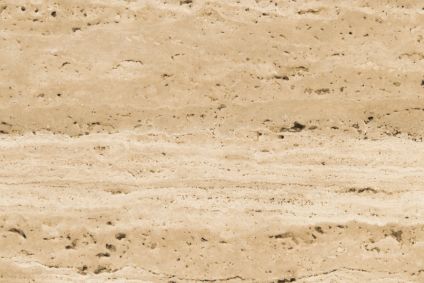
Travertine is not a maintenance-free surface. The Natural Stone Institute recommends neutral cleaners or products intended for stone and warns that acidic cleaners can etch calcareous materials, including travertine. Its guidance also explains that an impregnating sealer improves stain resistance rather than making stone stain-proof.
Build a simple care routine around the supplier’s instructions:
- Remove loose debris: Sweep away leaves, dirt, and grit rather than allowing them to accumulate.
- Address spills promptly: Blot spills and use an approved cleaning method instead of experimenting with household chemicals.
- Avoid acidic cleaners: Do not use vinegar or other acid-based products as a default stone cleaner.
- Confirm sealing needs: Ask whether sealing is recommended for your stone and exposure, then follow the selected product’s directions.
- Keep records: Save stone details, cleaner recommendations, and treatment information for future maintenance.
These habits reflect the Natural Stone Institute’s emphasis on appropriate cleaning and product-specific sealing decisions.
For a saltwater pool, request explicit compatibility guidance for the stone and treatment system. Pool chemicals and salt crystallization are recognized considerations in natural stone pool design; neither should be dismissed with a generic assurance that all natural stone is suitable.
How do you choose a travertine installer in Plano, TX?
Choose an installer who can explain product selection, site preparation, drainage, and maintenance in a clear written proposal. When comparing travertine paver installation companies, request the same scope from each so you can evaluate meaningful differences. Treat the estimate as a plan for the completed project, not just a price per square foot.
If you search “travertine pavers installation near me,” use the results to build a shortlist of contractors serving Plano, TX. Then ask to review relevant poolside work and discuss how each contractor would approach your property. A useful consultation should help you understand the choices, not pressure you into approving an undefined package.
Before signing, request written details covering demolition, disposal, preparation, paving, coping, drainage work, sealing if included, and cleanup. Also ask about material allowances, exclusions, change orders, and warranty terms. Keep spare-material availability on your checklist so you can discuss future repairs before ordering.
A considered upgrade for your Plano backyard
Choosing travertine for pool deck projects means balancing appearance with the practical demands of your space. Begin with samples and a backyard layout, then verify the selected product’s suitability and compare detailed installation proposals. For your Plano, TX home, the strongest choice is the one you understand—from the finished surface to the preparation beneath it.