
Benefits of Installing a Cedar Pergola
A cedar pergola is a practical way to make an outdoor space feel more finished, comfortable, and welcoming. Whether you want a shaded dining area, a garden focal point, or a bridge between your home and yard, cedar adds natural warmth without making the structure feel heavy or too formal. With the right design, cedar wood for pergola projects can support daily use and long-term curb appeal.
Why choose a cedar pergola for your outdoor space?
A cedar pergola gives you structure, shade, and visual character while keeping the open-air feel that makes patios and gardens enjoyable. Unlike a fully enclosed addition, it marks off a space without closing it off from the landscape. That makes it useful for entertaining, relaxing, or shaping a more polished backyard layout.
Cedar is popular because it looks natural and fits many exterior styles. A red cedar pergola can feel warm and classic, while a modern cedar pergola with clean lines can suit a newer home, poolside patio, or simple garden. That flexibility is why many homeowners compare cedar pergola kits, custom builds, and cedar pergolas for sale before they choose a final plan.
Cedar brings natural beauty and warmth
The first thing most people notice about a cedar pergola is its look. Cedar has a rich grain and warm tone that can make an outdoor area feel more intentional right away. A western red cedar pergola is often chosen for its color range and natural character.
This matters because outdoor structures are not only useful. They also shape the view from the kitchen, living room, patio, or garden path. A western cedar pergola can soften hard surfaces, frame plants, and add height where a flat patio might feel bare.
Cedar also works with many finish choices. Some homeowners like the fresh tone of new cedar pergola lumber. Others prefer a stained look that matches decking, fencing, or trim. If left to weather on its own, cedar can take on a softer look over time, which may suit casual garden spaces.
Cedar pergolas pair beautifully with evergreen landscapes
Cedar pergolas work especially well with an evergreen landscape style because the warm, natural tones of the wood create a beautiful contrast against year-round green foliage. Evergreen plants such as hollies, magnolias, ornamental grasses, and structured shrubs can soften the pergola while keeping the outdoor space polished in every season. The combination of cedar and evergreen landscaping creates a timeless, established look that works particularly well around patios, outdoor kitchens, pools, and backyard seating areas. As the cedar naturally ages, its texture continues to complement the rich greens and layered planting found in evergreen landscape designs.
It creates comfortable, usable outdoor living space
A pergola is valuable because it turns open outdoor space into a clear destination. Instead of placing furniture on a plain patio and hoping it feels complete, a cedar pergola creates an outdoor room with a clear purpose.
Common uses include:
- Outdoor dining: Place a table beneath the pergola for meals, weekend coffee, or evening gatherings.
- Lounge seating: Use sofas, chairs, or a fire feature to make the space feel like an extension of the living room.
- Garden framing: Set a pergola near planting beds, walkways, or climbing plants to add vertical interest.
- Poolside shade: Add definition and some relief from direct sun near a pool or spa.
- Entry transition: Use a cedar pergola attached to house walls or near a doorway to create a smooth move from indoors to outdoors.
A cedar covered pergola can be especially helpful when you want more protection than an open-slat design can give. Depending on the roof style, it may cut sun exposure and make the space more comfortable in different weather.
Is a cedar pergola with roof worth considering?
A cedar pergola with roof is worth considering if you want the look of cedar with more shade, structure, or shelter than an open pergola can provide. It can make the space feel more like an outdoor room and may be a better choice for dining areas, outdoor kitchens, or seating zones you use often.
The right roof style depends on how you want the space to work. A more open design keeps the area bright and airy, while a covered option gives stronger protection from the elements. Homeowners often choose a cedar covered pergola when they want the warm look of wood but need a more useful setup for regular use.
Before you choose a roof, think about airflow, light, drainage, and how the pergola will connect visually with your home. A pergola cedar installer can help you decide whether a freestanding build, a roofed design, or a cedar pergola attached to house walls makes the most sense for your layout.
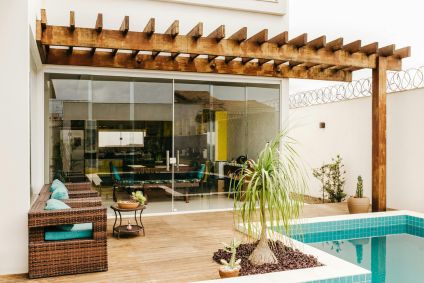
Cedar offers practical advantages for outdoor structures
Cedar is often chosen for exterior projects because it is light for a wood product, attractive, and easy for builders to work with. These traits make it a strong fit for pergolas, where the structure needs to look refined while still handling outdoor exposure.
For homeowners, the main benefit is design range. Cedar can be cut and shaped for traditional beams, decorative end cuts, clean modern lines, or heavier timber-style builds. That is why you will see everything from simple cedar pergola kits to more detailed western red cedar pergola kits made for larger patios and custom spaces.
When you review cedar pergola lumber, consider:
- Board quality: Straight, sound lumber helps the finished pergola look cleaner and work better.
- Scale: Larger posts and beams create a stronger design statement.
- Finish plans: Stain, sealant, or natural weathering may affect the cedar you choose.
- Hardware: Exterior-rated fasteners and connectors help support durability and appearance.
- Maintenance access: A design that is easy to inspect and refinish can make long-term care simpler.
These choices are easier when you know how the pergola will be used. A small garden feature does not need the same structure as a roofed outdoor dining area.
Kits make planning more approachable
Many homeowners look at cedar pergola kits because they make planning easier. Instead of sourcing every post, beam, rafter, and connector one by one, a kit can give you a more organized path from idea to build. This can help if you already know your preferred size and style.
There are many types of kits available, including western cedar pergola kits, red cedar pergola kits, and western red cedar pergola kits. The best choice depends on your space, budget, look, and comfort with assembly. Some kits are built for simple freestanding installation, while others may need more site prep or professional help.
Before buying, review the details carefully:
- Measure the area accurately. Include furniture, walking space, doors, steps, and nearby landscaping.
- Check the included materials. Confirm what lumber, hardware, anchors, and instructions come with the package.
- Understand the roof or shade design. Not every kit gives the same level of cover.
- Review local rules. Permits, setbacks, or HOA rules may affect where and how you can build.
- Decide who will install it. Even with a kit, a qualified installer may be the better choice for larger or attached designs.
Kits can be convenient, but convenience should not replace careful planning. A pergola is a visible, long-term feature, so size and placement matter.
Professional installation helps protect the final result
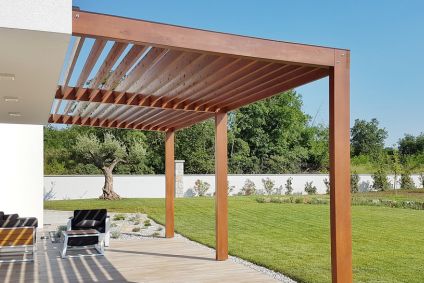
A cedar pergola may look simple, but good installation affects safety, appearance, and use. Posts need to be placed well, the structure should be level and square, and all connections must suit outdoor conditions. If the pergola includes a roof or attaches to the home, the details become even more important.
Working with a pergola cedar installer can help you avoid common problems such as poor placement, undersized framing, bad drainage planning, or a structure that does not line up well with the house. Professional input is also valuable when comparing a custom western cedar pergola with prebuilt options.
Installation support is especially useful for:
- A cedar pergola attached to house exterior walls
- A cedar pergola with roof or partial cover
- Large patio structures with heavy beams
- Sloped, uneven, or compact sites
- Designs that need to work with decks, pavers, or outdoor kitchens
The goal is not just to get the pergola standing. It is to make sure it looks intentional, feels stable, and fits the way you want to live outdoors.
A well-planned cedar pergola adds lasting everyday value
The biggest benefit of a cedar pergola is that it makes outdoor living easier to enjoy. It creates a clear place to gather, relax, dine, decorate, and spend time outside without needing a full addition or enclosed room. It can also make a plain backyard feel more designed and more connected to the home.
Whether you choose a custom western red cedar pergola, browse cedar pergolas for sale, or compare cedar pergola kits, focus on fit, function, and long-term care. The best design is the one that suits your space, supports your routine, and feels natural beside your home.
A cedar pergola is more than a decorative feature. With thoughtful planning, quality materials, and careful installation, it becomes a comfortable outdoor destination you can use season after season.
Q&A
What is the main advantage of choosing cedar for a pergola?
Short answer: Cedar offers a strong mix of natural beauty, warmth, design flexibility, and outdoor use. Its rich grain and warm tone help patios, gardens, and seating areas feel more finished, while its workable nature lets it fit rustic, classic, modern, or custom pergola designs.
Should I choose an open cedar pergola or a cedar pergola with roof?
Short answer: The best choice depends on how you plan to use the space. An open pergola keeps the area bright, airy, and connected to the landscape, while a cedar pergola with roof can provide more shade, structure, and shelter. A roofed or covered design may be especially useful for outdoor dining areas, kitchens, or seating zones used often.
Are cedar pergola kits a good option for homeowners?
Short answer: Cedar pergola kits can be a practical option because they simplify planning by packaging many of the needed posts, beams, rafters, connectors, and instructions together. However, homeowners should still measure carefully, check what is included, review local rules, and decide whether professional installation is needed, especially for larger, attached, or roofed designs.
When is professional installation most important for a cedar pergola?
Short answer: Professional installation is especially important when the pergola attaches to the house, includes a roof or partial cover, uses large beams, sits on a sloped or compact site, or needs to work with decks, pavers, or outdoor kitchens. Good installation helps ensure the structure is stable, properly aligned, visually intentional, and suited to long-term use.
Contact us today if you are looking to install a cedar pergola today!