
Modern Desert Landscape Xeriscape Guide
A modern desert landscape can turn heat, sun, stone, and drought-tough plants into a yard that feels planned, not bare. Instead of fighting the climate with thirsty grass, xeriscape landscaping uses the right plants, smart water zones, and clean hardscape to create an outdoor space that looks polished with less work. If you have searched for xeriscape landscapers near me, the real goal is to find a pro who can make a low-water yard feel calm, balanced, and easy to live with.
What makes a modern desert landscape feel complete?
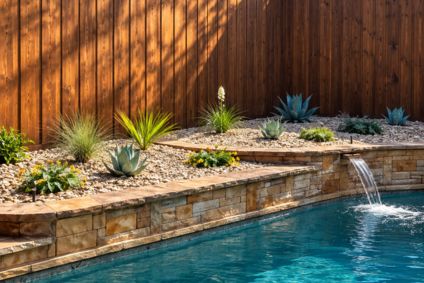
A modern desert landscape feels complete when the plants, hardscape, and open space support each other. The look is clean and steady. Think gravel mulch, steel edging, concrete pavers, boulders, and a small plant list with bold shapes.
It should feel open, but not empty. Every plant and every material should have a job. Agave, yucca, desert spoon, ocotillo, and barrel cactus give the yard shape even when nothing is blooming.
Stone mulch or gravel gives the eye a place to rest. Larger boulders and raised planters add depth. A few color notes, such as rust pots, warm walls, or desert flowers, can soften the space without making it busy.
For a modern desert landscape front yard, less is often more. A front yard does not need many plant types. A few plants repeated in groups often look more upscale and are easier to care for.
Why xeriscape landscaping works in dry climates
Xeriscape landscaping is built to save water, but that is only part of the story. It can also cut lawn care, lower plant stress in hot months, and help the yard fit the local setting.
Old-style lawns need a lot of water, mowing, fertilizer, and repair. A desert plan takes a different path. It asks which plants can live with sun, heat, dry soil, and limited water. Then it places them where they can thrive.
A good xeriscape usually includes:
- Hydrozoning, or grouping plants with the same water needs.
- Drip irrigation, which sends water near the roots and wastes less.
- Gravel or mineral mulch, which helps reduce water loss and keeps soil temps more even.
- Hardscape balance, so paths, patios, and seats feel part of the plan.
- Plant spacing that allows growth, so plants do not crowd each other or need constant pruning.
This is not a no-care yard. It is a smart-care yard. You may still need to check the water system, pull weeds, clear debris, prune a little, refresh gravel, and watch plant health. But the job is usually simpler than caring for a thirsty lawn.
Plants that bring the design to life
Plant choice gives the yard its style. The right plants bring shape, shade, texture, and seasonal color while still fitting a low-water plan.
Agaves are a strong choice because they have clear lines. Queen Victoria agave, parryi agave, artichoke agave, and foxtail agave each bring a different feel. Foxtail agave landscaping works well in modern spaces because the plant has a softer form than many other agaves.
Yucca and desert spoon add height and motion. Beaked yucca can work like a living sculpture near a wall, boulder, or simple gravel field. Desert spoon adds fine texture and a round shape that looks good beside broad agave leaves.
Cacti can add bold accents when used with care. Barrel cactus can bring gold, green, or blue tones, depending on the kind. Ocotillo adds tall lines and a sharp outline against stucco, stone, or open sky. Smaller succulents like blue chalksticks, mangave, and low sedums can fill in gaps with soft ground-level texture.
A good landscaper for xeriscaping should think about full size, sun, drainage, foot traffic, and what people can see from inside the home. A plant in the wrong place can become a problem later.
Designing a low maintenance modern desert landscape front yard
A low maintenance modern desert landscape front yard starts with a clear plan. The best designs show where people walk, where the eye should land, which plants add structure, and how water will move across the site.
Start with the main view. That is often the street, driveway, or front door. A strong focal point near the entry, such as a mature agave, sculptural yucca, or a boulder group, can make the home feel more welcoming. Repeated plants and clean edging then guide the eye through the yard.
Hardscape should help daily life. Wide stepping pads, concrete pavers, decomposed granite paths, and clear driveway borders can make the yard both useful and good-looking. If the front yard gets strong afternoon sun, smart plant placement can also soften reflected heat near walls, windows, and walkways.
Consider these design moves for a more polished result:
- Choose one main ground material. Gravel, decomposed granite, or crushed stone can create a clean base. Too many materials can make a small yard feel split up.
- Repeat plants in small groups. Repetition gives the design a calm rhythm and keeps it from feeling like a plant mix.
- Use boulders with intent. Boulders should look set in place, not dropped on top of the ground.
- Limit high-care accents. Seasonal flowers and pots can look great, but place them where they are easy to water.
- Plan lighting early. Low-voltage lighting can show off sculptural plants, improve safety, and extend use after dark.
How do you choose the right xeriscape landscaper near you?
Choosing the right xeriscape landscaper near you comes down to local know-how, design skill, clear talk, and proof of real work. A good pro should understand drought-tough plants, water use, drainage, soil, sun, and the look you want.
When you search for xeriscape landscapers near me, do not stop at the first results. Look at full portfolios. Ask if they have built yards like yours in size, climate, and style. A crew that mostly builds lawns or plain rock beds may not be the right fit for a refined modern desert landscape.
Use this checklist:
- Portfolio depth: Look for full desert yards, not just close-up plant shots.
- Local plant knowledge: Ask which plants do well in your area and which ones do not.
- Irrigation planning: A good plan should include water zones, not just gravel.
- Drainage awareness: Desert yards still need good grading and stormwater flow.
- Material guidance: Ask about gravel size, edging, pavers, and soil prep.
- Clear scope: Know what is included, from demo and grading to planting and cleanup.
- Maintenance help: Ask how to care for the yard while plants settle in and after they grow.
It also helps to ask how the design process works. Some firms give a full design before buildout. Others work from a simpler plan. Neither is always better, but you should know what you are getting.
A simple path from idea to finished yard
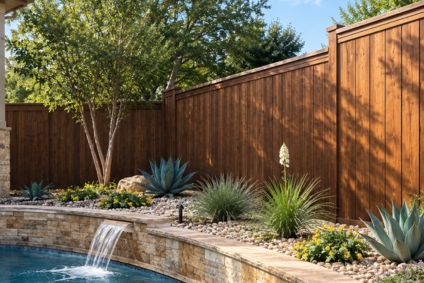
Working with a landscaper for xeriscaping is easier when you know the steps.
It starts with a talk about your goals, budget, style, and problem spots. Maybe your lawn costs too much. Maybe your plants fail in reflected heat. Maybe your front yard does not fit the home.
Next is the site review. The landscaper looks at sun, slope, drainage, access, current irrigation, soil, and usable outdoor space. These facts shape nearly every choice. A plant that likes morning sun may burn by a west wall. A low spot may need grading before gravel or pavers go in.
Then comes the design plan. It may include plant groups, hardscape layout, irrigation updates, lighting, boulder placement, and material picks. Buildout often moves from demo and grading to irrigation, hardscape, soil prep, planting, gravel, and final detail work.
Before the job ends, ask for a simple care plan. New desert plants often need more water at first. After the roots grow, they need less. Knowing that change helps protect your investment and prevents both too little and too much water.
Maintenance keeps the look sharp
Modern desert landscapes look best when the clean lines stay clean. That does not mean a lot of work, but it does mean small tasks done often.
Most homeowners should check drip emitters, pull volunteer weeds, clear debris from gravel, and prune only when needed. Over-pruning can ruin the natural form of agave, yucca, desert spoon, and many succulents. The goal is to keep the plant's shape, not force it into a hedge.
Refresh gravel when it gets thin, especially near paths and drains. Check edging and make sure pavers stay steady. If pots are part of the plan, treat them as accents that may need more water than in-ground plants.
Seasonal checks matter too. Watch which spots get the harshest sun, where water pools after storms, and which plants grow faster than planned. A good yard can change over time, but it should stay within the original design.
The lasting value of desert-conscious design
A modern desert yard is more than a style choice. It is a practical answer to climate, water use, upkeep, and how people want to live outdoors.
The key is intent. Pick plants for strength and shape. Use hardscape for function, not just decor. Group water needs wisely. Invest in good irrigation. Work with a pro who knows the difference between plain rock cover and true xeriscape landscaping.
If you are planning a modern desert landscape front yard or rethinking your whole outdoor space, gather ideas and talk with a local expert. The right design can turn a harsh climate into a calm, low-water yard that feels modern and lasts.
Q&A
Is xeriscape landscaping just replacing lawn with gravel?
Short answer: No. A real xeriscape is planned. It uses plant groups, smart water zones, good drainage, and balanced hardscape. Gravel can help, but rock alone can make a yard feel bare or harsh.
What plants work well in a modern desert landscape?
Short answer: Strong, drought-tough plants are usually best. Agave, yucca, desert spoon, ocotillo, barrel cactus, blue chalksticks, mangave, and low sedums all bring shape and texture.
How can a front yard look modern without feeling empty?
Short answer: Use restraint with purpose. A limited plant list, repeated groups, clean edges, one main ground material, and a few focal points can make the yard feel open and finished.
What should homeowners ask a xeriscape landscaper before hiring them?
Short answer: Ask about local plant skill, irrigation, drainage, soil prep, material choices, and past projects with a similar style and climate. Also ask what the project includes and what care is needed later.
Does a modern desert landscape need no maintenance?
Short answer: No. It usually needs less work than a lawn, but it still needs care. Check drip lines, pull weeds, clear debris, refresh gravel, and prune with care so plants keep their natural shape.
If you are looking for an trust-worthy landscaper in Plano, give us a call today!
