
Foxtail Agave Landscaping: Care, Ideas, and Design Tips
If you are looking to transform your outdoor space into a stunning, water-wise sanctuary, few plants rival the elegance and versatility of the Foxtail Agave (Agave attenuata) for foxtail agave landscaping. As water conservation becomes increasingly important, homeowners and garden designers alike are turning toward drought-tolerant plants to create lush, vibrant environments that require a fraction of the maintenance of traditional lawns.
Whether you are aiming for a minimalist coastal vibe, a sleek contemporary layout, or authentic desert-style landscaping, the Foxtail Agave is a standout choice. This comprehensive guide will explore the unique characteristics, design applications, and essential care routines needed to make this remarkable plant thrive in your yard.
Why Choose Foxtail Agave for Your Garden?
When planning a garden, selecting the right foundational plants is critical. The Foxtail Agave brings a unique combination of aesthetic appeal and practicality to the table.
Unlike many traditional agaves that feature stiff, rigid leaves with dangerous spines, the Foxtail Agave boasts soft, pale green, pliable leaves. This distinct characteristic makes it one of the best thornless succulents for pathways, entryways, and patio borders. You can comfortably plant it in high-traffic areas without worrying about pets or children getting scratched.
Additionally, as the plant matures, it drops its lower leaves to reveal a thick, curving stem. This trunk forming succulent growth habit elevates the beautiful rosette above the soil line, instantly providing striking architectural interest for modern gardens.
Gardeners often compare different agave species when planning their layouts. When looking at the foxtail agave vs blue glow agave, for instance, the differences are distinct. The Blue Glow Agave is smaller, stays close to the ground, and features stiff, dark green leaves with sharp, glowing red and yellow margins. In contrast, the Foxtail Agave offers a much larger, softer, and more flowing silhouette, bringing a relaxed, sculptural elegance to the landscape.
Finally, a common concern for rural and suburban homeowners is wildlife damage. If you are wondering, "is agave attenuata deer resistant?" the answer is a resounding yes. Deer and rabbits typically bypass its thick, fibrous leaves in favor of softer, tastier foliage, making it a highly practical choice for unfenced properties.
Top Agave Landscaping Ideas & Design Strategies
Incorporating foxtail agave landscaping into your yard allows for incredible creative freedom. Because of its bold shape and soothing color, it acts as an excellent anchor for succulent plants garden design. Here are some of the most effective agave landscaping ideas to elevate your outdoor space:
- Create a Focal Point: Use mature specimens as standalone centerpieces in a minimalist rock garden. They are widely regarded as some of the most reliable drought tolerant specimen plants for zone 10, where their dramatic size and shape can be appreciated year-round.
- Mass Planting for Dramatic Effect: Planting Foxtail Agaves in clusters of three or five creates a cascading sea of pale green rosettes. This technique works exceptionally well on gentle slopes, helping to stabilize the soil while offering a spectacular visual display.
- Container Gardening: If you have limited ground space, poor soil, or live in a cooler climate, planting foxtail agave in containers is an excellent alternative. Placed in large, modern terracotta or concrete pots, they bring an upscale, architectural feel to patios, decks, and pool areas.
- Mixed Xeriscaping: For a rich, textured look, surround your agave with ideal companion plants for mediterranean xeriscaping. Pairing them with blue fescue grass, trailing rosemary, euphorbia, or colorful senecio creates a gorgeous contrast of colors and textures while maintaining a unified, low-water ecosystem.
Designing a cohesive, water-wise garden can sometimes feel overwhelming. If you are unsure where to start with your layout or soil grading, it may be worth searching for "landscaping design companies near me." Local professionals who specialize in low maintenance landscaping can help you perfectly position your agaves to ensure they get the right lighting and drainage while complementing your home's architecture.
Essential Foxtail Agave Care Guide
One of the primary reasons homeowners love this plant is its undemanding nature. Mastering foxtail agave care is quite simple once you understand its native environment and basic needs.
Sunlight Requirements
A frequently asked question is: how much sun does foxtail agave need? The answer largely depends on your local climate. If you live in a mild coastal area, your agave will happily soak up full sun all day long. However, if you live in a hot, inland region with intense summer heat, the soft leaves can easily suffer from sunburn. In these harsher climates, it is best to plant them where they will receive morning sun and dappled or partial shade during the scorching afternoon hours.
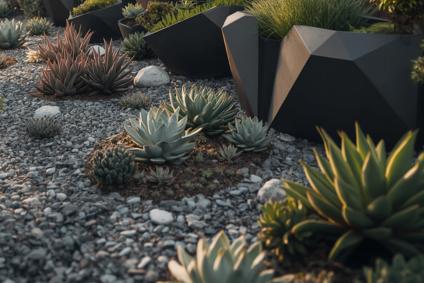
Looking to learn more about desert style gardens? Check more of our articles!
Soil and Watering
Because they are highly efficient drought-tolerant plants, their root systems are susceptible to rot if left sitting in excess moisture. Planting them in a well-draining soil mix for succulents is non-negotiable. If you are planting in containers or amending heavy clay garden soil, blend in generous amounts of pumice, coarse horticultural sand, and perlite to ensure water flows through rapidly.
Once established, they require very little supplemental watering. During the warm growing season, a deep watering once every two to three weeks is usually sufficient. In the winter, you can drastically reduce watering to once a month, or rely entirely on natural rainfall.
Temperature and Winter Care
While they thrive in heat, they are highly sensitive to freezing temperatures. Protecting soft leaf agave from frost is a critical winter chore if your area experiences cold snaps. Temperatures dropping below 30°F (-1°C) will cause the cellular structure of the leaves to burst, leading to black, mushy foliage. To protect your plants, cover them with breathable frost cloths overnight during freezing weather, or move container-grown specimens indoors or into a greenhouse until the danger of frost has passed.
Addressing Common Issues and Maintenance
Even the most robust low maintenance landscaping requires occasional troubleshooting. While Foxtail Agaves are generally pest-resistant, they can occasionally fall victim to fungal diseases, particularly during cool, damp weather or if overwatered.
If you notice dark, unsightly lesions on the foliage, you are likely dealing with a fungal infection. Effective remedies for foxtail agave leaf spot include immediately adjusting your watering habits—always water at the base of the plant rather than overhead to keep the leaves dry. Ensure there is plenty of air circulation around the rosette by clearing away fallen debris or overcrowding plants. For severe infections, treating the plant with a copper-based fungicide can halt the spread, though deeply scarred leaves will eventually need to be trimmed away for aesthetic purposes.
Another major event in the life of this plant is its bloom. The Agave attenuata inflorescence life cycle is a spectacular, albeit bittersweet, phenomenon. After 10 to 15 years of steady growth, the agave will produce a massive, arching flower stalk that resembles a fox's tail (hence the common name). This stalk can reach up to 10 feet in length, densely packed with pale yellow and green flowers that attract bees, hummingbirds, and butterflies.
However, like most agaves, the Foxtail is monocarpic. This means that once the plant finishes blooming, the main mother rosette will slowly die. Knowing the proper technique for removing spent agave flower stalks is important for garden maintenance. Once the spectacular bloom has completely dried out and the mother plant begins to wither, use a clean, sharp handsaw to carefully cut the stalk down near the base. You can then dig up the declining mother plant to make room for the next generation.
Expanding Your Collection: Propagation
The silver lining to the monocarpic life cycle is that before the mother plant dies, it ensures its legacy by producing numerous small offsets, or "pups," around its base and along its stem.
Learning how to propagate agave attenuata pups is a rewarding and incredibly easy process that allows you to multiply your collection for free:
- Locate the Pups: Look around the base of a mature agave for miniature versions of the plant.
- Separate: Use a clean, sharp knife or trowel to gently sever the pup from the mother plant, ensuring you keep a bit of the pup's root system intact if possible.
- Callous: Place the newly cut pups in a dry, shaded area for 3 to 5 days. This allows the cut wound to callous over, which prevents rotting when planted.
- Plant: Settle the calloused pup into a pot filled with a fresh, well-draining soil mix for succulents.
- Water Sparingly: Wait a week before lightly watering the new pup to encourage root growth. Within a few months, you will have a sturdy, independent plant ready to be added to your desert-style landscaping.
Final Thoughts on Foxtail Agave
Integrating Foxtail Agave into your yard is an investment in long-lasting, eco-friendly beauty. Their stunning sculptural form, combined with their safe, thornless leaves and minimal water requirements, makes them an undisputed favorite in contemporary garden design.
Whether you are plotting out expansive drought-resistant borders, designing a cozy patio with potted succulents, or simply looking to add a splash of year-round greenery to your property, this plant delivers on all fronts. By providing the right soil, appropriate sunlight, and a little protection during the winter, your Foxtail Agaves will reward you with decades of captivating, effortless charm.
Q&A
Question: What makes Foxtail Agave a safe, standout choice for high-traffic areas like paths and patios?
Short answer: Unlike many agaves, Foxtail Agave has soft, pliable, spineless leaves, so it won’t scratch kids or pets as they brush past. As it matures, it drops lower leaves and forms a curved trunk that lifts the rosette, adding striking architectural interest without the hazard of sharp spines—perfect for entryways, pathways, and patio borders. It’s also typically ignored by deer and rabbits, reducing wildlife damage in unfenced spaces.
Question: How does Foxtail Agave compare to Blue Glow Agave, and when would I choose one over the other?
Short answer: Blue Glow Agave is smaller, ground-hugging, and has stiff, dark leaves edged with sharp, glowing red-yellow margins—great for crisp, compact accents. Foxtail Agave grows larger with soft, flowing, pale-green rosettes and a sculptural, relaxed silhouette. Choose Blue Glow for tight, edgy compositions; pick Foxtail when you want a bold, elegant focal point or a softer, more welcoming presence near walkways.
Question: What are the basic care requirements for Foxtail Agave (sun, soil, and watering)?
Short answer:
- Sun: In mild coastal climates, it thrives in full sun. In hot inland areas, give morning sun with dappled or partial afternoon shade to prevent leaf scorch.
- Soil: Use a sharply draining succulent mix. If your soil is heavy clay, amend generously with pumice, coarse horticultural sand, and perlite so water runs through quickly.
- Watering: Once established, water deeply about every 2–3 weeks in warm seasons; in winter, cut back to monthly or rely on rainfall. Always avoid waterlogged conditions to prevent root rot, and water at the base to keep leaves dry.
Question: Can Foxtail Agave handle frost, and how should I protect it in winter?
Short answer: It’s sensitive to freezing. Temperatures below about 30°F (-1°C) can rupture leaf cells, causing black, mushy foliage. During cold snaps, cover in-ground plants overnight with breathable frost cloths. If grown in containers, move them indoors or into a greenhouse until the frost risk passes.
Question: What happens after a Foxtail Agave blooms, and how do I propagate the pups?
Short answer: After 10–15 years, it sends up a dramatic, arching flower stalk up to about 10 feet, then the mother rosette slowly dies (it’s monocarpic). Once the stalk dries and the rosette declines, cut the stalk near the base with a clean handsaw and remove the spent mother plant. Before dying, it produces offsets (“pups”) you can propagate:
- Find pups at the base or along the stem.
- Gently sever with a clean knife, keeping some roots if possible.
- Let cuts callous in shade for 3–5 days.
- Pot in a fresh, fast-draining succulent mix.
- Wait a week, then water lightly—new roots form in a few months.
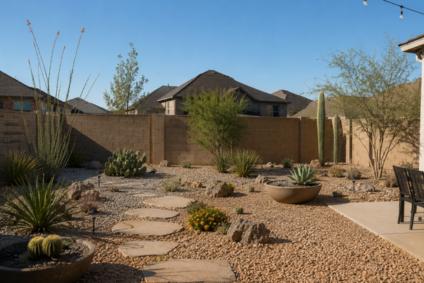
Looking to install a desert style landscape in your backyard? Call us today!
