
Agave Care: Sunlight Tips for Thriving Desert Style Plants
Agave is a bold, sculptural plant that rewards the right light with strong form, steady agave growth, and fewer care problems. Whether you are growing an agave potted on a patio, moving one into a brighter garden bed, or learning how to plant agave pups, sunlight is one of the biggest parts of long-term success. Good agave care starts with knowing how much sun the plant needs, how to add light in stages, and how to adjust care as the plant matures.
How much sunlight does an agave plant need?
Most agave plants thrive in bright, direct sun for much of the day, especially once they are established outdoors. In many home landscapes, several hours of direct morning or afternoon light support compact leaves, good color, and healthy agave growth. If light is too weak, the plant may stretch, lean, or make softer growth that is easier to stress.
That said, sunlight needs change with climate, container size, and plant age. A mature outdoor agave may handle full sun with ease, while a young agave sprout or a fresh pup may need gentler light at first. The goal is bright exposure without a sudden shock.
Sunlight shapes the way agave grows
Agave care is often called low-maintenance, but low-maintenance does not mean no attention. Light changes the plant shape from the center out. When sunlight is strong enough, new leaves usually emerge firm and even, which gives agaves their clean rosette form.
When an agave does not get enough light, the center may open and the leaves may reach toward the brightest source nearby. Indoor plants near dim windows often show this first. If your agave potted indoors begins to stretch, move it slowly toward a brighter window or shift it outdoors when the weather allows.
Too much strong light too fast can also cause trouble. Leaves grown in shade, indoors, or under nursery cover can scorch if they are placed suddenly in harsh afternoon sun. Sunburned leaves may show pale, dry, or brown patches that do not fully heal. The plant can keep growing, but slow acclimation is better.
Matching light to young shoots, sprouts, and pups
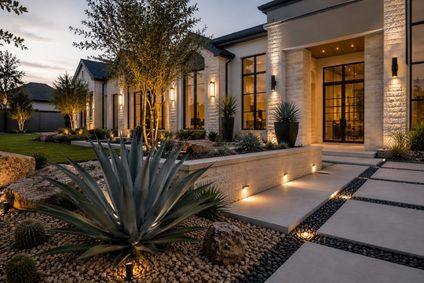
Young agaves need brightness, but they also need a slow move into direct sun. Agave shoots that form near the base of a mother plant are often partly shaded by older leaves. After removal, they may face more sun than they can handle.
If you are working with blue agave pups or smaller offsets from another type, start them in bright indirect light or gentle morning sun. After they root and seem stable, increase direct sun slowly over one to two weeks. This helps them build tolerance and lowers moisture stress.
A young agave sprout grown from seed is even more delicate. Seedlings need strong light to avoid stretching, but they should not bake in dry, intense sun before roots can support them. Keep the soil lightly moist, never soggy, and avoid hot glass where heat builds fast.
How do you plant agave pups in the right light?
To plant agave pups well, separate them cleanly, let the cut dry for a short time, and set them in fast-draining soil where they get bright light with only mild sun at first. This is the safest way for anyone learning how to plant agave pups because it protects tender roots and cut surfaces while the plant settles. Once the pup resists a gentle tug, you can add more sun.
Use this simple process:
- Choose healthy pups. Select offsets with firm leaves and, if possible, some roots attached. Small pups can still grow, but they need more time.
- Separate carefully. Use a clean tool and avoid tearing the base. This matters when transplanting agave because damaged tissue can rot if it stays wet.
- Let cuts callus. Allow fresh cuts to dry in a shaded, airy place before planting.
- Use gritty soil. A cactus or succulent mix supports drainage, which is key when caring for an agave plant.
- Start with gentle light. Morning sun or bright filtered light is ideal until the pup settles.
- Water sparingly. Water after planting, then let the mix dry well before watering again.
This same method works for many agave plant cuttings and offsets, although agaves are more often started from pups than leaf cuttings. A single agave leaf does not usually make a new plant the way some succulents do, so rooted offsets are the better choice when you can get them.
Light considerations for potted agave
A container gives you more control, which helps in regions with strong summer heat, cold winters, or small yards. An agave potted in a movable container can be shifted to catch more light in spring or protected from hot afternoon sun during heat waves.
Containers also dry faster than garden beds, especially in direct sun. That can help agave, but it also means small pots may dry very fast. Choose a pot with drainage holes and enough weight to support the plant's broad shape. As the rosette grows, a top-heavy container can tip in wind or when the soil gets dry.
For indoor agave care, place the plant in your brightest spot. A sunny south- or west-facing window often works best, but watch for heat buildup and leaf contact with glass. Rotate the pot now and then so the plant grows evenly instead of leaning toward the light.
Transplanting without sunlight shock
Transplanting agave is stressful even when done well, so light management matters before and after the move. If you are wondering how to transplant agave plant specimens from one place to another, plan the move when temperatures are mild and the plant is not already drought-stressed.
Before you lift the plant, note its current exposure. A plant growing in partial shade should not be moved straight into all-day sun. Replant it at a similar light level if you can, or give it temporary shade while it adjusts. This matters most for large plants, because older leaves may not adapt quickly to a sudden change.
After transplanting, keep watering careful. Agaves need some moisture to settle, but wet soil around disturbed roots can cause trouble. Bright light, warm soil, and damaged roots can be a rough mix, so give the plant time to re-anchor before you move it into maximum sun.
Signs your agave needs a light adjustment
A healthy agave usually looks firm, balanced, and compact. If something seems off, sunlight is one of the first things to check. Look for these common clues:
- Stretching or leaning: The plant may need brighter light or more even light.
- Loose, floppy growth: Low light, too much water, or both may be weakening the plant.
- Pale, dry patches: Recent sunburn may have happened after a sudden move into strong light.
- Slow agave growth: Some slow growth is normal, but very dim light can stall the plant.
- Color fading: Some types show their best color only in strong light, though extreme heat can also wash them out.
Make changes slowly. Moving an agave from shade to sun in steps is usually safer than one big shift.
A practical sunlight routine for strong agave care
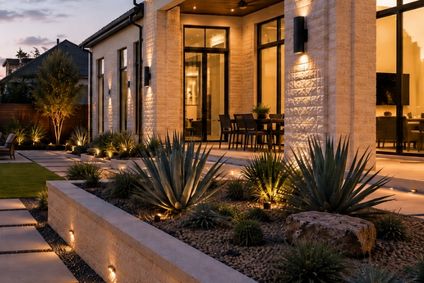
The best routine is simple: give established agaves bright sun, protect young or recently moved plants from sudden extremes, and adjust based on what the leaves show you. For outdoor plants, watch how the sun moves across your space through the seasons. A spot that feels right in spring may become too hot in midsummer.
For potted plants, use mobility to your advantage. Move the container as seasonal light changes, rotate it for even shape, and avoid pairing strong sun with constantly wet soil. For pups and sprouts, treat light as something to build up slowly instead of all at once.
Key takeaway
Sunlight is central to successful agave care because it shapes form, strength, color, and resilience. Established plants usually want plenty of direct light, while agave shoots, pups, sprouts, and newly transplanted plants need a gentler start. When you combine bright light with sharp drainage, careful watering, and gradual changes, your agave has the best chance to become the dramatic, durable plant it is meant to be.
If you want to consider other desert-style succulents, check out Red Yucca and Sotol!
Q&A
Can an agave get too much sun?
Short answer: Yes, especially if it was grown indoors, in shade, or under nursery cover. Established outdoor agaves often handle strong direct light well, but sudden exposure to harsh afternoon sun can scorch leaves. Pale, dry, or brown patches may appear and usually do not fully recover, so it is better to increase sunlight gradually.
What is the best light for newly planted agave pups?
Short answer: Newly planted pups do best in bright indirect light, filtered light, or gentle morning sun at first. Once the pup begins rooting and feels stable when gently tugged, direct sun can be increased slowly over one to two weeks. This helps prevent sunburn and moisture stress while the young plant establishes.
Why is my indoor agave stretching or leaning?
Short answer: Stretching or leaning usually means the plant is not getting enough light or is getting light from only one side. Move it slowly toward a brighter window, such as a sunny south- or west-facing spot, and rotate the pot now and then so the rosette develops evenly.
Should I water more if my agave is in direct sun?
Short answer: Not automatically. Agaves still need fast-draining soil and careful watering, even in bright sun. Potted agaves may dry faster than those in garden beds, but the mix should still dry well between waterings to avoid root problems, especially after planting or transplanting.
How can I reduce sunlight shock after transplanting an agave?
Short answer: Move the plant when temperatures are mild, avoid transplanting when it is drought-stressed, and try to match its previous light exposure. If the new location is brighter, give temporary shade or transition the plant gradually so older leaves and disturbed roots are not forced into intense sun too quickly.
Check the following link if you love Desert-Style succulents!
