
Who Does French Drains Near Me? A Local Guide
A French drain can move extra water away from soggy lawns, foundation edges, patios, walkways, and low spots in the yard. If you are asking who does french drains near me, look for a local contractor who knows soil, slope, rain, and your lot layout. This guide explains how to check french drain contractors, what to ask before you hire, and how to compare local drainage solutions with more confidence.
Who should you call for French drain installation?
For most homeowners, the best choice is a drainage-first contractor, a landscape drainage specialist, or an excavation pro with real French drain installation experience. If you are searching drain installation near me, drainage contractors near me, or who does french drains near me, look past general lawn care and focus on companies that find water problems, plan drain routes, and install underground systems.
A French drain is more than a gravel trench. It must catch water, block sediment, keep the right slope, and send flow to a safe outlet. If a contractor makes the trench too shallow, uses the wrong pipe, skips fabric, or sends water to the wrong spot, the same problem may come back in a new place.
Good french drain experts start by asking what you need to fix. Is water pooling after storms? Is runoff moving toward the house? Is the lawn staying muddy for days? The answer changes the depth, route, pipe type, outlet, and even whether a French drain is the right fix.
Why local experience matters in drainage work
Drainage problems change from lot to lot. Two homes on the same street can need different fixes because of grading, packed soil, roof runoff, patios, tree roots, and the way water already moves on the site. That is why a yard drainage company near me search result can be useful, as long as the company has real drainage experience and not just basic lawn service.
Local contractors are also more likely to know common soil types in your area. Heavy clay, sandy soil, rock, and packed fill all affect how water flows and how a drain should be built. They may also know local rules for discharge, such as whether water can go to the street, a storm drain, a dry well, a swale, or another approved spot.
A good local contractor will walk the site with you before giving a fix. They should look at downspouts, low areas, nearby grades, basement or crawl space issues, patios, retaining walls, and any current drains. If someone gives a firm answer without seeing the full water path, keep looking.
Signs you may need a French drain
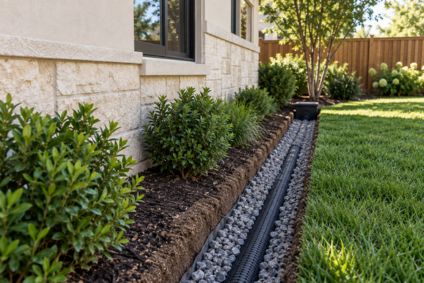
A French drain is made to catch and move surface or subsurface water before it causes repeat problems. It is not always the answer, but some signs make it worth discussing with french drain services in your area.
Common warning signs include:
- Standing water after rain: Puddles that last long after a storm can point to poor grade or slow-draining soil.
- A soggy lawn: Soft, muddy ground can hurt turf, draw pests, and make the yard hard to use.
- Water near the foundation: Runoff near the home can raise moisture around basements, crawl spaces, and slabs.
- Erosion near beds or walkways: Water that cuts through mulch, soil, or gravel may need a new path.
- Moss or mildew in wet spots: Shaded damp areas often show signs of ongoing moisture.
- Downspout overload: Roof runoff may be too much for nearby soil if it is not moved away.
A French drain may work on its own, or it may be part of a larger plan. In some yards, the better fix includes regrading, downspout extensions, catch basins, channel drains, dry wells, or swales. The best drainage contractors near me search results should explain why one fix is better than another.
What should a French drain contractor inspect?
A good contractor should inspect more than the wet patch. Water problems often start uphill and show up downhill, so the visit should trace where water starts, how it moves, and where it can go safely.
At minimum, the contractor should check:
- Slope and height changes
- The drain needs enough pitch for water to move. A contractor may use a level, laser, or other tool instead of guessing by eye.
- Soil type
- Soil changes trench depth, drainage speed, and backfill choice. Clay-heavy yards may need extra care so the system does not clog or sit in wet soil.
- Water sources
- Roof runoff, driveway runoff, irrigation, nearby lots, and natural groundwater can all play a part. Fixing only the puddle may not fix the source.
- Discharge options
- Water has to go somewhere safe. A good contractor will not push runoff toward a neighbor, a sidewalk, or an unstable slope.
- Obstacles and utilities
- Tree roots, irrigation lines, buried cables, gas lines, and hardscape can change the route. Utility marking should happen before any digging starts.
This is what sets french drain experts apart from contractors who just dig where the lawn looks wet.
Comparing local drainage contractors
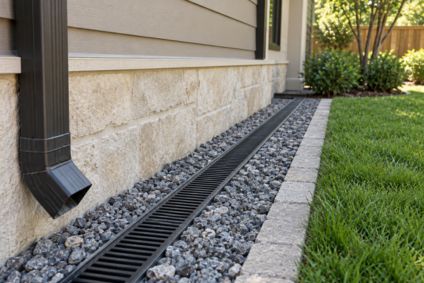
When you search for a landscape drainage company near me, you may see landscapers, hardscape crews, waterproofing firms, excavation companies, and handyman services. Some may be great. Others may not be the right fit for a system that must last.
Use these points before you choose a contractor:
- Relevant project work: Ask if they install French drains often and if they have handled cases like yours.
- Clear diagnosis: They should explain the likely cause, not just the install they want to sell.
- Named materials: The estimate should list pipe type, gravel, filter fabric, basins, cleanouts, and outlets when they apply.
- Drain route and discharge plan: You should know where the drain starts, where it runs, and where the water exits.
- Property care: Ask how they protect turf, planting beds, walk paths, soil, and cleanup.
- Licensing and insurance: Rules vary by area, but a real contractor should show the right papers.
- Warranty or work policy: Get any promise in writing so the terms are clear.
The lowest bid is not always the best value. Drainage work is mostly hidden after the job is done, so bad shortcuts may not show up until the next hard rain.
Questions to ask before hiring
The right questions can show fast whether a contractor has a real plan or is just pushing a quick install. Bring your concerns, photos of standing water, and notes about when the problem shows up.
Ask things like:
- What do you think is causing the drainage problem?
- Is a French drain the best fix, or are there other options?
- How deep and wide will the trench be?
- What type of pipe and fabric will you use?
- Will the pipe be perforated, solid, or both?
- Where will the water discharge?
- Will there be cleanouts or access points for upkeep?
- How will you protect plants and hardscape?
- What is included in cleanup and restoration?
- What could change the price once work starts?
Listen for clear, plain answers. A good contractor should not bury you in jargon, but they should be able to explain the plan and the reason behind it.
Drains are VERY effective. However, a good drain requires an investment. learn how to budget for your french drain here!
What does the installation process usually involve?
A typical French drain job starts with layout and utility marking. Once the route is set, the crew digs a trench with the right slope, lines it with drainage fabric, adds clean stone, sets perforated pipe where water needs to enter, and covers the system to cut down on sediment. Then they backfill and restore the area based on the agreed finish.
The exact steps depend on the yard. Some drains collect water along a foundation edge or a soggy lawn. Others connect to catch basins, downspout lines, or a discharge pipe that carries water to daylight. In tight areas, around mature plants, or near hardscape, the work may need more hand digging and more care.
You should also talk about upkeep. A well-built French drain should be low-maintenance, but no outdoor drainage system is free from sediment, roots, leaves, or damage. Cleanouts, good fabric, and smart discharge placement can make future care much easier.
Red flags when choosing French drain services
Some warning signs should slow you down before you sign a proposal. Drainage fixes can be costly to undo if the first install fails, so it pays to choose with care.
Be careful if a contractor:
- Gives a quote without checking the drainage path.
- Cannot say where the water will go.
- Offers the same fix for every yard.
- Uses vague words instead of clear material names.
- Ignores grading, downspouts, or discharge issues.
- Pushes you to decide on the spot.
- Has no photos, references, or similar jobs to show.
- Dodges questions about insurance, permits, or local rules.
A good contractor does not have to be the biggest company in town. Many strong french drain contractors are small local teams. What matters is careful diagnosis, clear talk, and correct work.
Preparing for an estimate visit
You can make the visit more useful by gathering a few details before the contractor arrives. Take photos or short videos during and after rain, especially if the water shows up in more than one spot. Note how long puddles stay, whether water moves toward the house, and whether the issue changed after landscaping, construction, or gutter work.
Before the visit, use this quick checklist:
- Mark the spots where water gathers.
- Note downspouts and where they drain now.
- List any basement, crawl space, or slab moisture issues.
- Point out irrigation lines, buried lines, or known utility areas.
- Share past drainage fixes or grading work.
- Decide which parts of the landscape you want to protect if you can.
This prep helps the contractor see the pattern instead of guessing from dry ground. It also gives you a better way to compare bids because each company is working from the same facts.
Choosing the right local partner
Finding the right contractor is not just about typing drain installation near me and calling the first result. It is about choosing someone who can connect the visible sign with the hidden cause and design a system that fits your property. The best french drain services will explain the tradeoffs, respect your yard, and give you a clear plan before work begins.
If you are comparing a few options, start with contractors who focus on drainage, ask detailed questions, and request written bids that spell out the materials, route, discharge point, and restoration work. If you need a reliable local partner, look for a landscape drainage company near me or a yard drainage company near me that can show real results.
A good French drain is an investment in a drier, more usable yard and better water control around your home. Take the time to hire well, and you are more likely to solve the problem instead of chasing it from one wet spot to the next.
Not convinced on why you need a foundation drain still? Read more about why foundation drains matter today.