
Travertine Porcelain Tile: Design Ideas and Tips
Travertine porcelain tile recreates the appearance of travertine stone in a manufactured porcelain surface, offering a stone-inspired option for floors and walls. It combines the visual appeal of natural stone with porcelain’s practical maintenance benefits. This article explores design pairings, layout decisions, and product checks to help you choose a look that suits your room—not just the showroom.
What is travertine porcelain tile?
Travertine porcelain tile is porcelain manufactured to resemble travertine rather than tile cut from natural stone. Digital printing allows porcelain to reproduce stone-like markings, while the underlying material remains porcelain. The distinction matters: you are choosing the appearance of travertine with a different material specification and care routine.
You may encounter descriptions such as porcelain travertine, faux travertine tile, or travertine-like porcelain tile. Treat these as descriptions of appearance, not sufficient proof of performance. Check the actual product information before deciding where it belongs.
Porcelain is a category of ceramic tile defined by water absorption of 0.5% or less. If you are comparing porcelain with ceramic tile that looks like travertine, confirm whether the latter is non-porcelain ceramic and review its intended applications. Appearance alone does not establish suitability for your project.
Start with the room’s color palette
For a soft, welcoming scheme, consider ivory or sandy travertine look porcelain alongside oak cabinetry, creamy paint, and understated textiles. Prefer stronger contrast? Try a warm neutral tile with dark cabinetry or black metal accents, keeping other patterns restrained.
Build your palette around the materials that are staying. Bring tile samples beside your countertop, cabinet finish, and wall paint rather than judging each separately. Your goal is a combination you enjoy together, not a collection of individually attractive samples.
Try these starting points:
- Warm minimalism: Pair pale travertine style porcelain tiles with light wood, simple cabinet fronts, and linen-colored upholstery.
- Earthy contrast: Combine a beige tile with olive cabinetry, muted terracotta accessories, and warm metal finishes.
- Quiet contemporary: Try a restrained neutral tile with clean-lined furniture, off-white walls, and a few charcoal accents.
Before committing, place several samples flat in the room. Review them during daylight and under your evening lighting, then compare your favorites against the finishes they will touch.
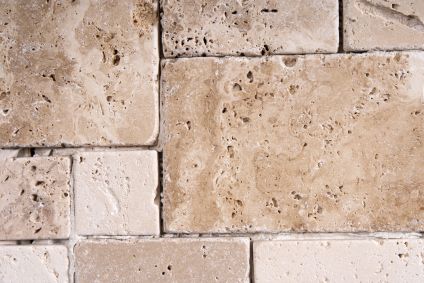
Balance the stone pattern with quieter surfaces
Use tile that looks like travertine as the starting point for your room rather than adding it after every other finish is selected. If your sample has prominent directional markings, consider plain cabinet fronts and a restrained countertop. If you prefer layered patterns, choose one surface to lead and let the others support it.
For a bathroom concept, try travertine look tile across the main floor with a simple painted vanity and an uncluttered mirror. In a kitchen, consider it beneath wood cabinetry with a backsplash that does not compete for attention. For an open-plan room, test the sample against both dining and living furniture before ordering.
Ask to see multiple full tiles or an installation display. Use that review to decide whether you like the overall pattern distribution, not merely one attractive corner of a sample.
How should you lay out 12x24 travertine-look porcelain tile?
Start a travertine look porcelain tile 12x24 layout with a dry arrangement that tests direction, perimeter cuts, and alignment at doorways. Consider a straight stack or a manufacturer-approved offset rather than assuming a half-offset brick pattern is appropriate. Large rectangular tiles can have curvature that makes some staggered arrangements more prone to uneven adjacent edges, known as lippage.
Arizona Tile recommends an offset no greater than 33% for staggered rectangular tiles 15 inches or longer unless the manufacturer specifies otherwise. Follow your selected product’s instructions and discuss the pattern with your installer before work begins.
Use the planning stage to resolve these details:
- Choose a primary viewpoint. Review the layout from the doorway or main approach, not only from the room’s center.
- Compare both directions. Rotate the dry arrangement and decide which relationship to cabinets, walls, and adjoining flooring you prefer.
- Review perimeter cuts. Ask your installer to show where narrow pieces would fall before approving the starting line.
- Test grout visually. Compare a close color match with a contrasting option using physical samples.
If you have an existing pergola with a brushed concrete floor, travertine will look amazon on top!! Want to take it a step further? Install amazing outdoor light fixtures!
Match the product to its location
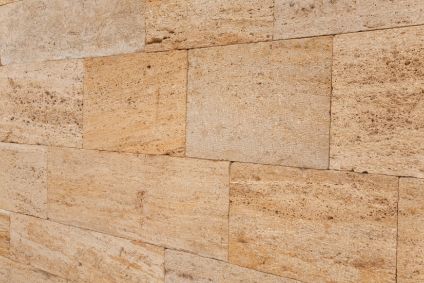
Choose travertine look porcelain floor tile using its documented application suitability, not its name or finish alone. A product selected for a wall is not automatically an appropriate floor choice. Review the manufacturer’s floor-use guidance and relevant performance information for the exact tile.
For shower floors, ask specifically about suitability for that application rather than extending approval from the bathroom floor. For outdoor projects, confirm exterior and freeze-thaw suitability where relevant; porcelain’s low absorption does not make every product frost resistant. Keep these checks separate from your aesthetic shortlist.
Plan for straightforward maintenance
Before buying porcelain tile that looks like travertine, read its cleaning instructions alongside those for the grout. Plan to remove loose dirt regularly and use a manufacturer-approved cleaner, following dilution and rinsing directions. Product-specific guidance matters, particularly for polished or textured finishes.
Do not assume every porcelain tile travertine look-alike needs the same sealing treatment. Ask whether the chosen tile requires any pre-grout treatment and whether the grout needs sealing. Daltile, for example, recommends pre-sealing or grout release before grouting its porcelain products to help with cleanup; that is distinct from a universal ongoing sealing schedule.
Bring the whole scheme together
The right travertine look porcelain tile should satisfy both your design preferences and your project requirements. Narrow your choices with samples, review several tiles together, and settle the layout and grout before installation. Then confirm application suitability and care instructions so your final choice is one you understand as well as enjoy. Make sure you partner with a professional hardscape installer!