
Choosing the Right Outdoor Light Fixtures in Plano TX
The right outdoor light fixtures make your home safer, easier to use, and more welcoming after dark. From exterior garage lighting to backyard lights, each fixture should have a clear job, not just fill space. A simple plan helps you choose outdoor lighting solutions that look good and work well for your home.
What should outdoor lighting do for your home?
Outdoor lighting for house exteriors should improve visibility, show off key features, and create a calm feel without overwhelming the property. Good residential exterior lighting balances practical needs, such as seeing steps and doors, with softer effects that make patios, gardens, and walkways feel inviting. Instead of relying on one outdoor bright lights fixture to cover everything, the best results usually come from layers of focused, well-placed light.
A useful first step is to walk around your home at dusk. Look for places where you need a light from outside to unlock a door, guide guests along a path, or see the edge of a driveway. Also watch for glare that might bother neighbors, shine into windows, or make your yard feel harsh.
Start with the areas that need light most
Not every part of the exterior needs the same kind of fixture. A front entry, garage, garden bed, and backyard seating area all have different jobs to do. Choosing the right light fixture outside begins with matching style, brightness, and placement to the location.
Key areas to consider include:
- Entry doors: Use an outside light for house entrances that makes faces, locks, steps, and house numbers easy to see.
- Garage and driveway: Outdoor garage door lights and exterior garage lighting help with parking, trash bins, tools, and evening arrivals.
- Walkways and steps: Low fixtures, path lights, or led yard lights can reduce trips without creating glare.
- Patios and decks: Backyard lights outdoor should feel relaxed, not like a parking lot.
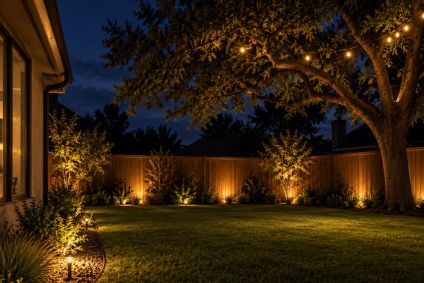
- Gardens and landscaping: Exterior garden lights and led garden lights can define planting beds, trees, and borders.
- Fences and edges: Backyard fence lighting adds depth and helps outline the property after sunset.
This step also helps you avoid buying outdoor lights that look attractive in a store but do not solve the lighting problem you actually have.
Fixture types that work well outside
Exterior lighting fixtures come in many forms, and each one serves a different role. Wall sconces are common beside doors, porches, and garages because they provide direct, accessible light where people enter and exit. Post lights or an outdoor yard lamp can guide visitors near gates, driveways, or garden paths, especially where wall mounting is not available.
For landscape accents, exterior spotlight fixtures can highlight a tree, textured wall, flag, or design detail. Use them carefully, because a spotlight that is too strong or aimed poorly can create glare. For broader coverage, outdoor electric lights on patios, pergolas, or covered spaces can support dining, grilling, and conversation.
If you want a classic look, outdoor lamps for house exteriors can bring warmth to porches and sitting areas. If performance and power use matter most, an outdoor lamp led option or exterior led fixtures may be a better fit. Many homeowners now choose exterior led lighting systems because they can provide reliable light in a wide range of styles, from subtle pathway lights to brighter security-focused fixtures.
How bright should exterior lighting be?
Exterior light should be bright enough to support the task, but not so bright that it feels harsh or unsafe to look toward. For entries and garage areas, moderate brightness with a shielded or diffused design often works better than a bare, intense bulb. For paths, gardens, and patios, lower light levels placed closer to the ground can feel calmer and look better.
Think in layers:
- Safety lighting for steps, locks, walkways, and level changes.
- Task lighting for grilling, parking, carrying groceries, or using tools.
- Accent lighting for trees, stonework, planters, and design features.
- Comfort lighting for seating areas, decks, and casual gatherings.
This layered approach keeps outside lights for yard areas useful without turning the whole property into one flat wash of light. It also makes backyard lights feel more planned, because every fixture has a job.
Choose materials and finishes for real outdoor conditions
A fixture that looks great indoors may not survive wind, rain, heat, cold, or daily sun. When shopping for outdoor light fixtures, look for products made for exterior use and suited to the mounting location. Covered porches, open walls, and exposed garden areas may need different ratings and materials.
Finish matters too. Dark bronze, black, brushed nickel, and other common finishes can all work, but they should relate to your home's trim, hardware, roofline, or landscape design. The goal is not to match every detail perfectly; it is to make exterior led lighting systems, wall lights, and garden fixtures feel like part of one plan.
A practical selection checklist:
- Choose exterior-rated fixtures for wet or damp exposure.
- Make sure the fixture size suits the door, wall, post, or garden bed.
- Avoid exposed bulbs where glare will be uncomfortable.
- Coordinate finishes with existing hardware and architecture.
- Consider LED options for long-term convenience.
- Confirm that outdoor electric lights can be installed safely where you want them.
Where do LED fixtures make the biggest difference?
LED fixtures are especially useful where lights stay on for long periods, are hard to reach, or need steady performance. Exterior led fixtures work well for garages, paths, gardens, fences, and security areas because they are available in many brightness levels and fixture styles. An outdoor lamp led can also give the look of a traditional lamp with a more modern light source.
Use led garden lights for planting beds, low walls, and pathways where subtle guidance matters. Use led yard lights for driveways, side yards, or utility areas where stronger visibility may be needed. Around patios, choose warmer-looking LEDs when you want a softer mood, especially near seating and dining spaces.
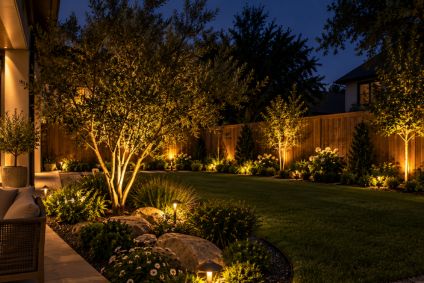
If you have an Evergreen style landscape, your little gem magnolias will look beautiful with some uplights!
Style should support your home, not compete with it
Outdoor lighting choices should complement the home's architecture. A modern home may look best with clean-lined exterior lighting fixtures, while a cottage, farmhouse, or traditional home may suit lantern-style outdoor lamps for house entrances. The fixture should stand out for the right reasons: proportion, finish, and glow, not excessive size or brightness.
If you are comparing options online, broad search phrases such as lights home outdoor may bring up everything from decorative string lights to security floodlights. Narrow the search by location and purpose instead: exterior garage lighting, exterior garden lights, backyard fence lighting, or outside night light options for entries and side doors. That makes it easier to find fixtures that solve a specific problem.
A simple plan before you buy
Before choosing final fixtures, sketch your property and mark where light is needed. Group those locations by purpose: entry, movement, security, landscape, and gathering. Then decide whether each spot needs a wall fixture, post lamp, spotlight, path light, or decorative fixture.
A balanced plan might include outdoor garage door lights for the driveway, a welcoming outside night light at the front door, led garden lights along a walkway, and softer backyard lights near a patio. For larger yards, outside lights for yard edges and an outdoor yard lamp near a gate can improve both function and appearance. The result is a home that feels easier to use after dark without relying on too many outdoor bright lights.
Final takeaway
Choosing outdoor light fixtures is less about finding one perfect product and more about building the right mix. Start with safety, add comfort, then use accent lighting to bring out the best features of your home and landscape. With the right exterior light plan, your outdoor spaces can feel brighter, safer, and more enjoyable every evening.
Q&A
Question: What is the first step in planning outdoor lighting for a home?
Short answer: Start by walking around the property at dusk and noting where light is really needed. Check entries, steps, walkways, driveways, patios, garden spots, and places where glare could bother neighbors or shine into windows. This helps you pick fixtures by use, not looks.
Question: Why is layered outdoor lighting better than using one very bright fixture?
Short answer: Layered lighting lets each fixture do one job, like safety, task lighting, accent lighting, or comfort. One bright fixture can create glare, flatten the space, and make it feel harsh. Several focused lights usually give better view and a warmer feel.
Question: Where are LED outdoor fixtures most useful?
Short answer: LED fixtures are most useful where lights stay on a long time, need steady output, or are hard to reach. They work well for garages, paths, gardens, fences, security areas, patios, and driveway zones because they come in many brightness levels and styles.
Question: How should homeowners choose the right brightness for exterior lights?
Short answer: Brightness should fit the job and location. Entries and garages often need moderate, shielded light, while paths, gardens, and patios often work best with lower, softer light near the ground. The aim is safe, easy use without glare.
Question: What should homeowners consider when selecting outdoor fixture materials and finishes?
Short answer: Outdoor fixtures should be rated for wet or damp use and built to handle sun, rain, wind, heat, and cold. Finishes should fit the home's trim, hardware, roofline, or landscape design so the lights feel like part of one exterior plan.
