
Benefits of Using Outdoor Tile for Patios in Plano TX
Outdoor tile can give a patio a coordinated look, a practical walking surface, and finishes that suit everything from garden seating to outdoor dining. Its benefits depend on choosing a product rated for the location and installing it as part of a properly drained exterior system. Here’s how to balance appearance, upkeep, and performance when planning your patio.
Why choose outdoor tile for a patio?
Outdoor tile combines design flexibility with surfaces suited to weather and regular foot traffic, provided the specific product is approved for those conditions. Outdoor patio tiles are available in stone, wood, and concrete looks, allowing you to shape the space without limiting yourself to one visual style. Outdoor porcelain tile also offers low water absorption and relatively straightforward routine care.
The real advantage is choice. You might want outdoor flooring for a patio that feels like an extension of your kitchen, or garden tiles that give a seating corner its own identity. Start with how you use the space: dining, relaxing, entertaining, or moving between doors and planting beds.
Think beyond the main rectangle, too. Coordinating patio tiles with front porch tiles or nearby landscape tiles can help separate areas feel intentional rather than pieced together. They need not match exactly; a shared color or texture can provide the connection.
Weather resistance starts with the right material

Not every attractive tile belongs outdoors. Exterior tile must suit the expected water exposure, temperature changes, and traffic. In freezing climates, confirm the manufacturer’s freeze-thaw suitability rather than assuming that a dense-looking surface will perform well.
Compare these options before choosing tile flooring for outside:
- Exterior porcelain tile: Low water absorption makes porcelain a strong candidate for outdoor use, but verify approval for your climate and installation.
- Outdoor ceramic tile: Consider only products explicitly approved for the proposed exterior application; the ceramic label alone does not establish suitability.
- Exterior stone tile: Ask about the particular stone’s exposure limits, finish, and sealing needs. Outdoor stone tile is not one uniform material with identical maintenance requirements.
For outdoor floor tiles, request technical information before ordering samples in quantity. A product suitable for a sheltered wall is not automatically appropriate for an exposed walking surface. The complete outdoor tiling system also needs compatible setting materials and allowances for movement.
How do you choose slip-resistant patio tiles?
Choose a tile whose manufacturer confirms suitability for your expected exterior walking conditions, including wet exposure. Products marketed as non slip outdoor tiles or exterior non slip tiles still require careful evaluation; texture, drainage, contamination, and maintenance all deserve attention. A finish description alone should not make the decision.
When comparing non slip tiles for outside, ask the supplier to explain the product’s slip-resistance information and intended applications. Discuss rain-exposed paths, entrances, and steps individually rather than treating every area alike. Outdoor tiles for porch projects should receive the same scrutiny as the main patio.
Use this shopping checklist:
- Confirm approval for exterior floors, not simply outdoor walls.
- Explain whether the area is covered, exposed, or frequently wet.
- Ask how to clean the selected finish without compromising its performance.
- Check drainage plans alongside the tile selection.
Want to take safety another step? Add Low voltage landscape lighting so you also se where you are walking!
Everyday care can stay manageable
Outdoor porcelain floor tile can be appealing if you want a surface with relatively simple routine cleaning. Sweep away loose debris, then use a cleaner appropriate for the tile and grout. Address spills promptly rather than treating stain resistance as permission to leave them indefinitely.
Maintenance should influence your sample selection, not become an afterthought. Ask for written care instructions and clarify whether the tile, grout, or stone requires sealing. Compare that routine with what you are realistically willing to do throughout the year.
Patio tile ideas that connect the whole space
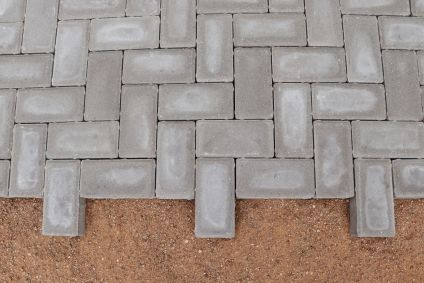
Build your palette around the house and garden before choosing a pattern. Gray outdoor tile could anchor a restrained scheme with timber furniture and leafy planting. Alternatively, consider warmer stone-inspired tones if you want the seating area to feel less formal.
Try these approaches when reviewing samples:
- Define a dining zone: Sketch a border around the table area before committing to a layout.
- Connect the entrance: Compare porch and patio samples together, alongside the door finish.
- Extend the palette vertically: Consider coordinating outdoor exterior wall tiles behind a seating area.
- Keep planting prominent: Test quieter colors beside pots, foliage, and existing masonry.
When using tiles on outside walls, specify the wall assembly separately from the floor. Likewise, porcelain deck tiles and balcony floor tiles need installation systems suited to their supporting structure, drainage, and waterproofing requirements. They are not interchangeable shortcuts for an ordinary patio installation.
Installation protects the investment
If you want non-slip outdoor patio tiles over concrete, have the slab assessed before choosing the finish. Cracks, contamination, poor flatness, and inadequate drainage can compromise the result. A tile covering cannot compensate for an unsuitable base.
Ask your installer to explain surface preparation, water management, compatible mortar, and movement joints. These details matter as much as the floor tiles’ exterior rating. Get the proposed assembly documented so you understand what supports the visible finish.
Choose performance before appearance
The best tile for an outdoor patio is the one that meets your site’s requirements and fits your maintenance preferences. Narrow the options by exterior suitability first, then compare samples for color, texture, and layout. That sequence keeps the project focused on a patio you can use and enjoy—not just admire.
Now if you want to choose performance AND appearance, pair a hardscape patio with some Desert style trees used in Plano and Southlake areas! Don't have enough knowledge about this style? Check our complete Xeriscape guide for Southlake and Plano backayrds!
FAQS
1. What is the best outdoor tile for patios in Plano, TX, and Southlake, TX?
Exterior-rated porcelain tile is one of the best choices for outdoor patios in Plano and Southlake, TX, because of its low water absorption, durability, and variety of design options. Slip-resistant porcelain and suitable natural stone tiles can withstand North Texas heat, seasonal rainfall, and occasional freezing temperatures when properly installed.
2. How long do outdoor patio tiles last in Plano and Southlake, TX?
High-quality outdoor patio tiles can last 20 years or more with proper installation and maintenance. In Plano and Southlake, TX, professional installation, adequate drainage, movement joints, and weather-resistant materials are essential for protecting patios against temperature fluctuations, moisture, and everyday wear.
3. Does Jaguar Landscape offer outdoor patio tile installation in Plano and Southlake, TX?
Jaguar Landscape offers premium landscaping and hardscaping solutions for homeowners in Plano and Southlake, TX. Whether you're upgrading an existing patio, designing a new outdoor living area, or creating a coordinated poolside landscape, Jaguar Landscape can help you plan an attractive, functional outdoor space that complements your home and lifestyle.