
Yard Drainage Solutions Near Me: A Homeowner's Guide
Yard drainage issues can cause serious problems for homeowners. Water pooling can lead to erosion and damage to your landscaping.
Finding effective options—often searched as "yard drainage solutions near me"—is crucial. It helps protect your property and maintain its value.
French drains and surface drains are popular options. They redirect water away from problem areas efficiently. Understanding the differences—commonly referred to as "french drain vs surface drain"—helps you choose the right fit.
Professional installation ensures these systems work properly and last longer. Local yard drainage contractors near me can provide customized solutions based on your yard's specific needs.
This guide will explore various drainage solutions and help you find the right professionals for the job.
Why Yard Drainage Matters
Proper yard drainage is essential for maintaining your home's integrity. Without it, water can accumulate and lead to serious issues.
Several problems may arise from inadequate drainage:
- Foundation damage
- Lawn erosion
- Flooded basements
Water pooling near your foundation weakens it over time. This can lead to costly repairs down the road. Furthermore, a soggy lawn is not just unsightly but can also kill grass and plants.
Flooding can damage basements, making them unusable and prone to mold growth. Thus, effective drainage solutions increase your home's livability.
By investing in proper drainage, you protect your home and outdoor spaces. With the right methods, you ensure these issues do not affect your property.
Common Yard Drainage Problems

Yard drainage issues affect many homeowners. These problems can manifest in several ways.
Key drainage issues include:
- Standing water in low areas
- Soil erosion on slopes
- Water seepage into basements
Standing water can become a breeding ground for mosquitoes. This issue can also create muddy patches that impede outdoor activities.
Erosion occurs when rain washes away topsoil. This can destabilize plants and disrupt landscaping.
Basement water seepage is particularly troubling. This can lead to structural damage and the growth of unhealthy mold.
Understanding these common problems is essential. Knowing what to look for can help you choose the best yard drainage solutions. With proper knowledge, you can address these issues before they lead to major damage.
Overview of Yard Drainage Solutions
When it comes to resolving yard drainage issues, there are several effective solutions. Each method caters to specific problems and yard conditions.
Common drainage solutions include:
- French drains
- Surface drains
- Catch basins
French drains are ideal for redirecting water in flat areas. They consist of gravel and pipes that channel water away.
Surface drains quickly remove water from hard surfaces like driveways. This solution prevents pooling during heavy rainfall.
Catch basins are often used in conjunction with other systems. They collect excess water and direct it to larger drainage systems. By understanding these options, you can select the most appropriate solution for your yard's unique needs.
French Drains: How They Work and When to Use Them
French drains are a tried and true yard drainage solution. They are especially useful for areas prone to standing water.
The system involves a trench filled with gravel and a perforated pipe. Water infiltrates through the gravel and enters the pipe, which directs it away.
French drains are excellent for properties with poor natural drainage. They help prevent water from pooling in your yard.
Consider a French drain if your property has a high water table. They effectively manage excess groundwater, protecting foundations and landscaping.
French drains are also beneficial around house foundations. They stop water from seeping into basements and causing mold or structural damage.
Key benefits of French drains include:
- Effective for flat or low-lying areas
- Prevents basement flooding
- Long-lasting when properly installed
Consult with a local expert to ensure a French drain is right for your specific drainage needs. Work with experienced french drain contractors to design proper depth, slope, and discharge locations. To gather bids, search for a licensed french drain installation company near me or compare reputable french drain installers near me in your area.
Surface Drains and Catch Basins: Fast Water Removal
Surface drains and catch basins provide efficient water removal for flat surfaces. These systems quickly channel water away from problem areas.
Surface drains are ideal for paved areas like driveways and patios. They can handle heavy rainfall by swiftly directing water into the drainage system.Catch basins act as collection points for excess water. They trap debris and direct water to an underground system, preventing flooding.
Key functions of surface drains and catch basins include:
- Fast removal of surface water
- Prevention of pooling on paved surfaces
- Reduction of debris entering the drainage system
These systems are less invasive compared to French drains. They can be installed quickly, ensuring minimal disruption to your property. For best results on paved areas, schedule professional catch basin installation near me to manage heavy runoff and meet local requirements.
To choose between these options, consider your yard's specific needs. Surface drains and catch basins can be adapted for both residential and commercial properties.
French Drain vs Surface Drain: Which Is Best for Your Yard?
Choosing the right drainage system can be challenging. Understanding the differences between French drains and surface drains is crucial.
French drains are perfect for yards prone to groundwater issues. They redirect subsurface water effectively, preventing soil saturation.
On the other hand, surface drains address immediate surface water collection. They're ideal for areas with significant rainfall on impermeable surfaces.
Consider the following when deciding:
- Water Source: Is the issue above or below ground?
- Cost: Compare installation and maintenance expenses.
- Aesthetics: Which system suits your landscape design?
This french drain vs surface drain decision should reflect your water source, budget, aesthetics, and local regulations. Weighing these factors will help identify the best option for your yard. Both systems are valuable but serve different purposes. Selecting the right one ensures efficient water management and long-term yard health.
The Role of Yard Grading and Erosion Control
Proper yard grading is crucial for effective drainage. Without it, water may pool and cause damage. Grading ensures that water flows away from structures, keeping foundations safe.
Erosion control is equally important. It prevents soil from washing away, maintaining the landscape's integrity. Erosion can lead to unsightly and costly damage if left unaddressed.
Here are methods to manage grading and erosion:
- Sloping: Directs water flow naturally.
- Retaining Walls: Stabilizes soil on slopes.
- Vegetation: Slows water runoff and holds soil in place.
These strategies work together to protect and preserve your outdoor space. By implementing grading and erosion control, your yard remains functional and beautiful. It's an investment in long-term property health and value. If erosion persists, consult yard erosion companies near me for tailored stabilization solutions.
Choosing the Right Drainage Solution for Your Property
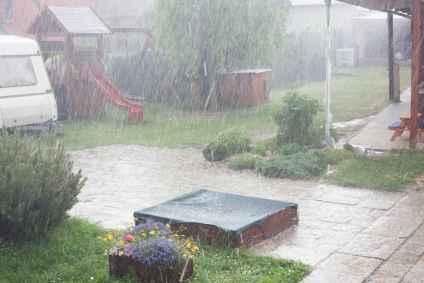
Selecting the right drainage solution depends on your yard's conditions. Factors like soil type, slope, and rainfall affect the choice. Understanding these elements helps in making informed decisions.
Consulting with professionals can provide insights specific to your property. They assess the site and recommend the best options tailored to your needs. Such guidance ensures effectiveness and longevity.
Consider the following aspects when choosing a drainage solution:
- Budget: Determine how much you're willing to invest.
- Maintenance Needs: Evaluate the required upkeep for each solution.
- Aesthetic Impact: Consider how it blends with your landscape.
Carefully considering these factors ensures you choose the most suitable system for lasting results.
Finding Yard Drainage Contractors Near You
Locating reliable yard drainage contractors in your area can simplify the installation process. Start by searching terms like "yard drainage contractors near me," "french drain contractors near me," and "catch basin installation near me" to build a shortlist. Many homeowners also browse reviews when looking for "french drain contractors" with proven results.
Start by researching local companies and reading online reviews. Customer feedback often highlights the quality of service and satisfaction levels.
Networking is another effective method. Ask friends or neighbors for recommendations based on their experiences. Personal references are invaluable in identifying trustworthy professionals.
Ensure the contractors you're considering offer comprehensive services. Look for those who provide:
- Detailed assessments and consultations.
- Clear timelines and project estimates.
- References from past clients.
By following these steps, you'll find contractors who fit your needs and offer peace of mind.
What to Expect from Professional Installation
Hiring professionals for your yard drainage installation ensures quality and long-lasting results. These experts handle every detail, from design to execution, maintaining high standards.
During installation, you can expect:
- Accurate site evaluations.
- Custom drainage system designs.
- Meticulous attention to local regulations.
Experienced contractors focus on minimizing disruptions to your daily life and landscape. They work efficiently, ensuring the drainage system integrates seamlessly with your yard. This approach not only solves immediate drainage issues but also adds long-term value to your property.
Maintenance Tips for Long-Lasting Drainage Systems
Regular maintenance keeps your drainage system efficient and reliable. Inspect the components periodically for any signs of wear or blockages that could hinder performance.
Here are some key maintenance tips:
- Clear debris from grates and openings regularly.
- Inspect trenches and pipes for clogs.
- Ensure catch basins are free from accumulated sediment.
Incorporate these simple tasks into your routine maintenance schedule. Consistent care prolongs the life of your drainage system and protects your property from potential water damage.
Frequently Asked Questions About Yard Drainage
Homeowners often have questions about managing yard drainage effectively. Understanding the key aspects can ease concerns and aid decision-making.
Here's a list of common questions:
- How often should drainage systems be inspected?
- What signs indicate drainage problems?
- Can I install a drainage system myself?
- Are permits needed for yard drainage installations?
These questions highlight the importance of proper drainage management. Knowing the answers can help maintain yard health and curb potential issues before they escalate.
Conclusion: Protect Your Home with the Right Drainage Solution
Investing in effective yard drainage solutions can safeguard your property from water damage. By selecting the appropriate system, you can prevent flooding, erosion, and soil degradation.
Whether you choose a French drain or surface drain, professional guidance ensures optimal results. Protecting your landscape not only enhances your home's appeal but also its longevity and value. Prioritize your drainage needs today to enjoy a worry-free, resilient, and sustainable outdoor space for years to come.
Q&A
What are the most common signs that I have a yard drainage problem?
Short answer: Look for standing water in low spots, soil erosion on slopes, and water seeping into your basement. Persistent puddles can kill grass, create muddy areas, and even become mosquito breeding grounds. Pooling near the foundation can weaken it over time, potentially leading to costly repairs and mold growth.
French drain vs surface drain—how do I choose the right system?
Short answer: Match the system to your water source and yard conditions. French drains handle subsurface and groundwater issues (high water table, flat or low-lying areas, near foundations) by channeling water through a gravel-filled trench and perforated pipe. Surface drains collect and move water off hard, impermeable areas (driveways, patios) quickly during heavy rain. Weigh water source (above vs below ground), budget, maintenance, aesthetics, and local regulations to decide.
What role do catch basins play, and when are they useful?
Short answer: Catch basins act as collection points that trap debris and direct excess water into an underground system, reducing flooding and protecting downstream pipes. They’re often paired with surface drains to manage runoff efficiently, especially around paved areas where fast removal of surface water is critical.
Do I really need professional installation, and how do I find yard drainage contractors near me?
Short answer: Professional installation helps ensure correct design (depth, slope, discharge), compliance with local regulations, and long-term performance. To find qualified help, search terms like “yard drainage contractors near me,” “french drain contractors near me,” or “catch basin installation near me,” then compare reviews, ask for detailed assessments, timelines, estimates, and references. Experienced pros minimize disruption and tailor solutions to your property.
How should I maintain my drainage system to keep it working?
Short answer: Build simple checks into your routine maintenance. Clear debris from grates and openings, inspect trenches and pipes for clogs, and keep catch basins free of sediment. Regular attention helps prevent blockages, extends system life, and protects your home and landscape from water damage.
Looking for drain system installers? Contact us today!
