
Understanding the Importance of Exterior Drainage The Importance of Exterior Drainage
You hear heavy rain drumming on the roof, but the real concern often goes unnoticed until you catch a faint, musty scent downstairs. Your house functions as a "home envelope," a sealed system designed to repel weather. While the roof acts as an umbrella, the grading around your walls serves as the raincoat. If that barrier fails, water turns from a garden necessity into a direct threat to your foundation health. Understanding the Importance of Exterior Drainage starts with recognizing how outdoor drainage manages water drainage before it reaches your home.
Although many believe waterproofing happens inside, industry experts agree that a dry interior starts with a robust exterior drainage system (a water drainage system designed to move runoff away). Oversaturated soil eventually shifts, leading to "structural settling"---where the ground sinks beneath your footing. This movement cracks concrete and jams doors, potentially turning a wet lawn into a five-figure repair bill. Effective foundation water damage prevention relies on moving water away before it ever touches your walls.
Summary
Exterior drainage is your home's first line of defense against water damage and foundation settling: capture and redirect runoff with clean gutters, extended downspouts, and positive grading. When soils saturate and hydrostatic pressure builds, use subsurface solutions---French drains for groundwater and catch basins with solid piping---to relieve pressure. Watch for early warnings like efflorescence, musty odors, sticking doors, drywall cracks, and mosquito swarms, and follow simple seasonal maintenance to keep systems working and avoid costly repairs. Pair outdoor drainage upgrades with simple yard drainage maintenance to sustain performance season after season.
The First Line of Defense: Grading and Gutters
Your roof acts like an umbrella, but the ground around your home must serve as the raincoat. If the soil slopes toward your foundation, that umbrella is just dumping water directly into your basement. To check this, visualize a "Marble Test" on the dirt next to your wall: would a marble roll away into the yard or back against the house? Achieving positive landscape grading for proper runoff requires the ground to slope away, ideally dropping six inches over the first ten feet. If not, this is how to improve drainage in yard areas quickly: regrade low spots and redirect runoff with simple yard drainage solutions.
Catching rain at the roofline is only half the battle; you must also control where that water lands. Many homes rely on short splash blocks that dump gallons of water directly onto the foundation's vulnerable footing. To prevent this, gutter downspout extension benefits become clear when you pipe the water at least six feet away from the structure, bypassing the critical soil zone that presses against your walls. Where piping is needed, consider connecting to a solid yard drainage pipe (also called an outdoor drainage pipe) to carry flow farther from the house, or use a shallow landscape drain in low spots to intercept surface runoff.
Effective yard water drainage relies on three coordinated elements working together:
- Clean Gutters: To capture roof runoff immediately.
- Downspout Extensions: To transport water past the danger zone (the 6-foot rule).
- Positive Grade: A 5% slope to guide overflow harmlessly to the lawn.
These straightforward yard drainage solutions are often the fastest way to improve yard water drainage without major excavation.
While proper surface grading manages immediate runoff, distinct challenges arise when water sinks below the surface.
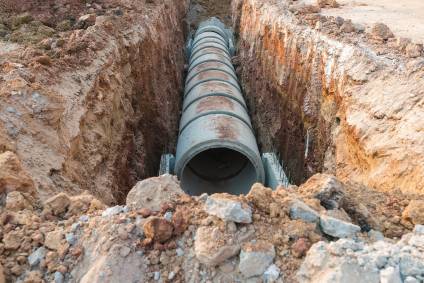
Why Soil Acts Like a Balloon: Defeating Hydrostatic Pressure
Even with perfect surface grading, water eventually soaks into the ground. Think of the soil surrounding your home like a giant sponge. When it rains heavily, that sponge fills up until it creates a condition known as saturation. Once full, the water accumulates weight and pushes outward, much like an over-inflated balloon pressing against your hand. This force, called hydrostatic pressure, pushes directly against your basement walls and floors with immense force, relentlessly searching for a way in.
While concrete looks solid, it acts like a hard sponge full of microscopic pores that allow moisture to wick through. Many homes sit in a "clay bowl" where loose backfill soil traps water against the structure. Over time, that pressure forces liquid through pores and creates foundation cracks. Learning how to divert water away from house foundation areas is critical to avoid costly hydrostatic pressure foundation repair. To stop this invisible attack, you need a subsurface water drainage system designed to relieve that pressure before it builds, improving drainage for lawns and foundations alike and complementing other drains and drainage measures.
Subsurface Secrets: French Drains and Catch Basins
To relieve the hydrostatic pressure threatening your foundation, you need a subsurface solution that acts like a pressure release valve. This is the primary job of a French drain . Unlike standard plumbing, this system uses a perforated pipe---a tube filled with tiny holes---buried inside a trench of crushed stone, known as aggregate. The gravel creates an easy path for groundwater to flow into the pipe, while a protective wrapping of filter fabric ensures that dirt and roots don't clog the system, allowing it to function for decades. In many landscapes, this assembly is informally called a landscape drain and is built with perforated landscape drainage pipe or lawn drainage pipe.
Conversely, if your problem is visible pooling water rather than soggy soil, a catch basin is likely the better tool. Think of this as a storm drain for your lawn; it uses a box with a top grate to capture surface runoff from downspouts or low spots. Because it handles rapid flow, it usually connects to a solid yard drainage pipe rather than a perforated one. This ensures water is transported away quickly without leaking back into the ground, effectively preventing the "lawn lake" effect. A solid run of outdoor drainage pipe also keeps discharge moving toward a safe outlet. Paired together, these components can form a reliable backyard drainage system using readily available outdoor drainage supplies and other drainage supplies. If sprinklers or hoses worsen puddling, adding an irrigation drain that ties into your yard drains can further stabilize wet zones.
Identifying whether you need a deep French drain or a surface-level catch basin depends on specific symptoms:
- French Drain: Best for general soil saturation and groundwater control.
- Catch Basin: Essential for collecting localized surface puddles.
- Complex Grading: Some properties may require catch basin and sump pump integration to mechanically move water away.
Early Warning Signs: How to Spot Drainage Red Flags
Sometimes the most dangerous water damage is the kind you don't see until it leaves a calling card. If you spot a chalky, white powder on your basement walls or exposed foundation, you aren't looking at mold, but efflorescence . This residue appears when dissolved minerals are left behind after water pushes through porous concrete, a clear signal that moisture migration is occurring and hydrostatic pressure is building against your home. Beyond the walls, fixing crawl space moisture issues often begins by observing the local ecosystem; an unusual spike in mosquitoes or termites usually points to hidden soil saturation nearby.
5 Signs Your Drainage System Is Failing:
- Efflorescence: White, powdery mineral deposits on masonry.
- Sticking Doors: Frames warping due to minor foundation settling.
- Musty Odors: Persistent dampness rising from basements or crawl spaces.
- Mosquito Swarms: Breeding grounds in overlooked puddles.
- Drywall Cracks: jagged fissures appearing above windows or doors.
Once you identify what are signs of poor yard drainage , the decision shifts to execution. Minor backyard standing water solutions, like extending a downspout or digging a shallow swale, are manageable DIY projects. For homeowners wondering how to fix poor drainage in yard or how to fix a drainage problem in the yard, start with downspout extensions, regrading, and adding a landscape drain near low spots. If you need ideas, explore practical backyard drainage ideas that pair catch basins with solid piping. When problems persist, consider how to fix backyard drainage by installing a French drain or upgrading to a larger yard drainage pipe; those facing recurring saturation may ultimately look at how to fix bad drainage in yard areas with professional design help.
If you live in Howe, contact Dragons Landscaping!
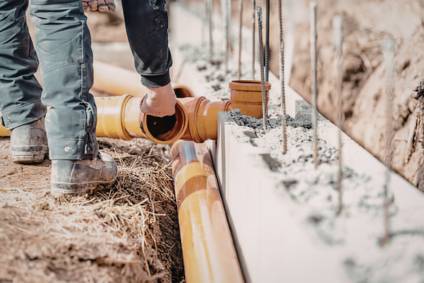
Protecting Your Investment: A Seasonal Maintenance Roadmap
You no longer have to guess why a basement feels damp or a lawn stays soggy. By viewing your roof as the umbrella and your grading as the raincoat, you can clearly see how yard drainage systems protect your home's foundation. This knowledge transforms water from a silent enemy into a manageable element.
Effective drainage requires active stewardship, not just a one-time installation. When planning how to create drainage in yard spaces, basic outdoor drainage supplies---such as catch basins, yard drains, and solid piping---are often enough to build a dependable exterior drainage system. Adopt this 15-minute routine to maintain your property's health:
- Spring Gutter Check: It is important to take the time to clear any debris from the downspouts in your gutters in order to make sure that water can flow through them properly. This will help prevent blockages and ensure that rainwater is directed away from your home effectively.
- Fall Grade Inspection: It is important to check that the soil is sloping away from the walls of the structure. This ensures proper drainage and helps prevent any potential water accumulation near the foundation, which could lead to structural issues over time. Be sure to assess the surrounding areas, making any necessary adjustments to maintain the proper grading.
- After a storm has passed, it is important to clear away any debris that may have accumulated. This includes unclogging any grates and catch basins to ensure that water can flow freely. Taking the time to remove leaves, branches, and other materials will help prevent flooding and maintain proper drainage in the area. Regular maintenance is essential for keeping our environment safe and functional.
With consistent drainage maintenance , you can confidently discuss sustainable storm water management for homeowners with contractors, knowing exactly how to keep your home safe and dry. And if you're still asking how to fix drainage in yard trouble spots, a licensed pro can design a tailored water drainage system that integrates the right yard drainage solutions for your site.
Q&A
Why focus on exterior drainage instead of just interior waterproofing?
Short answer: Because keeping water away from your home is more effective and preventative than trying to manage it after it arrives. A robust exterior drainage system captures and redirects runoff before it touches your walls, reducing soil saturation and hydrostatic pressure---the outward push of water-saturated soil on your foundation. This helps prevent structural settling, cracks, musty interiors, and expensive repairs. Interior measures can help, but a dry interior starts with exterior control of water.
How can I tell if my yard is graded correctly, and what slope should I aim for?
Short answer: Use the "Marble Test": imagine placing a marble at the soil next to your foundation---does it roll away into the yard or back toward the house? Proper "positive" grading should slope away from the foundation, ideally dropping about six inches over the first ten feet (roughly a 5% slope). If water or soil slopes toward the house, regrade low spots and pair the fix with clean gutters and downspout extensions to move roof runoff past the vulnerable zone.
When do I need a French drain versus a catch basin?
Short answer: Match the tool to the symptom. For general soil saturation and groundwater pressure, install a French drain: a perforated pipe set in crushed stone and wrapped in filter fabric to collect and relieve subsurface water. For visible surface puddles and concentrated runoff, use a catch basin (a grated box) connected to solid yard drainage pipe to move water quickly to a safe outlet without leaking back into the ground. Complex sites with tough grades may need catch basins tied to a sump pump for mechanical discharge.
What are the early warning signs that my drainage is failing?
Short answer: Look for: efflorescence (white, powdery mineral deposits on masonry), musty odors from basements or crawl spaces, sticking doors from minor settling, mosquito swarms breeding in overlooked puddles, and drywall cracks above doors or windows. Efflorescence, in particular, signals moisture migrating through porous concrete as hydrostatic pressure builds---an indication that water is pressing against your foundation and needs to be redirected.
What simple steps and maintenance keep exterior drainage working?
Short answer: Start with the three essentials: clean gutters to capture roof runoff, downspout extensions to carry water at least six feet from the foundation, and positive grading (about a 5% slope) to guide overflow away. Then follow a quick seasonal routine: spring gutter check (clear downspouts), fall grade inspection (confirm soil slopes away), and post-storm debris clearing (unclog grates and catch basins). If wet areas persist, add a landscape drain or catch basin; for recurring saturation, consider a French drain or consult a pro for a tailored design.