
Finding French Drain Installation Near Me in Plano, TX
Is your lawn still squishy three days after the rain stops, or does your basement carry a stubborn musty smell? Dealing with standing water in backyard spaces in Plano, TX isn't just a frustrating nuisance; it often feels like a stressful, constant battle against nature itself. If you're already searching for french drain installation near me in Plano, you're on the right track to a lasting fix.
Rather than fighting the elements, the smartest approach is simply giving water a path of least resistance. According to residential structural engineers, the real property danger is rarely visible surface runoff, but rather invisible subsurface water flow. As surrounding soil saturates—especially in Plano’s clay-heavy soil conditions—it creates hydrostatic pressure, a heavy, relentless force pushing inward against your foundation. A proper yard drainage system in Plano, TX acts as an underground relief valve, quietly intercepting this rising groundwater and carrying it safely away before structural damage occurs.
Properly installed systems can provide a dry yard and complete peace of mind for 20 to 30 years. Before hiring a local contractor, identifying the three warning signs of foundation-threatening pressure ensures you choose the right underground defense. Many homeowners in Plano start by comparing quotes from french drain contractors near me or a yard drainage company near me in Plano, TX to confirm scope and timelines.
Summary
French drains offer long-term relief by redirecting subsurface water and relieving hydrostatic pressure on foundations. Proper performance hinges on gravity-driven slope (the “marble test”), correct pipe orientation, and durable materials like non-woven geotextile and washed stone. Homeowners in Plano, TX should weigh exterior vs. interior systems, understand cost per linear foot, and vet contractors with key technical questions. A compliant discharge plan (daylighting, pop-up emitters, or dry wells) plus simple maintenance via cleanouts helps keep the system clog-free for 20–30 years.

The 'Marble Test' Logic: How Gravity and Slope Keep Your Basement Dry in Plano
Before digging, remember the golden rule of landscaping: water naturally flows downhill. Gravity is infinitely more reliable for exterior drainage than trusting a mechanical sump pump that might fail during a severe storm in Plano, Texas. Whether you are fixing a stubbornly soggy yard or grading a lawn for better runoff, your goal is simply giving water an easier escape route.
Creating this path requires a precise angle called a slope ratio. The standard rule is a one-inch drop for every eight feet of trench length. Think of the "marble test"—a marble placed on the trench bottom, known as its invert elevation, must naturally roll toward the exit point. This basic math is vital when figuring out how to install a curtain drain properly. Experienced french drain installers in Plano, TX verify this slope with a transit level before backfilling.
Surprisingly, your drainage pipe's holes must face the dirt. When wrapping a perforated pipe with filter fabric, homeowners often mistakenly aim the holes up to catch falling rain. Actually, groundwater rises from the trench floor, entering those bottom-facing holes before gravity quietly pulls it away.
Mastering these unseen mechanics guarantees your trench relocates moisture instead of trapping it. With gravity working in your favor, the next step is determining whether an exterior or interior system provides the best defense for your home. A landscape drainage company in Plano can evaluate your site and recommend the most effective option.
Exterior vs. Interior French Drains: Selecting the Best Defense for Your Plano Home
Protecting your home means intercepting water, but exactly where you catch it depends on your specific symptoms. An exterior French drain catches moisture before it ever touches your masonry. A shallow "curtain drain" handles surface yard water, while a deeper "footing drain" (sometimes called weeping tiles) sits down at your foundation's base. This provides vital hydrostatic pressure relief for foundation walls, easing the heavy weight of wet soil so water safely flows away rather than forcing its way through your concrete. Where erosion or pooling issues are present, many homeowners in Plano, TX pair drainage with grading solutions to prevent future damage.
When weighing an interior vs exterior French drain, consider this practical comparison:
Primary Purpose: Exterior drains stop moisture outside; interior drains manage water after it breaches the wall, preventing basement water seepage from ruining your floors.
Excavation & Cost: Exterior footing drains demand deep, expensive outdoor trenching. Interior systems require jackhammering the basement perimeter, which is generally less expensive.
Discharge Method: Exterior drains can often "daylight" (empty naturally above ground using gravity), while interior setups almost always require a motorized sump pump.
Deciding between the two usually comes down to your existing investments. Tearing up expensive landscaping pushes many toward an interior fix, whereas a fully finished basement makes the exterior route much more appealing. Regardless of which boundary you defend, the underground pipe needs proper armor—specifically geotextile fabric and gravel—to survive and remain clog-free. If you're unsure, many irrigation and drainage companies in Plano, TX offer on-site assessments to weigh these trade-offs.
The Anatomy of a Clog-Free System: Why Geotextile Fabric and Gravel Matter
Digging a trench is just the beginning; the materials inside determine if your system lasts decades or fails quickly. Ask any french drain contractor in Plano, TX about non-woven geotextile fabric and washed stone; these are nonnegotiable for long-term performance. The foundation of this defense is non-woven geotextile fabric for landscape drainage. Unlike cheap plastic weed barriers used in gardens, this heavy-duty material acts like a giant coffee filter. It allows water to slip through effortlessly while completely blocking mud and silt from invading your clean system.
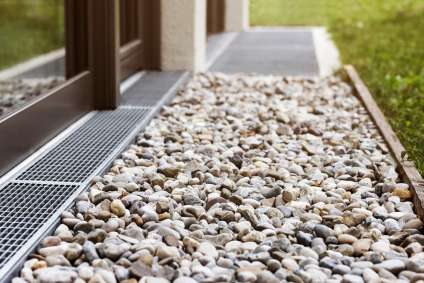
Inside that protective liner goes your filter media. Professionals use 3/4 inch washed stone as the best gravel for drainage projects because it maximizes "void space." These empty gaps between the rocks create a path of least resistance for water to drop down quickly. Always insist on "washed" stone, as unwashed gravel contains tiny rock dust that eventually turns into a clogging mud—especially problematic in Plano’s soil conditions.
Water falls through those rocks into a perforated pipe with filter fabric securely wrapping the whole trench like a burrito. Never make the common mistake of dumping excavated dirt back into this trench, as soil immediately suffocates the flow. Using proper materials protects your property and ensures the investment lasts, which directly impacts the total project cost.
Budgeting for a Dry Yard: Calculating Cost Per Linear Foot in Plano
Figuring out your total bill starts with a simple tape measure. When requesting estimates from yard drainage companies in Plano, TX, expect pricing calculated per linear foot, meaning you pay for trench length rather than a flat project rate. However, seasoned drainage contractors in Plano know that site accessibility heavily influences this number. Narrow fence gates that force crews to dig by hand instead of using heavy machinery will quickly inflate your labor expenses.
Depth is the next major variable determining your estimate. Catching soggy surface runoff takes far less effort than excavating deep into the soil down to your home's footings. As you collect quotes from local professionals in Plano, expect these standard price tiers based on trench depth:
Shallow yard drains: $30 to $50 per foot
Foundation depth drains: $60 to $100+ per foot
Interior basement drains: $50 to $90 per foot
Beyond the physical digging, your budget must account for invisible logistical costs. Calling 811 for utility marking is a free, non-negotiable step, but municipal permits in Plano, TX may carry fees. Comparing a proposal from a french drain installation company in Plano with a broader drainage company in Plano, TX helps benchmark scope and pricing.
If you want to learn more, click this link for more french drain information.
Vetting Your Local Drainage Specialist in Plano
Hiring the right professional is the difference between a permanently dry yard and an expensive mud puddle. When vetting a french drain installation company in Plano, TX, you need a true specialist rather than a general landscaper. Qualified experts prioritize safety by coordinating utility locations and installing cleanouts for long-term maintenance.
To confidently evaluate Plano drainage companies, require clear answers to these five essential questions before signing a contract:
Do you use a transit level?
What type of fabric do you use?
Where is the discharge point?
Are you insured?
Do you handle 811 calls?
How a contractor responds reveals their expertise and reliability.
Finding the Exit: Drainage Solutions for Plano Properties
Gathering water is only half the battle; safely discharging it is the real challenge. Releasing it too close to your foundation just recycles the problem, so water must travel a safe distance away. The easiest exit is "daylighting," where the pipe empties onto a downward slope—when available in Plano neighborhoods.
Flatter lots often require alternatives like pop-up emitters or dry wells. Many homeowners in Plano, TX combine systems for optimal performance depending on yard layout and drainage limitations.
Maintenance and Longevity for Plano Homeowners
A properly installed underground system can last 20 to 30 years, providing long-term peace of mind. However, maintaining a drainage system in Plano, TX requires keeping its pathway clear.
Protect your investment by:
- Inspecting exit points after storms
- Flushing cleanouts twice a year
- Managing nearby landscaping
If problems arise, contacting a drainage repair company in Plano early can prevent costly damage.
Your Action Plan for a Permanently Dry Property in Plano
You no longer have to stare at a swampy lawn and wonder how to fix it. Instead of merely treating symptoms, you now understand how to redirect water using proper drainage design. A professionally installed system protects your foundation and restores your outdoor space.
To move forward, trace where your excess water originates during heavy rain. Then search for french drain installation near me in Plano, TX and contact local providers for quotes. With the right system in place, you can enjoy a dry, functional yard for decades.
Q&A
What problem do French drains solve, and why is subsurface water more dangerous than surface runoff in Plano, TX?
Short answer: French drains intercept rising groundwater before it pressurizes your foundation. In Plano, TX, where clay soil tends to retain water, saturation creates hydrostatic pressure—a constant inward push against masonry that can force moisture through walls and slabs. A properly installed French drain acts like an underground relief valve, giving water a low-resistance path away from the house. By redirecting subsurface flow (the real culprit, more than visible surface runoff), a well-built system can keep your yard and basement dry for 20–30 years.
What is the “marble test,” and how should the perforated pipe be oriented for drainage systems in Plano?
Short answer: The marble test confirms your trench has a gravity-friendly slope: aim for about 1 inch of drop for every 8 feet of run so a marble placed on the trench bottom (invert elevation) naturally rolls toward the outlet. Experienced drainage contractors in Plano, TX verify this with a transit level before backfilling. Just as important, the perforated pipe’s holes must face down toward the soil, not up—groundwater rises from the trench floor, enters those bottom holes, and then gravity carries it to the discharge point.
Should I choose an exterior or interior French drain for my Plano home?
Short answer: Choose based on where you want to intercept water and what you’re willing to excavate. In Plano, TX, exterior systems are often preferred because many homes are slab-on-grade and benefit from stopping water before it reaches the foundation. Exterior systems stop moisture outside (curtain drains for yard water; footing drains for hydrostatic relief), while interior systems catch water after it seeps in. Exterior drains often “daylight” by gravity, while interior drains usually need a sump pump. A Plano drainage specialist can assess your property and recommend the best option.
What materials and build details keep a French drain clog-free for decades in Plano soil conditions?
Short answer: Non-woven geotextile fabric and 3/4-inch washed stone are nonnegotiable—especially in Plano’s dense clay soil. The fabric lines the trench like a coffee filter, letting water pass while blocking silt. Washed stone maximizes “void space,” creating easy flow paths and avoiding the fine dust in unwashed gravel that turns to mud. The perforated pipe sits in this stone bed, and the assembly is wrapped so the trench functions like a filtered “burrito.” Never backfill with excavated soil. Including cleanouts also allows Plano homeowners to maintain the system long-term.
How much will a French drain cost per linear foot in Plano, TX, and what affects pricing?
Short answer: Typical ranges in Plano, TX are: shallow yard drains $30–$50/ft; foundation-depth exterior drains $60–$100+/ft; interior systems $50–$90/ft. Costs increase with depth, soil conditions, and accessibility (such as tight side yards common in Plano neighborhoods). Calling 811 for utility marking is free, but permits may add fees. Comparing quotes from multiple drainage companies in Plano helps confirm pricing, materials, and proper discharge solutions like pop-up emitters or dry wells.
If you are looking for a drainage company, contact us here.