
Evergreen Landscaping Ideas for Year-Round Curb Appeal
Picture this: it is the middle of January, the colorful autumn leaves are long gone, and the vibrant summer flowers are a distant memory. For many homeowners, winter means staring out at a barren, brown yard. But it doesn't have to be this way. By incorporating evergreen landscaping into your outdoor space, you can maintain a lush, vibrant environment regardless of the season.
Whether you are starting from scratch or looking to upgrade your existing yard, partnering with a reputable evergreen landscape company can transform your property into a resilient, four-season sanctuary. Let's explore the profound benefits of evergreen landscaping and how you can implement these strategies to elevate your home's exterior.
The Core Advantages of Evergreen Landscaping
Evergreens are the workhorses of the garden. While other plants go dormant and lose their foliage, evergreens hold their color and shape all year.
Mastering Year-Round Curb Appeal
When evaluating year-round curb appeal strategies, nothing beats the consistency of evergreens. A well-designed evergreen landscape ensures your home looks inviting and well-maintained in July and January alike. This continuous visual interest prevents your home from looking abandoned or bleak during the colder months, making evergreens some of the absolute best plants for winter interest.
The Foundation of Your Garden
One of the most significant benefits of permanent structural plantings is the visual anchor they provide. Evergreens act as the "bones" of your garden. They frame your house, define garden beds, and create a permanent backdrop that makes your seasonal flowers pop. Without this structure, gardens can look messy and disorganized.
Striking the Right Balance in Your Yard
A common mistake homeowners make is relying entirely on one type of plant. To create a dynamic and visually appealing yard, you need variety.
Deciduous vs. Evergreen Plants
When designing your yard, understanding the deciduous versus evergreen landscaping pros and cons is crucial.
- Evergreens provide constant color, reliable structure, and excellent privacy. However, they generally offer less dramatic seasonal change.
- Deciduous plants drop their leaves in the fall but provide spectacular seasonal displays—spring blossoms, lush summer canopies, and fiery autumn colors.
The best landscapes use both. Evergreens provide the steady, reliable background, while deciduous trees and colorful perennial plants provide seasonal highlights that keep the garden feeling alive and changing.
Top Plant Choices for Lasting Impact
Selecting the right plants is the cornerstone of a successful landscape design. Fortunately, there is an evergreen for almost every situation, soil type, and aesthetic preference.
Evergreen Shrubs and Bushes for Structure
Integrating evergreen bushes for landscaping is an easy way to build low-level structure. Consider classics like Boxwood for formal, manicured borders, or Rhododendrons for a mix of broadleaf evergreen foliage and stunning spring flowers. Junipers are also fantastic, offering a rugged texture and a variety of shades from deep green to silvery blue.
Trees for Compact Spaces
Not everyone has an expansive estate, but that shouldn't stop you from enjoying evergreen trees. There are numerous coniferous tree varieties for small yards that won't overwhelm your space.
- Dwarf Alberta Spruce: A classic, cone-shaped tree that grows very slowly and fits perfectly in tight corners.
- Sky Pencil Holly: A narrow, columnar shrub that grows vertically, taking up almost no horizontal space.
- Slender Hinoki Cypress: Offers elegant, twisting branches and a compact footprint.
These small evergreen trees for landscaping allow you to add vertical interest and elegance without crowding out your patio or blocking your windows.
Practical Functions of an Evergreen Garden

Beyond aesthetics, evergreen landscapes serve highly practical purposes that improve your daily quality of life.
Privacy and Noise Reduction
Living in close proximity to neighbors or busy streets can sometimes disrupt your peace at home. Creating privacy screening using tall hedge varieties like Arborvitae or Leyland Cypress is an attractive, eco-friendly alternative to building a wooden or vinyl fence.
Furthermore, these thick screens act as natural sound barriers using dense foliage. The thick needles and leaves of evergreens absorb and deflect urban noise, significantly dampening the sounds of traffic, neighborhood chatter, and lawnmowers.
Eco-Friendly and Sustainable Choices
Modern homeowners are increasingly looking for ways to reduce their environmental footprint. By implementing sustainable year-round landscaping techniques, you can save water, reduce chemical use, and support local ecosystems.
Creating a low maintenance evergreen garden design starts with choosing the right plants for your specific climate. Knowing how to choose drought resistant shrubs is a major part of this. Look for deep-rooted evergreens like specific varieties of Juniper or Mugo Pine that require minimal supplemental watering once established. Because they don't drop their leaves all at once, evergreens also reduce the need for heavy autumn cleanup and yard waste disposal.
Planning and Maintaining Your Evergreen Landscape
A thriving landscape doesn't happen by accident. It requires careful planning, appropriate plant selection, and consistent care.
Knowing Your Environment
Before purchasing a single plant, you must consult a USDA hardiness zone plant selection guide. This map divides North America into zones based on minimum winter temperatures. Choosing evergreens rated for your specific zone ensures that your new plants will survive local freezes and thrive in your specific climate. Planting a shrub meant for Zone 8 in a Zone 5 garden will only lead to disappointment and wasted money.
If you are located outside of the DFW, a landscape company in Howe that we recommend is Dragons Landscaping!
Preparing for the Cold
While evergreens are resilient, they still need a little help to get through harsh winters unscathed. Here is a brief, step by step winter garden preparation guide to protect your investment:
- Deep Watering: Evergreens continue to lose moisture through their needles in winter. Water them deeply in late fall before the ground completely freezes.
- Apply Mulch: Spread a 2-to-3-inch layer of organic mulch around the base of your plants to regulate soil temperature and retain moisture. Keep the mulch away from the actual trunk to prevent rot.
- Wind Protection: For young or sensitive broadleaf evergreens, set up a burlap screen to block harsh, drying winter winds.
- Snow Management: Gently brush heavy, wet snow off evergreen branches with a broom to prevent them from snapping under the weight.
The Value of Professional Maintenance
While many homeowners enjoy a DIY weekend project, the long-term health of a complex garden often benefits from professional oversight. Implementing a full service landscape maintenance schedule with a local landscaping crew ensures your evergreens are properly pruned, fertilized, and monitored for pests.
Professionals also understand the nuances of seasonal landscaping—knowing exactly when to apply dormant oils in the winter, when to fertilize in the spring, and how to manage irrigation in the summer heat.
Bringing It All Together: The ROI of Professional Landscaping
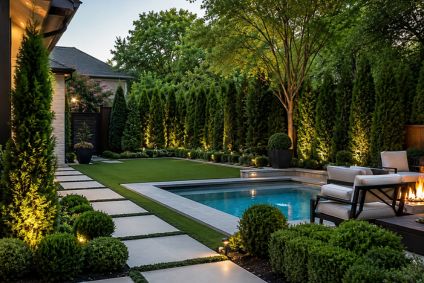
If you are planning a major outdoor renovation, you might wonder why hire a certified landscape architect. A certified professional brings a wealth of knowledge regarding spatial design, soil science, and horticulture. They can seamlessly blend your aesthetic desires with the practical realities of your land's drainage, sunlight exposure, and soil pH.
Furthermore, a well-executed landscape design is a distinct financial asset. Increasing property value with professional landscaping is a well-documented phenomenon in real estate. Buyers are consistently drawn to homes with mature, low-maintenance, and attractive yards. An evergreen landscape signals to a buyer that the property is cared for and offers immediate, year-round beauty without demanding hours of exhausting yard work every weekend.
Final Thoughts
Investing in an evergreen landscape is one of the smartest decisions you can make for your home. By thoughtfully combining different textures, sizes, and shades of green, you can build an outdoor space that provides privacy, reduces noise, and offers enduring beauty through every season.
Whether you are looking to plant a few drought-resistant shrubs or completely overhaul your yard with the help of a premier evergreen landscape company, the benefits of permanent, vibrant foliage cannot be overstated. Start planning your evergreen oasis today, and enjoy a vibrant, living landscape no matter what the calendar says.
Q&A
Question: What makes evergreens the backbone of year-round curb appeal?
Short answer: Evergreens keep their color and form through every season, so your yard looks inviting in both July and January. They act as the “bones” of the garden—framing the house, defining beds, and providing a steady backdrop that makes seasonal flowers and foliage stand out. This consistent structure prevents the winter landscape from looking barren or neglected.
Question: Should I use only evergreens, or mix them with deciduous plants?
Short answer: Use both. Evergreens supply reliable color, privacy, and structure, while deciduous trees and perennials deliver spring blooms, lush summer canopies, and dramatic fall color. Relying on just one plant type can make a yard feel flat; combining them creates a dynamic, organized, and visually engaging landscape year-round.
Question: Which evergreen shrubs and compact trees offer big impact in small spaces?
Short answer: For low-level structure, choose shrubs like Boxwood (formal borders), Rhododendron (broadleaf evergreen with spring flowers), and Juniper (rugged texture in greens to silvery blues). For tight spots, opt for compact forms such as Dwarf Alberta Spruce (slow-growing, cone-shaped), Sky Pencil Holly (narrow, vertical), and Slender Hinoki Cypress (elegant, compact). These add vertical interest without crowding patios or blocking windows.
Question: How do I choose and care for evergreens so they thrive in my climate?
Short answer: Start with the USDA hardiness zone map and pick plants rated for your zone to avoid winter losses. For sustainability and low maintenance, select drought-resistant options like certain Junipers or Mugo Pine that need minimal water once established. Before winter, protect plants by deeply watering in late fall, applying a 2–3 inch mulch layer (kept away from trunks), setting up burlap wind screens for young or sensitive broadleaf evergreens, and gently brushing off heavy, wet snow to prevent branch breakage.
Question: Is hiring a professional worth it for evergreen landscaping?
Short answer: Yes. A certified landscape architect blends your aesthetic goals with site realities like drainage, sun exposure, and soil pH, creating a resilient, cohesive design. A full-service maintenance team handles correct pruning, fertilizing, pest monitoring, and seasonal tasks (e.g., dormant oils, spring fertilization, summer irrigation management). Professionally executed evergreen landscapes are attractive, low-maintenance, and can increase property value by signaling year-round beauty and care to potential buyers.