
Top Evergreen Shrubs for Landscaping and Year-Round Beauty
Evergreen shrubs for landscaping are some of the best shrubs for your yard. They add year-round beauty to your property and provide structure to contrast with flowers and other plants. Many evergreen shrubs for landscaping can be used in conjunction with perennials and annuals to add color in the spring, summer, and fall.
There are many styles to use evergreen shrubs in your garden. They can be used formally in a boxwood hedge or more informally as a privacy shrub or to line a border.
They are some of the best plants for landscaping because they require less maintenance than deciduous shrubs and trees. The best evergreen shrubs for landscaping can thrive in a variety of climates and on different types of soil.
Some of the most popular evergreen shrubs are Boxwood, Holly, and Juniper. They are all excellent options because they have their own unique characteristics and uses. Some of the best evergreen shrubs for landscaping are used as privacy shrubs or as part of a wildlife habitat. They can be used with other evergreen trees for landscaping to add height and create a layered look.
Why Choose Evergreen Shrubs for Landscaping?
Evergreen shrubs are a great choice because they are evergreen—meaning they keep their leaves all year long and are a constant source of structure and color in your garden.
They are also great because they are low maintenance.
The plants are so versatile and can thrive in so many different climates and with so many different soils.
Because evergreen shrubs are so dense, they are also a great natural privacy screen and sound barrier.
There are many different varieties of evergreen shrubs, and they have a variety of different textures and colors. Many evergreen shrubs have long, thin, needle-like foliage. Some have broad leaves. And while many evergreen shrubs are a deep green color, there are also many that have leaves of blue, gold, and other colors.
Benefits of Choosing Evergreen Shrubs:
- Evergreen shrubs provide year-round greenery.
- They are low maintenance.
- They are very adaptable to different climates and soils.
- Evergreen shrubs are very effective privacy barriers.
Key Benefits of Evergreen Shrubs in Your Landscape
Evergreen shrubs bring much value to any landscape. The consistent color and structure that they bring to your garden provide a great anchor for other plants and offer much versatility in all types of gardens, formal or informal.
There are many different sizes and shapes of evergreen shrubs that can add much depth to any garden.
For the wildlife lover, evergreen shrubs can form excellent habitats for birds and beneficial insects, providing them with shelter and food all year round.
Many evergreen shrubs also have the added benefit of controlling erosion on slopes. By holding the soil on the slope, they can prevent runoff and keep your garden looking its best.
Advantages of Evergreen Shrubs:
- The shrubs bring consistent color and structure to your garden.
- They are very versatile and can be used in a wide variety of different gardens.
- The evergreen shrubs provide excellent habitats for wildlife.
- They control the erosion on slopes.
Top Evergreen Shrubs for Landscaping
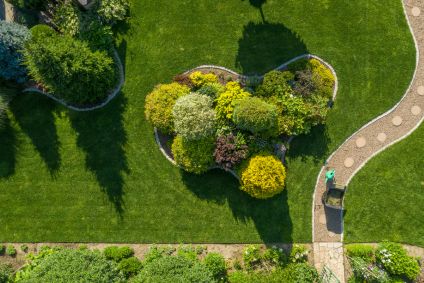
Selecting the best shrubs for your landscaping can be a challenging task. There are so many varieties to choose from, but one of the best options for any season is an evergreen shrub. These beautiful bushes bring a touch of timelessness to any yard and can be used for a variety of purposes, such as providing privacy or adding accents throughout your garden.
With so many varieties of evergreen shrubs, they can add a lot of different elements to your garden. For example, there are low-growing evergreen bushes such as Junipers that can be used as ground cover. There are also tall evergreen trees like Yews that can be used as a dramatic accent in your yard. By incorporating a variety of evergreen bushes into your landscaping, you can add a lot of different elements to your garden.
Another great benefit to evergreen shrubs is that they are relatively low-maintenance. This is especially ideal for individuals with busy schedules because they can still have a healthy and beautiful garden. Many varieties of evergreen bushes can thrive in different climates and can even be deer-resistant, making them a great choice for those living in rural or suburban areas. By choosing deer-resistant varieties, you can ensure that your landscaping stays beautiful and is not affected by pests.
Below are some of the top choices for landscaping with evergreen bushes:
- Boxwood (Buxus)
- Holly (Ilex)
- Juniper (Juniperus)
- Rhododendron & Azalea
- Yew (Taxus)
- Camellia
These evergreen bushes for landscaping provide a variety of options for those looking to add different elements of beauty and functionality to their garden, while also providing interest for each season.
Boxwood (Buxus)
Boxwoods are some of the most classic evergreen bushes used in landscape design. Because of their dense growth, they can be used to create hedges and can also be used as individual specimens in the landscape. Boxwoods are very versatile and can thrive in a variety of different soil types, but they do require regular pruning in order to maintain their shape and promote new growth.
Advantages:
- Classic evergreen bushes for hedges
- Versatile in a variety of different soils
- Requires regular pruning
Holly (Ilex)
With bright red berries, Holly is a beautiful evergreen shrub that can add a lot of different elements to your landscape. The bright red berries can remain on the shrub throughout the winter, adding bright splashes of color to an otherwise dull season. In addition to their bright berries, Holly shrubs have glossy and spiked foliage, adding texture to your landscape. Many varieties of Holly can be used to create a border or can be used as individual specimens in the landscape. They can also be used in a mixed border with other flowers and plants. Because of their evergreen nature, Holly can be used throughout the year to provide privacy in your yard.
Advantages:
- Bright red berries throughout the winter
- Glossy and spiked foliage for texture
- Great for privacy in your yard
Juniper (Juniperus)
There are many varieties of Juniper bushes, but they are all known for being very adaptable and able to thrive in a variety of different conditions. Many varieties of Juniper are even drought-tolerant, making them a great option for those with limited water resources. In addition to their ability to thrive in a variety of different conditions, Juniper bushes also come in a variety of different shapes and sizes. Some varieties of Juniper are low-growing and can be used as ground cover, while others can be taller and more upright. Some varieties of Juniper even have unique foliage colors, such as blue or gold. This variety of shapes, sizes, and colors makes Juniper bushes a very versatile option for landscaping.
Advantages:
- Drought-tolerant
- Varieties come in a wide range of shapes and sizes
- Unique foliage colors such as blue or gold
Rhododendron & Azalea
There are many different varieties of Rhododendron and Azalea, but they are all known for their spectacular spring blooms. These beautiful flowers can come in a variety of different colors, including pink, purple, and white. Because of their bright and beautiful flowers, Rhododendron and Azalea are often used as a landscaping element in cooler climates and partial shade. These evergreen bushes are able to thrive in a variety of different conditions, but they do prefer acidic soil in order to promote the best growth. In addition to their spectacular spring blooms, Rhododendron and Azalea are also known for their evergreen nature, meaning that they remain green throughout the year and can be used as a landscaping element throughout every season.
Advantages:
- Spectacular spring blooms
- Prefers cooler climates and partial shade
- Requires acidic soil
Yew (Taxus)
Many varieties of Yew bushes are long-lived and can be quite hardy, making them a great option for landscaping. One of the most recognizable features of Yew bushes is their dark green and dense foliage. Because of their dense growth, Yew bushes can be used to create hedges or to fill in empty spaces in the landscape. Many varieties of Yew are also able to thrive in a variety of different lighting conditions, but they do prefer well-draining soils in order to promote the best growth. In order to maintain the classic shape of a Yew bush, regular pruning is necessary. However, with regular pruning, Yew bushes can be a long-lasting and beautiful element in your landscape.
Advantages:
- Long-lived
- Varieties can thrive in a variety of different lighting conditions
- Formal garden favorite
Camellia
With their beautiful winter blooms, Camellias are a great option for landscaping with evergreen bushes. These beautiful flowers can come in a variety of different colors, including pink, red, and white, and typically bloom from fall to early spring. Because of their beautiful winter blooms and evergreen nature, Camellias are often used as a landscaping element in mild climates with moist, well-draining soils and partial to full shade. In addition to their beautiful blooms, Camellias also have glossy leaves that are similar to that of Hollies. These evergreen bushes are able to add a touch of elegance to any garden, while also providing interest throughout the winter months.
Advantages:
- Beautiful winter blooms
- Require moist soils with partial to full shade
- Numerous flower colors
Choosing the Right Evergreen Shrubs for Your Garden
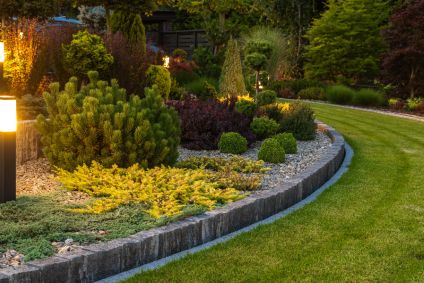
Choosing the right evergreen shrub to plant in your garden involves a number of factors to consider. The first thing to consider is the local climate and soil that you have in your garden. There are some shrubs that prefer to be in full sun and other shrubs that prefer to be in full shade.
Next, you need to decide the purpose of your planting. Are you looking for privacy in your garden or just a number of plants to be focal points throughout your garden? Knowing what you want to achieve with your planting will enable you to choose the best plants for your needs.
Another important thing to consider is the size of your shrubs and their growth habits. Will your chosen shrubs grow to be the right size for the space that you have in your garden for them to grow in, alongside your other plants?
Also, think about the different colors and textures of the foliage on your plants and how they will look throughout the year. By choosing plants with different colors and textures, you can add depth to your garden and make it more interesting throughout the year.
Factors to consider when choosing your plants are:
- the climate and soil type
- the amount of sun or shade that your chosen plants will get
- the growth habits of your chosen plants and their ultimate size
- the colors and textures of the foliage on your chosen plants
If you are still unclear which design you prefer, looking into desert landscape styles here!
Design Ideas with Evergreen Shrubs for Privacy, Plant Borders, and Accent Spaces.
Natural Privacy Screens – Use evergreen shrubs to create a beautiful privacy screen. Use the taller varieties to create a barrier and a beautiful space while keeping prying eyes out.
Borders – Use low-growing evergreen shrubs to create borders for your garden. These are great for defining walkways and borders for your garden. Use these borders to give your garden structure and make it beautiful.
Accent Planting – Choose beautiful shrubs with great features, such as color and shape. Use these accent shrubs to highlight a beautiful water feature or statue, for example.
Design Tips:
- Tall shrubs for privacy
- Low shrubs for borders
- Unique features for accents
Planting and Caring for Evergreen Shrubs
Planting your evergreen shrubs is key to their optimal growth. We recommend planting in a spot that receives the right amount of sunlight and has well-draining soil. Be sure to plant them at the right spacing for the type of shrub you have.
Watering, mulching, and pruning your evergreen shrubs on a regular basis will also ensure they grow healthily. Keeping the soil moist and free from weeds will aid in maintaining the soil’s temperature and the levels of nutrients in it.
Pruning your evergreen shrubs will help to keep them the right size and shape, as well as encouraging vigorous growth to fill in any gaps and prevent overcrowding. It is also important to regularly trim your evergreen shrubs to keep them looking their best.
Caring Tips:
- Ensure your evergreen shrubs are getting enough water.
- Mulch around the base of the plants to keep the soil moist and to stop weeds from growing.
- Prune your evergreen shrubs to keep them the right size and shape and to encourage healthy growth.
Frequently Asked Questions About Evergreen Shrubs
What are the best evergreen shrubs for privacy?
Many evergreen shrubs can be used to create a privacy screen, such as Boxwood and Holly. These two plants have very dense growth that makes an excellent screen for your neighbors and also blocks the wind.
How often should I water my evergreen shrubs?
When planting new evergreen shrubs, it is very important to water them regularly until the shrubs are established. Once your evergreen shrubs are mature, they will need to be watered during dry weather to prevent root stress.
Can evergreen shrubs grow in shaded areas?
Yes, many of the evergreen shrubs are able to grow in partial shade. However, it is very important to read the plant description to see what type of conditions the plant requires.
Are evergreen shrubs low-maintenance?
Yes, most of the evergreen shrubs are very low-maintenance. They require occasional pruning and watering, and that is about it. They are perfect for the busy homeowner who wants a beautiful landscape.
How can I protect my shrubs in winter?
To protect your evergreen shrubs in the winter from harsh weather conditions such as cold weather and wind, it is a good idea to use mulch around the base of the plants. Also, you can use burlap to wrap around the shrubs to give them extra protection. This is especially important for shrubs that are planted on a very exposed site.
Can I plant evergreen shrubs in containers?
Yes, you can grow evergreen shrubs in containers. There are many compact varieties of evergreen shrubs that will do very well in pots. As with any container plant, it is very important to make sure that the pot has adequate drainage and that you water the plants according to the container size.
FAQs Recap:
- Best evergreen shrubs for privacy are Boxwood and Holly.
- New evergreen shrubs should be watered regularly until established.
- Some evergreen shrubs can thrive in shade.
- Most evergreen shrubs are low-maintenance.
- Protect evergreen shrubs from harsh winter weather.
- There are many evergreen shrubs that can be grown in containers.
When to Consult a Landscape Design Contractor
At times, it is wise to engage with a landscape design contractor for complex projects. These individuals have knowledge and experience with projects similar to your own garden.
Consider consulting when:
- Planning a large project
- Facing challenging terrain or difficult soil
- Designing a very complicated garden layout
They save time and make sure the design is able to be executed effectively in order to achieve long-term landscape success. To get started with your garden, look for a landscape design contractor near me and have them come to your home for a consultation and design plans. Then look for landscaping design companies near me to compare prices for a similar scope of work.
Conclusion: Enhance Your Landscape with Evergreen Shrubs
Add year-round interest to your garden with evergreen shrub plants. Some of these shrubs can be used as specimen plants in their own right, as well as being useful for hiding eyesores or screening out unwanted views.
As they are all evergreen, they provide lasting interest all year, and many are low-maintenance, so are ideal for busy people. Browse our variety of permanent shrub plants for the garden and improve your outdoor space.
Q&A
How do I choose the right evergreen shrubs for my garden?
Short answer: Start with your site and goals. Match shrubs to your climate and soil, note sun or shade conditions, and pick growth habits and mature sizes that fit the space. Clarify the purpose (privacy screen, border, or accent), then layer in foliage colors and textures for year-round interest. For added height and structure, pair shrubs with evergreen trees.
Which of the featured evergreens prefer sun versus shade?
Short answer: Junipers are sunny evergreens that thrive in dry, well-drained soils. Boxwoods can handle full sun to partial shade. Rhododendrons and azaleas prefer partial shade and cooler temperatures and slightly acidic soils. Yews tolerate a variety of light levels as long as the soil is well-drained. Camellias are partial to full shade evergreens in mild climates with moist, well-drained soils. Be sure to read about specific varieties’ needs as well.
What’s an effective way to use evergreen shrubs for privacy without overcrowding?
Short answer: Use taller, denser shrubs in staggered rows or plant them in straight rows to create a natural evergreen screen or sound barrier. Be sure to space them according to their growth specifications so they have room to fill in without competing with each other for water and nutrients. If you need taller coverage of trees as well to create a layered look, combine trees with shrubs that have dense structures. Prune regularly to maintain their desired shape.
What amount of maintenance do evergreen shrubs require, and what is involved with that maintenance?
Short answer: Most evergreen shrubs are very low-maintenance. Provide consistent water while evergreen shrubs are new to your garden and during periods of drought. Mulch around the base to retain moisture and to repel weeds. Prune as needed to keep them shaped, to encourage healthy growth, and to prevent overgrowth and overcrowding. Once they have matured, most evergreen shrubs need very little maintenance.
Do evergreen shrubs support wildlife, and can they be used to help control erosion on a hillside?
Short answer: Yes, evergreen shrubs support local wildlife such as birds and insects that feed on them year-round. The evergreen structure provides shelter from the elements for animals as well as a place to hide from predators. On hillsides, the roots of the shrubs hold the soil in place to prevent runoff and to deter erosion on slopes. This structure keeps your landscape intact and provides a beautiful backdrop for other plants and features.
Looking into getting your own evergreen landscape design? Contact us now!
