
Choosing the Right Landscape Design Company
Choosing a landscape design company in Plano means finding a team that can translate your priorities into a practical plan, explain its recommendations, and document exactly what it will deliver. This article helps you evaluate local experience, compare services and proposals, and ask useful questions before committing. Start with how you want the property to work—not simply how you want it to photograph.
How do you choose a landscape design company in Plano?
Choose a Plano landscape design company by comparing relevant completed projects, checking applicable credentials, discussing your property during a site visit, and reviewing a detailed written scope. Ask each candidate to explain its design decisions and identify who will manage installation and follow-up. Use the same project brief for every consultation so your comparisons reflect equivalent work.
If you begin by searching “landscape design companies near me,” treat the results as a starting list rather than a ranking of suitability. Ask candidates which Plano projects resemble yours and what role they performed. A firm that created a planting plan may not have installed the patio shown alongside it.
Before contacting companies, prepare a short brief:
- Your priorities: Identify the problems to solve, such as an exposed seating area, awkward walkway, or difficult-to-maintain beds.
- Your intended use: Explain who uses the property, including children, pets, customers, or maintenance crews.
- Your budget boundaries: Share an investment range and separate essentials from optional additions.
- Your maintenance commitment: Be honest about the time or ongoing service you are willing to fund.
Bring photographs, an available property survey, and a few inspiration images. Explain what appeals to you in each image rather than asking someone to reproduce it wholesale.
Look for Plano experience that matches your property
Request examples that resemble your project in size, conditions, and purpose. For a compact Plano backyard, ask to see how the designer balanced seating, circulation, planting, and access. For an office frontage, ask how the team approached entrances, signage visibility, and ongoing upkeep.
Look beyond the overall impression in portfolio photographs. Ask for close-ups of paving transitions, bed edges, steps, and planting arrangements. Request photographs taken after the landscape had time to grow, not only immediately after installation, and ask what has changed since completion.
During the site visit, invite the designer to explain what needs investigation before the plan is finalized. Soil, sunlight, slopes, and existing vegetation all influence water-smart landscape planning; a plant palette should follow those conditions rather than precede them. EPA guidance emphasizes assessing the site and matching plants to its conditions. (epa.gov)
For your Plano property, ask the team to identify drainage concerns, existing irrigation zones, and trees you want retained. Do not accept a confident planting recommendation as a substitute for discussing those constraints.
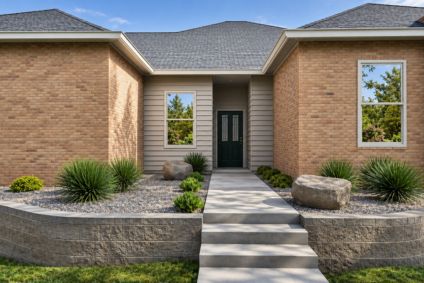
Match landscape design services to the job
Ask each candidate to separate design, installation, project oversight, and maintenance in its proposal. Define whether you are buying a concept, construction-ready documentation, or responsibility for delivering the finished landscape. Avoid assuming that every service mentioned during a consultation is included in the price.
For residential landscaping, describe everyday routines. Perhaps you need a clear route from the back door to a dining area, privacy beside a neighboring window, or planting beds that leave room for play. Ask the designer to show how the proposed layout serves those routines before discussing decorative details.
For commercial landscape design in Plano, make operational needs explicit: customer circulation, delivery access, visibility, maintenance access, and installation disruption. Plano’s zoning ordinance includes landscaping and tree-preservation provisions, so ask the team to identify which current requirements apply to your site and scope.
Use this service checklist when reviewing proposals:
- Design deliverables: Request the drawings, plant schedule, material selections, and number of revisions included.
- Installation responsibilities: Identify who handles preparation, planting, hardscape work, irrigation adjustments, and cleanup.
- Coordination: Name the person responsible for subcontractors, approvals, scheduling, and questions.
- Aftercare: Specify any walkthroughs, maintenance visits, irrigation instruction, or replacement coverage.
If design and installation are separate contracts, ask how questions and changes will move between the two teams.
What should sustainable landscaping include in Plano?
Sustainable landscaping should connect plant selection, soil care, irrigation, and maintenance to the conditions on your Plano property. Look for specific decisions rather than a general promise of an “eco-friendly” yard. EPA guidance supports regionally appropriate plants, grouping plants by water needs, and using mulch to support water-efficient landscapes.
Ask your designer to explain why each major plant belongs in its proposed location. Request mature dimensions, sunlight needs, and an outline of establishment care. For a bed beside a patio or walkway, ask how the planting will fit once it grows—not just whether it looks balanced on installation day.
Water planning deserves a separate conversation. Plano publishes seasonal watering guidelines, including restrictions on sprinkler use and provisions for new landscapes. Have the company check the current rules before scheduling installation and explain who will arrange any necessary watering variance.
Ask for an irrigation assessment alongside planting recommendations. EPA advises hiring professionals who understand water-efficient system design and can identify waste, including opportunities involving controllers, sensors, and sprinkler equipment. Request an explanation of the problem each proposed upgrade addresses rather than approving equipment by name alone.
Explore Landscape Design Styles in Plano
Choosing a landscape design style that complements your property's architecture and lifestyle is essential to creating a beautiful, cohesive outdoor space. Popular landscape design styles in Plano include modern landscaping with clean lines and minimalist plantings, traditional gardens with symmetrical layouts, and evergreen landscaping that provides year-round greenery using plants such as Little Gem Magnolias, boxwoods, and hollies. Desert-style landscaping offers a distinctive, water-efficient aesthetic featuring decorative gravel, natural boulders, agaves, yuccas, and ornamental grasses such as Pink Muhly, which adds soft texture and vibrant pink blooms in the fall. Other popular options include Mediterranean-inspired gardens, Texas native landscapes, and luxury resort-style designs featuring elegant hardscaping, outdoor lighting, and poolside gardens. An experienced landscape design company can help you select and combine these styles while considering your property's soil conditions, sunlight, maintenance requirements, and overall aesthetic preferences.
Verify credentials and ask references better questions
Check credentials against the work being proposed. If someone presents themselves as a landscape architect, verify their registration through the Texas Board of Architectural Examiners. Its consumer resources provide tools for checking both professionals and businesses.
For irrigation work, ask who the responsible licensed professional will be and verify the applicable credential through the Texas Commission on Environmental Quality. TCEQ distinguishes the responsibilities of landscape irrigators, irrigation technicians, and irrigation inspectors; a general claim that the company is “licensed” does not explain who will perform your work. (tceq.texas.gov)
Request current proof of insurance and clarify subcontractor responsibilities. If a firm mentions awards or certifications, ask who issued them and what they recognize. Treat them as supporting information, not a replacement for reviewing comparable projects.
With references, move beyond “Were you happy?” Ask:
- Did the installed work match the approved plan and written scope?
- How were unexpected conditions and additional costs presented?
- Who answered questions during construction?
- What happened when you requested a correction or follow-up visit?
For professional landscaping, use those answers to judge the working relationship as well as the finished appearance. Ask for a Plano reference with a project similar to yours whenever possible.
How can you compare landscaping proposals fairly?
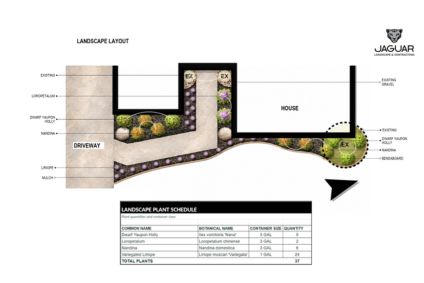
Compare proposals by scope, quantities, materials, responsibilities, and exclusions—not just the final total. First, confirm that every company is pricing the same priorities and deliverables. Then ask each bidder to explain any missing or differently described items before making a decision.
For planting work, request plant names, quantities, installation sizes, bed preparation, and mulch specifications. For patios or walkways, ask for dimensions, materials, preparation details, and how drainage will be addressed. Keep allowances clearly identified so you know which selections remain undecided.
Separate essential work from optional enhancements. If your budget calls for phases, ask the designer to explain the construction sequence and whether a later phase would disturb earlier work. Request a whole-property concept before approving an isolated first phase.
Before signing, make sure the agreement addresses:
- Payment milestones: Define what must be delivered or completed at each stage.
- Changes: Require written approval of scope and price changes before additional work proceeds.
- Timing: Record the expected sequence and how delays will be communicated.
- Completion: Define cleanup, the final walkthrough, care instructions, and unresolved-item handling.
- Coverage: Clarify warranty terms, exclusions, and your maintenance responsibilities.
Pause if a company pressures you to sign before answering these questions or declines to document important promises.
Choose a partner you can work with
For your Plano landscape project, favor the company that connects design choices to your needs and puts its responsibilities in writing. Attractive images matter, but ask for the reasoning, scope, and follow-through behind them.
Shortlist a few suitable teams, give them the same brief, and compare their responses. Choose the landscape design company whose proposal you understand—and whose approach fits how you want to use and care for the property.
