
Benefits of Installing a Channel Drain
Tired of navigating a mini-lake on your driveway every time it rains? That standing water isn't just an annoyance; it can damage your pavement and even seep toward your foundation. Fortunately, there's a sleek, effective solution that works a lot smarter than a traditional drain.
It’s called a channel drain, and it's essentially a long gutter installed flush with the ground. Covered by a grate you can walk or drive on, it looks like a clean line across your patio or in front of your garage. Think of it as a discreet, built-in barrier against puddles.
Here’s how it works so well: unlike a single, round drain that water has to find, a channel drain intercepts water along its entire length. It catches all the runoff over a wide area, channeling it into a hidden pipe that carries the water safely away from your property for good.
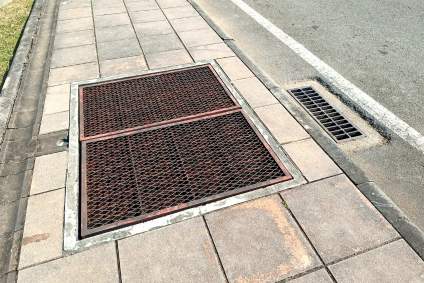
The #1 Benefit: Stop Costly Water Damage to Your Foundation and Garage
When water collects against your home, it does more than just create a muddy mess. All that pooled water builds a steady, powerful push against your foundation. Over time, this constant pressure can force moisture through tiny cracks in the concrete, leading to a damp basement, mold growth, and the kind of structural damage that is incredibly expensive to fix. A channel drain intercepts that water before it ever gets a chance to build up, actively protecting your home's core.
Nowhere is this more obvious than at the garage entrance. A sloped driveway can act like a funnel, directing every drop of rain straight toward the garage door. This is the classic recipe for a flooded, messy space. As a powerful driveway water pooling solution, a channel drain installed at the threshold creates a simple but effective barrier. It catches the water across the entire entrance and channels it away, preventing garage flooding with drainage that works every time it rains.
By improving surface water drainage where it matters most, you’re making a smart investment in your property’s health and value. But keeping your foundation and garage safe is just the beginning. This same principle of controlling water can also transform your outdoor living areas.
Reclaim Your Patio and Walkways: How Channel Drains Improve Safety
Standing water on your walkways and patio does more than just get your shoes wet; it creates a genuine safety hazard. Those persistent puddles are the perfect breeding ground for a slick, green film of moss and algae. This is one of the most common patio drainage problems, turning a simple path into a slippery risk for you, your family, and your guests every time it’s damp.
By eliminating those puddles at the source, a channel drain actively prevents this slick growth from ever taking hold. It removes the standing water that algae needs to thrive, ensuring your surfaces stay dry and textured. This simple piece of residential landscape drainage transforms a hazardous area back into a safe, usable space you can walk on confidently, even right after a downpour.
This focus on safety is especially critical around a pool. Splashing is part of the fun, but it also means the deck is almost always wet. Effective pool deck water removal is essential, and a channel drain whisks water away immediately, providing much-needed peace of mind. But while a channel drain is perfect for surfaces, what about water issues in your lawn? This is where other solutions, like a French drain, come into play.
Channel Drain vs. French Drain: Which One Do You Actually Need?
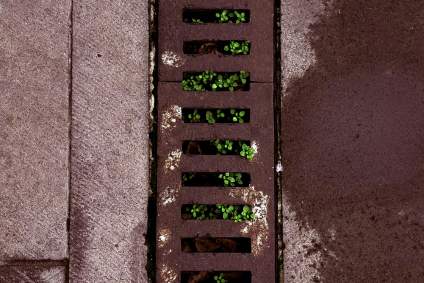
It's easy to get these two mixed up, but they solve completely different problems. The choice in the channel drain vs French drain debate all comes down to whether you’re fighting surface water—the visible puddles on your driveway—or sub-surface water, which is the hidden moisture that turns your lawn into a soggy, marshy mess. One drain works on top of the ground, while the other works within it.
This distinction is the key to effective residential landscape drainage. Each tool is designed for a specific job, and choosing the right one is crucial for success. Here’s the simple rule of thumb:
- Channel Drain: Solves problems with water on hard surfaces (driveways, patios). Think ‘puddles.’
- French Drain: Solves problems with water in the ground (soggy lawns). Think ‘mud.’
If you can see the standing water on a solid surface, a channel drain is designed to catch it. If your problem is a perpetually wet and spongy yard, a French drain is the proper solution. Since your goal is to eliminate pooling water on a patio or driveway, the channel drain is your answer.
Getting It Done: Is a Channel Drain a DIY Project?
Many channel drain installations are surprisingly DIY-friendly, but the difficulty depends entirely on the surface. Placing a drain in gravel or lifting a row of pavers is a straightforward job. However, cutting into existing concrete or asphalt requires special tools and skills, instantly making it a more complex project that you may want to leave to a professional.
For those simpler jobs, choosing the right channel drain is easy thanks to all-in-one kits designed for homeowners. These systems feature snap-together parts and clear instructions, turning a potentially intimidating task into a manageable weekend project. If you've been wondering if you need a channel drain professional for a garden path, these kits are your answer.
If a concrete driveway is involved, it’s best to call a professional. While the drain parts are affordable, the cost to install a trench drain is mostly for labor—the skilled work of cutting concrete and ensuring a proper slope. This professional touch guarantees your investment works perfectly from day one.
Your First Step to a Drier, Safer Home
A puddle on the driveway is no longer just a nuisance—it’s a problem you now know how to solve. You've seen how a simple trench drain system provides effective surface water drainage, turning worries about property damage and safety into peace of mind.
The next time it rains, take a walk outside. Instead of just seeing puddles, you’ll see opportunities. Pinpointing where water collects is the first, most powerful step toward creating a perfect residential landscape drainage plan and reclaiming your space for good. Learn how to budget for your french drain here!