
Top Local Companies for Retaining Walls
That sloping corner of your backyard probably feels like wasted space---or worse, a mudslide waiting to happen during the next heavy rain. According to industry data, retaining walls are high-stakes protective investments, not just decorative landscape features. Without proper hardscape engineering, a beautiful stone terrace can quickly become a five-figure financial mistake.
Protecting your property means knowing the critical difference between a standard landscaper and a qualified structural builder.
Good residential retaining wall services focus on important details like gravel drainage. This helps trapped water find a way out. If not, the weight of the water can damage the stones.
Searching for reliable "retaining wall builders near me" demands vetting contractors for their durability track records rather than just low prices. By trusting the Top Local Companies for Retaining Walls, you guarantee true structural peace of mind.
Why Your Retaining Wall Is More Like a Dam Than a Fence
Looking at a beautiful landscape barrier, if you are not a local retaining wall builders, it is easy to assume its only job is keeping dirt in place. However, when heavy rain saturates a hill, the dirt acts like a giant sponge absorbing thousands of gallons of water. This creates an immense, invisible force called hydrostatic pressure---the crushing weight of trapped water pushing aggressively against the back of your stones.
Protecting the structural integrity and drainage systems for slopes requires giving that water an immediate escape route. Builders achieve this using gravel backfill, which is a thick vertical layer of crushed stone placed directly behind the structure. This stone allows water to drop straight down rather than pushing forward against the masonry. At the bottom of this gravel channel, managing hydrostatic pressure with weeping holes---small exit pipes or intentional gaps in the lower stones---lets the trapped moisture drain safely out onto your lawn.
Neglecting to pay attention to the concealed drainage requirements can ultimately lead to significant problems, often first evidenced by noticeable signs of a collapsing or tilting retaining wall. When you see bulging centers or notice muddy cracks appearing, it is a clear indication that water is overpowering the wall's ability to hold back the soil. Therefore, it is essential to recognize that effectively managing moisture levels is just as important as ensuring that the materials used in your yard are capable of properly holding back the earth. Both factors play a critical role in the overall stability and functionality of your outdoor space.
Concrete Blocks vs. Timber: Choosing the Right Materials and Specialist
Evaluating materials requires understanding how structures fight natural forces. Interlocking concrete blocks, known as segmental retaining walls (SRWs), act as "gravity walls." They use sheer physical mass and a backward-leaning design to hold up the hillside. Quality concrete retaining wall contractors frequently recommend SRWs because these heavy blocks gracefully absorb natural ground shifts without cracking.
Unlike heavy masonry, wooden barriers need extra structural support. Because timber is lightweight, reputable wood retaining wall contractors rely on a hidden reinforcement called a "Deadman" anchor. Think of a Deadman as a giant tent peg---a long piece of wood buried deep into the soil, running perpendicular to the main face. This invisible anchor securely ties the wall into the hill so they function as one solid unit.
| Feature | Timber Walls | Concrete Block (SRWs) | | :--- | :--- | :--- | | Initial Cost | Lower upfront investment | Higher upfront investment | | Lifespan | 10--20 years before replacing | 50+ years | | Maintenance | Prone to rot and warping | Virtually zero upkeep |
When evaluating timber vs concrete block retaining wall durability as a retaining wall experts near me, checking the average lifespan of different retaining wall systems reveals your true return on investment. While wood offers budget-friendly, rustic appeal, concrete delivers permanent peace of mind against shifting earth. Selecting the best material for your yard's unique slope requires pairing it with the right structural expertise.
The Homeowner's Checklist for Vetting Local Masonry Specialists
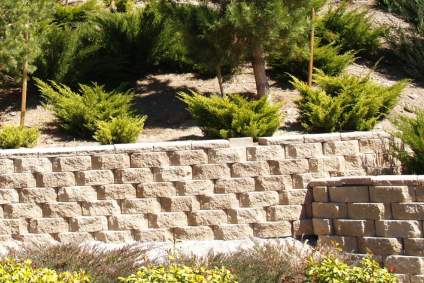
Even premium materials will fail if installed by someone who treats your hillside like a simple flower bed. When hiring qualified hardscape contractors in your area, you must differentiate between a general landscaper who handles surface plants and a true structural expert. For walls exceeding four feet tall, knowing how to choose a licensed landscape engineer is critical to legally and safely stabilize the immense weight of the earth.
Use this essential checklist for vetting local masonry specialists to separate dedicated professionals from eager amateurs. These crucial questions to ask a retaining wall builder reveal their true expertise:
- Insurance: It is important to inquire if the company you are considering has liability insurance that specifically covers structural hardscaping projects. Liability coverage ensures that if any accidents or damages occur during the course of the work, you will not be held financially responsible, and the company will have the necessary protection in place.
- Soil Compaction: You should ask how they plan to utilize mechanical equipment to press and pack the soil in order to prevent any significant settling or shifting of the ground after the construction is completed. Proper soil compaction is crucial for the stability of any structures that will be built, as it minimizes the risk of future issues that could compromise safety and durability.
- Reinforcements: It is essential to find out if they intend to utilize a material known as "geogrid." This is a strong synthetic mesh that is installed horizontally into the earth behind retaining walls to provide additional stability and support. The use of geogrid can significantly enhance the anchoring of wall blocks, preventing potential failures or collapses over time.
- Drainage: Please verify whether they adhere to standard practices that include the installation of a dedicated gravel backfill combined with a perforated pipe for drainage purposes. Effective drainage is vital to ensure that water does not accumulate behind walls, which could lead to structural damage or failure.
- Permits: Will the company take care of obtaining the necessary approvals for local building codes on your behalf? It is important that they manage this aspect of the project, as navigating permits can be complex, and their expertise can help ensure that everything complies with local regulations.
Beyond their verbal answers, demand visual proof. Look for "green flags" in their portfolio, such as progress photos of deep gravel trenches and heavy compaction equipment, rather than just the finished stone facade. Securing an expert who prioritizes unseen structural integrity lays the groundwork for an accurate and realistic budget.
Navigating the Financials: Permits, Square Foot Costs, and Hidden Prep Fees
Budgeting for your hillside transformation starts with understanding basic hardscaping mathematics. When asking how much do retaining walls cost per square foot, expect a range between $15 and $60. While a professional vs DIY retaining wall cost comparison might tempt you to self-install, the average cost of professional wall installation ensures you secure the structural expertise necessary to prevent a costly mudslide.
Beyond materials, your final estimate will likely include hidden preparation expenses. Contractors frequently charge site access fees when moving heavy machinery through narrow gates. Just like delivering bulky furniture to a cramped apartment costs more, bringing tons of stone and dirt into a tightly confined backyard requires extra labor and specialized mini-equipment that increases the baseline price. Just try looking for retaining wall companies near me and you should find a great company.
Government regulations also impact your budget based on specific height thresholds. Most towns mandate local building permits for structural walls exceeding three or four feet, as the massive soil weight becomes a safety liability. Navigating these legal requirements and hidden preparation fees ensures a smooth, predictable build process without surprise project delays.
Your Roadmap to a Successful Wall Build
You can now view that sloping yard not as a potential mudslide, but as an opportunity to secure your property value. Begin sourcing the best local retaining wall contractors using this sequence:
- Start by measuring the height and length parameters of the area where you plan to install the landscape retaining wall. This step is essential as it will provide you with the necessary dimensions that you need to consider for your project.
- Next, it is important to check the local permit laws that are specific to your area.
Make sure you know the rules for the heights of retaining walls. This will help your project follow all legal standards.
- Take some time to review the portfolios of at least three local contractors who specialize in landscape retaining walls. This will help you to assess their previous work and determine which contractor might be the best fit for your project.
Before you go ahead and sign any contract for the work to begin, make sure that you obtain written drainage specifications from the contractor. This document is crucial as it outlines how water will be managed around the retaining wall, helping to prevent any potential issues down the line.
When vetting retaining wall services, remember that unseen drainage always prioritizes over aesthetic choices. By insisting on documented professional work, you ensure this high-stakes engineering investment adds decades of durable, unmoving curb appeal.
Q&A
Question: Why is a retaining wall “more like a dam than a fence”? Short answer: Because it must resist hydrostatic pressure—the invisible force of water trapped in saturated soil pushing against the wall. When rain turns a slope into a giant sponge, the water’s weight builds behind the wall. Proper builders treat the wall like a small dam by giving that water an immediate escape route: a vertical gravel backfill directly behind the wall to let water drop straight down, and weeping holes (small outlets or gaps near the base) so moisture can exit safely onto your lawn. Without this drainage, pressure causes leaning, bulging, and cracking.
Should I choose timber or interlocking concrete blocks (SRWs) for my wall?
Short answer: It depends on budget, lifespan expectations, and maintenance tolerance.
SRWs are heavy systems that use weight and a leaning design to manage ground movement. They can last over 50 years with very little maintenance.
Timber is cheaper upfront and has rustic appeal, but it’s lighter, prone to rot/warping, and typically lasts 10–20 years. To compensate for its light weight, quality wood walls use “Deadman” anchors (long timbers buried perpendicular to the wall) to tie the structure into the hillside. If long-term durability is the priority, concrete blocks generally deliver better return on investment. Look for concrete retaining wall services
What should I ask and look for when hiring a retaining wall contractor?
Short answer: Focus on structural expertise over landscaping flair. Ask about: (1) Insurance specific to structural hardscaping; (2) Soil compaction—how they’ll mechanically compact to prevent settling; (3) Reinforcements—use of geogrid to anchor the wall into the slope; (4) Drainage—gravel backfill and a defined outlet (weeping holes and, where applicable, a perforated pipe); (5) Permits—who handles code approvals. Verify with proof: progress photos showing deep gravel trenches, geogrid layers, and heavy compaction equipment—not just pretty finished shots. For walls over four feet, involve a licensed landscape engineer to safely manage loads and meet legal requirements.
How much should I budget, and what hidden costs should I expect?
Short answer: Expect roughly $15–$60 per square foot, depending on materials, access, and complexity. Beyond the visible wall, budgets often include “prep” costs: site access fees for moving heavy equipment through tight gates, extra labor, and specialized mini-machines for confined yards. Permits can add time and fees—most towns require them for structural walls above about three to four feet. While DIY may seem cheaper, professional installation buys critical engineering know-how that helps prevent costly failures and delays. Look for professional retaining wall building services.
What are the first steps to start my project and avoid costly mistakes?
Short answer: Follow a simple roadmap: (1) Measure the wall’s height and length; (2) Check local permit rules for your planned height; (3) Review portfolios from at least three local retaining wall specialists, looking for structural “green flags” in progress photos; (4) Get detailed, written drainage specifications before signing—gravel backfill, weeping holes, and any perforated pipe or geogrid. Prioritize proven drainage and structural details over aesthetics to secure decades of stable, low-maintenance performance.