
Top Benefits of Retaining Wall Blocks
Is your backyard more of a ski slope than a space for summer barbecues? If you're tired of watching your topsoil wash away or dreaming of a flat spot for a garden, you understand the challenge of an unusable yard. The solution often lies in transforming that difficult grade into a series of flat, functional levels---a technique known as terracing.
Imagine a family with a typical 10-degree slope. In practice, a sturdy retaining wall just three feet high can carve out a perfectly level 15-by-15-foot area from that hillside. This single change turns a sloped, no-go zone into the ideal spot for a fire pit or patio, dramatically increasing usable outdoor living space.
This principle is the magic behind retaining wall blocks. By acting as a powerful bookend for the earth, they create stable ground for creating terraced gardens on a hill or simply providing effective solutions for sloped yard drainage. It's how these simple, interlocking blocks unlock a landscape's hidden potential, one level tier at a time.
Summary Retaining wall blocks turn sloped, erosion-prone yards into level, usable spaces by terracing and managing water runoff. Their interlocking, setback design makes them DIY-friendly and structurally robust, with versatile styles to match any home. Concrete blocks provide exceptional durability and value, often costing less than poured concrete for DIY builds while boosting curb appeal and property value. For walls over 3–4 feet, steep or unstable sites, or walls supporting driveways or structures, hire a professional.
Stop Soil Erosion and Tame Water Runoff for Good
Does a heavy rain turn parts of your lawn into a muddy river that flows over your sidewalk? That's soil erosion in action, stealing valuable topsoil and creating messy, uneven patches in your yard. A wall of retaining blocks acts as a solid, permanent dam for your landscape. By preventing soil erosion with these blocks, you ensure your garden beds and lawn stay exactly where you want them.
But holding back soil is only half the battle. When that soil gets saturated with rain, it becomes incredibly heavy and puts immense pressure on the wall. Without an escape route, this pressure can cause a wall to lean or fail over time. That's why a properly built wall includes a layer of gravel behind it. This simple drainage system gives water a path to escape safely, keeping your wall strong for decades.
By controlling both the soil and the water, you're doing more than just creating a flat space. When you manage backyard water runoff, you stop it from undermining sidewalks, cracking driveways, or pooling against your home's foundation. In this way, a landscape wall isn't just for looks; it's a powerful first line of defense for your entire property.
The DIY-Friendly "LEGO" Approach to Building a Beautiful Wall
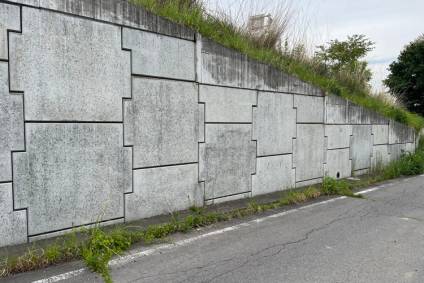
Forget the hassle of mixing messy mortar. Modern retaining wall blocks are designed for DIYers, working much like oversized LEGOs for your landscape. Each block is a solid, self-contained unit that's heavy enough for stability but typically manageable for one person to lift and place. This straightforward process is a key advantage of segmental retaining wall systems and makes building a professional-looking wall far more accessible.
The real magic is in their interlocking system . Most blocks have a small rear lip that hooks onto the one below it, automatically locking the wall together as you build. This design also creates a slight setback for each row, causing the wall to lean gently back into the hill. This clever engineering uses the wall's own weight to dramatically improve its structural integrity against soil pressure.
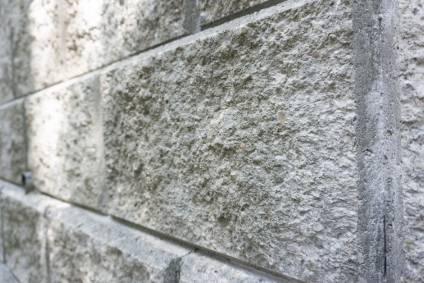
Beyond their strength, these blocks offer incredibly versatile landscaping design options. Whether your home is modern, rustic, or traditional, there's a style to match. They come in a huge spectrum of colors, from earthy tans to cool grays, and textures that can mimic natural quarried stone or sleek, contemporary surfaces.
This combination of simple installation and aesthetic choice makes stunning DIY retaining wall ideas and designs more achievable than ever. But with their professional look and long-lasting nature, how do they stack up as a home improvement investment?
Are Retaining Walls a Good Investment? Durability, Value, and Cost
A home improvement project is only a good investment if it lasts, and that's where concrete blocks truly shine. Unlike wood ties that can rot, warp, and attract pests, the long-term durability of concrete blocks is unmatched. They are engineered to withstand decades of harsh weather and immense soil pressure without degrading. This means you build it once and enjoy the benefits for years to come, avoiding the recurring cost and labor of replacing a failing wooden wall.
This lasting power translates directly into financial value. By transforming an unusable slope into a beautiful tiered garden or a level patio, you're adding property value with hardscaping---the permanent, structural elements of your landscape. A well-built wall doesn't just solve an erosion problem; it boosts curb appeal and creates functional outdoor living space, offering a significant return on investment when it's time to sell.
When considering other permanent options, the cost-effectiveness of retaining wall blocks vs. poured concrete becomes clear. While a poured wall is strong, it almost always requires expensive professional labor and complex formwork. Because segmental blocks are designed for straightforward installation, you can often save thousands on labor with a DIY approach, making a high-end look achievable on a more practical budget.
Your Next Step: When to DIY and When to Call a Pro
The challenging slope that you currently have in your yard has evolved from being a mere obstacle to becoming an incredible opportunity for you. You can now recognize that modern segmental retaining wall systems have the potential to transform this space. These systems can not only create new, usable areas within your landscape but also effectively prevent erosion that could damage your yard. Additionally, by implementing these structures, you can increase the lasting value of your property, making it more attractive and functional for you and your family.
So, what's the right next step? The choice between a DIY project and professional hardscaping often comes down to one simple rule: height.
Call a Pro If:
- Your wall is over 3-4 feet tall
- The slope is very steep or unstable
- The wall supports a driveway or structure
- You have poor soil or drainage issues
Whether you're now sketching out a simple tiered garden, confident you've found the best materials for a garden retaining wall, or wisely seeking an expert for a bigger job, you're in control. You've successfully turned a landscape problem into a powerful plan.
