
Top 5 Materials for Durable Fence Panels
Homeowners who value maximizing their weekends might find that investing in vinyl fencing is a wise choice, as it can greatly improve their outdoor living space.Vinyl fencing, which is a type of strong plastic known as PVC, is specifically produced to serve as a fence right from the beginning of its manufacturing process.This sets it apart from traditional wood fencing, which tends to absorb moisture over time. Vinyl, on the other hand, is non-porous, which is a crucial distinction when comparing the durability of wood versus vinyl fences. The non-absorbent nature of vinyl means that it cannot rot or warp due to humidity, and it is also resistant to damage from insects that often plague wooden structures.
When considering the benefits of vinyl fencing, one of the most significant advantages is that it requires minimal maintenance over its lifespan. This means homeowners can spend less time on upkeep and more time enjoying their outdoor space. Moreover, the color of vinyl fencing is integrated directly into the material itself during production, which effectively eliminates worries about paint chipping or peeling over time.
This feature contributes to the fence's long-lasting visual appeal. For routine cleaning, all that is generally needed is a simple solution of soap and water, making the process straightforward and very simple. Additionally, while vinyl is designed to be impact-resistant, it is important to note that excessive force can lead to cracks, although such incidents are relatively rare.
It is worth noting, however, that in the event of damage to vinyl fencing, the repair process can be more complex than it is with wooden fences. Specifically, if a vinyl panel is damaged, it often necessitates the replacement of the entire section, rather than just a simple repair. This is an important consideration for homeowners to keep in mind when deciding between wood and vinyl options for their fencing needs.
When we take into account the best materials available for fencing, particularly when the focus is on aspects such as security and providing strong protection, it becomes clear that steel stands out as the top choice. When we look closely at how steel compares to aluminum in terms of strength, it is evident quite quickly that steel offers a much greater resistance to impact and possesses a higher level of rigidity, making it far superior to aluminum in these critical areas.
This remarkable strength, combined with steel's long-lasting durability, makes it an exceptional selection for the construction of security barriers. Steel fencing has the important capability of withstanding substantial force without bending or breaking, which is crucial for maintaining security. Additionally, when considering the ability to endure severe weather, steel fences prove to be the most appropriate material, ensuring stability and safety even when confronted with challenging and adverse weather conditions such as high winds and storms.
Top 5 Materials for Durable Fence Panels
Choosing a new fence can be overwhelming. You want something that looks great, provides privacy, and---most importantly---won't become a warped, rotting headache in five years. A durable fence is one of the smartest investments for your home, but knowing which material truly stands up to the elements is the key to getting it right.
The secret is to look beyond the initial price tag. A cheaper fence that requires constant staining or repairs can cost far more in time and money down the road. True value comes from finding the right balance between upfront cost, long-term durability, and maintenance. This guide to the Top 5 Materials for Wondering how much are fence panels? Durable Fence Panels compares the top five contenders---wood, vinyl, composite, aluminum, and steel---to help you confidently invest in your home.
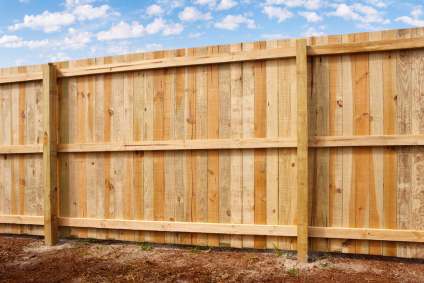
1. Pressure Fence-Treated Wood & Cedar: The Classic Choice, If You're Prepared for Upkeep
When you picture a classic backyard enclosure, you're likely thinking of a wood privacy fence. It's popular for a reason: wood offers a warm, natural aesthetic at an affordable upfront cost. Most durable wood fences are made of pressure-treated pine, which means the wood has been infused with preservatives that protect it from rot and insect damage.
However, that initial durability depends entirely on upkeep. To prevent warping, cracking, and decay, you must commit to staining or sealing your fence every 2 to 3 years. Neglecting this is the number one reason wood fences fail prematurely.
For those wanting a natural look with less chemical intervention, Cedar is a fantastic, though pricier, alternative. Cedar contains natural oils that make it inherently resistant to rot and insects. While it still benefits from a sealant to maintain its rich color, it's naturally tougher than standard treated wood fence panels.
For quicker installs, consider premade fence panels such as pre built fence panels or pre assembled fence panels in common sizes like 4ft fence, 5 foot fence panels, and 6ft fence panels; cedar wooden fence panels and wooden privacy fence panels are widely available.
2. Vinyl (PVC): The Low-Maintenance Champion
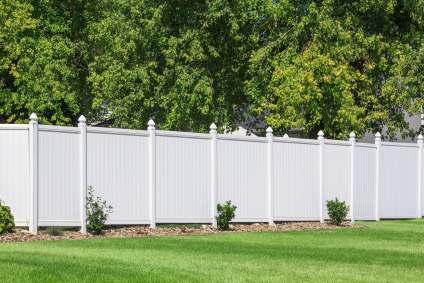
For homeowners who value their weekends, vinyl fencing is a game-changer. Vinyl is a durable type of plastic (PVC) manufactured to be a fence from the start. Unlike wood, which can absorb moisture, vinyl is non-porous. This fundamental difference is key to wood vs vinyl fence durability; vinyl simply cannot rot, warp from humidity, or get eaten by insects.
- Vinyl is a low maintenance fence material.
- The color is embedded in the material, preventing paint from chipping or peeling.
- Cleaning requires only soap and water.
- Vinyl is impact-resistant, but strong hits can cause cracks.
- Unlike wood fences, damaged vinyl often needs the whole panel replaced.
Vinyl privacy fence panels and picket fence sections are common options; choose a classic picket fence panel for curb appeal or a small privacy fence for compact areas.
3 Composite: Get a Wood Look Without the Upkeep
What if you love the classic appearance of a wood fence but dread the thought of staining it? This is where composite fencing shines. It's a high-tech hybrid, created by blending real wood fibers with durable, often recycled, plastics. This combination delivers the best of both worlds: the rich, textured look of wood and the weather-fighting resilience of a synthetic material.
The plastic components form a protective shield around the wood fibers, locking out moisture and making the panels a fence material that doesn't rot or warp. As the best alternative to wood fencing for durability, it provides the visual warmth of wood without the risk to decay or insects. As a result, composite is an outstanding choice for homes in rainy or humid climates where traditional wood struggles. It delivers a premium aesthetic that lasts for decades with little more than an occasional cleaning. Many homeowners choose composite when they want the look of a solid wood fence or a solid wood privacy fence without ongoing sealing.
4. Aluminum: The Rust-Proof Option for an Elegant, Modern Look
Moving away from wood-like materials, aluminum fencing offers a sleek, sophisticated style perfect for a modern home. Its primary advantage is powerful: it is physically incapable of rusting. While other metal fences can develop ugly orange streaks, aluminum contains no iron, so it will never corrode or leave rust stains on your patio.
This rust-proof quality makes aluminum the champion for wet environments, such as around a swimming pool or in a coastal home with salt spray. Popular aluminum fence panel styles, with their clean lines and open pickets, provide security without completely blocking your view. When comparing steel vs aluminum fence strength, aluminum is lighter and can dent more easily from a major impact. However, it's more than strong enough for typical residential security and boundary marking. If you prefer a tall picket fence aesthetic with minimal upkeep, aluminum picket fence panel options fit well while maintaining visibility.
5. Steel: The Top Choice for Unmatched Strength and Security
When security and pure, unyielding strength are your top priorities, steel is the undisputed heavy-hitter. In the steel vs aluminum fence strength comparison, steel provides significantly higher impact resistance and rigidity. This inherent toughness makes it not only a formidable security barrier but also the best fence material for high winds.
However, with great strength comes one major downfall: rust. To combat this, reputable steel fencing is galvanized (coated in zinc) and then finished with a powder coat---a durable, baked-on finish that creates a tough, sealed shield.
This combination of brawn and protection makes steel a premium, high-performance material. Its weight and upfront cost are generally higher, reflecting its unmatched durability and the commanding presence it provides. For maximum height or commercial sites, 10 ft fence panels may be an option, though permits and local codes vary.
Practical Buying Notes for Fence Panels
If you are currently pondering the cost of fence panels, it is important to understand that prices can differ significantly based on various factors, including the material used, the specific style of the fence, and the height of the panels.
This means that before making a purchase, you may want to research thoroughly. If you are considering where to buy fence panels or specifically where to buy privacy fence panels, it is wise to compare options available at large retail chains, local lumber yards, and suppliers that operate in your region. Additionally, those who are looking to make a larger purchase may find that they can take advantage of wholesale deals for 6x8 wood fence panels.
When you begin to browse catalogs or listings, you may come across various terms that can help you navigate your options more effectively. For instance, you may see fence panels used to refer to general sections of fencing, while wood fencing fence panels specifically denotes options made from wood. The term private wood fence typically refers to styles designed for privacy, and you might encounter fencing planks when searching for components intended for customized fencing builds.
For people who are careful with their finances and want to keep to a budget, there are various options available, including inexpensive wood fence panels and more affordable wood fence panels. It is important to consider, however, that while searching for the least expensive privacy fence panels or budget-friendly privacy fence panels, you may discover that these lower-cost options could fall short in terms of thickness or the quality of materials used in their construction.
This trade-off for a lower price may result in a compromise on durability and overall performance, so it is essential to carefully evaluate the choices to ensure you are still getting a great product that meets your needs.
Making Your Final Decision
Finding your perfect match comes down to balancing your budget, time, and primary goals. To make the right choice, answer these three questions:
- What is your budget? Low upfront cost (Wood), a balanced investment (Vinyl/Composite), or premium and permanent (Aluminum/Steel)?
- How much maintenance will you do? Regular upkeep (Wood), minimal work (Composite), or a set-it-and-forget-it solution (Vinyl/Aluminum)?
- What is your main goal? Classic privacy (Wood/Vinyl/Composite), ultimate security (Steel), or modern elegance (Aluminum)?
By answering these questions, you are evaluating long-term value and peace of mind. You can now confidently engage with contractors or browse options, knowing exactly how to choose a weather-resistant fence that's perfect for your home.
If you need the opinion of experts, please contact us HERE or give us a call at (469) 910-6600