
Patio Designers Near Me Hiring Guide
A well-designed patio can turn a plain yard into a useful outdoor living space. If you are searching for patio installation near me, do more than find someone who can lay pavers or pour concrete. Look for a team that understands design, drainage, materials, safety, and how the patio should connect with your home and landscape. When people compare patio designers near me, they are usually trying to balance style, budget, and long-term value.
How do you find the right patio designer near you?
The right patio designer is a local pro who can show relevant work, communicate clearly, provide a detailed estimate, and design a patio that fits your property and lifestyle. Start by looking past the first search result. Compare portfolios, reviews, credentials, material knowledge, and how well each contractor explains the process.
A patio is a long-term home improvement, so the lowest bid is not always the best value. Quality work depends on planning, a stable base, smart water control, and materials that fit your climate and use. A skilled designer should explain why a layout, surface, or feature makes sense for your yard. They should not push a one-size-fits-all package.
When you contact potential patio design experts, pay attention to their questions. Good designers want to know how you plan to use the space, where the sun hits, whether you need privacy, how guests will move through the yard, and what existing landscaping should stay or change.
What to look for before hiring a patio professional
A strong project starts with trust. Before you commit, gather enough information to compare each contractor fairly. This matters when you are looking for custom patio builders or patio design services in a busy local market.
Use this checklist when narrowing your options:
- License and insurance: Ask whether the contractor has the right local license and active insurance. Rules vary by area, but a reputable pro should answer clearly.
- Portfolio of similar work: Look for projects that match your style, lot size, slope, and materials.
- Detailed written estimate: The proposal should separate materials, labor, site prep, optional features, and the expected timeline.
- Design process: Ask whether they provide sketches, renderings, material samples, or layout options before work begins.
- Drainage and base prep: A beautiful patio can fail if water collects, the base shifts, or the surface is not graded well.
- Reviews and references: Read recent reviews and ask about completed projects similar to yours.
- Communication style: Choose someone who explains tradeoffs, responds quickly, and sets realistic expectations.
If you are comparing landscaping services Dallas homeowners use or speaking with a Plano landscaping company, local experience can help. North Texas yards may involve clay soil, harsh summer sun, stormwater concerns, and design choices that need to last through changing seasons. A local team should understand those conditions and recommend the right materials and methods.
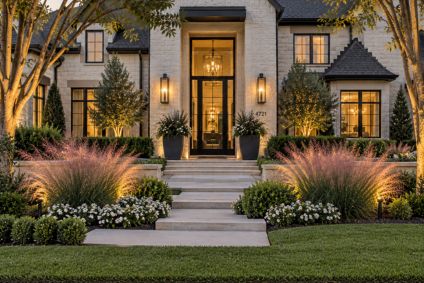
Patio materials shape the look, maintenance, and budget
Your patio material affects more than appearance. It changes surface temperature, slip resistance, maintenance, repair options, and how well the design blends with the home. The best choice depends on how you will use the space and how much upkeep you want.
Concrete can create a clean, versatile patio and may be finished in different textures or colors. It works well for simple layouts, modern designs, and homeowners who want a streamlined surface. Proper installation matters because poor grading or weak prep can lead to cracking or drainage issues.
Pavers are popular because they offer many shapes, colors, and patterns. They can suit traditional, rustic, and modern homes, and individual units can often be replaced if damaged. A well-built paver patio depends on a compacted base and strong edge restraint.
Natural stone brings texture and character, often giving the patio a high-end, organic feel. Stone can be ideal for garden-style spaces, winding paths, and patios that need to blend into mature landscaping. It may need more planning because thickness, surface texture, and installation methods vary by stone type.
Wood or composite deck-patio combinations can work well when the yard has elevation changes or when the outdoor living area connects to a raised entry. This is where searching for deck and patio designers near me can be useful. A designer who understands both structures can create a smooth handoff between the deck, patio, lawn, and garden beds.
Design features that make a patio more usable
A patio becomes more valuable when it supports the way you live. Some homeowners want a quiet morning coffee spot. Others want a large space for guests, shade, and cooking. Before you choose features, think about your daily routines and your most common gatherings.
Popular patio upgrades include:
- Fire pits or outdoor fireplaces for cooler evenings, casual seating, and a natural gathering point.
- Pergolas or shade structures to cut sun exposure and define the outdoor room.
- Outdoor kitchens or grill stations for homeowners who cook outside often.
- Retaining walls and seat walls that manage slopes while adding built-in seating.
- Lighting for safety, evening use, and atmosphere.
- Planter beds and privacy landscaping to soften hardscape edges and create a more finished look.
- Poolside surfaces with attention to drainage, traction, and heat comfort under bare feet.
These features should not feel random. Experienced backyard designers near me will think about movement, views, shade, privacy, and maintenance before recommending upgrades. A fire pit needs safe clearance and seating flow. An outdoor kitchen needs access to the house and enough room for prep, cooking, and serving.
How does patio installation usually work?
Patio installation usually moves through design, site review, material choice, prep, construction, finishing, and final walkthrough. The exact steps vary, but a clear process helps keep decisions from feeling rushed once work starts.
Most projects begin with a consultation. The designer looks at your yard, listens to your goals, discusses budget, and points out issues like slope, drainage, access, utilities, and existing landscape features. This is also the time to talk honestly about must-haves and nice-to-haves.
Next comes the design phase. Depending on the company, you may receive a simple layout, a detailed plan, or a visual rendering. The design should make the patio size, shape, materials, borders, steps, walls, lighting, planting areas, and any shade or cooking features clear.
After the design is approved, the contractor checks for permits or approvals. Then the site is prepared. That may include removing old surfaces, excavation, grading, base installation, compaction, and drainage adjustments. The patio surface is installed after the foundation is ready, followed by edge restraints, joint material, sealing where needed, cleanup, and final inspection.
A good contractor will explain construction details like noise, dust, weather delays, and space usability after completion.
Understanding patio cost factors
Patio costs can vary widely because every yard and design is different. National averages often land in the low thousands, but many projects are shaped by size, material, labor, site access, prep needs, and added features. A basic patio on a flat, easy site usually costs less than a multi-level design with walls, lighting, a fire feature, or outdoor kitchen parts.
The biggest cost drivers often include:
- Square footage: Larger patios need more material, labor, base prep, and finishing time.
- Material choice: Concrete, pavers, natural stone, and specialty finishes all have different price ranges.
- Site conditions: Sloped yards, poor drainage, limited access, or demolition of old structures can raise the cost.
- Design complexity: Curves, borders, steps, seat walls, and patterns usually need more labor.
- Amenities: Fire features, pergolas, kitchens, lighting, and retaining walls add function but also add scope.
- Local market factors: Labor rates, material supply, and regional rules differ by location.
When you compare estimates, make sure each bid covers the same scope. One contractor may include excavation, haul-off, base material, drainage work, and sealing, while another may list those items separately. Clear comparisons help you avoid surprises and make a better choice.
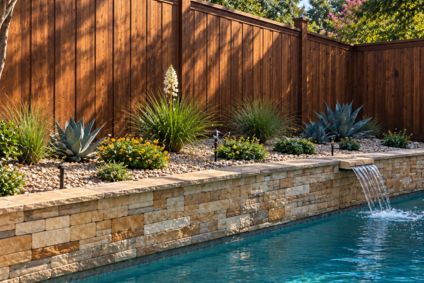
Local landscaping knowledge can improve the whole backyard
A patio should not resemble a feature added as an afterthought in the yard. It should connect with the house, lawn, garden beds, walkways, fences, pool, or deck. That is why many homeowners search for patio designers near me and backyard designers near me at the same time.
Professionals who offer broader landscape planning can help tie the hardscape to planting, irrigation, lighting, grading, and privacy. This is especially helpful if you are planning the patio as part of a larger backyard makeover. Instead of building the patio first and solving the rest later, you can plan the whole area as one outdoor living space.
For example, homeowners exploring landscaping services Dallas providers may want a patio that handles heat, allows for shade, and works with drought-friendly planting choices. Someone looking for a Plano landscaping company may care about neighborhood style, soil behavior, drainage, and a polished look that fits suburban outdoor living. In either case, local insight can make the finished project more useful and easier to maintain.
Questions to ask during your consultation
The consultation is your chance to see how a contractor thinks. A confident professional should welcome practical questions and give specific, clear answers.
Ask questions such as:
- What patio materials do you recommend for my yard and why?
- How will you handle drainage and grading?
- What does the estimate include, and what could alter the final cost?
- Do you have examples of similar patios you have completed?
- Who manages the project once construction begins?
- How long should the project take under normal conditions?
- Are permits, HOA approvals, or inspections needed?
- What maintenance will this patio require?
- How do you protect nearby landscaping during installation?
- What warranty or workmanship policy do you provide?
Listen for clear explanations, not vague promises. The best patio design experts will help you weigh options, tradeoffs, and long-term care before you make final decisions.
Bringing your outdoor space into focus
Finding the right patio professional starts with a thoughtful search, but it should end with a clear plan. Compare credentials, portfolios, estimates, materials, and communication style before choosing a contractor. Find patio builders who know installation and design to create an inviting outdoor space.
If you want a dining patio, lounge, poolside retreat, or backyard redesign, the right team can help. By planning well and getting local help, your patio can be a great part of your home.
Q&A
Question: Why should I compare more than one patio designer instead of choosing the first result for patio installation near me?
Short answer: Comparing several patio designers helps you judge experience, communication, pricing, materials, and design approach. A patio is a long-term investment, and the most visible option is not always the best value. Reviewing portfolios, estimates, credentials, and references gives you a clearer picture of who can build a patio that fits your yard, climate, budget, and lifestyle.
Question: What is the most important technical issue to discuss before patio installation begins?
Short answer: Drainage and base preparation are among the most important technical issues. Even a beautiful patio can crack, shift, settle, or collect water if the base is not compacted well or the surface is not graded correctly. A good contractor will discuss slope, runoff, excavation, base material, and drainage plans before starting work.
Question: How do I decide between concrete, pavers, natural stone, or a deck-patio combination?
Short answer: The right material depends on your design goals, maintenance habits, budget, site conditions, and how you plan to use the space. Concrete gives you a clean and versatile surface, pavers offer design flexibility and easier unit replacement, natural stone creates a textured and organic look, and deck-patio combinations can help with elevation changes or raised home entries. A good designer should explain the tradeoffs for your yard.
Question: What should be included in a patio estimate?
Short answer: A detailed patio estimate should list materials, labor, site prep, excavation, haul-off, base installation, drainage work, optional features, project timing, and any items that could change the final cost. Comparing estimates is easier when each contractor is bidding on the same scope instead of leaving key items as separate or unclear charges.
Question: Why is local landscaping experience especially helpful for patio projects?
Short answer: Local experience helps make sure the patio is designed for regional soil, weather, sunlight, drainage, and neighborhood conditions. In areas such as North Texas, contractors may need to plan for clay soil, intense heat, stormwater concerns, and seasonal changes. A local expert can suggest materials, shade options, plants, and construction techniques for a durable, low-maintenance patio.
