
Native Texas Landscape Design for Sustainable Gardens
Texas gardens are unique, reflecting the state's diverse climate and landscapes. Embracing native plants in your garden can transform it into a sustainable oasis. Native Texas landscape design is not just about aesthetics; it's about harmony with nature.
These plants are adapted to the local climate, requiring less water and maintenance. This makes them ideal for eco-conscious homeowners. They also support local wildlife, enhancing biodiversity in your backyard.
Luxury landscape design can be achieved with native plants. It's all about thoughtful layout and plant selection. Imagine a garden that is both beautiful and environmentally responsible. If you're searching for luxury landscape design near me, seek teams that pair refined materials with regional plants.
Xeriscaping is a popular method in Texas, reducing water usage significantly. It combines native plants with smart design for a sustainable garden. Agave and succulents are perfect for this, offering drought-tolerant elegance. Agave plant landscaping pairs beautifully with gravel and stone in larger desert landscape installation projects.
Professional landscapers can help bring your vision to life. They offer expertise in native plant selection and garden layout. A skilled landscaper for xeriscaping can tailor plant groupings to your microclimates. When comparing a landscaping design company near me, review portfolios that highlight native species and water-wise methods. Embrace the beauty of Texas with a garden that reflects its natural charm.
Why Choose Native Texas Landscape Design?
Native Texas landscape design offers numerous benefits, making it an appealing choice for homeowners. These plants are naturally adapted to the Texas climate. They thrive with minimal intervention, providing a low-maintenance garden option.
Native plants require less water, helping to conserve this valuable resource. In arid parts of Texas, this can significantly reduce water bills. The drought-resistant qualities of native plants make them ideal for sustainable gardening.
Furthermore, native plants improve biodiversity by supporting local wildlife. Birds, bees, and butterflies rely on these plants for food and shelter. This enhances the natural ecosystem right in your backyard.
Native landscapes are resilient to local pests and diseases, reducing the need for chemical treatments. This can lead to a healthier garden environment overall. The use of fewer pesticides also benefits the surrounding area.
Reasons to choose native Texas landscape design include:
- Reduced water usage
- Enhanced local biodiversity
- Lower maintenance requirements
- Increased pest resilience
Embracing a native Texas landscape design is both a practical and responsible choice. It allows you to enjoy a beautiful garden that respects and reflects the natural environment. With a bit of planning, your garden can thrive with native plants year-round.
The Benefits of Native Plants in Texas Gardens
Incorporating native plants in Texas gardens offers unique advantages and contributes to sustainability. Native species are well-suited to local weather, requiring minimal maintenance. This means less time spent on gardening tasks such as watering and weeding.
Using native plants supports the local ecosystem by attracting beneficial insects. Pollinators like bees and butterflies thrive, aiding in plant reproduction. These creatures play a critical role in maintaining biodiversity and a balanced environment.
Native plants also improve the soil health in your garden. Their deep root systems help prevent erosion and enhance soil structure. This naturally enriches the ground and creates a robust foundation for other plants.
In terms of aesthetics, native plants bring color and texture to landscapes year-round. They can bloom successively, ensuring a vibrant and dynamic garden throughout the seasons. With native plants, your garden becomes a living showcase of Texas's natural beauty.
Benefits of native plants include:
- Low maintenance requirements
- Support for local wildlife
- Improved soil conditions
- Year-round visual interest
By choosing native plants, gardeners can achieve a thriving and ecologically responsible landscape. This thoughtful approach contributes to environmental preservation and enhances the garden's overall appeal.
Key Native Texas Plants for Stunning Landscapes
Texas gardens thrive with their own unique set of plants that capture the state's essence. These native species are naturally equipped to handle the diverse climatic conditions found across Texas. Incorporating them can transform any outdoor space into a stunning display.
One such plant is the Texas Sage, known for its vibrant purple blooms. It's highly drought-tolerant, making it an ideal choice for sustainable landscapes. This plant can flourish even in the harshest conditions, adding color and life to your garden.
The Bluebonnet, Texas's state flower, is another standout native plant. Its rich blue hue creates an eye-catching display in spring. Bluebonnets can spread quickly, creating a vibrant carpet of flowers that attracts both photographers and pollinators.
Yucca plants are also an excellent addition to Texas gardens. Their sharp, structural leaves and tall flower spikes make them a striking focal point. Yuccas are incredibly tough and require little water, which makes them perfect for xeriscaping.
Don't overlook the Texas Redbud, a small tree that bursts into pink blossoms in early spring. Its compact size makes it suitable for both large and small gardens. This tree adds a splash of color while providing shade and shelter for local wildlife.
Key native plants include:
- Texas Sage
- Bluebonnet
- Yucca
- Texas Redbud
Utilizing native Texas plants, gardeners create landscapes that reflect the region's natural allure. They offer vibrant colors, textures, and the promise of a garden that thrives with minimal effort.
Integrating Luxury Landscape Design with Native Plants
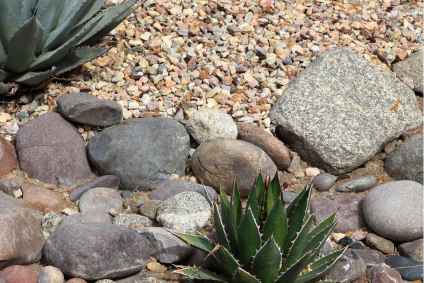
Combining luxury landscape design with native Texas plants is entirely achievable. Native plants provide a foundation of sustainability without sacrificing elegance. The key lies in strategic planning and thoughtful execution. For those searching for luxury landscape design near me, look for teams that blend refined stone, lighting, and regional plants.
First, consider the layout. Luxury landscapes rely on symmetrical patterns and defined shapes. Use native plants like Foxtail Agave for focal points; foxtail agave landscaping creates bold, architectural accents that draw the eye.
Texture plays a vital role in creating opulent garden settings. Succulent plants, known for their unique textures, offer a perfect addition to a luxury landscape. In high-end settings, succulent plants garden design complements smooth stone pathways or elaborate water features beautifully.
Incorporate hardscaping elements to enhance the design. Stone sculptures or ornate fountains paired with native flora can elevate the garden's opulence. Balancing these elements with Texas plants ensures a harmonious aesthetic.
Key considerations for luxury landscape integration:
- Focal points: Foxtail Agave
- Texture contrasts: Succulent plants
- Hardscaping: Stone and fountains
Finally, embrace the idea that luxury doesn't always mean high maintenance. With native plants, you achieve a balance between grandeur and practicality, creating a space that's both stunning and eco-friendly.
Xeriscaping: Sustainable Solutions for Texas Yards
Xeriscaping offers a smart way to create beautiful Texas yards while conserving water. This sustainable approach reduces the need for irrigation, perfect for arid climates.
Xeriscaping emphasizes drought-resistant plants like agave, yucca, and cacti. These plants are well-suited for Texas's hot and dry conditions. They thrive with minimal water, offering vibrant green hues year-round. Explore xeriscape landscape ideas such as structured gravel beds, native grasses, and low-flow irrigation.
Incorporate design elements that retain moisture. Use mulch, gravel, and rocks to prevent evaporation. These materials not only aid water conservation but also add texture and visual interest to your landscape.
When planning a xeriscape, prioritize efficiency. Opt for drip irrigation systems over sprinklers. These systems deliver water directly to plant roots, maximizing hydration while minimizing waste. Consult a xeriscape contractor near me for region-specific plant and irrigation recommendations.
Key considerations for xeriscaping:
- Plant selection: Agave, yucca, cacti
- Ground cover: Mulch and gravel
- Watering method: Drip irrigation systems
Finally, add native plants to your xeriscape. Native species are already adapted to local conditions, providing effortless beauty with less maintenance. By combining xeriscaping with native plants, Texas homeowners enjoy lush, sustainable landscapes that endure through seasonal changes.
Agave and Succulent Plants: Drought-Tolerant Elegance
Agave and succulents are shining stars in water-saving gardens. Known for their striking looks, they bring elegance and resilience to any landscape. These plants are adapted to survive with little water, making them perfect for Texas's dry climate.
Designing with agave offers visual drama. Their sculptural forms and bold textures can transform garden spaces. Consider using them as focal points, surrounded by lower-profile succulents that add depth and contrast. In succulent garden design, mix species for layered color and form.
Succulents are not only beautiful but also versatile. They come in various shapes, sizes, and colors. Mix and match species like Echeveria and Sedum for a visually interesting, low-maintenance garden.
To enhance your garden, integrate rock elements. Create a succulent rock garden design by pairing these plants with stones and gravel. This combination mimics their natural environments and reduces water needs further while supporting agave plant landscaping accents.
Key Benefits of Agave and Succulents:
- Low water requirements
- Minimal maintenance
- Diverse colors and forms
Agave and succulents offer a sophisticated, eco-friendly solution for Texas landscapes. With careful selection and placement, they provide both beauty and sustainability.
Designing Custom Backyards with Native Flair
Creating a custom backyard that celebrates native flora brings both beauty and sustainability. For a custom backyard design that feels personal and practical, use native plants that thrive naturally in Texas. This results in a garden that complements the local environment effortlessly.
Start by considering the layout of your space. Think about how you want to use the area. Would you like a cozy space for relaxation, or do you plan to entertain guests? The design should reflect your lifestyle and preferences.
Incorporating native plants can showcase regional identity. Use species like Texas sage and yucca for a distinctly local atmosphere. These plants not only look stunning but also offer ecological benefits.
Add personal touches to your design with features like paths or a fire pit. These elements can make your backyard feel inviting and unique. They also offer practical benefits, like defining walkways and creating focal points.
Ways to Customize Your Backyard:
- Choose plant beds for borders
- Include native trees for shade
- Add seating areas with natural materials
A well-designed backyard can be a personal sanctuary. By integrating native plants and thoughtful design, you create a space that's both stylish and environmentally conscious.
Working with Professional Landscapers and Contractors
Engaging a professional landscaper brings expertise to your garden project. Their experience is invaluable for designing effective and aesthetically pleasing native Texas landscape designs.
Professional landscapers can guide plant selection, ensuring each plant fits your garden's conditions. They can also advise on the best layout to optimize both beauty and sustainability.
Working with a contractor can take the guesswork out of installation. They have the tools and know-how to implement your design swiftly and accurately. This ensures the project stays on schedule and within budget.
When choosing a landscaper or contractor, consider their experience with native plant gardens. Ask for examples of previous work that aligns with your vision. It's also helpful to verify any local certifications they hold. If you're evaluating xeriscape contractors near me or a xeriscape contractor near me, inquire about experience with native species and desert landscape installation.
Benefits of Hiring Professionals:
- Expertise in native plant species
- Efficient and accurate installation
- Guidance on sustainable practices
Collaborating with the right professionals can elevate your garden project. Their knowledge and skills are key to crafting a stunning, sustainable landscape. If you are looking for a Xeriscaping contractor near me, contact us today!
Xeriscape Landscape Ideas and Inspiration
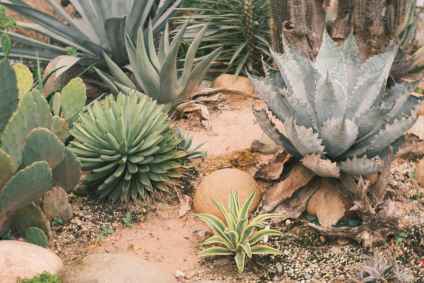
Xeriscaping offers a great way to create sustainable gardens in Texas. This approach minimizes water use while still providing beauty and habitat. With xeriscaping, you can build a resilient garden that thrives in drought conditions.
Consider using decorative gravel and rocks as a foundation. These materials are not only attractive but also practical for maintaining soil moisture. Adding succulents and cacti introduces vibrant color and unique textures to your landscape.
To enhance visual interest, incorporate diverse plant heights and forms. Tall grasses can provide movement, while low-lying groundcovers fill out the space. Use winding pathways to lead the eye through your garden, and strategically place seating areas for relaxation. Browse local projects or consult xeriscape contractors near me to refine xeriscape landscape ideas that suit your site and style.
Creating shade is another important element. Plant trees or large shrubs to offer respite from the Texas heat. This provides comfort for both homeowners and wildlife.
Inspirational Xeriscaping Elements:
- Gravel and rocks for contrast
- Diverse plant heights
- Shaded seating areas
Embrace the xeriscape approach to enjoy a beautiful, low-maintenance garden that stands up to the elements.
Maintenance Tips for Native Texas Gardens
Native Texas gardens require less upkeep than traditional lawns. However, regular maintenance ensures they remain vibrant and healthy throughout the year. With a few mindful practices, you can keep your garden flourishing.
Firstly, water deeply but infrequently. This encourages plants to develop strong root systems. Adjust watering schedules according to seasonal changes to avoid over- or under-watering your plants.
Keep an eye out for weeds as they compete with native plants for nutrients. Routine weeding can help maintain the health and beauty of your landscape. Use mulch around plants to suppress weed growth and retain soil moisture.
Essential Maintenance Actions:
- Water deeply, not often
- Regular weeding
- Apply mulch
By following these tips, your native Texas garden will thrive, requiring minimal intervention while looking its best.
If your side-yard is not leveled, you might want to learn about retaining walls and how they can help level your yard!
Conclusion: Creating a Lasting Legacy with Native Texas Landscape Design
Incorporating native Texas plants into your landscape creates a garden that's both beautiful and sustainable. This approach not only honors the local ecosystem but also adds value and charm to your property.
Native Texas landscape design provides the opportunity to craft a lasting legacy. Your garden can inspire others to adopt sustainable practices. By choosing native species, you're investing in a landscape that celebrates Texas's natural heritage. Embrace this eco-friendly path and transform your garden into a cornerstone of beauty and conservation.
Q&A
Question: Why choose native Texas landscape design for my garden?
Short answer: Native Texas plants are adapted to local conditions, so they thrive with less water and maintenance while supporting the ecosystem. They conserve water (helping lower bills in arid regions), resist local pests and diseases (reducing the need for chemicals), and bolster biodiversity by providing food and habitat for birds, bees, and butterflies. Many natives also have deep roots that improve soil structure and prevent erosion, delivering a resilient, beautiful garden with year-round interest.
Question: Which native plants should I start with, and what makes them stand out?
Short answer: Four standout natives highlighted are:
- Texas Sage: Vivid purple blooms and excellent drought tolerance for reliable color.
- Bluebonnet: The state flower; creates striking spring displays and attracts pollinators.
- Yucca: Architectural leaves and tall flower spikes; tough and ideal for xeriscaping.
- Texas Redbud: Compact tree with early spring pink blossoms that add color and wildlife shelter.
- Together, they offer structure, seasonal color, and durability with minimal care.
Question: What is xeriscaping, and how do I apply it in a Texas yard?
Short answer: Xeriscaping is a water-wise design approach that reduces irrigation needs by using drought-resistant plants and smart layout. In Texas, emphasize agave, yucca, and cacti; use mulch, gravel, and rocks to retain moisture; and favor drip irrigation over sprinklers to deliver water directly to roots. Structured gravel beds, native grasses, and grouping plants by your site’s microclimates boost efficiency and aesthetics. Consulting a local xeriscape contractor can refine plant choices and irrigation for your region.
Question: Can I achieve a luxury look using native plants?
Short answer: Yes. Luxury comes from intentional layout, refined materials, and textural contrast—without sacrificing sustainability. Use symmetrical patterns and defined shapes, select bold focal points like Foxtail Agave, and layer textures with succulent plantings. Pair native and regional plants with high-end hardscaping—stone, lighting, and ornate water features—to elevate the space. The result is a garden that feels opulent yet remains practical and low-maintenance.
Question: When should I work with professionals, and what should I look for?
Short answer: Hire a professional when you want expert plant selection, microclimate-aware layouts, and efficient installation. Look for landscapers and contractors with portfolios showcasing native species and water-wise methods, ask for projects that match your vision, and verify relevant local certifications. For xeriscaping in particular, choose teams experienced with native and desert-style installations and willing to recommend region-specific plants and drip irrigation solutions.
Looking to transform your backyard into a Desert Landscape beauty? Contact us today!
