
Maintenance Tips for Long-lasting Retaining Walls
Retaining walls are important in landscaping. They help make a garden or yard look good and keep it stable.
These structures are not only designed to add visual interest but also to combat soil erosion and manage water drainage effectively. To keep your retaining wall in peak condition over time, proper maintenance is crucial. This comprehensive guide will delve into the essential maintenance tips for retaining walls, from understanding their basic functions and retaining wall installation to exploring retaining wall cost and creative retaining wall ideas.
A solid understanding of retaining walls and their purpose is the foundation of effective maintenance. Retaining walls are engineered structures intended to hold back soil and create level areas in a landscape. They are constructed from a variety of materials, each offering distinct aesthetic and functional advantages.
Retaining walls can be built using materials such as concrete, stone, brick, or wood. Concrete walls provide durability and a modern look, while stone walls offer a natural and timeless appearance. Brick walls are valued for their classic aesthetic, and wood walls blend seamlessly into natural surroundings. Choosing the right material depends on factors like budget, desired appearance, and the specific requirements of your landscape.
The primary function of a retaining wall is to resist the lateral pressure of the soil. This pressure can be due to gravity, water saturation, or external loads. Understanding the structural role of your retaining wall helps in assessing potential stress points and planning for maintenance. Properly constructed walls are designed to distribute these forces evenly to maintain stability.
Retaining walls also play a role in managing environmental concerns. They prevent soil erosion by holding soil in place and can help in water drainage by directing water flow away from key areas. By understanding how your retaining wall interacts with the environment, you can better plan for drainage solutions and vegetation management.
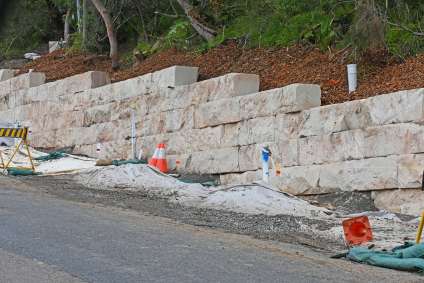
The longevity and effectiveness of your retaining wall are significantly influenced by the quality of its installation. A well-installed retaining wall can withstand environmental pressures and reduce the risk of structural failure over time.
Effective retaining wall installation begins with detailed planning and design. This includes assessing the landscape, determining the wall's height and length, and selecting the appropriate materials. Professional consultation can be invaluable at this stage to ensure that all aspects, from drainage to load-bearing capacity, are considered.
A strong foundation is critical for a durable retaining wall. Excavation to the appropriate depth and the use of a compacted base material are essential steps. Additionally, incorporating proper reinforcement, such as steel bars or geogrid, can enhance the wall's structural integrity.
Hiring experienced professionals for retaining wall installation can make a significant difference. Experts bring knowledge of local soil conditions, weather patterns, and best practices for construction. Their expertise ensures that the wall is built to last, minimizing future maintenance needs and potential repair costs.
Regular maintenance is key to preserving the functionality and beauty of your retaining wall. Implementing a routine maintenance schedule can prevent minor issues from becoming major problems.
Conducting regular inspections is vital to identifying early signs of wear and tear. Look for visible cracks, bulging sections, or leaning areas that may indicate structural issues. Early detection allows for timely intervention, preventing small problems from escalating into costly repairs.
- Identifying Cracks: Cracks can develop due to settling, temperature changes, or excess pressure. Examine the wall surface for both horizontal and vertical cracks and assess their severity.
- Checking for Leaning: A leaning wall is a clear sign of structural stress. Use a level to check if the wall remains vertical, and investigate any movement or displacement.
- Evaluating Bulges: Bulges in the wall can indicate pressure build-up or foundation issues. Addressing these early can prevent further structural damage.
Water is a common adversary of retaining walls, as improper drainage can lead to water buildup and increased pressure behind the wall.
- Weep Holes and Drainage Pipes: Ensure your wall has adequate weep holes or drainage pipes to allow water to escape. These features help alleviate water pressure and reduce the risk of wall failure.
- Gravel Backfill: Using gravel backfill behind the wall can enhance drainage by facilitating water flow away from the structure. Regularly inspect and maintain the backfill to ensure it remains effective.
- Monitoring Water Pooling: Keep an eye out for water pooling or damp spots near your retaining wall. These can indicate drainage problems that need to be addressed to prevent damage.
While plants can enhance the appearance of retaining walls and assist with erosion control, they require careful management to avoid structural issues.
- Root Management: Avoid planting large trees or shrubs near the wall, as their roots can exert pressure and disrupt the structure. Opt for smaller plants or ground cover with shallow root systems.
- Regular Pruning: Maintain vegetation by regularly pruning plants to prevent overgrowth and reduce weight on the wall. This also helps maintain the visual appeal of the wall.
- Choosing Compatible Plants: Select plant species that complement the wall's structure and won't interfere with its stability. Consider native plants that are adapted to local conditions for easier maintenance.
For walls constructed with bricks or stones and mortar, repointing is an essential maintenance task to ensure stability.
- Assessing Mortar Condition: Inspect mortar joints for signs of deterioration, such as crumbling or missing mortar. Repointing involves removing damaged mortar and applying new mortar to maintain the wall's integrity.
- Timing and Technique: Repointing should be done during dry conditions to ensure proper adhesion of the new mortar. Use appropriate tools and techniques to achieve a seamless finish.
- Regular Maintenance Schedule: Establish a schedule for repointing based on the wall's exposure to elements and usage. Regular maintenance prevents gaps and maintains the wall's structural soundness.
When maintaining a retaining wall, it's important to factor in costs to ensure that you can sustain its longevity without financial strain. Understanding retaining wall cost for materials, labor, and permits helps you plan realistic budgets.
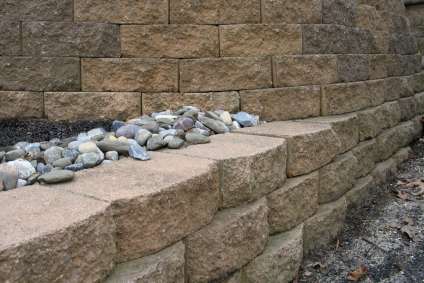
Allocate a budget for annual maintenance activities like inspections, drainage management, and repointing. These routine tasks may seem minor, but they accumulate over time and help you avoid larger expenses linked to wall failure.
- Evaluating Material Costs: The choice of materials impacts both installation and maintenance costs, and influences overall retaining wall cost. Investing in quality materials can reduce future repair expenses.
- Professional Services: Consider the cost of hiring professionals for inspections and repairs. While it may seem costly upfront, professional expertise can save money by preventing errors and ensuring the longevity of the wall.
- Long-term Savings: Regular maintenance extends the life of your retaining wall, ultimately saving money by delaying the need for significant repairs or replacements.
Retaining walls can be more than just functional structures; they can enhance the beauty and utility of your outdoor space. Explore creative ideas to transform your retaining wall into an attractive and purposeful element of your landscape. The following retaining wall ideas can inspire designs that balance aesthetics and performance.
Incorporating multiple retaining walls at varying heights can create a stunning tiered garden. This design not only maximizes planting space but also adds depth and visual interest to your yard.
- Plant Selection: Use a mix of flowers, herbs, and small vegetables to create a vibrant and diverse garden. Consider seasonal plants for year-round color and interest.
- Design Techniques: Experiment with different wall heights and materials to create a unique and cohesive look. Use contrasting textures and colors to highlight each tier.
- Functional Benefits: Tiered gardens offer practical benefits, such as improved drainage and easier access for gardening and maintenance tasks.
Transform your retaining wall into a multifunctional space by adding seating features. A flat, smooth top can provide additional seating for outdoor gatherings.
- Material Choices: Select materials like stone or wood that complement your landscape design and provide a comfortable seating surface.
- Incorporating Comfort: Enhance seating areas with cushions or outdoor furniture to create a cozy and inviting atmosphere.
- Integration with Landscape: Design seating walls to blend seamlessly with the surrounding landscape, using plants or decorative elements to soften edges.
Integrate a water feature into your retaining wall to add tranquility and aesthetic appeal to your outdoor space. A small waterfall or fountain can create a calming ambiance.
- Design and Placement: Consider the placement of the water feature to ensure optimal visibility and accessibility. Use natural stone or materials that harmonize with the wall's design.
- Maintenance Considerations: Regularly clean and maintain the water feature to prevent algae buildup and ensure proper water flow.
- Enhancing Relaxation: The sound of flowing water can create a peaceful environment, making your outdoor space a perfect retreat for relaxation and contemplation.
Incorporate lighting elements into your retaining wall to enhance its visual appeal and functionality. Lighting can highlight the wall's texture and provide a warm glow at night.
- Types of Lighting: Choose from LED lights, solar-powered fixtures, or low-voltage lighting systems to suit your needs and preferences.
- Placement and Installation: Strategically place lights to illuminate pathways, highlight architectural features, and improve safety.
- Energy Efficiency: Opt for energy-efficient lighting solutions to minimize environmental impact and reduce energy costs.
Maintaining a retaining wall is essential for ensuring its durability and functionality. By following these maintenance tips, you can keep your retaining wall in top condition, enhancing both the structural integrity and aesthetic appeal of your landscape. Regular inspections, proper drainage, vegetation control, and repointing are crucial tasks that can prevent costly repairs and extend the life of your wall. Additionally, exploring creative retaining wall ideas can transform your outdoor space into a stunning and functional area that meets your needs. Investing time and resources into maintenance now will pay off in the long run, preserving the beauty and functionality of your retaining wall for years to come.
Frequently Q&A
Question: What routine checks should I perform to keep my retaining wall in good shape?
Short answer: Conduct regular inspections to catch small issues early. Look for horizontal and vertical cracks, any sections that are bulging, and signs the wall is leaning—use a level to confirm whether it remains vertical. Check for water-related issues such as damp spots or pooling near the wall, and make sure weep holes or drainage pipes aren’t blocked. If your wall uses mortar, inspect joints for crumbling or missing material. Early detection and timely repairs help prevent minor problems from becoming costly failures.
Question: How do I ensure proper drainage so water doesn’t damage my retaining wall?
Short answer: Make sure your wall includes weep holes or drainage pipes and keep them clear so water can escape and pressure doesn’t build behind the wall. Use and maintain gravel backfill to promote flow away from the structure. Regularly monitor the area for pooling or persistent damp spots—these indicate drainage issues that need attention to avoid increased lateral pressure and potential wall damage.
Question: Can I plant near my retaining wall, and what plants are best?
Short answer: Yes, but choose vegetation carefully to protect the wall’s stability. Avoid large trees and shrubs with aggressive roots that can push against the structure. Opt for smaller plants or ground covers with shallow root systems, ideally native species suited to local conditions for easier care. Keep all vegetation pruned to prevent overgrowth and extra weight on the wall while preserving its appearance and assisting with erosion control.
Question: When should I repoint a brick or stone retaining wall, and what’s involved?
Short answer: Repoint when you see deteriorated mortar—crumbling, missing, or cracked joints. The process involves removing the damaged mortar and applying new mortar to restore the wall’s integrity. Do this during dry conditions to ensure proper adhesion and a seamless finish. Establish a maintenance schedule based on the wall’s exposure and usage to keep joints sound and prevent gaps that can compromise stability.
Question: How should I budget for retaining wall maintenance, and is hiring professionals worth it?
Short answer: Plan for recurring costs such as inspections, drainage upkeep, and repointing. Material choices affect both initial and ongoing expenses; investing in quality materials can reduce future repairs. Hiring experienced professionals for installation, inspections, and repairs often saves money over time by preventing errors, accounting for local soil and weather conditions, and extending the wall’s lifespan. Regular maintenance is a long-term cost saver by delaying major repairs or replacements.
If you are in need of a reliable retaining wall company, please do not hesitate to reach out to us. You can contact us via email at info@jaguarlandscape.com, or alternatively, you can give us a call at (469) 910-6600. We are ready to assist you in building a strong and durable retaining wall that will meet your needs today!