
Landscaping Design Companies Near Me Guide
A great landscape starts with the right pro, not just the prettiest portfolio. If you are searching for residential landscaping near me, the goal is to find a local team that knows your climate, property, budget, and how you want to use your outdoor space. The best fit may be a designer, contractor, landscape architect, gardener, or design-build company that handles everything from concept to upkeep.
This guide breaks down how to compare landscaping design companies near me, what services to expect, how to think about cost, and which questions help you avoid poor work or an unclear project scope.
What type of LandscapeStyle Design do you need?
The right pro depends on project size and complexity. A simple front-yard refresh may only need a skilled local landscaper. A sloped lot, drainage issue, pool area, retaining wall, or luxury outdoor living plan may call for a landscape architect or an experienced landscape contractor. Landscape architects are trained to plan and design outdoor spaces, and ASLA describes the field as blending art and science for homes, gardens, campuses, waterfronts, and other built places.
Use this simple guide before you start calling companies:
- Hire a landscape designer if you want a planting plan, curb appeal upgrade, garden layout, color palette, or outdoor aesthetic refresh.
- Hire a landscape contractor if your project includes installation, grading, irrigation, sod, pavers, retaining walls, drainage, lighting, or construction coordination.
- Hire a landscape architect if your property has complex grading, structural features, major drainage needs, permitting concerns, or a high-end master plan.
- Hire a design-build landscaping company if you want one team to design, install, and often maintain the finished space.
This split matters because many homeowners search for landscape architects near me when they really need a contractor, or search for landscape contractors near me when they need a stronger design plan first. If you are unsure, ask each company what role they usually play: concept planning, technical design, installation, maintenance, or all of the above.
Local expertise makes the design work harder
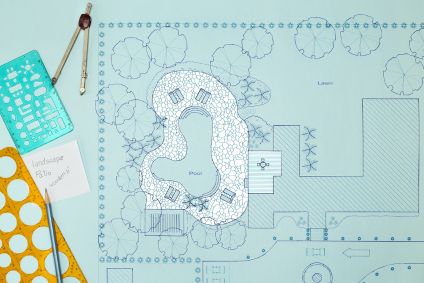
Landscaping is never one-size-fits-all. Soil, sun, slope, drainage, wind, salt air, rain, pests, and neighborhood rules all affect whether a design thrives or turns into a maintenance headache. That is why local landscaping services often have an edge over distant providers: they know which plants do well in your region, which materials hold up, and which choices may trigger permit or HOA issues.
A local company should be able to explain why it recommends a certain turf, tree, paver, irrigation layout, or drainage fix for your site. In coastal areas, that may mean salt-tolerant planting and corrosion-safe fixtures. In hot, dry climates, it may mean drought-aware planting and efficient irrigation. In places with heavy rain, grading and runoff control may matter just as much as style.
When reviewing portfolios, look for projects that match your site, not just your taste. A lovely hillside design may not fit a flat suburban yard, and a lush tropical plan may not suit a region with cold winters. The best landscape design companies connect the look you want with the limits of the site.
Services the best landscaping design companies usually offer
Most homeowners start with one need, such as 'I want a better backyard,' but a strong project usually brings several services together. Industry materials from the National Association of Landscape Professionals show that landscape companies often work across maintenance, lawn care, installation, design-build, irrigation, hardscaping, outdoor lighting, tree and shrub care, and related services. `
Common service areas include:
- Landscape design: site plans, planting concepts, material selection, outdoor room layouts, and phased project plans.
- Softscaping: trees, shrubs, perennials, groundcovers, sod, mulch, soil prep, and seasonal color.
- Hardscaping: patios, walkways, retaining walls, steps, edging, fire features, pool surrounds, and outdoor kitchens.
- Irrigation and drainage: sprinkler systems, drip irrigation, smart controllers, French drains, grading, and runoff solutions.
- Outdoor lighting: path lights, uplighting, step lights, accent lights, and safety light.
- Maintenance: mowing, pruning, weed control, feeding, cleanup, plant health checks, and seasonal refreshes.
If you want a turnkey experience, ask whether the company offers both outdoor design services and installation. If the company only designs, you may need a separate contractor. If the company only installs, you may need a designer or architect to make the plan before construction starts.
What does luxury landscape design include?
Luxury landscape design goes beyond expensive materials. It is about creating a unified outdoor space where flow, comfort, lighting, planting, views, privacy, and long-term care all feel intentional. The best luxury spaces look easy because every detail was planned before installation began.
For homeowners comparing luxury landscape designers, look for teams that can design full outdoor living spaces, not just single features. That might include a covered lounge, custom stone patio, sculptural planting, resort-style pool area, outdoor kitchen, water feature, fire element, privacy screening, smart irrigation, and layered lighting that makes the space usable after sunset.
Luxury can also mean restraint. A refined design may use fewer materials, stronger lines, better lighting, and higher-quality work rather than filling the yard with disconnected features. Ask designers how they balance beauty with upkeep, because a high-end landscape should still be realistic to care for.
Strong luxury plans often include:
- A clear outdoor 'floor plan' with dining, lounging, cooking, and circulation zones.
- Premium materials chosen for durability, not just appearance.
- Lighting that highlights architecture, trees, steps, and gathering areas.
- Plant layers that add texture, privacy, color, and seasonal interest.
- Irrigation and drainage built into the plan instead of added later.
- A maintenance plan that protects the investment after installation.
Cost depends on scope, site conditions, and finish level
Landscaping costs vary widely because projects range from routine cleanup to full property changes. Instead of relying on one average, think in cost drivers:
- Project size: A small entry garden costs less than a full front and backyard redesign.
- Design complexity: Curves, elevation changes, custom masonry, lighting scenes, and water features need more planning and labor.
- Materials: Natural stone, premium pavers, custom metalwork, mature trees, and specialty lighting usually cost more than basic options.
- Site condition: Poor drainage, compacted soil, steep slopes, tree removal, or limited equipment access can raise labor.
- Permits and engineering: Retaining walls, electrical work, drainage changes, pools, and structural features may need more approvals.
- Maintenance needs: A lush planting design may need more ongoing care than a simpler, lower-maintenance plan.
Ask each company to separate design fees, materials, labor, allowances, optional upgrades, and ongoing maintenance. That makes bids easier to compare and helps you decide what to build now and what can wait for a later phase.
A clear process leads to a smoother project
The best landscaping projects rarely start with a vague quote. They start with a talk about goals, limits, style, timeline, maintenance needs, and budget. A good company should ask how you plan to use the space, whether you entertain often, how much privacy you need, who will maintain the yard, and which problems you want fixed first.
A good process often looks like this:
- Initial consultation: You discuss goals, pain points, budget range, and must-have features.
- Site review: The pro checks sun, shade, drainage, slopes, soil, access, utilities, and existing plants.
- Concept design: You review a layout, mood direction, planting approach, and possible materials.
- Detailed proposal: The company gives scope, pricing, timeline, responsibilities, and exclusions.
- Installation planning: Materials, permits, crews, and phases are organized before work starts.
- Walkthrough and maintenance plan: You review the finished work and learn how to care for it.
If a company jumps straight to a price without understanding the site, treat that as a warning sign. Quick estimates can help with rough budgeting, but detailed landscaping work needs a detailed plan.
How should you vet landscaping design companies near me?
Start by comparing proof, process, and communication, not just photos. The Federal Trade Commission advises homeowners to confirm contractor licensing with state or county government and ask for proof of insurance before hiring, while state contractor agencies often recommend written contracts and license checks.
Use this checklist before signing:
- Confirm the company handles your type of project: design, installation, hardscape, irrigation, lighting, maintenance, or luxury work.
- Ask for a portfolio of local projects with similar style, scale, or site conditions.
- Verify licensing requirements in your city, county, or state.
- Request proof of general liability insurance and workers' compensation coverage where needed.
- Read reviews for patterns: communication, cleanup, schedule reliability, plant health, and follow-through.
- Ask who will manage the project and how often you will get updates.
- Request a written scope that lists materials, quantities where possible, payment schedule, change-order process, and exclusions.
- Be cautious of very low bids, pressure to decide immediately, vague contracts, or reluctance to provide documentation.
When searching landscaping design companies near me, it is tempting to choose the first attractive portfolio. Slow down long enough to see whether the company is organized, insured, responsive, and realistic about your budget. A good partner will explain tradeoffs clearly rather than promising everything at the lowest price.
Maintenance protects the value of the finished landscape
A landscape is a living investment. Even the best installation can decline if irrigation is mismanaged, plants are pruned badly, weeds take over, or drainage problems go unchecked. Before the project ends, ask what care the design will need during the first month, first season, and first year.
For simple yards, a seasonal cleanup and basic lawn service may be enough. For more complex designs, an ongoing maintenance contract can protect plant health, keep the design shape intact, and lower the chance of costly replacements. This matters even more for luxury landscapes with specialty plants, lighting systems, irrigation zones, pools, outdoor kitchens, or high-end hardscape materials.
Ask whether the same company that installs the project can maintain it. If not, ask for written care steps that another maintenance provider can follow. The goal is not just a nice reveal day; it is a landscape that grows well over time.
The best choice balances beauty, budget, and trust
The strongest landscaping partner is the one that understands your property, listens well, explains options clearly, and has the skills to deliver the level of work your project needs. For a simple refresh, that may be a trusted local crew. For a full outdoor transformation, it may be a design-build firm, landscape contractor, or licensed landscape architect.
As you compare residential landscaping near me, focus on fit: the right services, local experience, clear pricing, verified credentials, and a plan for long-term care. A well-designed landscape can improve curb appeal, make your home more enjoyable, and turn unused outdoor space into a place you actually want to spend time in.
Q&A
Should I hire a landscape designer, contractor, or landscape architect?
Short answer: Match the pro to the project complexity. A designer is often enough for planting plans, curb appeal, and layout ideas. A contractor is better for installation-heavy work such as grading, irrigation, pavers, retaining walls, lighting, or drainage. A landscape architect is best for complex sites, structural features, major grading, permit needs, or high-end master planning.
Why is hiring a local landscaping company important?
Short answer: Local expertise helps make sure the design fits your climate, soil, drainage, sun, pests, and neighborhood rules. A local team should know which plants do well in your region, which materials hold up, and which design choices may create permit or HOA issues.
What should be included in a landscaping proposal?
Short answer: A clear proposal should outline the scope of work, materials, pricing, timeline, responsibilities, exclusions, payment schedule, and change-order process. It also helps when companies separate design fees, labor, materials, allowances, optional upgrades, and maintenance costs so bids are easier to compare.
How can I avoid hiring the wrong landscaping company?
Short answer: Look beyond portfolio photos. Verify licensing requirements, request proof of insurance, read reviews for patterns, ask who will manage the project, and insist on a written scope. Be cautious of vague contracts, very low bids, pressure to decide fast, or companies that will not provide documentation.
Why does maintenance matter after installation?
Short answer: Landscaping is a living investment, so it needs proper care to mature well. Irrigation, pruning, weed control, plant health checks, drainage checks, and seasonal cleanups can protect the design and reduce the risk of costly replacements, especially for luxury landscapes or complex outdoor living spaces.