
Innovative Ideas from a Landscape Design Company for Homes
Your home is your sanctuary, but its true potential doesn't stop at the front door. A beautifully designed exterior extends your living space, creates a welcoming atmosphere, and provides a peaceful retreat from the outside world. Whether you are looking to create a modern minimalist courtyard or a lush, resort-style backyard, partnering with an expert landscape design company can turn your wildest outdoor dreams into a stunning reality.
Beyond simply boosting your daily enjoyment, there is a tangible financial incentive: improving property value through professional landscaping is one of the most proven ways to maximize your real estate investment. A well-executed landscape plan can yield a high return on investment, making your home stand out in the neighborhood.
Let's explore some innovative ideas, essential principles, and professional strategies to help you transform your yard into a breathtaking oasis.
Laying the Groundwork: Planning Your Dream Landscape
Great landscapes do not happen by accident; they are the result of meticulous planning and thoughtful execution. Before you buy a single plant or lay a single paver, you need a solid foundation.
The Importance of a Master Plan
A common mistake homeowners make is tackling their yards piecemeal. This often results in a disjointed look and wasted money. Developing a comprehensive residential landscape master plan ensures that every element—from the driveway to the backyard fence—works together harmoniously. A master plan maps out current features, desired additions, and future phases, allowing you to build your dream yard over time without losing cohesiveness.
Visualizing the Future
It can be difficult to imagine how a flat patch of grass will look as a multi-tiered patio. This is where the benefits of professional 3D landscape rendering come into play. Modern designers at the best landscape design companies use advanced software to create lifelike digital models of your future yard. This allows you to walk through the space virtually, see how sunlight casts shadows at different times of day, and make crucial adjustments before any physical labor begins.
Budgeting Expectations
Understanding the cost of professional backyard renovation is vital for a stress-free project. Costs vary wildly depending on the scope of work, materials, and regional labor rates.
- Minor updates: Small planting beds and simple pathways may cost a few thousand dollars.
- Mid-range remodels: Adding a patio, fire pit, and new sod typically ranges from $10,000 to $30,000.
- High-end transformations: Full-scale overhauls involving outdoor kitchens, pools, and extensive masonry can exceed $100,000. Discuss your budget openly with your designer so they can tailor the materials and scale to fit your financial comfort zone. A landscape design and build company can also provide phased estimates and value-engineered options to align scope with your priorities.
Innovative Design Ideas for the Modern Home
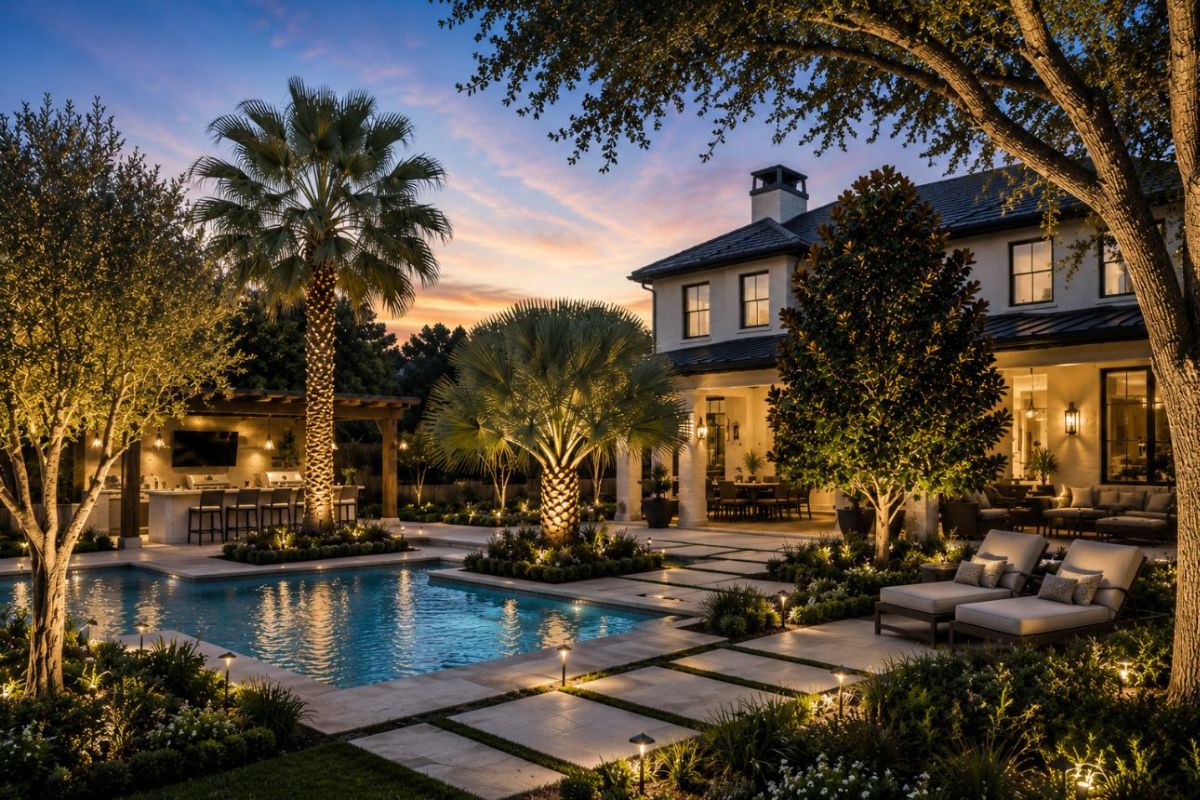
With the planning stage set, it's time to get creative. Today's top landscape designs focus on blending aesthetics with lifestyle functionality.
Elevating Curb Appeal with Less Work
The front yard is your home's first impression, but it shouldn't require all your free time to maintain. Implementing low maintenance front yard landscaping ideas gives you maximum impact with minimal effort.
- Evergreen shrubs: Choose slow-growing evergreens that provide year-round color without constant pruning.
- Gravel and river rock: Replace thirsty, weed-prone grass lawns with modern rock gardens.
- Architectural lighting: Install low-voltage LED uplighting to highlight structural trees and your home's facade.
A local landscape design company can also recommend region-appropriate plants and lighting specs to reduce ongoing maintenance.
Crafting the Perfect Backyard Retreat
Your backyard should be a functional extension of your interior. If you are wondering about the best steps to design an outdoor living space, follow this simple progression:
- Define the Purpose: Will you use the space for dining, lounging, or hosting large parties?
- Establish Zones: Create distinct areas (e.g., an outdoor kitchen, a cozy fire pit lounge, a dining area) just like rooms in a house.
- Ensure Flow: Design clear, wide pathways connecting these zones to prevent bottlenecks.
- Add Shelter: Incorporate pergolas, shade sails, or pavilions to make the space usable in various weather conditions.
Experienced landscape design and build contractors can coordinate utilities, permits, and safety clearances so each zone functions flawlessly.
The Ultimate Resort Vibe
For those seeking the pinnacle of outdoor living, luxury landscape design focuses on bespoke features and premium materials. One of the most highly sought-after features is custom swimming pool and patio integration. Rather than treating the pool as an afterthought, modern designs seamlessly blend the pool coping with the surrounding patio, using matching natural stone or high-end pavers. Add features like infinity edges, integrated sunken fire pits, or sheer descent waterfalls to create a five-star resort experience in your own backyard.
Form Meets Function: Essential Landscape Elements
A successful landscape is a delicate balance between natural growth and human-made structure.
Striking a Balance
Understanding hardscape vs softscape elements is crucial to balancing your design.
- Hardscaping refers to the heavy, inanimate objects: patios, retaining walls, walkways, and outdoor kitchens. They provide the "bones" of your landscape.
- Softscaping encompasses the living, growing elements: trees, shrubs, flowers, and turf. They bring softness, color, and life to the space. The best designs perfectly balance these two. Too much hardscape can feel cold and commercial, while too much softscape can feel wild and lack usable space.
Managing the Elements
While aesthetics are exciting, engineering is what keeps your yard intact. Implementing effective drainage solutions for residential yards is an absolute necessity. Standing water can destroy plants, breed mosquitoes, and even threaten your home's foundation. A professional designer will assess your property's grading and may install French drains, catch basins, or beautiful dry creek beds to safely direct water away from your home.
Embracing Eco-Friendly Landscaping
Today's most innovative landscapes are not just beautiful; they are ecologically responsible. Incorporating sustainable garden design principles reduces your environmental footprint while saving you money on water and maintenance.
Water-Wise Plantings
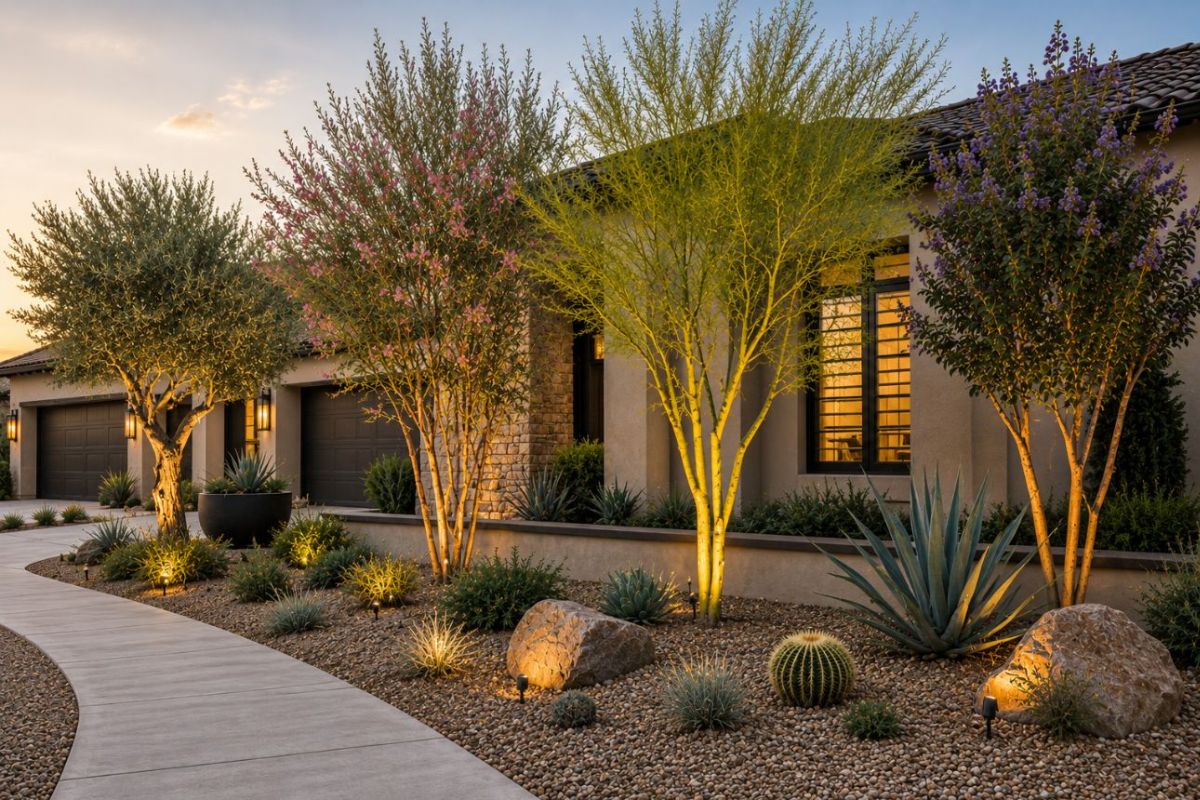
With shifting climates and water restrictions, drought-tolerant planting strategies for homeowners are more important than ever. Xeriscaping—a practice that minimizes the need for irrigation—is highly effective. By grouping plants with similar water needs together (hydro-zoning) and utilizing smart irrigation controllers that adjust to the weather, you can drastically cut your water usage.
Furthermore, prioritize native plant selection for local climates. Plants that naturally evolve in your specific region are naturally resistant to local pests and diseases. They require far less fertilizer and supplemental watering than exotic species, and they provide vital habitats for local pollinators like bees and butterflies.
Bringing the Vision to Life: Hiring the Right Professionals
You have the vision, the plan, and the ideas. Now, you need the right team to build it. Knowing who to hire can make or break your project.
Who Do You Need?
Homeowners are often confused by the terminology when starting a project. Understanding the difference between hiring a landscape architect vs designer is a great first step.
- Landscape Architects: Hold formal degrees and are state-licensed. They are essential for complex projects involving steep slopes, extensive retaining walls, complex drainage, and structural engineering.
- Landscape Designers: Often have strong horticultural backgrounds and design expertise. They are perfect for master planning, plant selection, patio layouts, and overall aesthetic vision.
Finding the Right Fit
When you start searching for landscape design companies near me or a landscaping design company near me , you will likely be met with dozens of options. So, how to choose a reputable local landscaper?
- Check their Portfolio: Ensure their past work aligns with your desired aesthetic.
- Verify Licenses and Insurance: Protect yourself from liability.
- Read Reviews and Check References: The best landscape design companies will gladly provide references from past clients.
- Assess Communication: Choose a team that listens to your ideas and communicates clearly.
The All-in-One Solution
For a seamless, stress-free experience, consider hiring a landscape design and build company . Unlike the traditional model where you hire a designer and then bid the plans out to separate installation crews, landscape design and build contractors handle everything under one roof.
Working with a custom design landscape company that offers build services ensures that the original vision is strictly adhered to during installation. It eliminates communication gaps between the designer and the builders, prevents budget surprises, and generally speeds up the timeline.
What to Expect During the Build
Undertaking a major renovation can be disruptive. A reputable firm will guide you through the landscape construction project management process. Here is what a typical process looks like:
- Permitting and Approvals: The company secures necessary local permits and HOA approvals.
- Site Demolition and Prep: Clearing old vegetation, grading the land, and marking utility lines.
- Infrastructure: Installing the "hidden" elements—drainage systems, irrigation pipes, and electrical wiring.
- Hardscaping: Building the patios, walls, pools, and pathways.
- Softscaping: Planting trees, shrubs, and laying sod or mulch.
- Final Walkthrough: Testing lighting and irrigation, and ensuring every detail meets your expectations.
Transforming your property into a highly functional, visually stunning landscape is one of the most rewarding investments you can make as a homeowner. By establishing a master plan, balancing hardscapes with eco-friendly softscapes, and trusting the process to a reputable, professional team, you can create a personalized outdoor haven. Take the time to research, dream big, and watch as your home's exterior blossoms into the ultimate retreat. When you're ready, consult a trusted landscape design company to translate your vision into a buildable, budget-aligned plan.
Q&A
Question: Why is a residential landscape master plan so important, and how do 3D renderings help?
Short answer: A master plan prevents piecemeal decisions that lead to a disjointed, costly yard. It maps existing features, desired additions, and future phases so everything works together over time. Professional 3D renderings let you virtually “walk” the design, study sun and shadow, and fine-tune materials, layouts, and details before construction—saving time, money, and rework.
Question: What should I expect to spend, and how can I keep the project within my budget?
Short answer: Costs vary by scope, materials, and local labor. As a guide: minor updates can be a few thousand dollars; mid-range patios/fire pits/new sod often run $10,000–$30,000; high-end projects with kitchens, pools, and masonry can exceed $100,000. Share your budget early so your designer can phase the work, value-engineer materials and details, and align scope to your priorities without losing design cohesiveness.
Question: How do I design a backyard that functions like an extension of my home?
Short answer: Start by defining the primary purpose (dining, lounging, entertaining). Then create distinct zones (kitchen, fire pit lounge, dining), connect them with clear, wide paths to maintain flow, and add shelter (pergolas, shade sails, pavilions) for all-weather use. Experienced design–build teams can coordinate utilities, permits, and safety clearances so each zone performs flawlessly.
Question: Do I really need to plan for drainage?
Short answer: Yes. Poor drainage causes standing water that harms plants, attracts mosquitoes, and can endanger your home’s foundation. Pros assess grading and use solutions like French drains, catch basins, or aesthetically pleasing dry creek beds to move water safely away from structures and living areas.
Question: Should I hire a landscape architect or a designer—and why consider design–build?
Short answer: Choose a licensed landscape architect for complex sites, steep slopes, major retaining walls, or structural/drainage engineering. A landscape designer is ideal for master planning, plant selection, patios, and overall aesthetics. A design–build company handles design and construction under one roof, preserving the original vision, reducing communication gaps and budget surprises, and typically speeding timelines. To pick the right partner, review portfolios, verify licenses/insurance, read reviews and check references, and assess how well they communicate and listen.
