
Comparing Costs: Vinyl vs Wood Fencing
When comparing costs---vinyl vs wood fencing---what's a new fence really going to cost you? The "cheaper" option today can easily become the more expensive headache tomorrow, hidden in years of maintenance and lost weekends.
That upfront price tag is only the beginning. Maintenance isn't just a chore; it's a recurring expense that needs to be budgeted. For a wood fence, this means spending time and money on stains and sealers every few years. To confidently decide which fence is right for your home---vinyl vs wood fence---you need to compare the upfront price, long-term expenses, and total value.
The Upfront Price Tag: How Much Does Each Fence Cost Per Foot?
Fence quotes are typically priced per "cost per linear foot," which bundles materials and professional installation. To estimate your budget, measure your property line and multiply it by the per-foot cost of your chosen material. This makes it easier to compare vinyl vs wood fence price quotes or even a PVC fence vs wood fence estimate from different installers. Many contractors also list pvc fence vs wood fence cost per linear foot to clarify options.
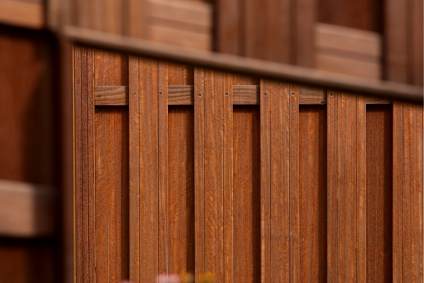
For wood options, the price varies by type. A standard wood fence installation cost starts with the most budget-friendly choice: pressure-treated pine. You can typically expect to pay $20 to $35 per linear foot installed. If you want a step up in natural durability and a richer look, cedar is a popular mid-range choice that usually runs between $30 to $50 per linear foot.
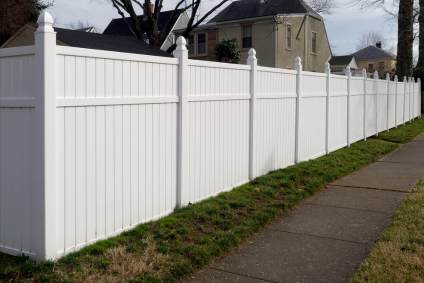
On the other side of the comparison, vinyl (PVC) almost always has the highest initial vinyl fence cost per foot, generally falling between $35 and $60. That difference can add up quickly, potentially making a vinyl fence thousands of dollars more expensive than a pine one for the same yard. However, this upfront number doesn't tell the whole story in a vinyl fence vs wood fence cost comparison. The hidden costs of maintenance are where these materials truly differ.
The "Weekend Tax": Unpacking the Real Costs of Fence Maintenance
The lower upfront price for a wood fence comes with a recurring payment---what you might call a "weekend tax." This is the time and money you'll spend over the years to prevent weathering and warping. This ongoing investment is a crucial factor when comparing the total costs of wood and vinyl. For homeowners weighing a plastic fence vs wood alternative, low-maintenance needs are often the deciding factor.
For a wood fence, protection from the elements is an ongoing job. Every three to four years, you'll need to clean and re-stain or seal the entire surface to shield it from sun and moisture damage.
This situation implies that you have two primary options to consider. The first option is to allocate an entire weekend to work on the project yourself. This would require a significant investment of your personal time and effort to complete the tasks involved. The second option involves hiring a professional, which could cost hundreds of dollars for the labor and materials needed to achieve the desired results each time you undertake the project. Both choices come with their own set of advantages and challenges, and you will need to weigh them carefully before making a decision.
Vinyl, on the other hand, is one of the most popular low-maintenance fence alternatives precisely because it demands so little from you. An occasional wash with soap and water is usually all that's needed to remove dirt and mildew, a simple task that might take an afternoon, not a whole weekend. In practical terms, this is central to the common question: is vinyl fence better than wood for long-term upkeep?
This is where the true cost difference emerges. The higher price of a vinyl fence can be seen as pre-paying for years of hassle-free weekends. The decision isn't just about the initial bill, but about how you value your time long after the installation crew has gone home.
Which Fence Lasts Longer? A Look at Durability and Lifespan
A wood fence in Richardson is in a constant battle with nature. A well-maintained wood fence can last 15 to 20 years, but it requires you to actively defend it from its natural enemies: moisture causing rot, damaging insects, and sun that leads to warping. Without consistent effort from the homeowner, its potential lifespan can be cut short significantly.
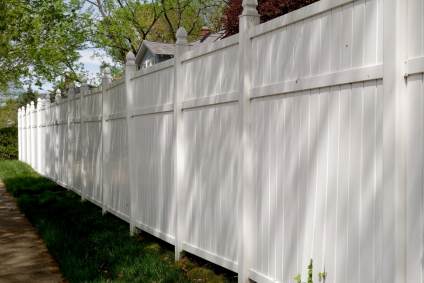
In contrast, a quality vinyl fence often has a 20 to 30-year warranty because it's immune to rot and pests. Its main vulnerabilities are physical. A heavy impact from a falling branch might cause a crack, and lower-quality vinyl can become brittle or fade over many years of sun exposure. But against normal weather, it holds up exceptionally well with minimal help. This underscores the vinyl fence versus wood fence trade-off: more maintenance potential with wood versus engineered longevity with vinyl.
If you're planning a privacy layout, a vinyl vs wood privacy fence comparison typically follows the same pattern---higher upfront for vinyl, lower ongoing upkeep---though style preferences and HOA rules may influence the final call.
The 20-Year Cost Showdown: A Tale of Two Fences
Is vinyl fencing cheaper than wood in the long run? While wood often has a lower price on day one, you have to look at the total cost over the fence's lifetime to understand the real return on investment. This is the difference between the sticker price and the total cost of ownership.
For a typical backyard, a wood fence might cost $7,000 upfront, while a comparable vinyl fence costs $10,000. At first glance, wood seems like the budget-friendly choice. But what happens over the next 20 years?
That wood fence will need to be cleaned and re-stained every three years to protect it, costing around $500 each time. Over two decades, that's more than $3,000 in materials and several weekends of your time. Suddenly, your "cheaper" $7,000 fence has a real cost of over $10,000, while the vinyl fence has almost no extra costs.
In practice, the vinyl fence cost vs wood tends to converge. When you factor in the cost of pvc fence vs wood for supplies, labor, and your time, the vinyl fence cost versus wood can even look favorable in areas with harsh weather or high labor rates.
The Final Verdict: Your Guide to Choosing the Right Fence
The choice between vinyl and wood fencing isn't just about the initial price tag. It's about the hidden costs measured in future weekends and maintenance, allowing you to pick a material that fits your life, not just your immediate budget.
Your first step is simple: grab a measuring tape and walk the perimeter you want to fence. As you do, you're not just comparing materials---you're deciding what your time is worth. Whether your shortlist reads "vinyl or wood fence" or you're pricing a "pvc or wood fence," you can make a choice with clarity, knowing exactly what you're buying into for years to come.
Q&A
Question: How do I quickly estimate the upfront cost of a vinyl vs wood fence for my yard? Short answer: Measure the linear footage of the area you want to fence, then multiply by the material’s installed cost per linear foot. Typical installed ranges are $20–$35/ft for pressure-treated pine, $30–$50/ft for cedar, and $35–$60/ft for vinyl (PVC). Using those ranges lets you compare quotes apples-to-apples across contractors and materials.
Question: Why can a “cheaper” wood fence end up costing more over time? Short answer: Wood’s lower day-one price carries a recurring “weekend tax.” Every 3–4 years you’ll clean and re-stain or seal to fight moisture, sun, and insects—either sacrificing a full weekend or paying hundreds in labor and materials each cycle. Those repeat costs add up across the fence’s life, turning an initially cheaper fence into a more expensive, higher-maintenance commitment.
Question: What maintenance does each fence type actually need? Short answer: Wood needs routine protection: plan to clean and re-stain or seal every three to four years to prevent rot, warping, and sun damage. Expect either DIY time or professional costs each time. Vinyl (PVC) is largely hands-off—an occasional soap-and-water wash to remove dirt or mildew, typically an afternoon rather than a full weekend.
Question: Which lasts longer, and what typically causes problems? Short answer: With consistent care, wood fences last about 15–20 years but are vulnerable to moisture, insects, and sun-driven warping. Quality vinyl commonly carries a 20–30-year warranty and resists rot and pests; its main risks are physical impacts (e.g., a falling branch) and, in lower-quality products, long-term brittleness or fading. Under normal weather, vinyl holds up well with minimal intervention.
Question: Over 20 years, which option usually offers better value? Short answer: The costs often converge—and vinyl can even come out ahead. For example, a $7,000 wood fence vs a $10,000 vinyl fence looks cheaper at first, but wood maintenance (about $500 every three years) can exceed $3,000 over two decades, plus multiple lost weekends. Vinyl has almost no extra costs. In harsher climates or where labor is pricey, vinyl’s long-term math and low upkeep tend to be even more favorable. Preferences, privacy style, and HOA rules may still guide the final choice.
Still have more questions? Contact us now!